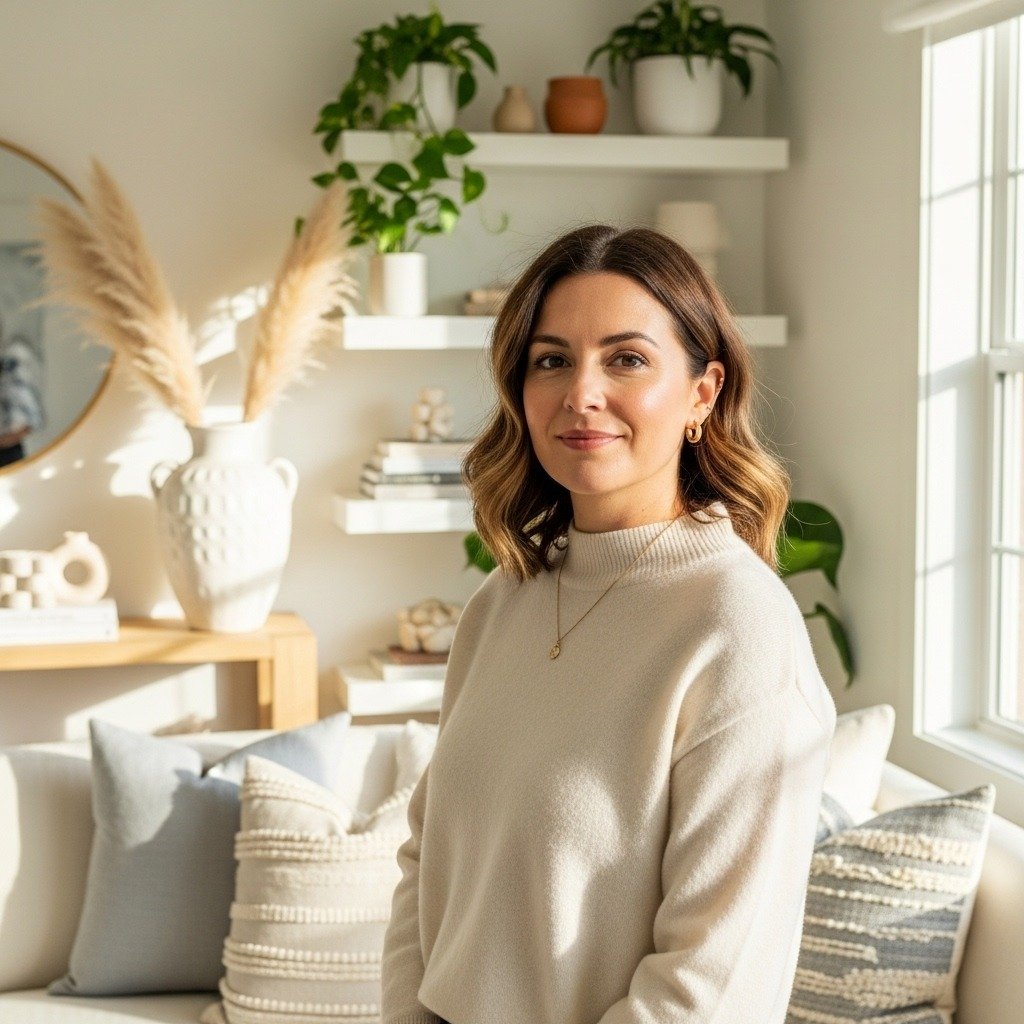
I had a corner that felt like a mistake for months. I tried a giant lamp, a small plant, a leaning frame, and nothing read as intentional. It either looked crammed or like the corner was apologizing for being empty.
What finally clicked was less about the objects and more about how they related to each other, how high the anchor should reach, and where to leave breathing room. I messed this up at least twice before I learned to measure the space, pick one confident anchor, and then live with it for a week before fiddling again.
Step 1: Clear the corner and take simple measurements
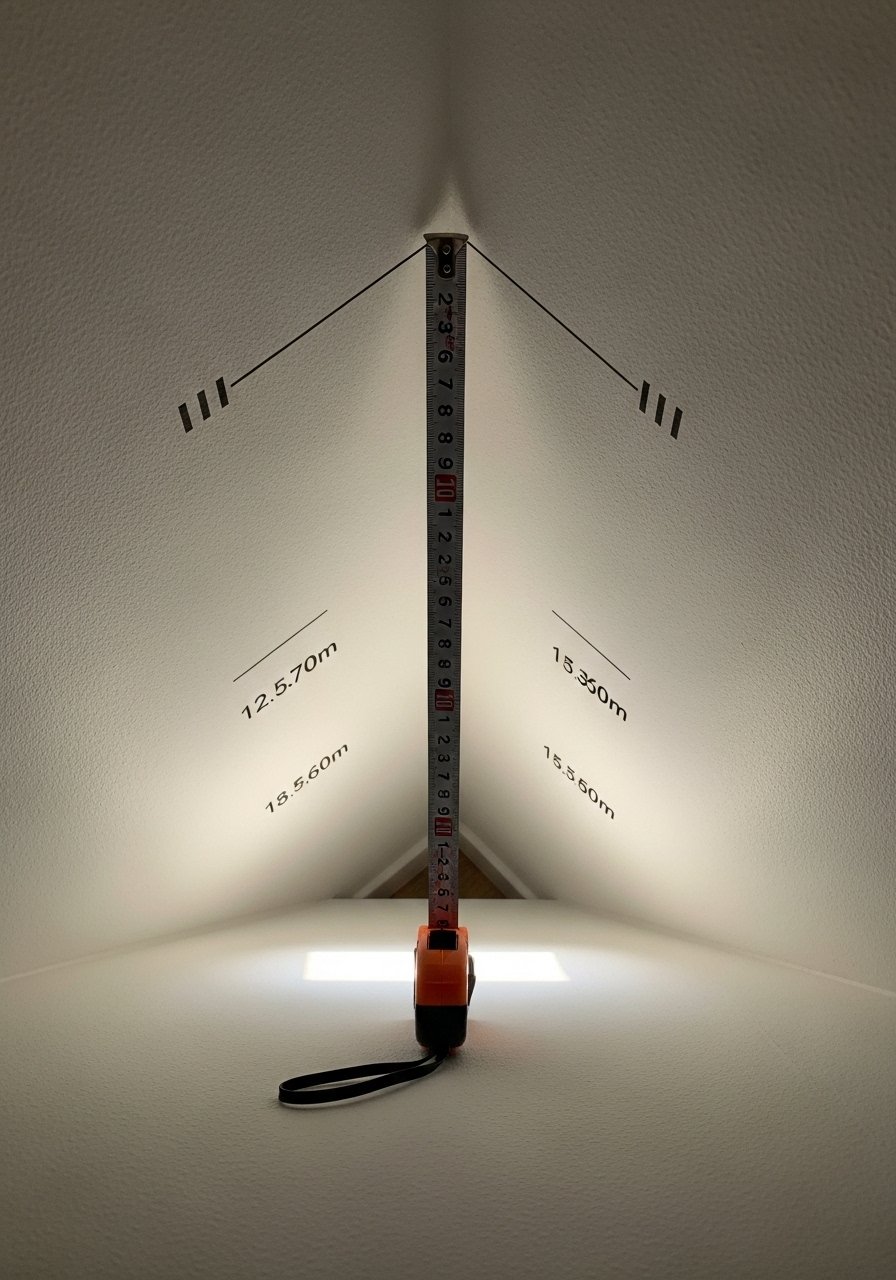
Pull everything out and notice the floor and wall details. Measure the wall height and the corner width. A good starting rule is to choose an anchor that reaches about two thirds of the wall height. That gives presence without overpowering the room.
Also check the baseboard and outlet placement. If the floor is cold or uneven, a woven basket or a low pouf will feel warmer underfoot and keeps the setup grounded. I ignored the outlet location once and had to move a lamp later. That small annoyance taught me to map the practical stuff early.
Step 2: Choose a single anchor and commit to its scale
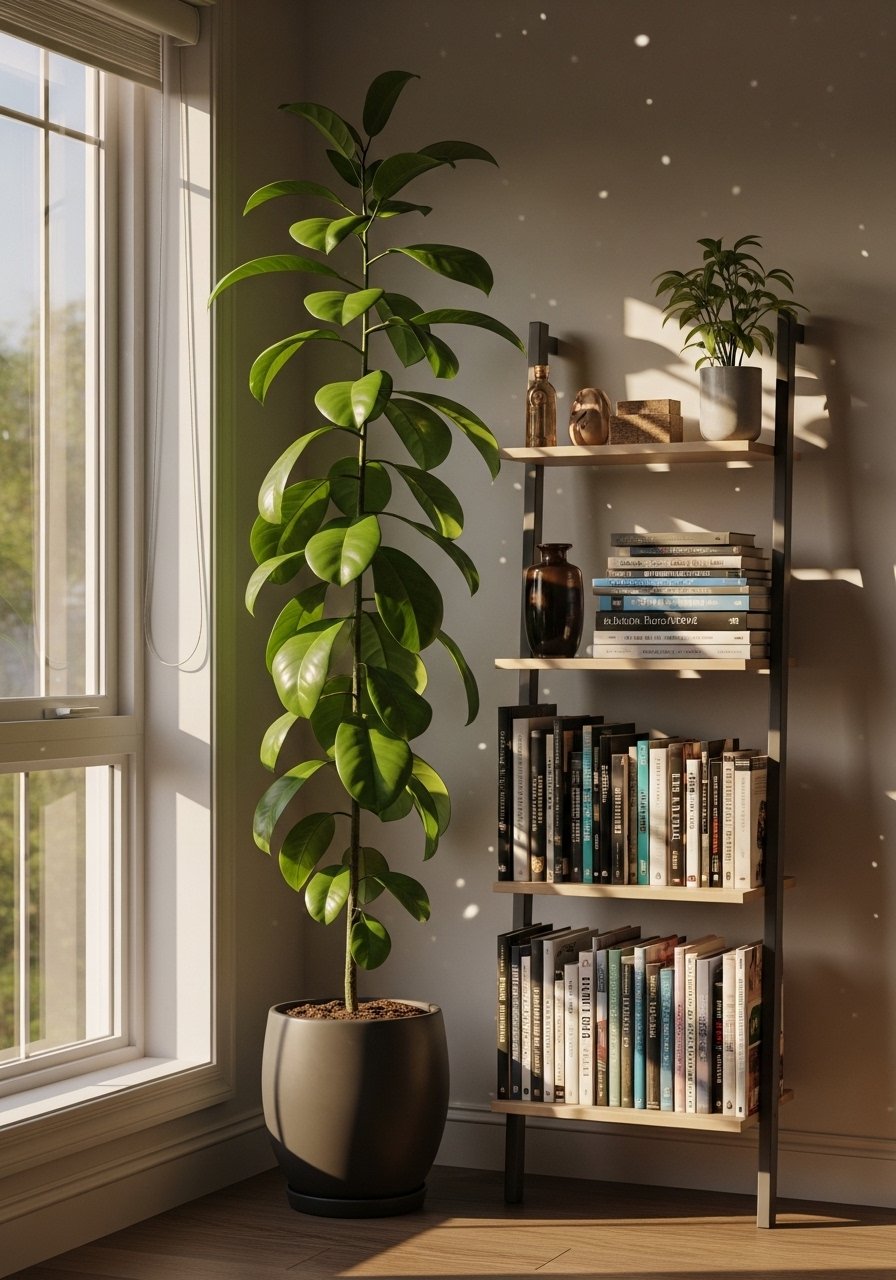
Most people start with lots of small things and no clear focal point. Instead pick one main piece, like a 60 to 72 inch floor lamp, a 6-foot narrow bookcase, or a tall potted plant. The anchor should take up roughly two thirds of the vertical space so the eye has somewhere to rest.
Feel the weight of the anchor before you buy. A ceramic planter is cool and heavy in your hands and will stay put. A flimsy metal stand feels buzzy and moves when bumped. The right weight matters for both stability and the way the corner reads as intentional.
Step 3: Layer secondary pieces with intentional spacing
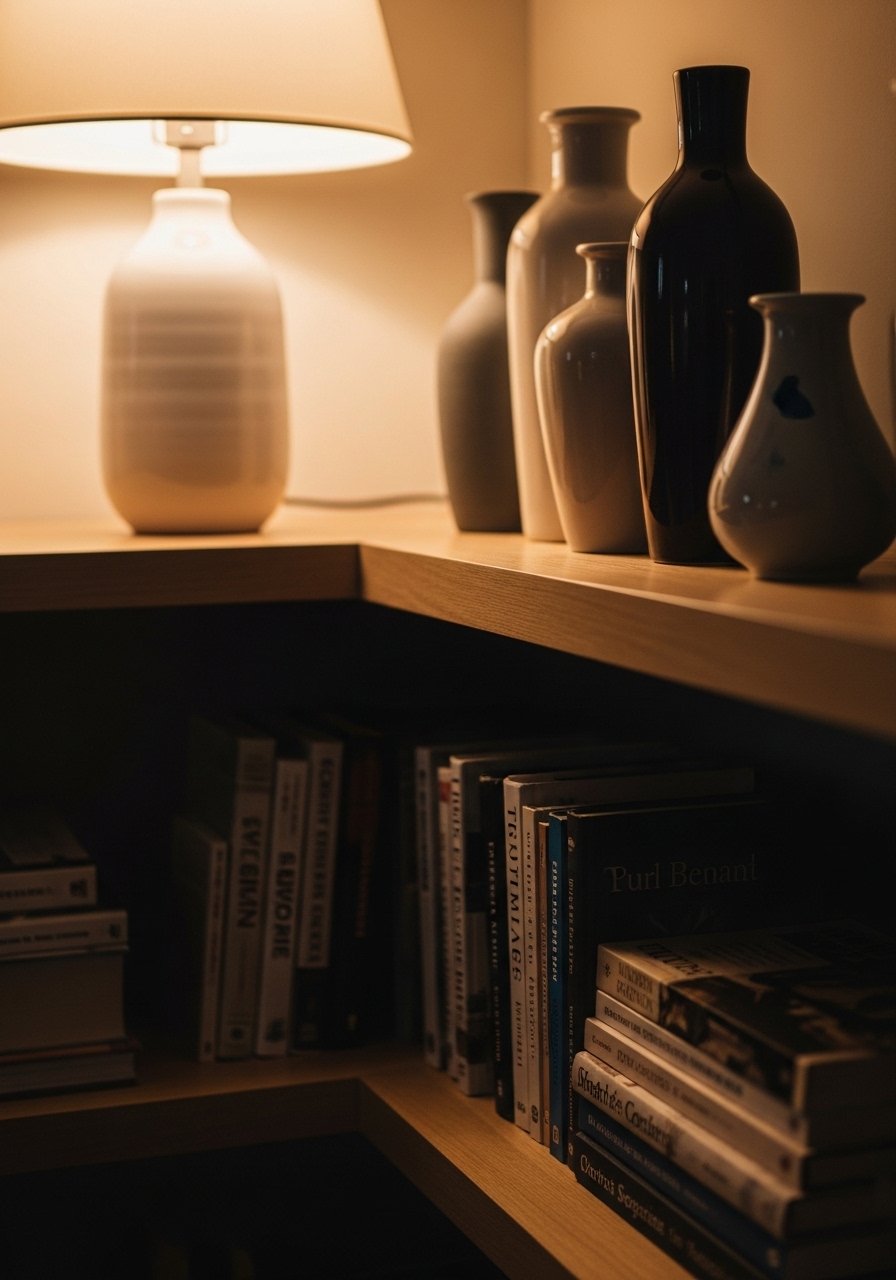
Now add two to three secondary items that support the anchor. Keep groups in odd numbers, like three or five, and leave 2 to 4 inches between objects so they do not appear glued together. A stack of two books, a ceramic vase, and a small framed photo often reads calmer than five tiny knickknacks.
A common mistake is matching heights too closely. Vary height by at least 6 to 12 inches between items so the arrangement breathes. I used to cram every shelf with small objects. Walking away for ten minutes always revealed which pieces were stealing attention.
Step 4: Add texture, low lighting, and a grounding piece
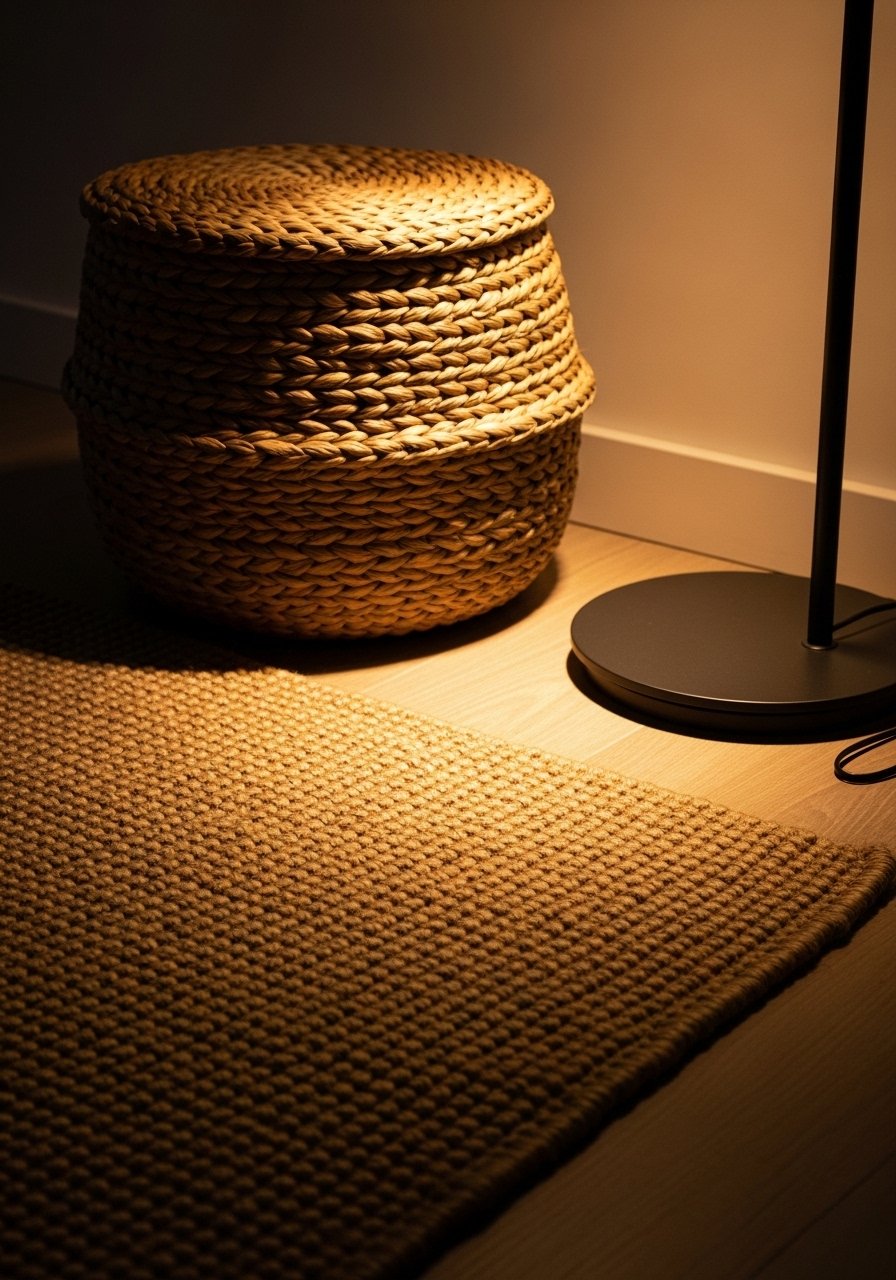
Texture is where a corner stops feeling staged. Add a jute rug or a wool pouf that extends 6 to 12 inches into the room to anchor everything. A woven basket with a chunky knit throw gives a tactile contrast to smooth ceramics and metal. Boucle looks great in photos, but it catches crumbs, so keep that in mind.
Layer a small lamp or an LED puck light to create a warm pool of light. The space will feel lived-in and usable after the light is added, not just photographed. I almost skipped the small lamp once and the corner felt flat until I added it.
Step 5: Live with it, tweak sparingly, and know when to stop
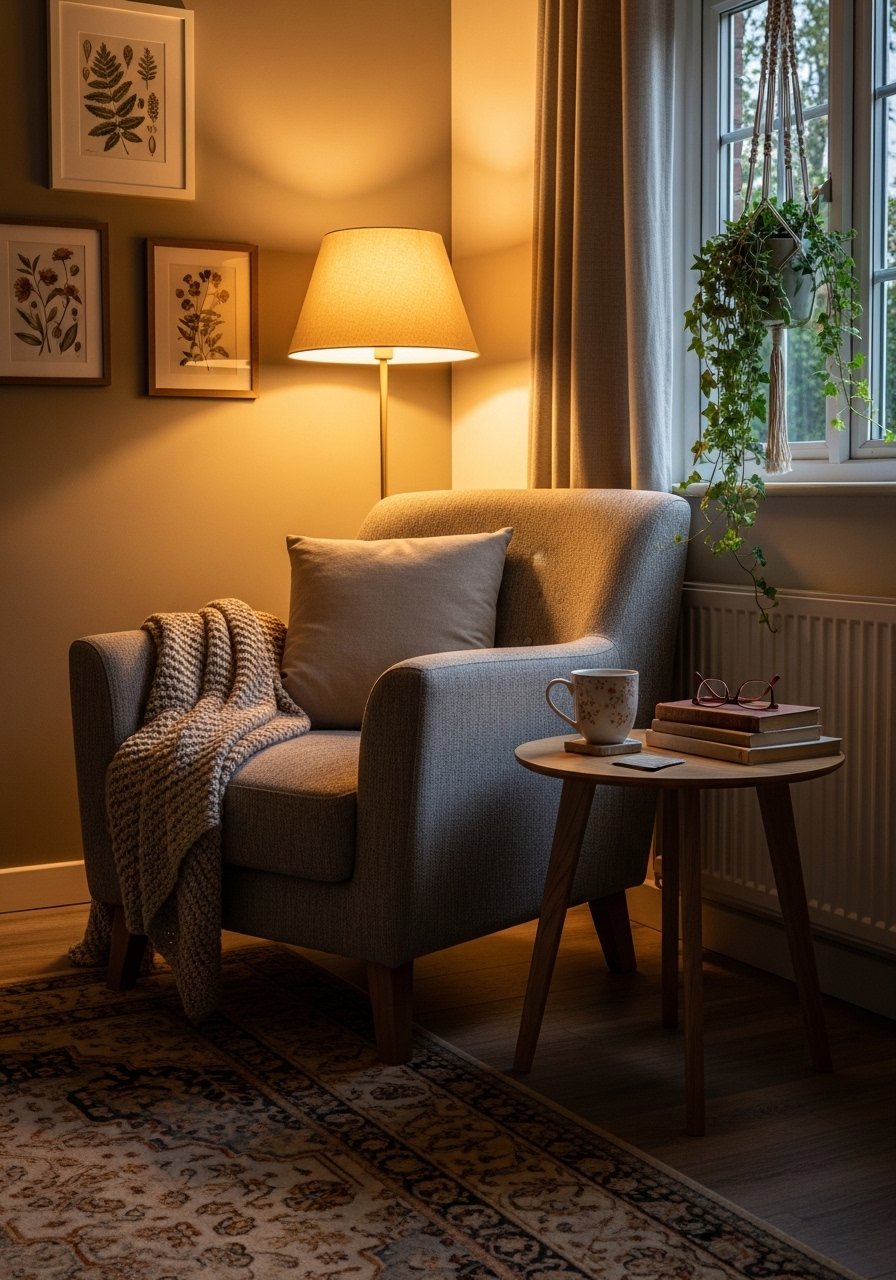
This is the step where patience wins. Step back, sit on the sofa, and watch how your eye moves toward the corner. Leave it as is for a few days. I rearranged my first version three times in one afternoon and it only got worse. After a week, the tweaks you make will be smarter because you are reacting to real use.
Small changes like swapping one vase for a taller one, or moving the rug 3 inches, often finish the look. If a pet or partner keeps disturbing the setup, choose sturdier materials and lower items to avoid repeat accidents.
Your Corner Decor Shopping List
8×10 jute area rug ($90-160). Use in Step 4 to ground the corner.
60-72 inch floor lamp, brass finish ($55-120). Step 2 anchor option, warm light replaces the need for overhead lamps.
Woven seagrass basket, large ($25-45). Step 4, holds throws or hides pet toys.
Ceramic vase set, matte white, 3-piece ($25-40). Step 3, varied heights, smooth cool touch.
Narrow 12-inch deep bookshelf, 6-foot ($80-140). Step 2 alternative anchor for books and display.
Chunky knit throw in oatmeal, 50×60 ($40-65). Step 4, tactile layer, similar at Target.
LED puck light, warm white ($10-25). Step 4, hidden under a shelf or behind a plant.
Brass picture ledge, 24-inch ($18-30). Step 5, easy-to-swap artwork that stays off the floor.
Why corners still look off after you style them
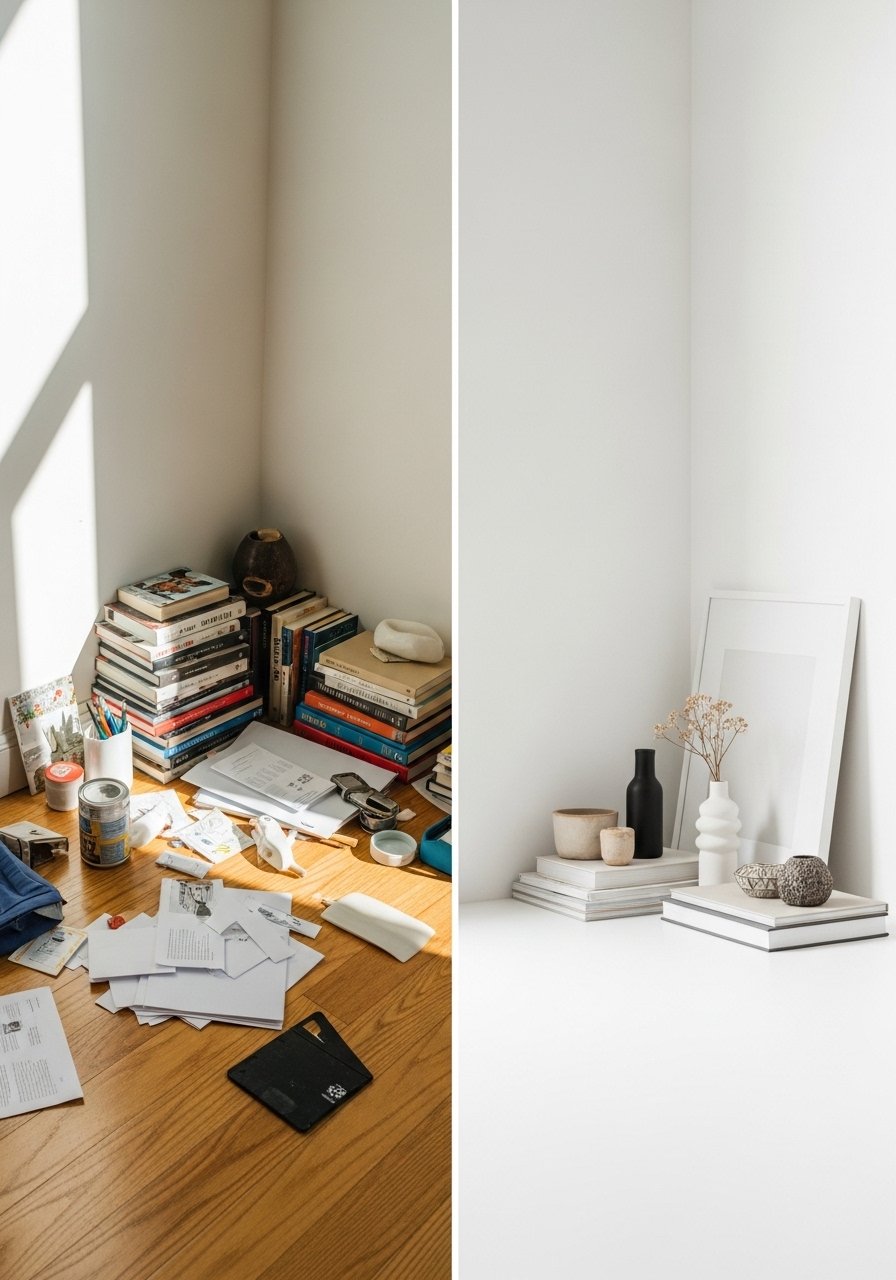
Most corners fail because they try to be everything at once. Too many small items, mismatched scales, and no anchor make them look like a collection of leftovers. The fix is deliberate subtraction. Pick one strong piece, then add two supporting items with clear spacing.
Also, consider how the corner connects to nearby furniture. If a sofa arm sits close, your corner anchor should relate in height or texture so it feels like the room is talking to itself. A final honest note, I thought every corner had to be symmetrical. Asymmetry took a week for my partner to accept, then he stopped moving things.
Making this work in a small room
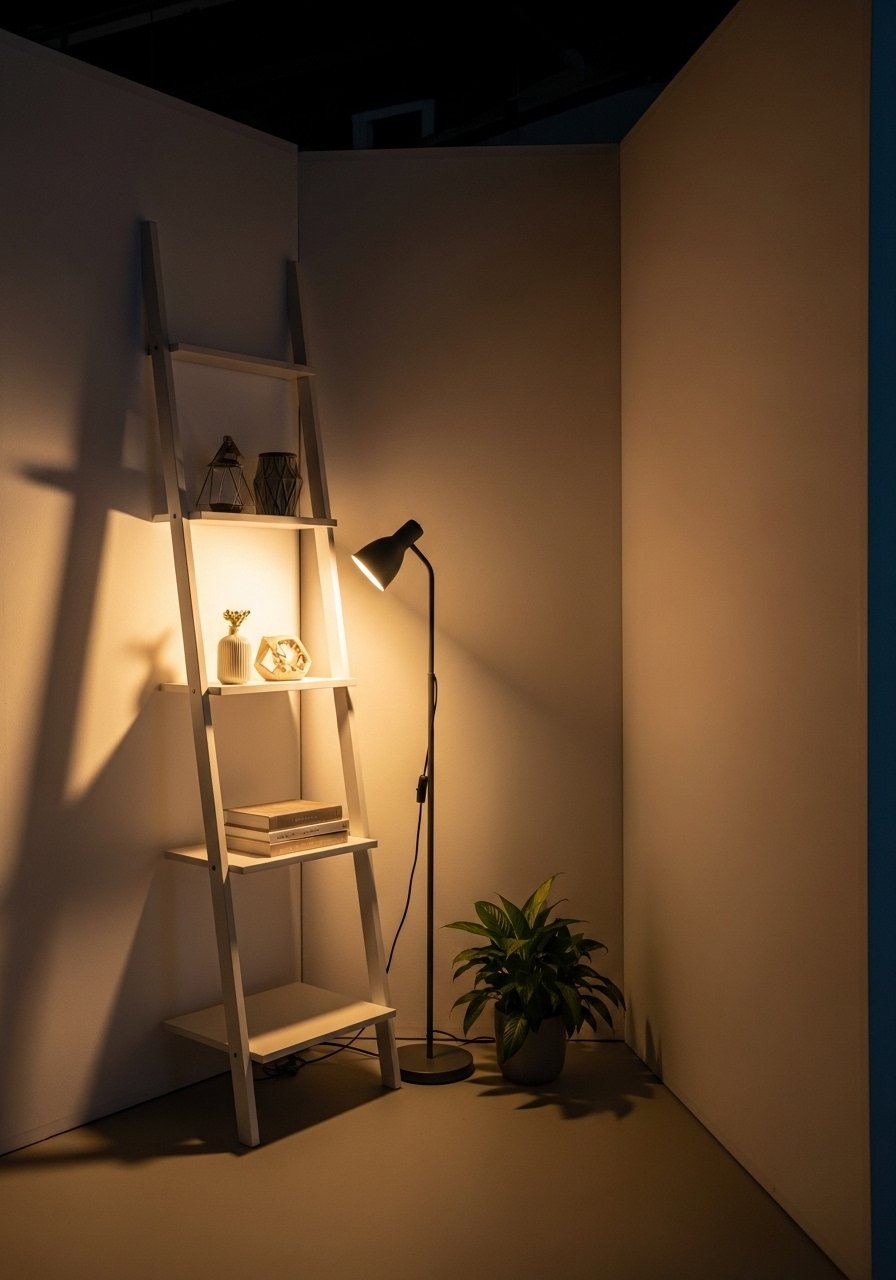
Small rooms call for scaled-down anchors and multifunctional pieces. Use a narrow 12-inch deep shelf or a tall slim lamp instead of a bulky chair. Keep these quick rules in mind
- Use vertical height over width, aim for items 60 to 72 inches tall rather than wide pieces.
- Choose rounded edges for furniture in tight walkways so movement feels less cramped.
- Pick lighter textiles, like thin wool or linen, rather than heavy, chunky knits that can overwhelm scale.
These small swaps keep the corner intentional without making the room feel smaller.
What this looks like after a week with kids and a dog
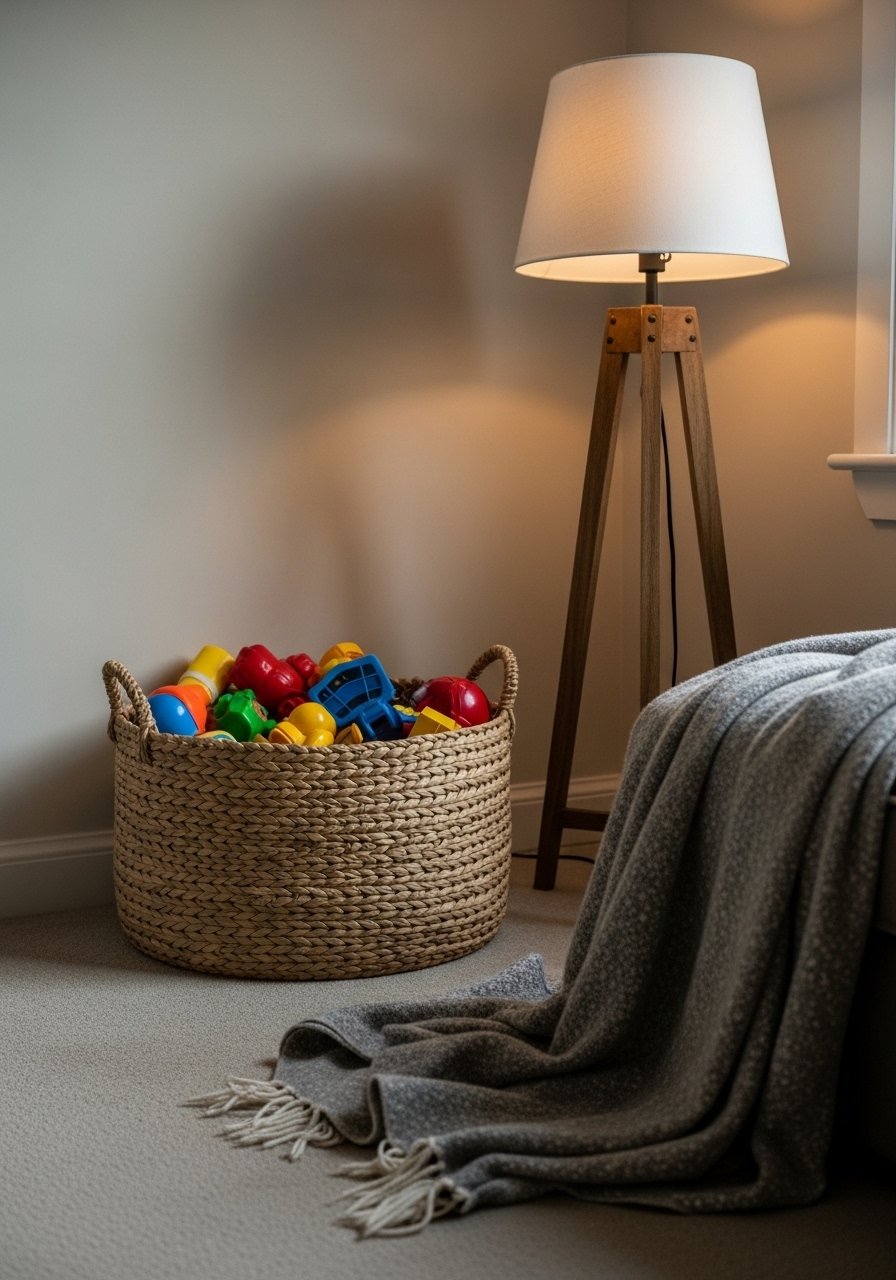
Expect reality to interfere. Kids and pets will knock things over. After a week, you will notice which items are fragile and which survive daily life. Swap breakables for sturdier textures like metal or thick ceramics. Place delicate pieces higher, out of reach.
Before: a delicate vase on the lower shelf that toppled twice. After: the same vase moved up, a weighted ceramic replaced it below, and a basket now hides the toys. The corner still reads thoughtful and now it survives the day.
Start with one corner
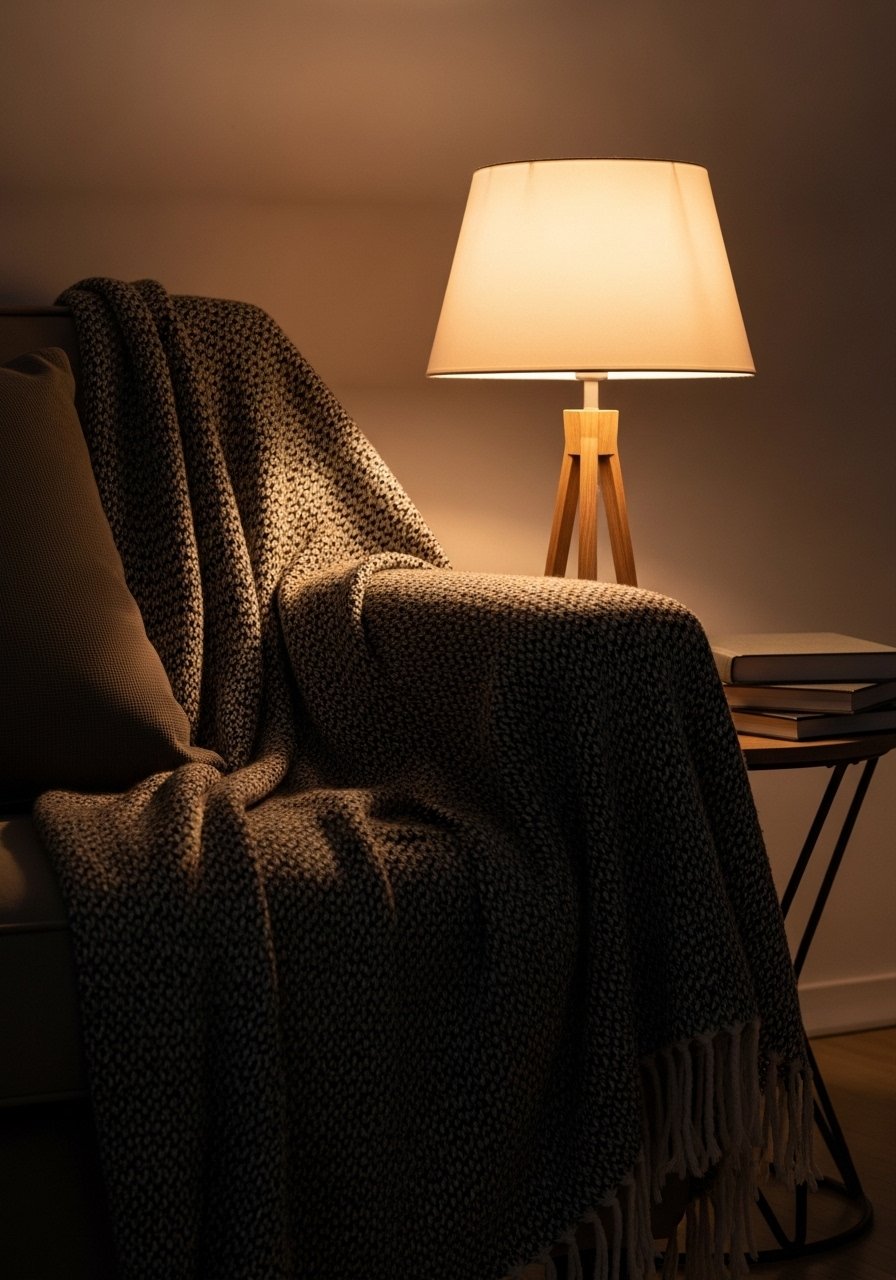
Pick a single corner and do only Steps 1 through 3 this weekend. Measure, choose an anchor, and add two supporting pieces. Keep it simple and resist filling every shelf or surface right away.
If you want a low-commitment start, try the ceramic vase set, matte white, 3-piece as your secondary pieces. Give it a week, live with the arrangement, and then adjust one small thing if it still feels off.