
I used to walk past my living room corners and feel annoyed. They looked unfinished, like the room wore a wrinkled shirt. I tried adding a single statement piece, then a whole pile of small accessories. Neither worked. The corner still read cold or cluttered.
What clicked was treating the corner like a tiny room of its own. Once I balanced scale, texture, and a small area of empty space, the corner stopped shouting and started pulling you in. I messed this up the first three times, but once the proportions landed, the whole room felt calmer.
Step 1: Pick an anchor and set the scale
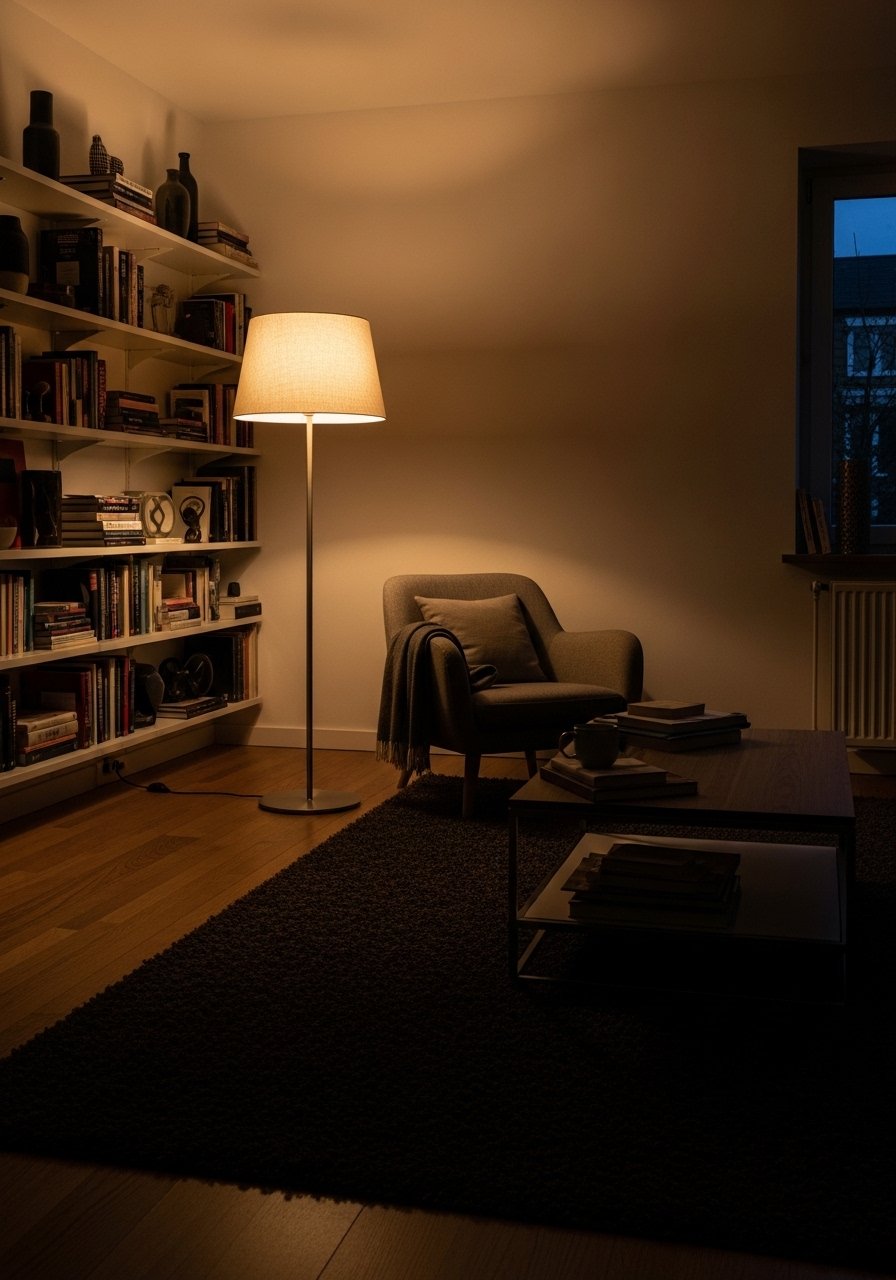
Start with one anchoring piece, usually a seat or a lamp. A lamp around 58 to 64 inches tall works well next to a low chair, and a side table about 18 to 24 inches high keeps reachability comfortable. If you grab a bulky chair, the corner will feel grounded. If you pick something too small the corner will look like an afterthought.
My first mistake was a lamp two inches too short and a table too wide. It made the corner feel lopsided. Try the lamp first, then add the chair or basket, not the other way around. You will feel the balance when it looks like a little vignette from across the room.
Step 2: Layer three textures for touchable comfort
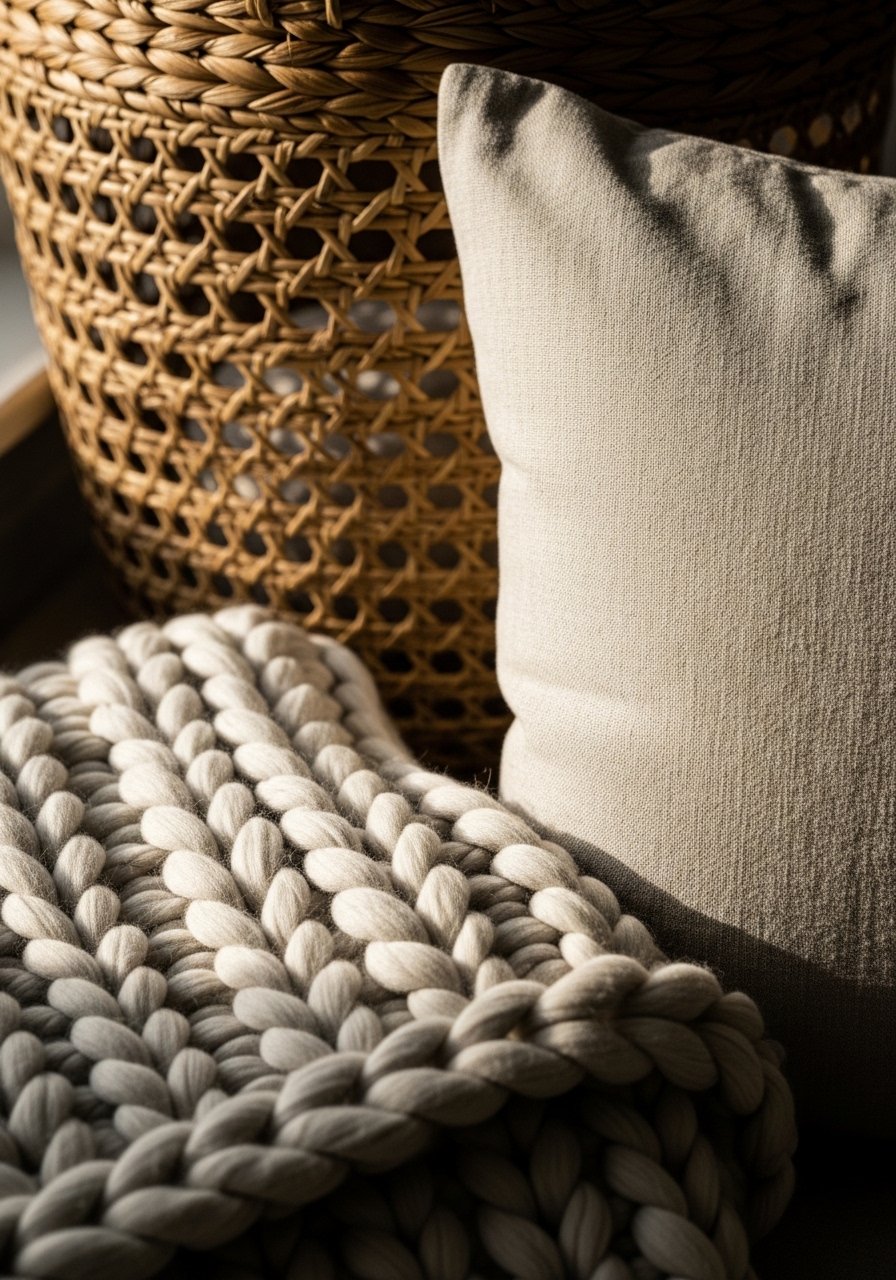
After scale, think touch. I always use three textures, not two and not five. A chunky knit throw, a nubby linen pillow, and a woven jute basket cover the bases. The throw should be generous, around 50×60 inches, so it can drape naturally over an arm. The pillow in 20×20 inches reads like a hug when you sit down.
I once used two smooth cotton pieces and it felt flat. Adding a rougher jute or a cool ceramic side table adds tactile interest. The room reads as cozy when the textures contrast, not compete.
Step 3: Group objects with breathing room
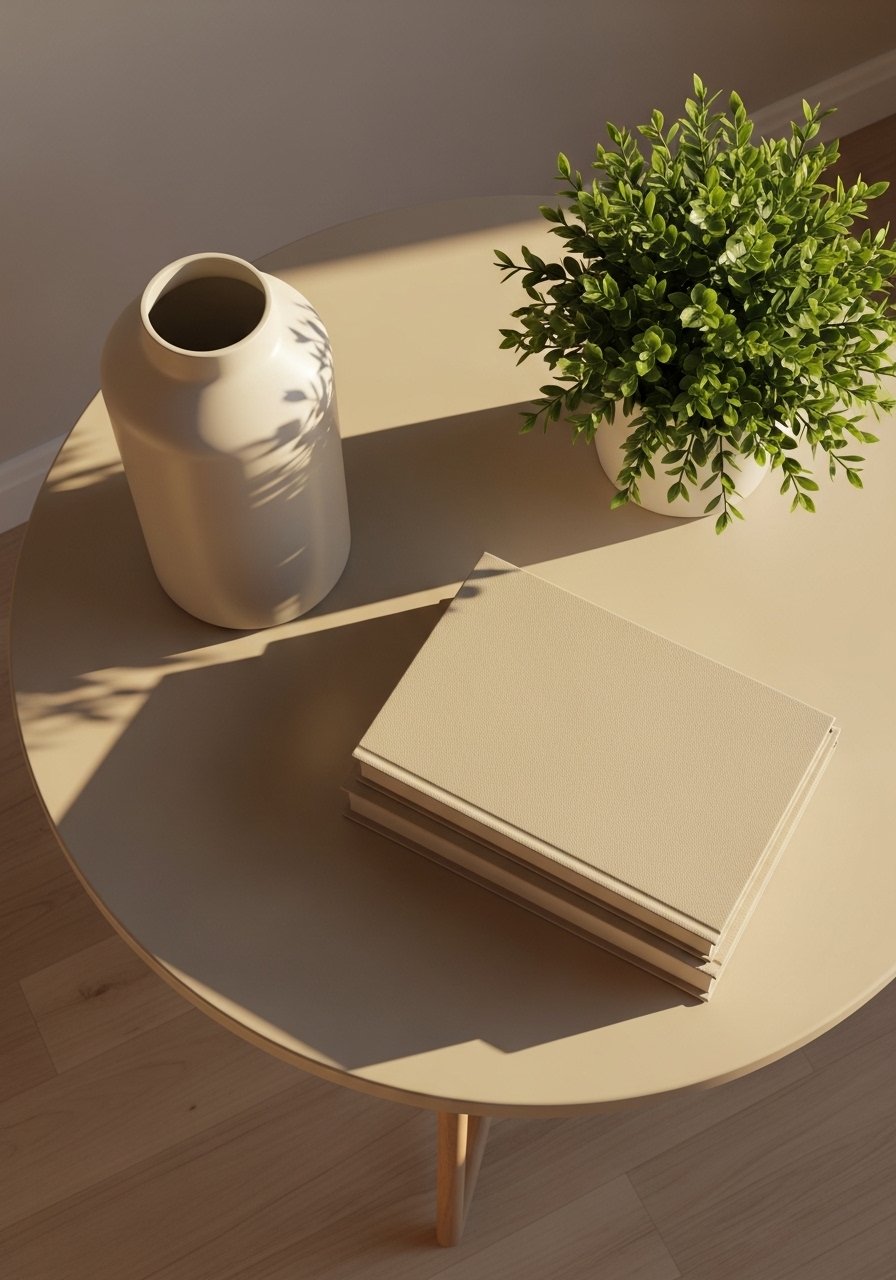
When styling the side table or shelf, arrange items in odd numbers and leave empty space. I aim for a 60/40 balance, 60 percent filled, 40 percent empty. Place one taller item, like a 12-14 inch ceramic vase, then two smaller items, such as a stack of two books and a small plant. That grouping feels intentional.
I used to cram everything together because I thought empty space looked like laziness. It does not. Step back, walk away for ten minutes, then come back and the empty areas will show you where things should sit.
Step 4: Anchor with a rug and an unexpected vertical
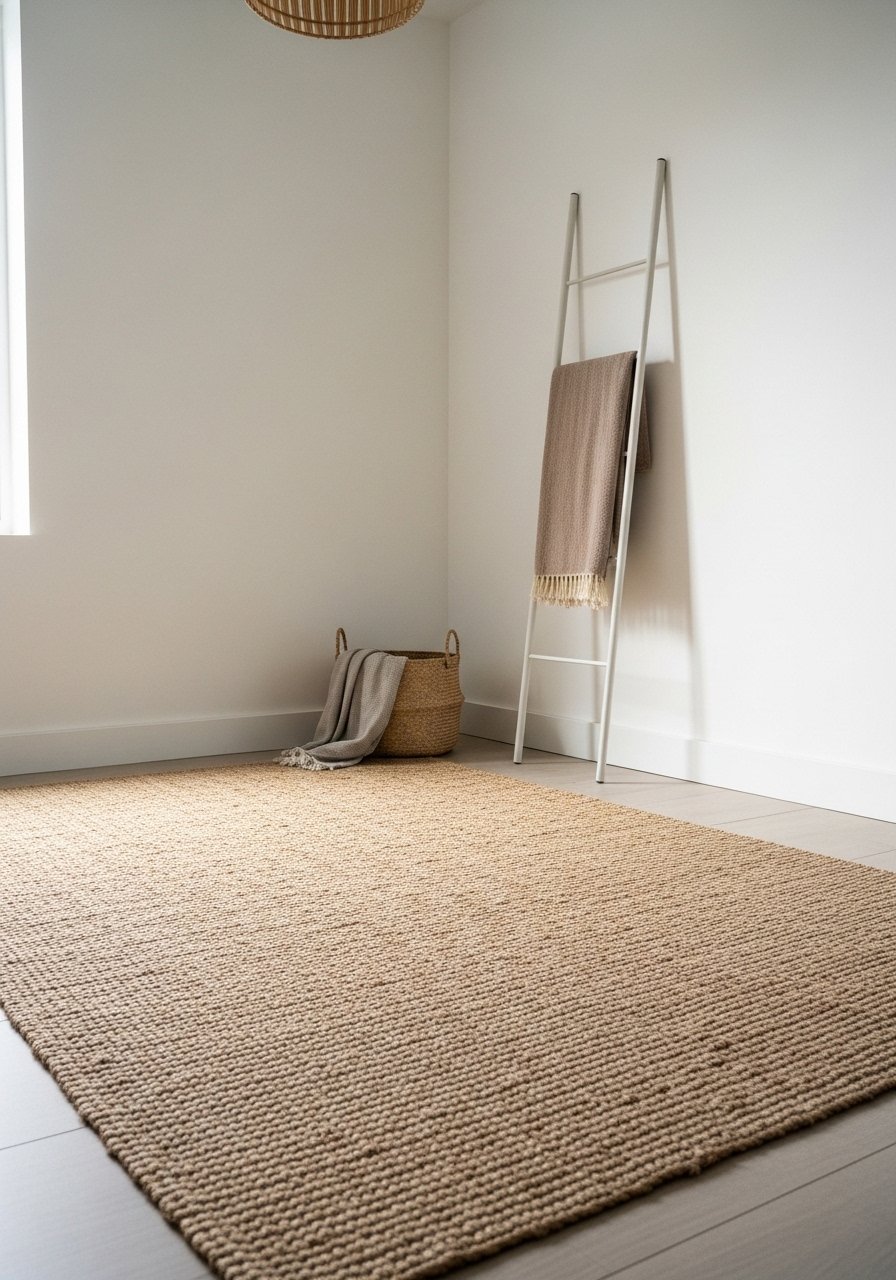
A small rug anchors the entire arrangement. For most cozy corners, a 4×6 or 5×7 rug is enough. Natural fibers like jute or a low-pile wool feel warm underfoot and look grounded. I prefer a rug that sits slightly under the front legs of the chair to tie the pieces together.
Add a vertical element that is not obvious, a slim leaning ladder, a tall plant, or a narrow wall shelf about 60 to 72 inches high. The vertical line leads your eye up and makes the corner feel complete. I tried a tall plant twice that was too floppy. The third time I trimmed it and it read tidy and lived-in.
Step 5: Edit like you mean it and live with it for a week
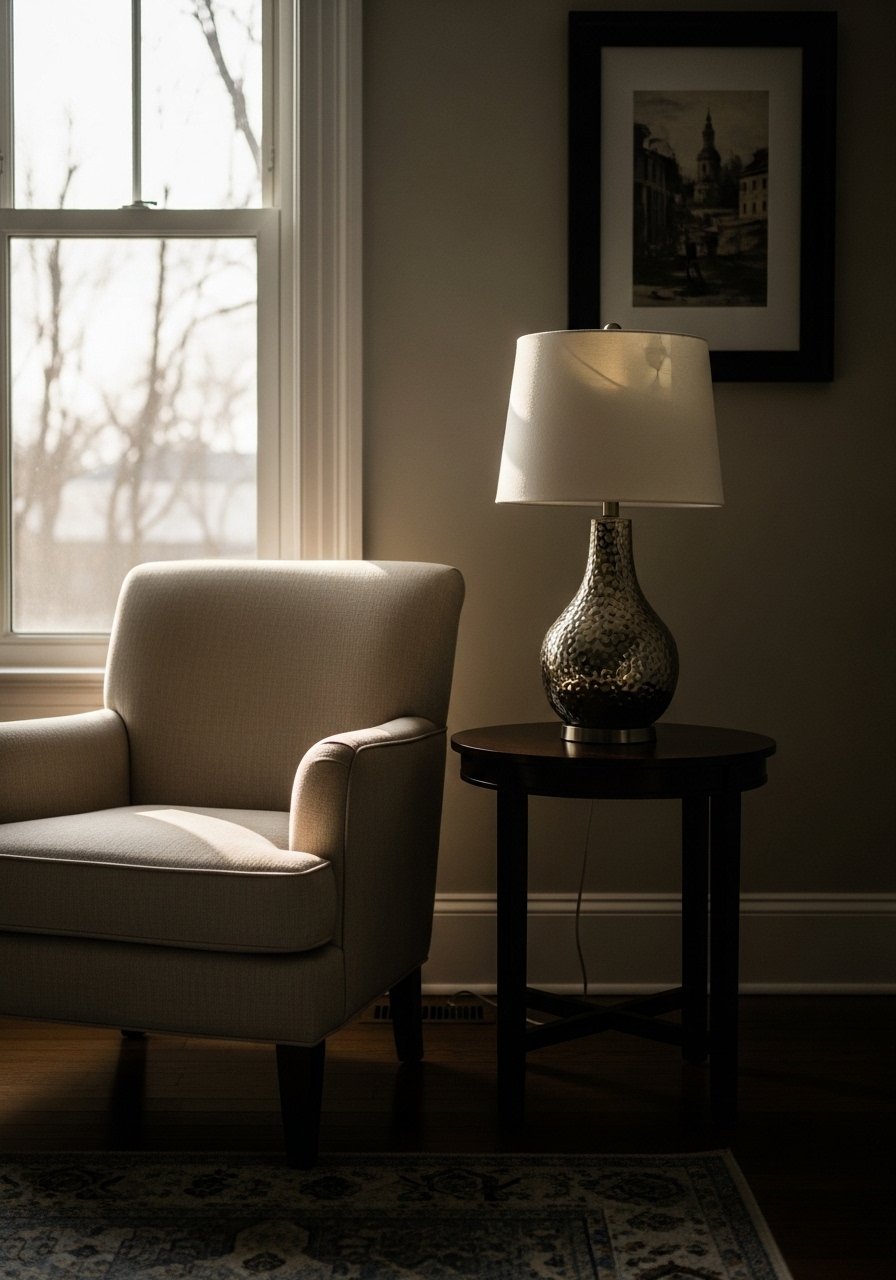
This is where most people stop styling and think they are done. They are not. Edit down until the corner has a clear focal point, then leave it alone for seven days. You will notice what gets used, what gets knocked over, and what you miss. I left a fragile ceramic vase out for three days, my roommate knocked it over twice, and now I use a heavier matte vase.
Small edits after a week often beat the first ambitious day. That quiet tweak is when the corner starts to feel like it belongs to the room.
Everything You Need for Your Cozy Corner
- Chunky knit throw in oatmeal, 50×60 ($40-65). I keep one on the arm of every sofa I own. Used in Step 2.
- Linen throw pillow, 20×20, natural flax ($25-45). Linen breathes and wears well. Used in Step 2.
- Floor lamp, 60-inch metal with fabric shade ($70-140). Soft light is everything. Used in Step 1.
- Side table, 20-inch round oak ($45-90). Compact and warm. Used in Steps 1 and 3.
- Jute area rug, 5×7 ($60-120). Neutral and sturdy. Used in Step 4. Similar at Target.
- Ceramic vase set, matte white, 12-8-6 inches ($25-40). For the tall item in Step 3.
- Woven seagrass basket, medium ($20-35). Great for extra throws. Used in Step 2.
- Small indoor plant in 4-inch pot ($10-25). Brings life and a vertical accent. Used in Steps 3 and 4.
- Leaning wooden ladder, 72-inch ($50-100). Adds height without drilling. Used in Step 4.
Why Corners Still Feel Empty After You Try This
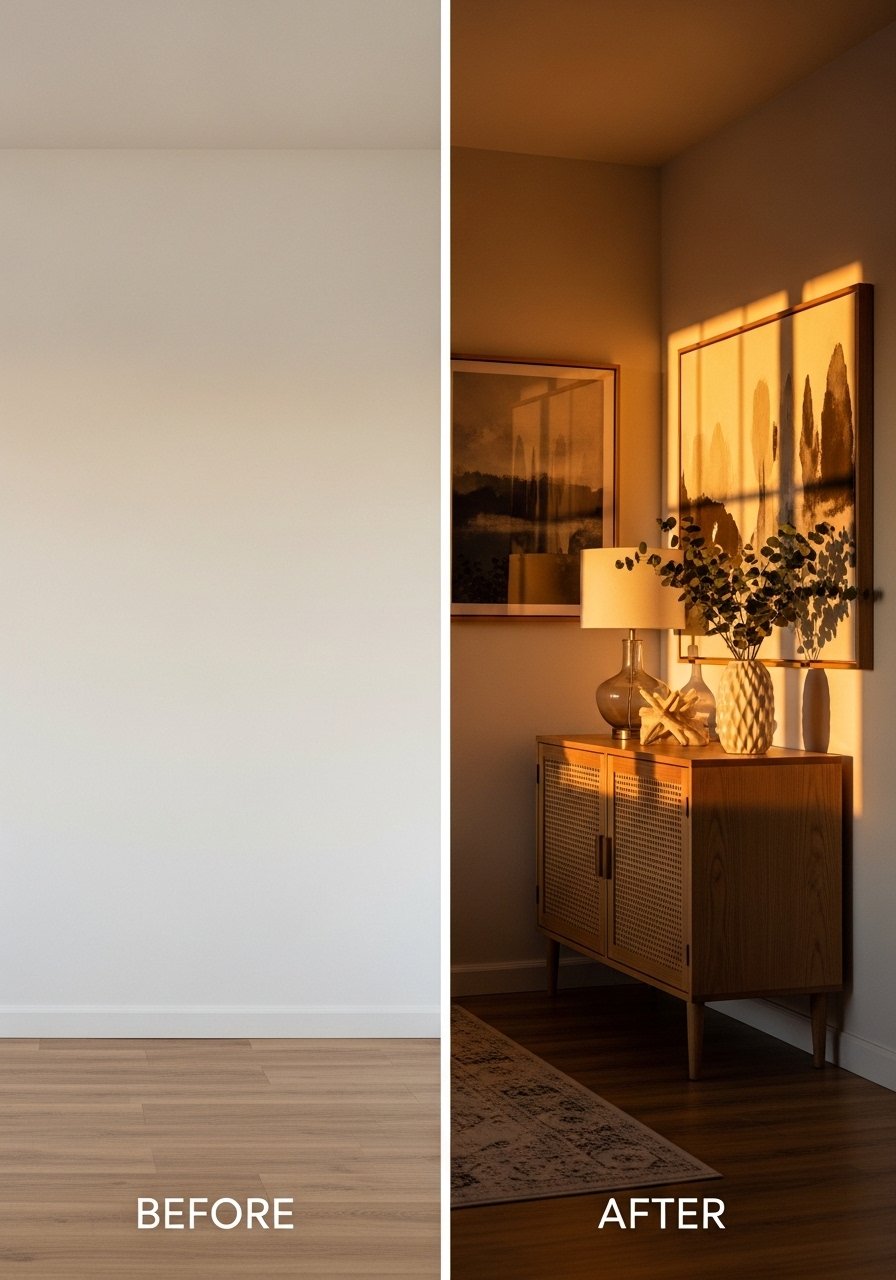
Empty corners usually fail because people pick one element and assume it will do all the work. A single chair or lamp can look lonely. The fix is threefold: anchor, texture, and breathing room. Anchor with a piece sized to the room, add textures that invite touch, and keep about 40 percent negative space so the eye can rest.
I learned this by trying to fix a sparse corner with more objects. It looked busy and tired. The better move was fewer items, smarter scale, and one tall visual to lead the eye.
Making This Work in a Small Room
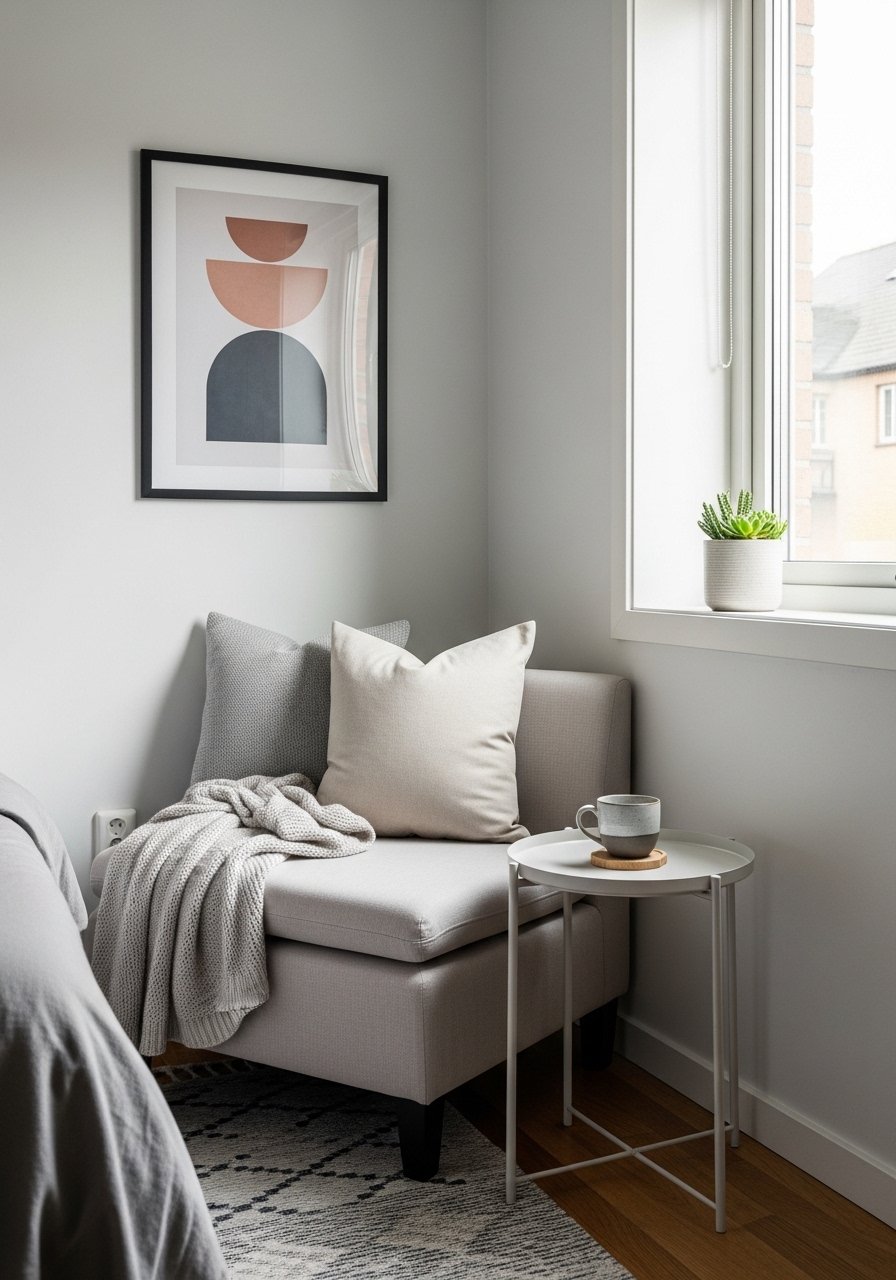
Small rooms need smaller anchors. Choose a 24-inch wide chair or a slim armless accent chair. Use a 4×6 rug rather than a 5×7 to keep traffic flow. Wall-mounted lighting is a good swap if floor space is tight. Keep patterns minimal and rely on texture for warmth, like a thin boucle pillow or a woven lumbar instead of large patterned textiles.
If you rent, a leaning ladder or removable picture ledge gives height without holes. I once used command hooks and a narrow shelf, and it felt permanent enough to be cozy but removable at move out.
What This Looks Like After a Week with Kids or Pets
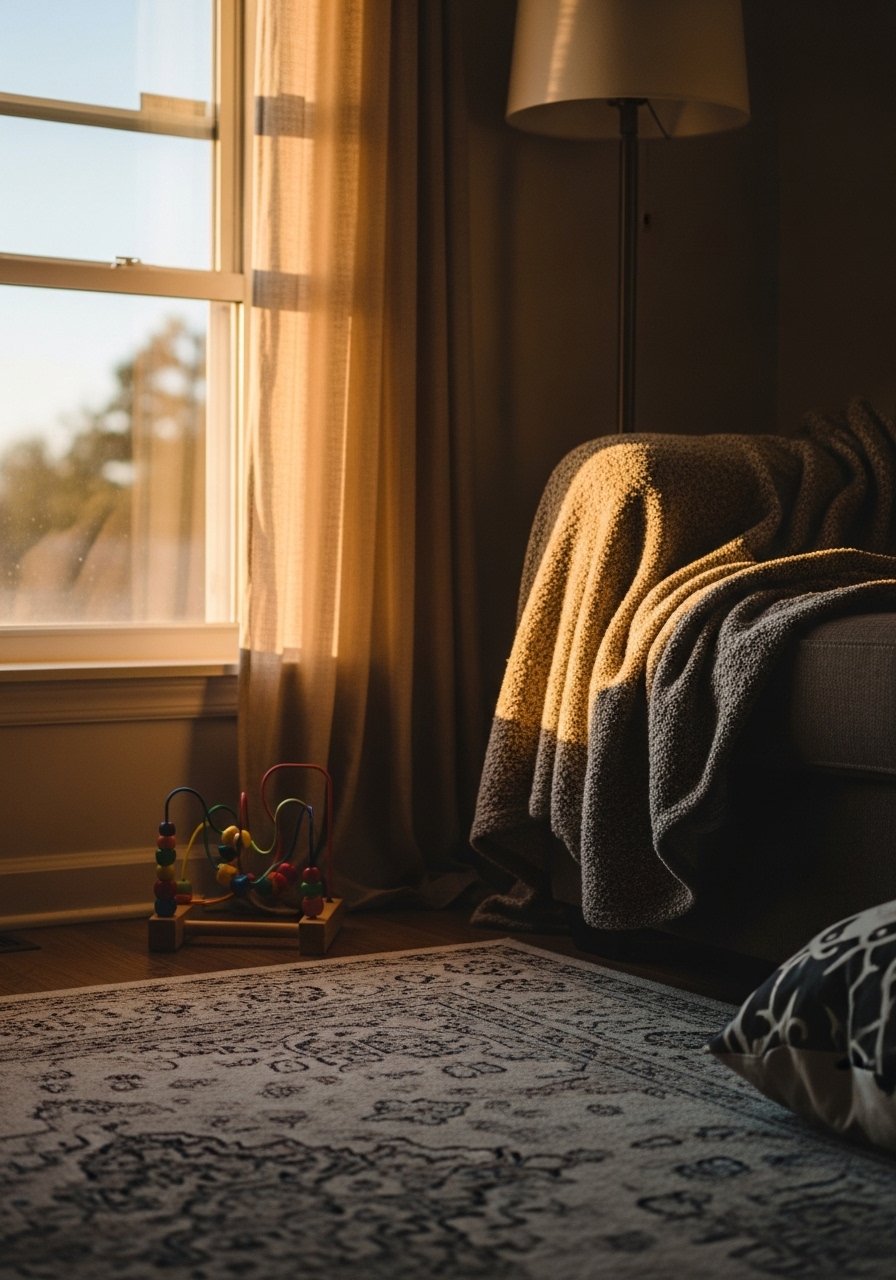
After a week, you will see what survives real life. Expect the throw to be on the floor at least twice the first week. Switch fragile ceramics for heavier matte options if you have a playful pet. Keep one low, washable cushion on the floor for kid seating, and place a basket for toys so the corner can be reset in two minutes.
I tried a delicate vase for three days and my dog claimed it as a chew toy. Now I choose weight over fragility and keep one soft toy basket nearby.
Start with One Nook
Pick the corner that bugs you the most, and make one small commitment. A single lamp and a 50×60 throw is enough to test the idea. Live with it for a week, then add a woven basket or a tall plant if it still feels like it needs something.
You will probably need three attempts before it sits right. That is fine. The point is to edit slowly, use touchable textures, and leave some breathing room. When it clicks, the whole room will finally feel settled.