
I remember the room that kept looking like a photo taken at noon. I added a brighter bulb thinking that would fix everything. It did not. The overhead light made everything flat, colors washed out, and shadows fell in the wrong places. After three nights of staring at awkward corners, I tore everything down and started over.
What failed at first was my impatience. I bought matching lamps because I liked the set, I shoved them into corners, and called it a day. The fix that finally worked was slower, and messier. Layering light taught me to plan by height, by function, and by feel. You will need a few bulbs, a lamp or two, and the patience to live with it for a week while you edit.
Step 1: Measure the room, then plan your lumen budget
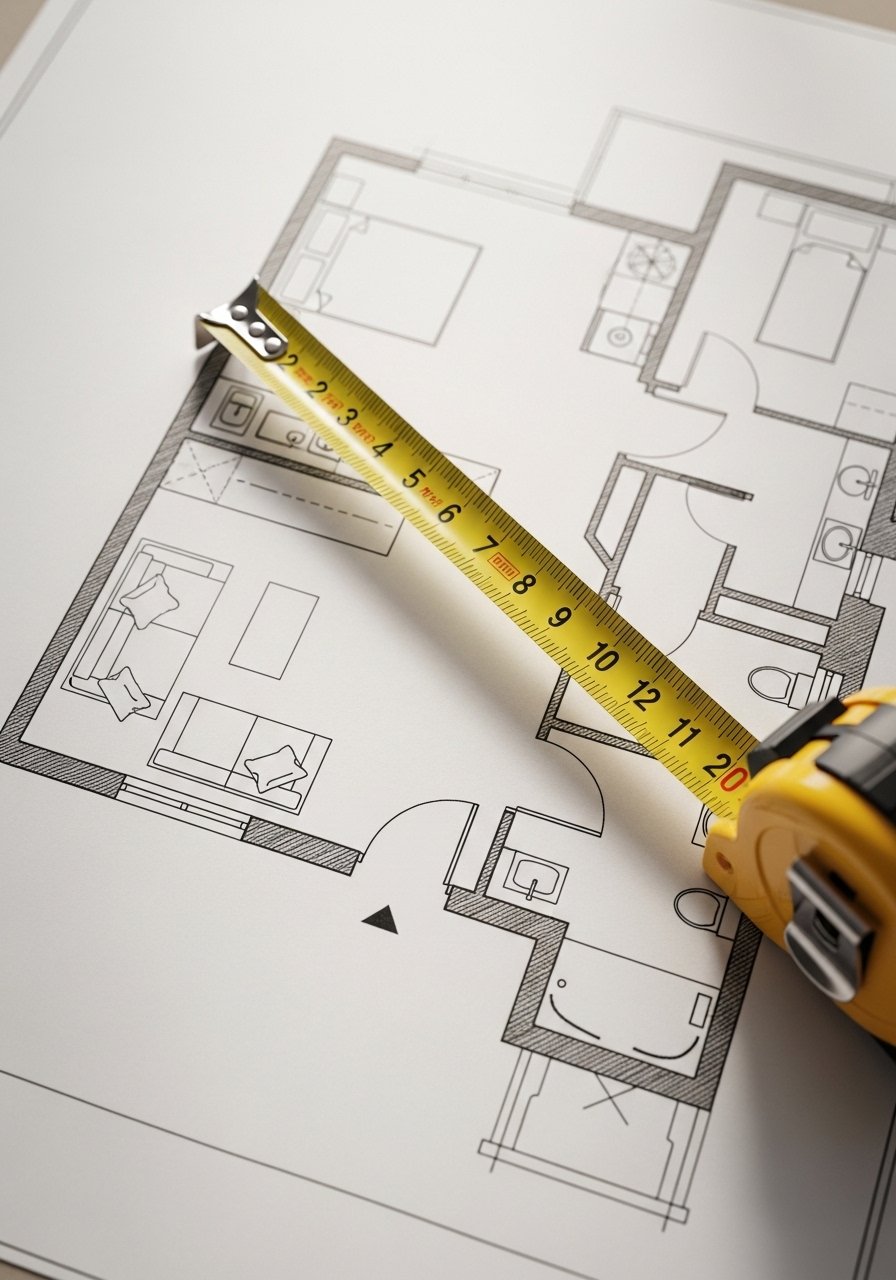
Pull out a tape measure and multiply length by width to get square feet. For a living room, aim for about 20 lumens per square foot for ambient light. That means a 12 by 15 room needs roughly 3,600 lumens total. You will split that across layers, not put it all in one ceiling fixture. I learned the hard way when I tried to meet the lumen goal with a single pendant and ended up with a glare island in the center of the room.
Decide proportions now: roughly 50 percent ambient, 30 percent task, 20 percent accent. Pick warm bulbs, around 2700K, because cool white makes fabrics feel stiff. Jot these numbers before you shop. It makes everything else easier.
Step 2: Set the ambient layer so the room reads as a base
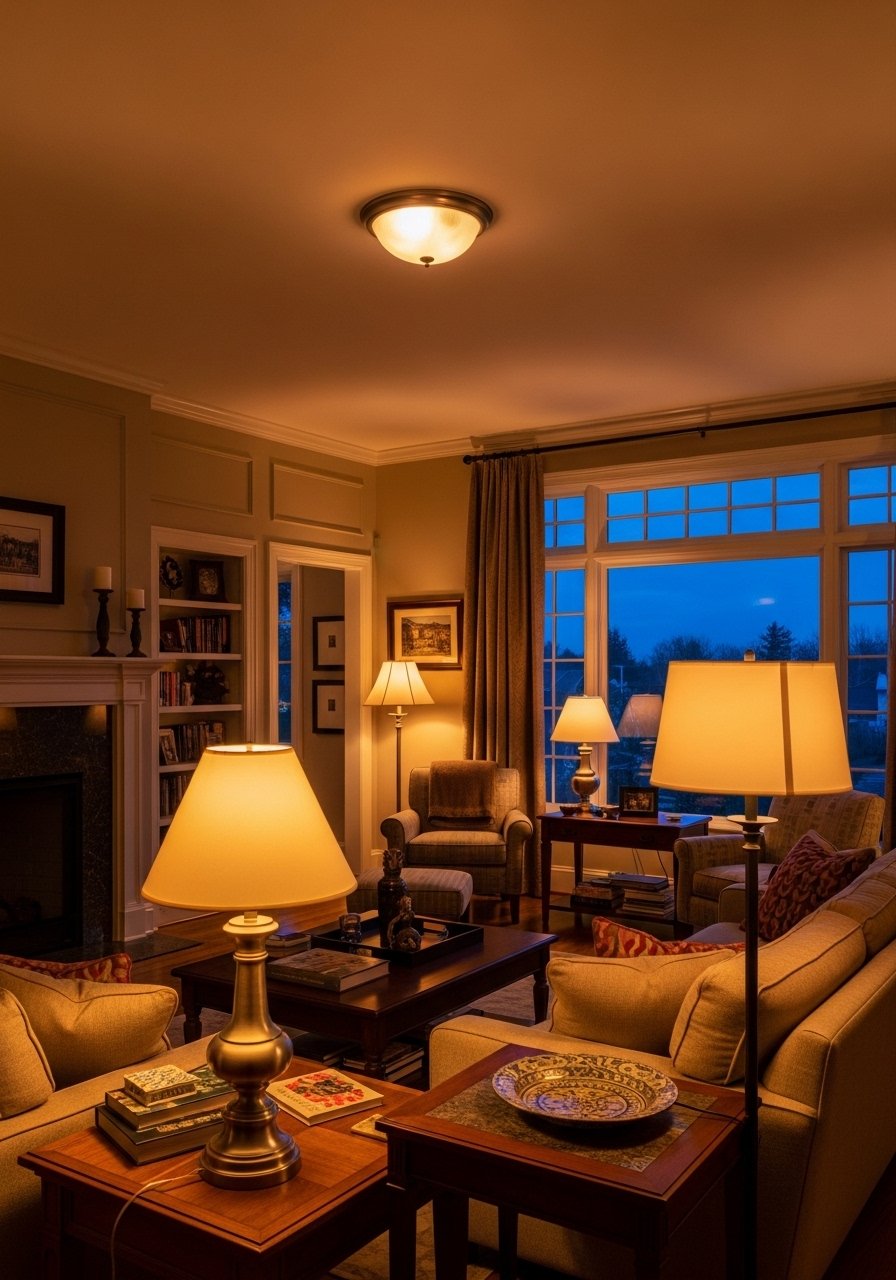
Most people try to fix ambiance with table lamps alone. Try anchoring the whole room with one good ambient source instead. If you have a pendant, the bottom should sit about 60 to 66 inches from the floor in seating areas so light clears heads without glaring. If you use recessed or flush mounts, put them on a dimmer so you can drop the level by half at night.
I switched to a dimmer after a week of harsh dinners. The room felt immediately calmer when the top layer could breathe. Sensory note, ambient light should feel soft and even, not like a spotlight on the sofa.
Step 3: Add task lighting where you actually do things
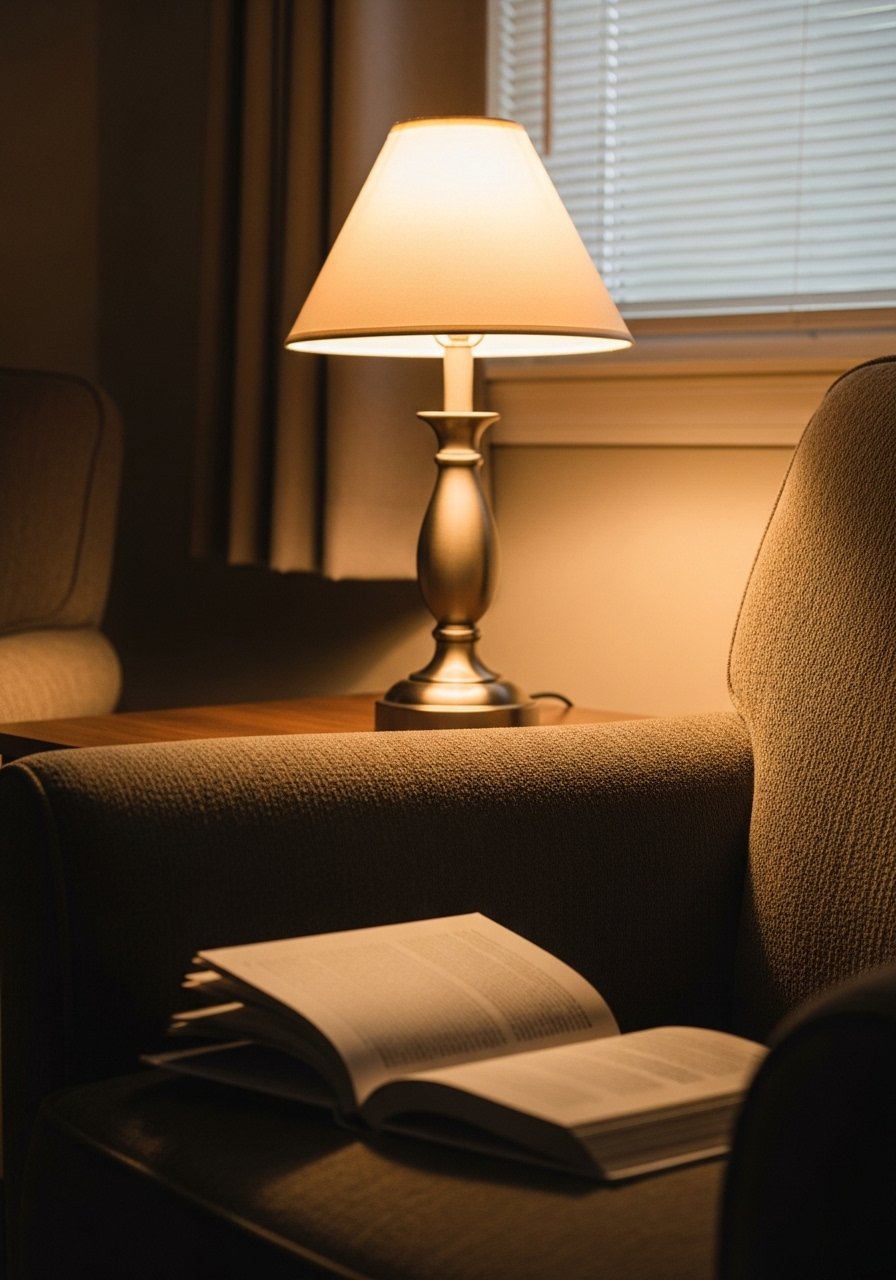
This is where functionality meets texture. Place a table lamp so the top of the shade is roughly 24 to 30 inches above the surface it sits on. For floor lamps, aim for 60 to 66 inches from floor to top of shade. Task lighting should give you clear, localized light without blasting the whole room.
Common mistake: putting a lamp on the side of the sofa farthest from where people sit. I once had a gorgeous lamp that no one ever used because it was on the wrong side. A fabric shade will diffuse light and feel warm to the eyes. Use a 400 to 800 lumen bulb for reading, and choose a warm 2700K for skin tones that look pleasant.
Step 4: Use accent lighting to point the eye and add depth
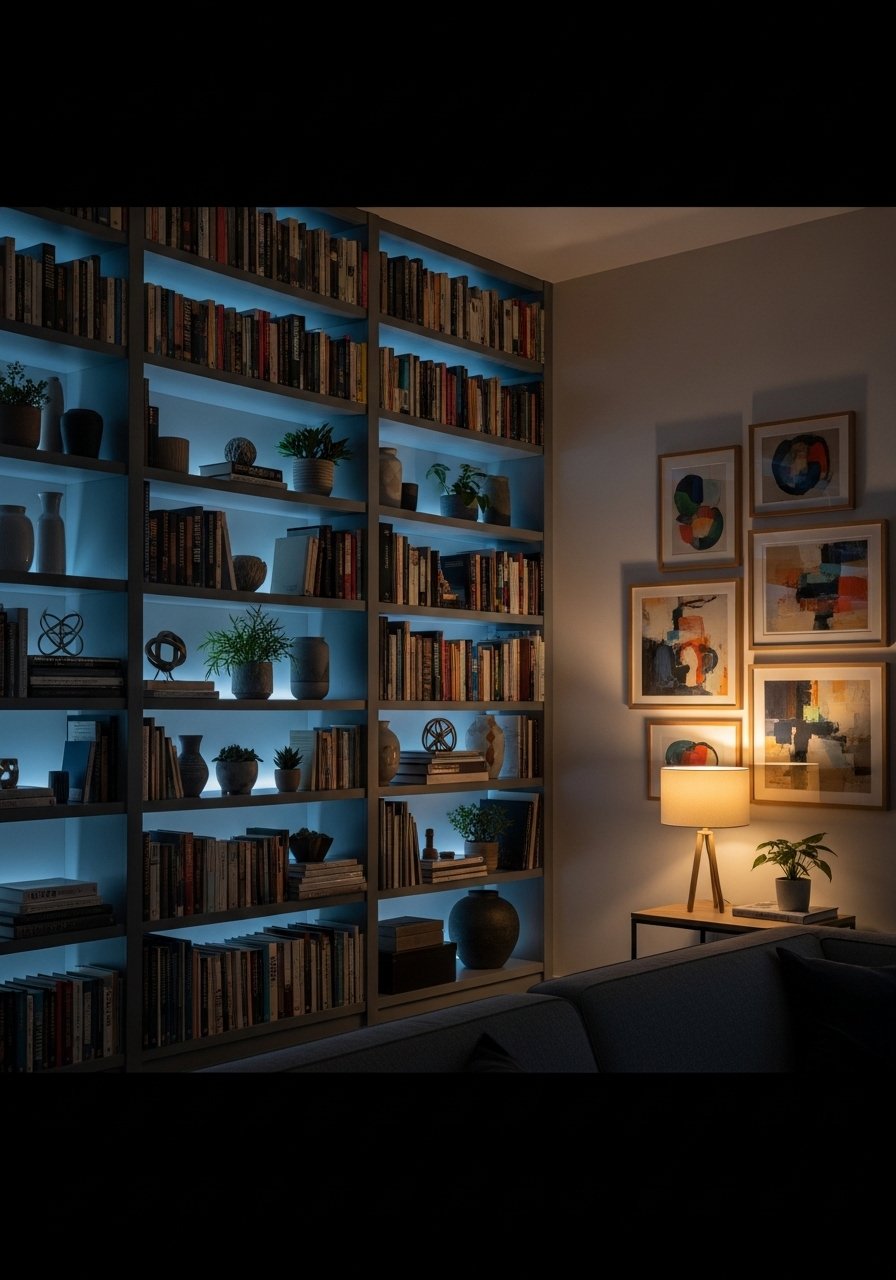
Accent lights are small, but they change perception. Use them to highlight one to three focal points, not every object in the room. Picture lights, LED strips behind shelves, and small spotlights work well. Keep accent output around 15 to 25 percent of the room total so it reads as subtle highlight, not a disco.
My first attempt had six picture lights and it looked busy. I pulled most of them and left two, and the room finally calmed down. Accent lighting should feel like a gentle nudge, the kind of glow that makes textures pop and corners recede.
Step 5: Edit, dim, and live with it for a week
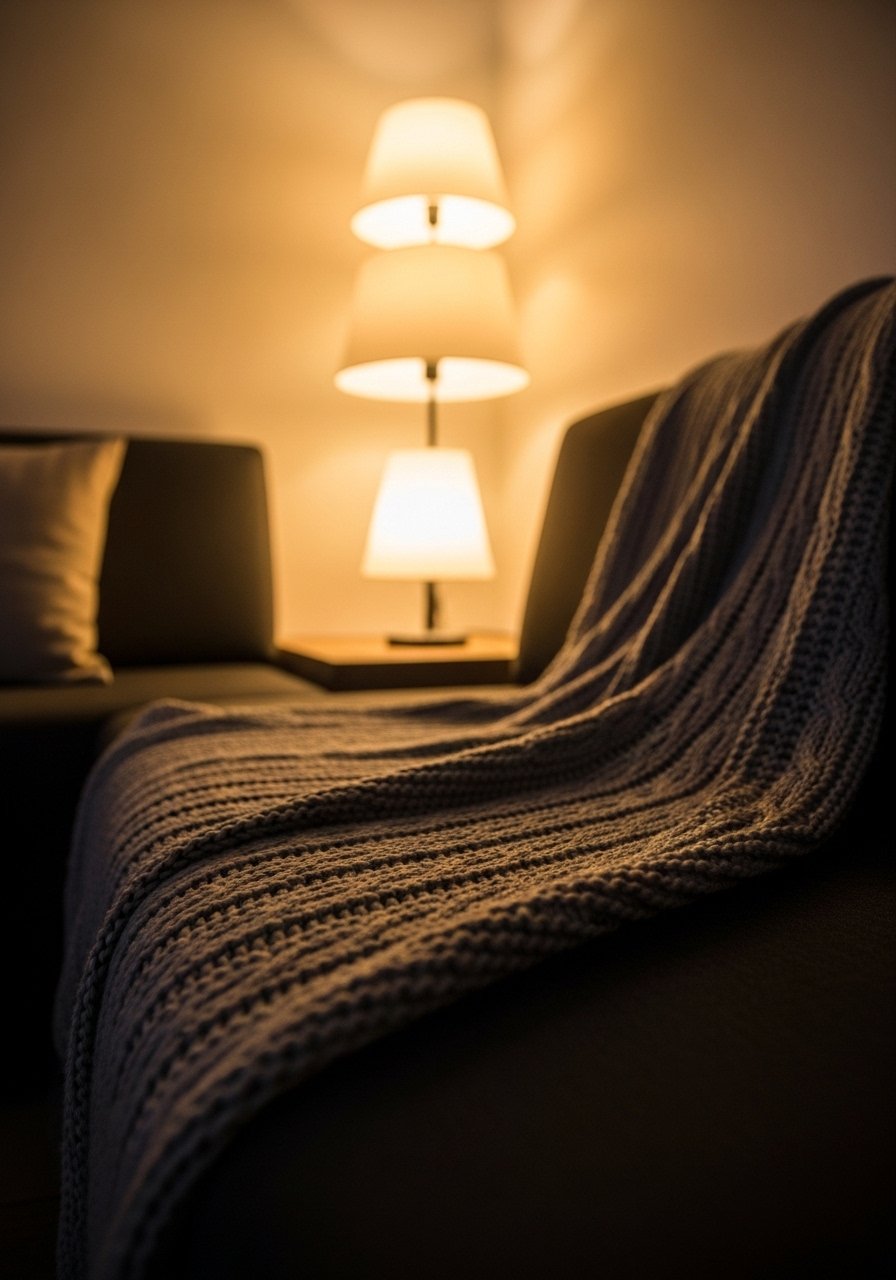
This step is the one I almost skipped. After you install, step back, then walk away for ten minutes. Come back at evening hour and see what catches your eye. Swap bulbs, adjust lamp positions by 6 to 12 inches, and try different shades. I rewired a lamp the second time around because the shade choice changed the whole mood.
Common mistake: over-decorating with lamps because you fear empty space. Less is often better. One smart bulb you can tune from warm to slightly brighter will buy you the flexibility to test levels without buying more fixtures.
What to Grab for Your Layered Lighting Refresh
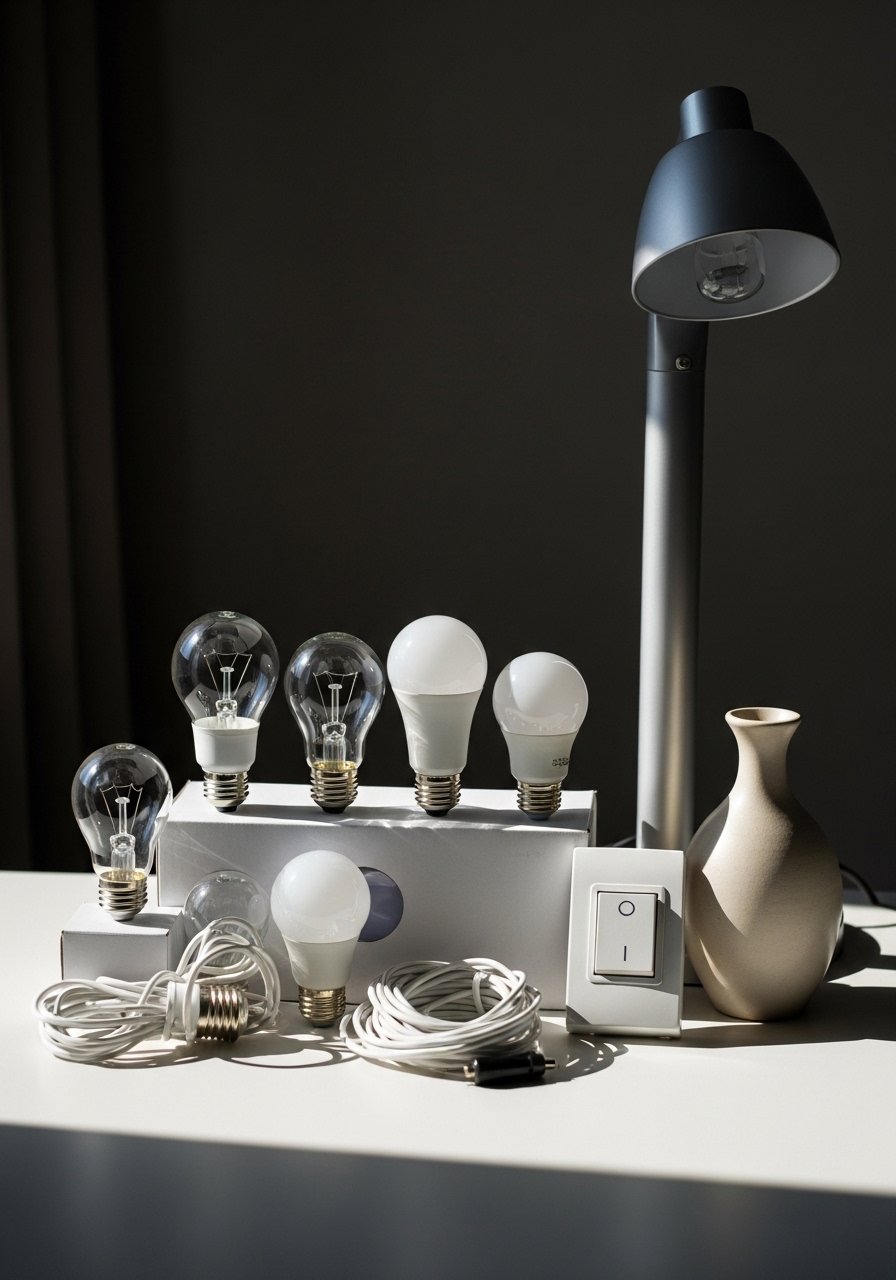
- Warm LED bulbs, 2700K 800-lumen, pack of 4 ($15-25). Use these for task lamps in Step 3 and for ambient fixtures in Step 2.
- Plug-in floor lamp, linen shade, 66-inch ($60-120). My living room corner uses one like this for Step 3.
- In-line dimmer switch, compatible with LEDs ($12-30). Install for Step 2 so ambient light can breathe.
- LED strip lighting, warm white, 16.4-foot ($20-40). I hid one behind a bookshelf for the accent layer in Step 4.
- Table lamp with fabric shade, 24-inch ($35-80). Works for reading corners in Step 3.
- Smart tunable white bulb, A19 ($18-35). Helpful in Step 5 when you want to test warmth and dimming without replacing bulbs.
- Small ceramic spotlight, matte white ($18-28). Handy for paintings in Step 4.
- Chunky knit throw in oatmeal, 50×60 ($40-65). Not a light, but it softens glare and improves perceived warmth when draped under a lamp in Step 5.
Why Your Room Still Looks Flat After Adding Lamps
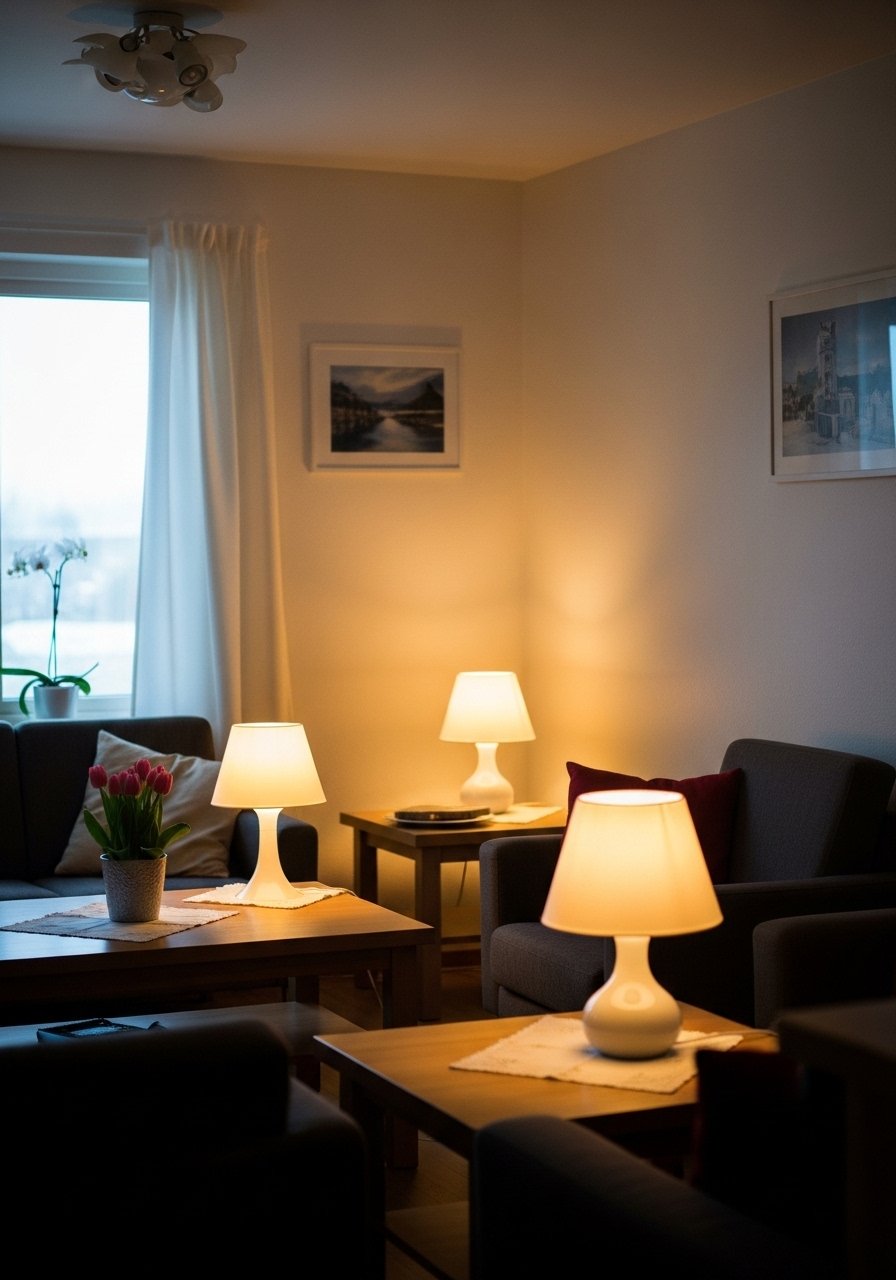
If the room feels flat even with lamps, you likely missed two things. First, the bulbs are too cool. Swap 4000K or higher bulbs for 2700K and the skin tones and wood look warmer. Second, you may have clustered all lights at one height. Aim for at least three different heights across the room so shadows layer. Quick checklist: check color temperature, add one high light, add one low light, and dim the ambient. After that, reassess where the eye is drawn and reduce cluttering fixtures.
Making Layered Lighting Work in a Small Room
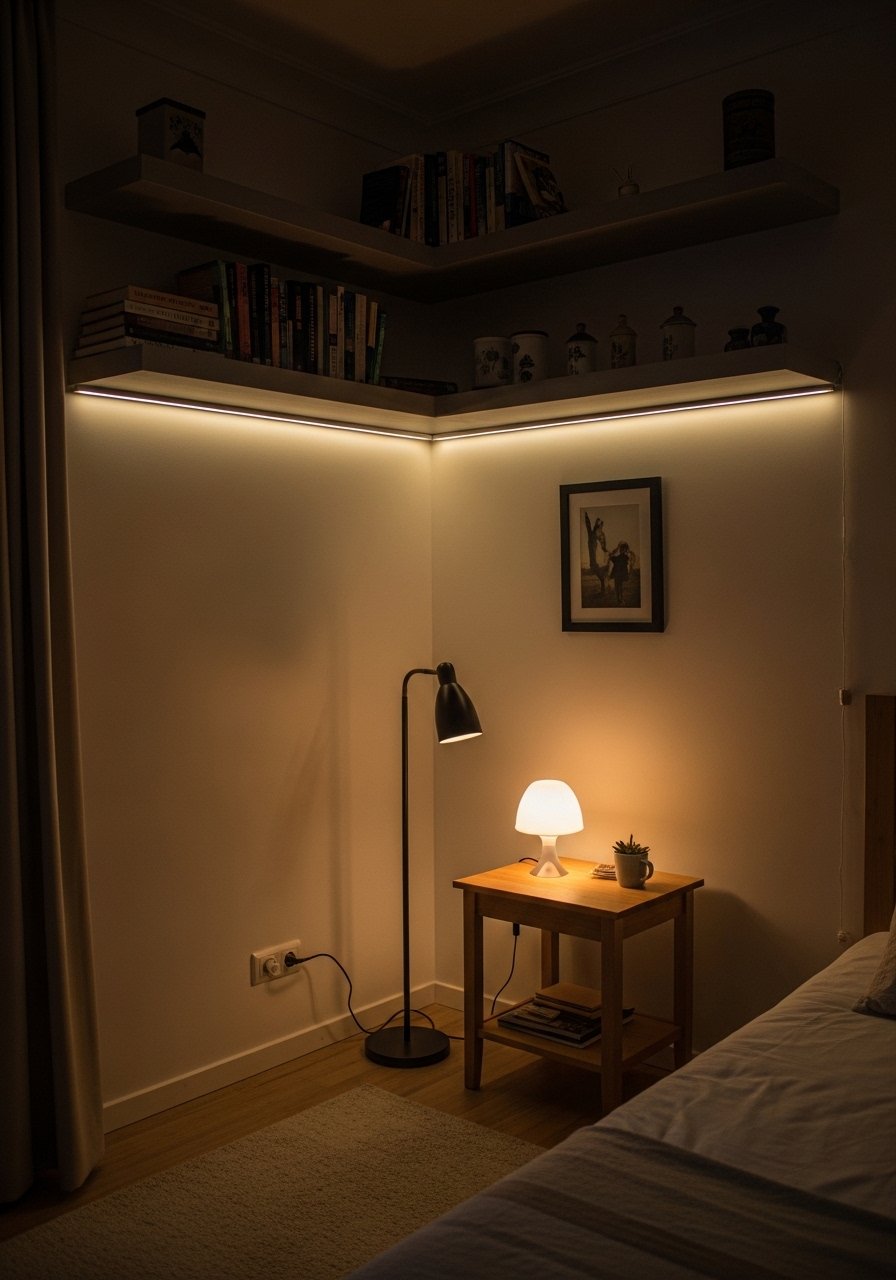
Small rooms need fewer fixtures but smarter placement. Pick one overhead or flush mount, one task light near seating, and one accent like LED tape under shelves. Use reflective surfaces such as a mirror across from a lamp to double perceived light. If space is tight, choose a slim floor lamp instead of two table lamps. I used a 12 by 10 second room layout and found a single 66-inch floor lamp plus a strip behind the shelf made the space feel twice as deep.
What This Looks Like After a Week with Real Life
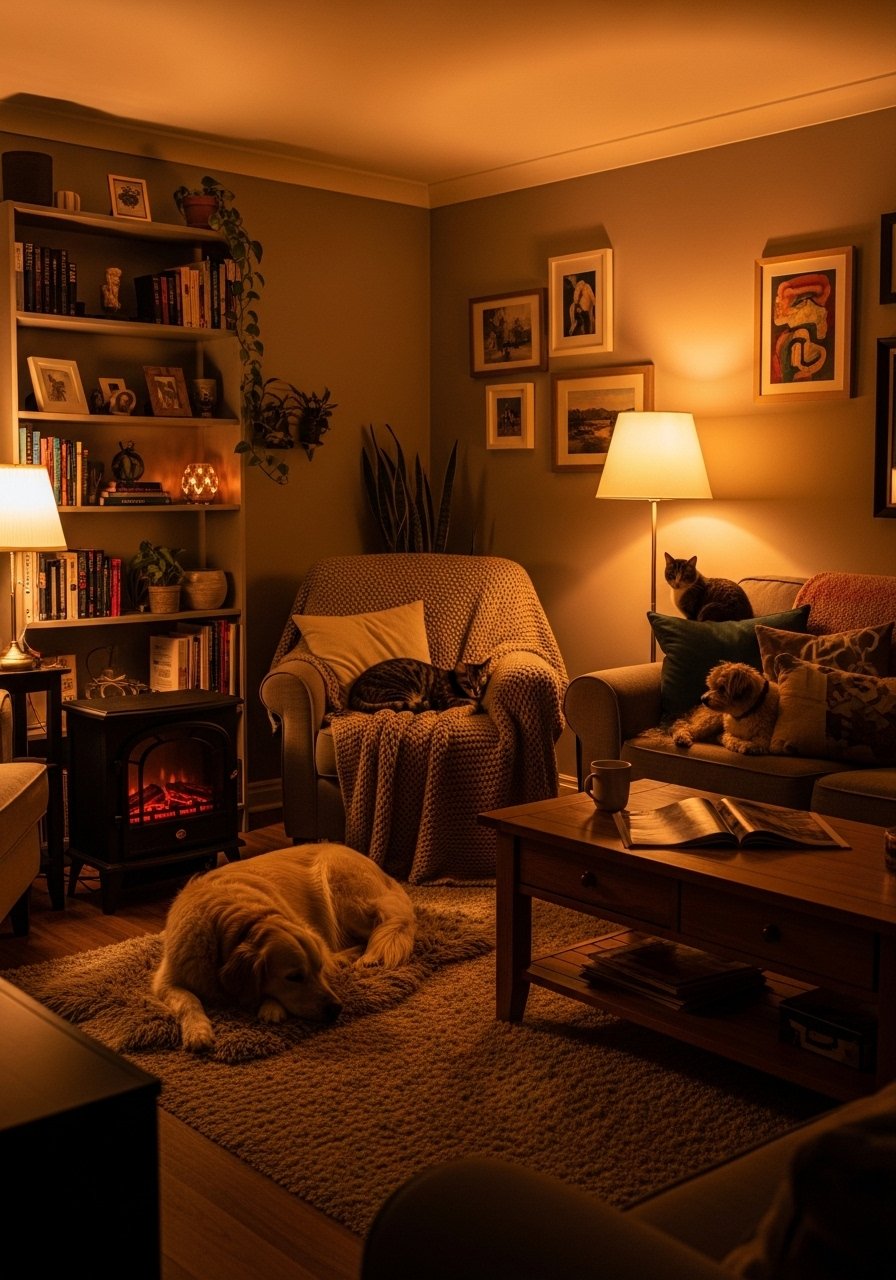
Live with it. After a week the room will tell you which switches you never touch and which bulbs you wish were dimmer. My partner tripped on a cord the first two days, so I moved a lamp and hid the cable. The real test is how the space feels at 8 p.m. on a weeknight. If it feels like a place you want to linger, you are done. If it still feels harsh, change one bulb or lower one lamp by a few inches and live with that for another week.
Start with One Corner
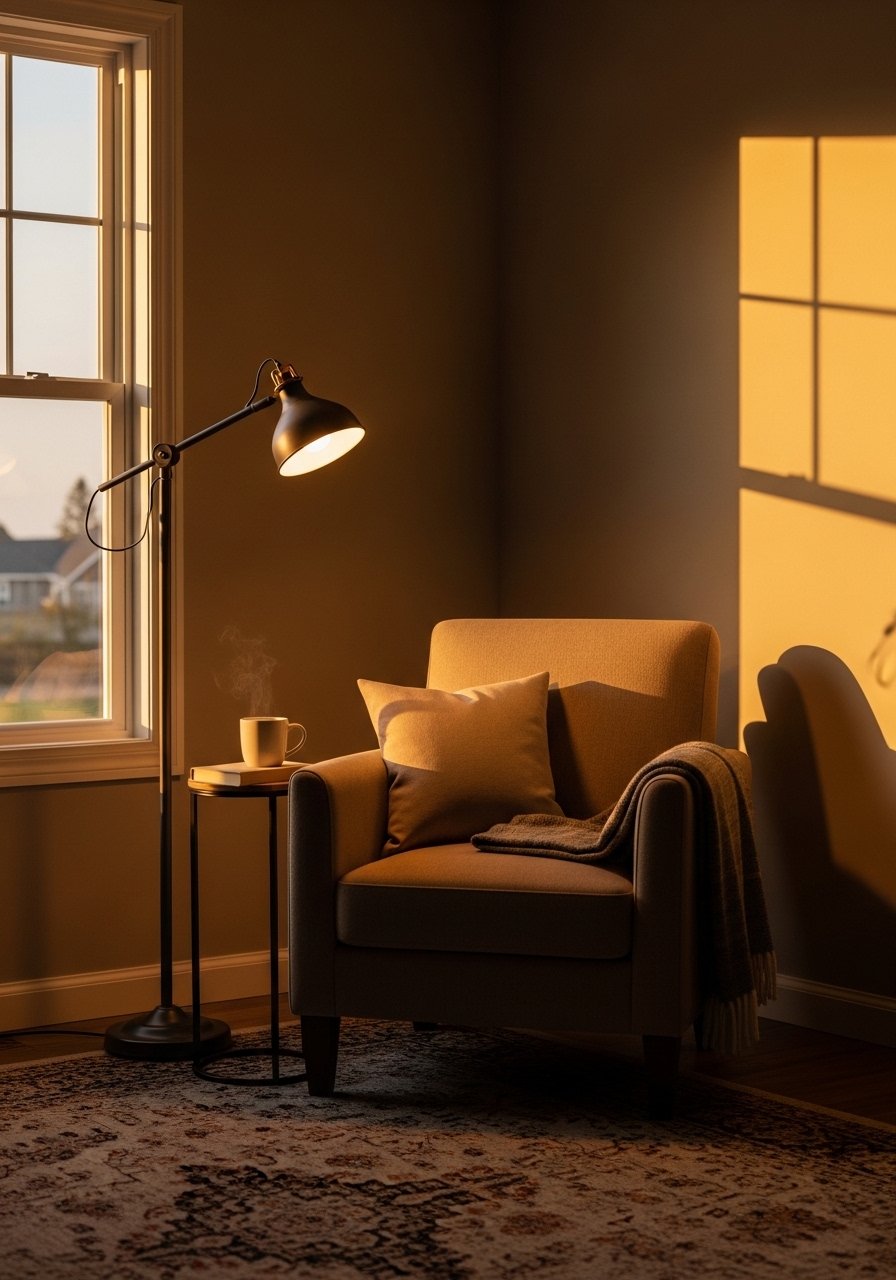
Pick one corner and add a lamp with a warm bulb. Do not try to fix the whole room at once. After a few evenings, adjust height, swap the bulb if needed, and add a subtle accent light if it still feels flat. That simple corner will teach you how the rest of the room should behave. When your partner finally notices and says it feels different, you will know it worked.