
I stared at my living room one evening and felt like the lights were shouting at me. Overhead glare, a single bright bulb, and corners that looked like islands of gloom. I tried swapping lamps, adding candles, and buying brighter bulbs. None of it felt calm. It took a long time before I realized the problem was less about fixtures and more about how the light sat in the room.
My first three setups were too clinical. Everything looked placed, not lived in. The method that finally worked was simple: plan where light needs to sit, then layer in small doses. I still make mistakes, but now the room reads as soft and welcoming instead of flat or harsh.
Step 1: Map the light you actually have
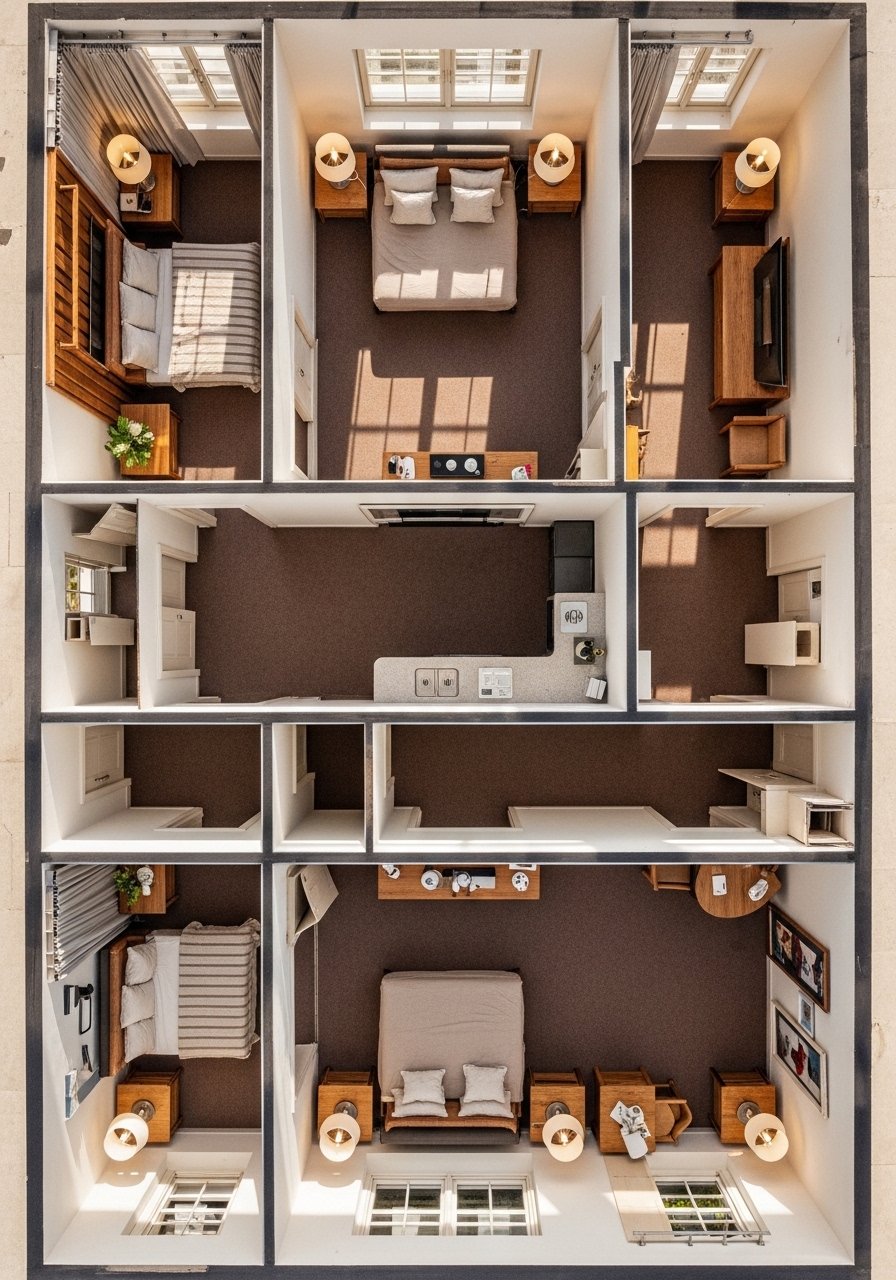
Turn lights on and off one at a time and walk the room. Mark the bright spots and the dead spots. Count windows, overhead fixtures, and outlets. Most rooms need at least three light sources, not three bright bulbs. Measure seating heights. A lampshade top that sits about 24 to 30 inches above the side table surface usually puts the glow at eye level when someone is seated. Early on I ignored this and ended with lamps that lit table tops but made faces look flat. The result of this step is a simple map you can use when shopping and placing lights.
Step 2: Start with ambient light, gently
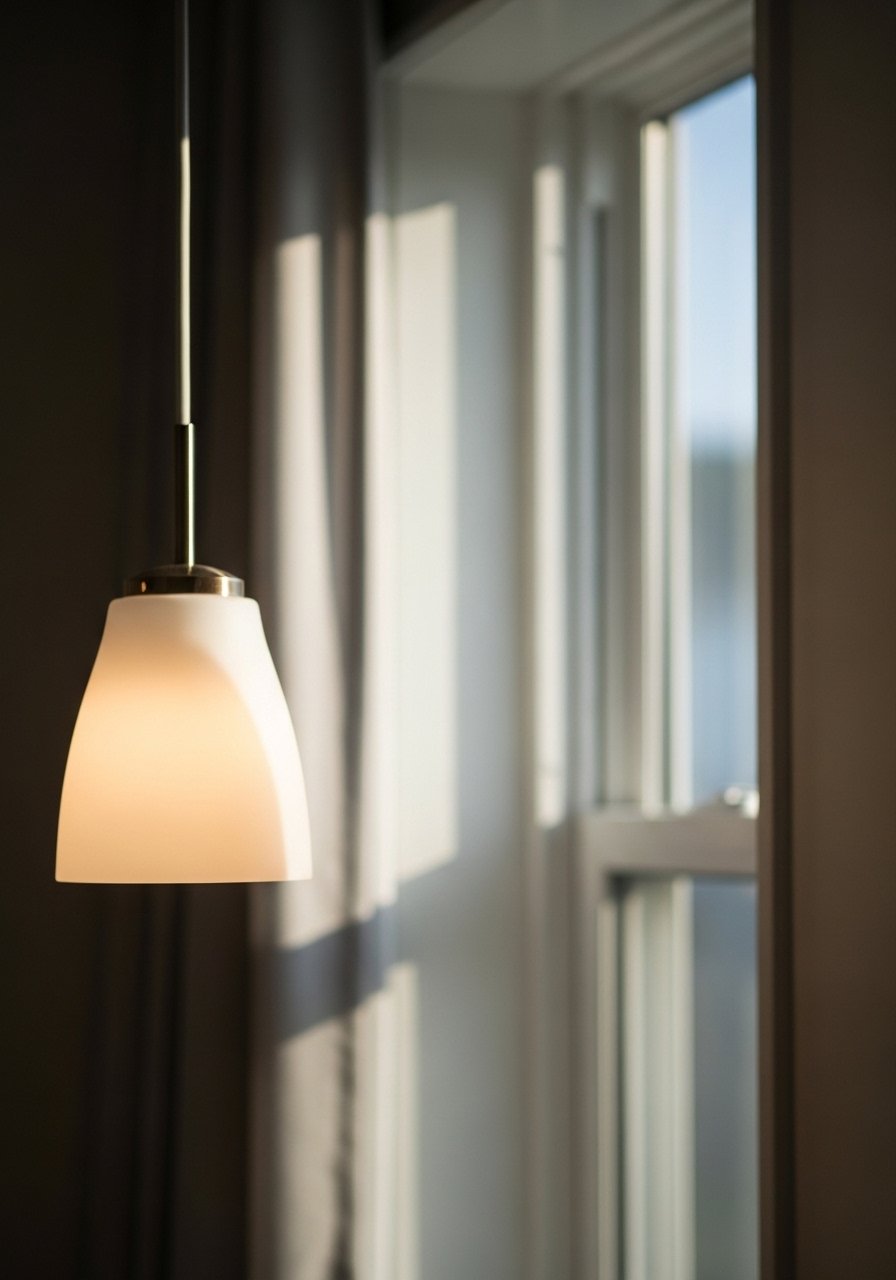
Ambient light should feel like a base note, not a soloist. If you have overhead fixtures, swap the bulb to a warm 2700K A19 and add a dimmer if possible. Aim for bulbs that give 40 to 60 watt incandescent equivalent for most rooms. I once put a 100 watt equivalent in a pendant and regretted it instantly. The room should read warm and even, a gentle wash that lets your accent lamps do the personality work. When ambient is too bright the space feels flat. When it is too low, everything looks shaky and uninviting.
Step 3: Place task lights where people actually sit
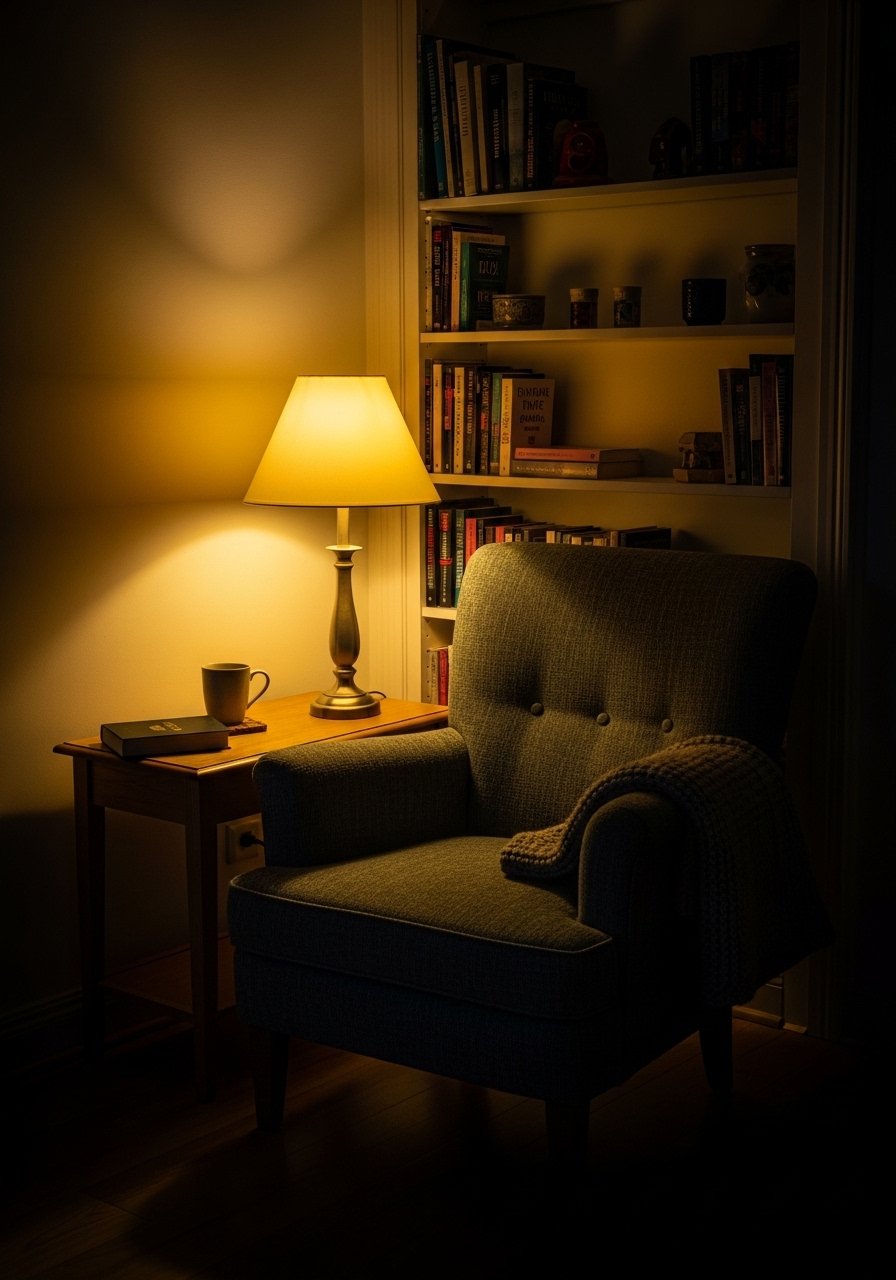
Task lighting is for reading and working. Put a floor or table lamp within arm reach of chairs. The top of a floor lamp shade should be roughly at seated eye level, about 58 to 76 centimeters above the floor. For table lamps, aim for two-thirds the height of your sofa back. I installed a gorgeous lamp too far behind the sofa once. It looked great from the door and was useless on the couch. The difference a properly placed task lamp makes is immediate. The light feels focused, the surface it lands on is warm, and you do not need to bump the overhead back up.
Step 4: Use small accent lights to fix corners and texture
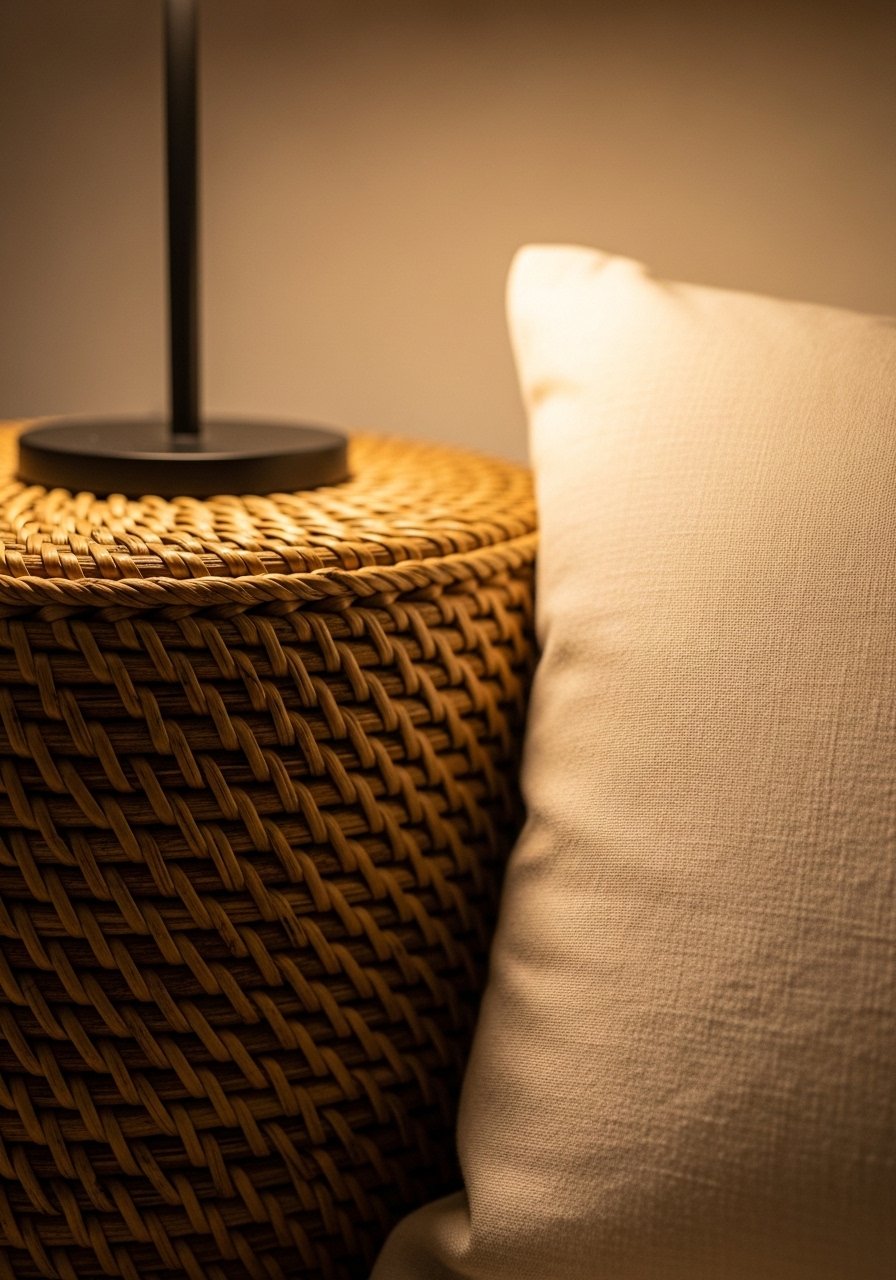
Accent lights are tiny answers to specific problems. A picture light, a low table lamp in a corner, or a ceramic-touch lamp that throws light across a jute rug can rescue a dark patch. Think in thirds for spacing. If a wall is eight feet long, place an accent light about every 2.5 to 3 feet where needed, but do not feel compelled to fill every inch. One time I added too many small lamps and the room lost rhythm. Pull back, then add one more if an area still looks heavy. The final look should feel layered and textured, not cluttered.
Step 5: Finish with bulbs and control
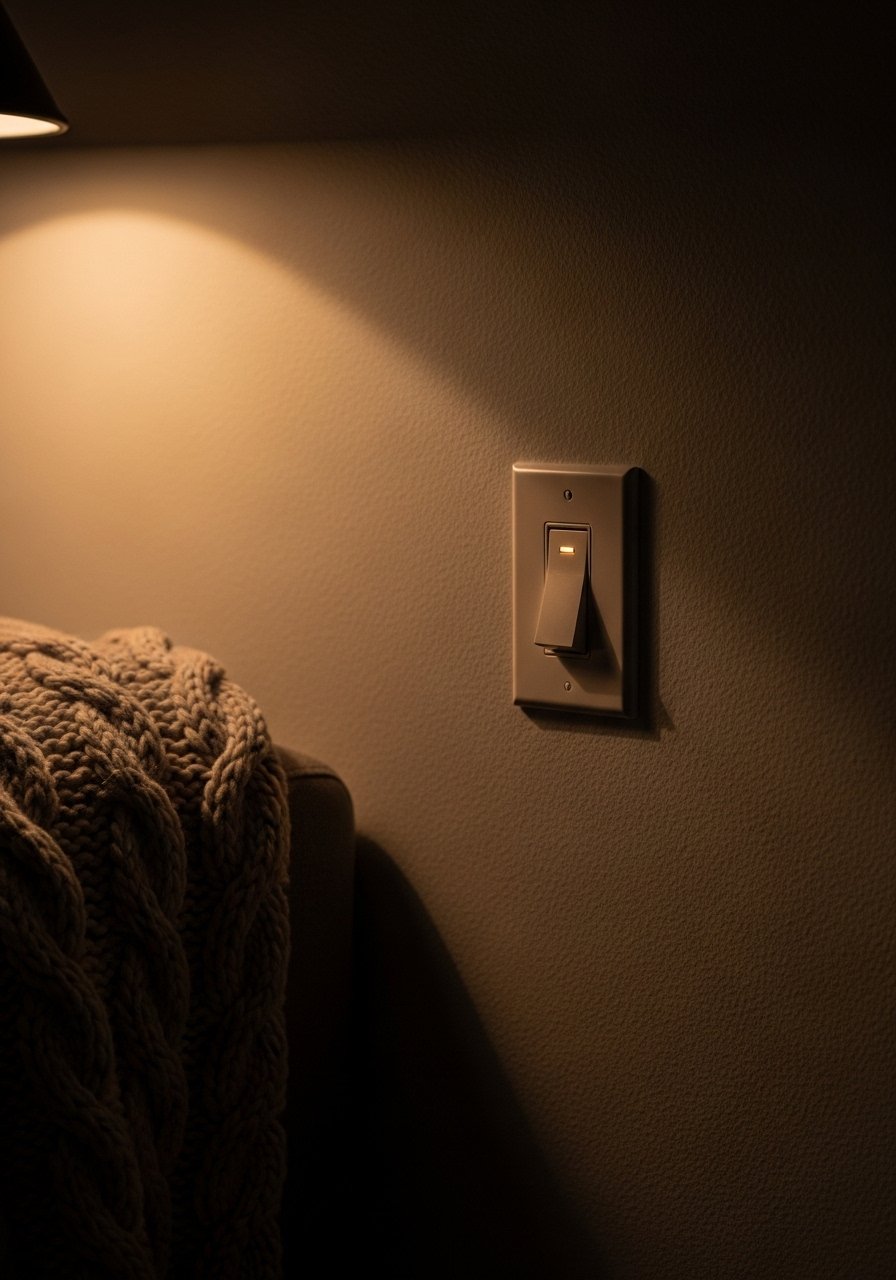
Swap in warm bulbs and add dimming where possible. 2700K bulbs give a golden hug that feels familiar. Use dimmers on ambient and task circuits so you can tune scenes. A single dimmable LED bulb that runs from 10 to 60 watts equivalent covers a surprising range of moods. I screwed up this step for months because I bought non-dimmable LEDs. The fix was cheap and immediate. The room goes from bright clean-up light to cozy reading light with a simple twist or remote.
What to Grab for a Soft Lighting Refresh
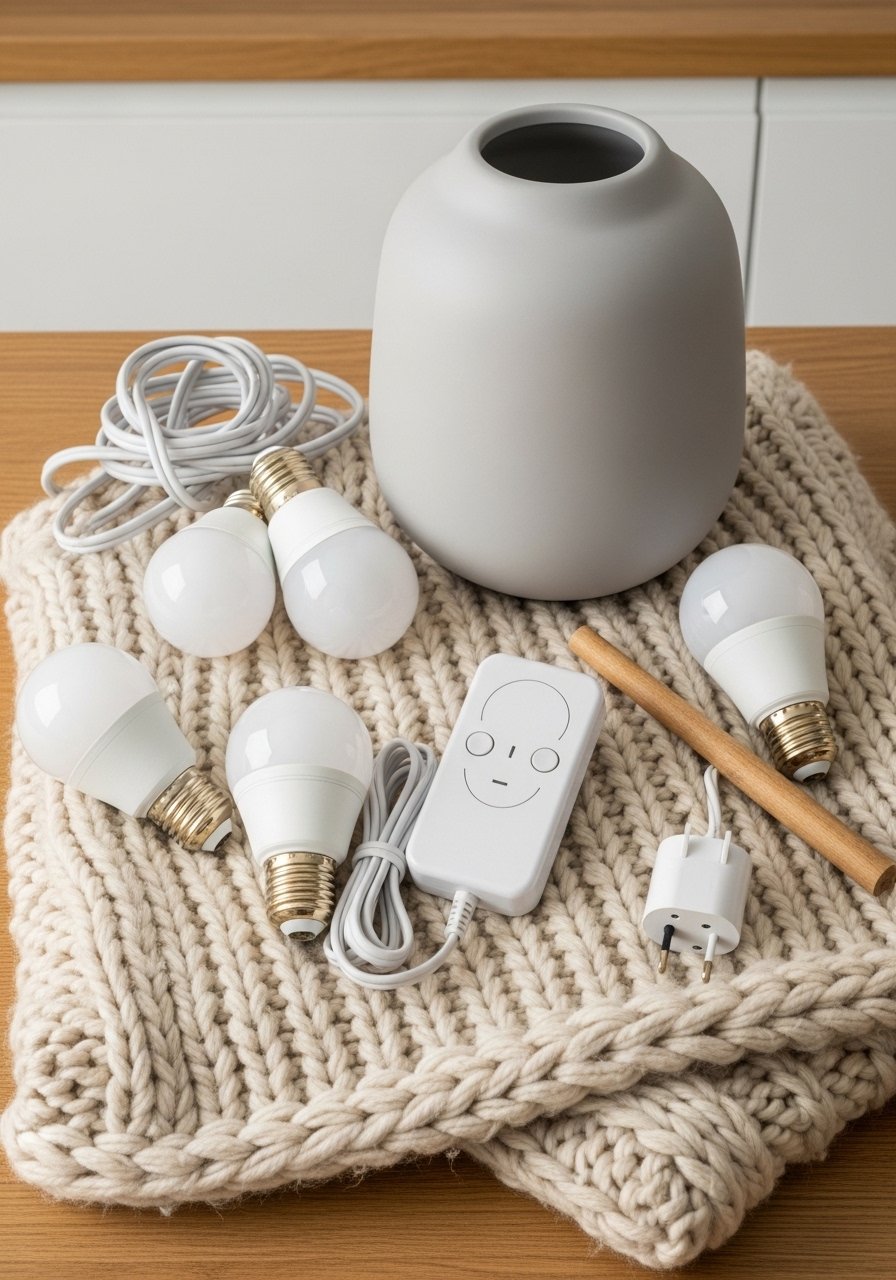
- Warm dimmable LED bulbs, A19 2700K, 6-pack ($18-30). Use these for ambient and task fixtures. Refer to Step 2 and Step 5.
- Plug-in lamp dimmer, inline cord dimmer ($12-20). Quick fix for lamps without hardwired dimmers, mentioned in Step 5.
- Arc floor lamp, matte brass, 58-inch ($65-120). Great for task lighting beside a sofa, used in Step 3.
- Table lamp, ceramic base with linen shade, 20-inch ($30-60). For accent or task on side tables, referenced in Step 4.
- Dimmable smart switch, single pole ($25-45). If you can change a wall switch, this makes ambient control effortless, for Step 2 and Step 5.
- Chunky knit throw in oatmeal, 50×60 ($40-65). Adds texture under lamp light, mentioned in Step 4.
- Jute area rug, 5×8, natural ($60-120). Grounds pools of light and feels rough and tactile underfoot, used in Step 4.
Why your room still looks flat after softening light
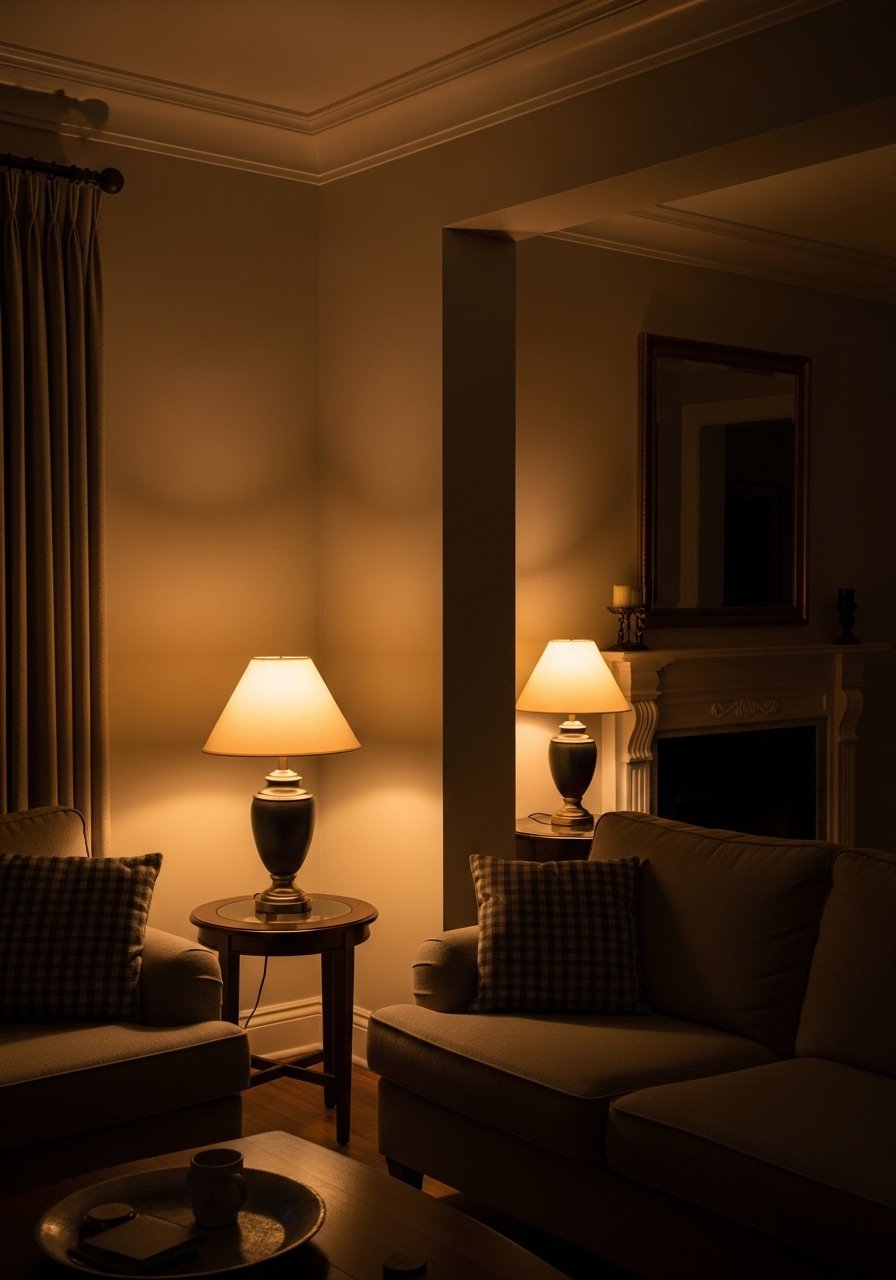
You might have warm bulbs and still feel flat. Common issues are uneven placement and competing light temperatures. If one lamp is 3000K and another is 2700K the shift is subtle and distracting. Another mistake is over-lighting a focal point, like a coffee table, while leaving seating shadowed. Fixing it means moving a lamp a few inches or swapping bulb color. The quick test is to sit where you normally sit, close your eyes, then open them. If your eyes jump to one bright spot, the balance needs work.
Making this work in a small room
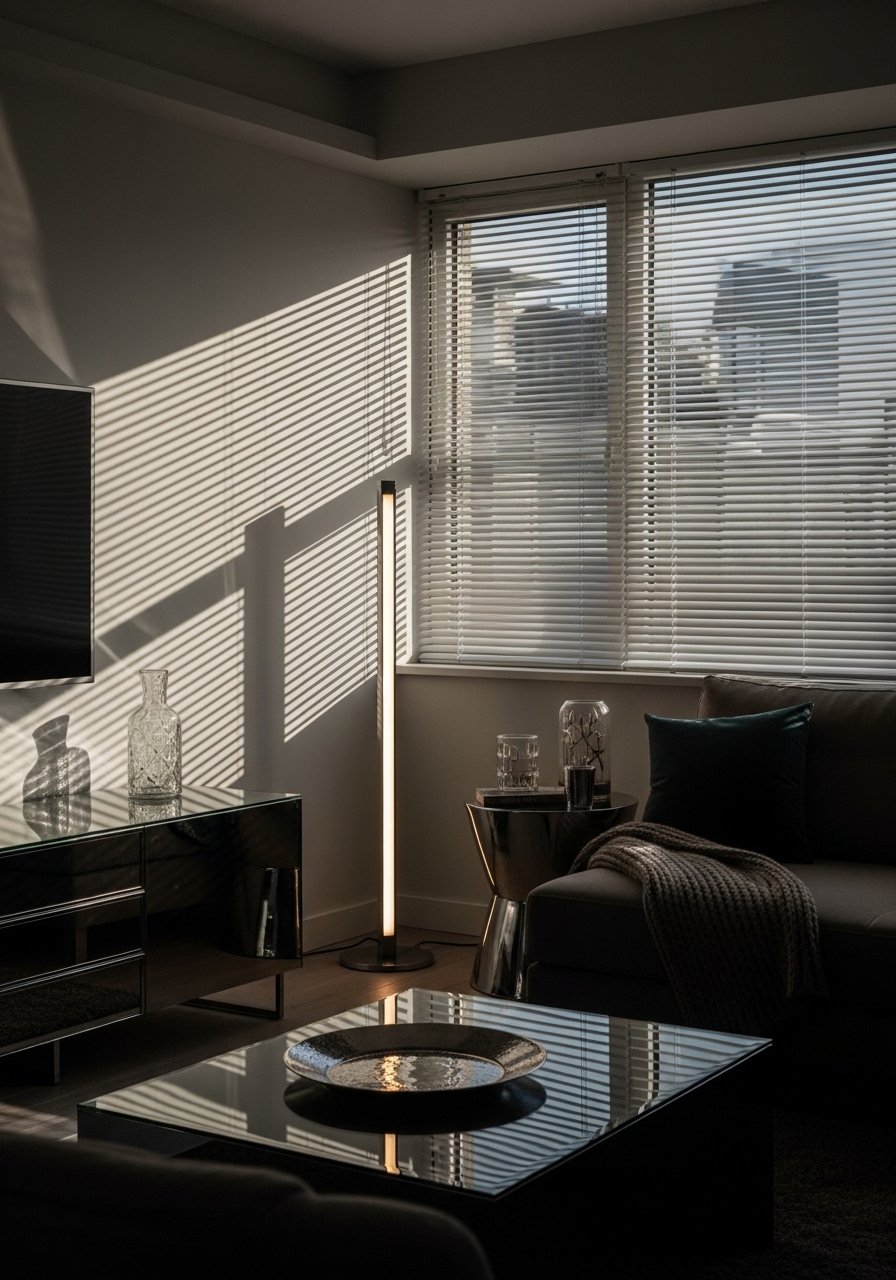
Small rooms benefit from smaller, strategic lamps. Use a slim floor lamp that fits tight to a chair and a pair of low table lamps on narrow consoles. Keep lamp shades translucent to let light spread. A good rule is to have at least one light within 4 to 6 feet of each seating position. Mirrors can help, but place them so they reflect indirect lamp light, not a bare bulb. I used to think tiny rooms needed tiny bulbs. What they need is better placement.
- Use plug-in dimmers to avoid rewiring.
- Choose shades that are soft fabric, not glossy. Fabric diffuses light and feels warmer to the eye.
- Place a lamp on a stack of books to adjust height if needed.
Living with soft lighting for a week, honestly
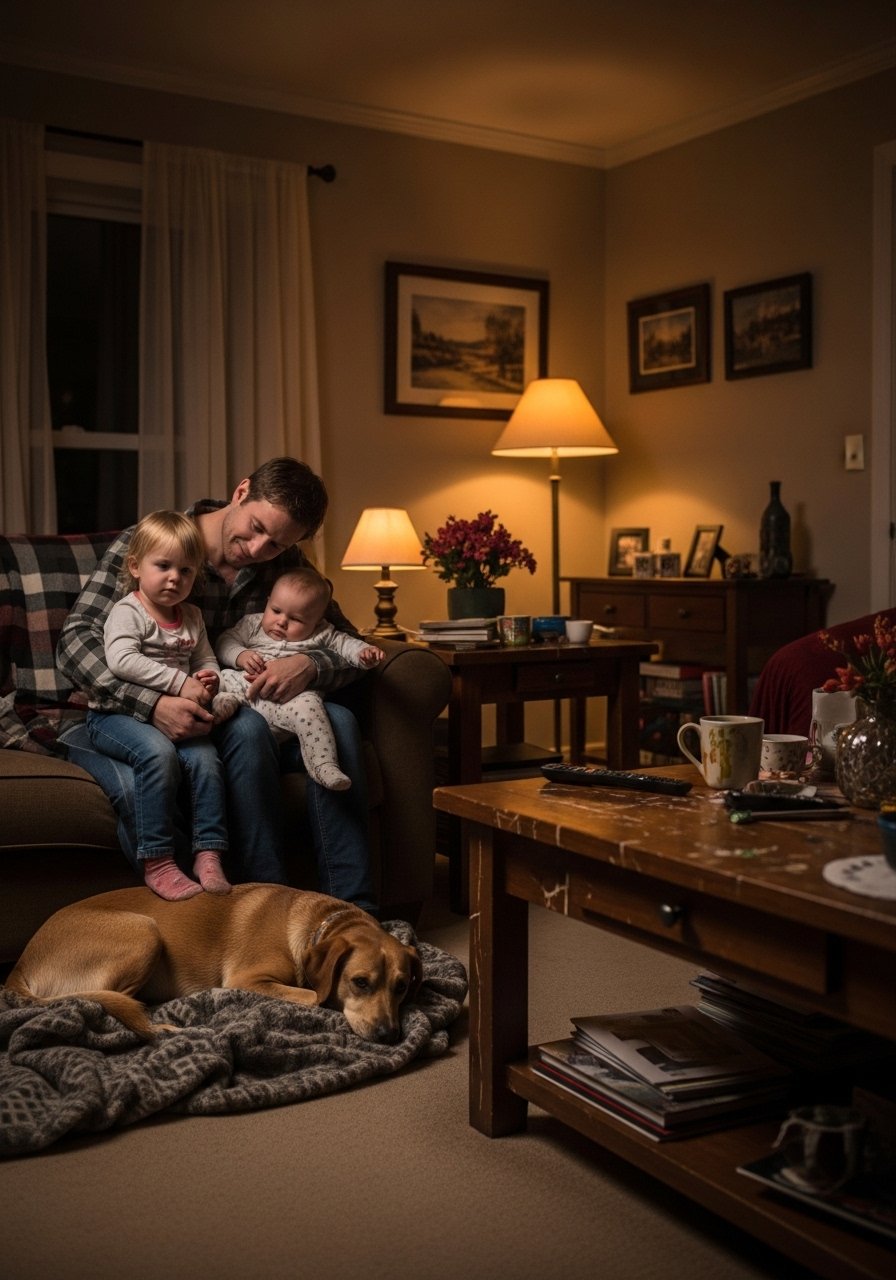
Soft lighting changes how a room feels over time. The first night everyone notices the mood. By day three you will see dust and crumbs differently because shadows soften. Expect to tweak lamp placement after a few nights. My partner knocked over a table lamp twice before I moved it closer to the wall. If you have kids or pets, favor heavier lamp bases and keep cords tucked. Low light can hide small messes so plan one brighter task light near activity zones.
Start with One Lamp
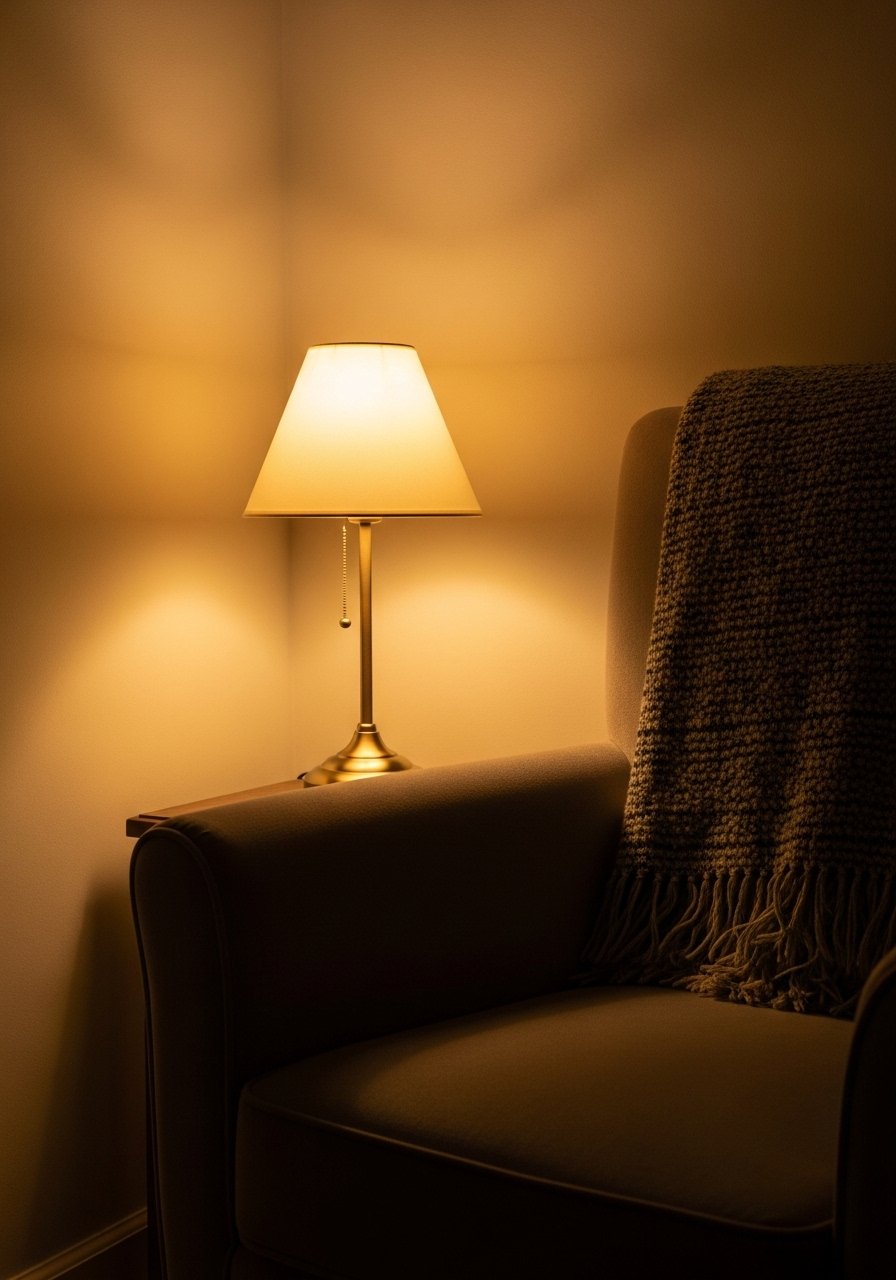
You do not need to redo the whole room. Put one warm lamp near a seat and live with it for a few nights. Notice where your eyes go and which corners feel heavy. Then add a second lamp to fix the deepest shadow. That small, patient approach turned my room from harsh to calm. If you want one low-commitment buy, try the warm dimmable A19 bulbs from the list. After a week you will see where the next light belongs.