
My living room had nice furniture and decent lighting but it still felt like a waiting room. Took me embarrassingly long to figure out it was missing texture. Every surface was smooth, every color was flat, and nothing invited you to actually sit down. Once I started swapping finishes, introducing one vintage piece, and committing to more textiles, the place stopped being polite and started being comfortable.
These ideas lean mid century modern with a cozy lean. Most projects are under $150, with a couple of splurges around $300. They work for living rooms, entryways, bedrooms, or a compact home office that needs personality.
Teak Accent Shelves for a Warm Entry
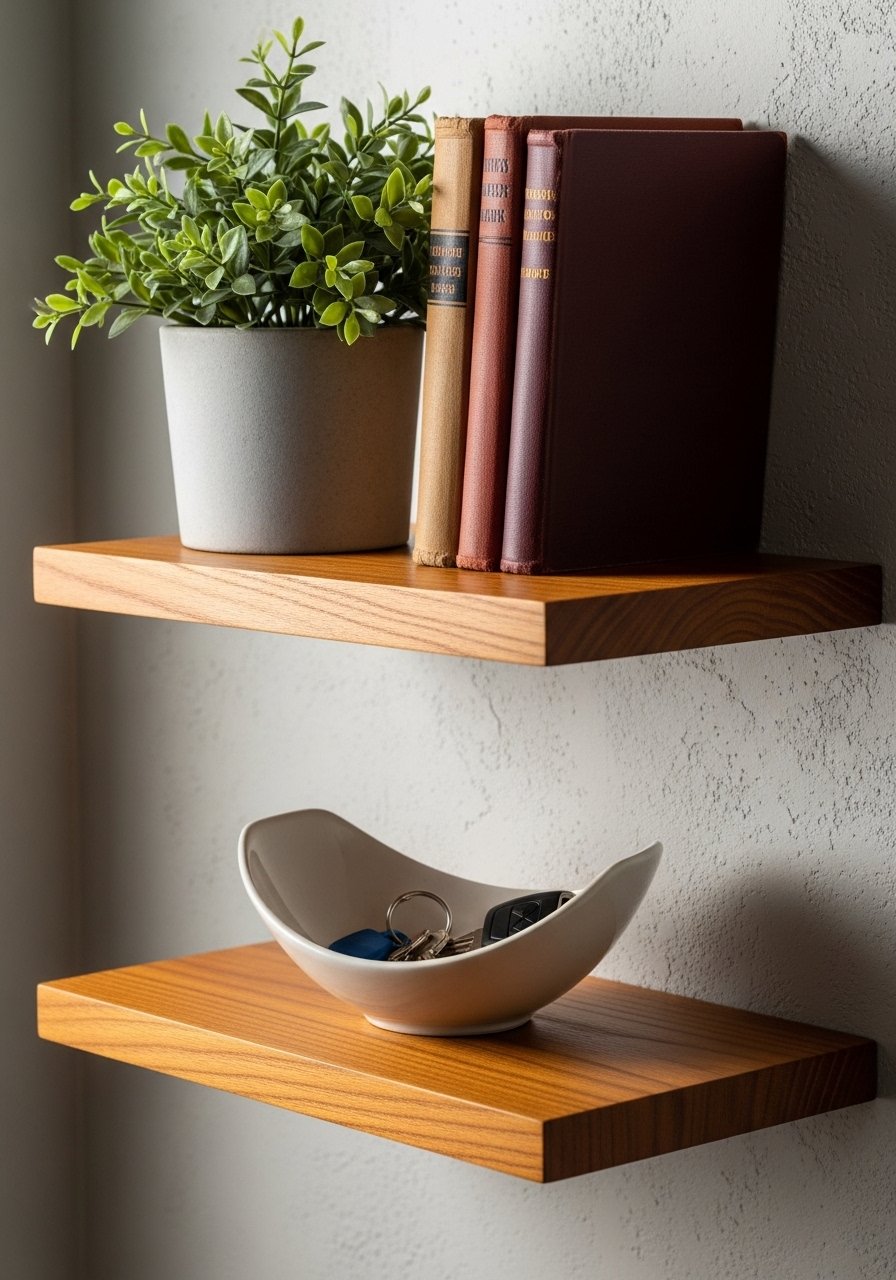
I added two teak floating shelves to my entry and suddenly the blank wall stopped looking like wasted space. Teak warms a cool paint color, and the grain reads like a piece of furniture instead of just a shelf. I keep one shelf for catchall items and the lower one for styling with a small ceramic vase and a framed photo. A common mistake is packing shelves too tightly. Leave about one third empty to make the pieces feel intentional. For placement, I space them about 10 to 12 inches apart vertically so your eye can rest. If you pair this with the credenza idea below, stagger heights for a layered, collected look.
Sunburst Clock to Anchor a Retro Living Room
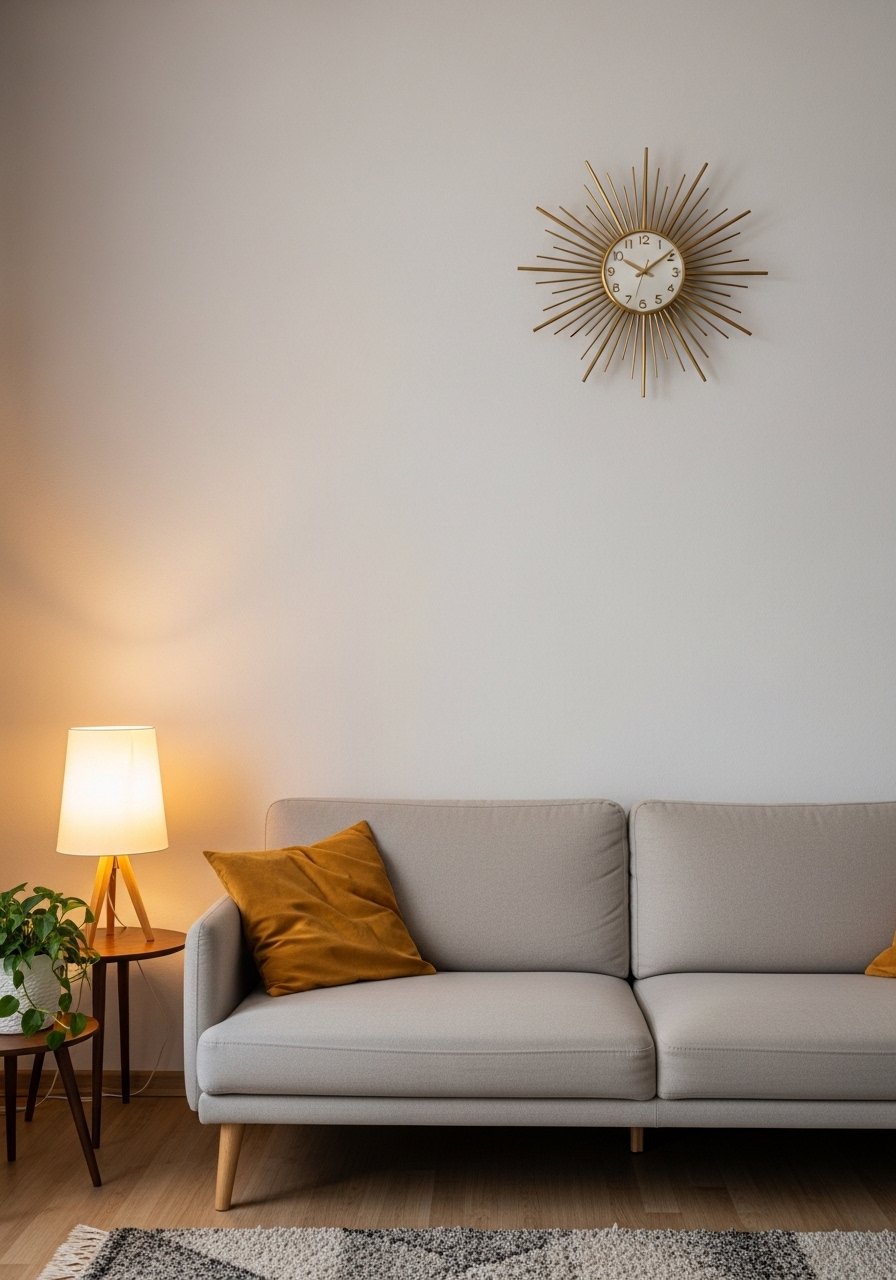
I resisted the sunburst clock for years because I thought it was cliche. Then I hung one and it anchored the whole seating area like a focal point should. It fills negative space without needing a gallery wall. Budget options start under $40, while brass-plated versions run higher. Avoid clocks that are too small for the wall. Aim for at least 24 inches across above a sofa under 84 inches wide. I like to mix metals, so I used a brass sunburst clock with matte black lamp bases. The clock reads vintage without feeling kitschy, especially when balanced with a soft throw and a plant.
Sputnik Chandelier for a Dramatic Ceiling Moment
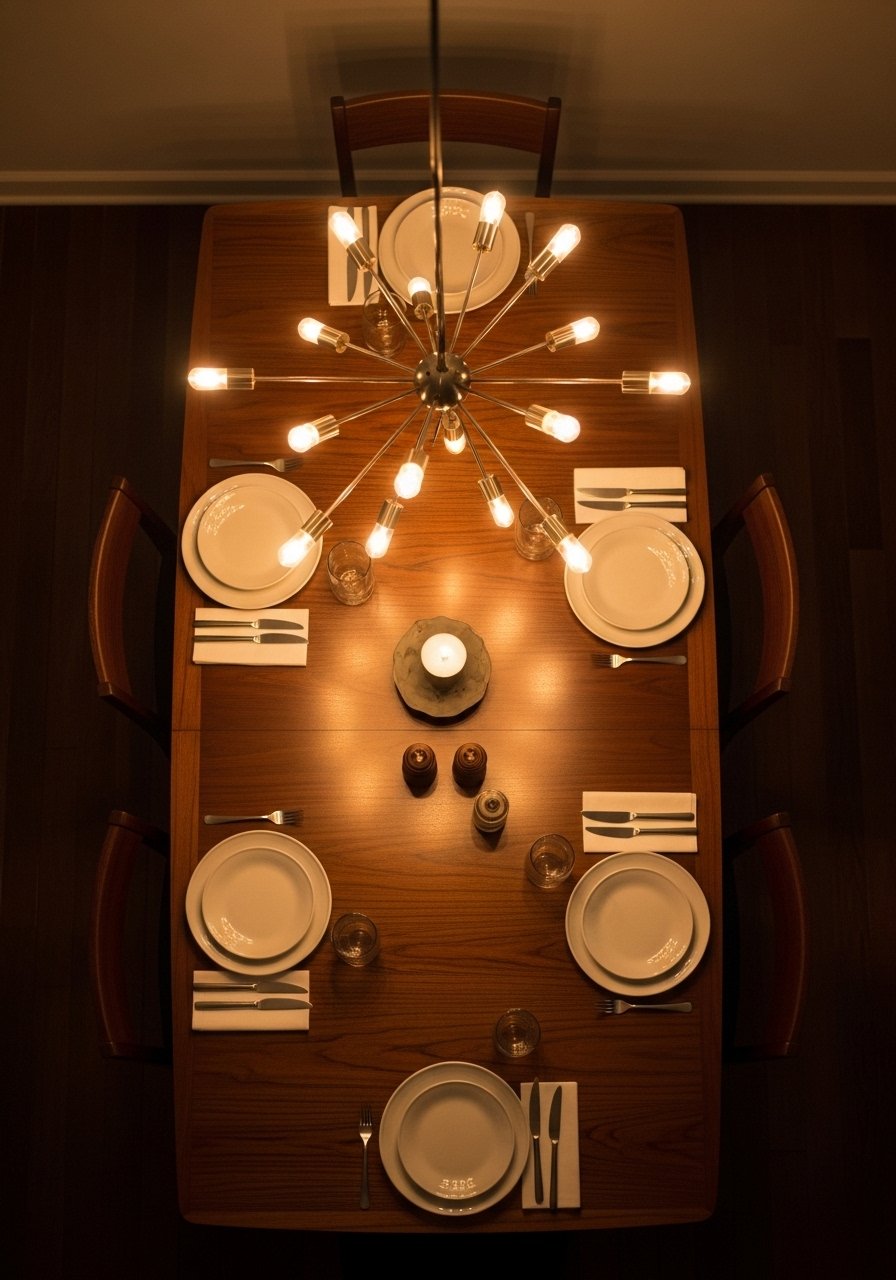
Installing a sputnik chandelier was my one splurge that actually made guests stop and stare. It gives vertical interest and breaks up predictable ceiling lines. Measure your table first. For a standard 6-foot table, a fixture about 20 to 30 inches across sits right. A common error is hanging it too high. Aim for 30 to 34 inches above the table surface. I paired a sputnik chandelier with simple shades so the fixture is the star. If you have low ceilings, consider a semi-flush version. It reads modern and vintage at once and works especially well over dining tables or entryway consoles.
Geometric Throw Pillows for Retro Living and Bedrooms
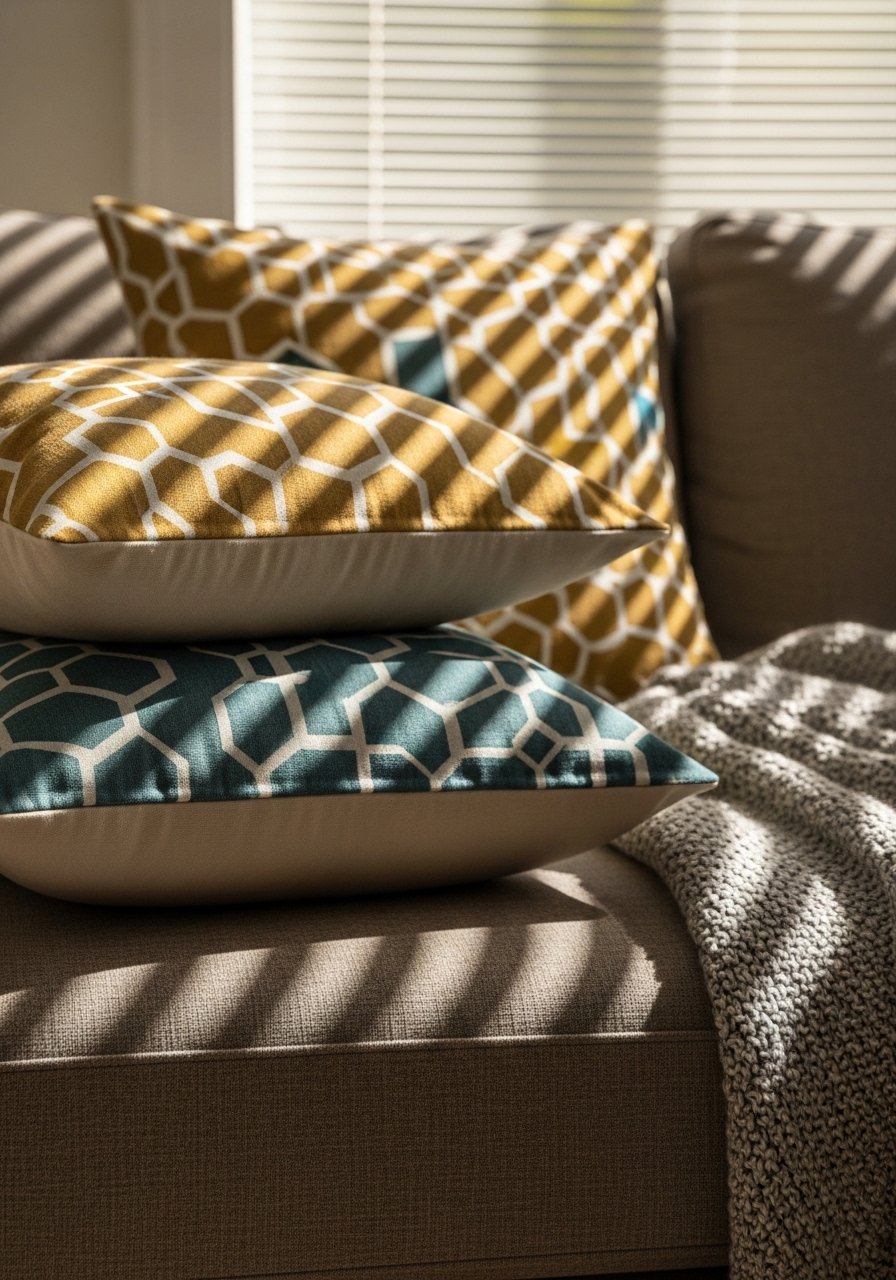
Most rooms need pillows more than they need anything else. I swapped out plain cushions for a set of geometric prints and the sofa finally looked edited. Use the rule of three in groupings. One large 24-inch linen pillow, one 22-inch down-filled pillow, and a 16-inch textured lumbar create the right silhouette. A common mistake is matching everything. Let one pillow pull a bold accent and keep two neutral. I used a pair of geometric pillow covers and an inexpensive down insert from a separate listing to mix textures. Pillows are cheap insurance for style, and swapping covers seasonally feels like a refresh.
Walnut Credenza Styling for Dining Rooms and Living Areas
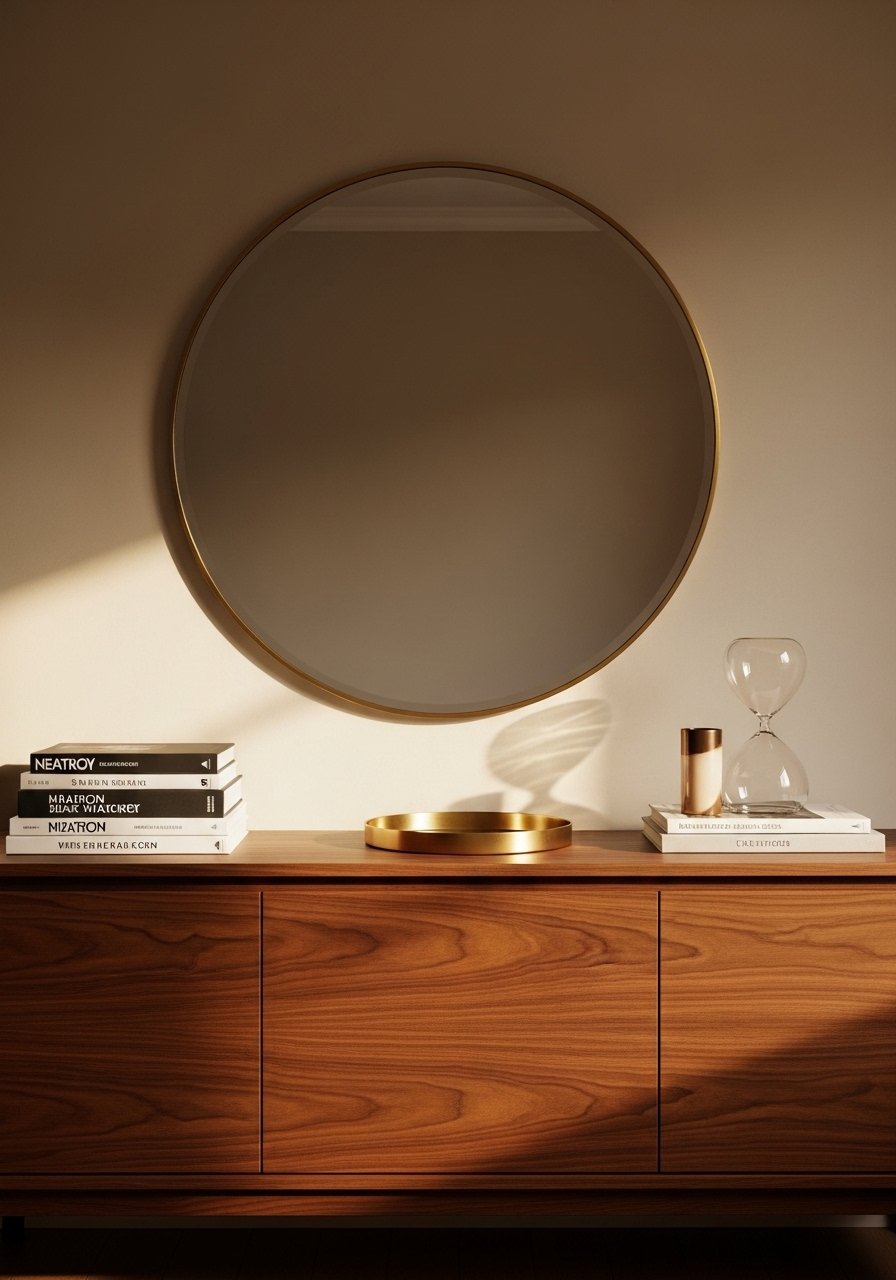
A walnut credenza is the piece that makes a room feel collected. Mine hides board game chaos while offering a styling surface that reads like a gallery. Keep decor in odd numbers, and use the rule of three across the top: tall, short, medium. One mistake is treating the top like a mantel and filling it end to end. Instead, leave breathing room and anchor one side with a lamp or tall vase. I like to display an hourglass vase set and a single framed print. For proportion, the credenza should be about two thirds the width of the wall it sits on so it feels intentional, not undersized.
Hairpin Leg Side Tables for Airy Small Spaces
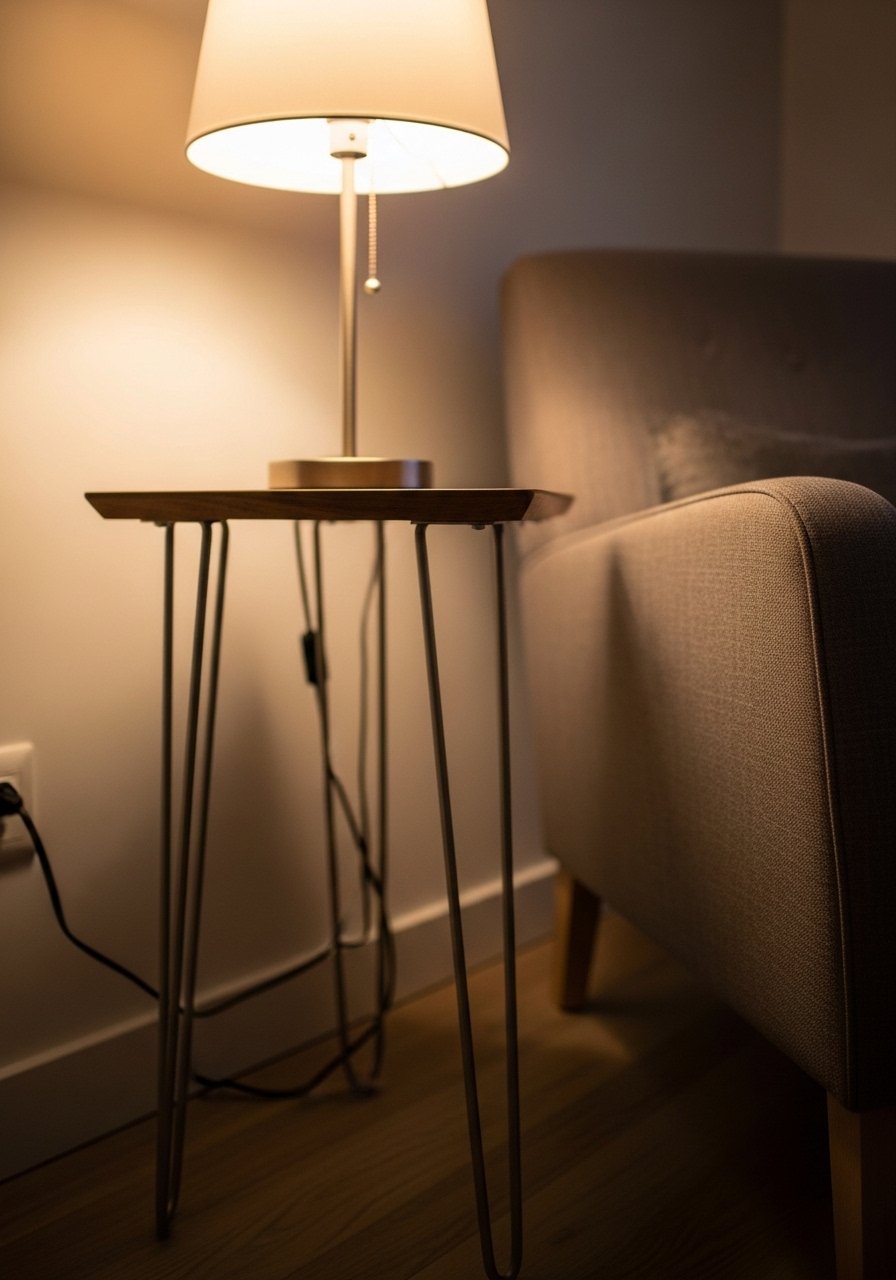
My tiny apartment felt heavy until I replaced chunky side tables with hairpin leg versions. They visually float so the space reads larger. They also save money. A common mistake is choosing a table too tall for the chair. Match the table top to the arm height or slightly lower, about 1 to 2 inches below the chair arm. I use a walnut hairpin side table that fits beside a low-profile sofa. These tables are great for lamp placement and cup holding without adding visual bulk. Pair one with the floor lamp idea here for a balanced reading nook.
Ceramic Vases Grouped in Odd Numbers for a Vintage Accent
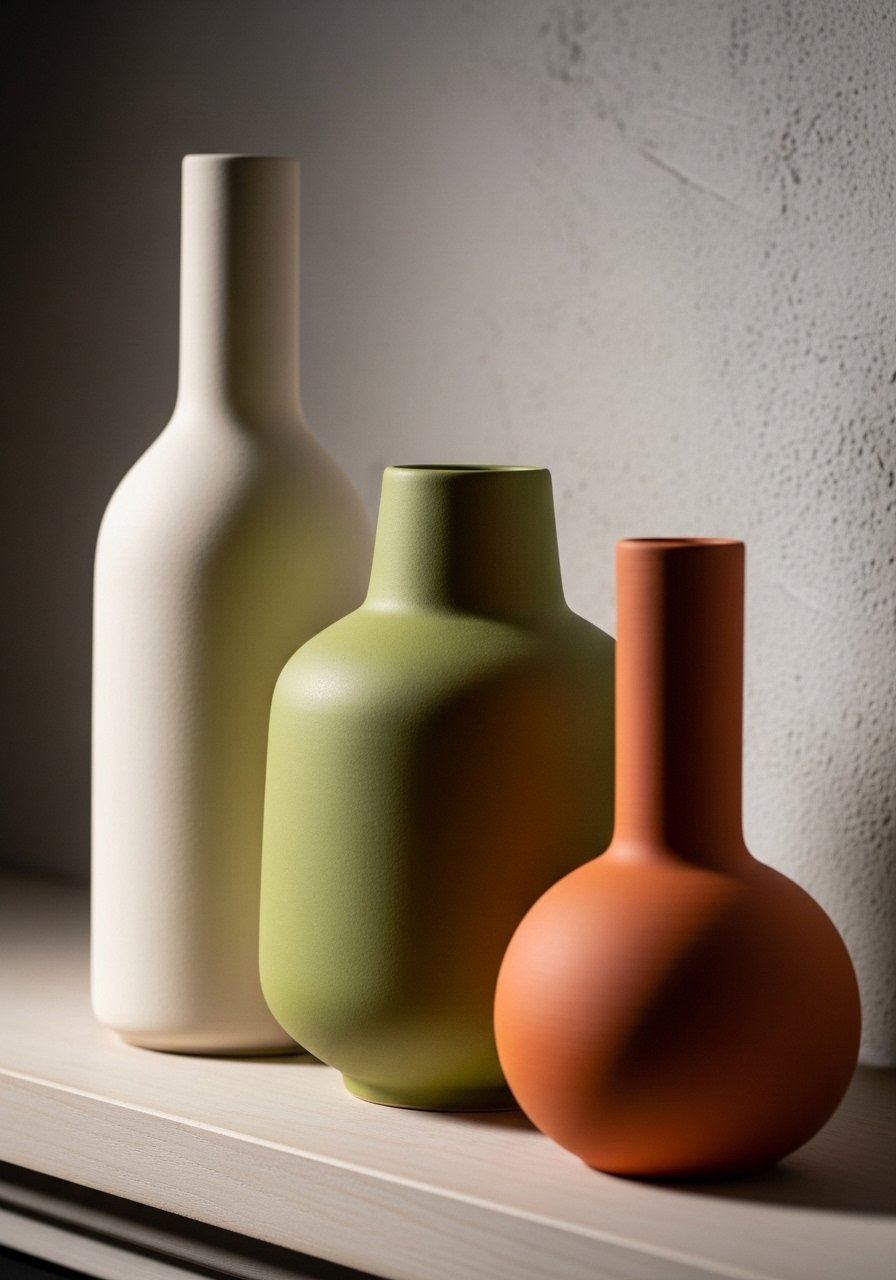
There is something about grouping vessels that makes a shelf feel edited. I collect mid century inspired ceramics in neutral glazes and arrange them in groups of three. Rule of three works every time. A mistake is buying identical pieces that read like a set. Vary height and finish. I mix a tall matte vase, a squat glossy piece, and a small pitcher. My favorite is a mixed ceramic vase set that reads handmade at a budget price. Photo-vs-reality note: online photos often inflate glaze color. Expect slightly muted tones when they arrive.
Low Profile Sofa with Tapered Legs for Authentic Mid Century Living
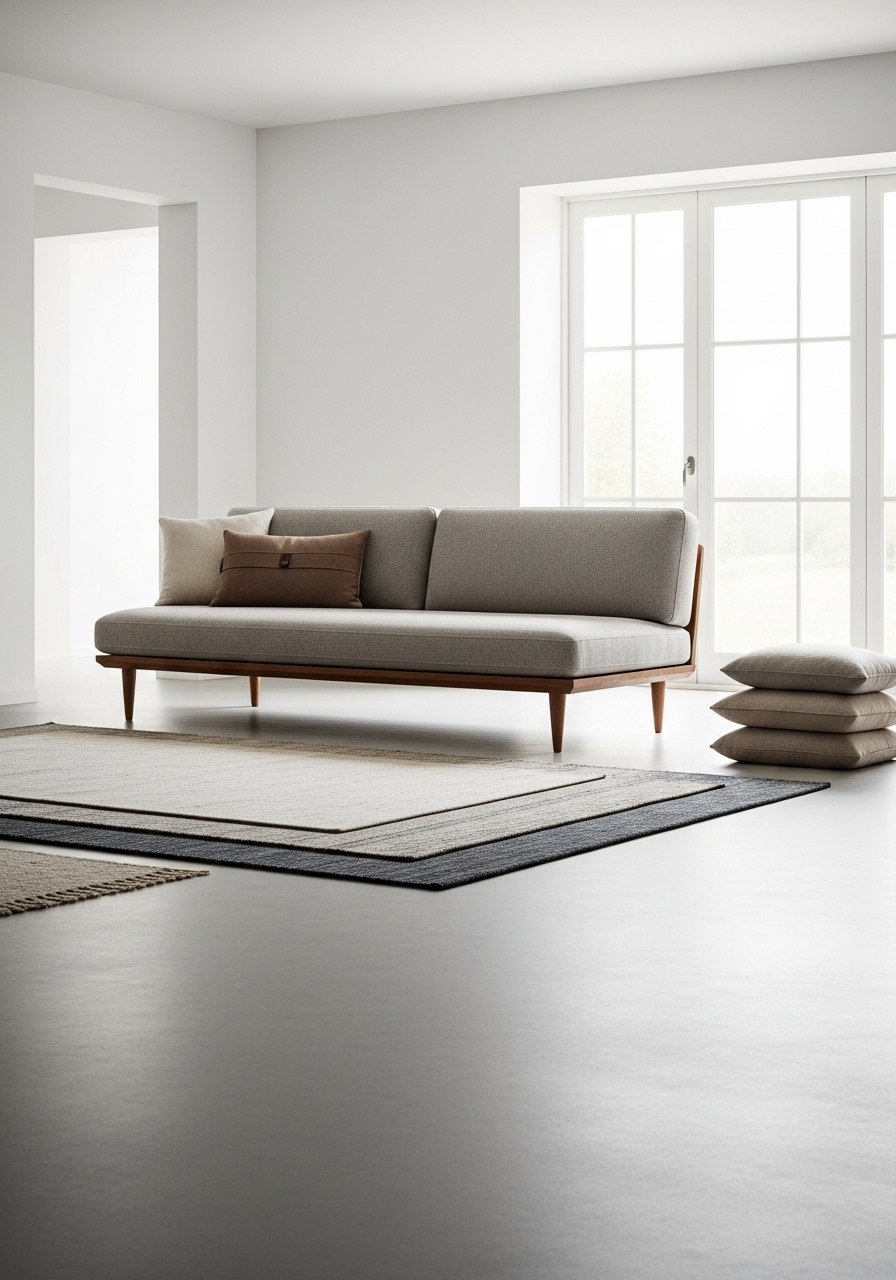
Swapping to a low profile sofa with tapered legs was the change that finally made my other mid century accents feel coherent. The sofa sits visually lower so coffee tables and rugs look layered rather than top-heavy. For scale, leave 14 to 18 inches between the sofa and coffee table to allow traffic flow. A common mistake is buying a sofa that is too deep for a small room. Look for an 86- to 92-inch length for most living rooms. I chose a mid-century low sofa in a neutral gray and then introduced color with pillows and an abstract rug. It reads modern and lived-in at the same time.
Abstract Rug to Ground a Seating Area
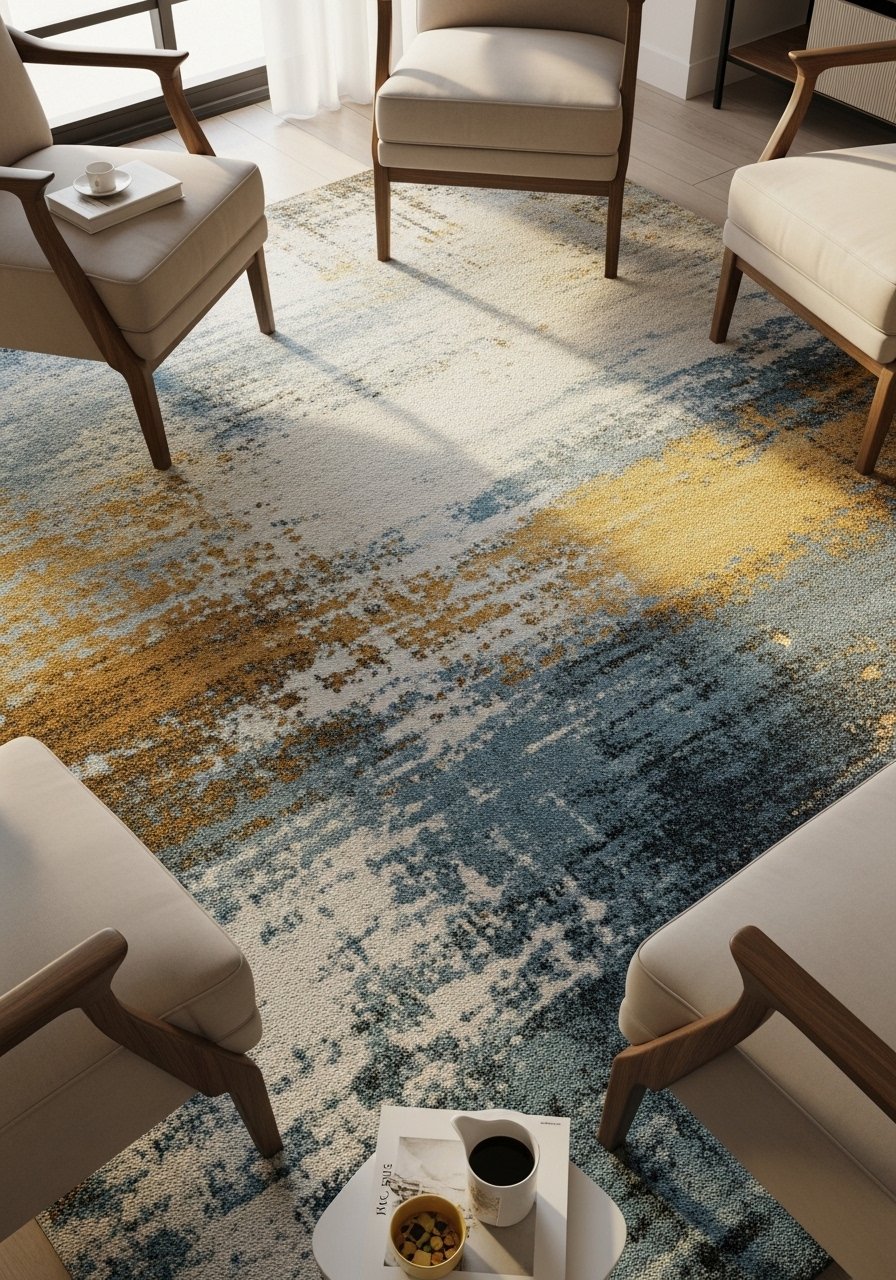
For a standard living room, go 8×10 minimum. All front furniture legs should sit on the rug. That rule changed my layout planning overnight. An abstract rug anchors the furniture, hides wear, and ties disparate colors together. A mistake is buying a rug that is too small, which makes furniture look disconnected. I selected an abstract jute-blend rug to add pattern without overwhelming the room. Photo-vs-reality note: pattern scale is easier to judge in person. If you love bold patterns, go one size up so the repeat reads rather than fragments under a coffee table.
Your Decor Shopping List
Textiles
- Honestly the best $40 I have spent. Chunky knit throw in cream (~$35-55). Drape over the sofa arm for instant warmth
- Geometric pillow covers, set of 3 in mustard, teal, and linen (22-inch and 16-inch mix)
Wall Decor
- Brass sunburst wall clock (~$40-120) for a focal point
- Round mid-century mirror, 30-inch to hang above a credenza
Lighting
- Sputnik chandelier 6-arm ($$$) for dining areas or entries
- Arching floor lamp in brass for reading nooks
Furniture & Smalls
- Walnut hairpin side table (~$60-120)
- Mid-century low profile sofa in neutral gray (splurge option)
- Abstract 8×10 rug (try jute-blend for durability)
- Mixed ceramic vase set, three pieces for styling
Similar at Target or HomeGoods notes: Many rugs and small decor items can be found at HomeGoods, and pillow covers are usually available at Target if you want to see fabric in person before buying.
Shopping Tips
White oak beats dark wood in 2026. White oak floating shelves look current, not dated.
Grab velvet pillow covers for $12 each. Swap them every season and the whole room feels different.
Curtains should puddle or kiss the floor, never hang halfway up. These 96-inch linen panels are the right call for standard 9-foot ceilings.
For lighting that reads vintage without being fussy, choose matte finishes over high shine. Matte brass table lamps pair with both warm and cool palettes.
One large plant is worth more than five tiny succulents for scale. Faux fiddle leaf fig, 6-foot if you need height without the maintenance.
Frequently Asked Questions
Q: Can I mix modern textiles with vintage furniture without it looking messy?
A: Yes. Keep a consistent color story and repeat one accent color three times across the room. That small repeating thread makes modern textiles and vintage furniture feel like they belong together.
Q: What size area rug do I actually need?
A: For a standard living room, go 8×10 minimum. All front furniture legs should sit on the rug. If you have a large open plan, consider an 9×12 so zones feel defined.
Q: Should I match my metals or mix them?
A: Mix them. It looks more intentional. Try a brass clock with black lamp bases and a chrome accent for balance. Mixed metal frames are an easy way to start.
Q: How high should I hang art above a credenza?
A: Aim for 6 to 8 inches above the surface. If you stack leaning pieces, leave 2 to 3 inches between frames so each piece reads clearly.
Q: Are real plants better than faux for mid century styling?
A: Both. Real plants add life and sometimes smell. Faux plants are perfect where light is poor or for busy people. Snake plants and pothos handle neglect. Use a faux fiddle leaf fig where you need height without maintenance.