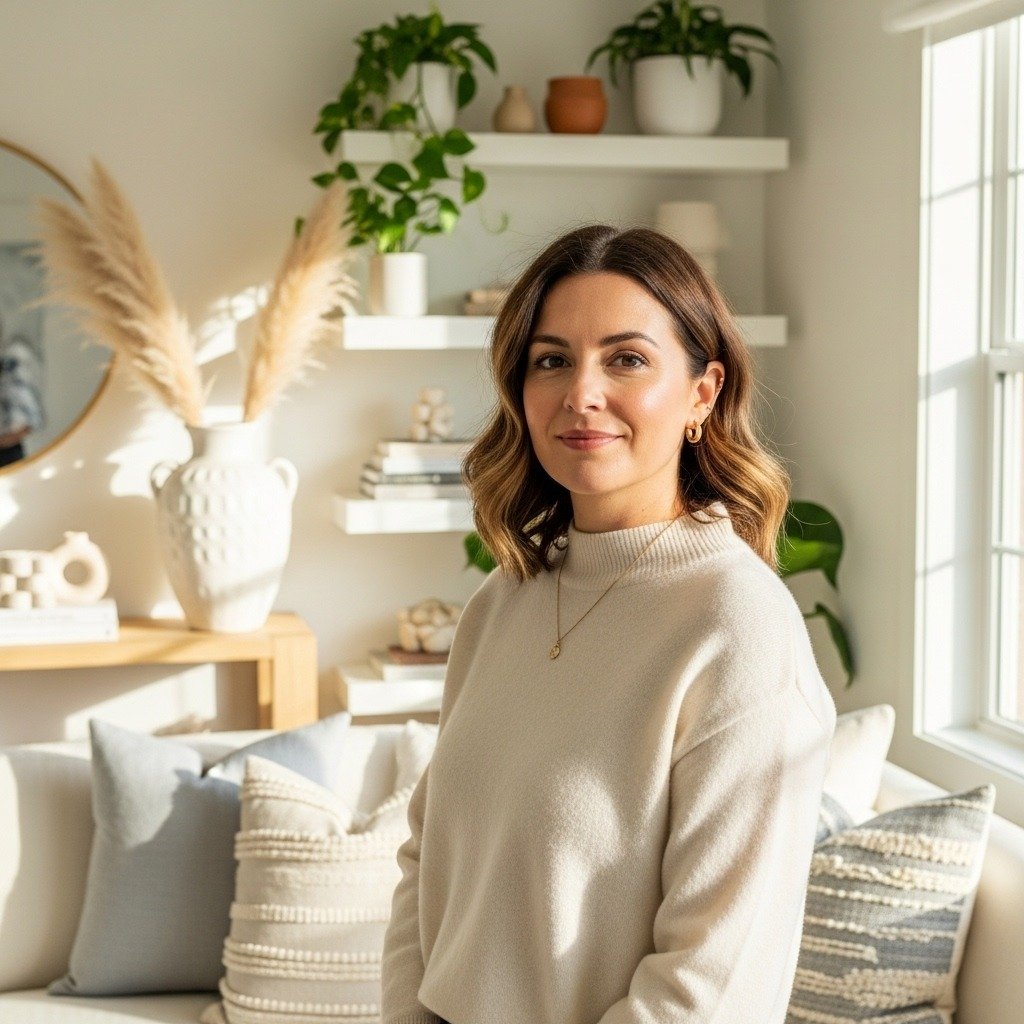
My living room had nice furniture and decent lighting but it still felt like a waiting room. Took me embarrassingly long to figure out it was missing texture. Every surface was smooth, every color was flat, and nothing invited you to actually sit down. One small change at a time fixed it.
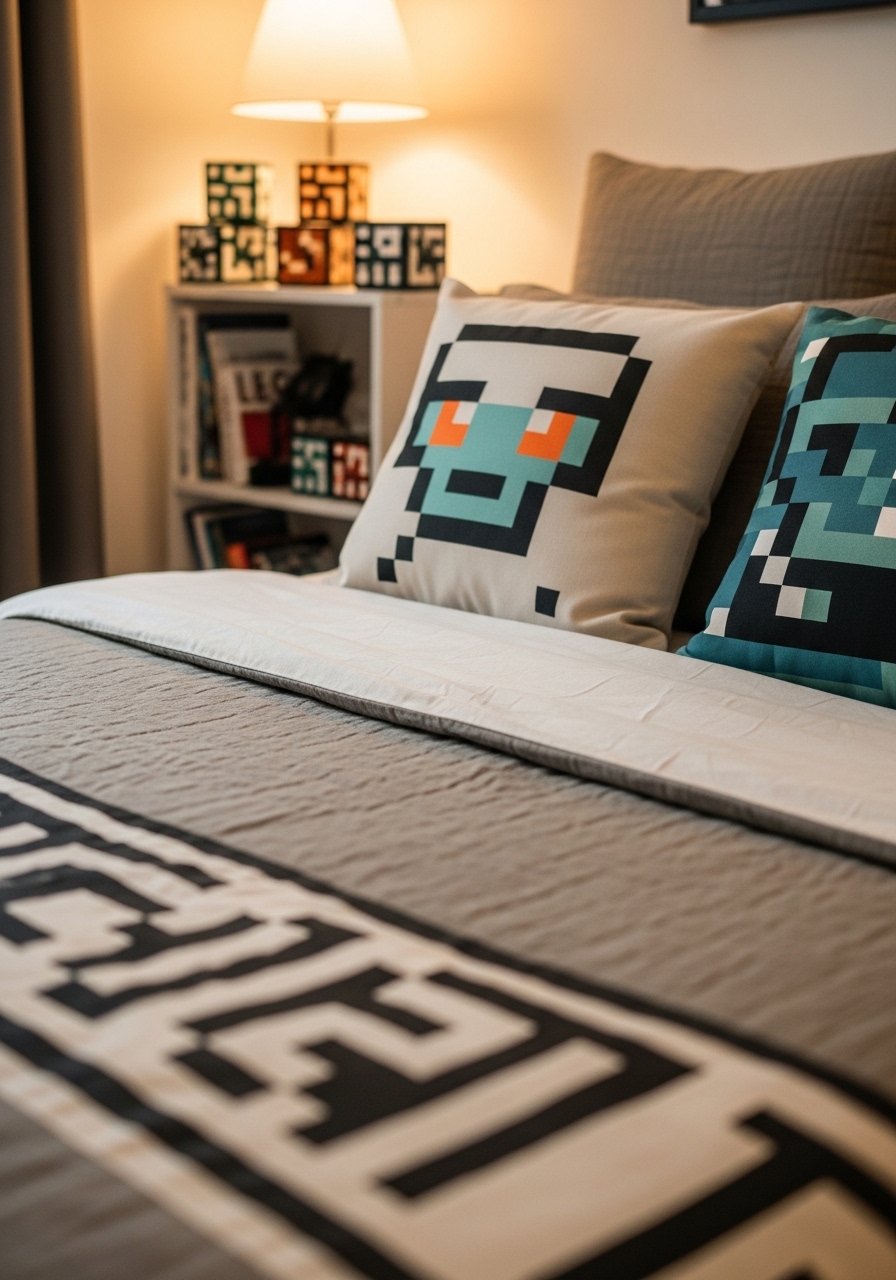
These ideas lean soft modern and minimalist, with a few playful nods to Minecraft pixel shapes. Most pieces are under $50, with a couple of splurges around $100. Great for bedrooms, kid rooms, guest rooms, or hobby corners. Half the time lighting alone throws off your match. Most pros scan now instead of guessing. Wrong base means painting twice.
Neutral Blocky Throw Pillows for a Minimalist Cozy Bed

The moment I swapped my flat cushions for 22-inch down-filled linen covers with a single pixel pattern, the whole bed stopped looking like a showroom. In a minimalist bedroom this creates a focal point without clutter. Budget is $25 to $60 for quality covers. I like pairing one patterned pillow with two solid linen pillows in a 2:1 ratio to keep things calm. Common mistake is using tiny throw pillows that get lost. A specific detail other articles skip is leaving 2 to 3 inches of visible mattress above the duvet when styling, it balances the pillow scale. Try pixel art pillow covers for a playful but restrained look.
Low Floating Shelves Styled with Cubic Decor
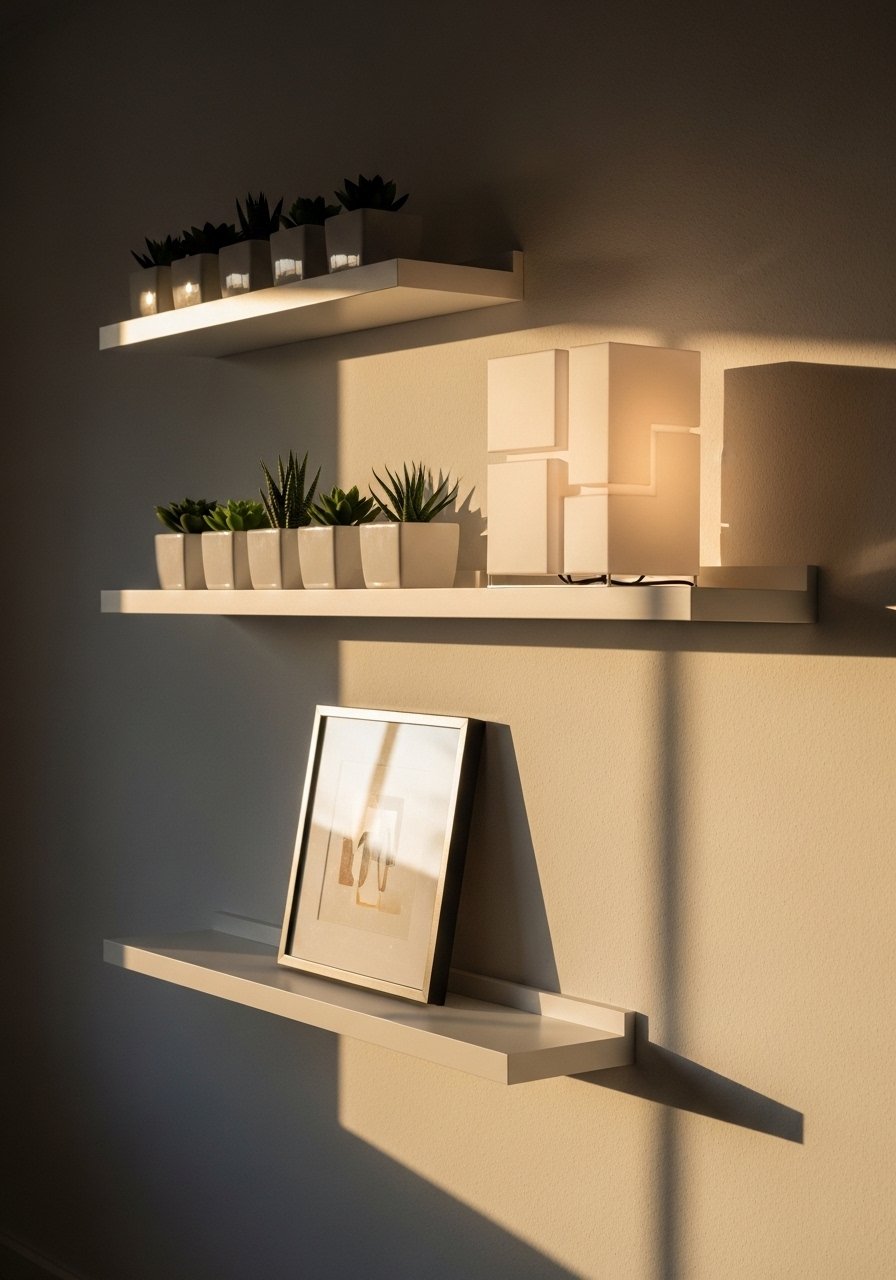
Floating shelves keep sightlines low and feel minimalist in a small room. I installed mine about 12 inches above the sofa back, which is lower than most guides suggest, and suddenly the wall reads as intentional rather than empty. Use two lengths, one 36-inch and one 24-inch, to create a 60/40 visual balance. Budget for decent wall anchors and the shelves is $40 to $120. People often overload shelves with tiny items. Instead, keep three objects per shelf and include one cube-shaped vase for the pixel nod. I picked up white oak floating shelves that look clean and hold heavy books easily.
Gallery Wall Using Only Square Frames in a Neutral Palette
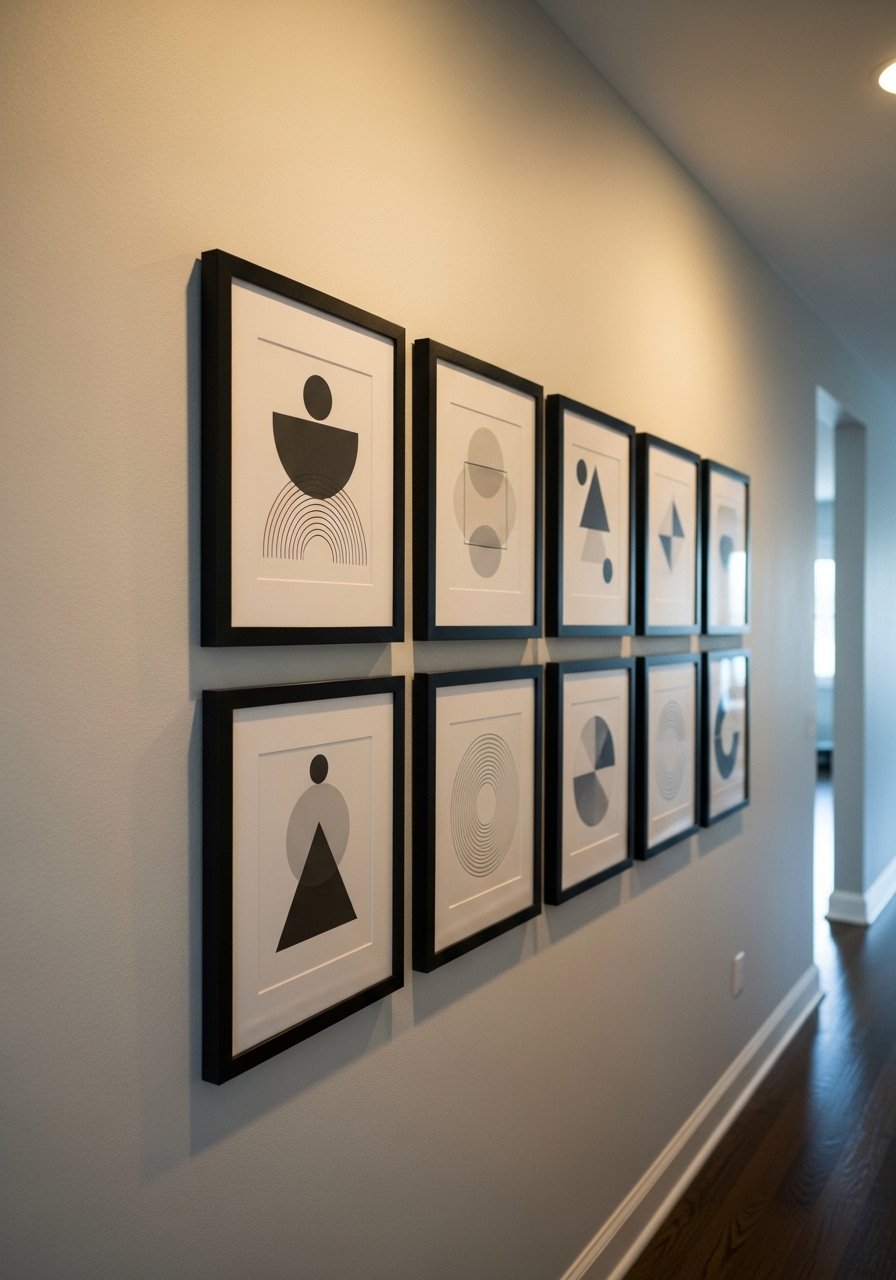
A gallery wall of only square frames reads modern and pixel-friendly. Lay the grid with 3-inch gaps and make a mock template on kraft paper first. My trick is to use two portrait-size photographs, five small abstract prints, and two textured fabric swatches to break the monotony. Budget for frames runs $12 to $30 per frame. The mistake I used to make was hanging art too high. Aim for the center of the grid at eye level, about 57 inches from the floor. These mixed metal square frames let you mix brass and black without it looking messy.
Hidden Cable Management Behind Blocky Console
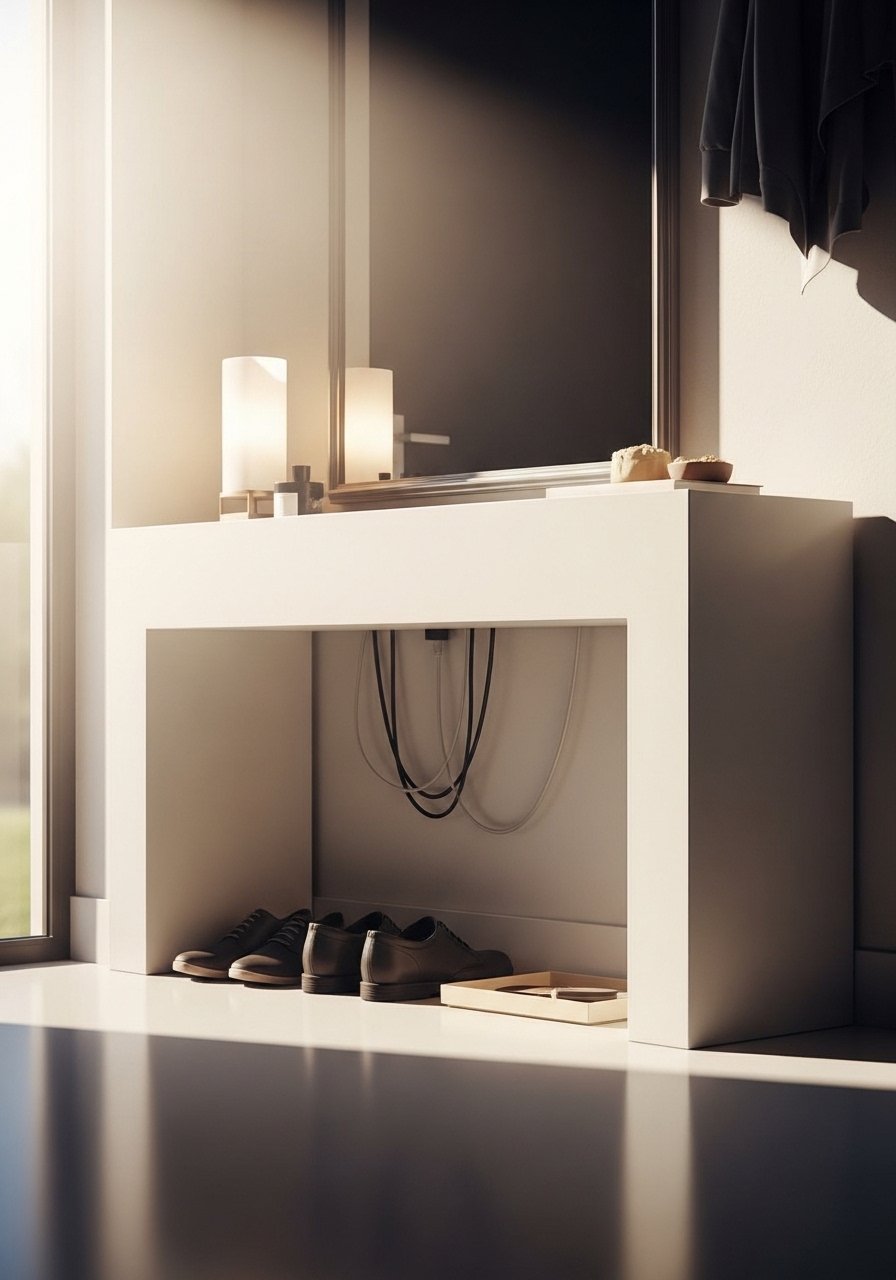
Nothing screams unfinished like a spaghetti of cords under a console. I built a shallow channel behind a low console table and anchored a power strip to the back. If you want a quick option, get a console with a rear cable slot that sits 3 to 4 inches from the wall. Budget under $150 for a good console. People hide mistakes with baskets but then lose access. A practical detail I use is labeling each cord with a small tag so you do not unplug the wrong thing. These cable-hiding console tables are simple to install.
Pixel Planters for Minimal Greenery
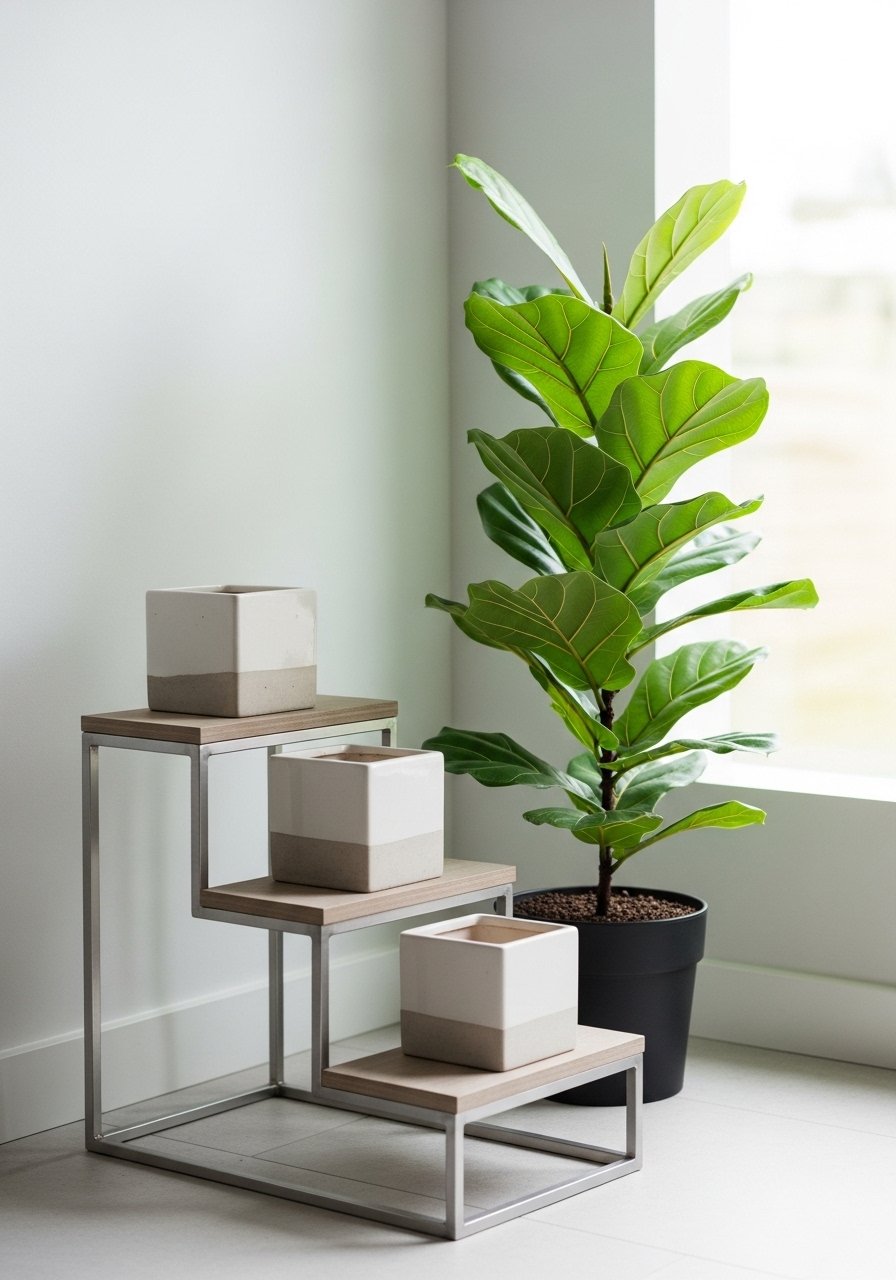
A few plants stop a room from feeling sterile. For a Minecraft nod, pick square planters rather than round ones. I use one 6-inch cube planter on a side table and a taller 10-inch cube on the floor to anchor the corner. Budget $15 to $80 depending on plant size. The typical error is buying five small succulents and scattering them. One tall plant plus two small square planters gives better scale. If you need zero-maintenance height, try a faux fiddle leaf fig 6-foot tree that reads realistic in low light.
Monochrome Rug with Subtle Pixel Pattern
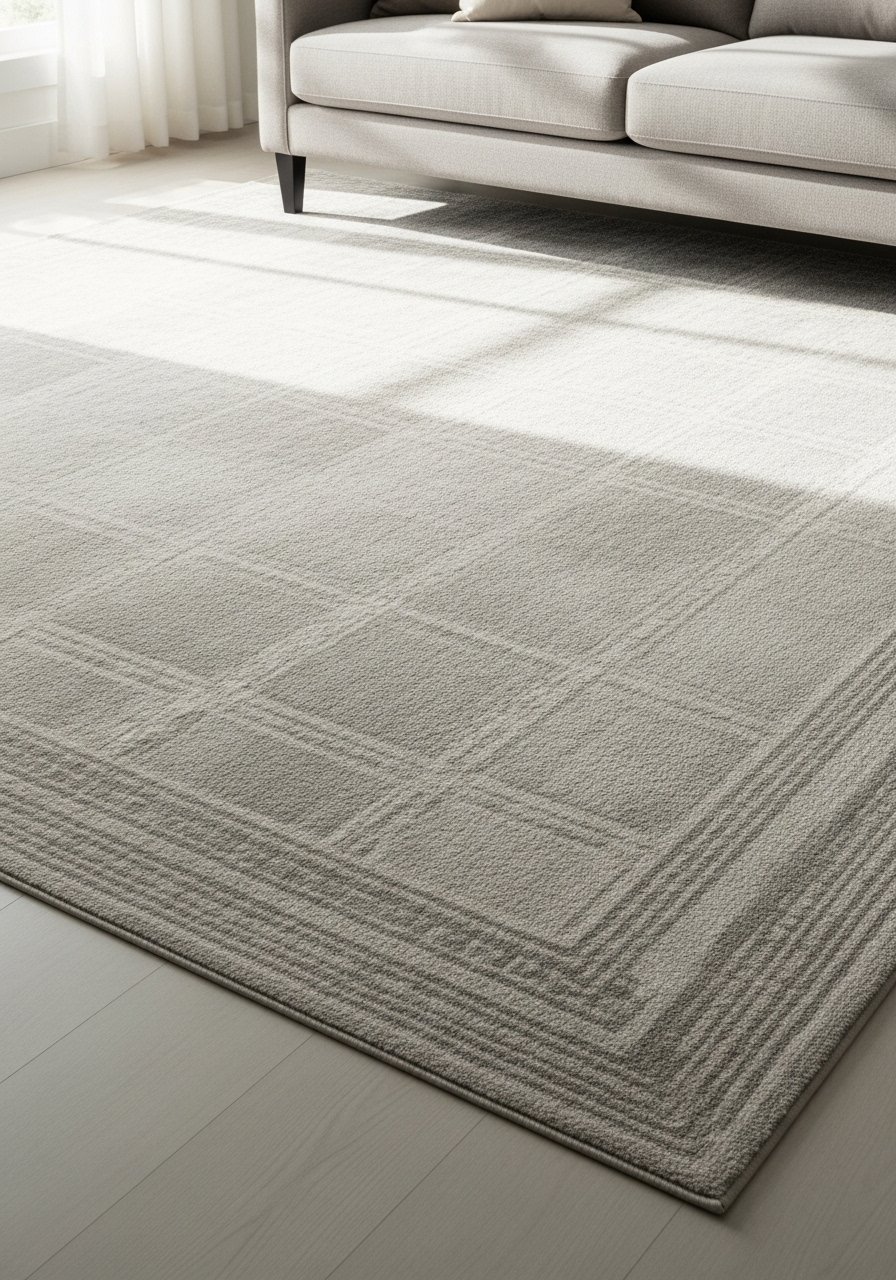
Rugs set the tone for a room faster than wall color. I chose an 8×10 low-pile rug with a subtle grid pattern so the floor felt intentional but not loud. For a standard living room, go 8×10 so front legs of seating sit on the rug. Budget is $120 to $350. People pick rugs by color only and then the pattern fights the furniture. A detail I often recommend is layering a 5×7 sisal under the rug for texture and durability in high traffic. Found a great neutral option in this 8×10 jute rug.
Soft Lighting with Blocky Table Lamps
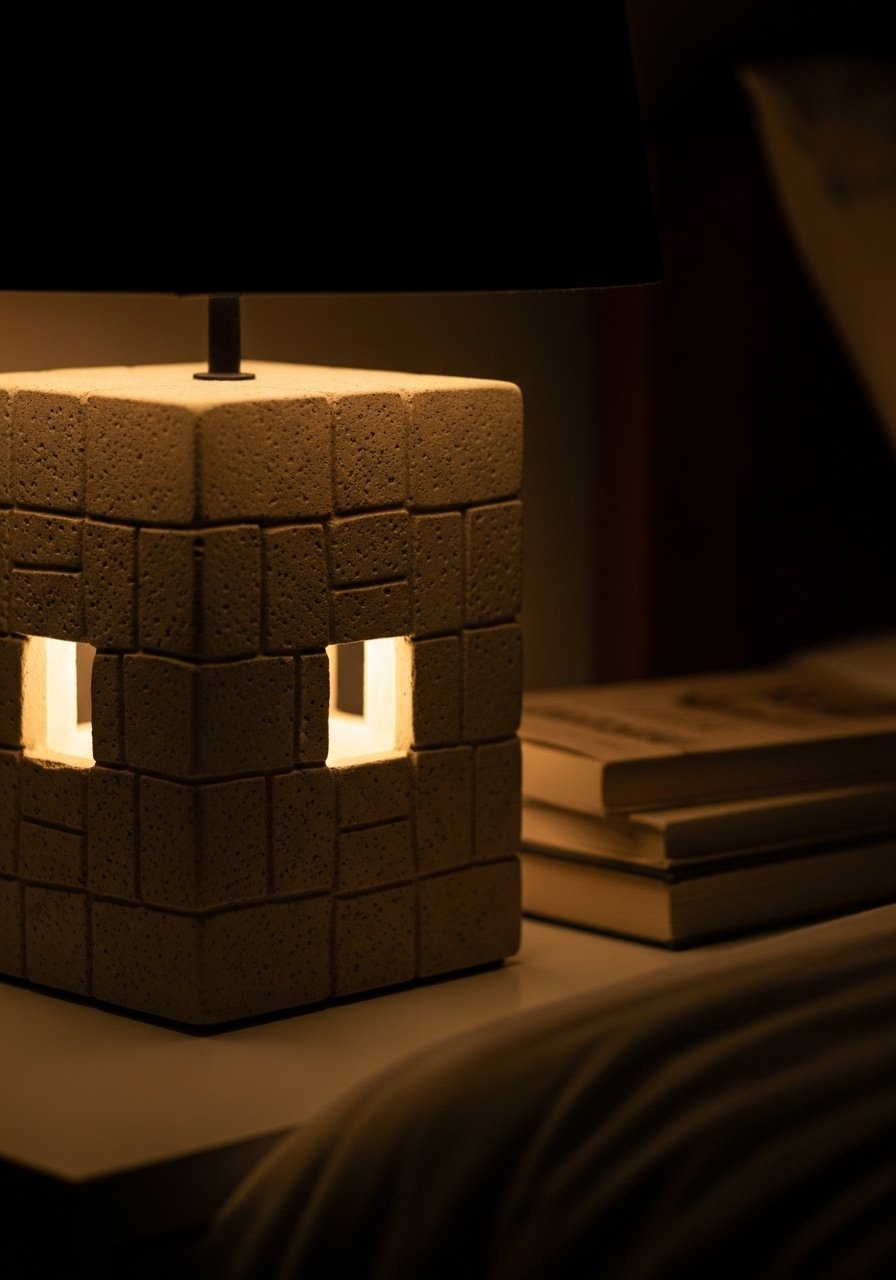
Lighting fixes mood. Swap a bright overhead for a pair of table lamps with square bases to echo the minimalist Minecraft theme. I use 3000K bulbs for warm but not yellow light. Each lamp was about $35 to $90. The mistake is using mismatched bulbs and thinking the fixtures alone will save it. A detail many articles skip is testing lamp bulbs in the actual room light after 30 minutes, because bulbs warm up and show differently. These ceramic block lamps have enough heft to feel grown up.
Minimal Desk Nook with Cubic Storage
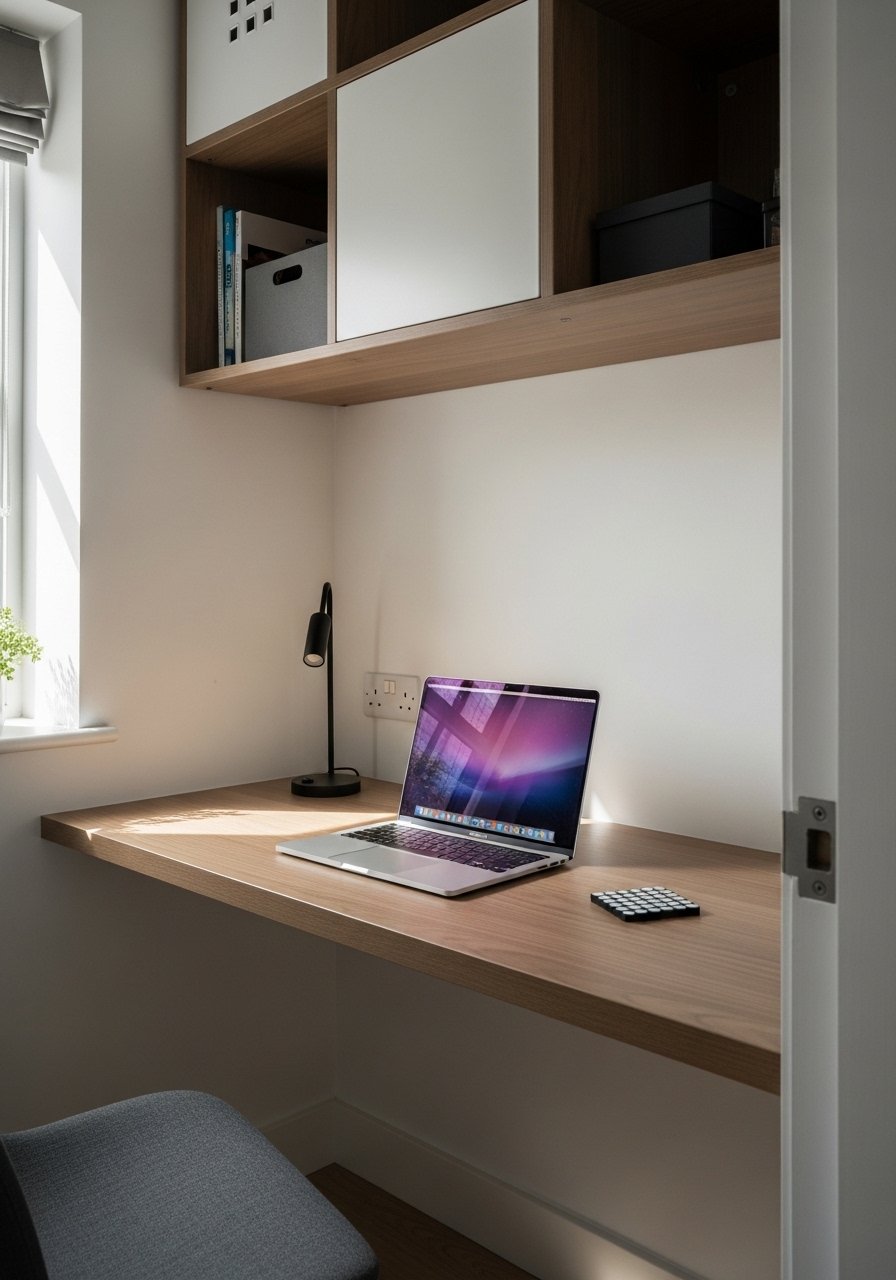
I carved a tiny desk into a hallway alcove and used cube storage above for supplies. Keep desk depth to 20 to 24 inches so you do not feel cramped. Budget under $200 for a floating desk and cubbies. People try to cram full office setups into tiny nooks and it becomes a clutter zone. My rule is one tray for papers, one vertical file, and one plant or lamp. For flexible storage try these modular cube organizers that stack and pivot as needs change.
Curtain Trick to Add Height and Calm
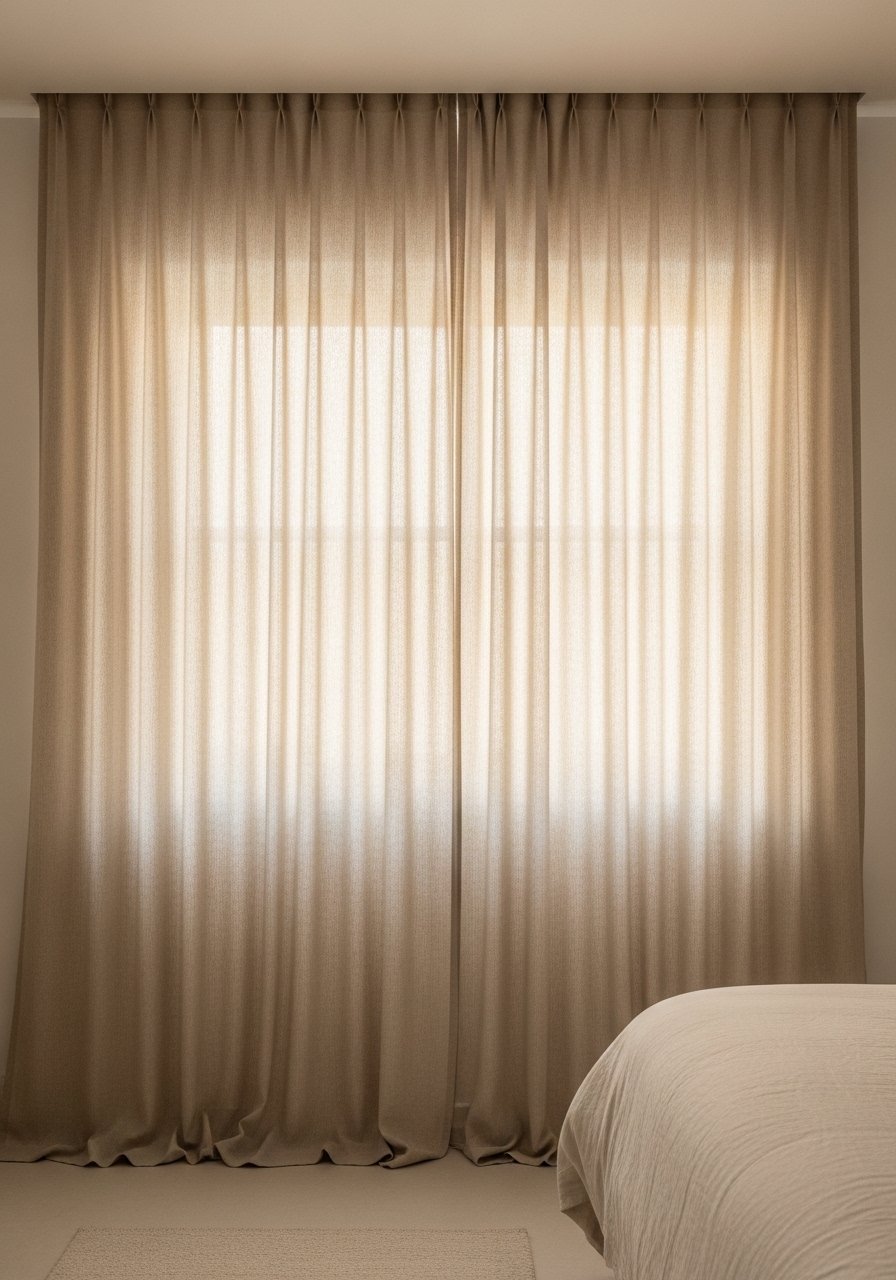
Most people hang curtains right at the window frame. That is why their rooms look shorter than they are. Hang panels 4 to 6 inches above the frame, or at the ceiling for drama, and use 96-inch or 108-inch panels depending on ceiling height. Budget $30 to $80 per panel. A common mistake is letting curtains hover above the floor. For a rounded, intentional look, have them kiss the floor or puddle an inch. These 96-inch linen panels are heavy enough to hang straight.
Minimal Floating Nightstand with One Drawer
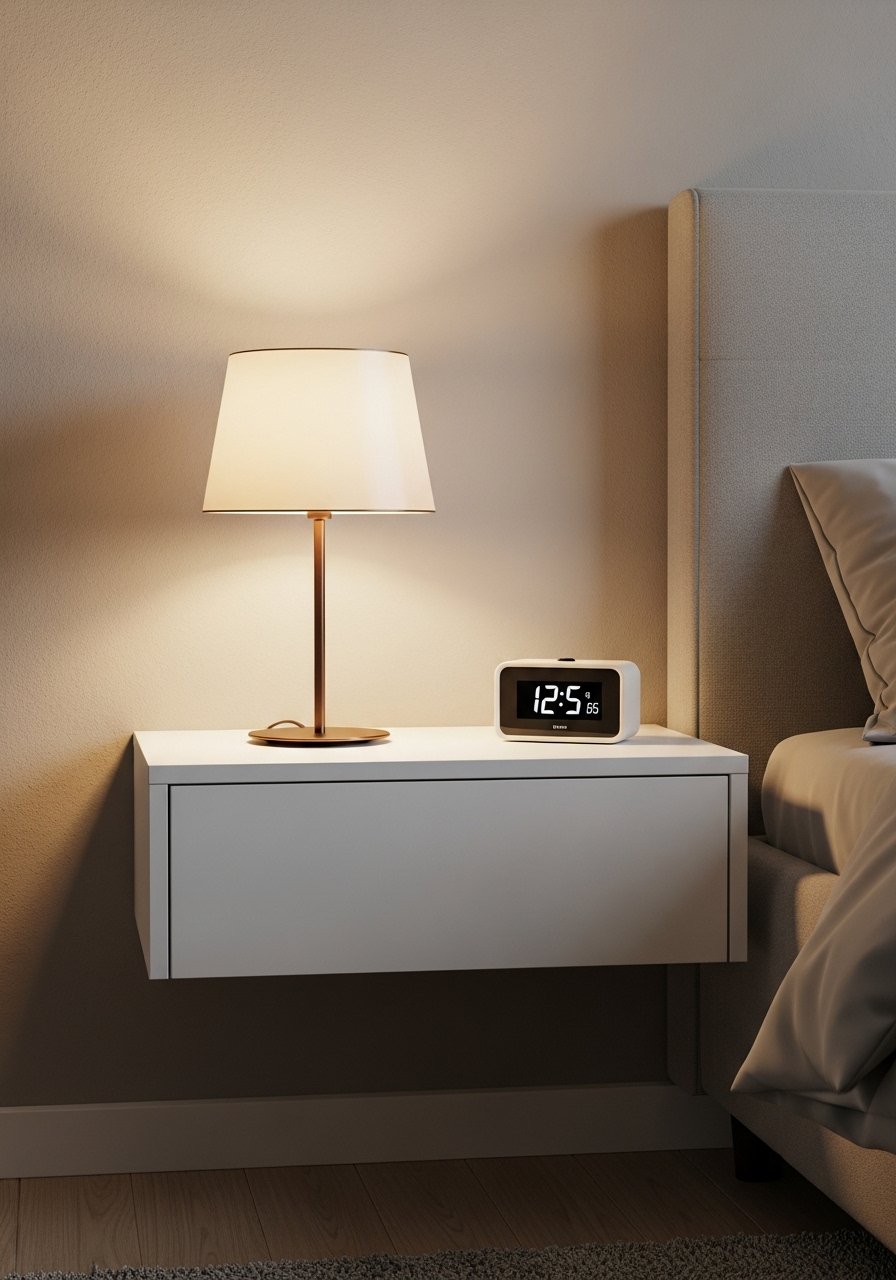
Floating nightstands free up floor space and feel modern. I installed mine at 24 inches from the floor for a standard mattress height. One drawer keeps nightly essentials tucked away so the top stays calm. Budget $60 to $180. The mistake is shallow drawers that do not hold anything. Look for 2-inch deep drawers and 10-inch width for average bedside needs. I use a small tray on top for a phone and herbal tea mug. Try a floating nightstand with drawer for a clean bedside setup.
One Statement Block Lamp Instead of Three Ornaments
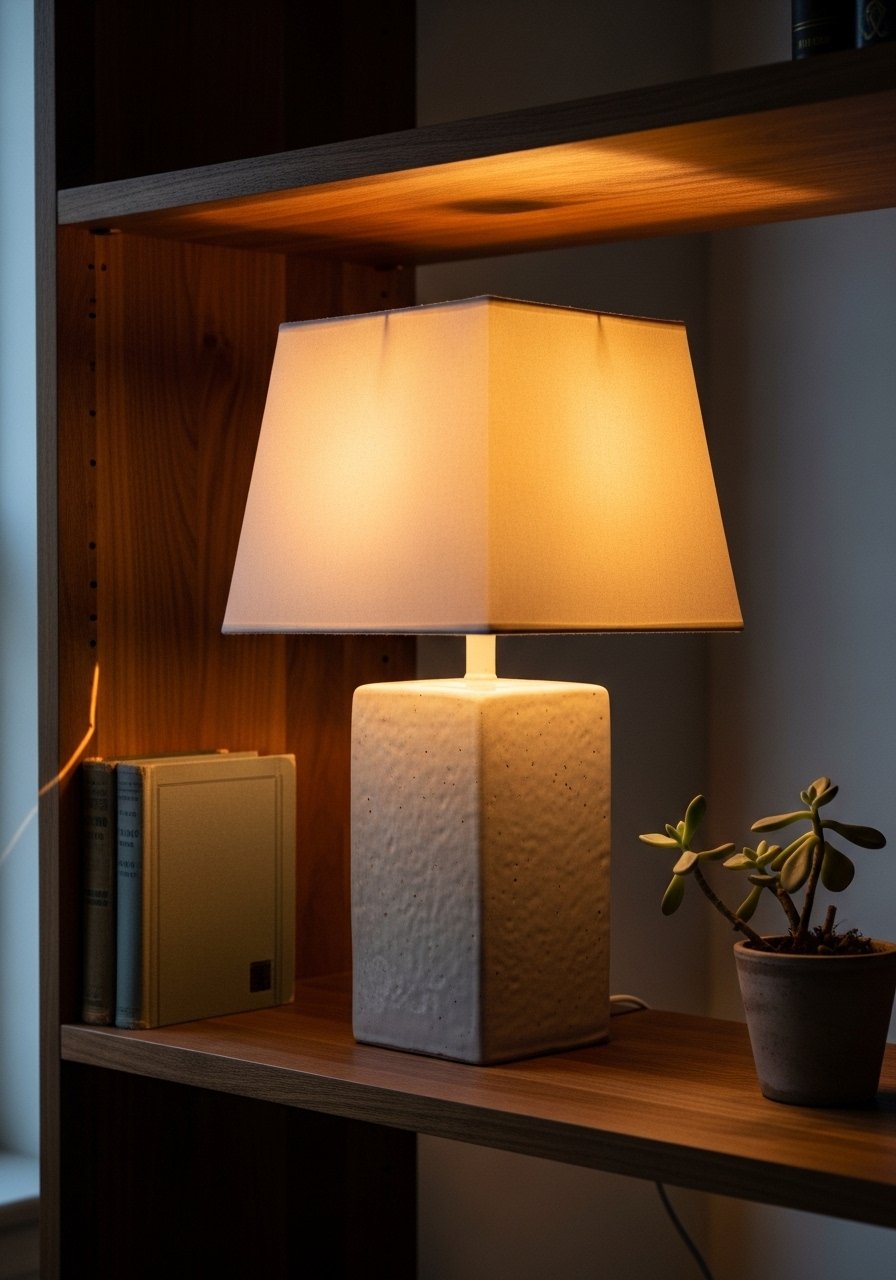
There is ten times the visual impact in one well chosen object than in three small ones. I traded a collection of tiny knickknacks for a single oversized block lamp and the shelf felt curated. Budget $60 to $150. The error is thinking more items equals personality. A specific note is to leave two-thirds of any shelf empty when using a statement piece. I linked a favorite oversized square lamp that anchors a shelf without being flashy.
Playful Pixel Bedding for a Guest Room
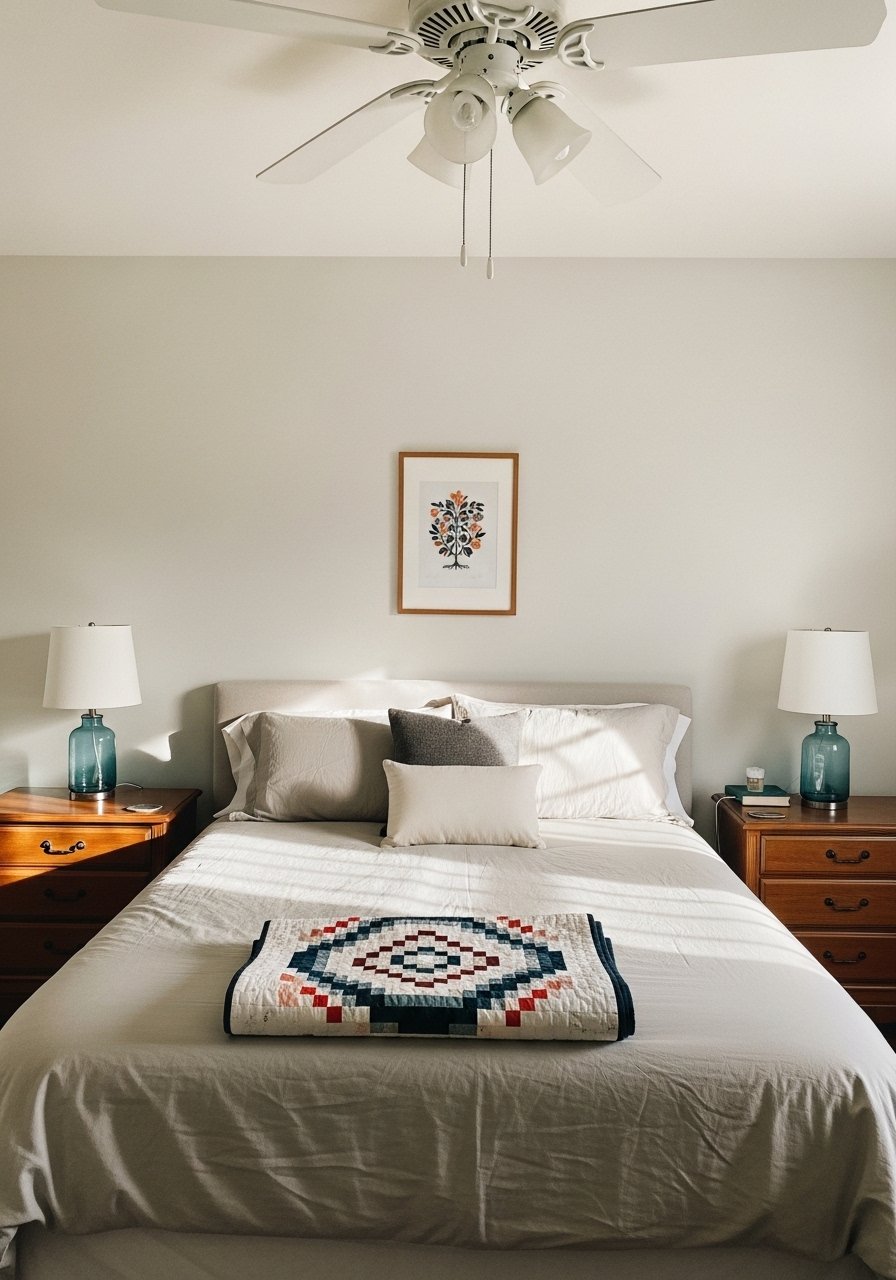
Guest rooms can be minimal and playful at once. I layer a neutral duvet with a folded pixel quilt at the foot. Budget for a quilt is $40 to $120. People often try full themed rooms which age quickly. Instead go neutral on the base and add one themed layer so you can swap it later. A tiny detail I love is folding the quilt to show three squares of the pattern so it reads controlled, not chaotic. Find a soft option like this pixel quilt throw.
Subtle Accent Wall with Tonal Blocks
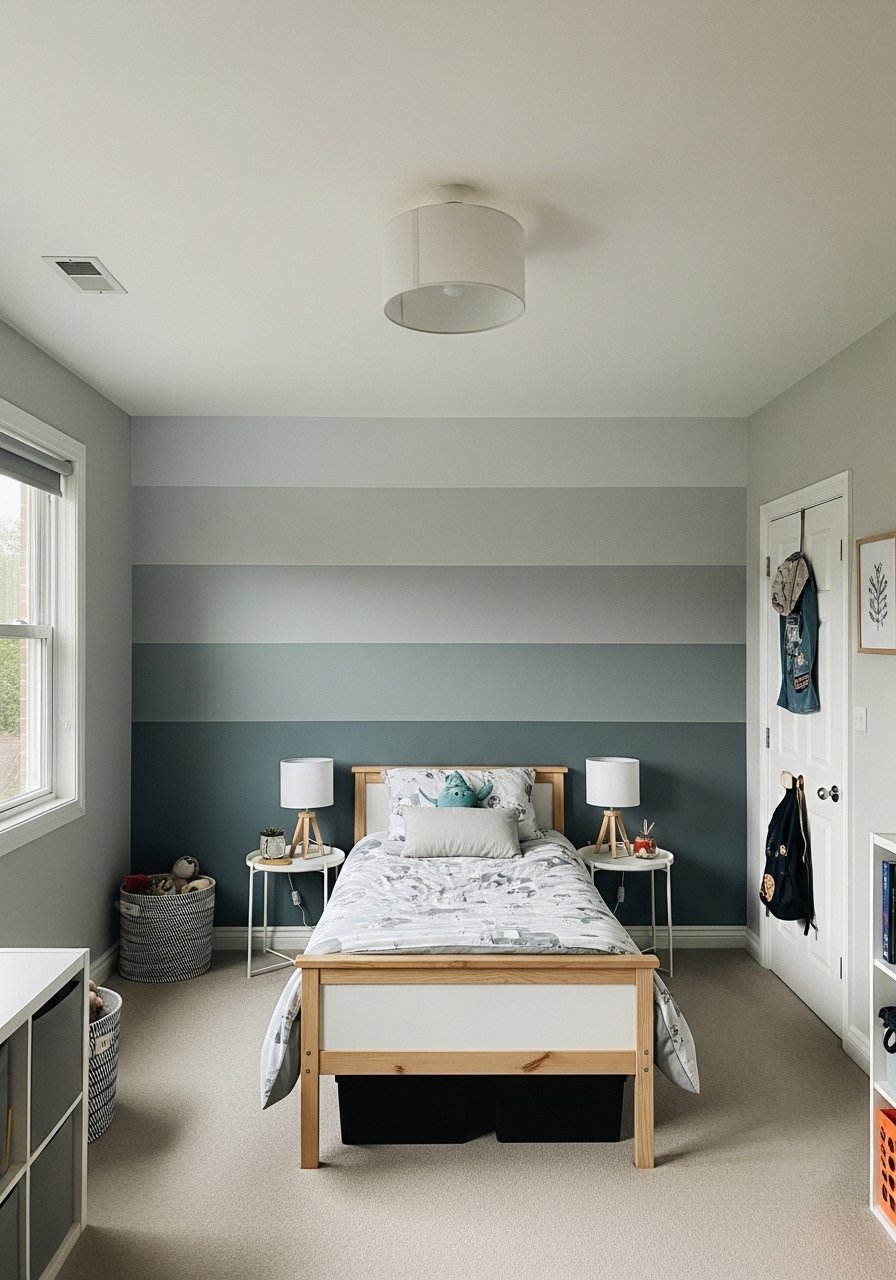
I painted a tonal block wall in a small room using Base 1 for the lighter section and Base 3 for the darkest. Matching base to LRV keeps colors from going muddy. Budget for paint and tape is $50 to $180. Folks often pick colors in the store and get surprised at home. Test strips on the wall under your bulbs and let them dry the full 24 hours. A pro tip many miss is mapping the grid with a 2-inch draft gap so the paint reads like pixel blocks, not rigid squares. I used quality matte paint and minimal sheen for kids.
Minimal Toy Storage with Pull-Out Cubes
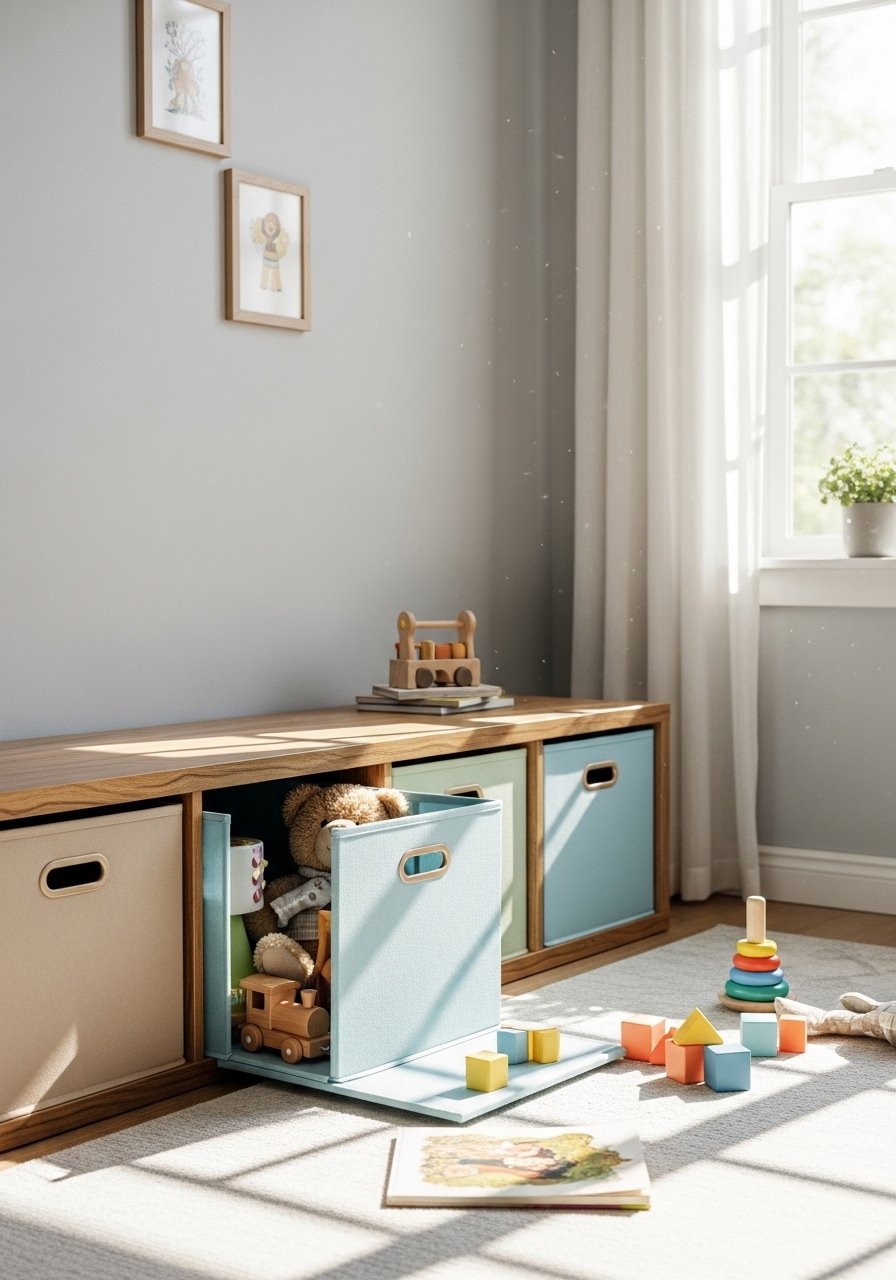
Toy mess can wreck a minimalist room fast. Low pull-out cubes behind a bench keep toys out of sight but accessible. I use a 3-cube bench with 12×12 fabric bins. Budget $60 to $120. The typical mistake is bins that are too deep for little hands. Keep depth under 14 inches so kids can reach. A detail I add is labeling the bin fronts with simple icons rather than words for early readers. These fabric storage cubes 12×12 are sturdy and machine washable.
Accent Display Shelf for Collectible Blocks

If you collect small blocky figures, show them off without clutter. Use a narrow display shelf and space items with 2 to 3 inches between each piece. Budget $15 to $45 for a good display shelf. A mistake is clustering everything on one shelf so each item loses presence. A detail I do is rotate three favorites every month so the display feels fresh. For flexible spacing try these narrow display ledges that mount flush and hold small collectibles safely.
Your Decor Shopping List
Textiles
- Honestly the best $40 I have spent. Chunky knit throw blanket in cream 50×60 inches, perfect drape for sofas and beds
- 22-inch linen pillow covers, set of two in natural and grey, down-fill recommended
Wall Decor
- Found these while looking for something else. Mixed metal square frames set of 6 8×8 inches, use 3-inch grid spacing
- Narrow floating picture ledges, 36-inch for rotating art and small plants
Lighting
- Ceramic block table lamp about 14 inches tall, pairs with 3000K bulbs
- Oversized square table lamp for dramatic single-object shelves
Plants and Planters
- Artificial fiddle leaf fig 6ft for corners without fuss
- 6-inch cube planters, set of 2 in matte white
Storage and Rugs
- 8×10 jute area rug low pile, durable for living rooms
- Fabric storage cubes 12×12, set of 6 for toy and niche storage
Most items also have similar options at Target or HomeGoods if you want to see them in person.
Shopping Tips
White oak beats dark wood in 2026. Design feeds have shifted completely. These white oak floating shelves look current, not dated.
Grab velvet pillow covers for $12 each. Swap them every season and the whole room feels different.
Curtains should puddle or kiss the floor, never hang halfway up. These 96-inch linen panels are right for standard 9-foot ceilings.
Lead with scale not pattern when choosing rugs. This 8×10 jute rug is neutral enough for layered looks.
One high-impact plant beats five small succulents. Invest in a faux fiddle leaf fig 6ft if you lack natural light.
Frequently Asked Questions
Q: What size area rug do I actually need for a small living room?
A: Bigger than you think. For a standard living room aim for 8×10 so front legs of seating sit on the rug. This 8×10 jute rug is neutral and tough for real life.
Q: Can I mix clean modern furniture with playful pixel accents without it looking childish?
A: Yes. Keep the furniture neutral and limit pixel accents to one or two layers, like pillows or a folded quilt. Rotate themed pieces seasonally so the room ages with you.
Q: How high should I hang curtains to make ceilings look taller?
A: Hang panels 4 to 6 inches above the window frame or at the ceiling if you want drama. Use 96-inch or 108-inch panels to match 8 to 9-foot ceilings.
Q: How do I stop my shelves from becoming cluttered?
A: Use a rule of three objects per shelf, leave two-thirds of space empty, and rotate a statement piece monthly. A good narrow ledge helps keep spacing consistent.
Q: Are fake plants acceptable in a minimalist room?
A: Both real and fake work. Real snake plants and pothos handle neglect. Use a faux fiddle leaf fig where you need height without maintenance. Artificial fiddle leaf fig 6ft reads well in corners.
Q: How do I prevent painting a block accent wall from going wrong?
A: Test paint strips under your room bulbs and let them dry fully. Match base to LRV for the shade you want so colors do not go muddy. Small painter's tape gaps of 2 inches soften the block edges and read more like pixels.
Q: My gallery wall looks uneven even though measurements were right. What did I miss?
A: Measure visual center at 57 inches from the floor for the grid center. Also make a kraft-paper template and tape it to the wall first. That reveals sightline issues before you make holes.
Q: Is it worth renting a spectrophotometer for paint matching?
A: If you want precision, yes. Most pros scan now instead of guessing, and rental options exist at some paint stores. For renters or quick projects, test strips under your real bulbs and let them dry 24 hours.