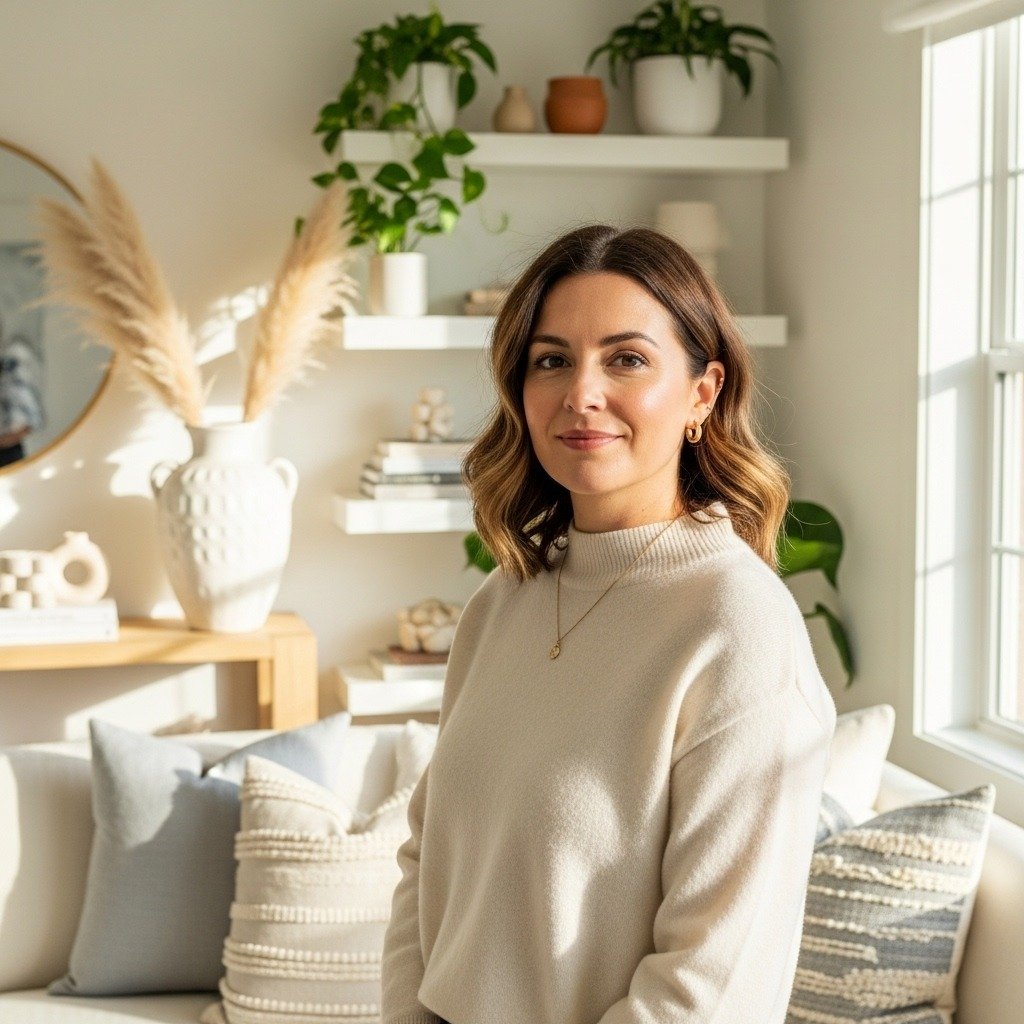
My living room used to feel like a rental model, all practical pieces with zero personality. One afternoon I draped a chunky knit throw across the sofa and swapped a flat modern lamp for a brass one I found at a flea market. The room finally felt like mine. These are the vintage mobile home decorating tricks I actually used, the little hacks that made tight ceilings and odd layouts look intentional.
These ideas lean vintage-cottage with a touch of mid-century warmth. Most projects cost under $75, with a few splurges around $150. They work for living rooms, tiny kitchens, bedrooms, and any awkward hallway that needs a personality reset.
Layered Rugs for Cozy Vintage Floors
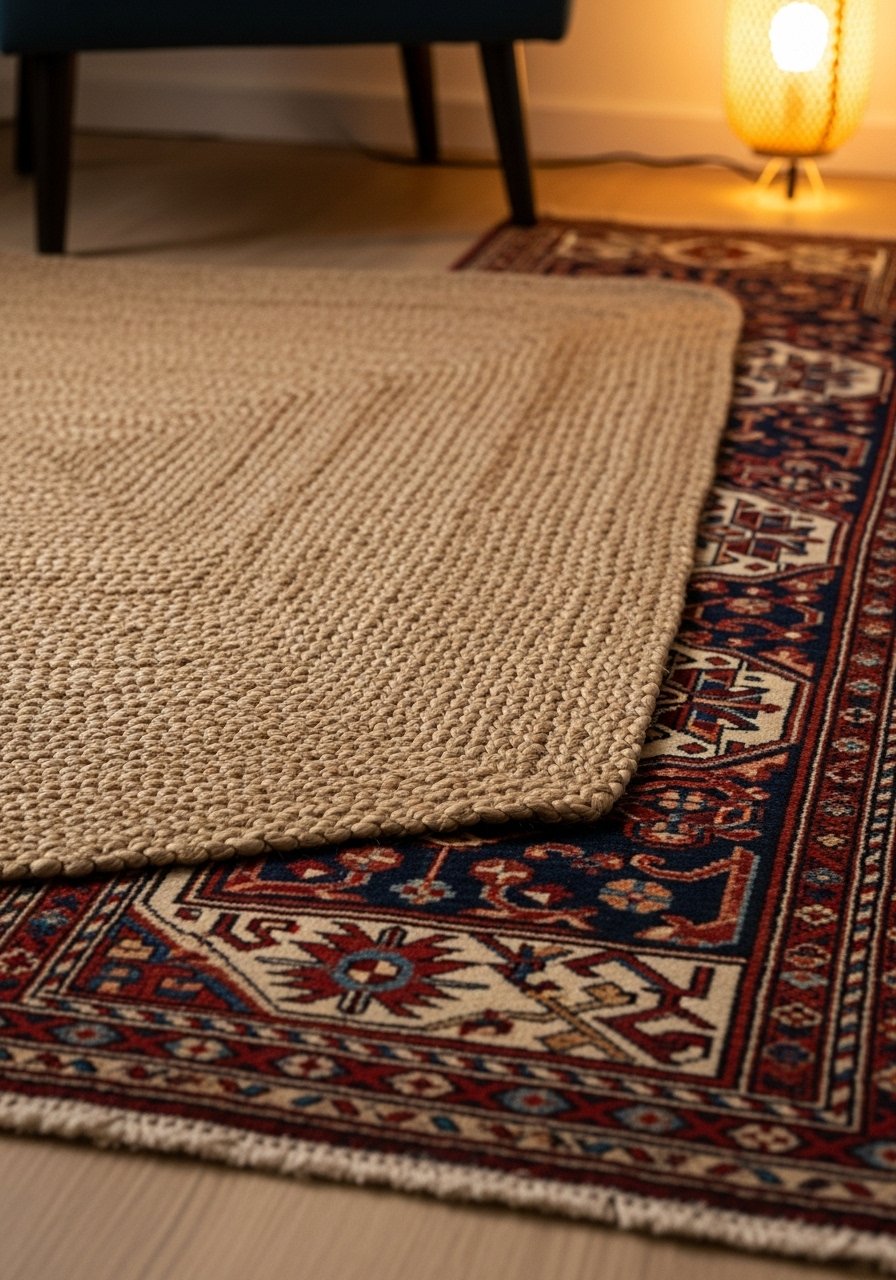
If your mobile home has cheap vinyl or mismatched flooring, layering rugs is the quickest fix. I always start with a neutral jute or seagrass base and add a smaller patterned rug on top, leaving about 12 inches of the bottom rug visible around the edges. It makes the room feel rooted and hides scuffed floors. Budget for $40 to $150 depending on size. I used an 8×10 base and a 5×8 patterned runner in my living room. One mistake is choosing rugs with identical tones. You want contrast in texture and scale. Pair this with idea nine, the warm lighting trick, for instant vintage charm.
Gallery Wall with Mixed Frames for Personality
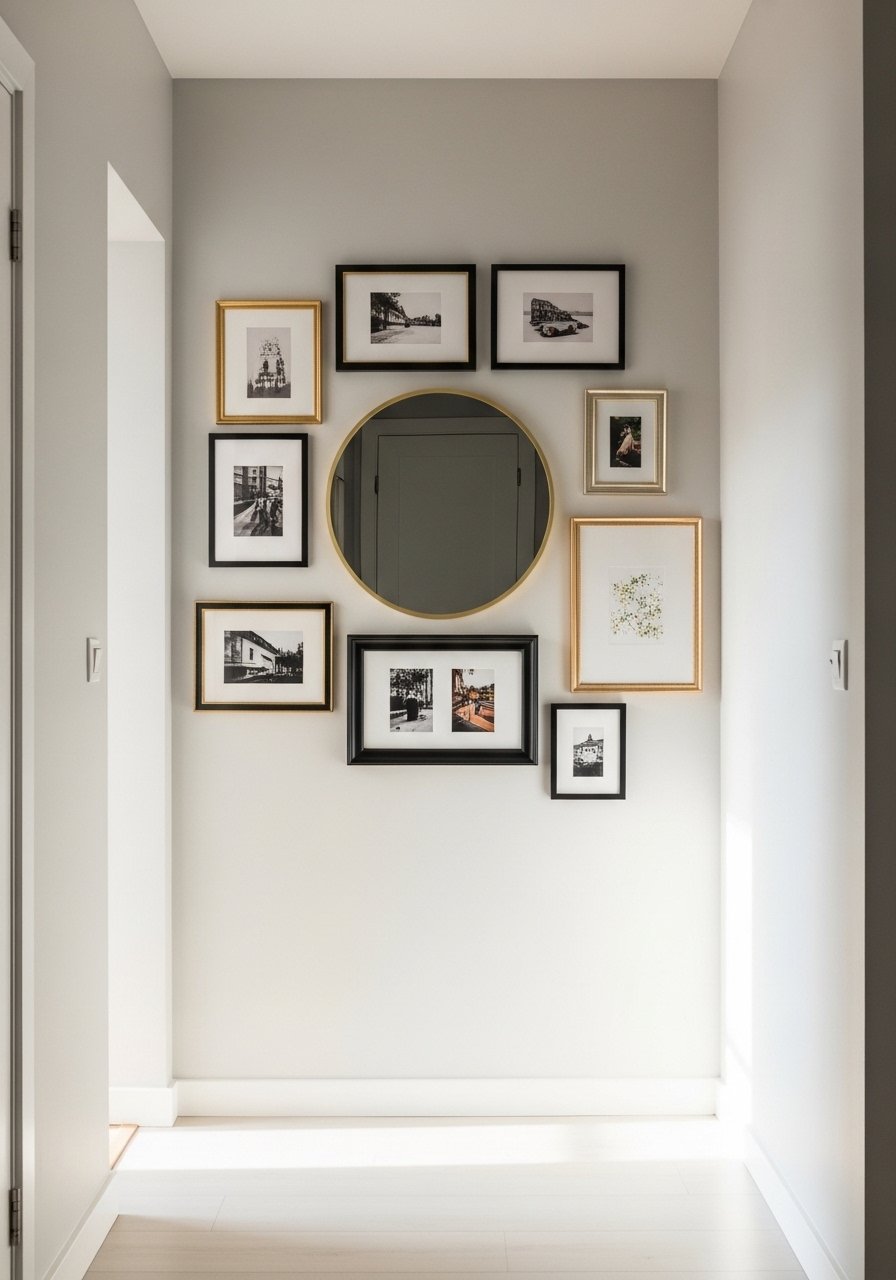
A gallery wall disguises odd wall proportions in a mobile home and gives a vintage vibe for little money. I bought three brass frames, two black frames, and swapped sizes until it looked balanced. Use one large anchor piece, then build around it with pieces spaced about 2 inches apart. Common mistake, start too centered on the wall. Instead, center on furniture below. I linked some affordable brass and black frame sets during my hunt and spent under $75 total. If you get nervous about nails, use picture ledges so you can swap prints without new holes.
Floor-To-Ceiling Curtains To Add Height
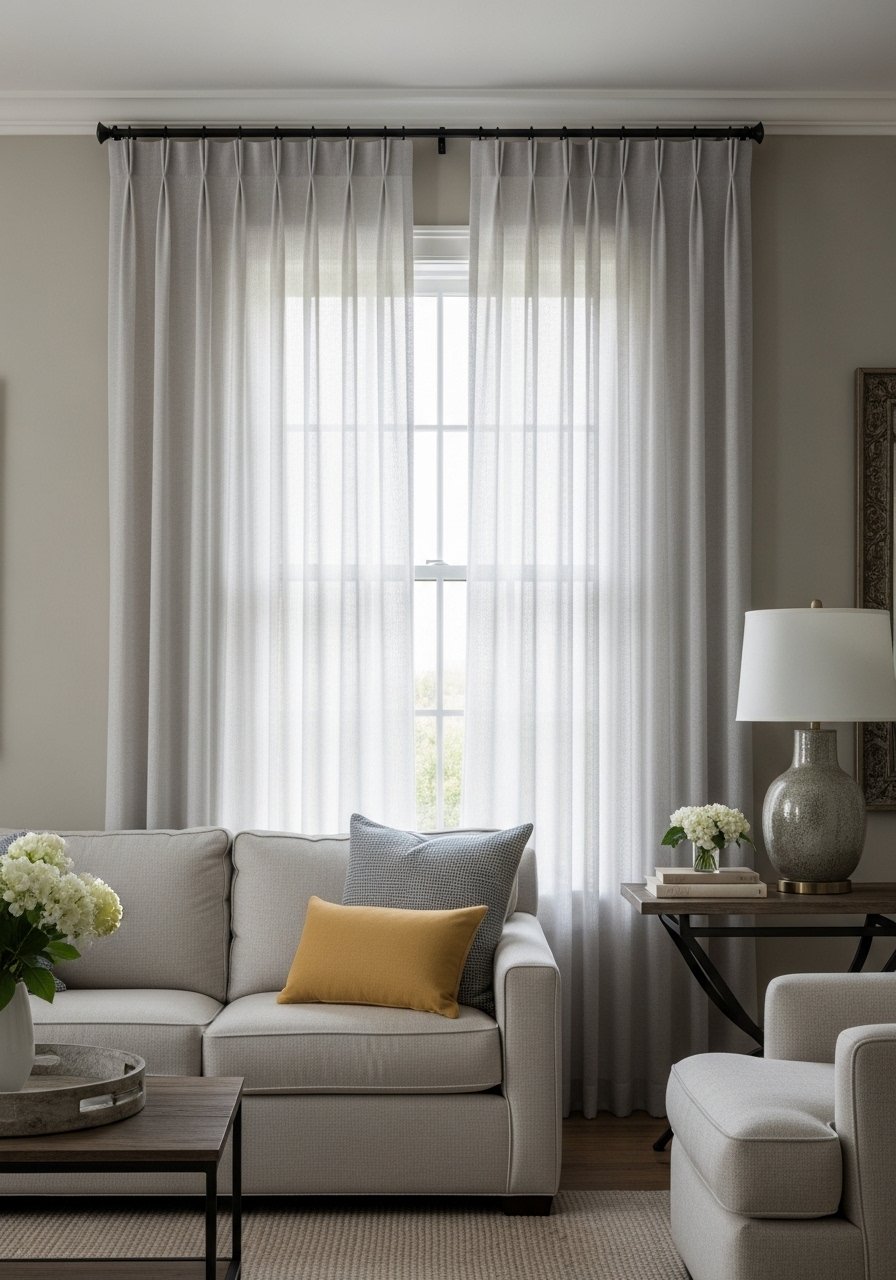
Most people hang curtains right at the window frame. That makes ceilings look lower. Hang panels 4 to 6 inches above the window trim and let them kiss the floor or puddle slightly. I went with 96-inch linen panels in warm white and the room instantly felt taller. Budget friendly panels run $25 to $60 per panel. A mistake is buying the wrong length. Measure from the rod to the floor and add an inch for the hem. For a cohesive look pair the curtain color with the rug base from earlier.
Repurposed Dresser as Kitchen Pantry or Entry Console
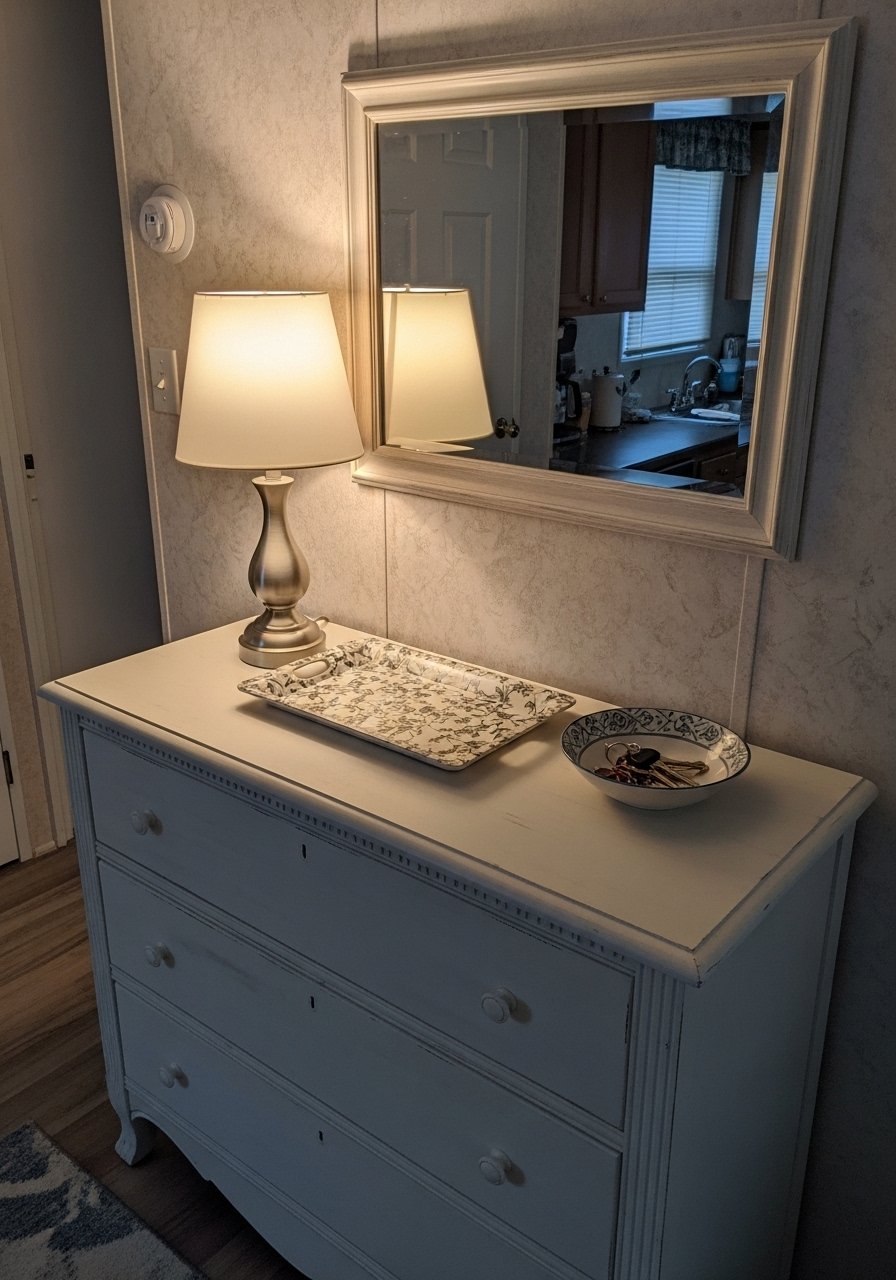
My kitchen had zero storage and no room for a bulky cabinet. A painted 6-drawer dresser became a pantry and my favorite piece. I sanded two drawers and added shelf liner for spices. It cost $120 including paint and hardware. The visual weight of a vintage dresser beats a shallow floating shelf for small spaces. People worry about scale, but a 30- to 36-inch-wide dresser fits most mobile home kitchens and gives real storage. Keep hardware proportionate to the dresser size to avoid it looking top-heavy.
Mixed Metals for Authentic Vintage Shine
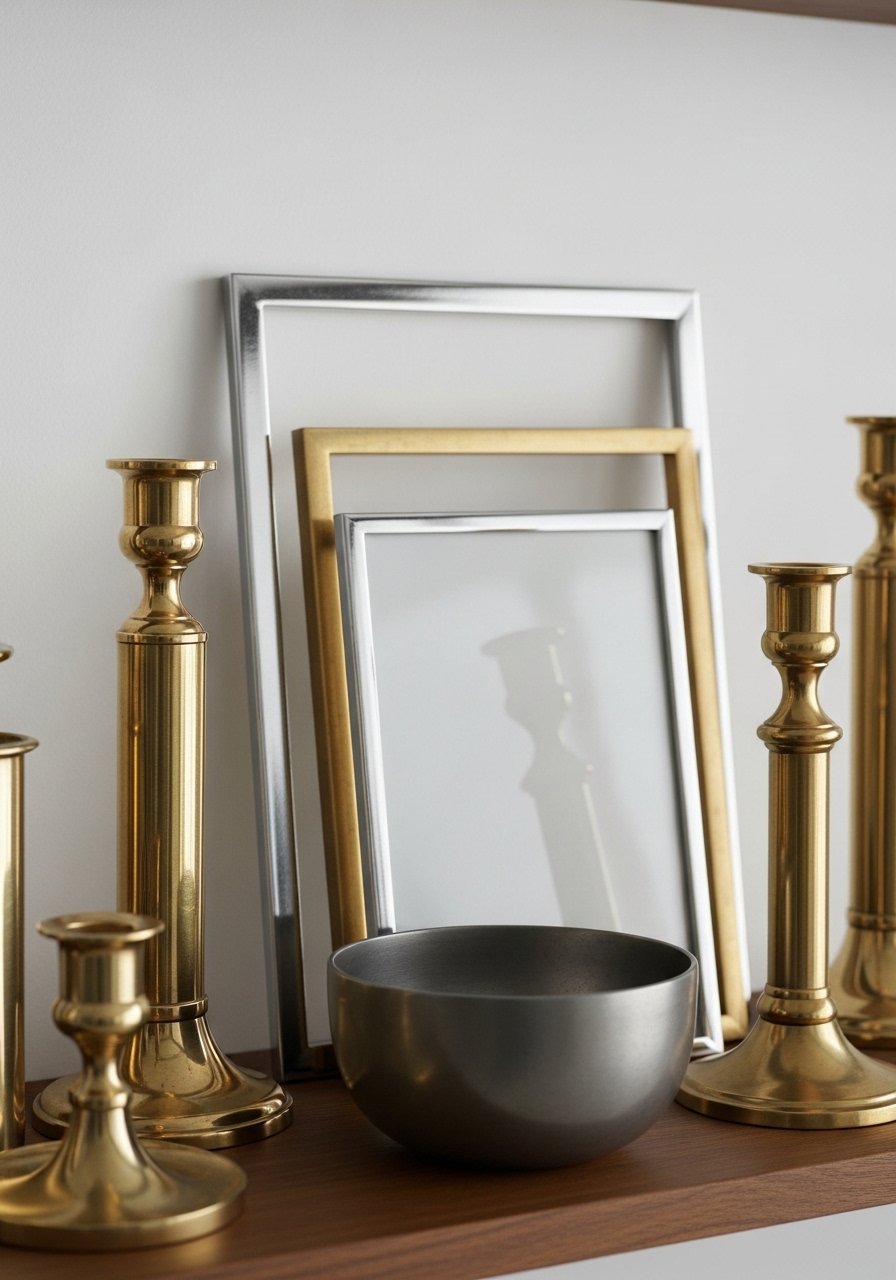
Matchy-matchy metals read staged, not collected. I mix brass, chrome, and aged nickel across lighting, frames, and hardware. Use one metal as the primary and another as an accent. In my living room brass is primary, chrome is the accent. A quick upgrade was switching just the cabinet pulls to aged brass for under $40. The mistake I see is swapping every small piece at once. Change one thing, live with it for a week, then adjust. Mixed metals feel like a layered vintage home rather than a showroom.
Oversized Mirror to Bounce Light in Narrow Rooms
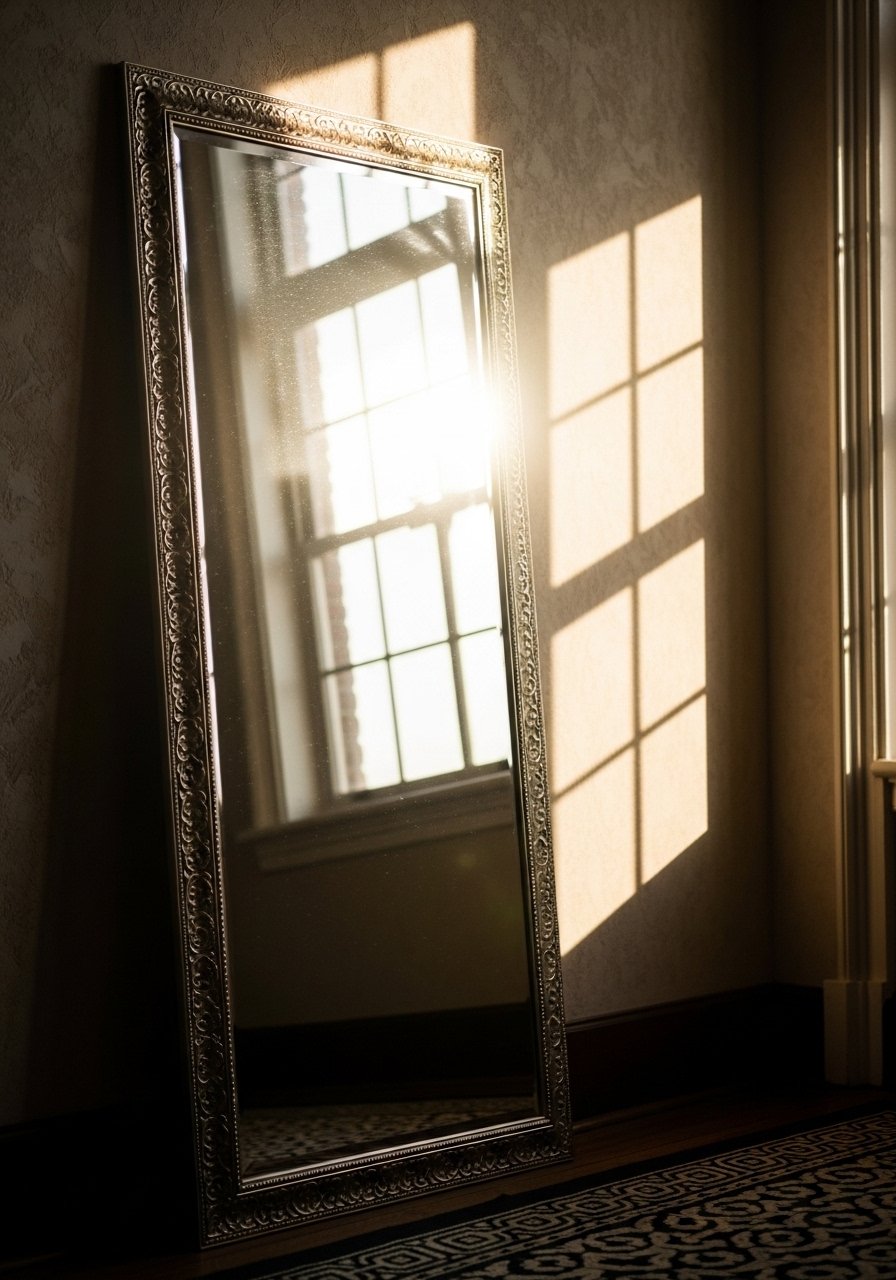
My hallway had one tiny high window and felt claustrophobic. A 36×60-inch leaning mirror doubled the light and created the impression of depth. Mirrors should reflect either light or a pretty focal point. Budget for $80 to $200 depending on finish. Common mistake, buy a mirror too small for the wall. If your wall is 8 feet wide go for at least a 30-inch-wide mirror. Leaning mirrors also work as a casual vintage vibe in bedrooms next to a dresser.
Vintage Finds Mixed with New Basics for Balance
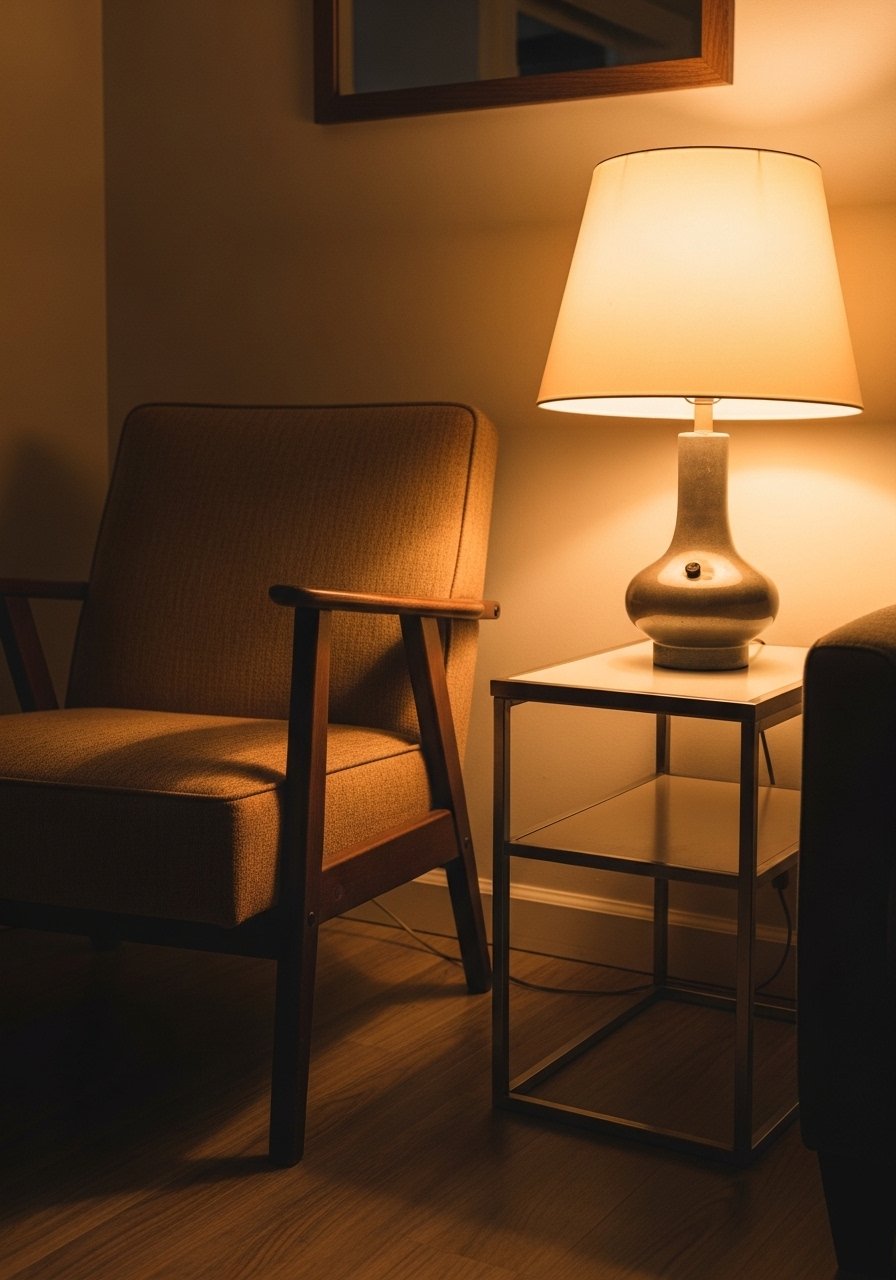
I once bought a full set of perfectly matched vintage furniture and the room looked like a museum. Mixing one true vintage piece with modern basics keeps the space usable. I paired an old wooden armchair with a new sleeper sofa and a modern side table. The vintage chair cost $60 at a thrift store. Budget wise, spend more on the sofa, less on accents. A mistake is forcing every vintage item to match. Let different eras coexist. I often use a 80/20 rule: 80 percent functional, 20 percent decorative vintage.
Thrifted Art Prints for Low-Cost Character
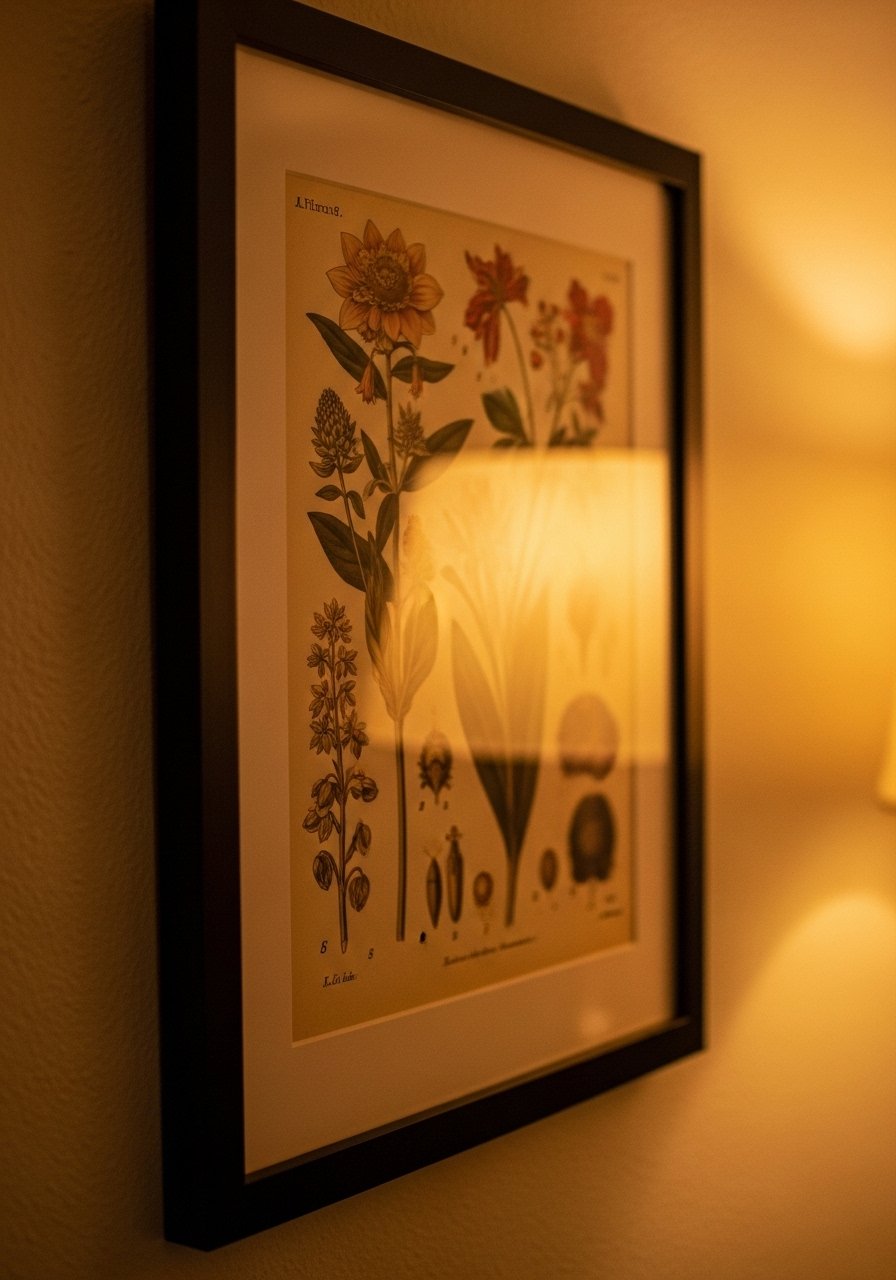
Art can be expensive. I started scanning thrift shops for prints and then standard-framing them. A $12 print in a $20 frame looks finished next to a stack of books. Keep a unifying element across frames, like a consistent mat or frame color. Mistake, buying random art without trying it in place. Tape the print to the wall first to judge scale. For budget shopping, mix thrifted pieces with one or two investment prints to anchor the wall.
Warm Layered Lighting for Vintage Ambiance
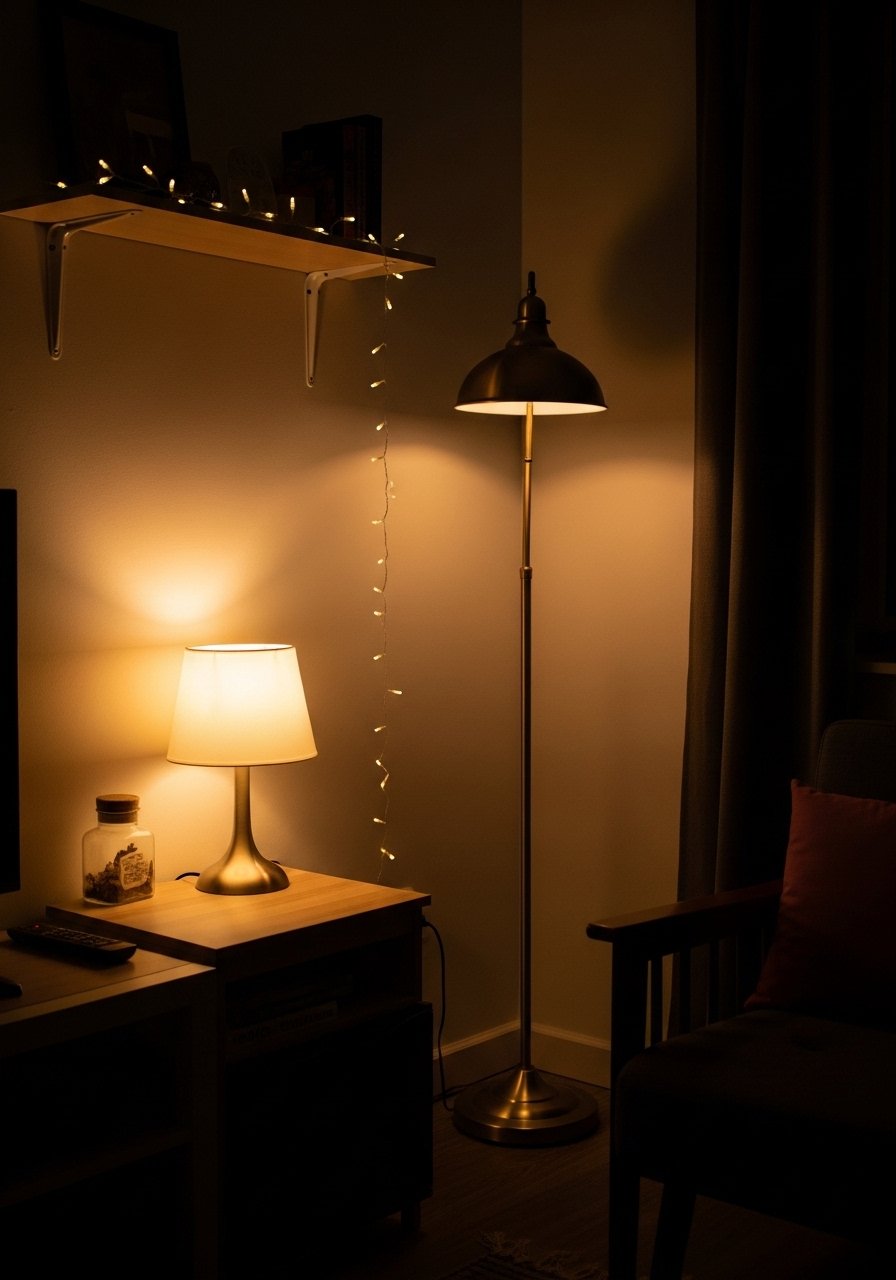
Mobile homes are notorious for harsh overhead lighting. I replaced bright bulbs with 2700K warm LEDs and added a floor lamp and table lamp for depth. Layering three light sources in a small room creates a vintage feel. I recommend bulbs labeled soft white or 2700K and dimmers when possible. Bulbs and a lamp can cost under $100. A common mistake is relying on a single overhead fixture. Spread light horizontally for inviting evening vibes. Pair this with idea one, layered rugs, to enhance texture under warm light.
Built-In-Look Shelves Using Ready-Made Floating Units
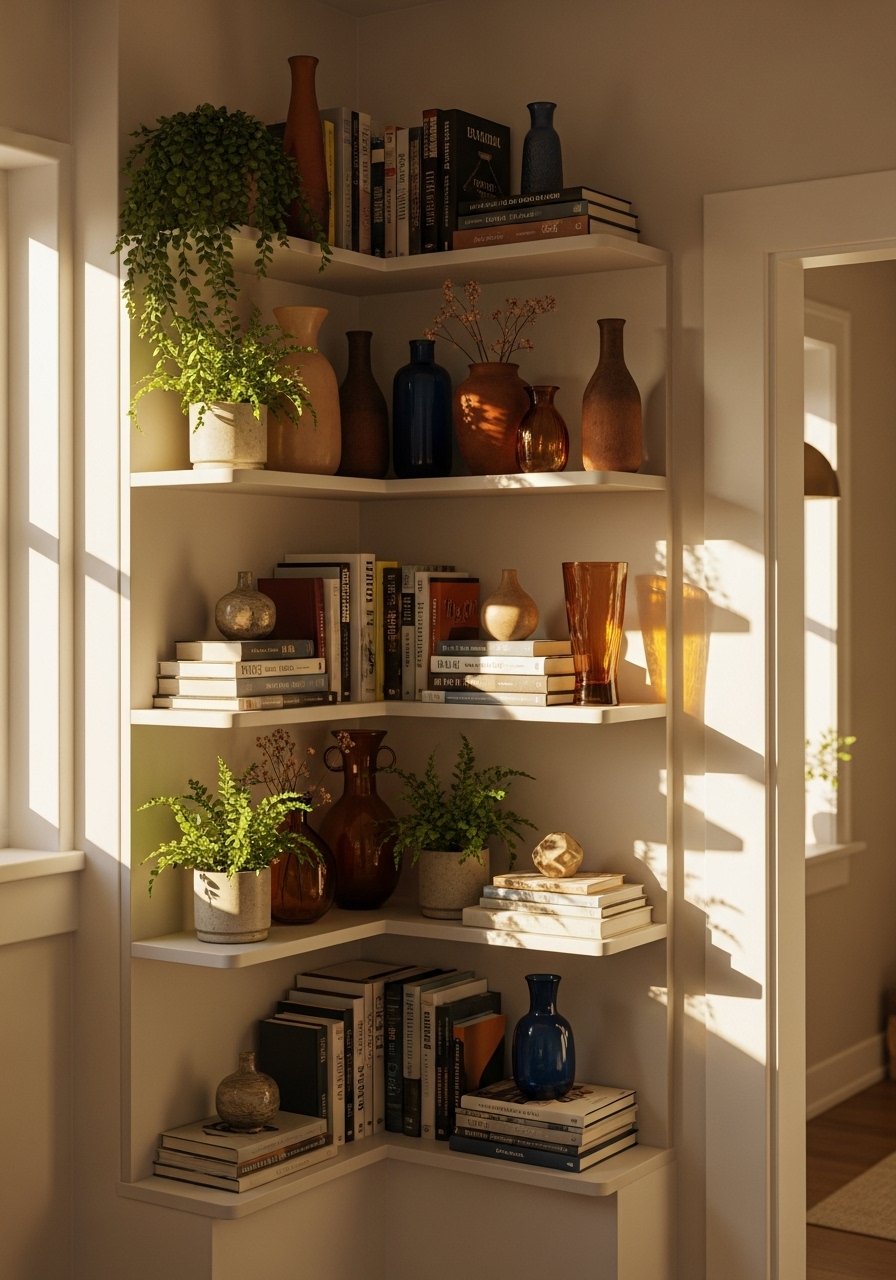
Real built-ins were out of budget for me. Instead, I used white floating shelves and stacked them to mimic a built-in. Spacing matters. Start with a shelf every 12 to 15 inches for books and decorative items. Paint the wall behind the shelves a soft cream to sell the built-in illusion. Shelves and brackets cost about $60 to $120 total. Mistake, using too few shelves so things look sparse. Fill two-thirds of each shelf with objects and leave negative space for balance. These pair well with mixed metals from idea five.
Retro Wallpaper Accent for Small Statement
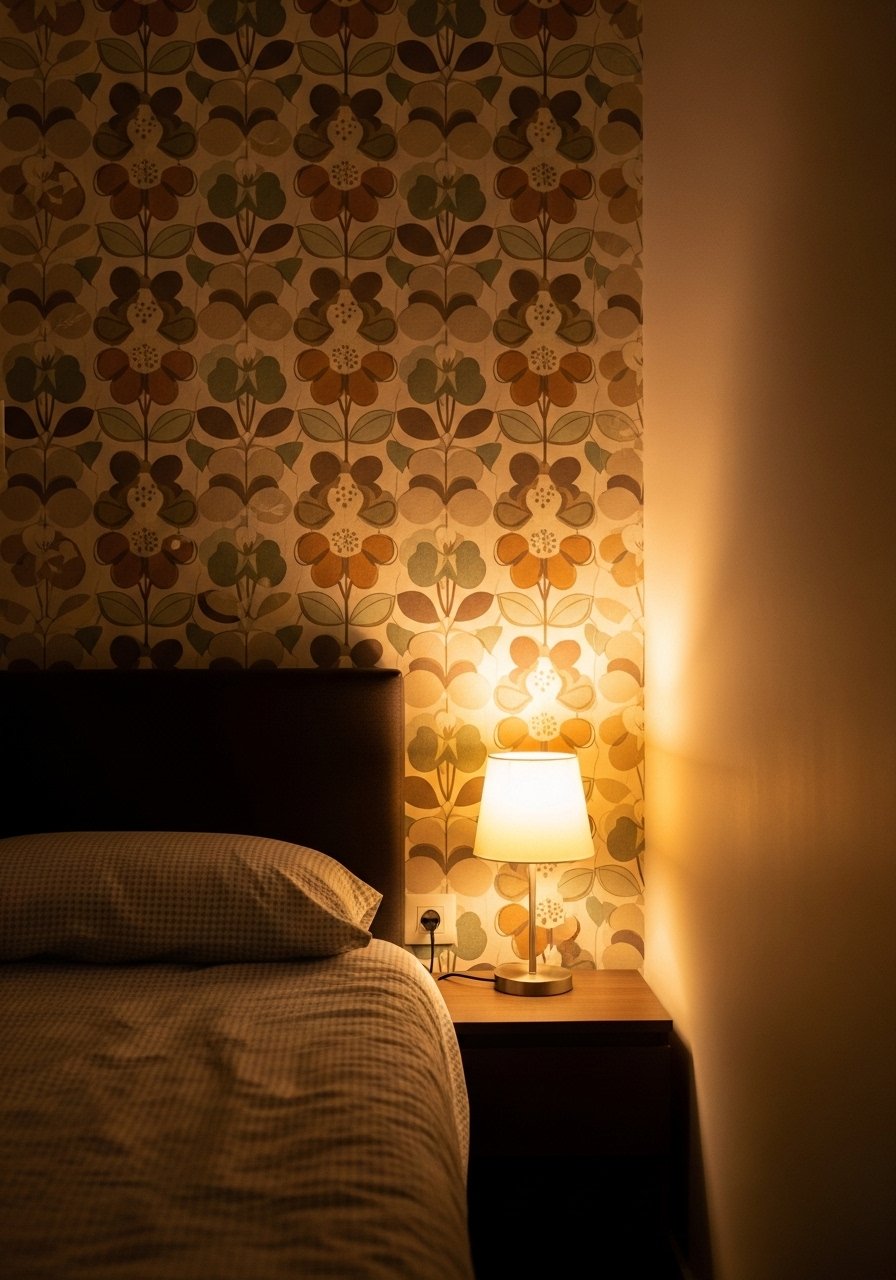
Big wallpaper can be scary in a mobile home, but a single accent wall behind the bed or the sofa makes a statement without overwhelming. I used a mid-century floral pattern on the wall behind my daybed. Order a sample first and view it at multiple times of day. Most accent walls need only one roll for small rooms, $30 to $70 depending on paper. The mistake is covering every wall. One anchored wall is enough. Combine with layered textiles to keep the vintage look cohesive.
Vintage Textiles for Softness and Pattern
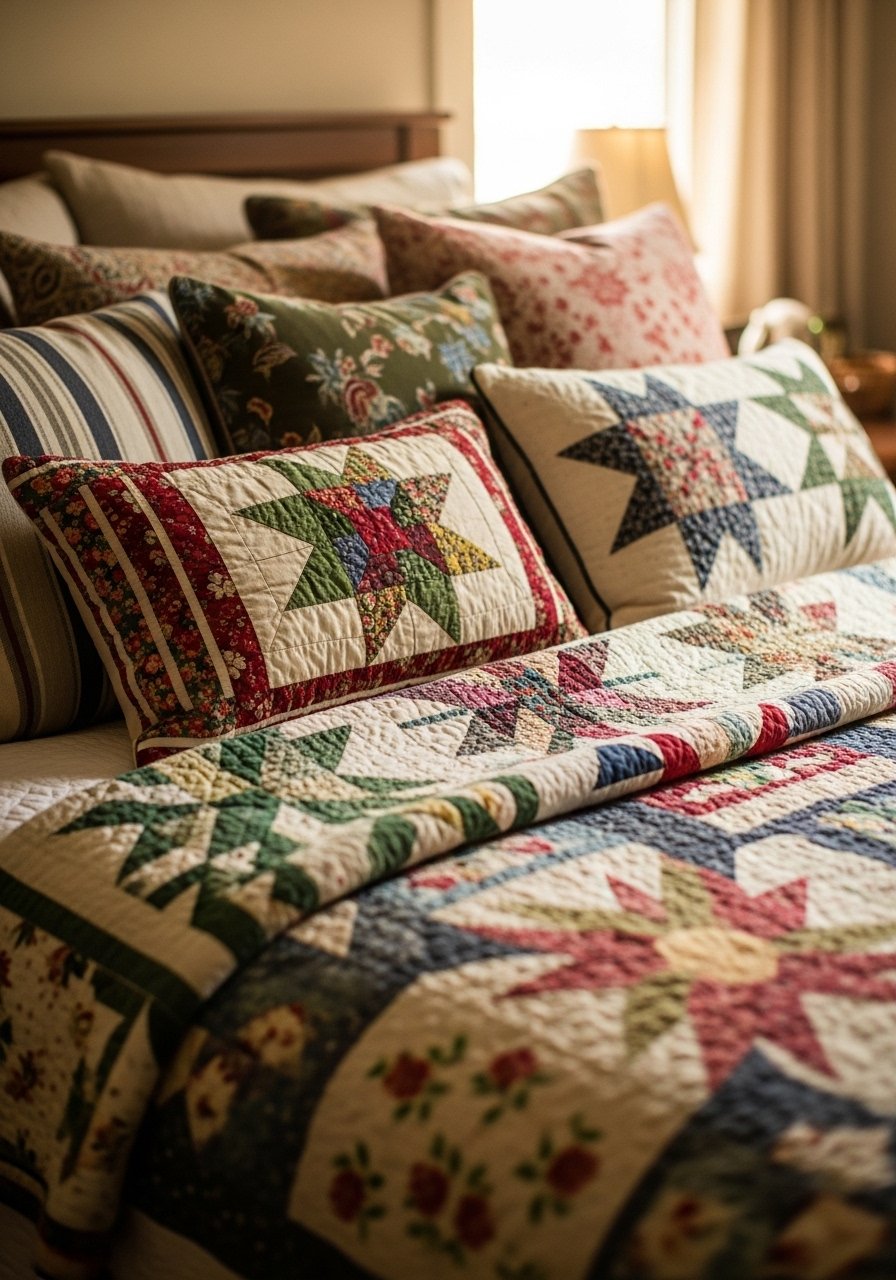
My friend had a cold bedroom because she had zero textiles. Adding a vintage quilt and a 22-inch linen pillow turned it from sterile to inviting. I layer a quilt, a lightweight throw, and two pillow sizes in a 2:1 ratio of pattern to solid. Budget friendly quilts can be found for $30 to $100. Mistake, overcomplicating the pattern mix. Stick to two patterns maximum with varying scale. Vintage textiles also work well draped over chairs or used as table runners in the kitchen.
Strategic Paint Colors That Make Space Feel Older Not Darker
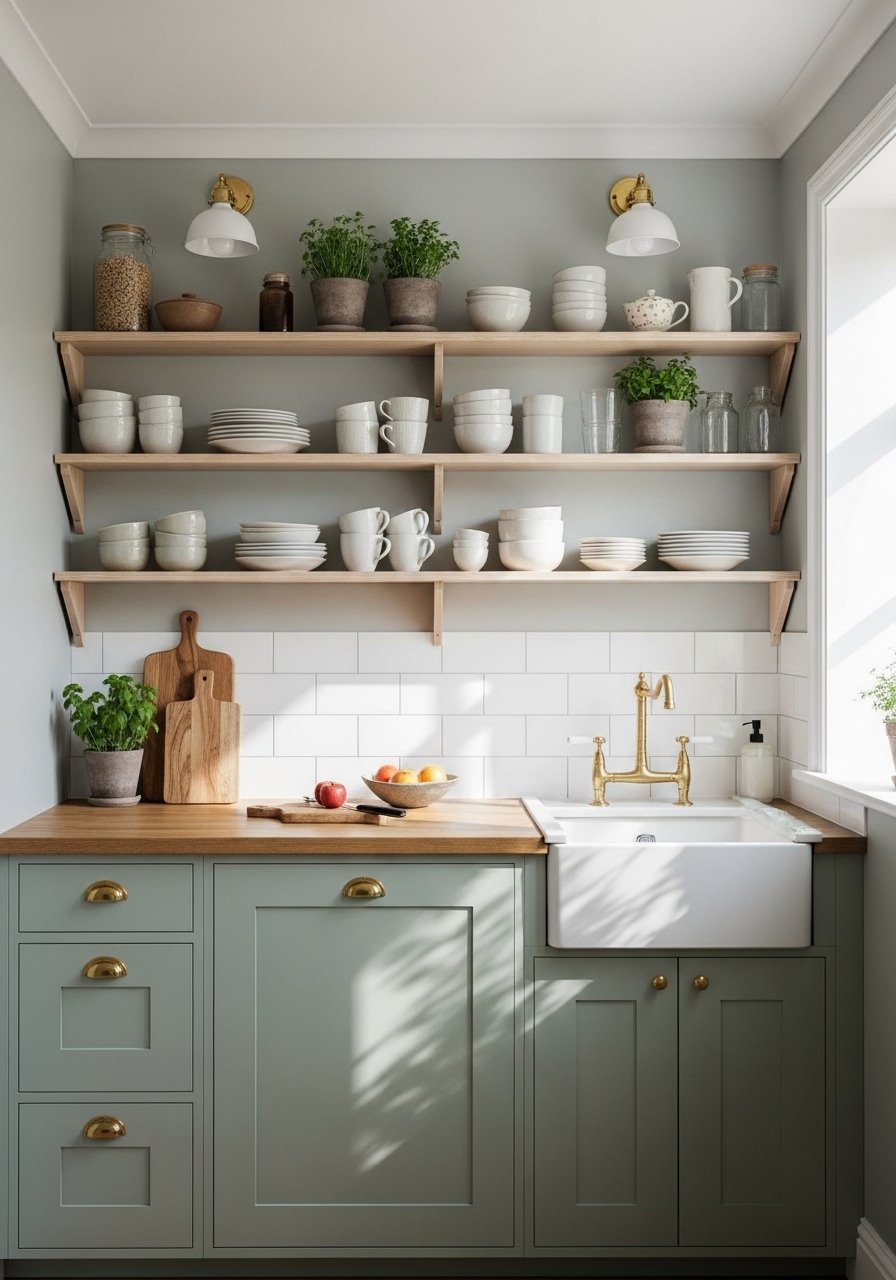
People worry dark paint will make a mobile home feel smaller. The trick is to use warm, muted tones like sage, ochre, or warm gray that read vintage but keep light. I painted my kitchen cabinet interiors a deeper color while keeping the outer cabinets light. A 70/30 ratio of light to dark stops the space from feeling boxed in. Paint and primer for a small kitchen can run $40 to $120. Mistake, painting wood trims the same dark color as walls. Instead, keep trims an off-white to preserve perceived height.
One Tall Plant Instead of Many Small Ones
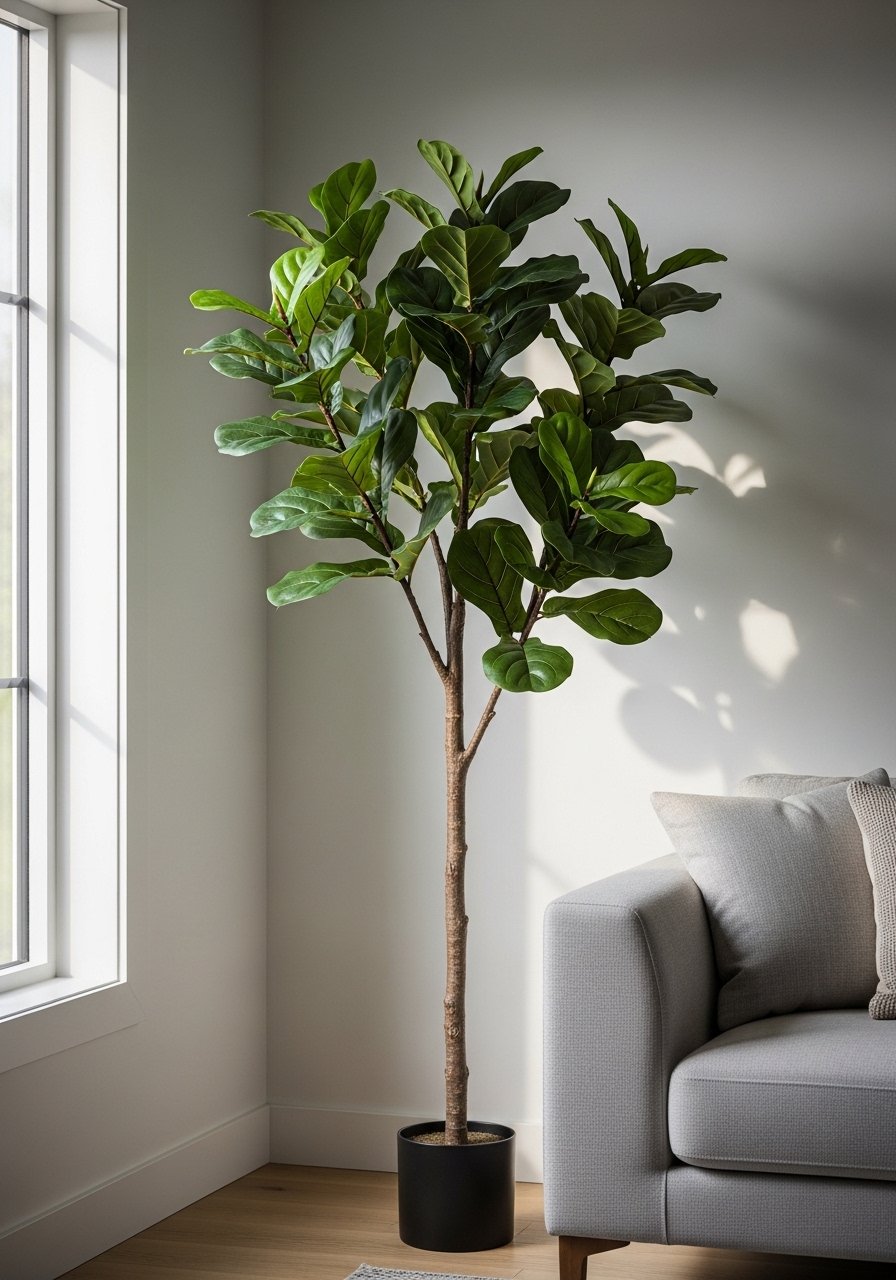
I used to buy five small succulents and the room still felt unfinished. One tall plant, real or faux, has ten times the impact. A 5- to 6-foot ficus or fiddle leaf fig fills vertical space and distracts from low ceilings. Budget for a realistic faux around $80 to $150 or a live plant for less with care. Mistake, putting small plants on every surface. Instead choose two spots for real greenery and one tall piece as the anchor. Pair this with the oversized mirror from idea six to double the visual height.
Use Vintage Hardware For Instant Character
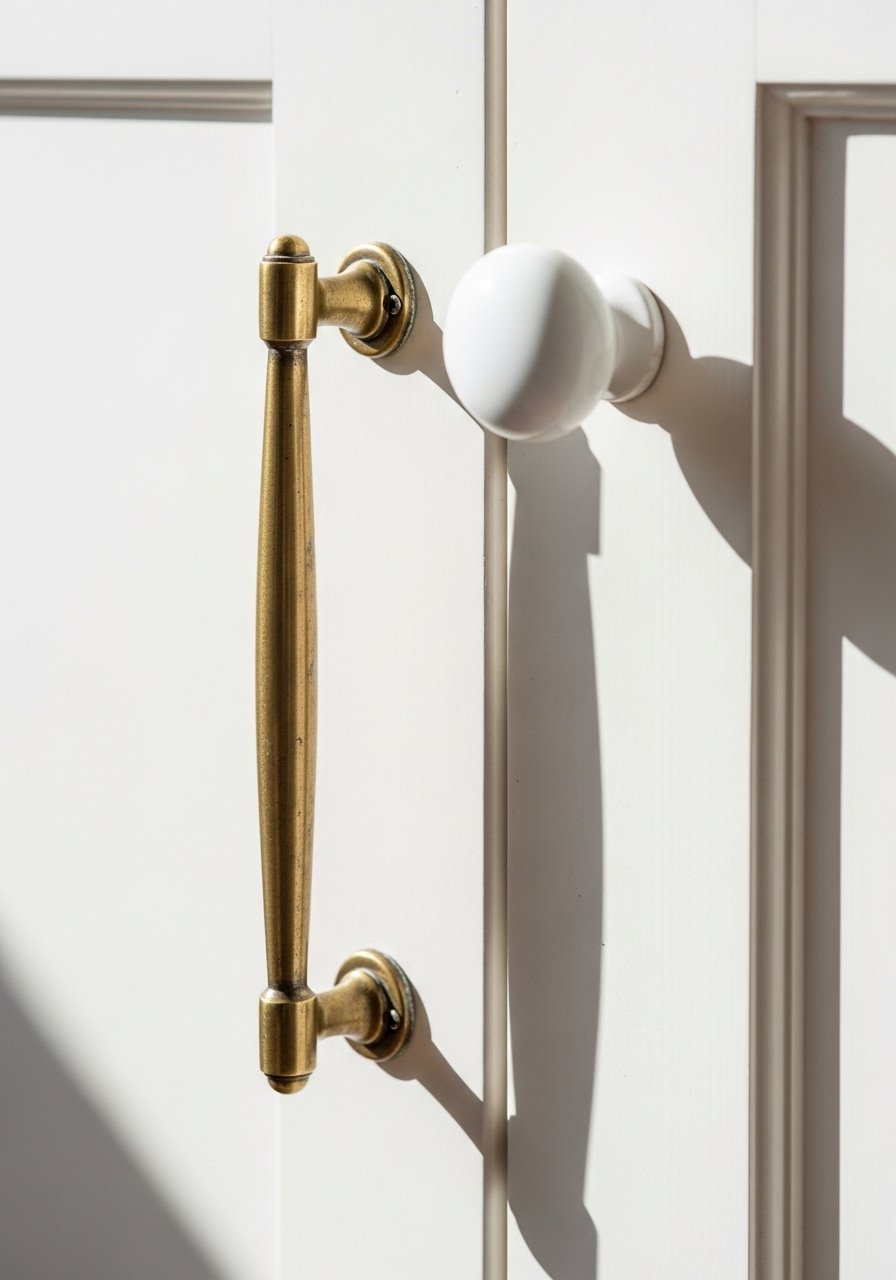
Swapping cabinet hardware is one of the fastest ways to add vintage character. I replaced plain pulls with 3-inch brass cup pulls and added porcelain knobs on upper cabinets. Small kits run $20 to $60 for a kitchen. A detail I always check is the screw hole spacing. Save old screws until the new ones fit. Mistake, buying pulls without measuring center-to-center distances. Measure existing holes and match first to avoid drilling new ones.
Your Decor Shopping List
Textiles
- Honestly the best $45 I have spent. Chunky knit throw in cream in a 50×60 size to drape over a sofa arm
- 22-inch linen pillow covers, set of 4 in warm ivory and sage, down-filled inserts separate
- Vintage-style quilt throw, full-size (~$60). Use at the foot of the bed or folded on a chair
Wall Decor
- Found these and used them everywhere. Brass picture frames set of 3 in 8×10 and 11×14 sizes
- Peel-and-stick retro wallpaper sample pack for testing in different lights
Lighting
- Brass floor lamp with vintage bulb (~$80) for corner illumination
- Warm 2700K LED bulbs, 4-pack to replace harsh overheads
Plants
- Artificial fiddle leaf fig 6ft (~$120) for renters or low-light corners
- Self-watering ceramic planter, 10-inch for busy plant parents
Budget Finds
- Antique brass cup pulls, set of 10 (~$20) to swap old kitchen hardware
- Floating shelf kit, white 24-inch for creating built-in illusions
Similar at Target or HomeGoods notes: pillows, throws, and small framed art are often available in-store if you prefer to shop offline.
Shopping Tips
White oak beats dark wood in 2026. Design feeds have shifted completely. These white oak floating shelves look current, not dated.
Grab velvet pillow covers for about $12 each. Swap them seasonally and the room feels refreshed.
Curtains should puddle or kiss the floor, never hang halfway up. These 96-inch linen panels are right for standard 9-foot ceilings.
Lead with a single standout vintage item, not a set. Brass floor lamp with Edison bulb anchors a seating area without spending a fortune.
If you own a small space, three light sources are better than one overhead. Dimmable table lamp set makes evenings feel intentional.
Everyone buys five small succulents. One single 6-foot ficus has ten times the visual impact.
Frequently Asked Questions
Q: Can I mix boho textiles with modern furniture without it looking messy?
A: Yes. Keep to two patterns and vary scale. Use a solid anchor color for larger pieces so the textiles read as intentional. I mix a patterned quilt with a solid linen sofa and it never feels cluttered.
Q: What size rug do I actually need for a small living room?
A: Bigger than you think. For a tiny living room, aim for a rug that allows at least the front legs of your sofa to sit on it. An 8×10 is often the sweet spot in small open layouts.
Q: Should I choose real plants or faux in a mobile home?
A: Both. Pick one tall live plant if you can care for it and add a realistic faux elsewhere. Artificial fiddle leaf figs are a good low-maintenance anchor.
Q: How do I make cheap cabinets look vintage?
A: Swap the hardware, paint just the fronts, and consider open shelving for one wall. Measure screw spacing before you buy pulls to avoid extra drilling.
Q: Can I use wallpaper in a rental mobile home?
A: Use peel-and-stick samples or a single removable accent wall. Test small areas at different times of day and remove adhesive residue with a gentle cleaner.
Q: What is a common mistake when creating a gallery wall?
A: Centering on the wall instead of centering on the furniture below. Also avoid frames that are all the same size and color. Mix sizes and finishes for a collected look.
Q: How do I pick paint colors that feel vintage but keep the space light?
A: Choose muted warm tones and keep trim a soft off-white. Use a 70/30 ratio of light to dark so the room reads bright but aged. Samples on poster board help you judge in different light.