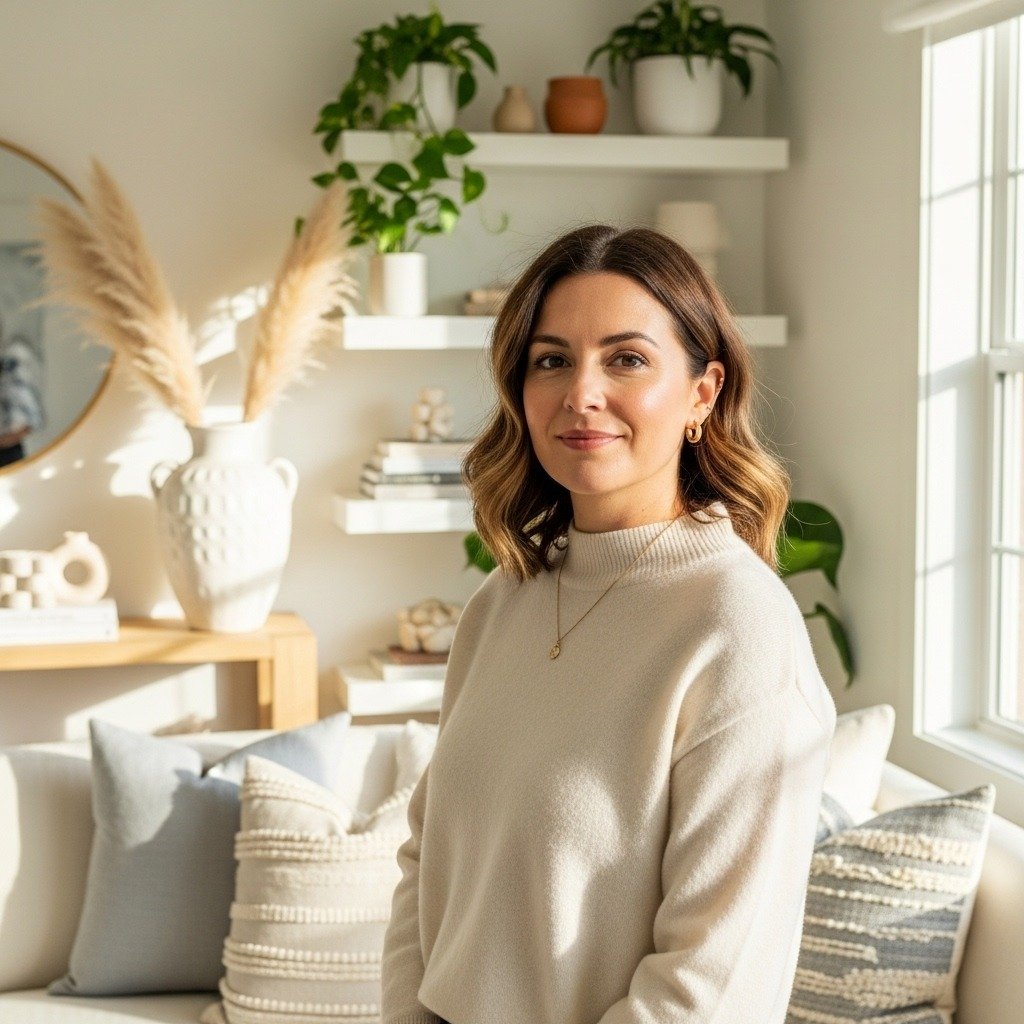
I used to treat the dining room like an afterthought. Then I realized it’s where guests linger, kids do homework, and old friends laugh until late.
So I started making small swaps that mattered. These are the honest fixes I kept—some returned, some reupholstered, most lived in.
24 Elegant Dining Room Decor Ideas That Impress Every Guest
These are 24 ideas I’ve actually used in real homes. Each one is practical, honest, and tested—so I know what works, what I regret, and what I’d buy again.
1. Layered Neutral Textiles That Make a Room Feel Finished
I leaned into warm linens and chunky knits after my first set of thin placemats looked flimsy under plates. I used a linen runner, wool napkins, and a small cotton throw on the bench. The textures stopped the room from feeling flat and made hard chairs feel calmer.
Visually it softens the wood grain and adds small spots where hands can rest. I learned to avoid too many patterns—one textured neutral plus a single patterned napkin reads cleaner.
What I’ll need: pick one generous-runner fabric and a soft throw so the table and seating feel inviting.
What You'll Need for This Look
2. Banquette Dining to Make Gatherings Linger
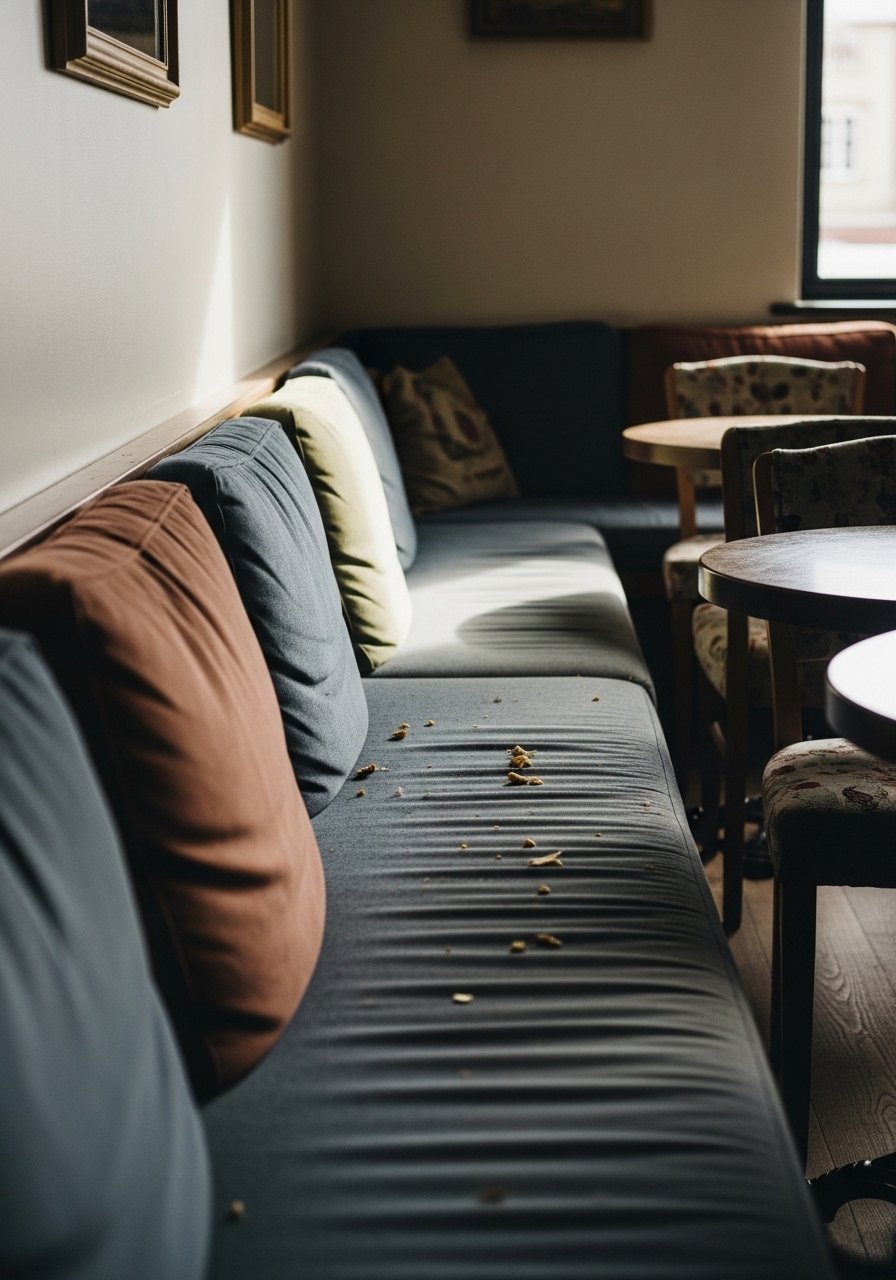
I gave a corner banquette a try after guests complained about stiff chairs. We sit longer now. The bench fits families better and the wall-backed seating feels cozy like a restaurant booth.
My first mistake was making the banquette too deep—my back hurt after an hour. I rebuilt it with shallower cushioning and added lumbar pillows. The mix of bench and two chairs keeps flexibility for extra guests.
I pay attention to clearance and fabric choices now—leather-like or velvet hides stains better than pale linen in an active household.
What You'll Need for This Look
- Upholstered banquette bench (approx 60")
- Velvet lumbar pillows, mauve
- Mix of dining chairs, neutral wood
3. Statement Chandelier Over the Table
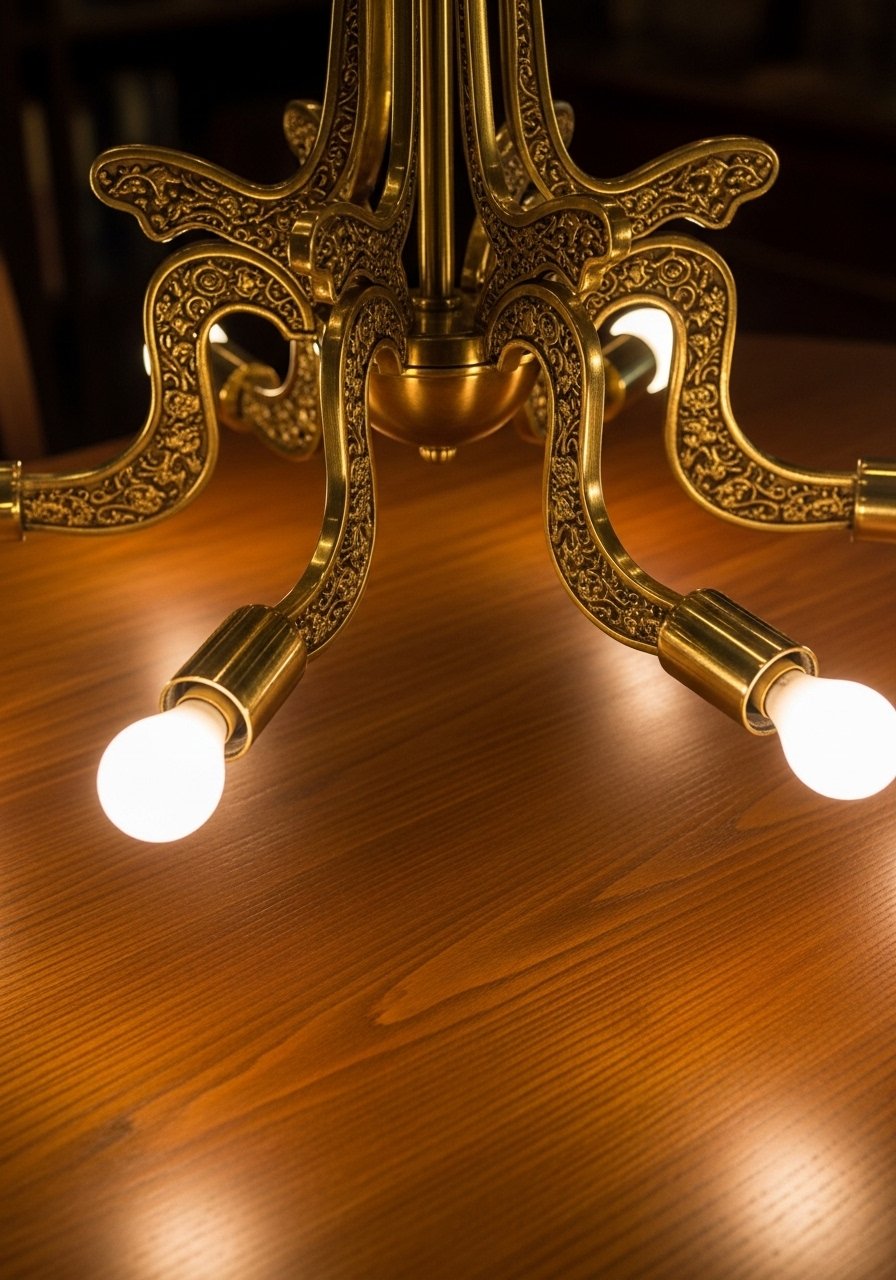
I swapped the builder-grade can lights for a single sculptural chandelier. The room felt intentional the minute I flipped the dimmer. Lights set the mood; I now design around the fixture.
The error I made was hanging it too high at first. Dropping it to 30–34 inches above the table made conversation feel contained and the fixture proportionate. Warm bulbs and a dimmer made dinners more relaxed.
I picked brass so fingerprints age into the finish. It’s the piece people comment on first, and it helps the whole room read curated instead of rushed.
What You'll Need for This Look
- Brass sculptural chandelier (medium)
- Dimmable LED bulbs, soft white
- Chandelier hanging kit (adjustable)
4. Mix-and-Match Chairs Tied by a Shared Palette
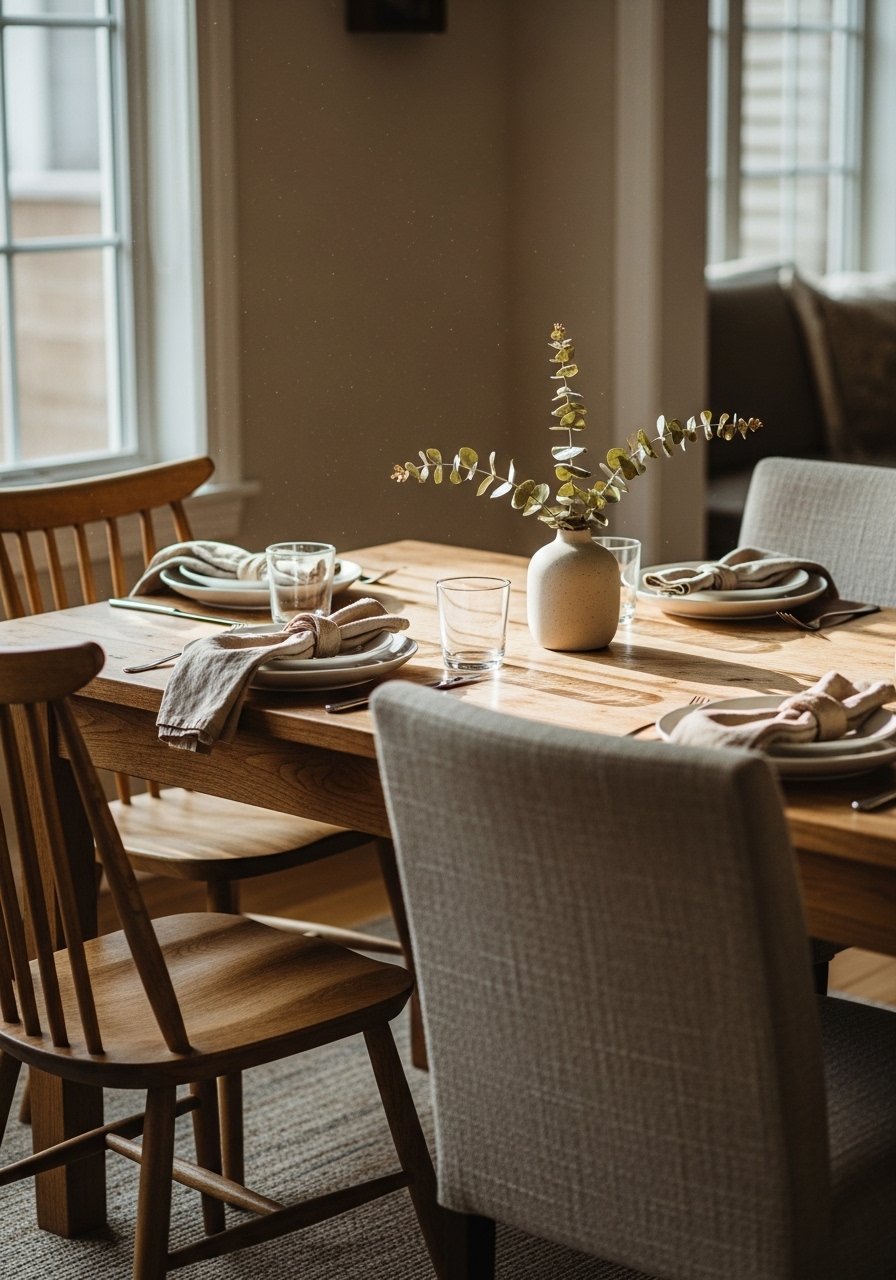
I stopped buying matching sets when I realized a single finish makes a room predictable. I mixed a bench, a pair of upholstered chairs, and two wood chairs. The key was a shared palette—warm woods and soft beige upholstery.
My first attempt used wildly different colors and felt chaotic. The fix was subtle: pick one unifying color (I chose walnut tones) and let shapes vary. It reads curated, not cluttered.
This approach lets me swap a chair when I find a bargain. It also stretches my budget without looking thrown together.
What You'll Need for This Look
5. Floral Wallpaper for Formal Dinners
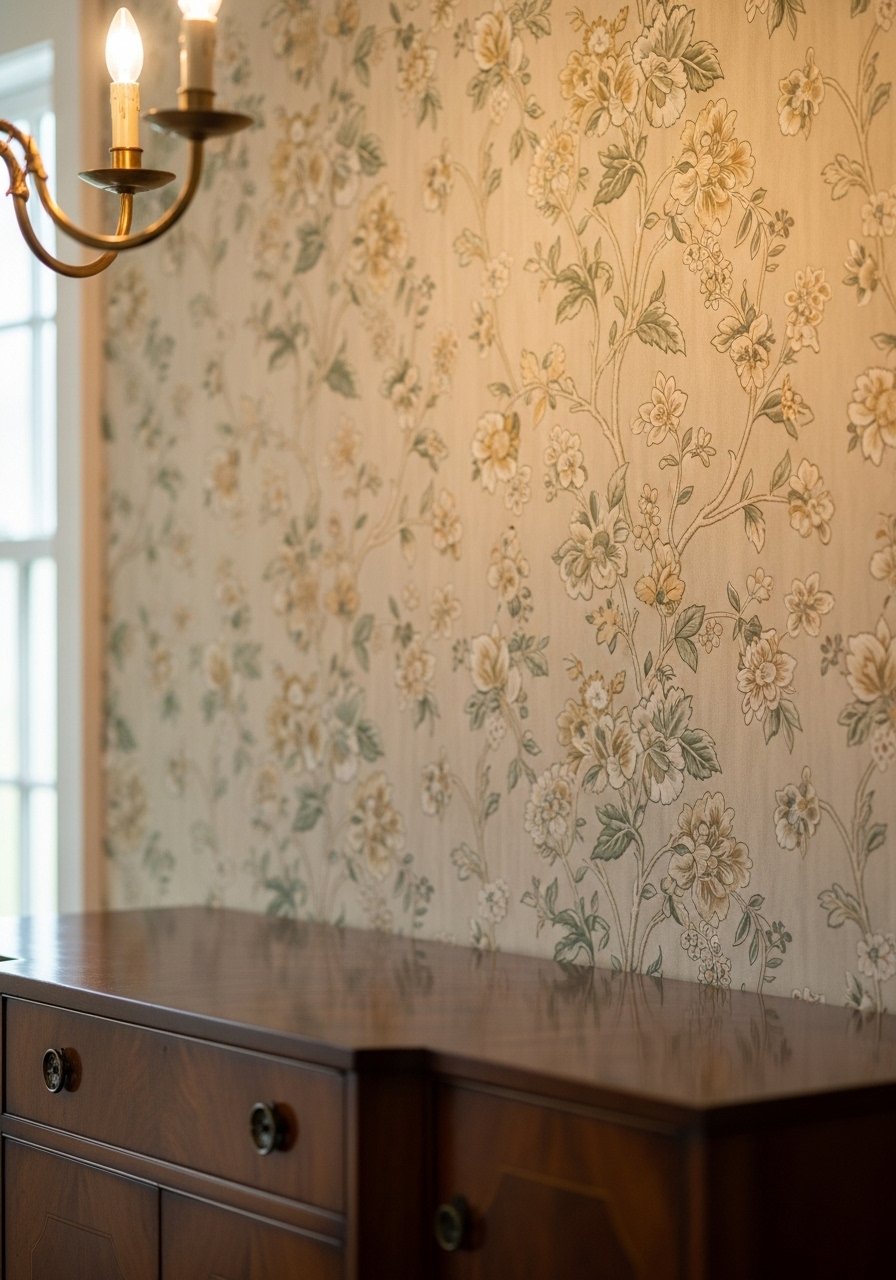
I surprised myself by installing floral wallpaper in one formal dining room. It made the space feel dressed without being fussy. Guests lingered because the room felt layered and deliberately pretty.
My mistake was choosing a scale that was too large for the wall. Replacing it with a smaller repeat calmed the room. I paired the print with simple furniture so the walls read like statement art, not a circus.
Floral works well when the color palette repeats in napkins or a small rug. It’s bold but surprisingly forgiving if I keep other elements calm.
What You'll Need for This Look
6. Round Table + Light Wood for Small Dining
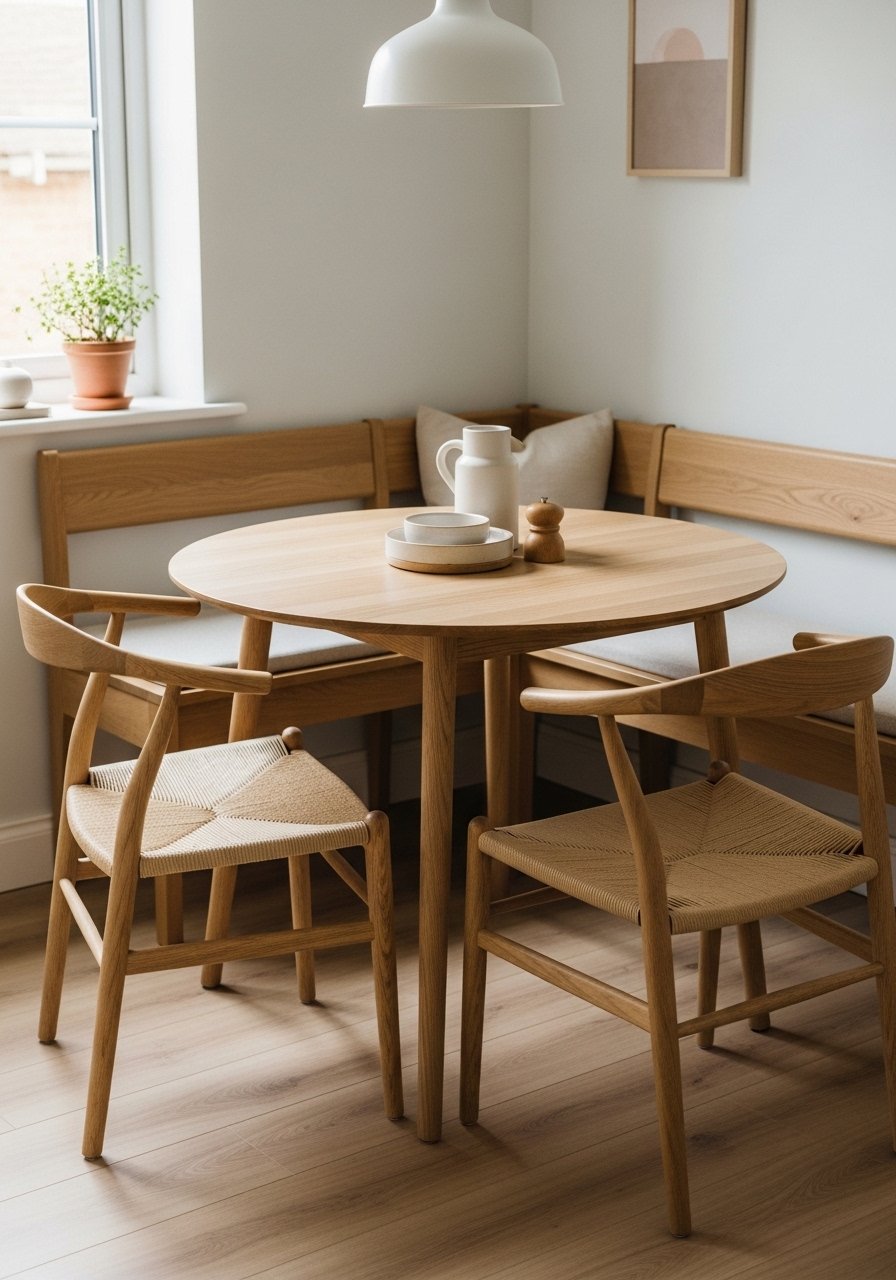
I moved to a smaller apartment and switched to a round light-wood table. It fit the flow without sharp corners and the lighter finish kept the area feeling open.
I initially bought a table that was too small for dinner plates—awkward visits taught me scale matters. I upgraded to a 42–48" round and it finally worked for four adults. The light wood shows grain and hides minor scratches better than dark stains.
Round shapes also encourage conversation because people face each other. The table now feels intentional instead of being a scaled-down afterthought.
What You'll Need for This Look
7. Slipcovered Chairs for Kid-and-Dog Friendly Dining

I finally accepted slipcovers after staining a favorite chair. The removable covers let me keep a softer look without panic over spills. I chose a mid-weight cotton blend that washes well and looks relaxed.
At first the covers slipped and looked sloppy. I added ties and a thin non-slip pad underneath—suddenly they read tidy. I like that I can switch colors seasonally without replacing furniture.
The lived-in look suits family life. I still choose darker neutrals near the kids’ seats and lighter tones where I want the room to breathe.
What You'll Need for This Look
8. Moody Mauve or Eggplant Accent Wall
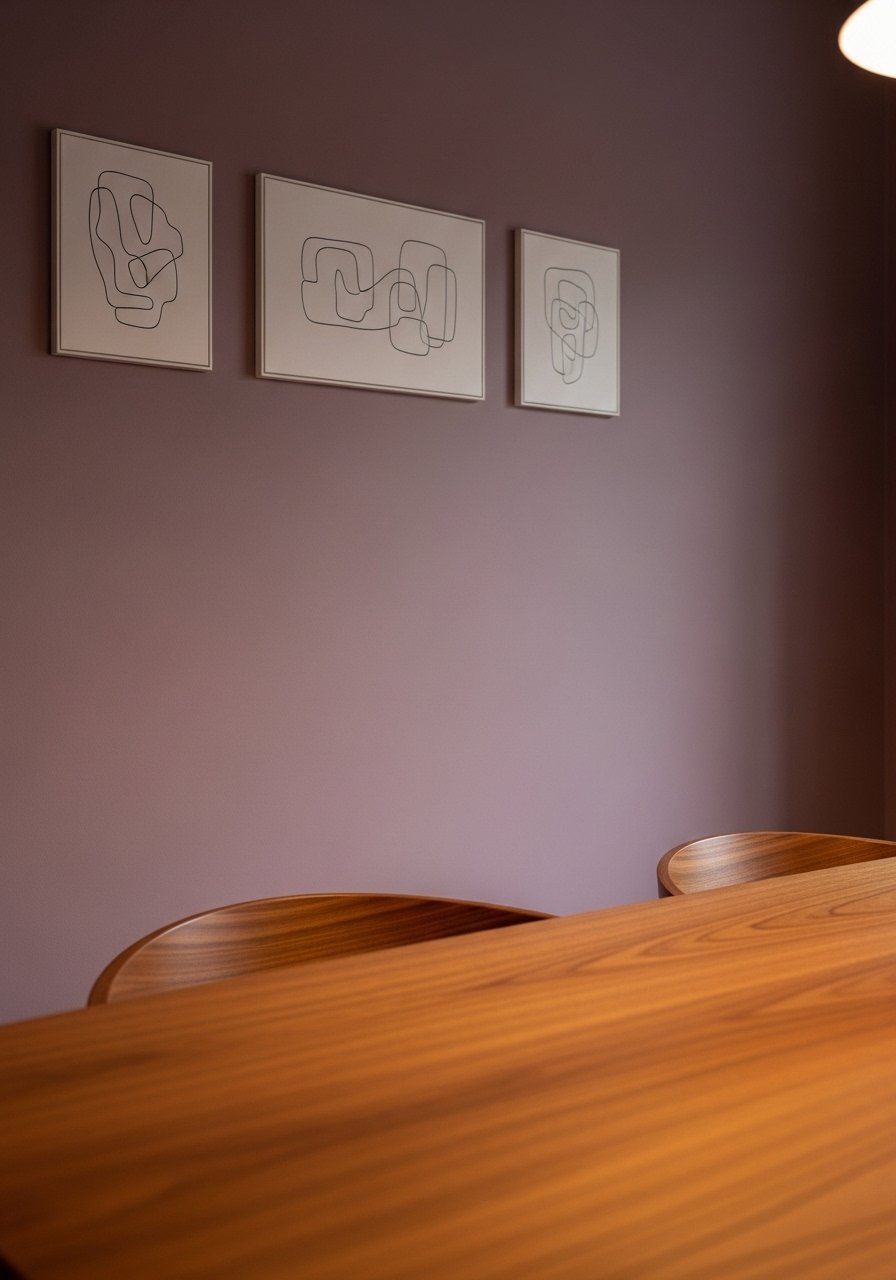
I painted one wall deep mauve after finding neutral spaces felt too polite. The room instantly relaxed into an intimate dining nook. Darker hues make the tablecloth and dinnerware pop.
My early paint choice was too purple and read theatrical. I repainted to a muted mauve with brown undertones and it grew quietly moody instead of loud. The key was testing large swatches at different times of day.
Now I match linen napkins and a few brass accents to the wall to pull everything together into a calm, enveloping whole.
What You'll Need for This Look
9. Layered Lighting: Dimmers, Pendants, Sconces
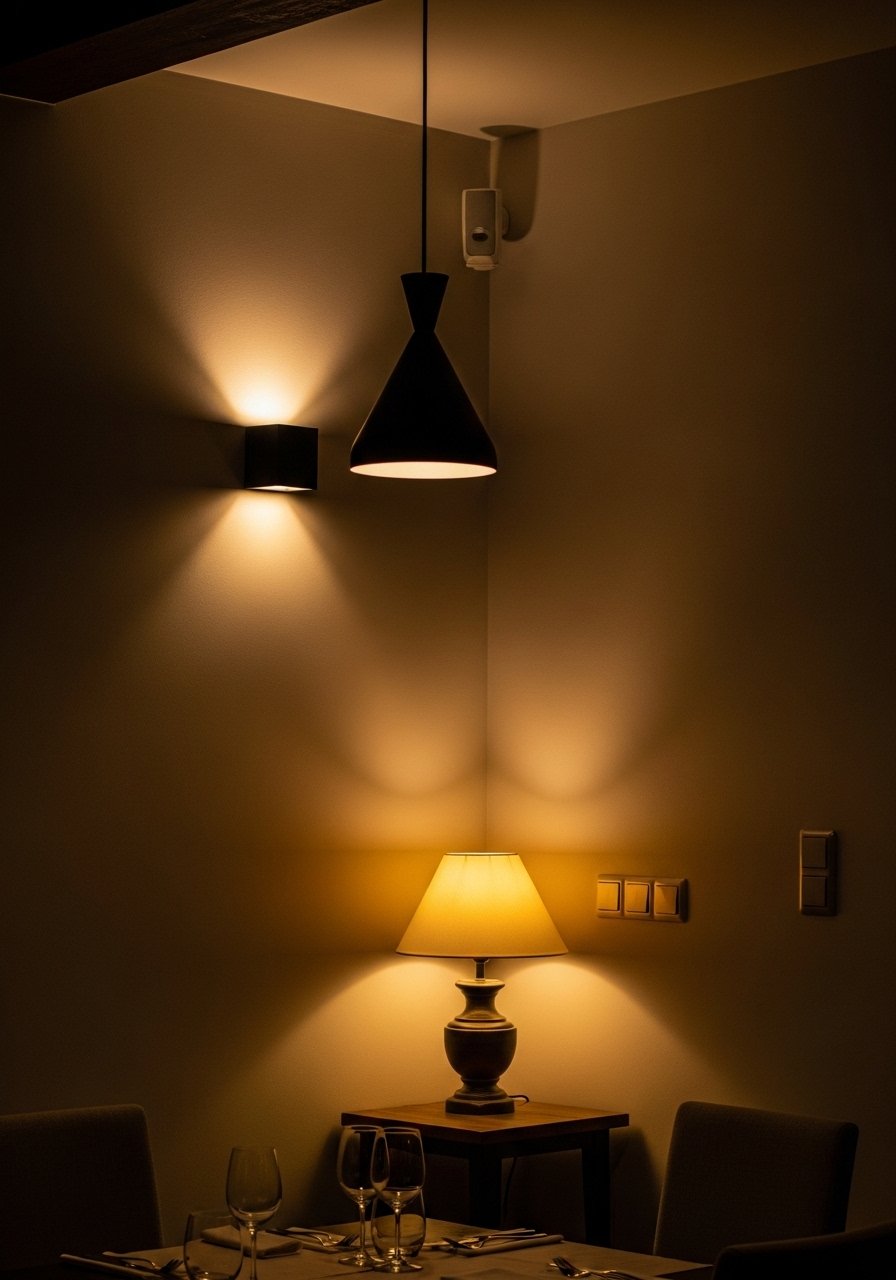
I stopped relying on the overhead fixture alone after dinners felt too clinical. I installed a dimmer and added wall sconces plus a small table lamp on the sideboard. The layers let me control mood for dinner or homework.
Once I wired it, I realized bulbs matter—warm 2700K bulbs read better than the cooler LEDs I first tried. I keep the pendants on low and bump up the sconces when I want brightness.
It’s a small electrical investment that made the room feel intentional and useful at different times of day.
What You'll Need for This Look
10. Natural Wood Table with Upholstered Chairs
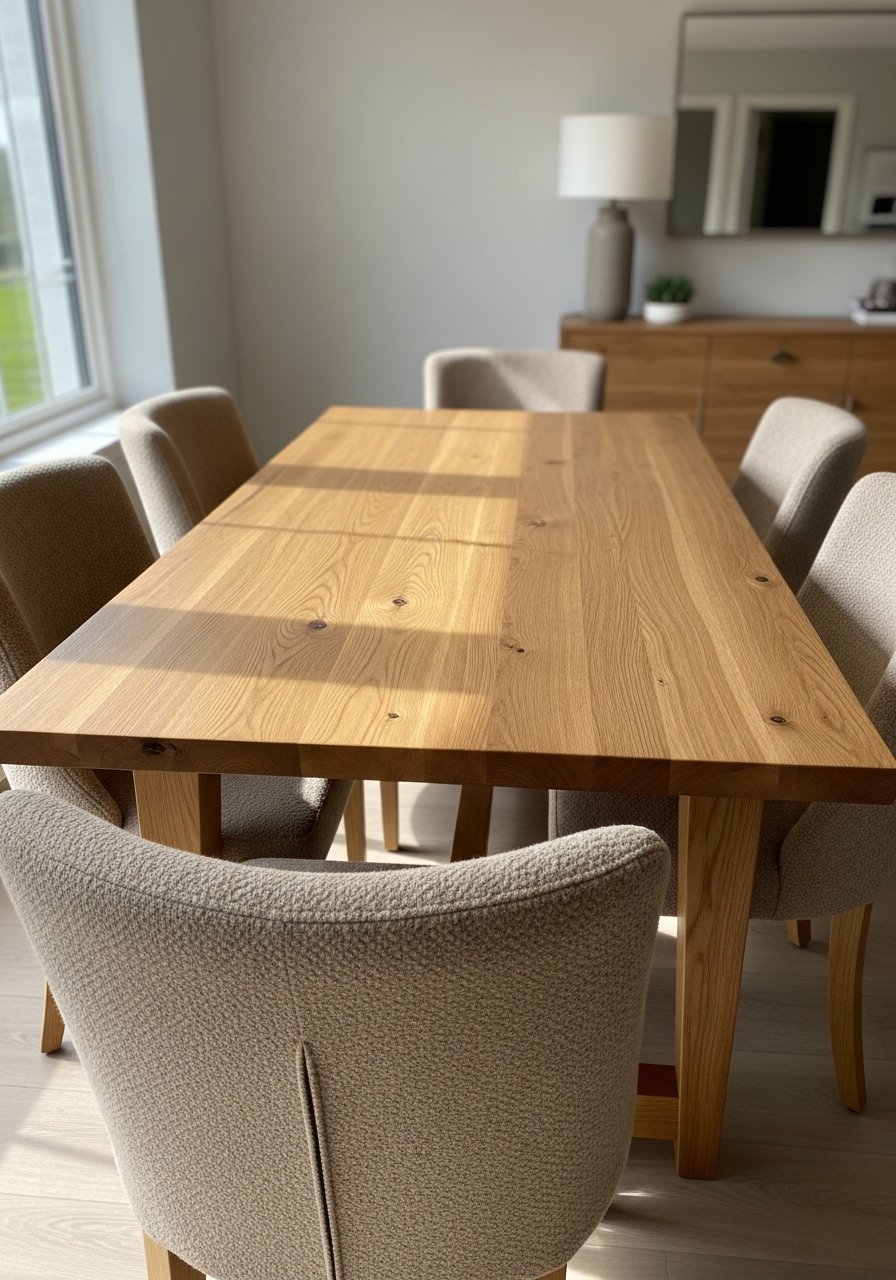
I splurged on a solid oak table and paired it with upholstered chairs. The wood reads formal but the soft seats keep long dinners comfortable. The table lives as the room’s anchor now.
I once paired it with cheap polyester chairs and regretted how synthetic they looked. Upgrading to wool upholstery added texture and held up better to daily use. The combination gives ceremony without stiffness.
I pay attention to leg placement and rug size now so chairs can slide without catching—small practicalities that make daily life easier.
What You'll Need for This Look
11. Jute or Low-Pile Rug to Define the Space

I added a jute rug to anchor the dining area in an open plan. It defined the space and hid chair scuffs. Natural fiber rug added warmth without competing with wood tones.
I made the mistake of picking too-small a rug once—chairs left the mat when pulled back. I learned to size up so all chairs stay on the rug when in use. Low pile works better under chairs.
The texture also forgives crumbs between cleanings, which is honest and useful for daily living.
What You'll Need for This Look
12. Curved Sustainable Dining Set for Flow
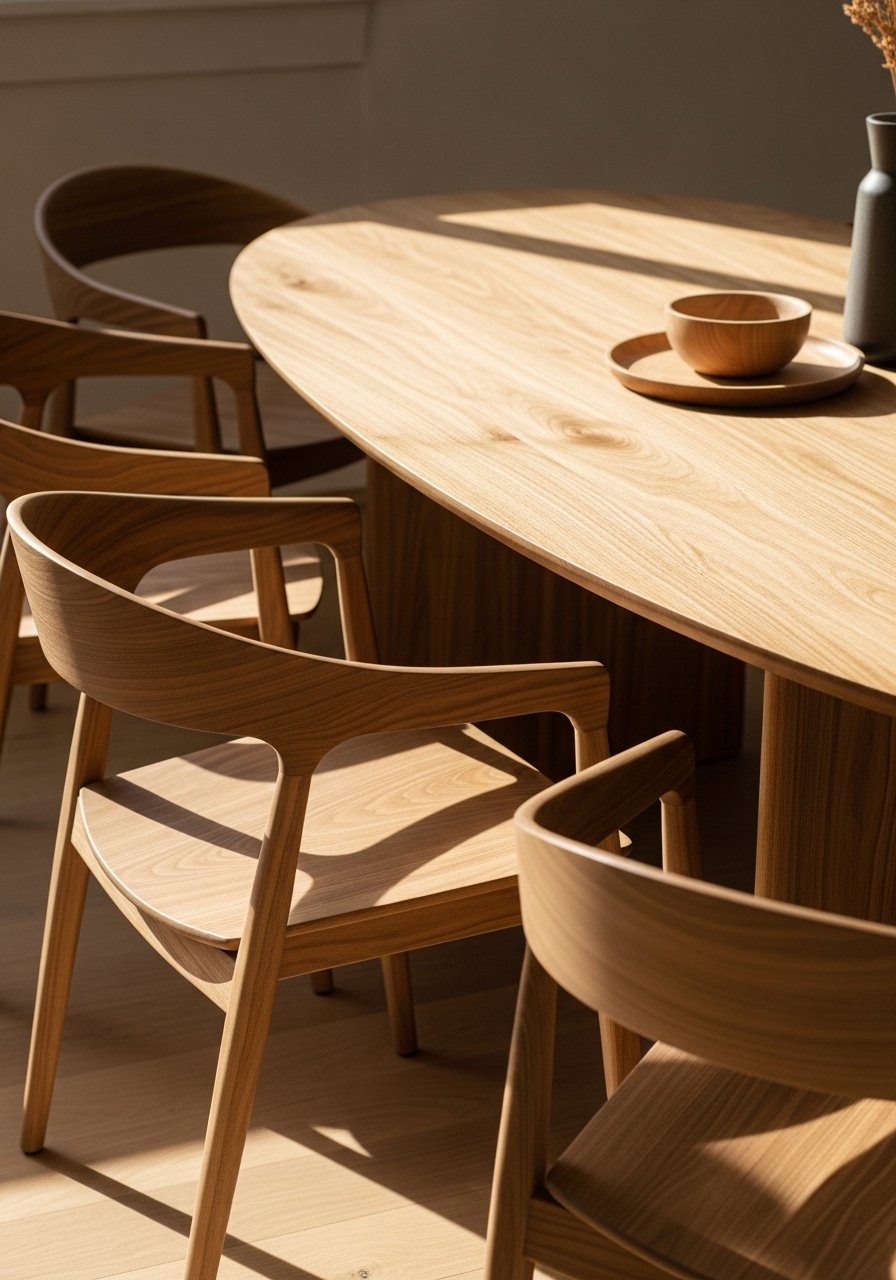
I bought a curved dining set made from sustainably sourced wood for a small dining that opens to the living room. The rounded edges improved traffic flow and softened the sightlines.
At first I worried curves would look too modern in an older home. Instead the pieces read friendly and balanced. The sustainable label mattered to me—solid joinery and responsibly sourced wood mean the set ages well.
I now prefer this shape where movement is frequent; it keeps the room feeling calm and avoids the sharp energy straight edges create.
What You'll Need for This Look
- Oval sustainable wood dining table
- Curved wood dining chairs (set of 4)
- Sustainable furniture care oil
13. Antiques and Found Artwork as Conversation Starters
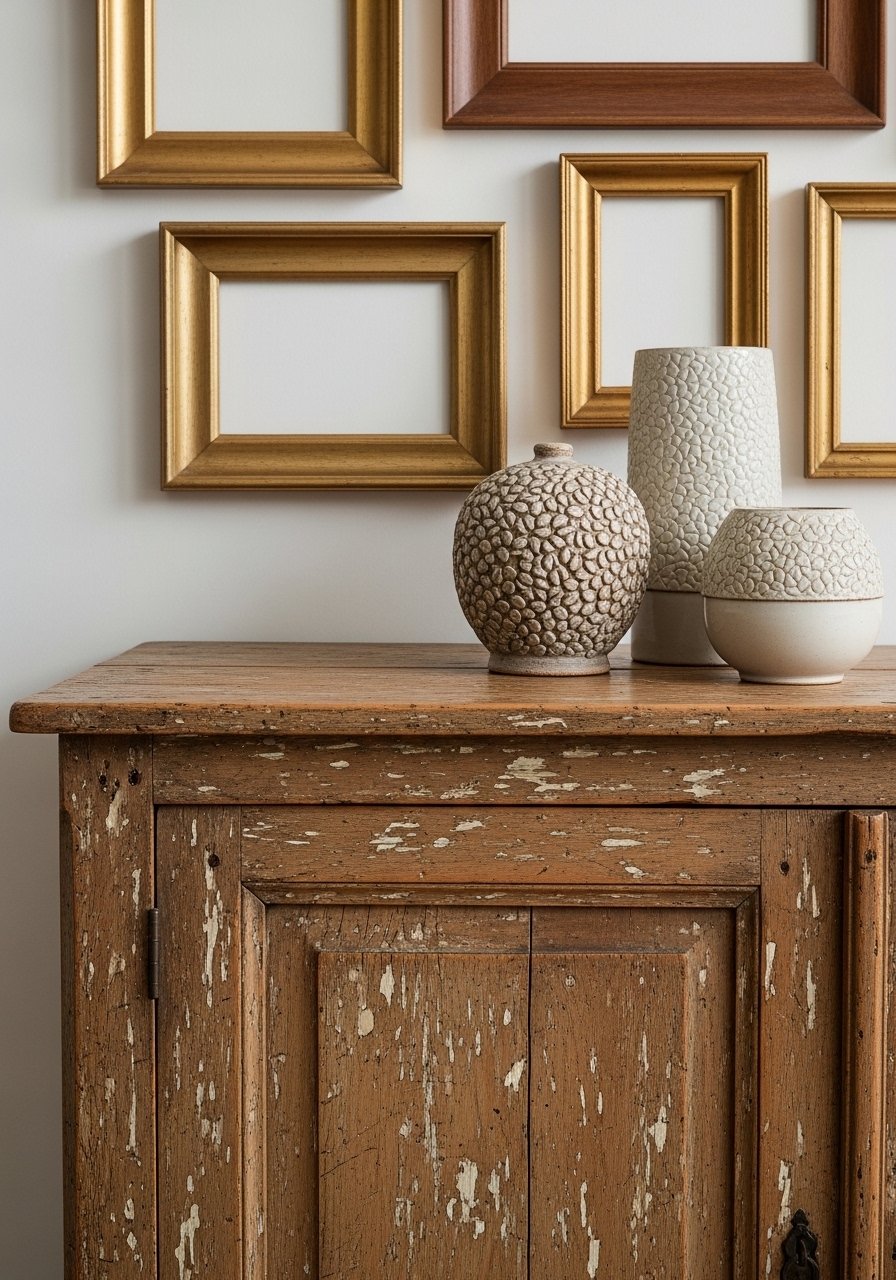
I started collecting one antique piece and found it grounded the room in a way new furniture doesn’t. A small casepiece or a thrifted mirror carries history and invites questions.
I once thought antiques needed to be formal; this one has wear and tells stories. Mixing a vintage sideboard with contemporary plates makes the room feel personal and layered.
I hunt for pieces with good hardware or grain. They’re not always cheap, but a single thrifted find often does more than a room full of new accessories.
What You'll Need for This Look
- Small antique sideboard (search vintage sideboard)
- Mixed gallery frames (set)
- Handmade ceramic vases
14. Ruffled Linens for Softness and Personality
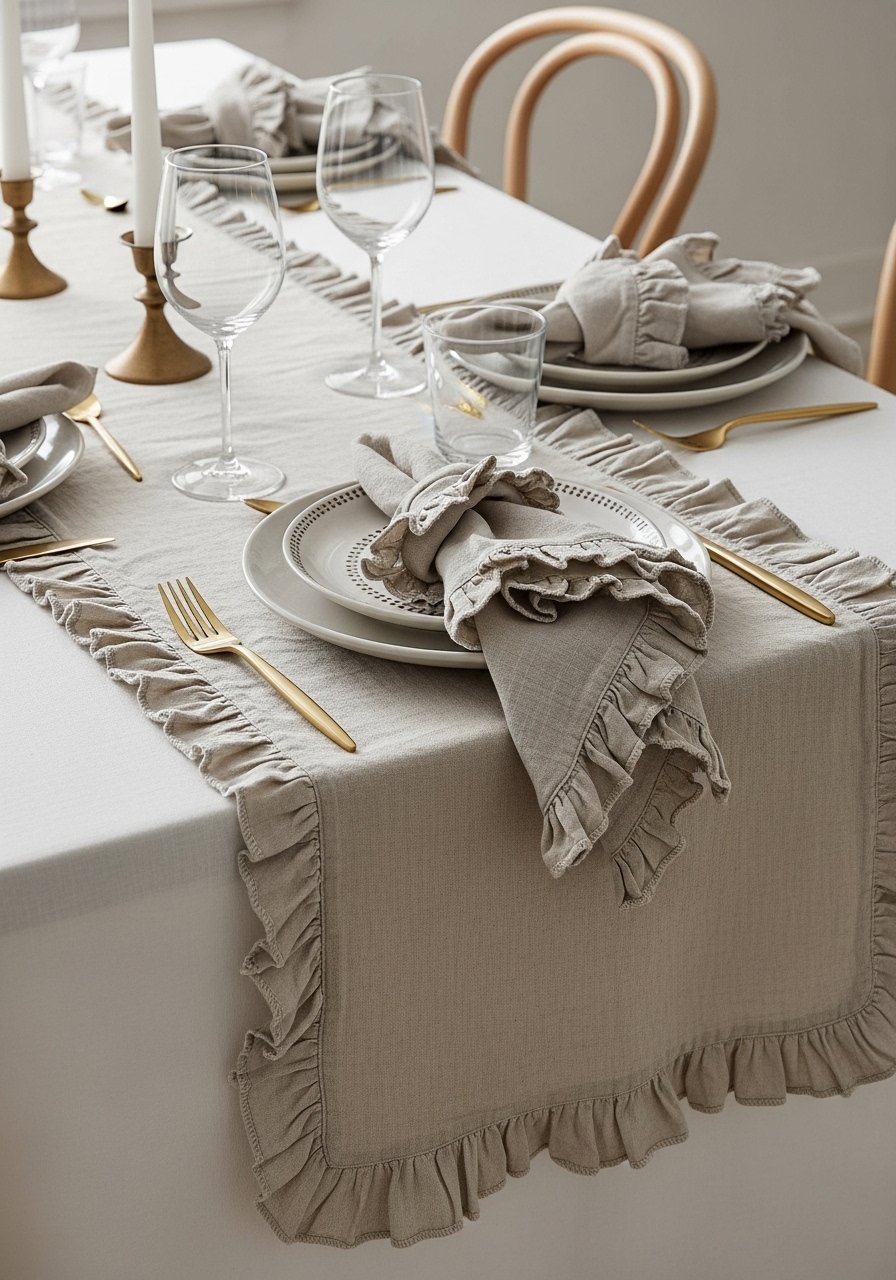
I added ruffled napkins and a frilled runner to soften a formal table. The detail made place settings feel thoughtful instead of staged. It’s small, but the edges add a human touch.
My first runner was too ornate and distracted from the place settings. I swapped to subtler ruffles and kept centerpieces low. The result reads romantic without being fussy.
I pair ruffles with matte tableware to keep the table grounded. It’s a simple way to make dinners feel dressed while staying relaxed.
What You'll Need for This Look
15. Stripes-on-Striped Tablescapes That Don’t Fight

I layered stripes after a friend styled a nautical dinner. I paired a bold runner with thinner striped napkins and solid dinnerware so the pattern still read intentional.
The mistake I made was using competing color stripes—too much contrast. I adjusted to a shared color family (navy with muted blue) and the pattern felt energetic, not loud. Balance of scale is everything.
I let one striped element be dominant and the rest play supporting roles. It’s playful but surprisingly grown-up when done in restrained tones.
What You'll Need for This Look
16. Low Buffet Styling with Plants and Trays

I learned buffet styling by trial—first attempt was too many objects. I pared back to a low cluster: a medium tray, one tall plant, and a small stack of dishware. It looks intentional and useful.
The real insight came when I rotated seasonal items. In summer I add citrus and light linens; in winter a pair of candles and a heavier bowl. The buffet becomes a living vignette rather than cluttered storage.
Placing a tray keeps small items organized and makes clearing dinner quicker. It’s functional styling that actually helps during a meal.
What You'll Need for This Look
17. Velvet or Leather Slipcovers for Comfortable Seating
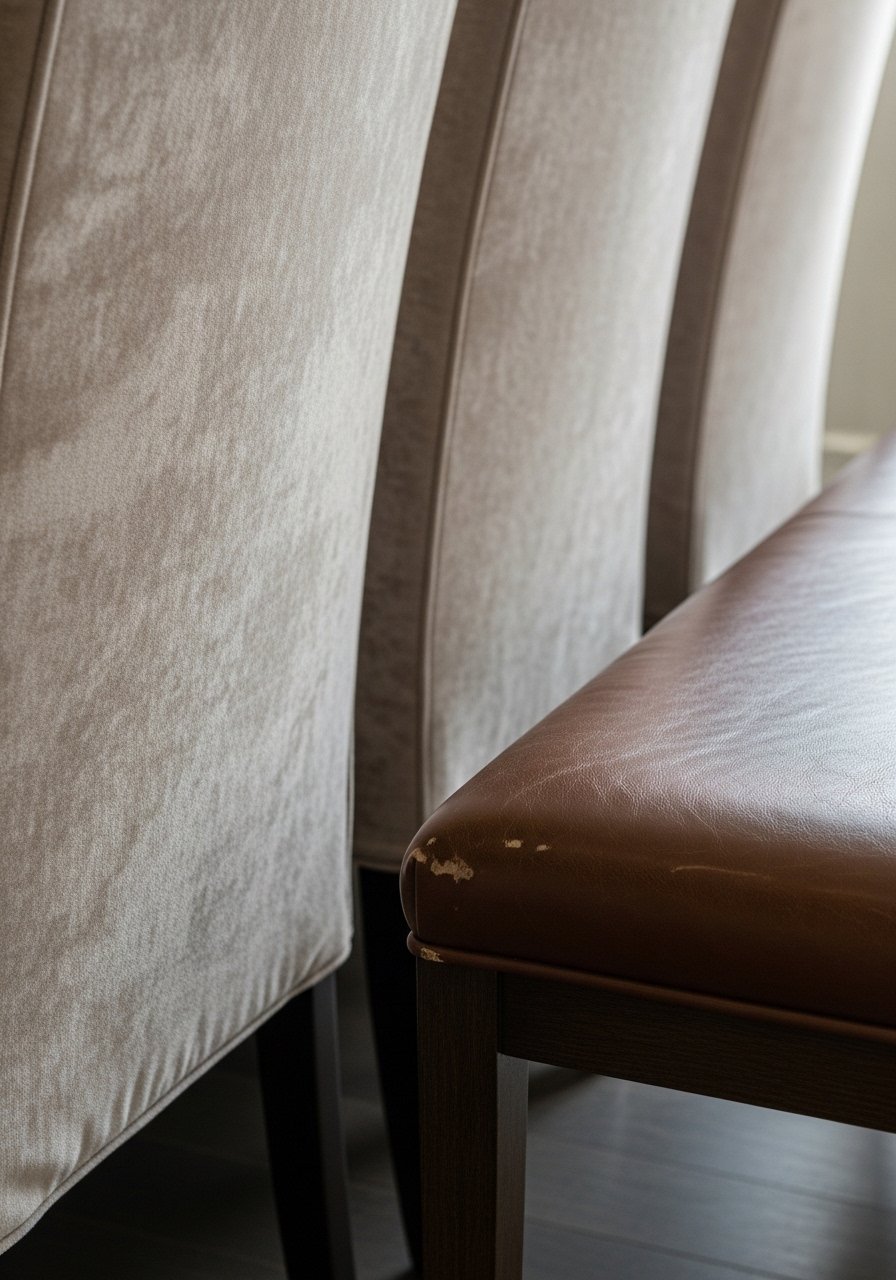
I swapped some chair upholstery to velvet and leather-like slipcovers. Velvet reads luxe but soft; leather hides stains and gets better with age. The mix gives both comfort and practicality.
I once avoided velvet because I thought it would be high-maintenance. In reality, a mid-weight velvet in a darker neutral is surprisingly forgiving and feels cozy all winter. Leather seats go to the messy end of the table.
The tactile contrast between velvet and leather makes seating feel layered and considered, not matchy.
What You'll Need for This Look
18. Lime Plaster or Textured Walls for Quiet Depth
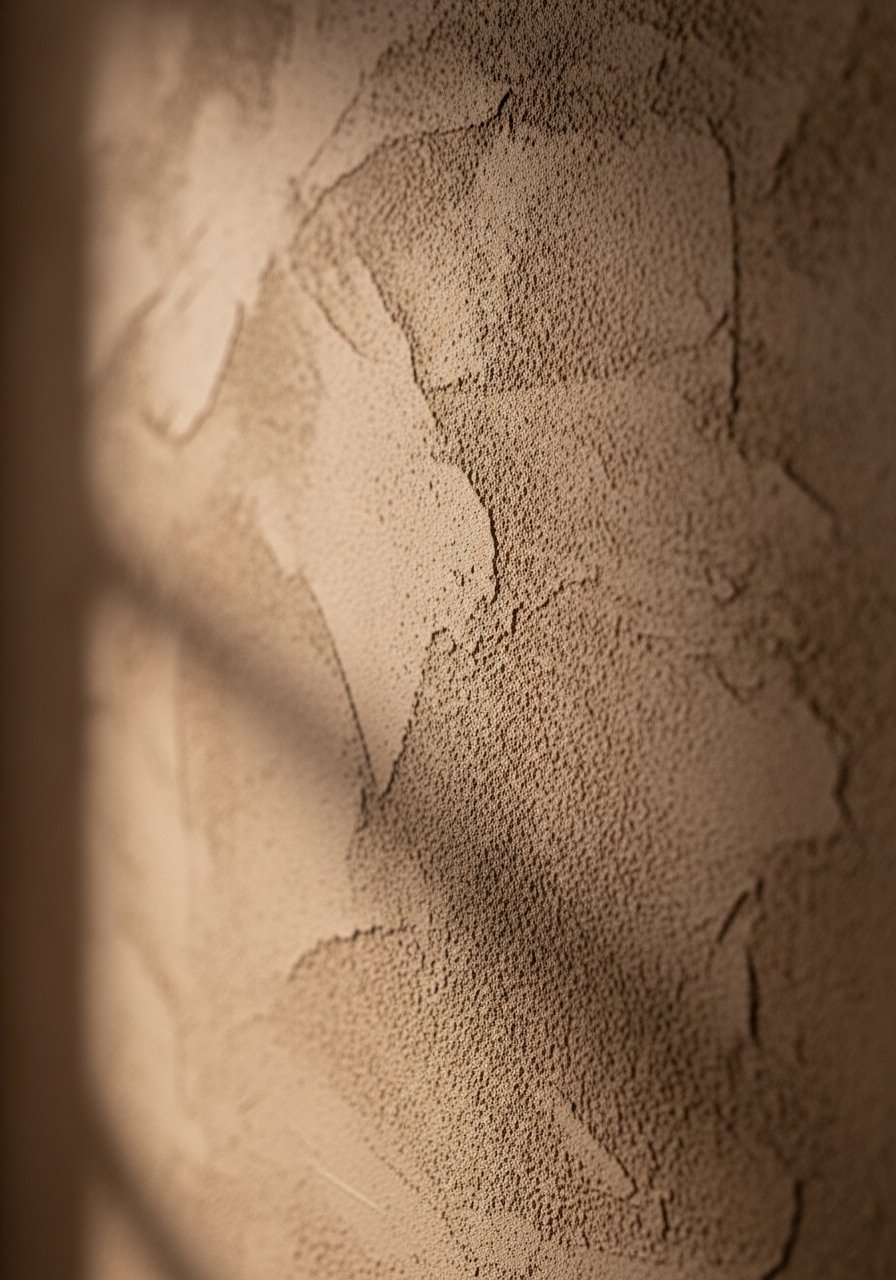
I tried lime plaster on a kitchen-adjacent dining wall to add subtle depth. It’s less loud than wallpaper but more interesting than flat paint. The finish catches light and looks different throughout the day.
My first application was too smooth and read like paint. I brought in a pro for the second pass and the tactile finish finally felt right. The textured wall gives the room a lived, layered look without pattern.
It pairs beautifully with wooden furniture and simple art to keep the space calm and tactile.
What You'll Need for This Look
19. Brass Accents for a Soft Glow
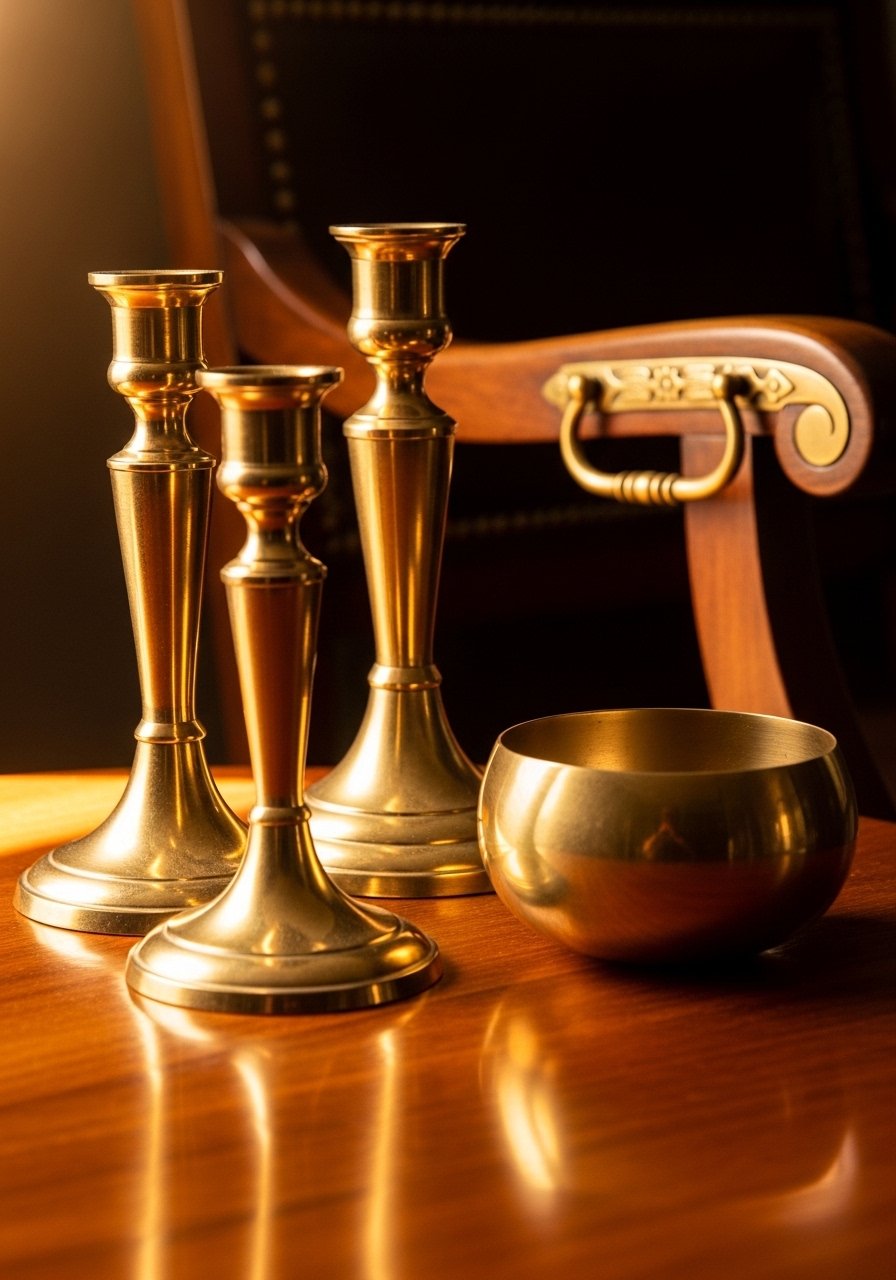
I started adding brass candlesticks and small bowls to warm up cooler palettes. Brass brings a soft glow that photographs well and looks lived-in with gentle patina.
I once bought bright polished brass that felt too shiny; swapping to brushed brass calmed it. Now small brass pieces scatter warmth across the table and sideboard and tie into the chandelier.
Brass paired with wood and linen creates a quiet, slightly formal feeling that still welcomes daily use.
What You'll Need for This Look
20. Centerpiece Layers: Greenery, Candles, Texture

I stopped doing single large centerpieces and started layering small elements—greenery, a set of candles, and a textured runner. The table reads edited but alive.
At first I used tall flowers that blocked faces. I learned low and layered works best for conversation. A shallow ceramic bowl with seasonal greens and two candles keeps things intimate and moveable during service.
These simple layers let me swap items quickly and keep the table working for both weekday dinners and weekend gatherings.
What You'll Need for This Look
21. Floor-Length Curtains to Ground the Room
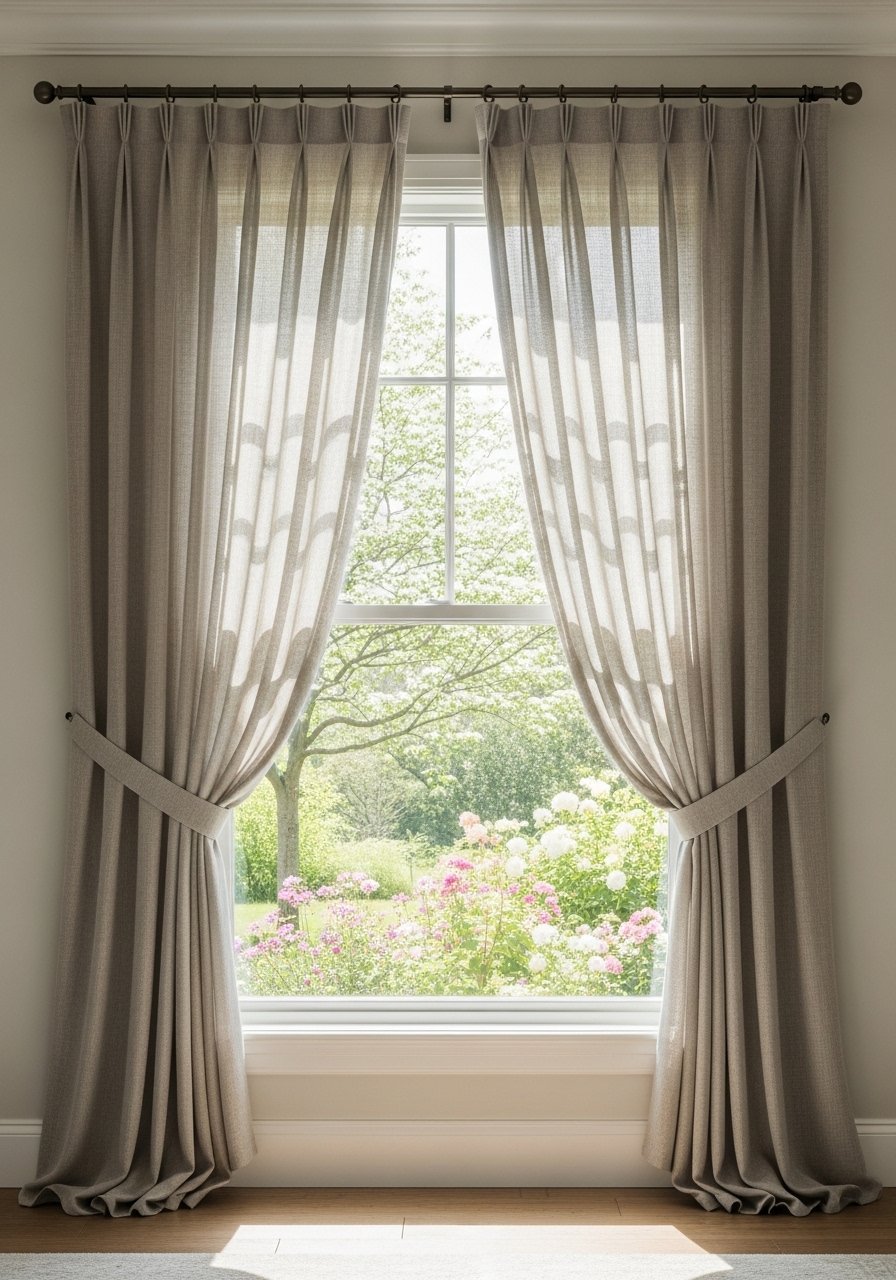
I replaced short valances with floor-length linen curtains and the room immediately read taller. The vertical lines give the table a stage and make windows feel generous.
I once hung curtains too close to the window frame and they swallowed the wall. Moving the rod wider and higher created drama without being flashy. I now always measure up and out before buying fabric.
The linen breathes and hides minor stains; it’s lived-in without feeling unkempt.
What You'll Need for This Look
22. Curated Bar Cart for Entertaining Ease

I introduced a small bar cart when hosting became frequent. It freed the sideboard and kept essentials mobile. The cart doubles as a drink station or a dessert trolley.
My early cart was over-styled and impractical—too many fragile items. I pared it down to a decanter, a couple of glasses, a small tray, and a tool set. The result is useful and tidy under pressure.
I roll it out only during gatherings so it feels like a treat rather than permanent clutter.
What You'll Need for This Look
23. Mix Textures in Earthy Neutrals
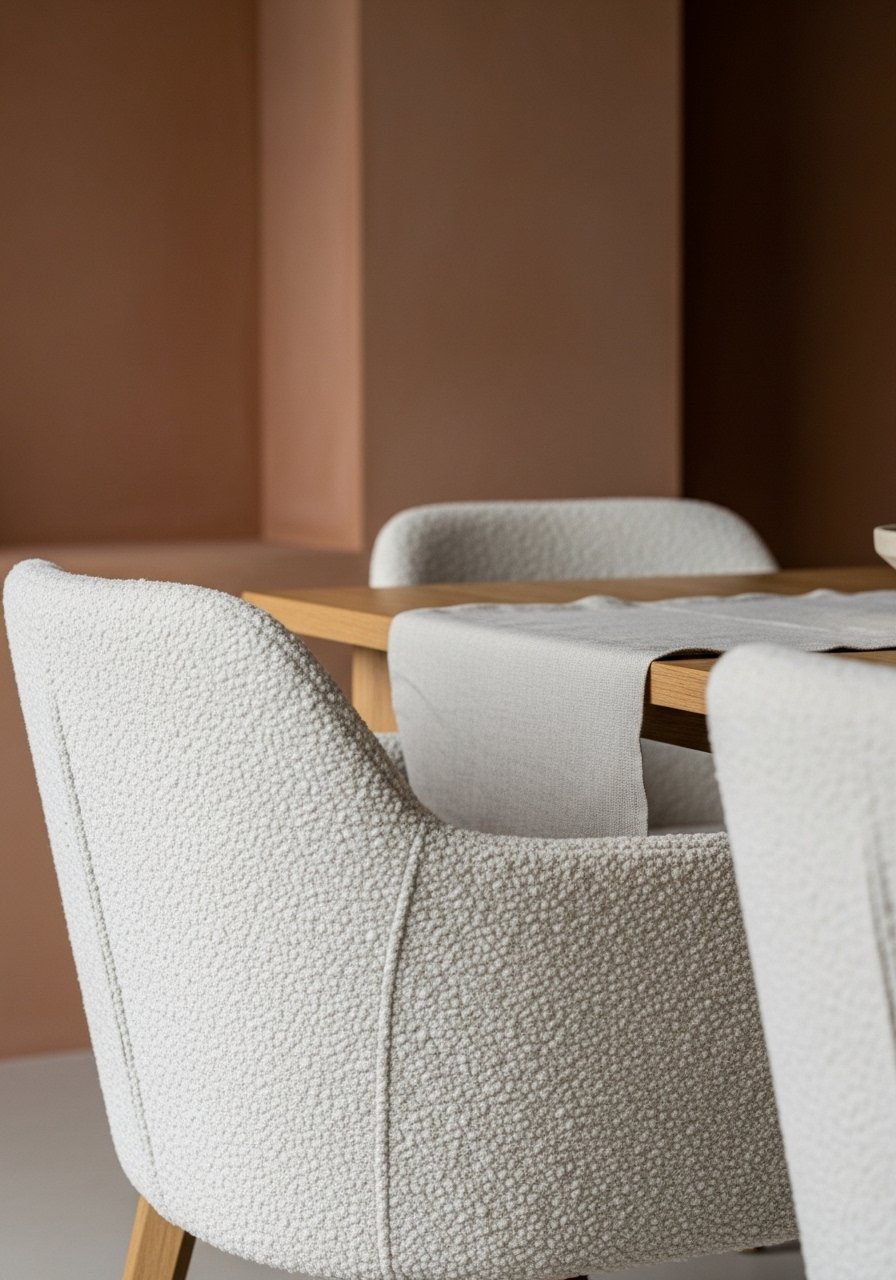
I committed to an earthy neutral palette across walls, textiles, and wood to make the room feel calm and collected. Clay, warm beige, and walnut create a backdrop where small accents shine.
I once made everything one texture and it read flat. Introducing wool chairs, linen curtains, and a jute rug added layers without adding more color. The result is a room that feels intentional and restful.
This palette is forgiving—scratches and wear blend in instead of screaming for repair.
What You'll Need for This Look
24. Practical Storage: Stylish Sideboard with Organization

I replaced a cluttered corner with a sideboard that stores linens, extra plates, and candles. It keeps the tabletop clear and makes setup faster before guests arrive.
I learned to use baskets and labeled bins inside—my first sideboard had everything loose and it became a dumping ground. Now there’s a spot for napkins, a spot for chargers, and one drawer for candles.
A tidy sideboard makes the room feel calm even when life is messy. It’s where I confine the overflow and still feel proud of the space.
What You'll Need for This Look
Final Thoughts
I don’t do every idea at once. I add one thoughtful change and live with it. Then I tweak.
These 24 ideas are small, real fixes that made my dining rooms feel used and loved. I trust that one good choice will ripple through the whole space.