
I stared at my living room for weeks, convinced it needed more things. I brought home pillows, prints, trinkets. It only looked busier and quieter at the same time. Finally I realized the problem was not quantity. It was that nothing had permission to command attention.
My first attempt was all medium-sized items fighting for focus. The second was the opposite, one too-large lamp that swallowed the sofa. The method I settled on solved that tug-of-war. It lets one statement piece do the heavy visual lifting while the rest supports it, so the room reads calm and confident.
Step 1: Choose a single statement piece and commit
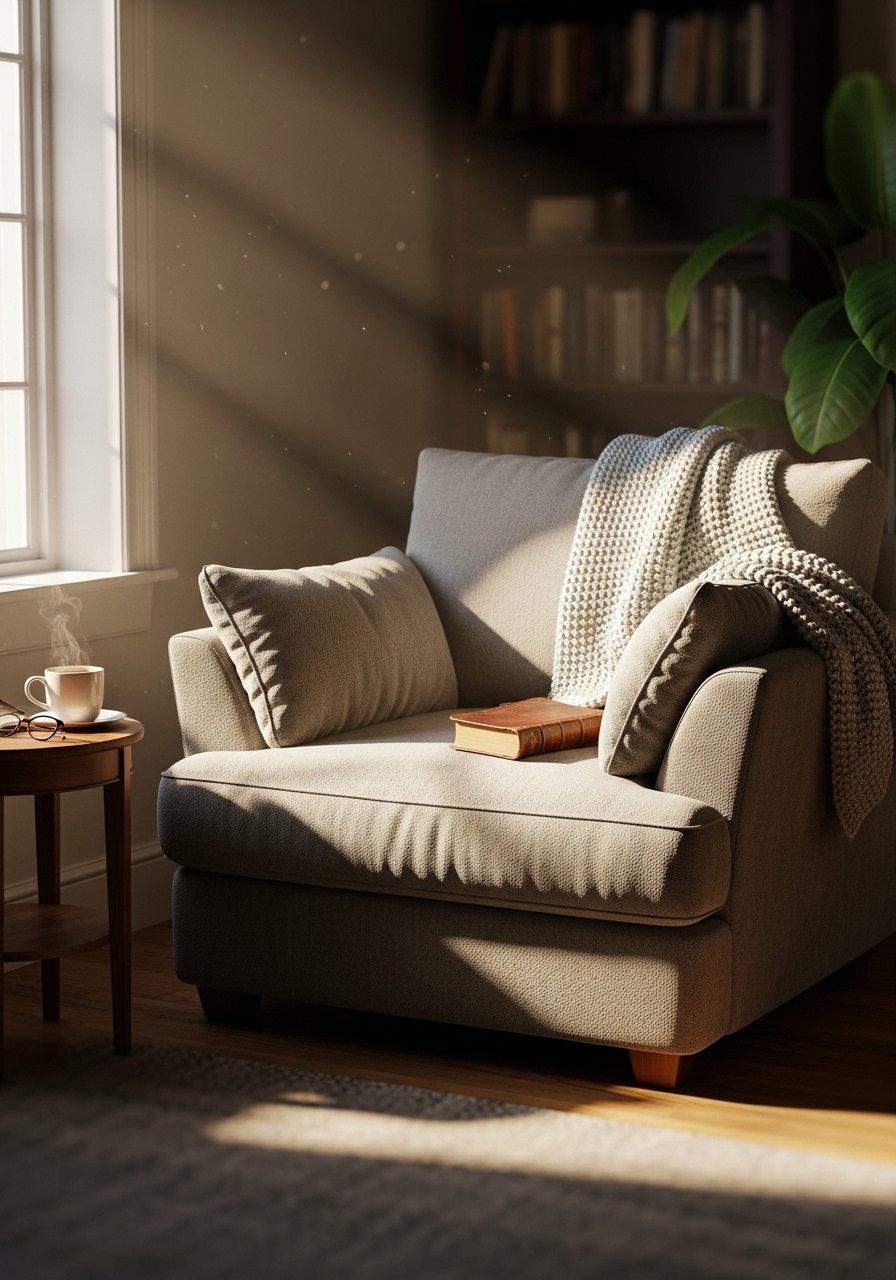
Pick the one thing that will set the room’s personality. For me it was an oversized blue velvet armchair about 36 to 40 inches wide. If you are choosing art, aim for a piece that is roughly two thirds to three quarters the width of your sofa. That proportion feels intentional without overwhelming the wall. A heavy wood table will feel solid in your hands, a sculptural metal chair feels cool and precise. Common mistake, start shopping for accessories first. Do not do that. Commit to the big piece, then bring smaller items to support it.
Step 2: Anchor the room with a grounding element
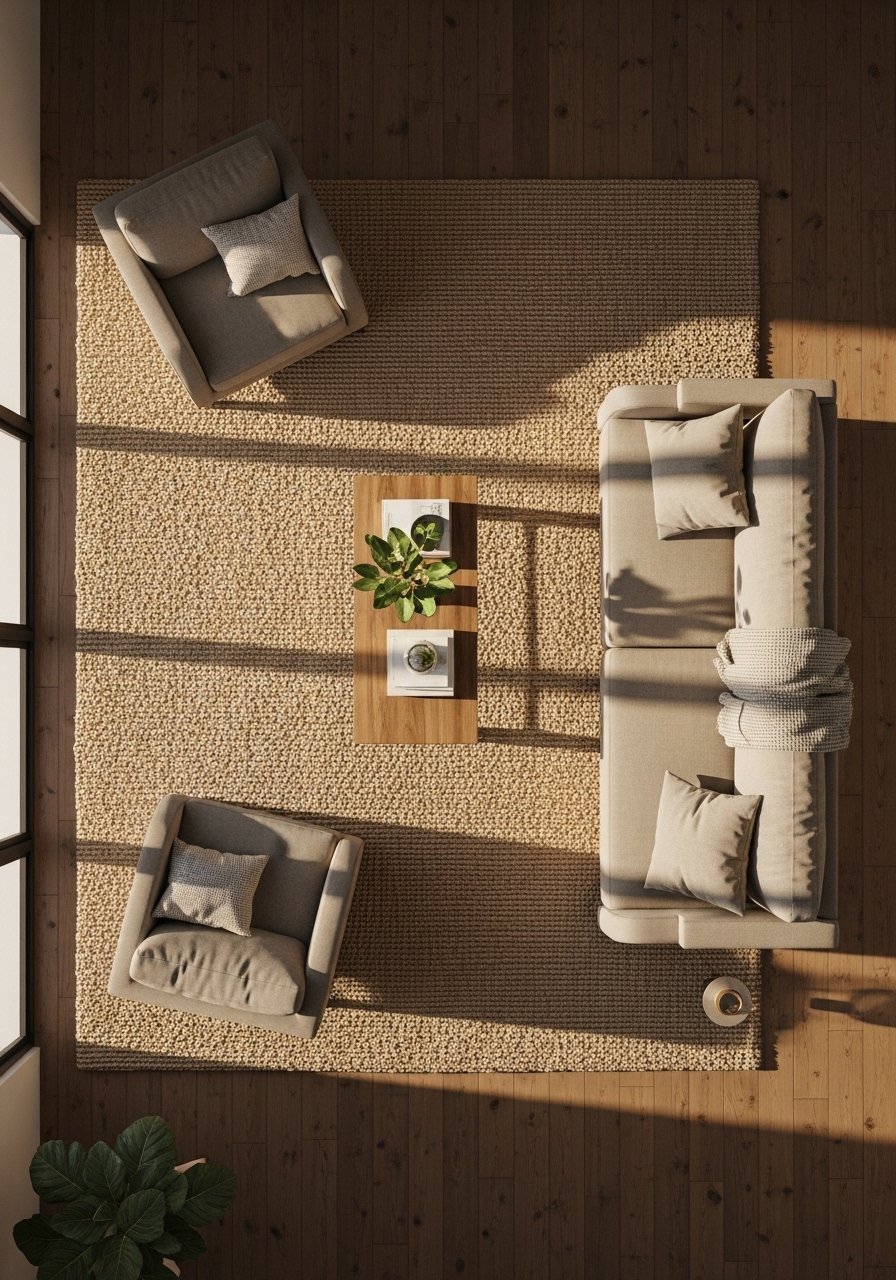
After I bought the chair I realized the room still floated. A rug that reaches under the front legs of all seating tied everything together. Aim for 18 to 24 inches of rug beyond a sofa’s front legs if you have space, or choose a rug that fits all furniture legs on it in smaller rooms. Jute feels rough and organic underfoot, wool is softer and warmer. I learned the hard way that a too-small rug makes the statement piece look like it is on an island. Bigger is usually better, as long as the proportions match the furniture layout.
Step 3: Layer supporting pieces for scale and rhythm
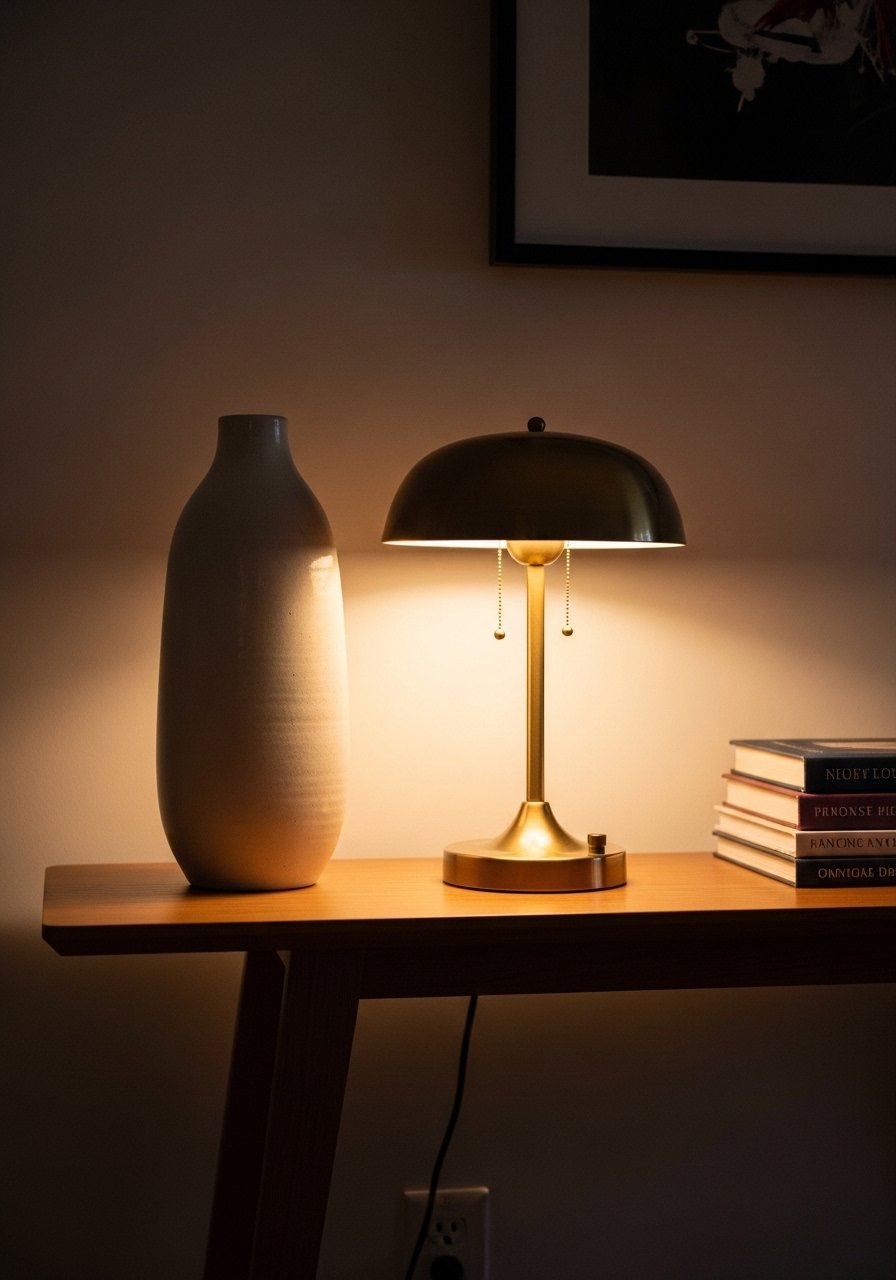
Think one large, two medium, three small. That formula gives scale and rhythm without clutter. Put your tall item next to the statement piece, a medium item opposite it, and balance with a trio of smaller objects. The mistake most people make is lining up items by height only. Instead vary texture and weight. A matte ceramic vase feels heavy and quiet, a glass object reads lighter. I ruined my first arrangement by using three identical white vases. It was boring. Swap one for a woven basket or cloth-covered book to add contrast.
Step 4: Give things room to breathe, then edit
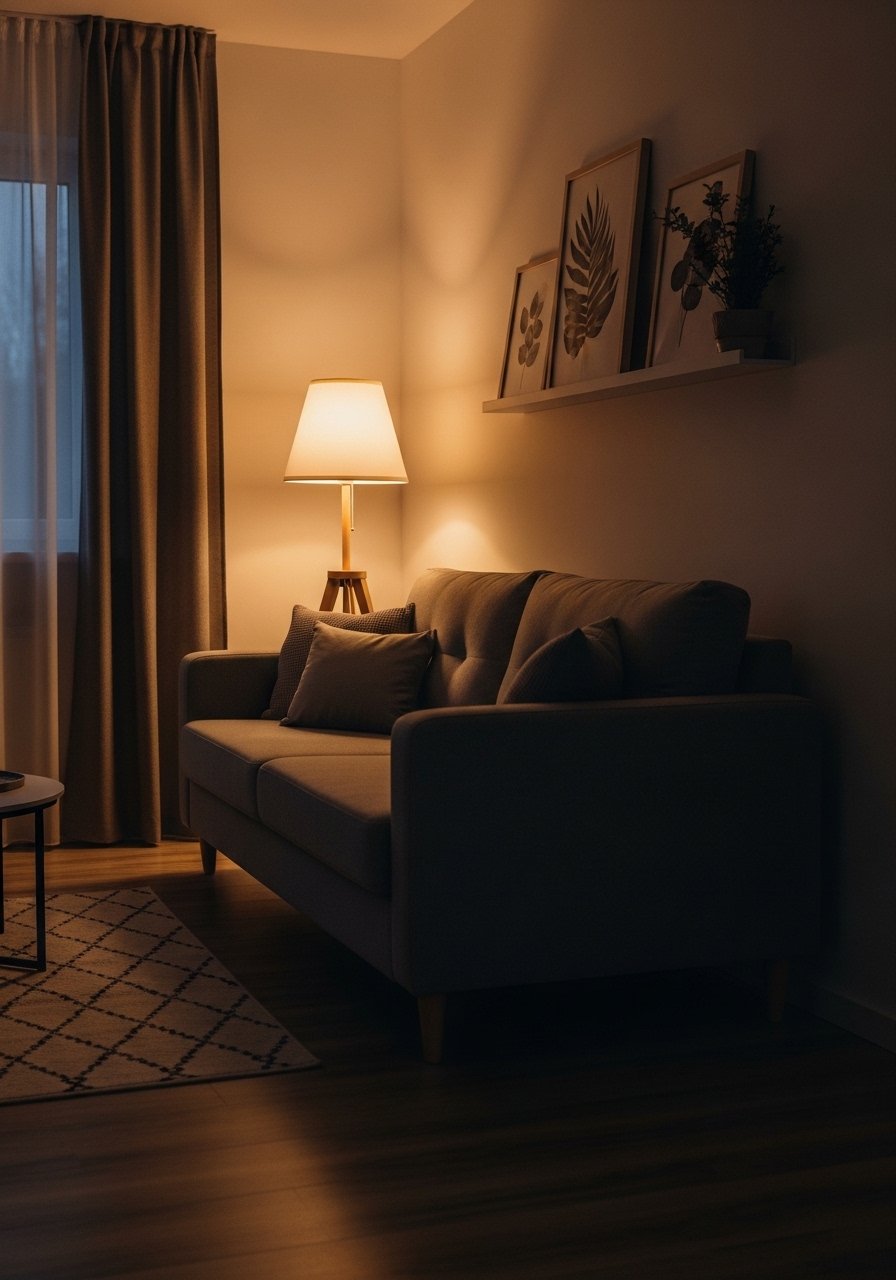
Negative space is your friend. Hang art about 6 to 8 inches above a sofa. Leave 2 to 4 inches between objects on a shelf so each piece reads on its own. My shelves looked cluttered when I filled every inch because I was afraid of empty space. The fix was brutal at first. I removed half of it and felt nervous. Walk away, come back, and you will see what's missing or too much. One mistake I still make, I sometimes add a small plant that keeps tipping over. If you have pets, choose heavier planters.
Step 5: Live with it, edit after a week
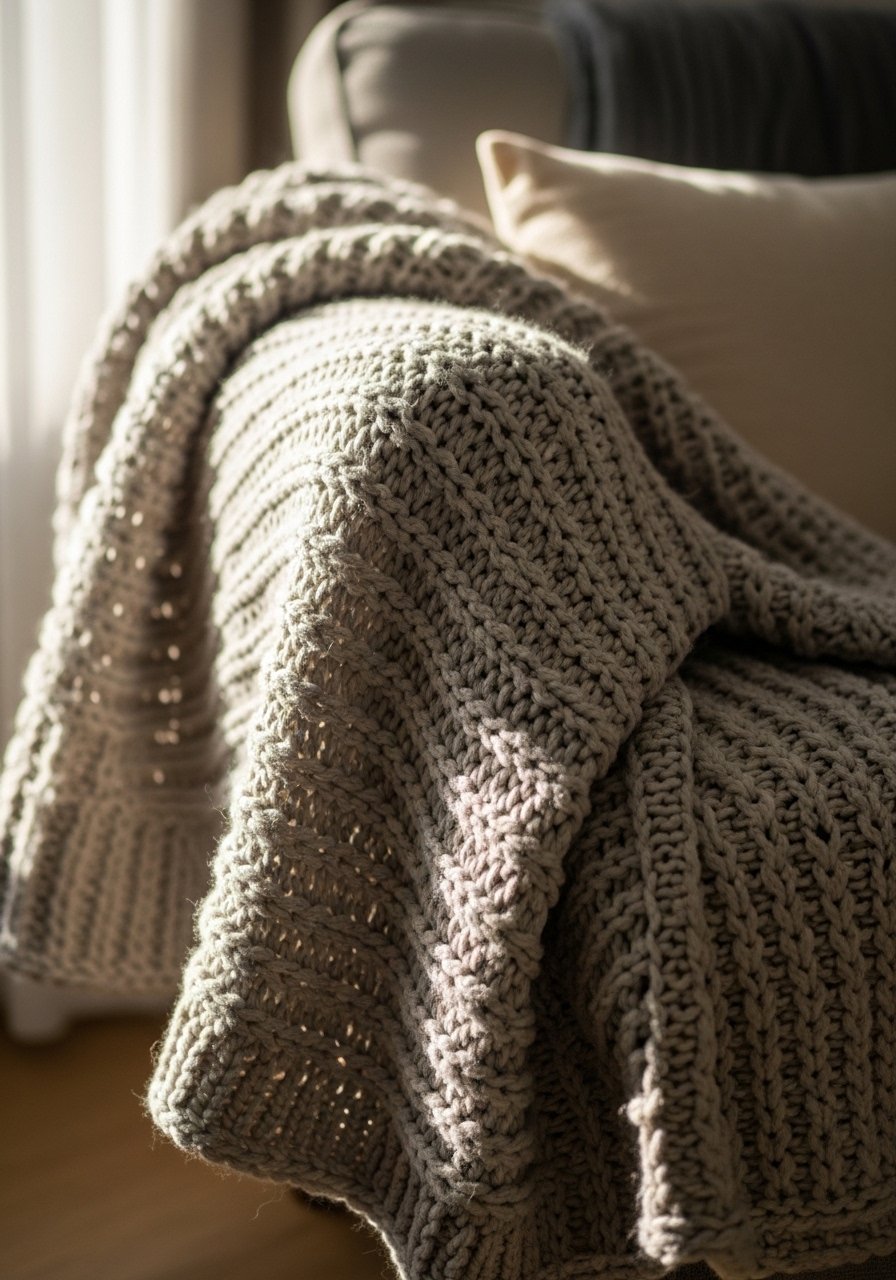
The final step is patience. A styled room needs a few real-life days to tell you what works. I left mine for a week and noticed the lamp glare at night, the armchair was slightly too far from the coffee table, and the boucle pillow collected every crumb. Edit after daily use. Move the chair two inches, swap a pillow for a firmer one, or add a low tray to catch clutter. Small changes feel risky while you do them, but after living with the room you will feel confident that the statement piece earned its place.
What to Grab for a Statement-Piece Room
Oversized velvet armchair, 36-40 inches, blue ($300-450). Use in Step 1 to anchor a corner or seating group.
Jute area rug, 8×10 ($90-160). Grounding element for Step 2, coarse texture underfoot.
Chunky knit throw in oatmeal, 50×60 ($40-65). For Step 5, adds soft tactile contrast.
Ceramic vase set, matte white, tall-medium-small ($25-40). Use in Step 3 to create height.
Brass picture ledges, 24-inch pair ($18-30). Helps with Step 4, easy to swap art without holes.
Sculptural coffee table, 36-inch round, solid wood top ($150-350). Balances larger seating pieces in Steps 2 and 3.
Adjustable floor lamp, brass finish, 63-70 inches tall ($60-120). Provides task and ambient light in Steps 3 and 5.
Set of linen throw pillows, 18×18, neutral mix ($30-55). Swap in Step 5 for texture and color.
Why rooms still feel off after adding a statement piece
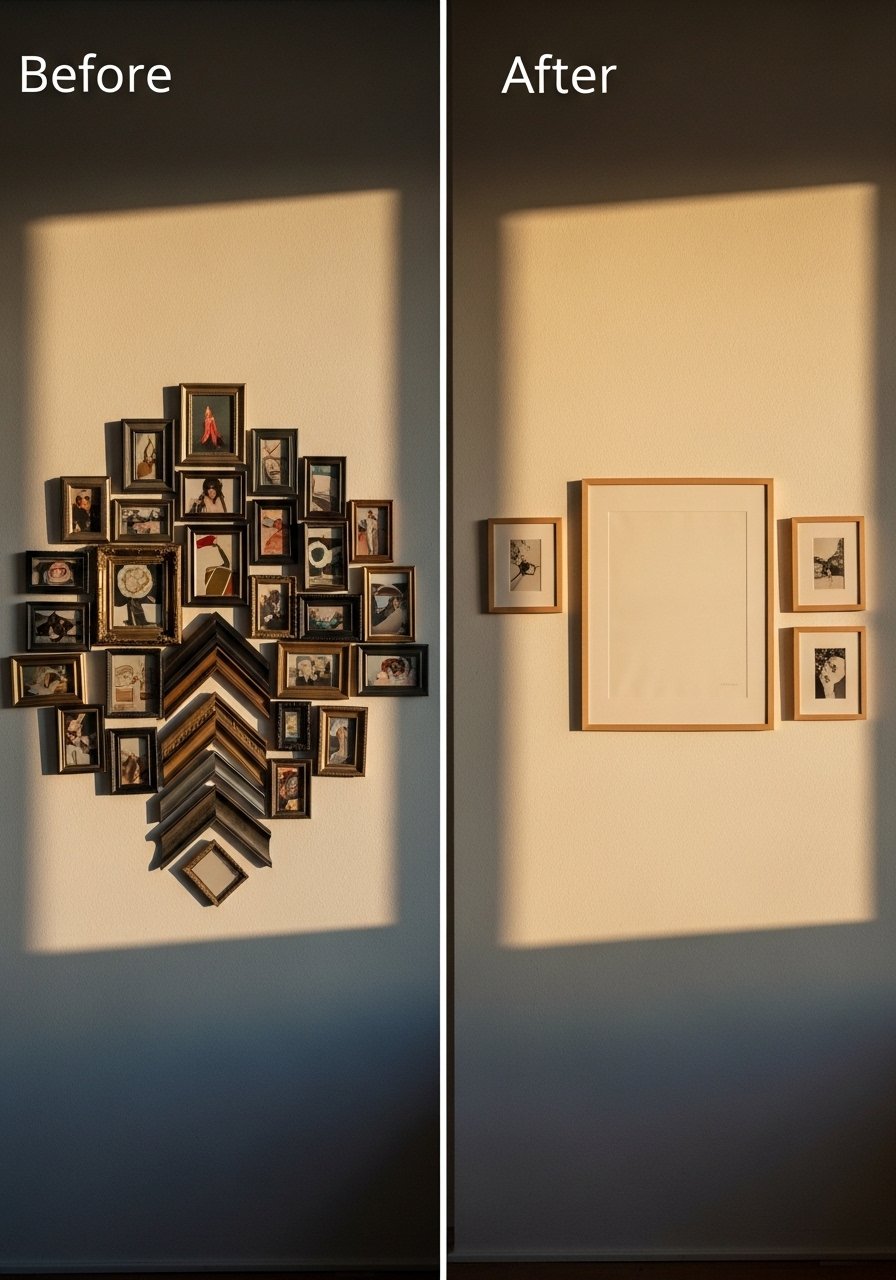
Most people assume a large item fixes everything. It does not. A statement piece needs supporting relationships. If the art is too small for the wall or the rug does not reach furniture legs, the centerpiece will look tacked on. Common fixes are simple, but they require editing. Remove small items that crowd the area. Make sure the rug and seating relate to each other. And accept that the first version will feel wrong. My first arrangement looked like the chair belonged in another house. After repositioning and adding a medium side table, the chair finally read like it was meant to be there.
Making this work in a small room
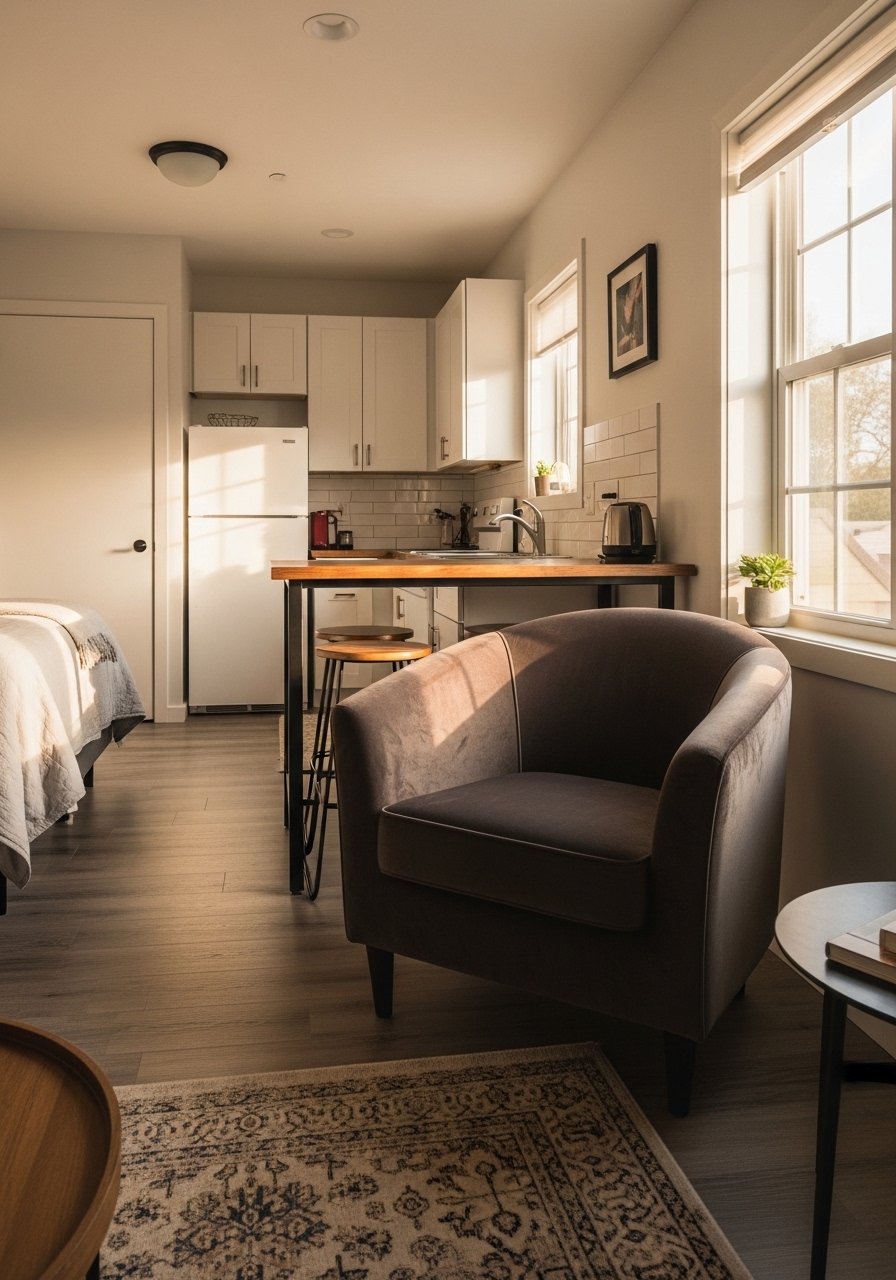
Small rooms need scaled-down statement pieces. Choose a chair 28 to 32 inches wide or an art piece that covers about 60 to 70 percent of the wall width above a narrow sofa. Use vertical elements to draw the eye up, like a tall plant or floor lamp. Bulky rugs can make a small room feel claustrophobic, so leave about 18 inches of visible floor against the wall if you must use a smaller rug. If you rent, opt for leaning art on picture ledges instead of wall anchors.
What this looks like after a week with kids and pets
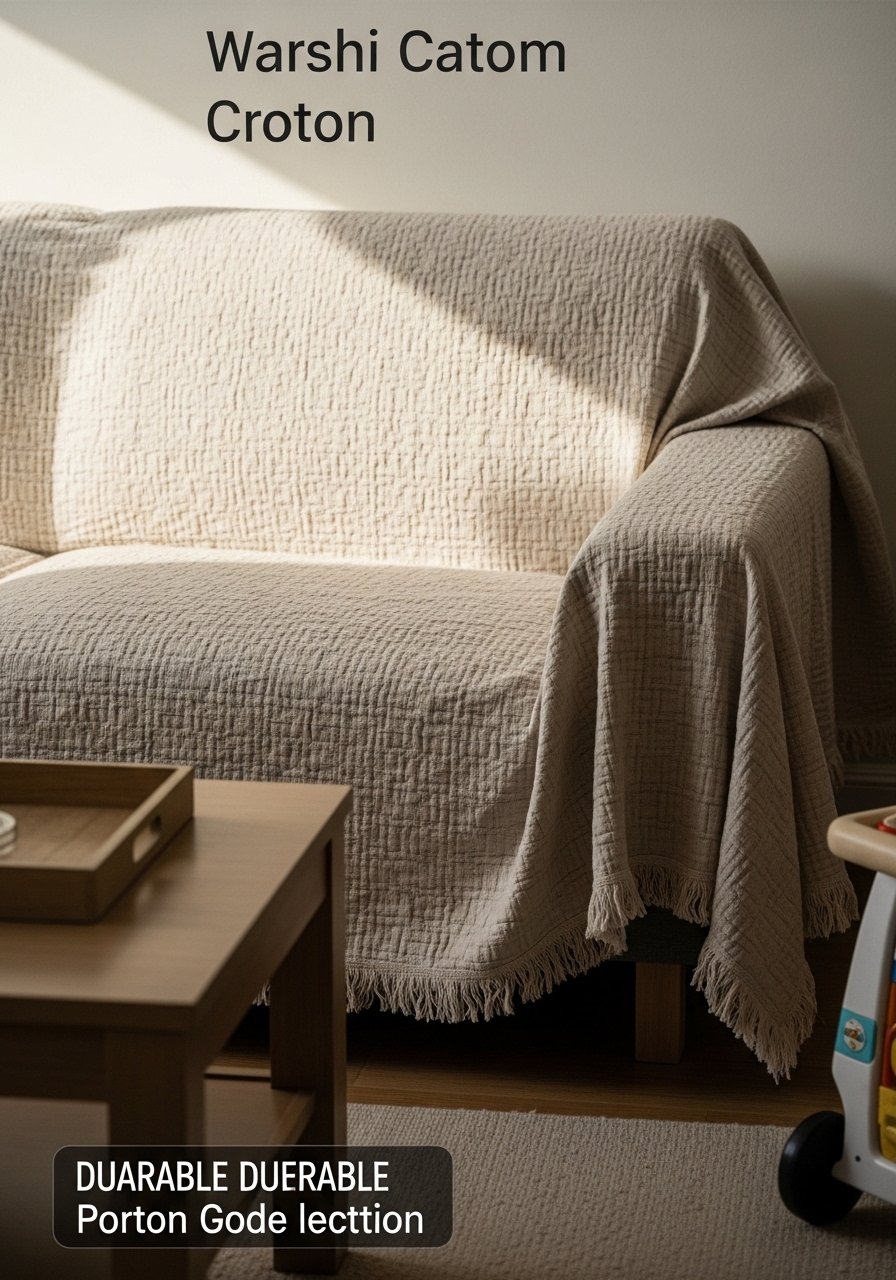
Real life will test your styling choices. If you have kids or pets, pick fabrics that wash easily and add a low tray to collect daily clutter. I swapped my delicate linen pillows for washable covers after a spill. The jute rug held up to traffic but snagged on a dog's collar once, so I moved it and put a sturdier wool blend in the highest-traffic zone. Plan for wear. A statement piece should still feel like furniture, not museum art. If something gets knocked over, make it heavier or place it where it is less likely to be hit.
Start With One Corner
Pick a corner, pick one statement piece, and style everything else to support it. Start small so you do not get overwhelmed. Move the chair two inches, step back, and live with it for a few days before adjusting. If you want a low-commitment starter, grab one textured throw from the shopping list and use it to see how your chosen statement piece reads with softer elements around it. After a week you will know what to keep and what to edit.