
I burned through a few trendy buys before I understood Japandi isn’t about emptiness — it’s about quiet choices that feel lived in. I pinch materials, not color; I pick pieces that invite touch.
These ideas come from real rooms, real mistakes, and things I kept. You can do this slowly, one shelf or cushion at a time.
21 Serene Japandi Decor Ideas That Balance Warmth and Minimalism
These 21 ideas are practical, small-step changes I used in my home. Each one includes what I bought, what went wrong once, and simple links so you know exactly where to look. Use them room by room or pick three that call to you.
1. Low-Profile Seating with Tatami and Floor Cushions
I switched to a tatami area when my sofa felt too formal. Sitting lower changed how the room breathes. I used a simple tatami mat with two linen floor cushions and the space immediately felt quieter and more intimate.
I accidentally bought cushions that were too firm at first. I returned them and chose softer, overstuffed covers — night-and-day difference.
Aim for one low bench, two cushions, and a thin jute rug. Keep scale small so walking flow isn’t blocked.
What You'll Need for This Look
2. Layered Neutral Textiles That Make a Room Feel Finished
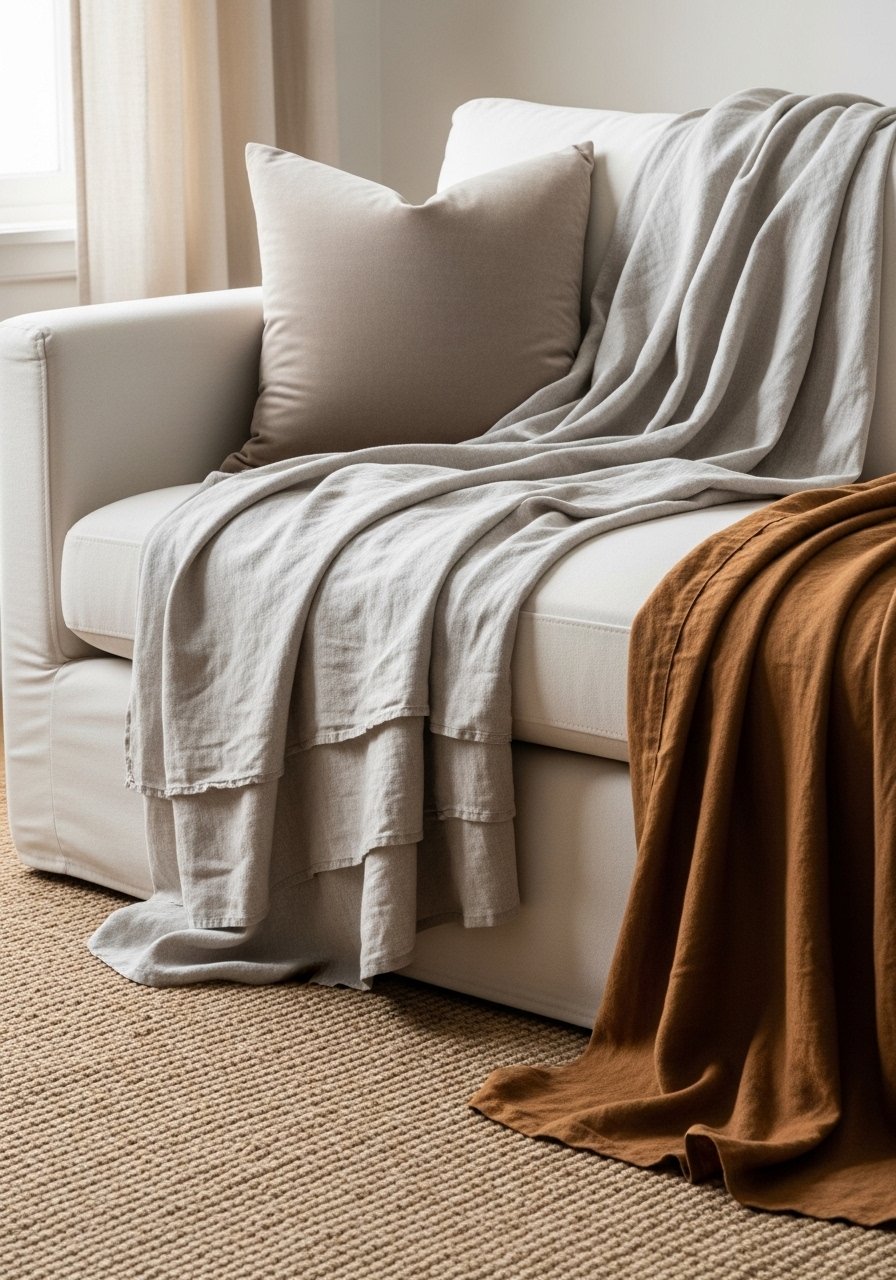
I used to stop at one throw. Then I layered linen, a muted velvet cushion, and a thin wool blanket. The result felt cozy instead of cold.
The trick I learned? Mix matte linen with a tiny sheen like brushed velvet. At first I overdid pattern; plain tonal pieces feel more Japandi.
Keep textures close in tone. Let every layer have a job: warmth, softness, or contrast. Small pillows (18–20") work best.
What You'll Need for This Look
- Linen throw blanket (50×60), warm beige
- Brushed velvet pillow cover, muted taupe (18×18)
- Thin wool blanket, stone
3. Handmade Pottery Grouped on Open Shelves
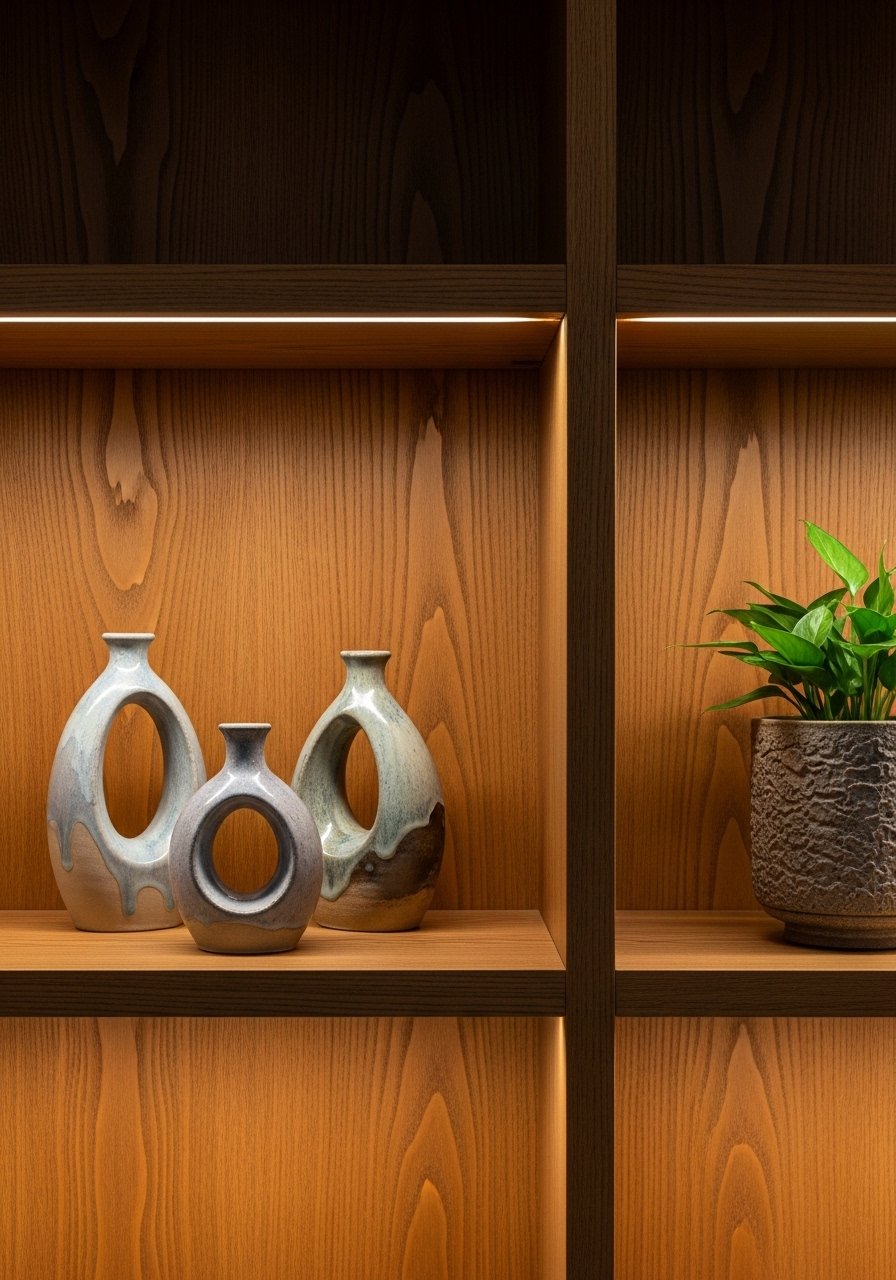
I started displaying one vase and it looked lonely. Grouping three hand-thrown pieces made the shelf feel intentional. The imperfections read as personality, not mess.
I once bought glossy mass-produced pottery that clashed with the shelf’s wood. The handmade pieces with matte glazes fit much better.
Keep sizes varied and leave breathing room. A small ceramic bowl for keys or a shallow plate under a plant makes the group feel like a moment, not a collection.
What You'll Need for This Look
- Handmade matte ceramic vase, neutral
- Small stoneware planter, sand
- Shallow ceramic bowl, earthen glaze
4. Tonal Wall with a Dark Ebonized Accent Shelf
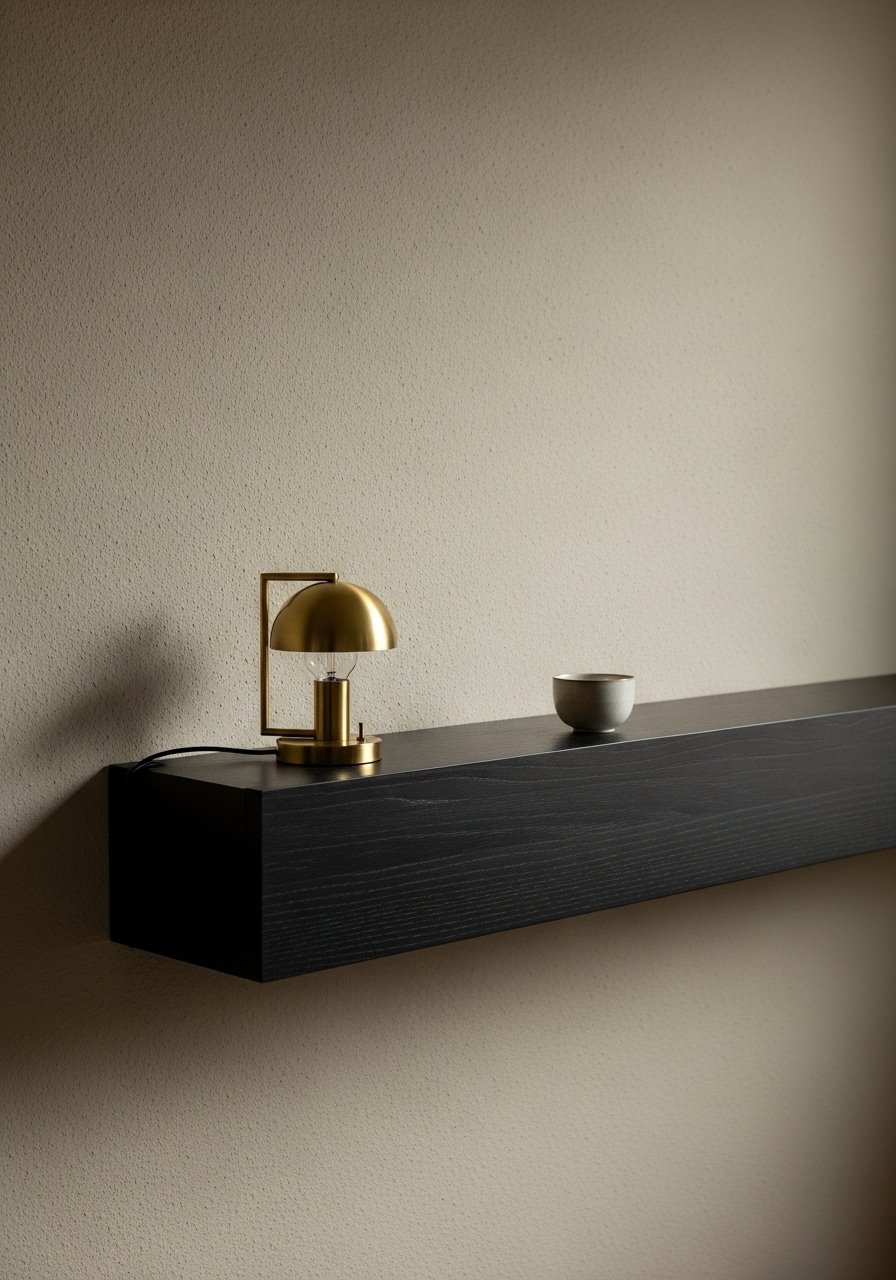
I painted one living-room wall a mushroom-beige and added an ebonized floating shelf. The dark wood gave the room structure without shouting.
My first shelf was too wide and collected junk. I swapped to a narrow floating shelf; now it frames objects rather than storing them.
Use one dark accent against warm neutrals for depth. Keep the shelf minimal — one plant, one ceramic, one book.
What You'll Need for This Look
- Neutral mushroom paint sample
- Ebonized floating shelf, dark wood
- Mini brushed brass table lamp, matte
5. Low Wooden Console with Brushed Brass Accents
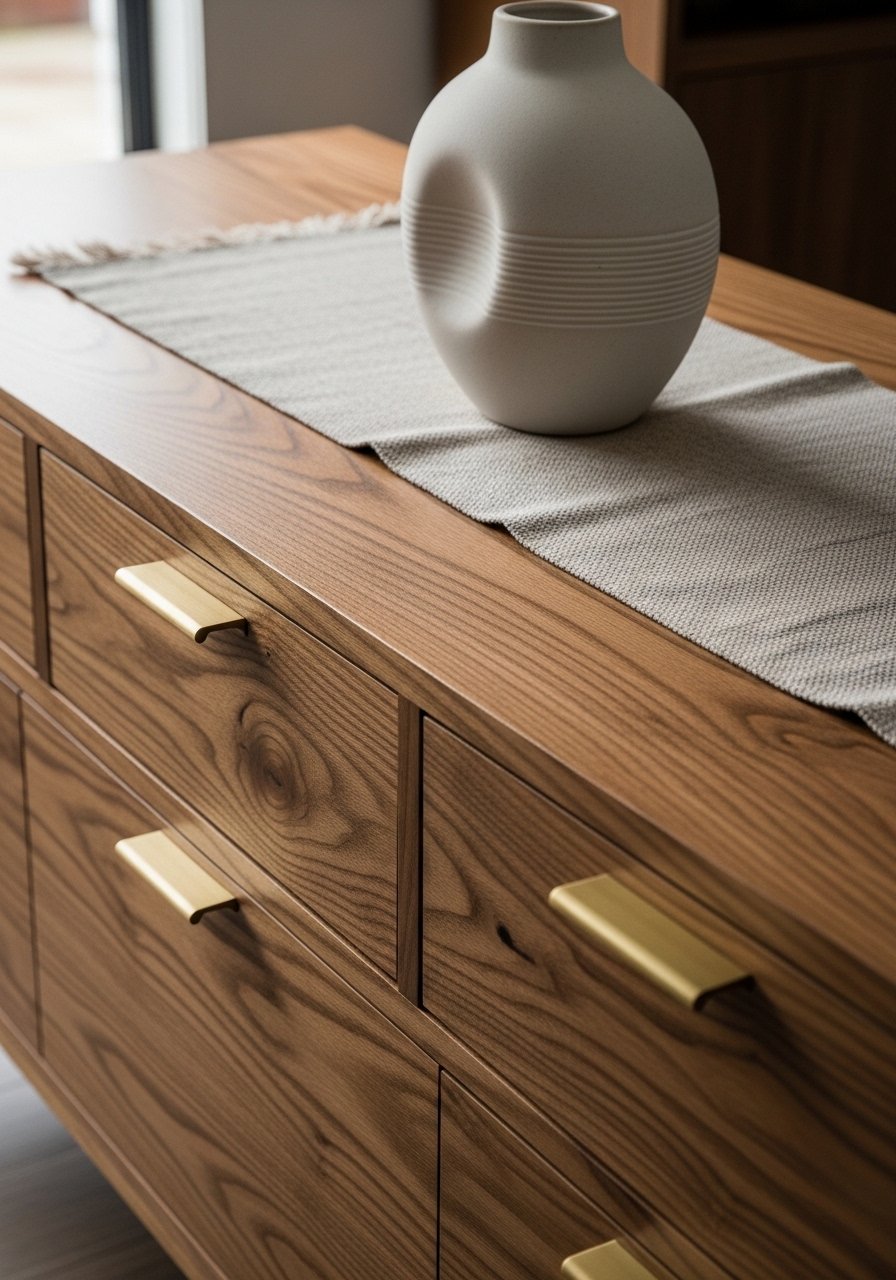
I swapped a tall entry table for a low walnut console. It grounds the entry and visually widens the hallway. The brushed brass pulls add the smallest bit of warmth.
I made the mistake of choosing big, shiny hardware first. Brushed finishes feel softer and age better in my home.
Style with one tray for keys, a small pottery piece, and a shallow dish for masks. Keep the console surface calm and habitual.
What You'll Need for This Look
6. Jute Rug Anchoring a Neutral Seating Area
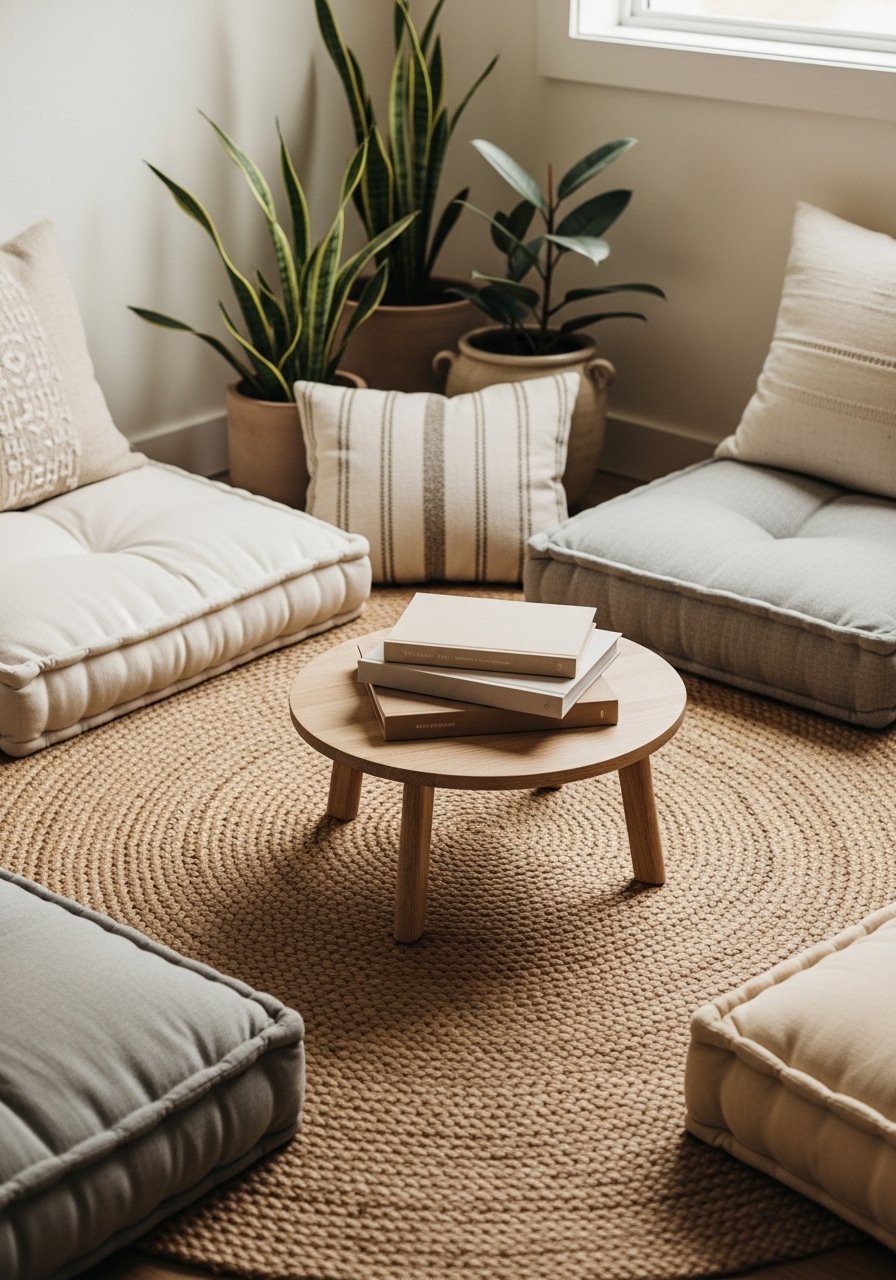
I learned the hard way that not every rug suits a low seating layout. A jute rug adds texture without stealing focus. The room feels grounded and tactile now.
At first, I chose a rug with a busy pattern. It fought the calm. The plain, slightly worn jute reads as lived-in and forgiving.
Pick a size that leaves the front legs of chairs on the rug. Layer a thinner wool runner under the coffee table for softness underfoot.
What You'll Need for This Look
7. Functional Storage Baskets That Hide Kid and Pet Stuff

I needed storage that looked like decor. Lidded woven baskets under a bench saved the room’s calm and hid toys and pet leashes instantly.
I once tried clear plastic bins; they broke the look and showed everything. Natural fiber baskets visually quiet the clutter.
Use 2–3 matching baskets and label inside if you need. Place one by the door for quick drop-offs and one under a console for blankets.
What You'll Need for This Look
8. Single Statement Plant in a Matte Ceramic Planter
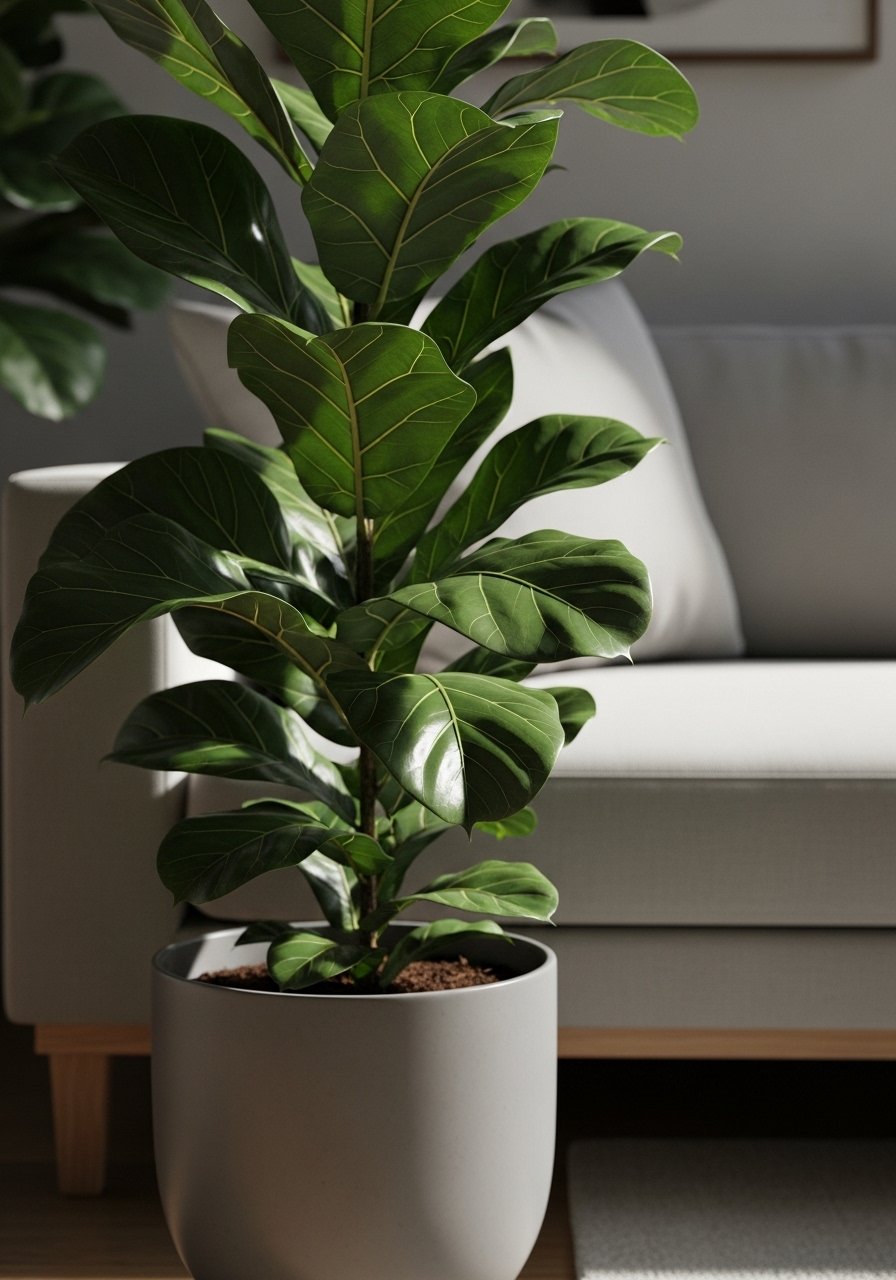
I used to cluster lots of plants and it read as clutter. One substantial plant in a textured ceramic pot gives the room life without chaos.
I once picked a delicate plant that didn’t survive my neglect. Now I choose hardier species and a planter with drainage saucer.
Place the plant next to seating so it feels part of conversation. Let the planter be tactile — matte ceramic or stoneware.
What You'll Need for This Look
9. Low Bench as a Coffee Table Alternative
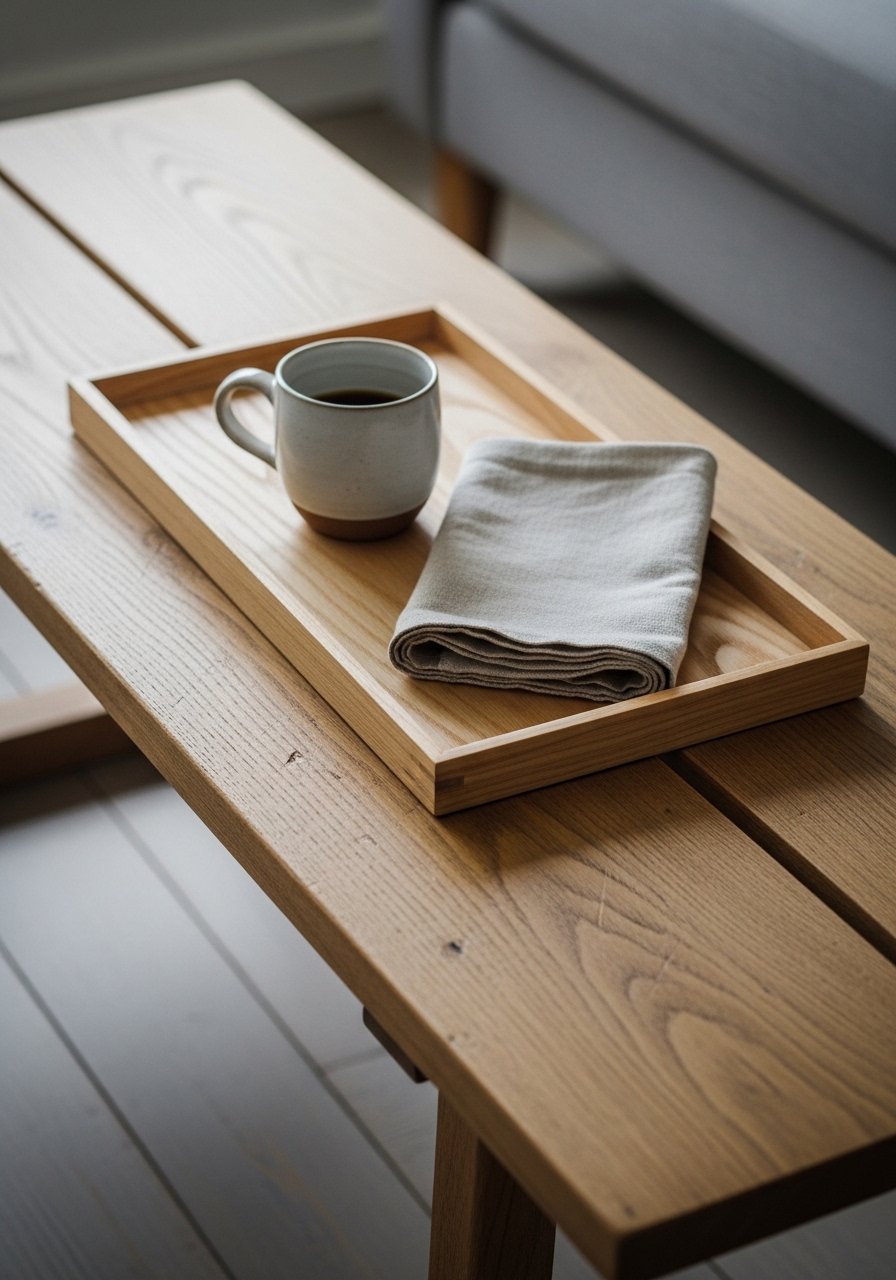
I swapped a bulky coffee table for a low wooden bench. It made the seating feel more open and invited people to use the surface casually.
My first bench was too narrow and felt precarious with drinks. A wider, sturdier bench fixed that; now it’s the room’s calm anchor.
Top with a small wood tray, one ceramic, and a stack of thin books. Keep it low and functional; it should encourage relaxed posture.
What You'll Need for This Look
- Low wooden bench, 48-inch
- Light wood serving tray, rectangular
- Thin neutral coffee table books (stack of 2)
10. Brushed Velvet Accent Pillow on Raw Linen Sofa
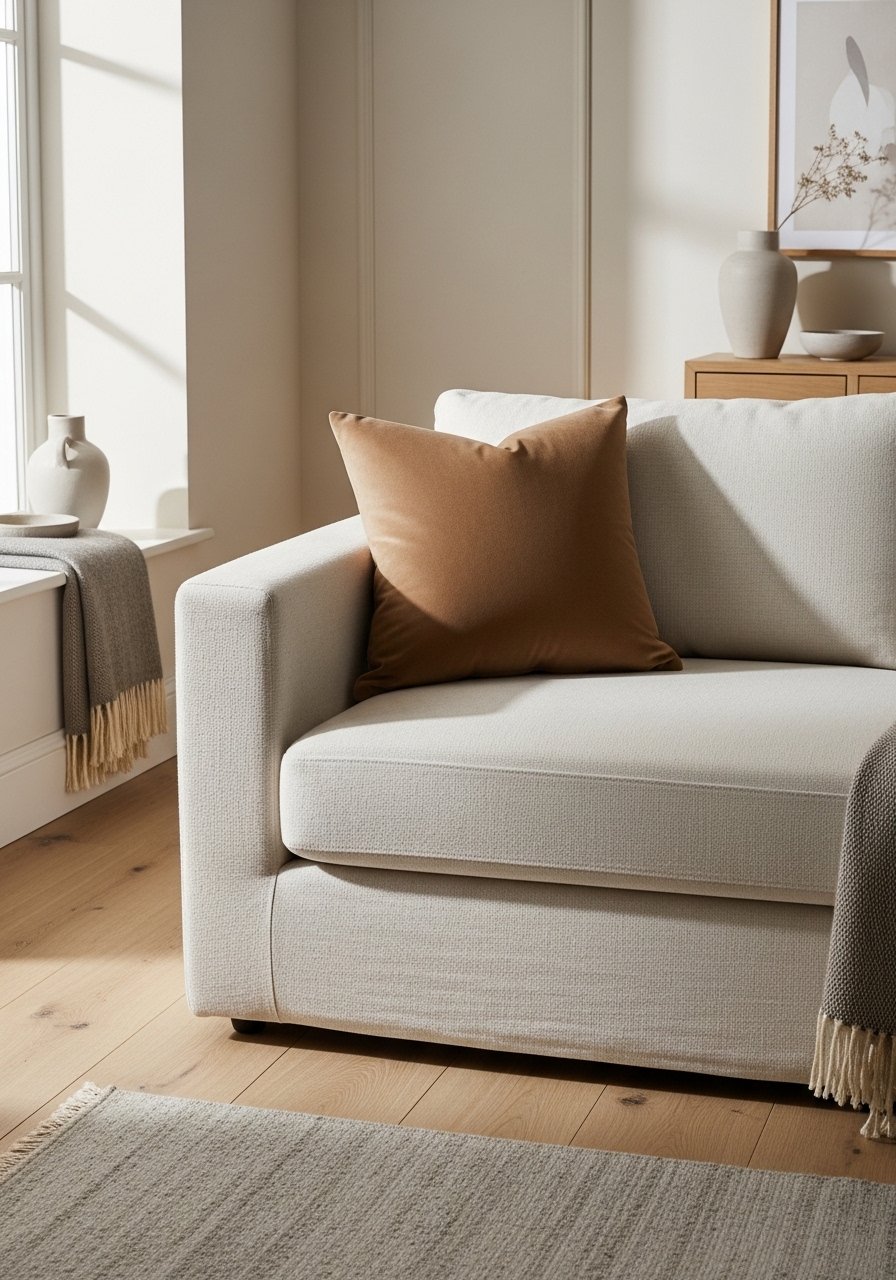
I love linen sofas but they can look unfinished. One brushed velvet cushion in a muted tone made the sofa feel intentional and inviting.
At first I overstacked pillows and the sofa read fussy. One velvet pillow gives contrast without clutter.
Match the pillow tone to the room’s mushroom or taupe accents. Keep shapes simple — an 18" square is usually right.
What You'll Need for This Look
11. Minimal Wall Sconces in Brushed Brass
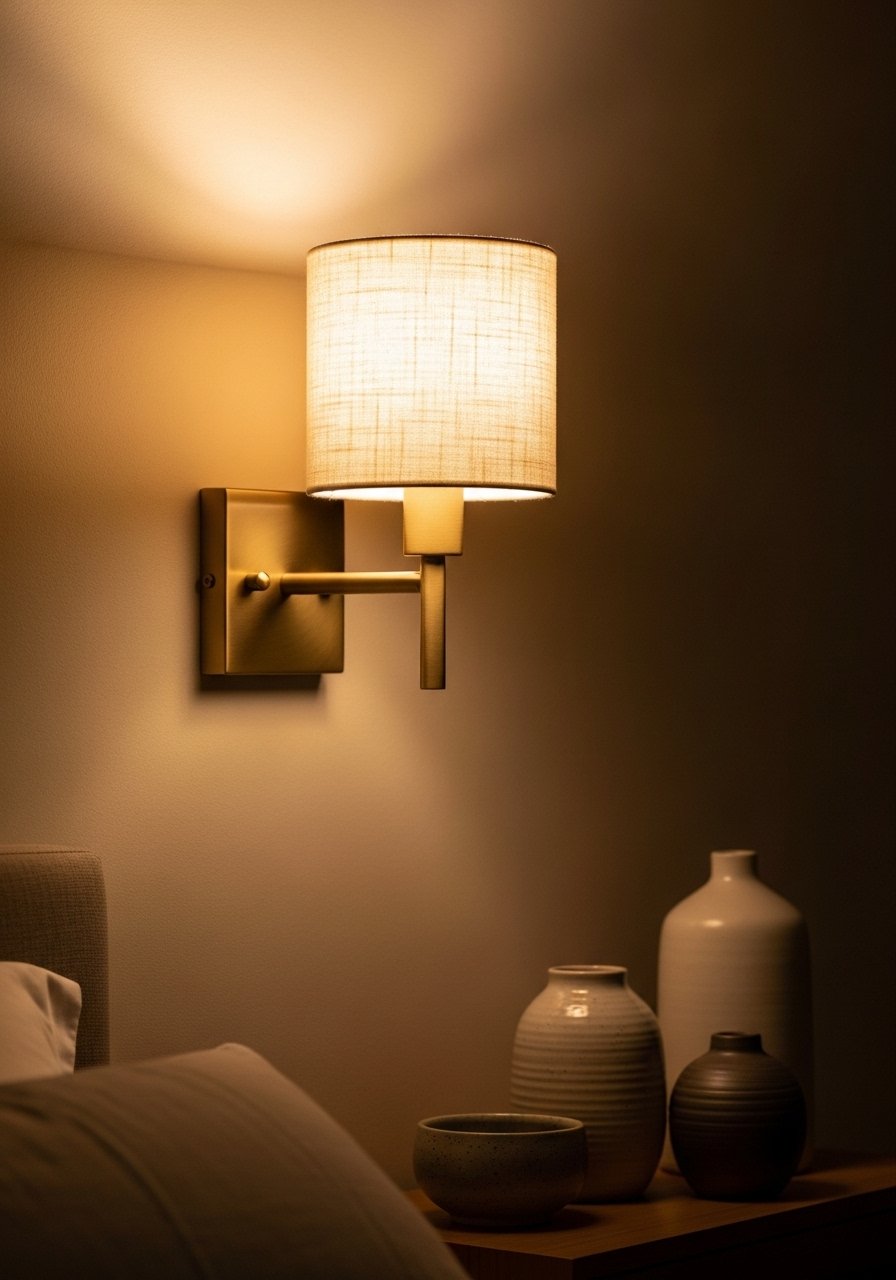
I replaced an oversized lamp with a pair of minimal brass sconces. The light is softer and the bedside table finally breathes.
I once installed a sconce that pointed too far out and hit heads. Choose low-profile arms and install slightly higher than you think.
Pick warm bulbs and linen shades for gentle wash. The brass anchors small nightstands without being flashy.
What You'll Need for This Look
12. Low Sofa Bed in Bamboo for Guest Flexibility
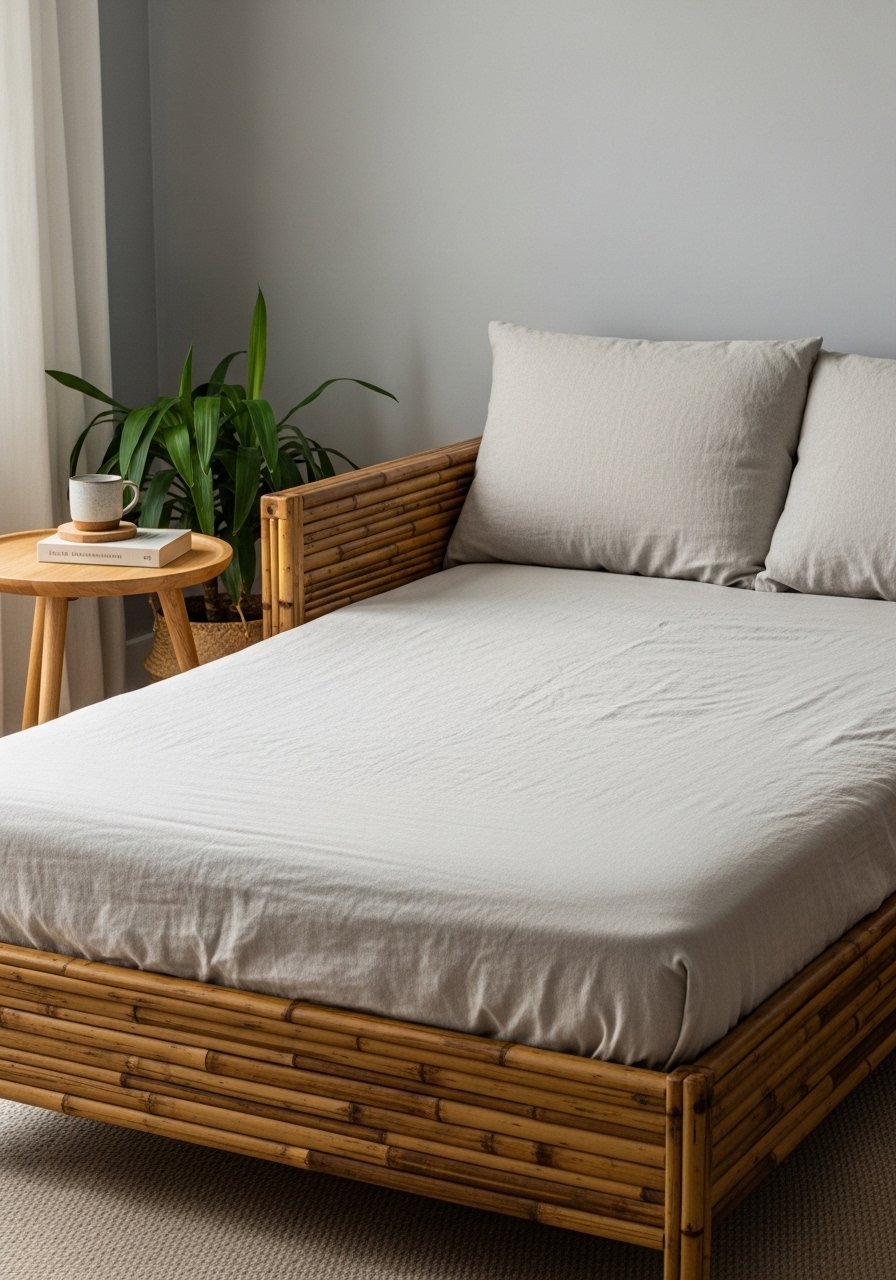
I needed a guest bed without a spare room. A low bamboo sofa bed solved that and kept the lounge vibe calm.
My first mattress was too thin; guests complained. I upgraded to a slightly thicker fold-out mattress and it made all the difference.
Choose a neutral linen cover so the piece blends into the room. Keep throw cushions simple and stash extra bedding in a basket.
What You'll Need for This Look
13. Wabi-Sabi Driftwood Side Table That Ages Well
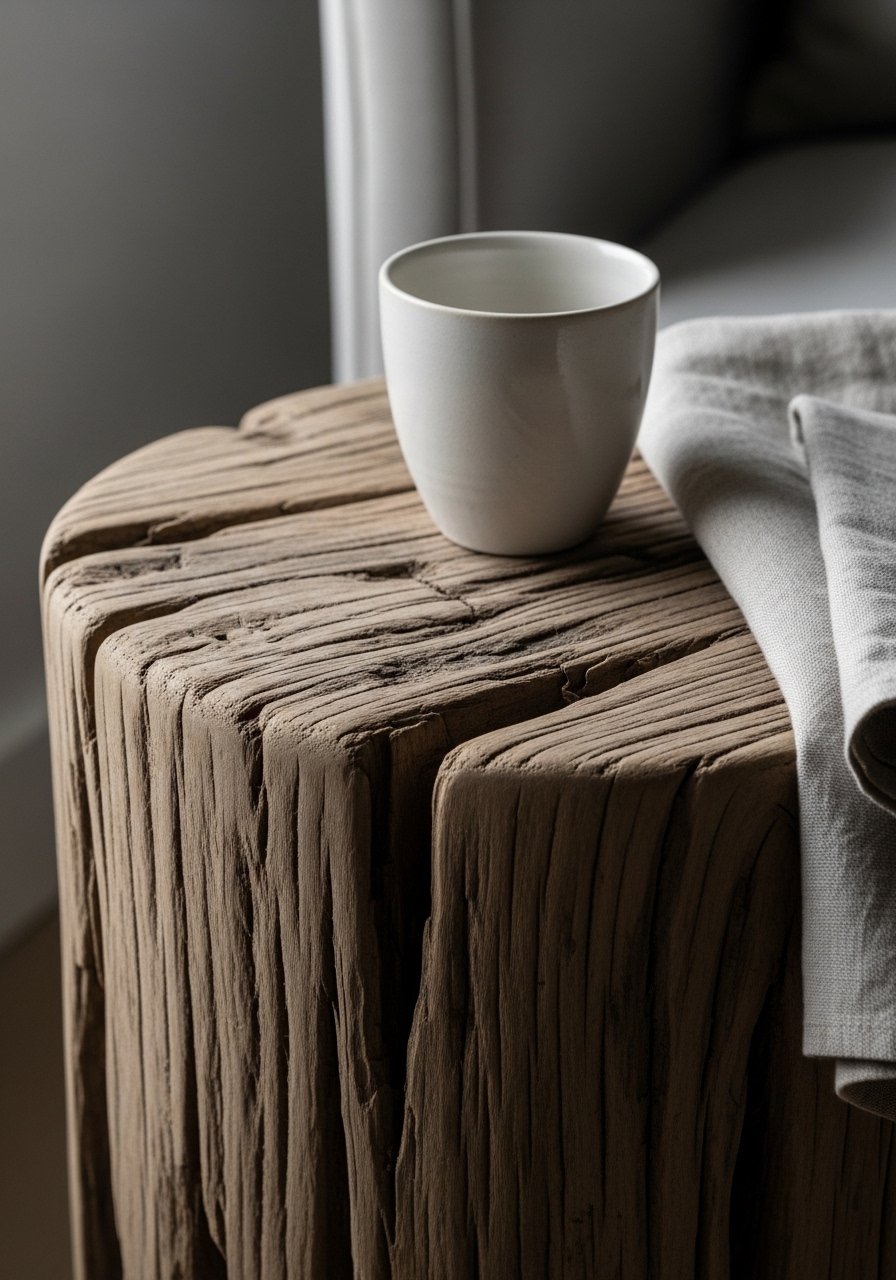
I swapped a polished side table for a driftwood one with visible tool marks. It reads honest and adds a quiet story to the room.
I worried it would look messy but the worn surface made my black coffee look at home. It doesn’t need polishing or special care.
Position it near seating and let it collect one useful item. The imperfection becomes a focal point, not a flaw.
What You'll Need for This Look
14. Tatami Runner Down a Narrow Hall for Flow
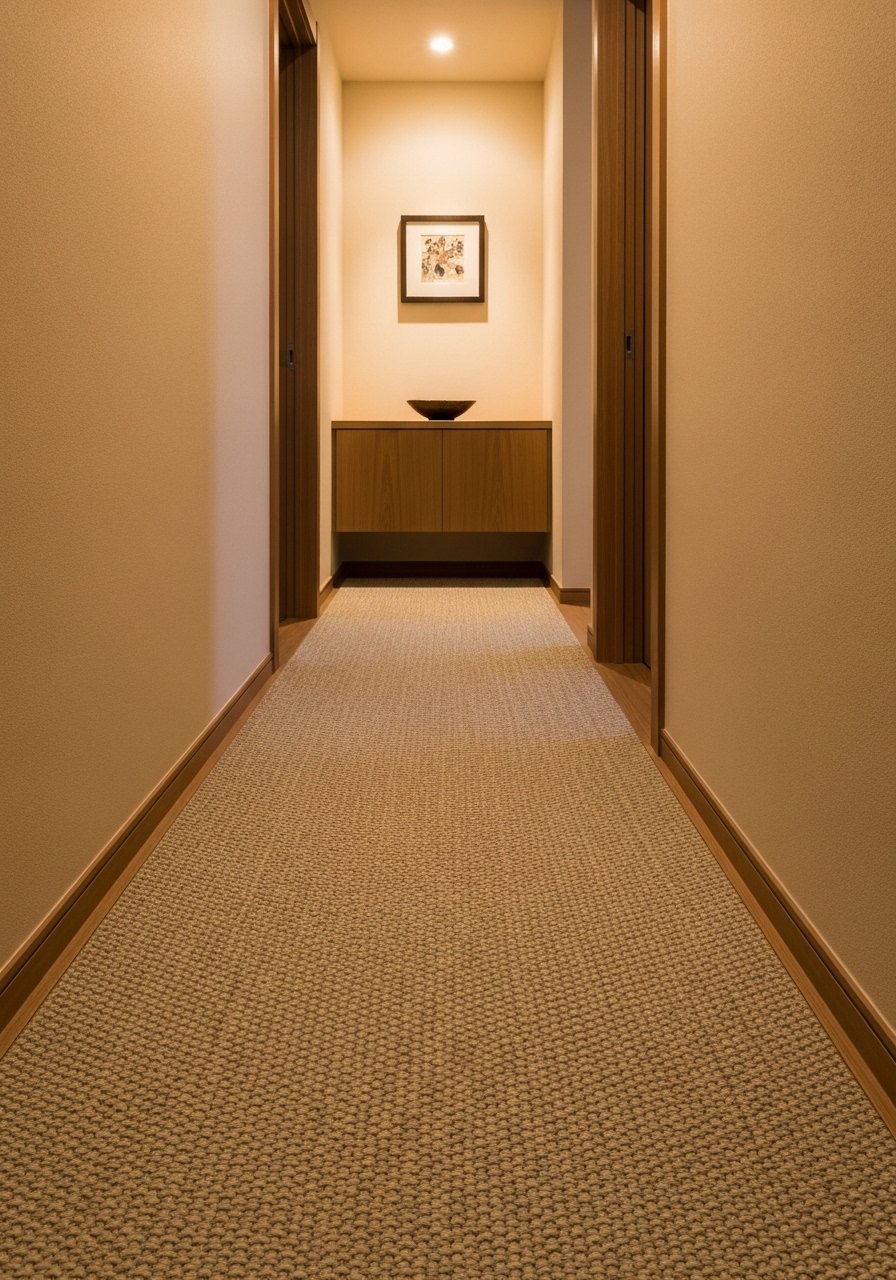
My narrow hall felt like a corridor until I laid a tatami-style runner. It softened footsteps and visually lengthened the space.
I first tried a patterned runner and it shortened the hall. The linear texture of tatami creates quiet flow instead.
Keep the runner slightly narrower than the wall-to-wall width to show some floor edge. It feels intentional and calm.
What You'll Need for This Look
15. Stoneware Planter Saucer Ritual for Plant Care

I started using a stoneware saucer under every planter. It protects floors and gives me a tiny ritual: water, wait, wipe.
Once I let water sit without a saucer and the floor picked up a stain. The saucer saved me the embarrassment and the repair.
Choose slightly oversized saucers and wipe weekly. It’s a small habit that keeps the serenity intact.
What You'll Need for This Look
16. Rattan Room Divider for Flexible Privacy
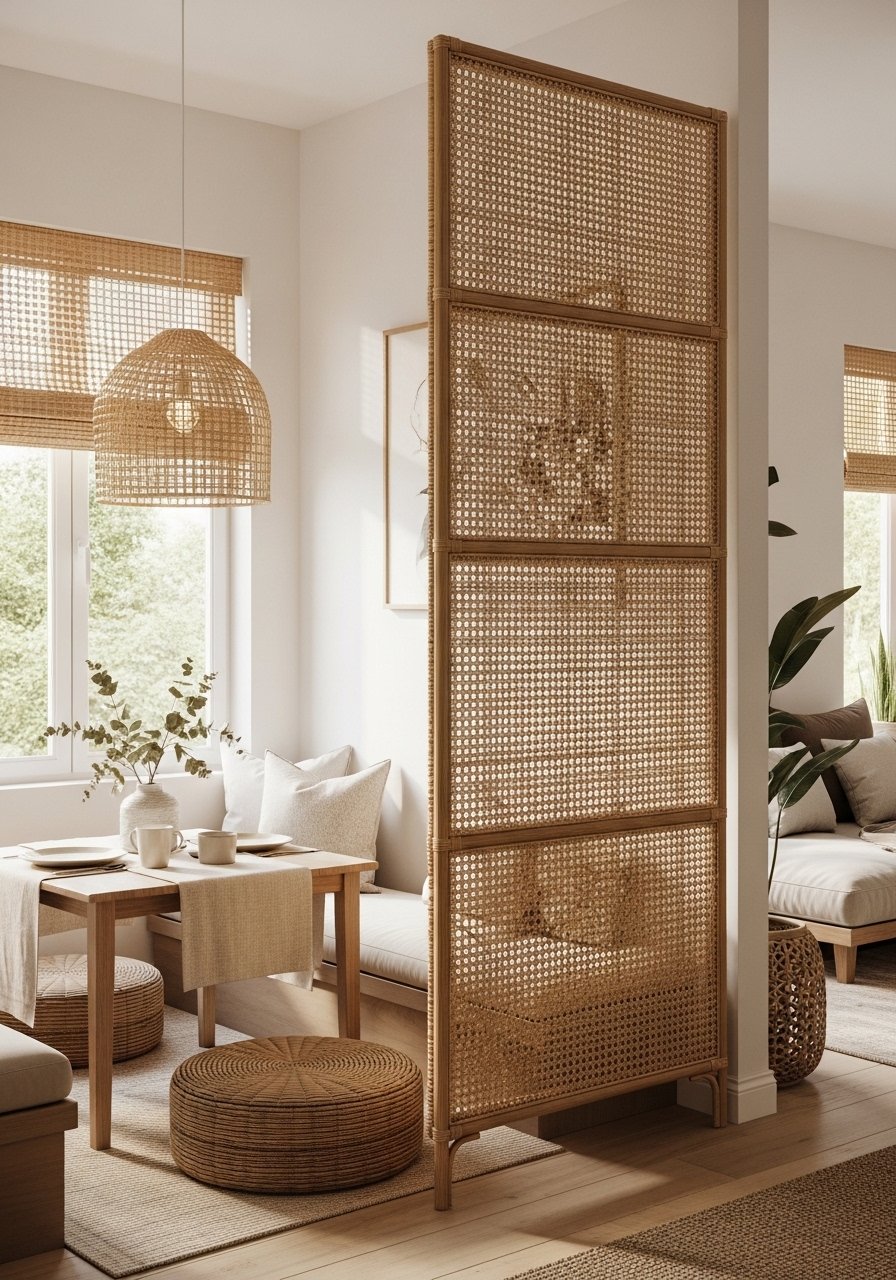
When we needed a soft separation between living and dining, I added a woven rattan divider. It gave privacy without closing the light.
I made the mistake of choosing a too-tall, heavy screen that felt oppressive. A light, foldable rattan screen breathes and moves.
Use it to hide a messy corner, create a reading nook, or soften a bedhead in a studio. It’s portable and forgiving.
What You'll Need for This Look
17. Kettle Tray by the Door as a Daily Ritual Catchall
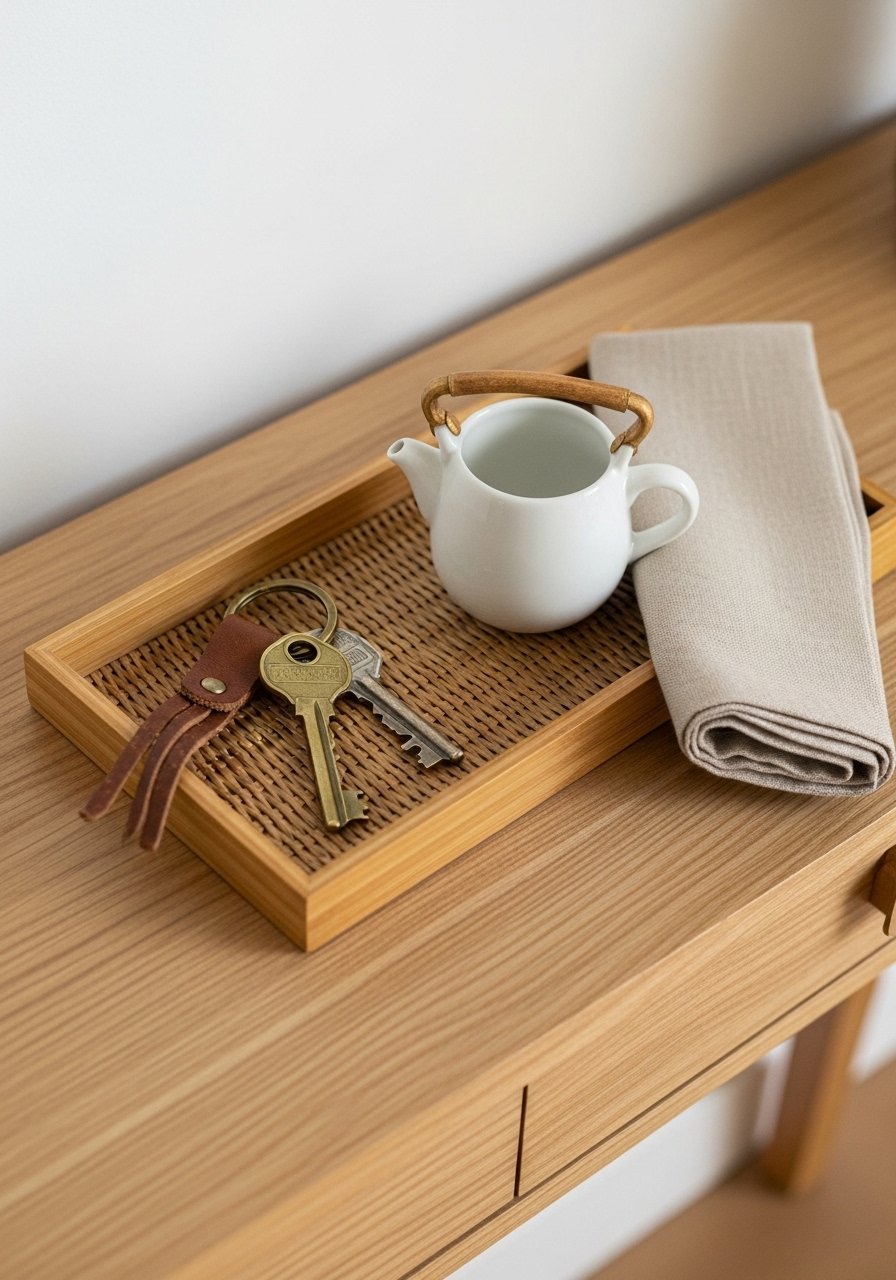
I started an entry ritual: a small kettle tray where I set keys and my morning cup. It made leaving calmer and returned the home to order each night.
I once used a large tray and it collected junk. A compact tray keeps the habit focused and looks intentional.
Pick bamboo or light wood and keep it limited to essentials. The ritual makes the home feel curated without fuss.
What You'll Need for This Look
18. Low-Hung Linen Curtains to Soften Windows
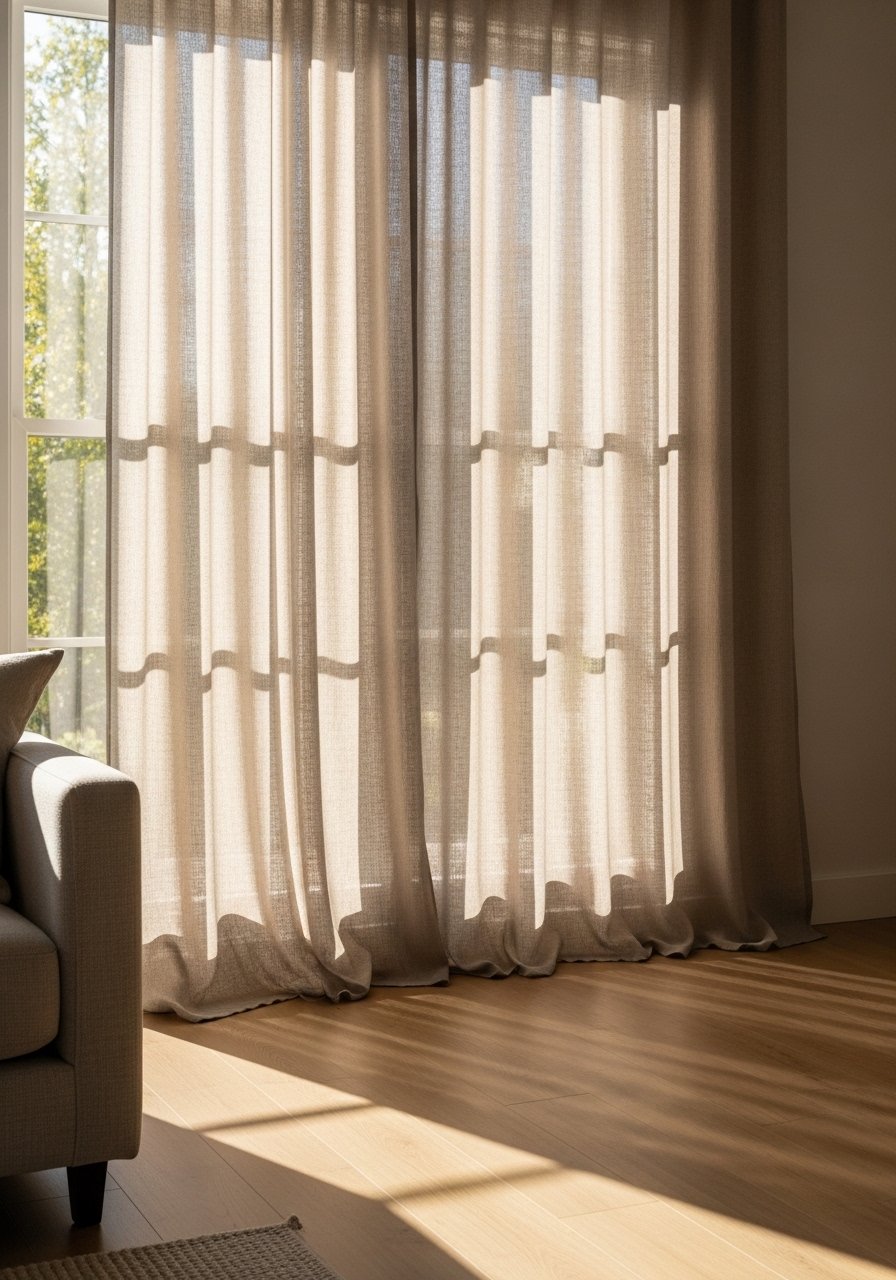
I replaced heavy curtains with low-hung linen panels. The light softened and the room felt calmer, like it was breathing.
I made the rookie mistake of hanging them too high and they puddled. Now I hang them just grazing the floor for a lived-in look.
Choose a warm linen and allow the fabric to sway. It’s an easy way to add texture without clutter.
What You'll Need for This Look
19. Ebonized Wood Console for Sparse Dark Structure
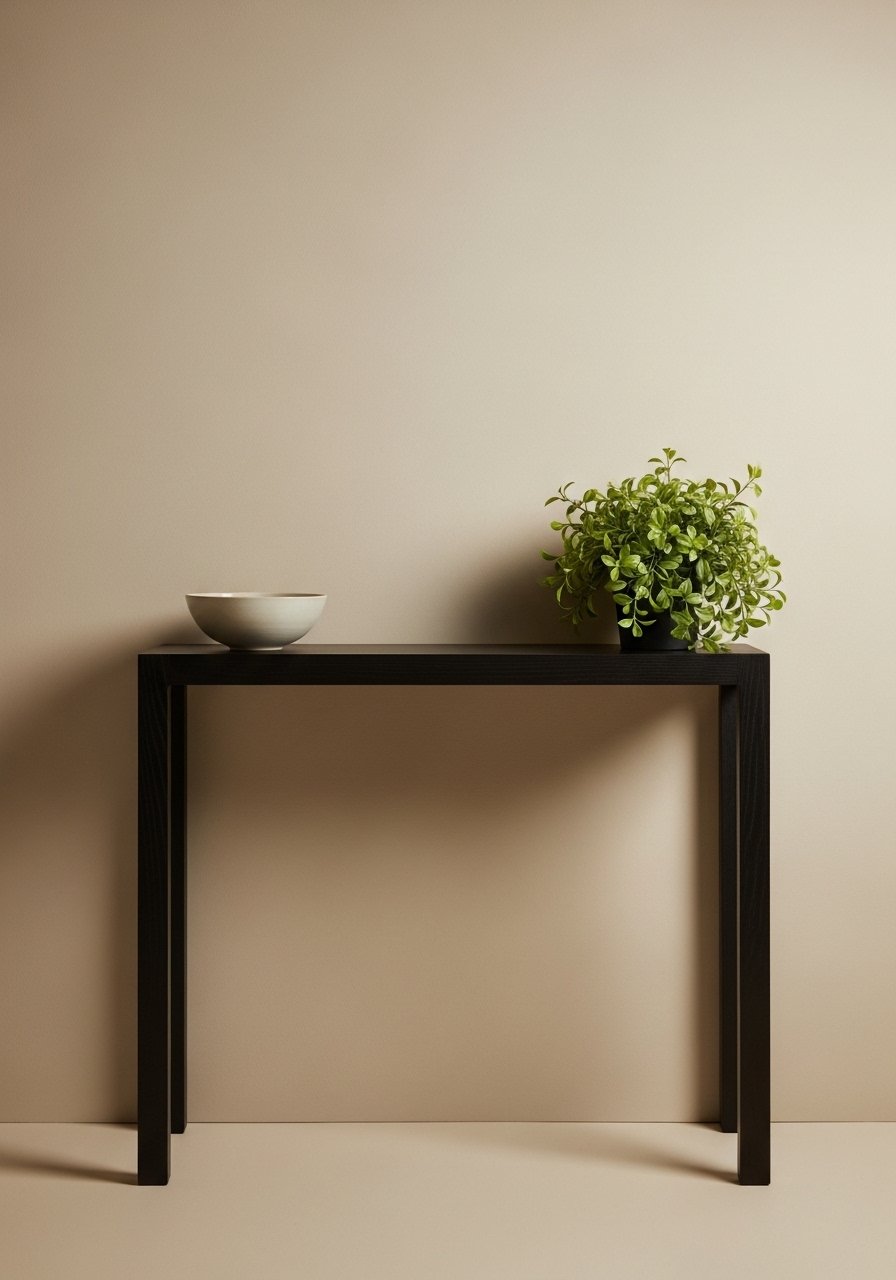
I learned that a single dark piece can give a room definition. An ebonized console reads like a frame for gentle vignettes.
I briefly matched it with bright chrome and it fought the look. Brushed brass or matte ceramics complement the dark wood better.
Keep styling minimal: one ceramic, one book, and a small plant. The darkness anchors the space without dominating.
What You'll Need for This Look
20. Brushed Brass Spoons and Small Hardware for Kitchen Calm
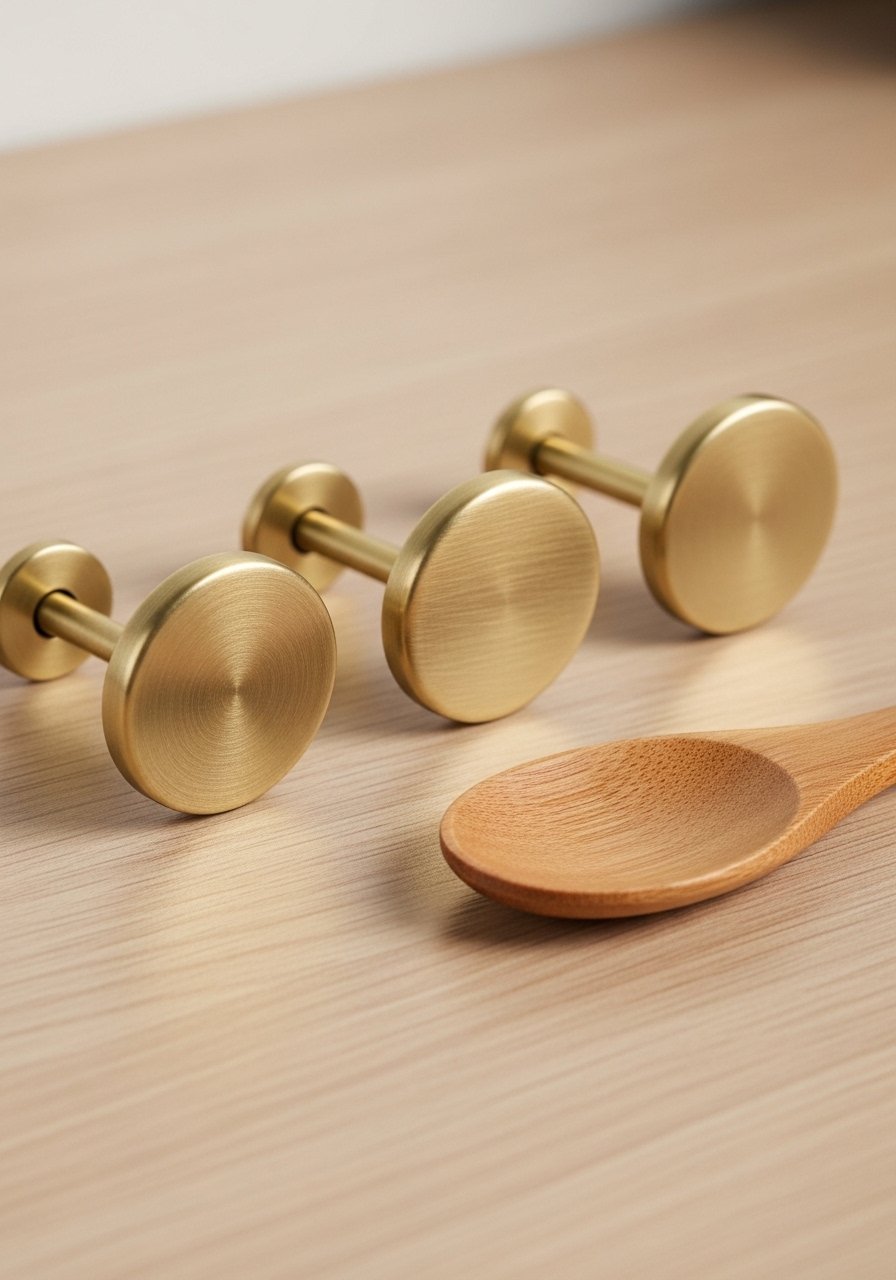
I swapped a few kitchen knobs and a wooden spoon rack to brushed brass and suddenly the kitchen felt calmer. The small metal hints tie into other brass elements.
I once went full brass and it read heavy. Now I sprinkle it in small doses — knobs, a towel hook, a serving spoon.
Use warm brass accents with wood and stone. It’s a subtle way to carry Japandi through functional rooms.
What You'll Need for This Look
21. Multifunctional Low Bookshelf That Doubles as a Bench
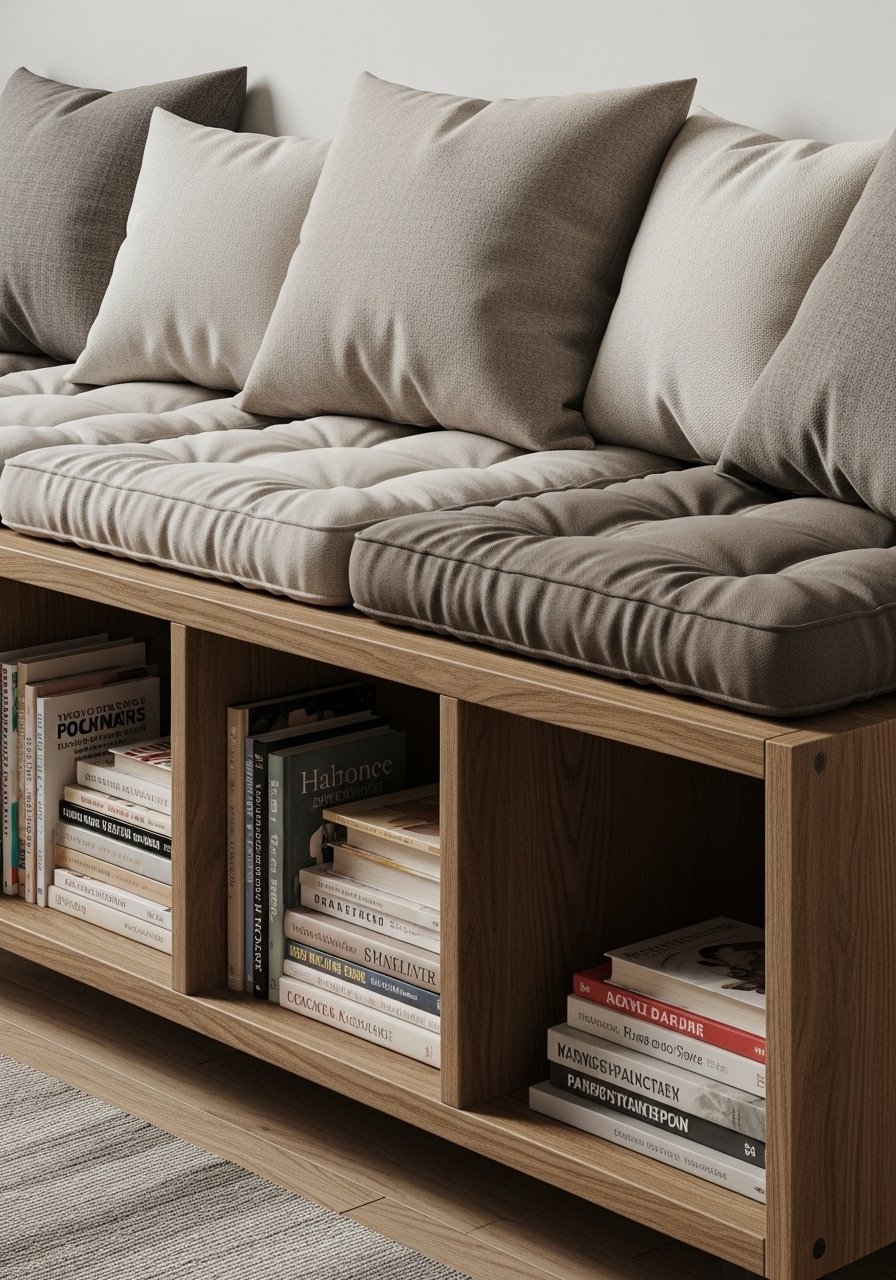
I turned a low bookshelf into a reading bench by adding a cushion. It gained function without losing the room’s lines.
At first I overloaded the top with decor and it felt cramped. Now I keep seating essentials only — a cushion and one throw.
Use the lower shelves for neatly stacked books and one plant. It’s a small change that makes a small space very usable.
What You'll Need for This Look
Final Thoughts
You don’t need to do all 21 ideas at once. Pick one corner and try it for a month.
I still tinker. Japandi, for me, is making fewer decisions that feel right. Take your time and keep what actually lives well with you.