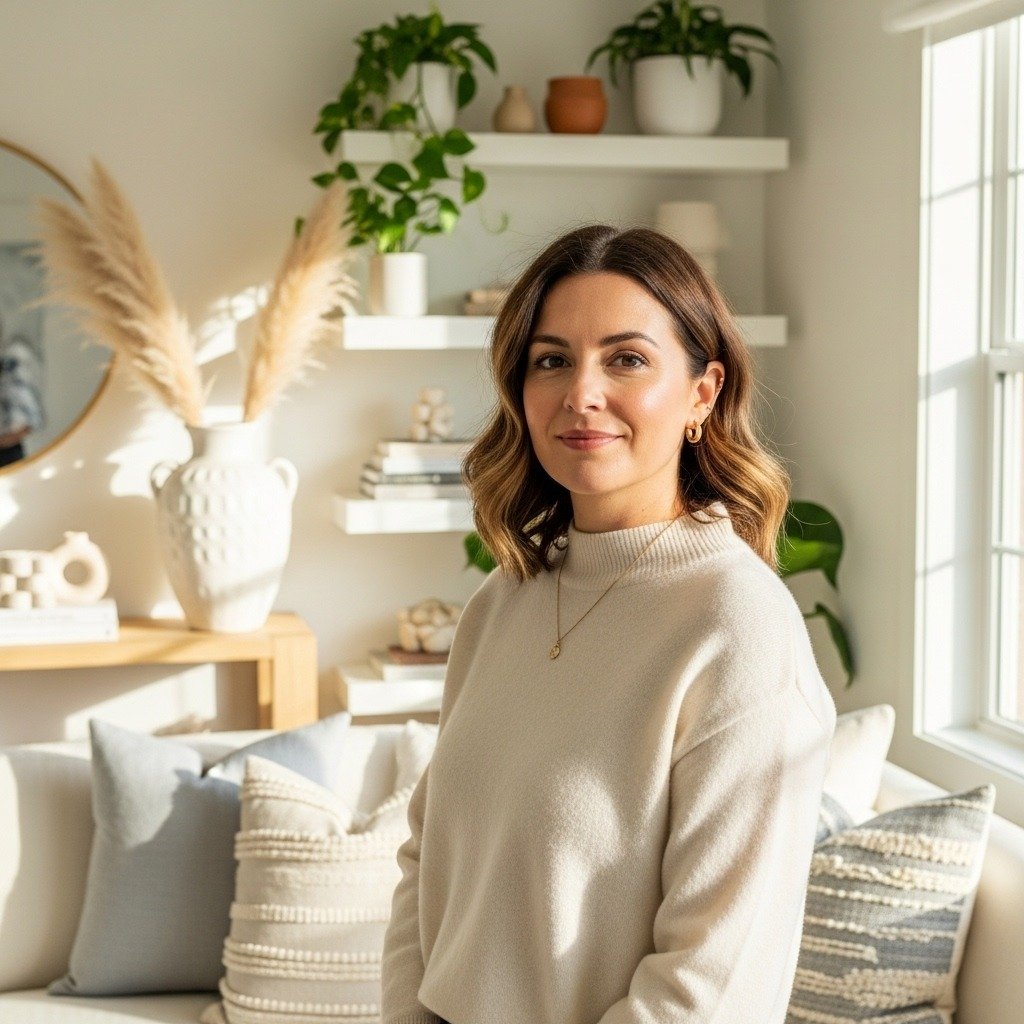
My living room had nice furniture and decent lighting but it still felt like a waiting room. Took me embarrassingly long to figure out it was missing texture. Every surface was smooth, every color was flat, and nothing invited you to actually sit down. After a few small projects the space finally felt like someone lived there, not like a showroom.
These ideas lean modern cottage with some transitional touches. Most projects run under $50, with a few splurges around $100-150 for better hardware or a large mirror. They work in living rooms, bedrooms, entryways, and even small kitchens where things feel bland or under-styled.
Chunky Knit Throw and Layered Pillow Mix for a Cozy Living Room
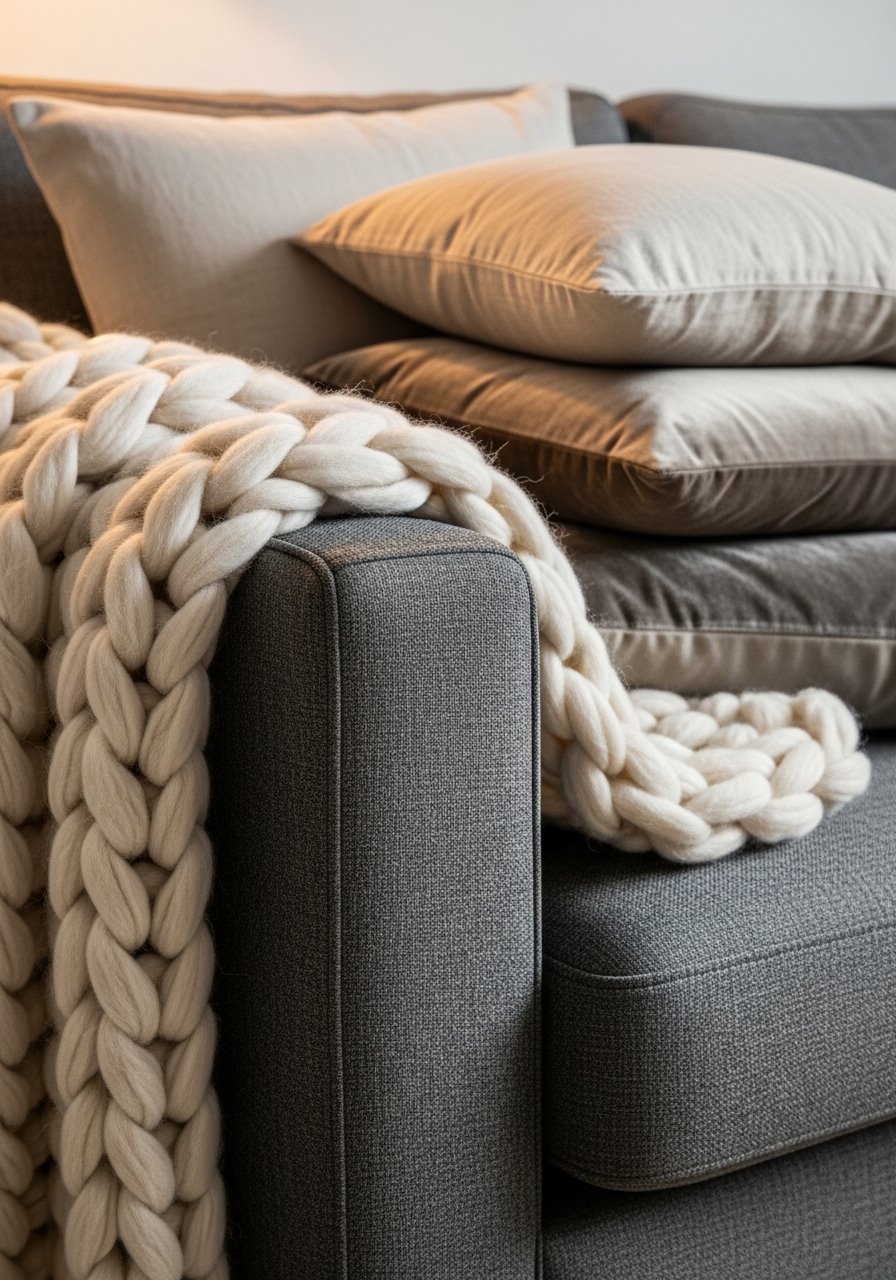
The moment I draped a chunky knit throw over the arm of my gray sofa, the whole room stopped looking flat. Use one large 50×60 throw and two 22-inch pillows in linen, then add an 18-inch velvet pillow for contrast. I like the 80/20 color rule here, 80 percent neutral base and 20 percent accent color. Budget: $30-70 for the throw and $12-25 per pillow cover. Try a chunky knit throw in cream for a soft look. Common mistake is buying too many small pillows that make the sofa look cluttered. Pair the throw with the layered rugs idea below when you want a warmer seating area.
Gallery Wall Using Picture Ledges for Easy Swaps
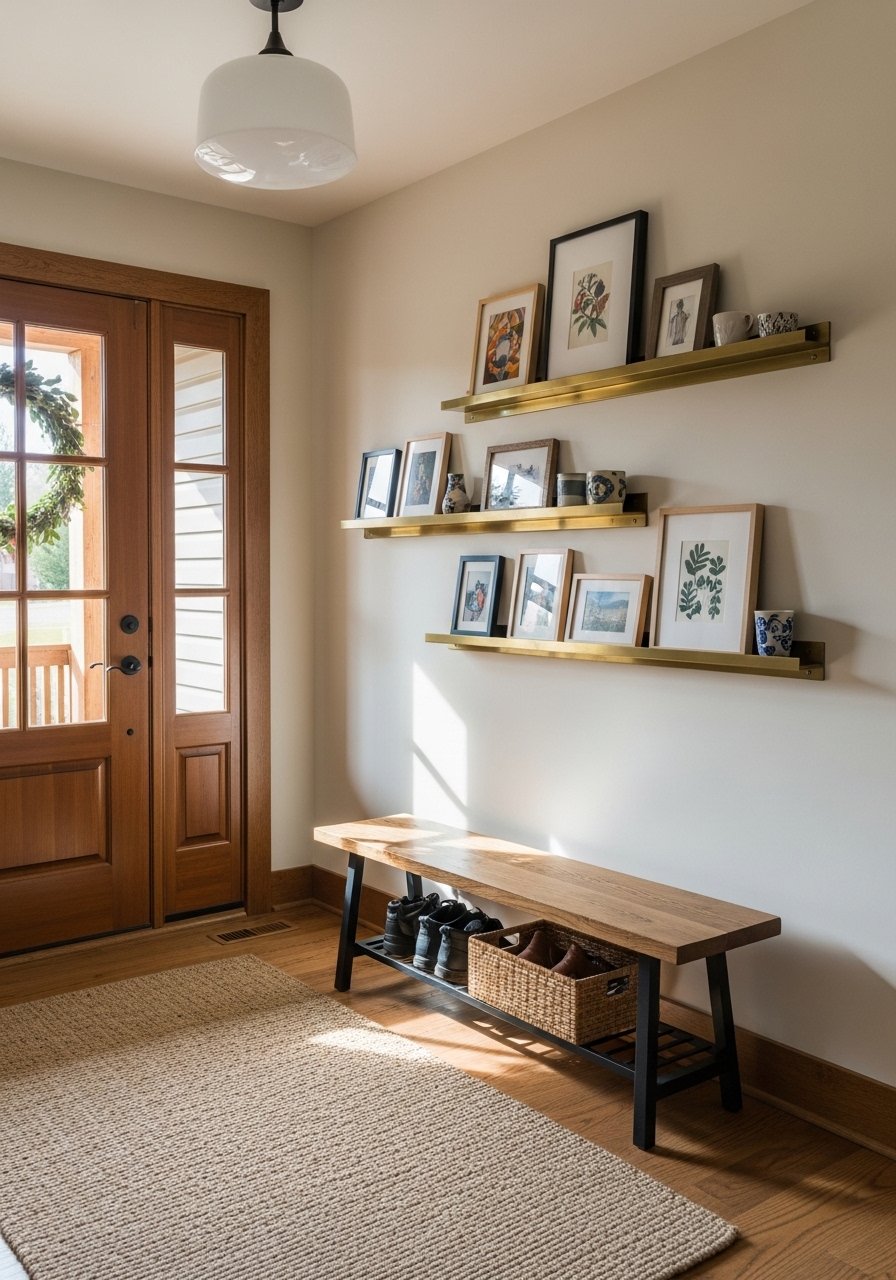
I found these brass picture ledges on Amazon for under $20 and they solved my commitment problem. Instead of nailing dozens of holes, hang a single ledge at eye level and lean art in layered sizes. Use a 2:1 ratio of frames to small objects to avoid clutter. Works well in entryways or above a console table and fits budgets from $20-80 depending on frames. Try brass picture ledges to start. People make the mistake of spacing frames too far apart. Keep frames within 2-4 inches of each other so the wall reads as one composition.
Floor-to-Ceiling Curtains to Make Rooms Feel Taller
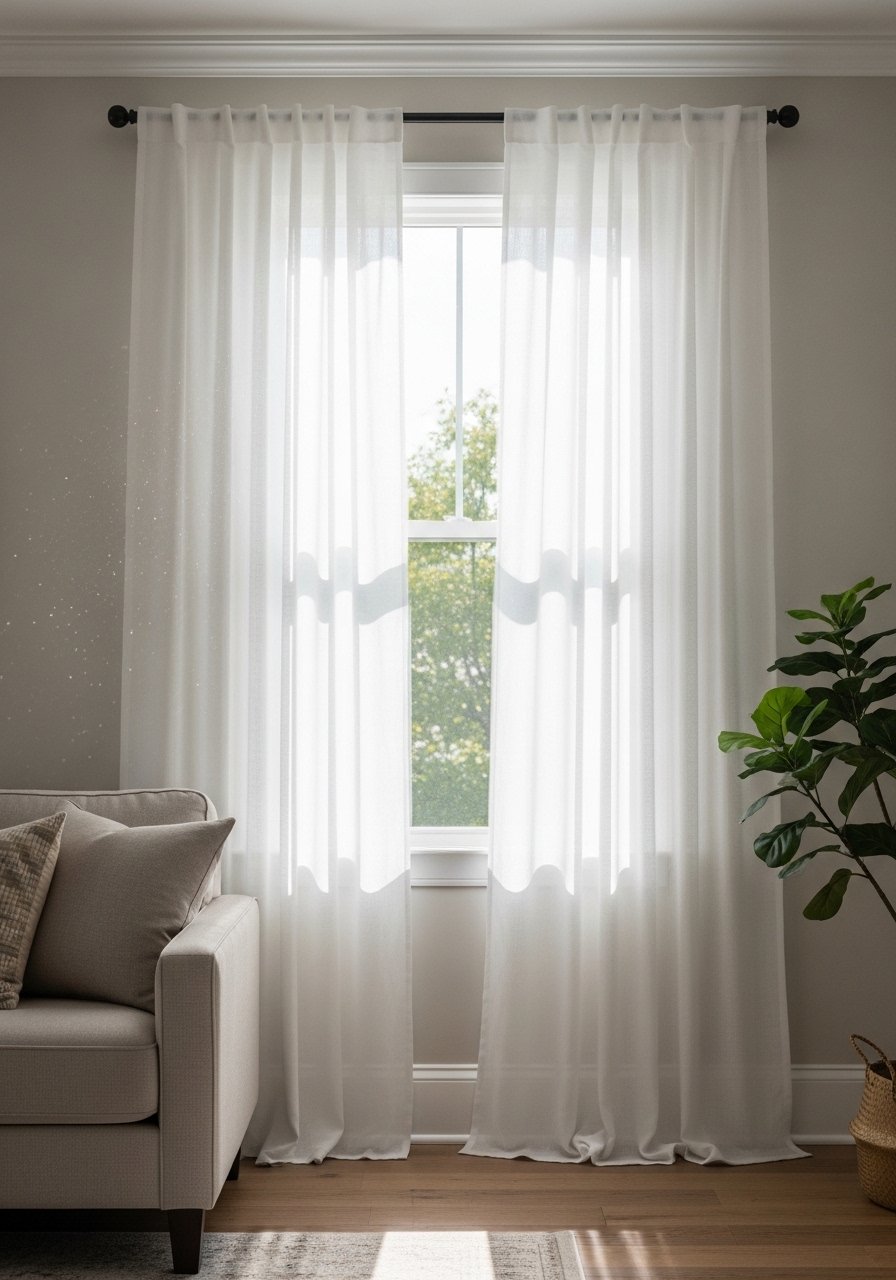
Most people hang curtains right at the window frame. That is why their rooms look shorter than they are. Hang rods 4-6 inches above the window and choose panels that reach the floor or puddle a touch. For 9-foot ceilings try linen curtain panels 96-inch. Budget runs $25-60 per panel. One quick rule: panels should be wider than the window by at least 1.5 times so they look full when drawn. A common misstep is buying too-short panels that break the vertical line. Pair this with the mirror idea for extra perceived height.
Simple White Oak Floating Shelves for Stylish Storage
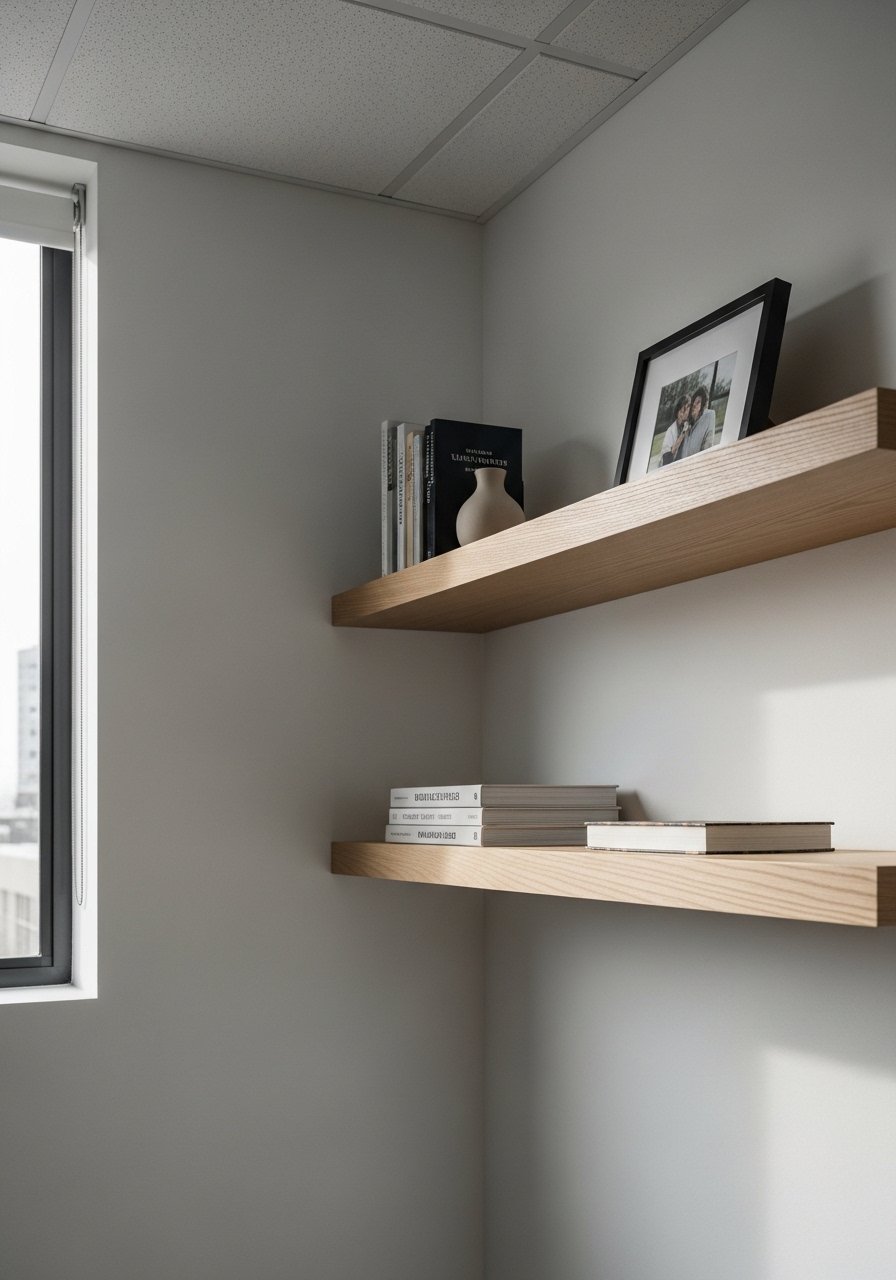
White oak shelves are in every design account I follow this year because they feel fresh without shouting. Mount two staggered 24-inch shelves and style with a rule of three: one tall item, one stack of books, and one low object. These cost about $30-80 per shelf depending on finish. I use white oak floating shelves for my kitchen and bedroom nooks. The mistake is overloading shelves or using too many similarly sized objects. Leave breathing room and mix materials like ceramic and brass to avoid a museum look.
Painted Accent Wall with Sample Strips for Confident Color
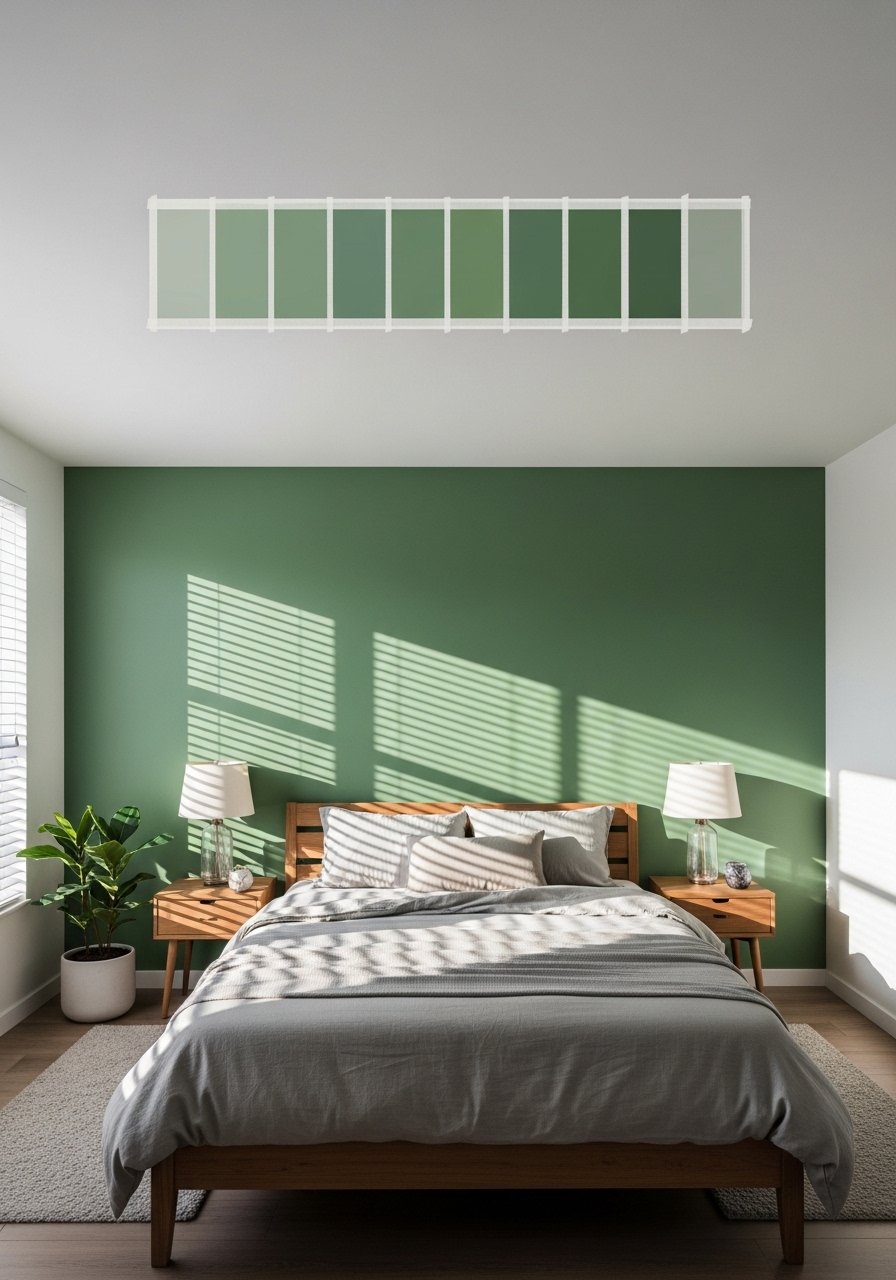
Before committing, paint three 6-inch sample strips vertically so you can see how light alters the shade through the day. I picked a muted green after watching it warm from morning to evening. A single accent wall costs under $40 if you use a pint first. Try sample-size interior paint to test. A common error is choosing paint from a tiny chip under store lights. Keep the painted sample up for at least two days before deciding. This works great behind beds, in dining rooms, or at a small home office.
Oversized Mirror to Brighten Dark Corners in Small Rooms
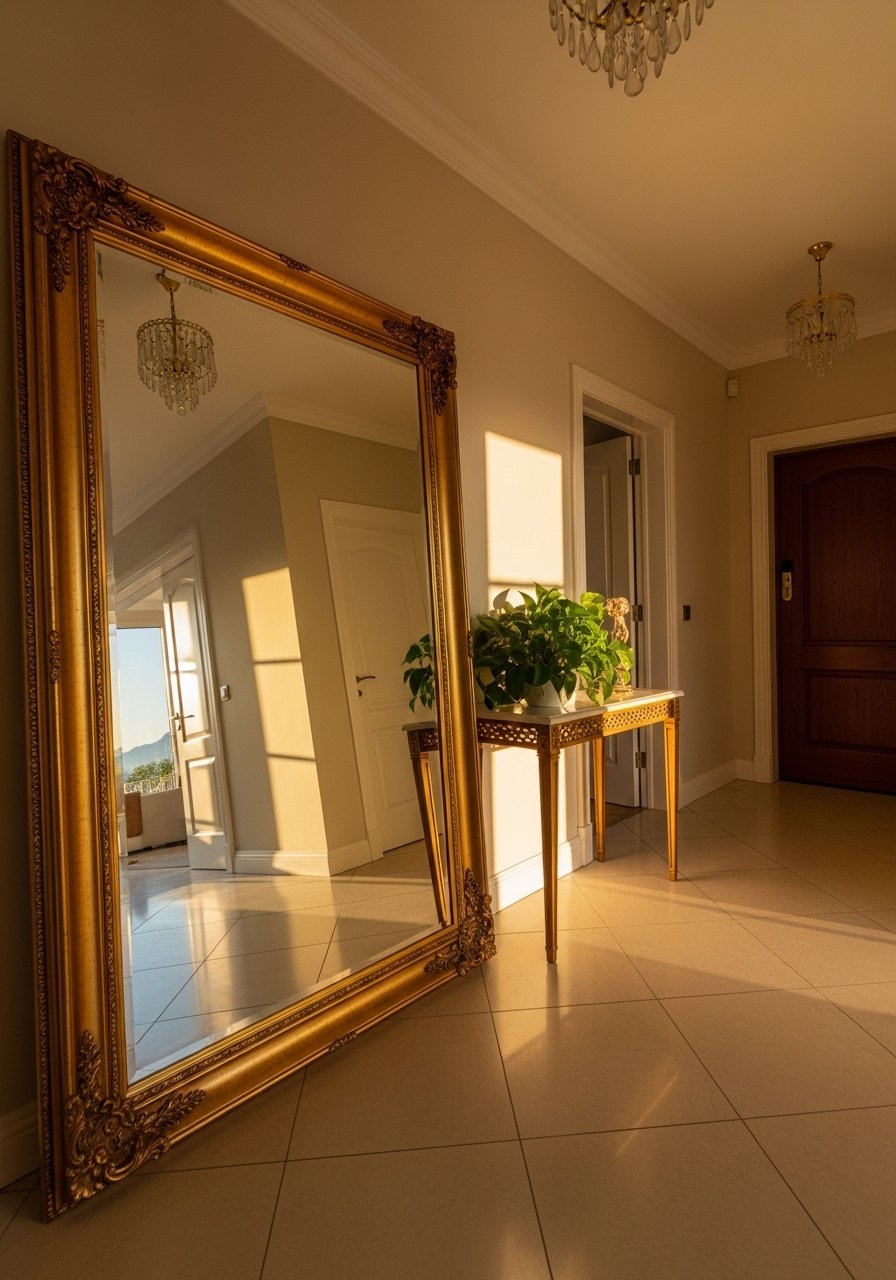
There is a cheap trick that people skip, a big mirror next to the window bounces light across the room. I swapped a 18×24 mirror for a 30×40 leaning mirror and the entryway suddenly felt twice as deep. Budget $80-200 depending on frame. Try large leaning mirror 30×40. The mistake is using a mirror that is too small for the wall. Make sure at least half of the mirror sits above any furniture below. It works best in narrow hallways and dark bedrooms.
Peel-and-Stick Wallpaper for a Bold Nook Update
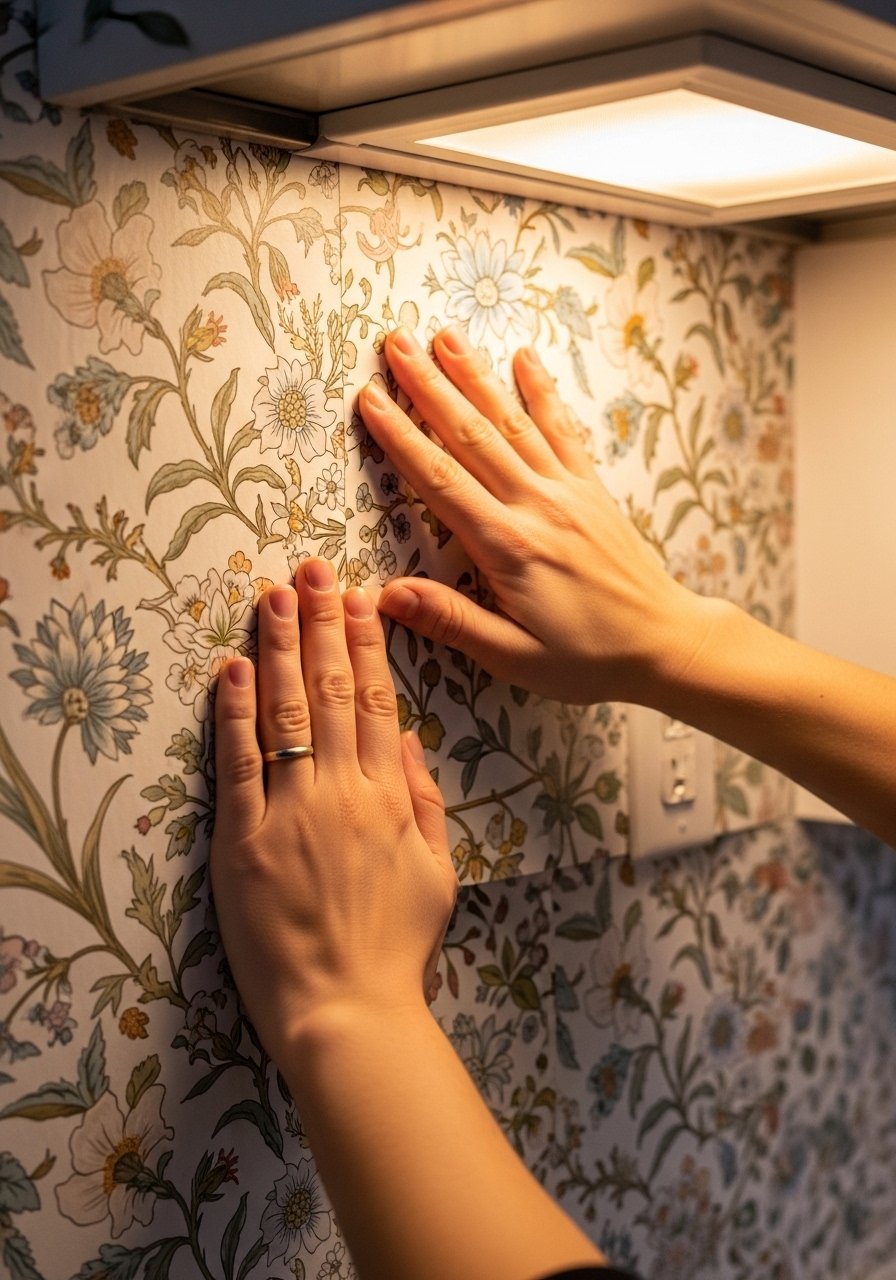
Peel-and-stick wallpaper saved me from repainting a rental bedroom. Pick a repeat pattern and match the seams by eye rather than measuring obsessively. A 20-square-foot roll costs $25-60. I used removable patterned wallpaper on a closet back wall. People overcomplicate alignment and then get frustrated. Start at the center of the wall and work outward. This is renter-friendly and looks great in laundry rooms, behind open shelving, or on a bookshelf back.
Plywood and Fabric Headboard for a Bedroom with Personality
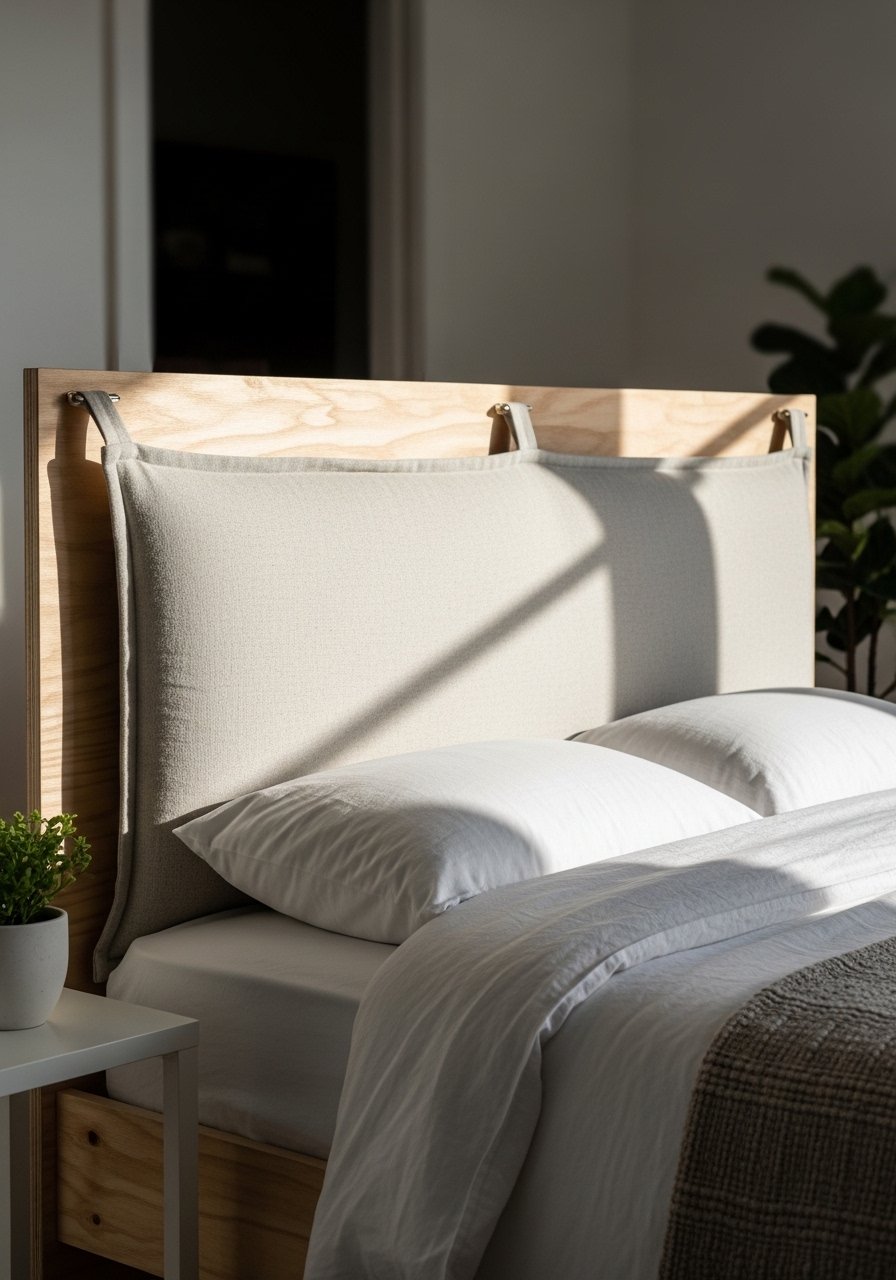
I built a headboard from a sheet of plywood, batting, and linen for under $60. Cut to wall height, wrap in batting and fabric, then hang with French cleats. Use a 60-inch width for a queen and 80-inch for a king. Try upholstery batting roll for a smooth finish. The common mistake is skipping the batting and ending up with visible screw heads. This suits casual modern or cottage bedrooms and pairs well with the layered pillow idea earlier.
Swap Cabinet Hardware for Instant Kitchen or Bathroom Update
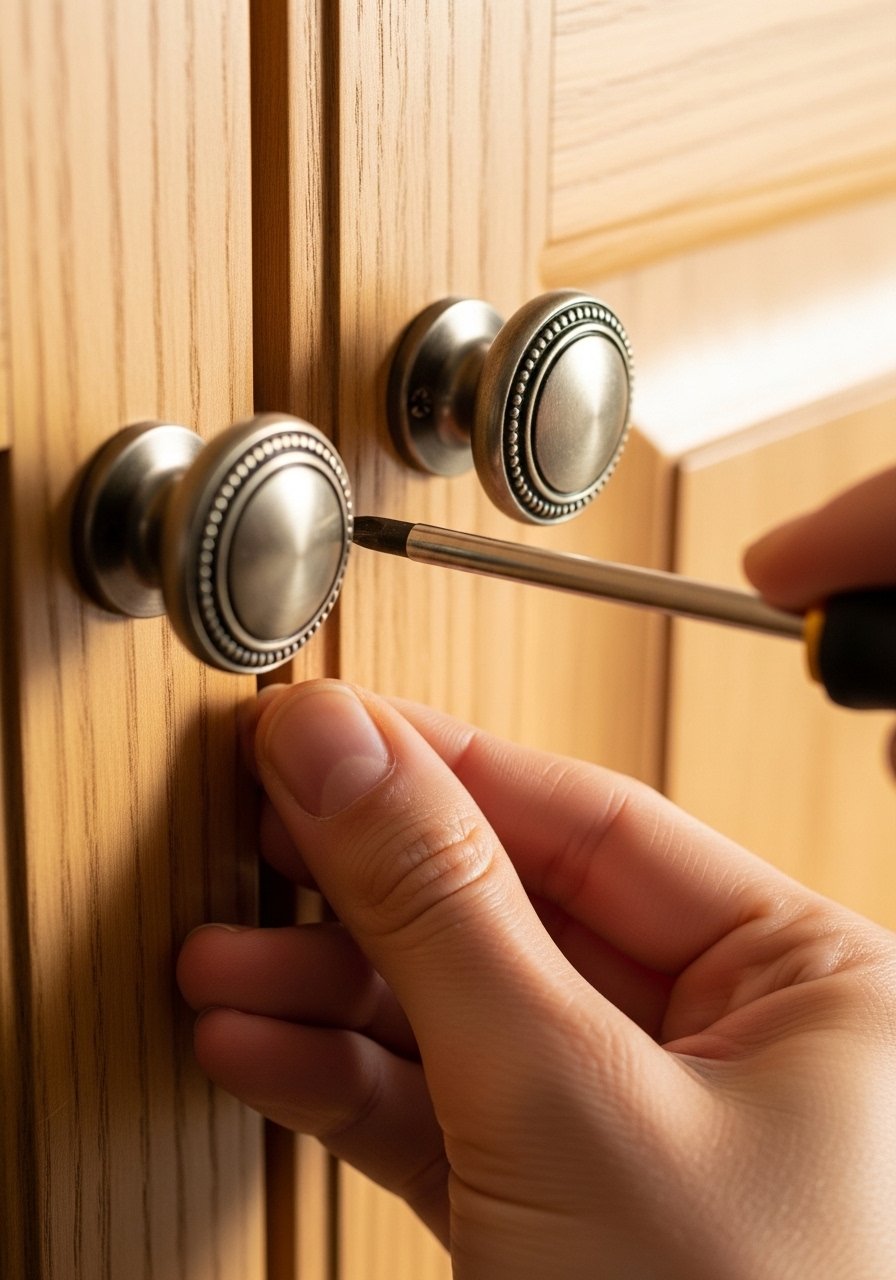
New knobs and pulls can make old cabinets read like they were redone. I swapped plain knobs for a mixed-metal set and it made the finishes in my kitchen look intentional. Go for one dominant metal and one accent metal, for example matte black pulls and brass knobs. Budget $20-60 for a full set. Try mixed metal cabinet pulls set. A mistake is replacing only one drawer or using mismatched sizes. Measure center-to-center before ordering so everything lines up.
Easy Woven Wall Hanging from Thrifted Yarn for a Boho Corner
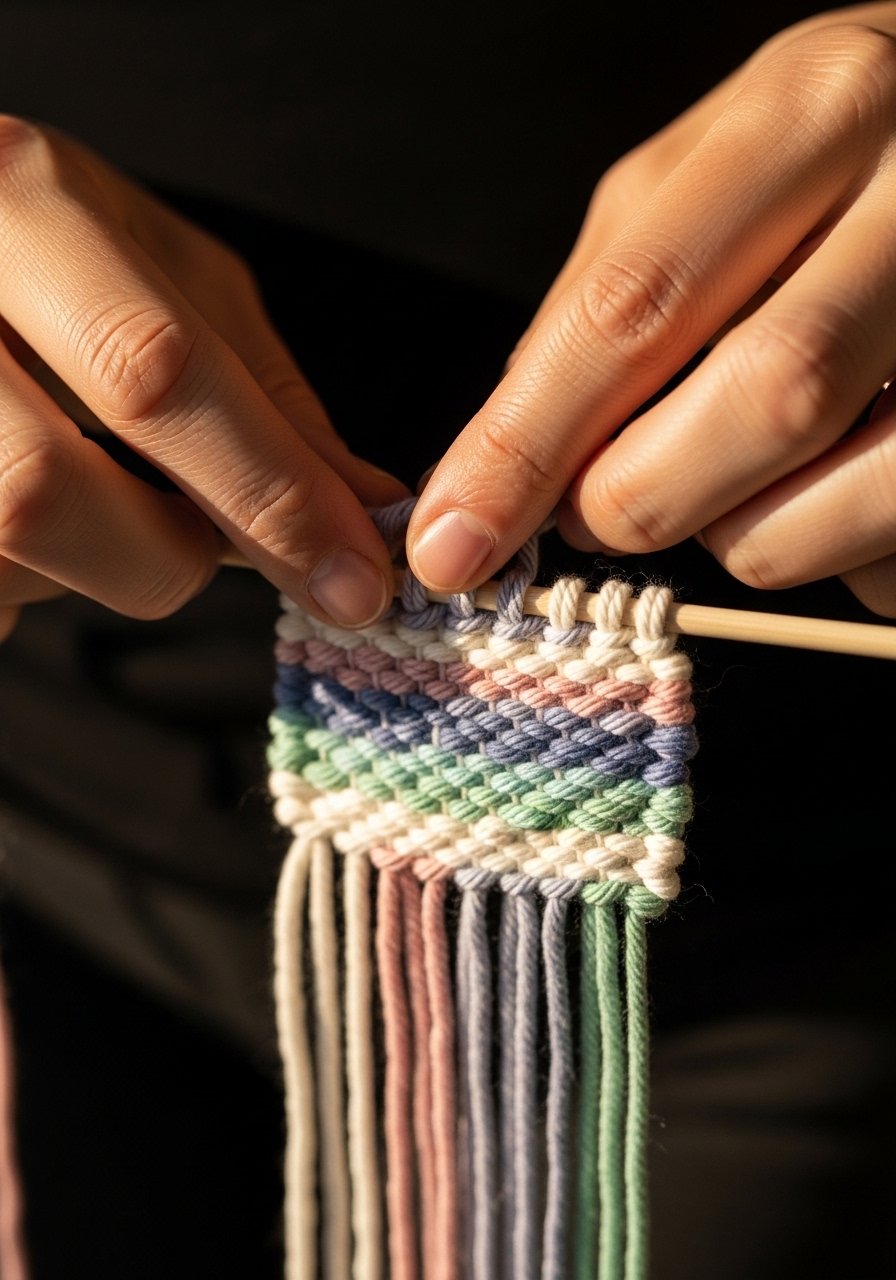
Making a woven wall hanging is cheaper than buying one and it gives real texture. Use a 24-inch dowel, thick yarn, and alternate tight and loose knots. My first one cost under $15 and filled a small hallway perfectly. I use wooden craft dowels 24-inch and a pack of assorted yarn. The mistake is using identical yarn weights that read flat. Mix chunky and thin yarns and leave uneven fringe for a handmade look. It pairs nicely with floating shelves or a small gallery wall.
Simple Plant Corner with One Statement Tree
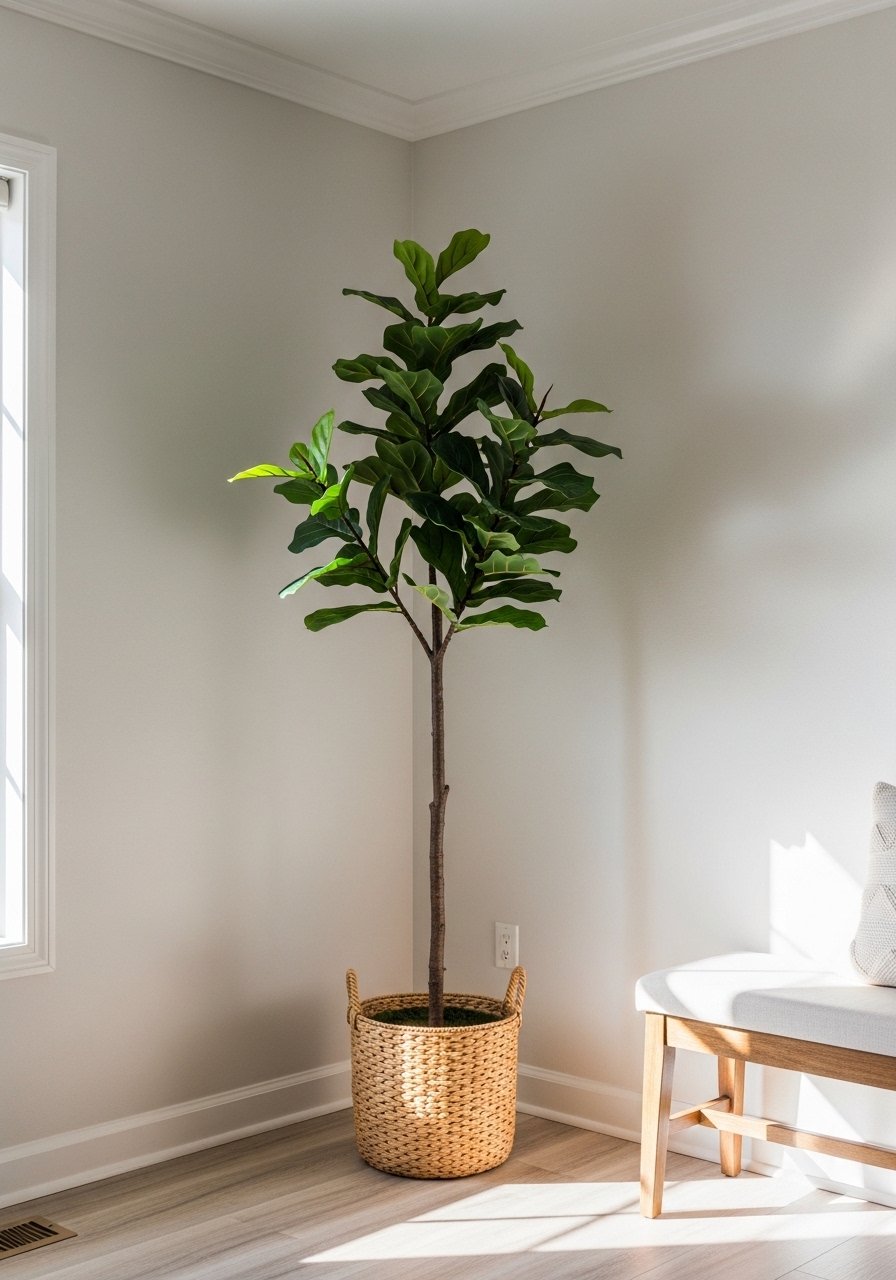
A friend texted me a photo of her bedroom asking why it felt cold. She had zero textiles. No throw, no layered pillows, nothing soft anywhere. One more overlooked issue is tiny plants everywhere. One single 6-foot plant has more impact than five little succulents. Use a real snake plant for low care or a faux fiddle leaf fig 6-foot where light is poor. Expect $40-150 depending on realism. The error to avoid is placing the plant where it blocks walkways. Give it breathing room and a decorative pot.
Layered Rugs with a Jute Base for a Casual Dining Area
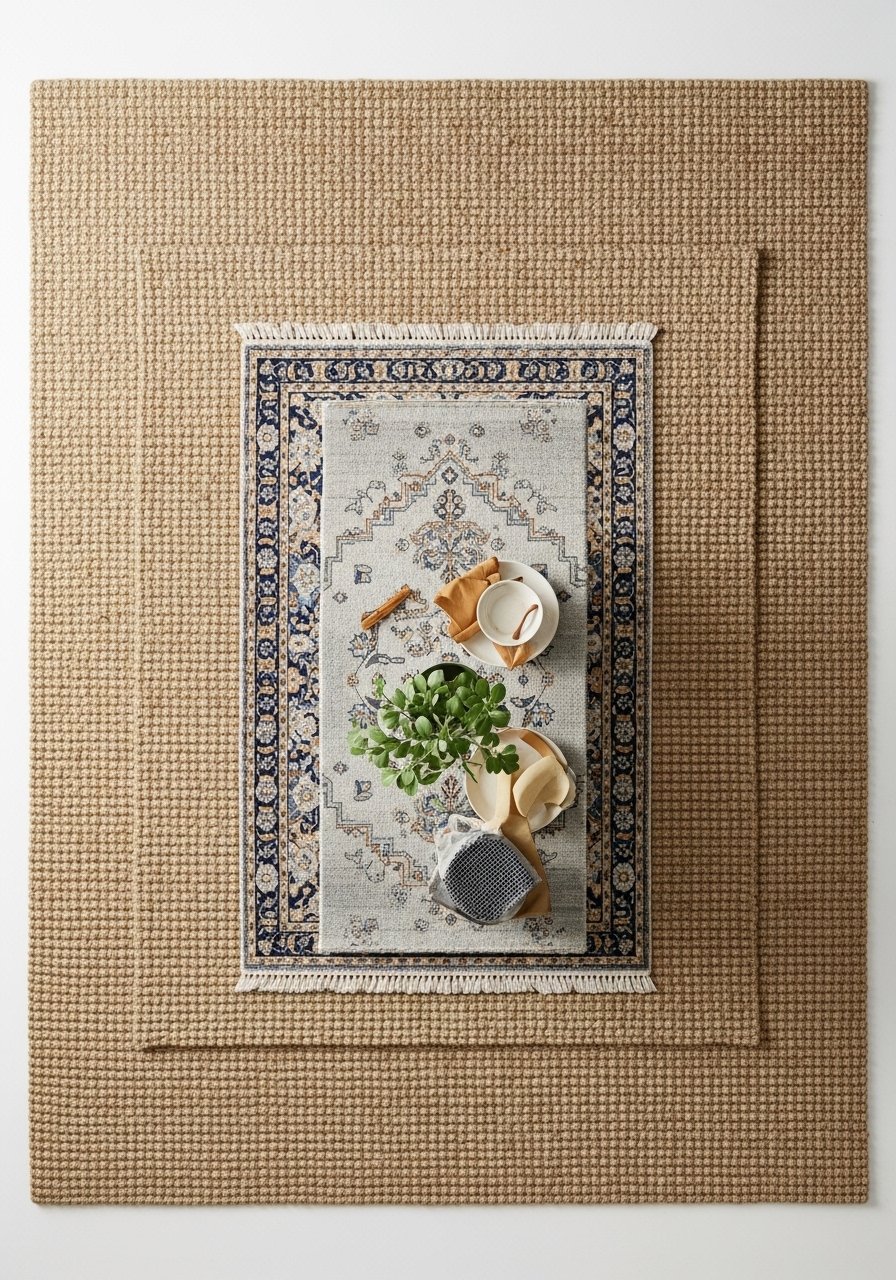
Layering rugs makes a dining area feel anchored and less matchy. Start with an 8×10 jute rug, then add a 5×7 patterned rug centered under the table. The jute adds durability and the patterned rug brings color. I use 8×10 jute area rug as the base. Typical budget is $80-250. People pick rugs that are too small, which makes the space look like it is floating. Rule: the larger rug should extend at least 24 inches beyond the table edges.
Coffee Table Vignette with Tray, Book, and Candle for Everyday Style
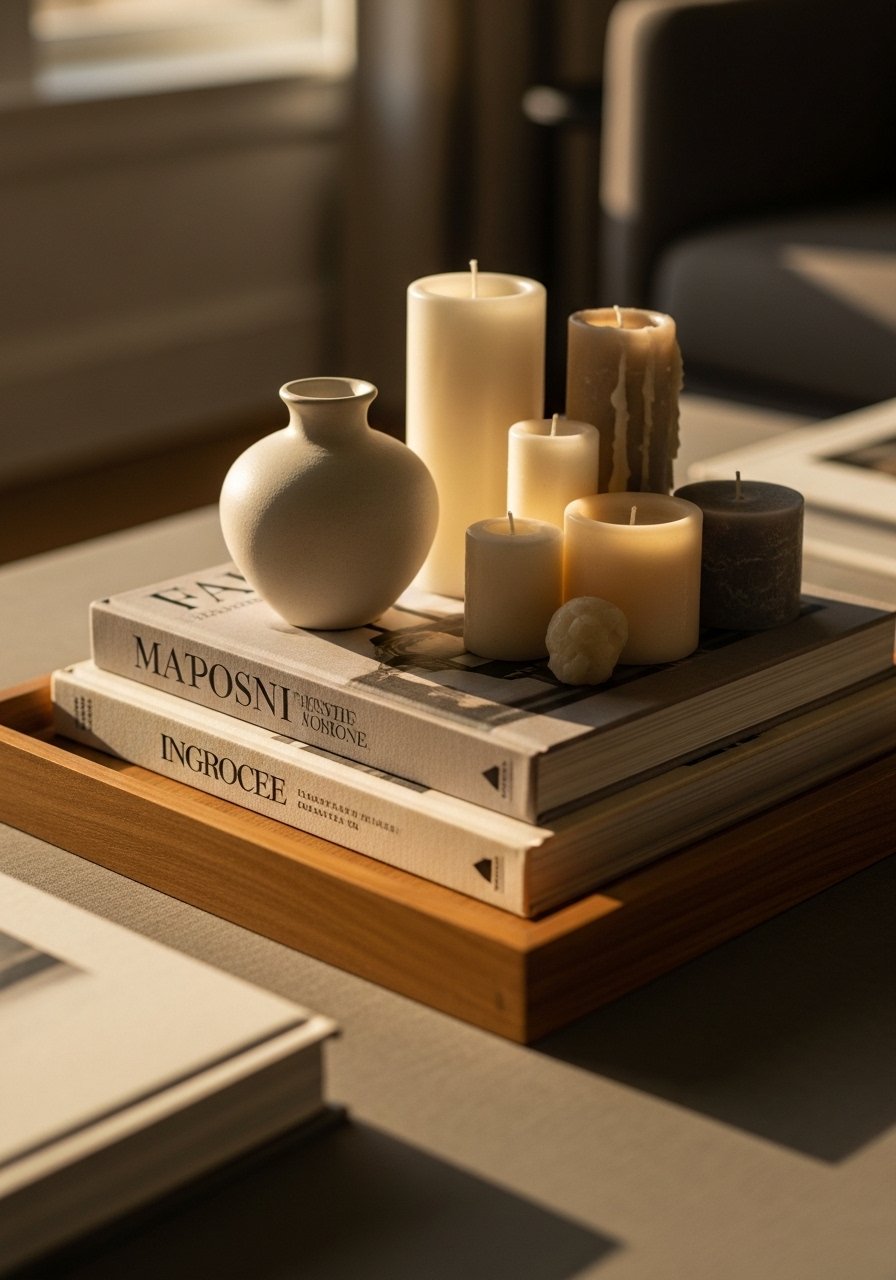
Spent $400 on a coffee table. Room still looked off. Spent $35 on a throw and three candles. Suddenly everything clicked. A tray groups items so the surface reads intentional. Use one hardcover book, one plant, and a candle. The rule of three works here. I like a wooden serving tray to corral items. Budget $20-50. Avoid scattering small objects across the table. The tray helps rotate items seasonally without taking up more space.
Picture Frame Molding to Add Architectural Interest on a Budget
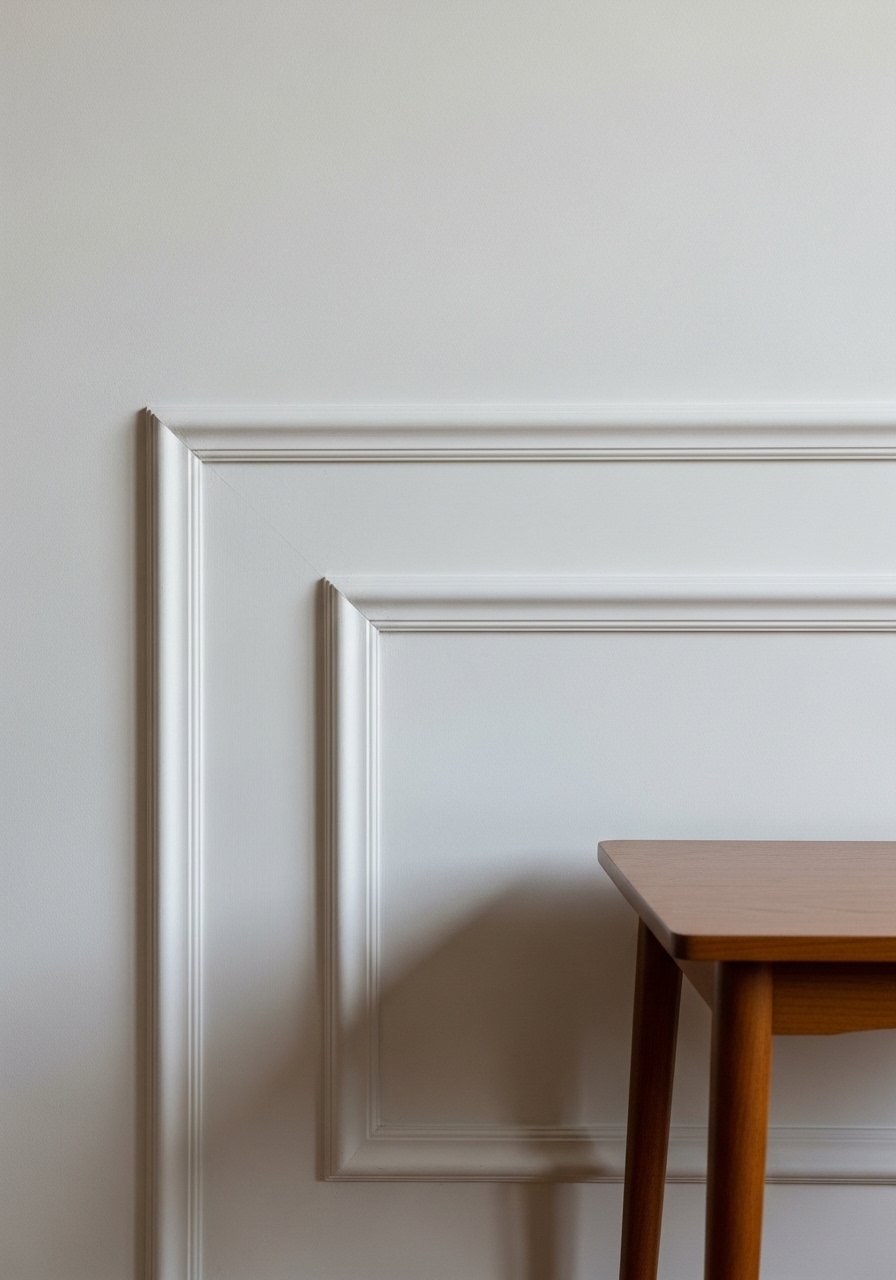
Picture frame molding is a small carpentry project that makes plain walls feel built-in. Use 1×3 stock cut into rectangles, glue and nail to the wall, then paint the entire wall one color for a subtle look. For a standard 10×12 wall, plan on 6-8 feet of trim. Try 1×3 primed MDF trim for paint-ready pieces. Cost is $20-60 in materials. Mistakes include uneven spacing or visible nail heads. Take time to measure and caulk seams for a polished result.
Upcycle a Thrifted Side Table with New Paint and Hardware
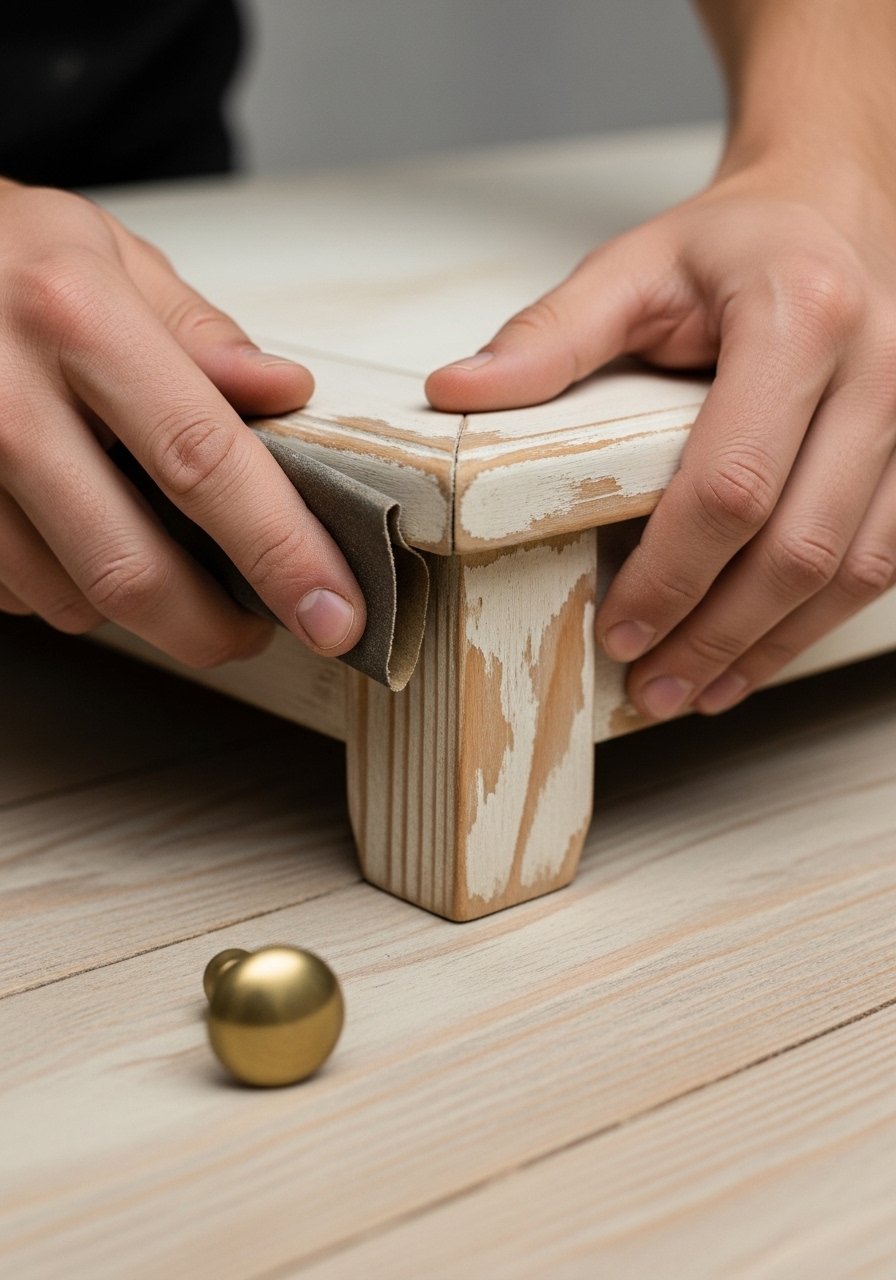
I rescued a sad side table from a thrift store for $12 and gave it new life with a coat of paint and new knobs. Remove old finish lightly with sandpaper, prime, then paint two coats. Swap the hardware for a different finish to modernize the piece. Use brass cabinet knobs for a warm touch. Budget $25-80 total. A common error is skipping primer which leads to chipping. This project works well in entryways, beside sofas, or in bathrooms as a compact storage upgrade.
Your Decor Shopping List
Textiles
- Honestly the best $40 I have spent. Chunky knit throw in cream 50×60, machine washable
- 22-inch linen pillow covers, down-filled insert set of 2, natural and gray
Wall Decor
- Brass picture ledges 24-inch for easy art swaps
- Removable patterned wallpaper roll 20-square-foot, peel-and-stick
Lighting and Mirrors
- Large leaning mirror 30×40 with gold frame for brightening corners
Plants and Planters
- Artificial fiddle leaf fig 6-foot in woven basket for low light spots
Budget Finds
- Wooden serving tray 16×12 under $30
- Mixed metal cabinet pulls set eight-piece kit
Crafts and Supplies
- Upholstery batting roll 36×72 for DIY headboard
- Wooden craft dowels 24-inch pack of 10 for woven hangings
Notes: Many of these are also available at Target or HomeGoods if you prefer to shop in person.
Shopping Tips
Bold choice for 2026, white oak beats dark wood in most small spaces. These white oak floating shelves look current, not dated.
Grab velvet pillow covers in jewel tones for $12 each. Swap them every season and the whole room feels different.
Curtains should puddle or kiss the floor, never hang halfway up. 96-inch linen panels are right for standard 9-foot ceilings.
Lead with one statement plant, not ten small succulents. A faux fiddle leaf fig 6-foot will anchor a corner without maintenance.
If you are unsure about paint color, buy three sample pints and paint vertical strips. Sample-size paint pints make the decision less scary.
Frequently Asked Questions
Q: Can I mix boho textiles with modern furniture without it looking messy?
A: Yes. Start with an 80/20 color balance, 80 percent solid neutrals in furniture and large textiles, then 20 percent boho pattern in smaller pillows or a woven wall hanging. Avoid mixing more than two major patterns at once. The woven wall hanging idea here pairs well with simple furniture.
Q: What size rug do I really need for the layered look under a dining table?
A: Bigger than you think. For a dining table, the larger jute rug should extend at least 24 inches beyond the table edges. Use an 8×10 base and a 5×7 or 6×9 patterned rug on top for scale.
Q: How high should I hang curtains for vaulted or odd ceiling heights?
A: Hang the rod close to the ceiling line so the panels follow the vertical wall. Measure from the ceiling to the floor and order panels that leave a 1-2 inch puddle or just kiss the floor. Custom-length panels can help with odd heights.
Q: What is the easiest non-permanent way to test paint color on a wall?
A: Paint three vertical 6-inch sample strips and live with them for two days to see how light changes the tone. Use sample-size paint pints so you are not committed.
Q: Should I use real or faux plants in a dim room?
A: Faux where light is poor. A realistic faux, like a 6-foot fiddle leaf fig, gives height with zero maintenance. Real snake plants and pothos are hardy if you have even a little light. Try a real snake plant starter pot for a low-care option.
Q: How do I avoid a gallery wall that feels chaotic?
A: Keep a consistent frame color or mat size, and maintain 2-4 inches between frames. Use picture ledges to layer pieces before committing. Picture ledges 24-inch make rearranging easy and reduce mistakes.