
Spent $400 on a coffee table. Room still looked off. Spent $35 on a throw and three candles. Suddenly everything clicked. That was my turning point for shelves. I realized tiny shelf details make a space feel like someone actually lives there rather than a staged photo.
These ideas lean vintage-cottage with soft florals and natural textures. Most items are under $50, with a couple of splurges around $75-100. They work best on living room shelves, bookcases, or mantel nooks where you want a collected, relaxed look.
Layered Vintage Books and Stoneware Vases for a Cottagecore Shelf
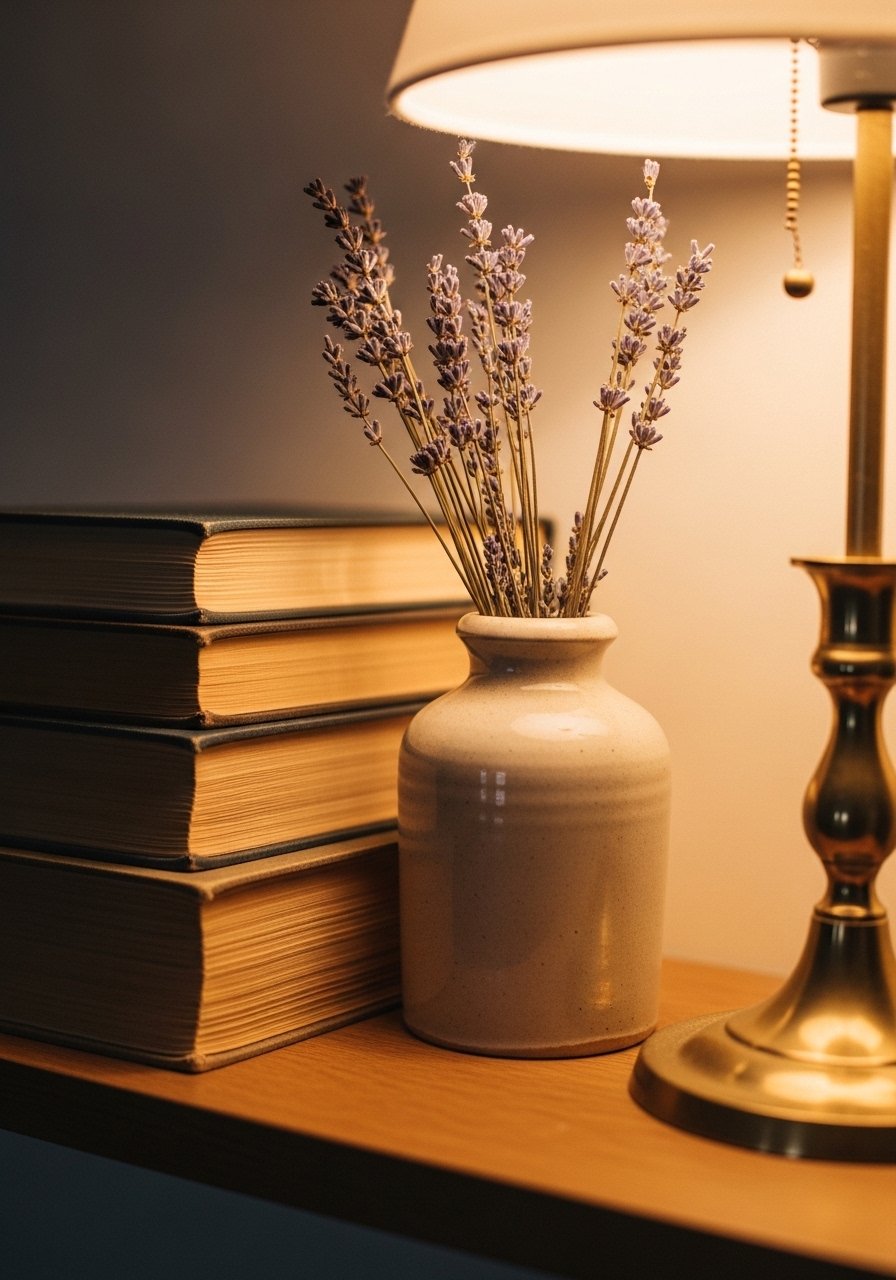
My first shelf makeover started with books. I stack two or three horizontally and place a small object on top. It breaks the row-of-books look and gives the eye places to rest. For cottagecore I like mismatched linen-bound books and a small stoneware vase to hold dried lavender or foraged sprigs. Keep stacks under 8 inches tall so the shelf does not feel heavy. Common mistake is lining spines up by height. Instead vary heights in a 60/40 ratio, taller pieces on one side, shorter stacks balancing them. Pair this with idea about ceramics below for a lived-in mix.
Dried Flower Bundles in Apothecary Jars for a Timeless Touch
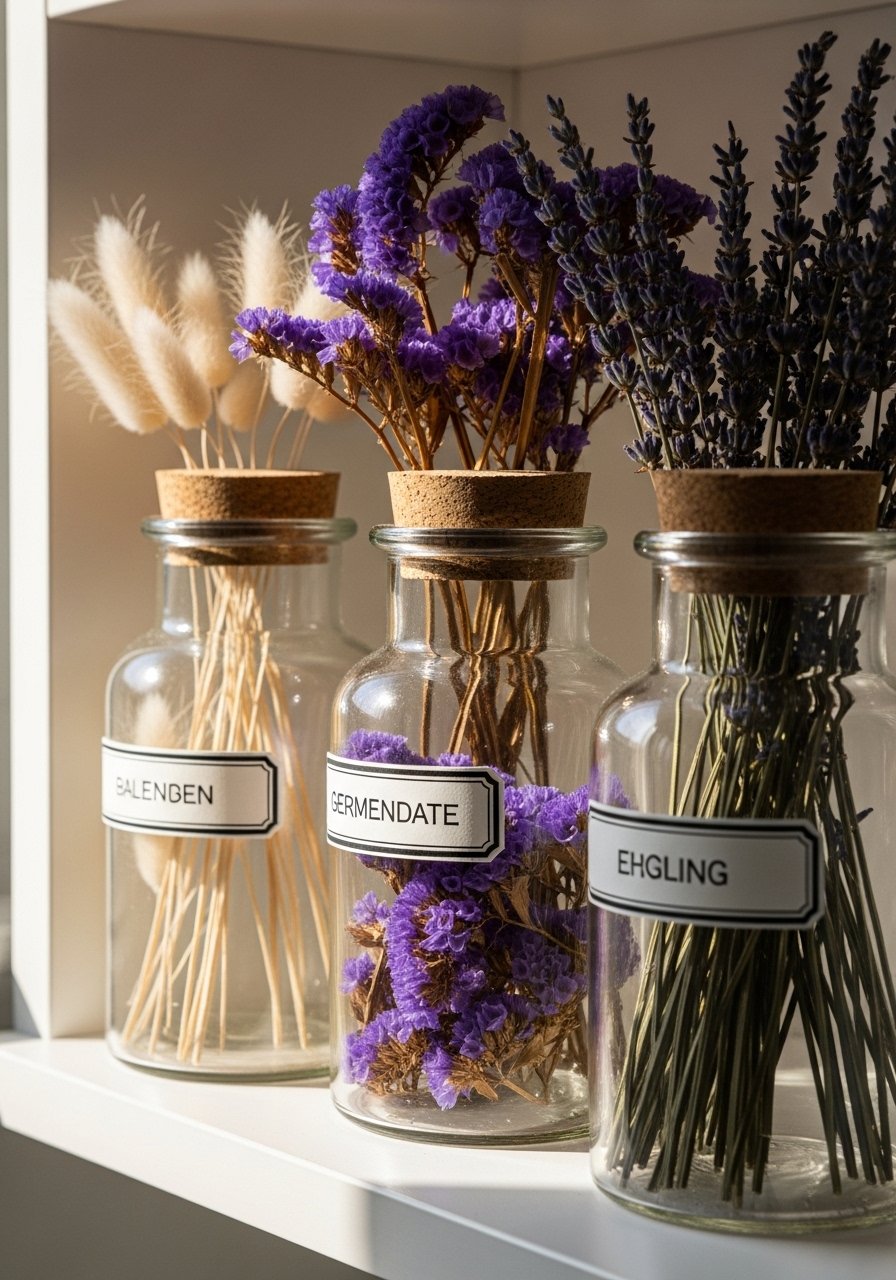
Nothing says cottagecore like dried flowers that last through seasons. I buy small bundles and split them into clear apothecary jars so one shelf can have a bouquet medley. A practical detail most people skip is trimming stems so jars sit at two thirds the height of the shelf space. That keeps proportions right and avoids overcrowding. Mistake to avoid is over-fluffing bundles. Airy, slightly sparse bunches look authentic. Swap these between shelves for seasonal variety.
Mismatched China Plates as Rustic Shelf Art
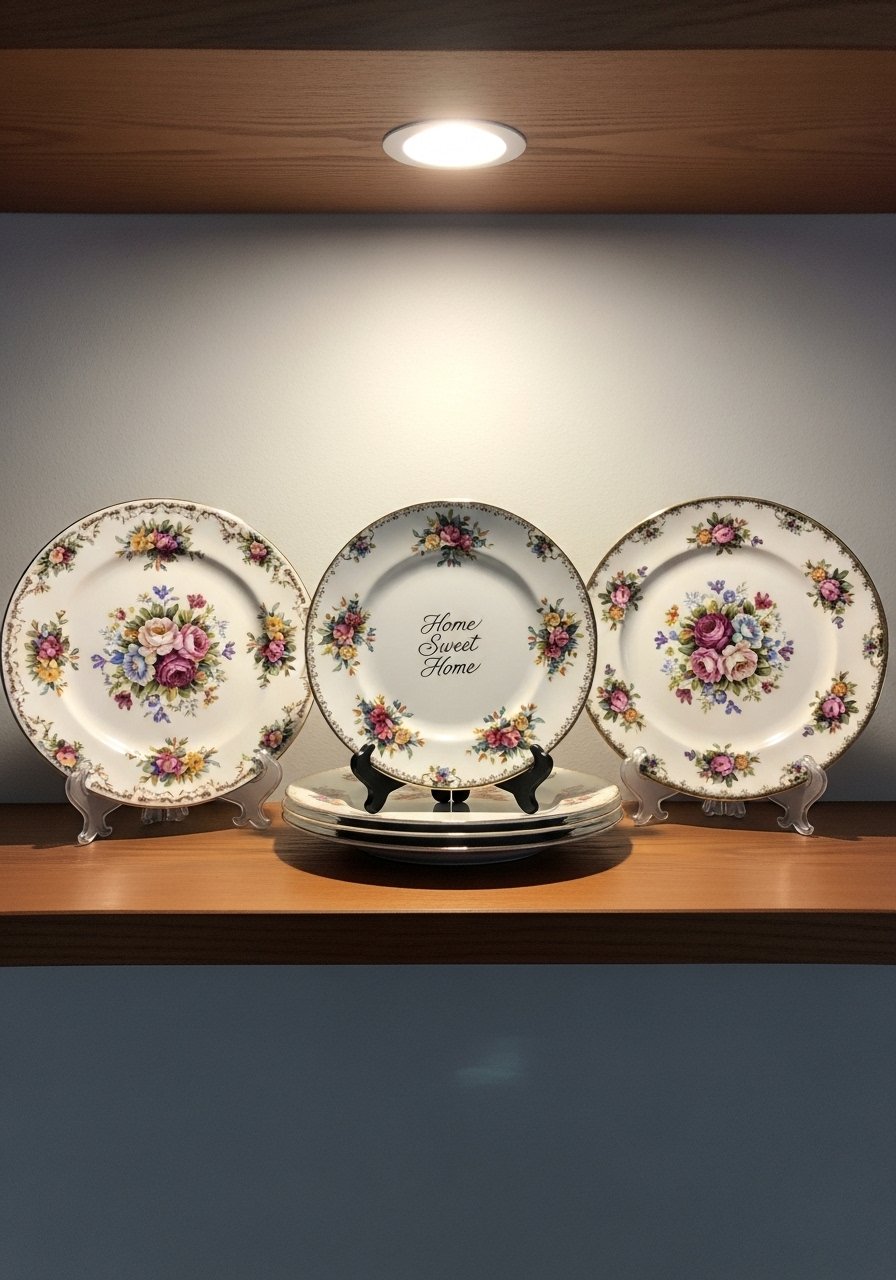
I used to stash plates in a cabinet until I tried propping them on a shelf. Plates add color and pattern without taking floor space. Use plate stands and arrange odd numbers, three works best. I mixed blue transferware with a small floral dessert plate to ground the cluster. One detail people miss is angling the middle plate at 10 degrees to catch light. Keep plates within a 4-6 inch overlap so the pattern reads without looking crowded. Works great above a low console or fireplace mantel.
Soft Linens and Folded Throws on Lower Shelves
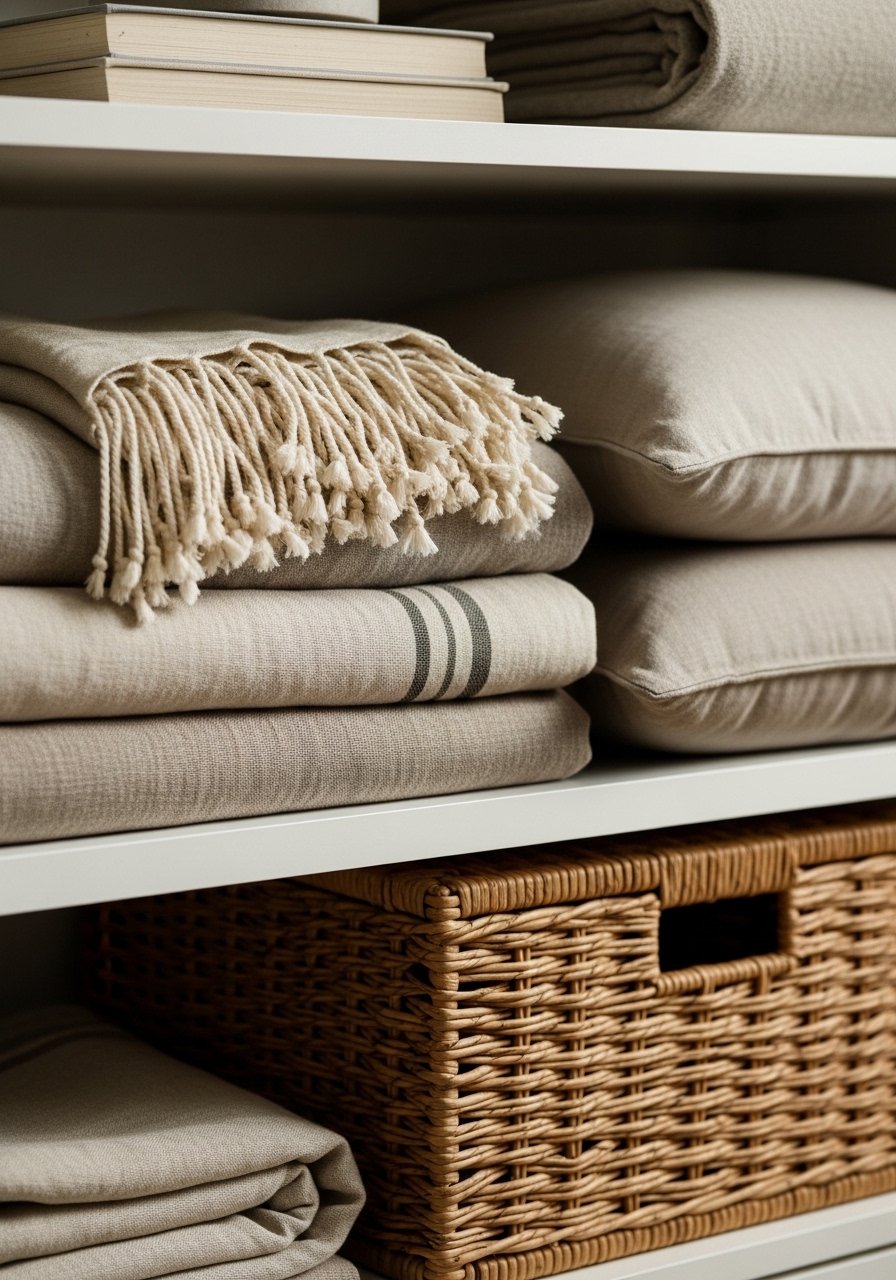
Shelves can store function and style. I fold linen throws into thirds and arrange them on lower shelves next to a wicker basket used for remotes and crosswords. Linen in natural tones pairs with a chunky knit throw in cream draped over the edge for texture contrast. A specific tip I learned is to leave one shelf at about 30 percent empty. Negative space makes the linens look intentional instead of shoved. Avoid putting too many folded textiles on high shelves where they look cluttered.
Curated Thrifted Finds for a Collected Cottagecore Look
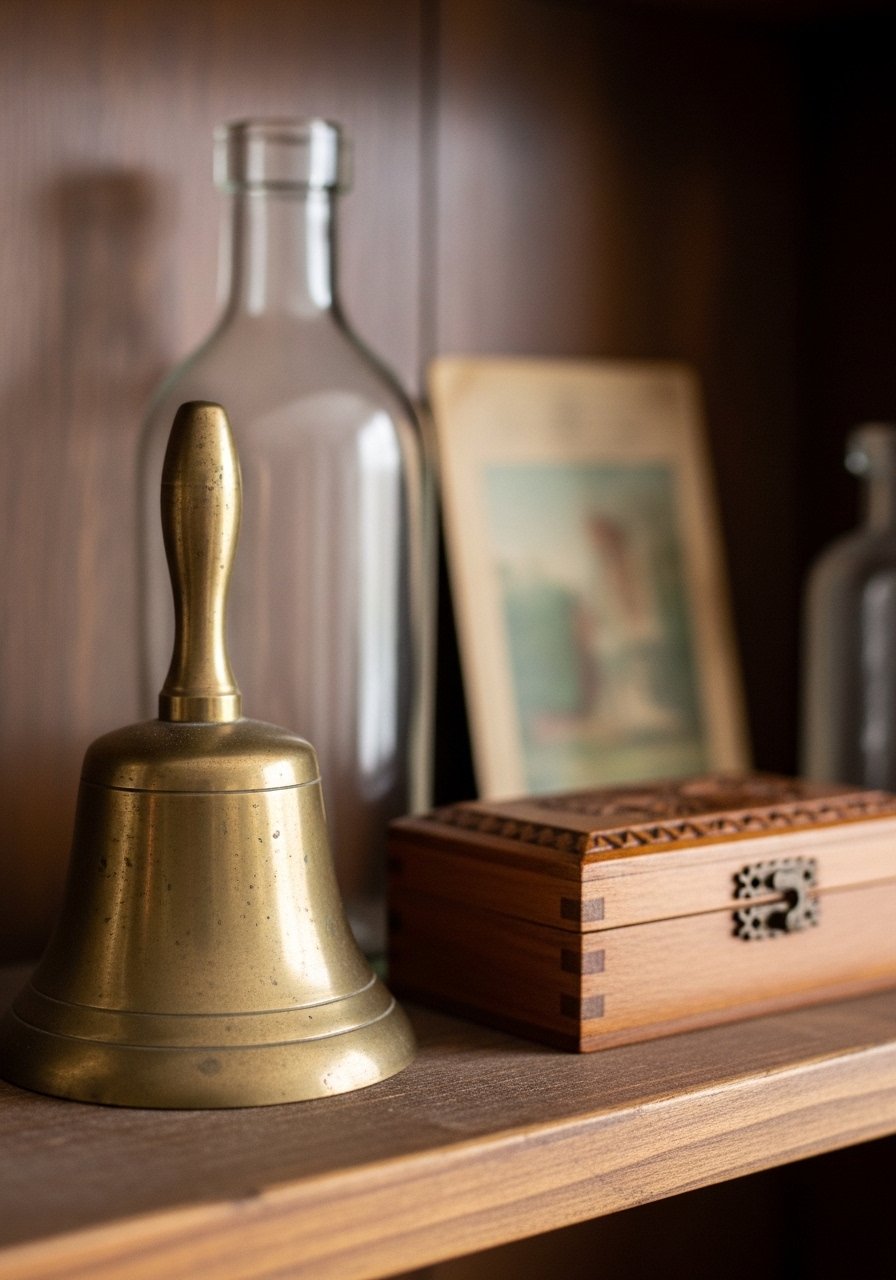
I love shopping flea markets for one-off pieces that tell a story. A small wooden tea caddy, a brass bell, or a worn postcard instantly personalizes a shelf. When I style thrift finds I aim for three textures within a 12-inch span, wood, metal, and glass. Found a small wooden trinket box once that became my catchall for keys and clipped receipts. Common mistake is treating every item as a focal point. Instead let one thrifted object anchor a tiny cluster, and pair it with neutral books or a plant.
Botanical Prints and a Mini Gallery on a Shelf Corner
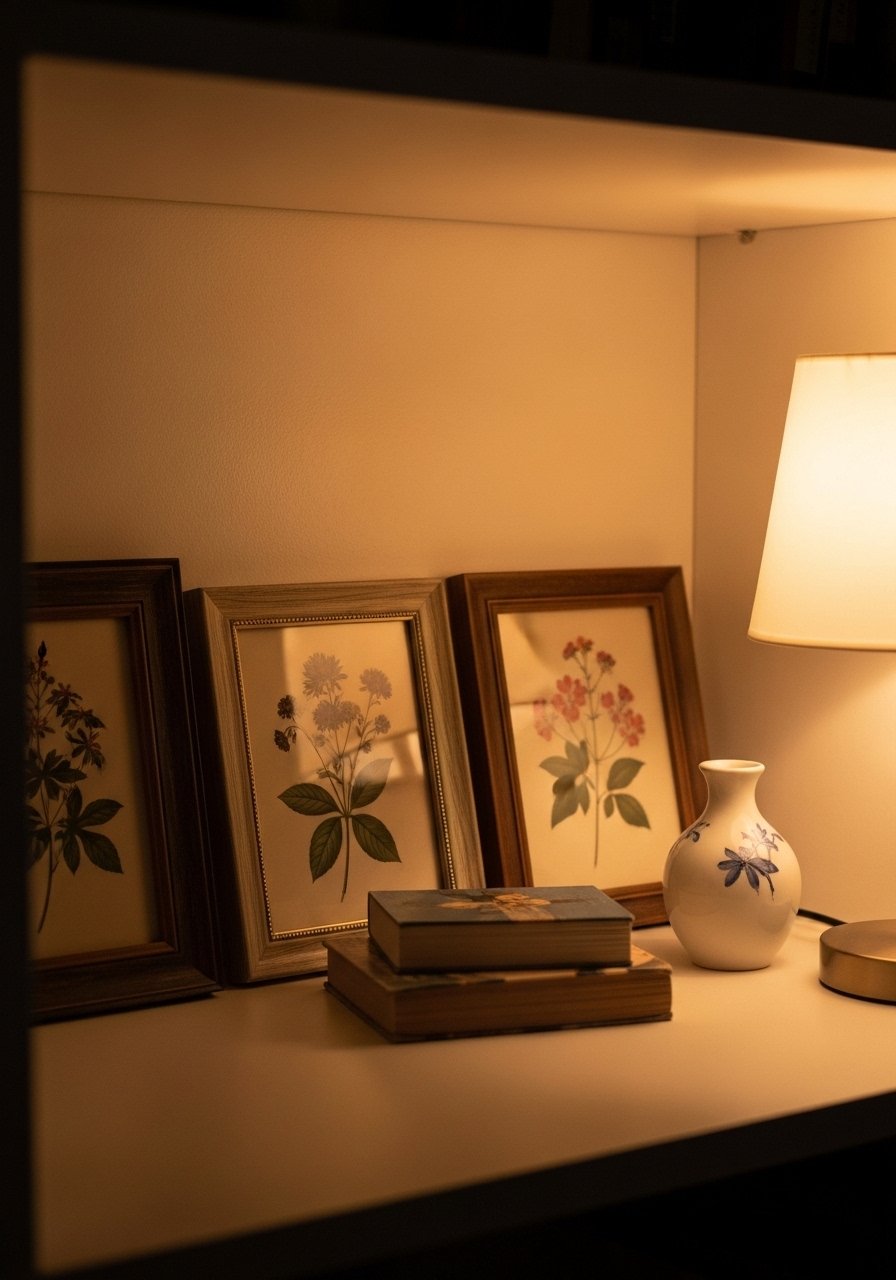
Switching a shelf to art mode is an easy refresh. I lean two 5×7 framed botanical prints and prop a tiny frame in front to create depth. Use mixed frame finishes like wood and matte black to stop everything from feeling matchy. I hang a slim mixed-frame botanical set on the backboard and then layer objects in front for scale. A trick many miss is to let the largest print sit slightly off-center rather than perfectly aligned. It reads more relaxed and cottage-like.
Candle Groupings on a Tray for Glow and Texture
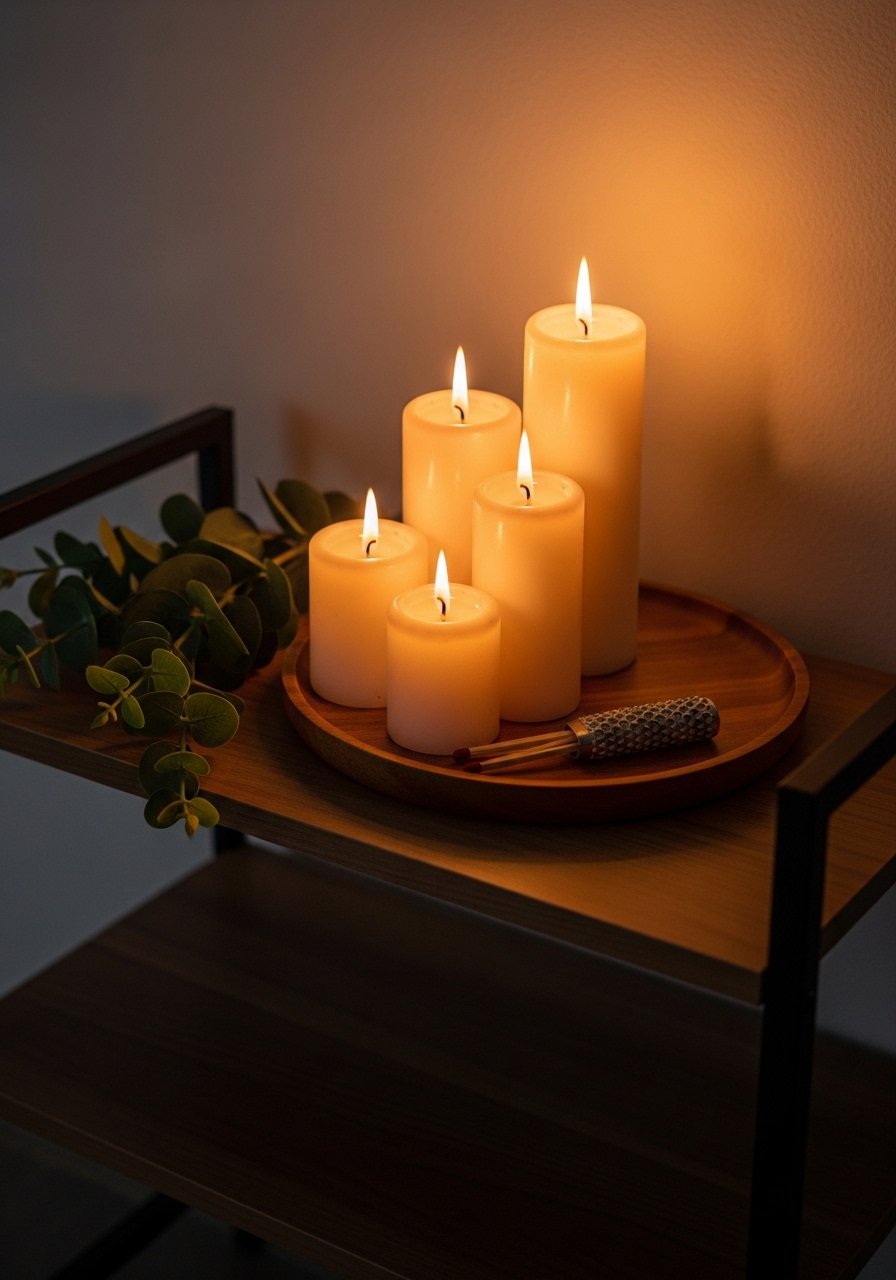
Candles add movement and scent that photos cannot. I cluster three unscented pillar candles on a small wood tray, add a sprig of eucalyptus, and light them for guests. Keep candle heights within a 2-inch step so flames layer nicely. I use a rustic wood tray to group items and protect the shelf finish. Common mistake is scattering candles without a base. Trays prevent wax rings and make the whole arrangement feel intentional. Swap in battery-operated candles when you need worry-free glow.
Live Plants and Trailing Greenery for Life on Shelves
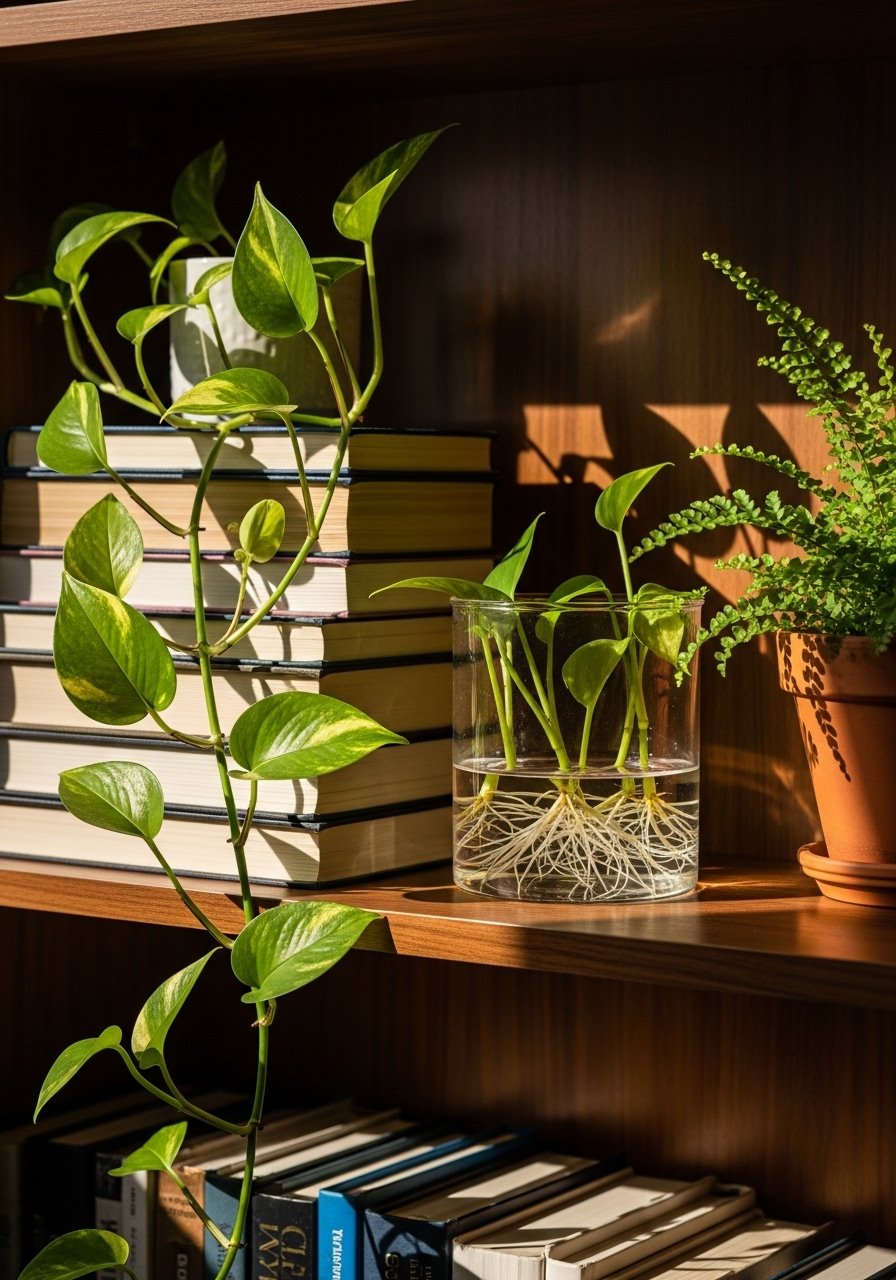
Plants are nonnegotiable for me. A trailing pothos breathes life into an upper shelf and a small fern softens a corner. I keep top-shelf trailing plants in lightweight ceramic pots under 6 inches so the shelf weight stays safe. My go-to is a ceramic hanging pot with drainage tray for easy watering. One frustration I had was leaves yellowing under direct noon sun. Move plants two feet back from bright windows if the leaves scorch. If you need height without maintenance, pair this with the faux fiddle leaf fig in the shopping list.
Wicker Baskets for Hidden Storage and Texture
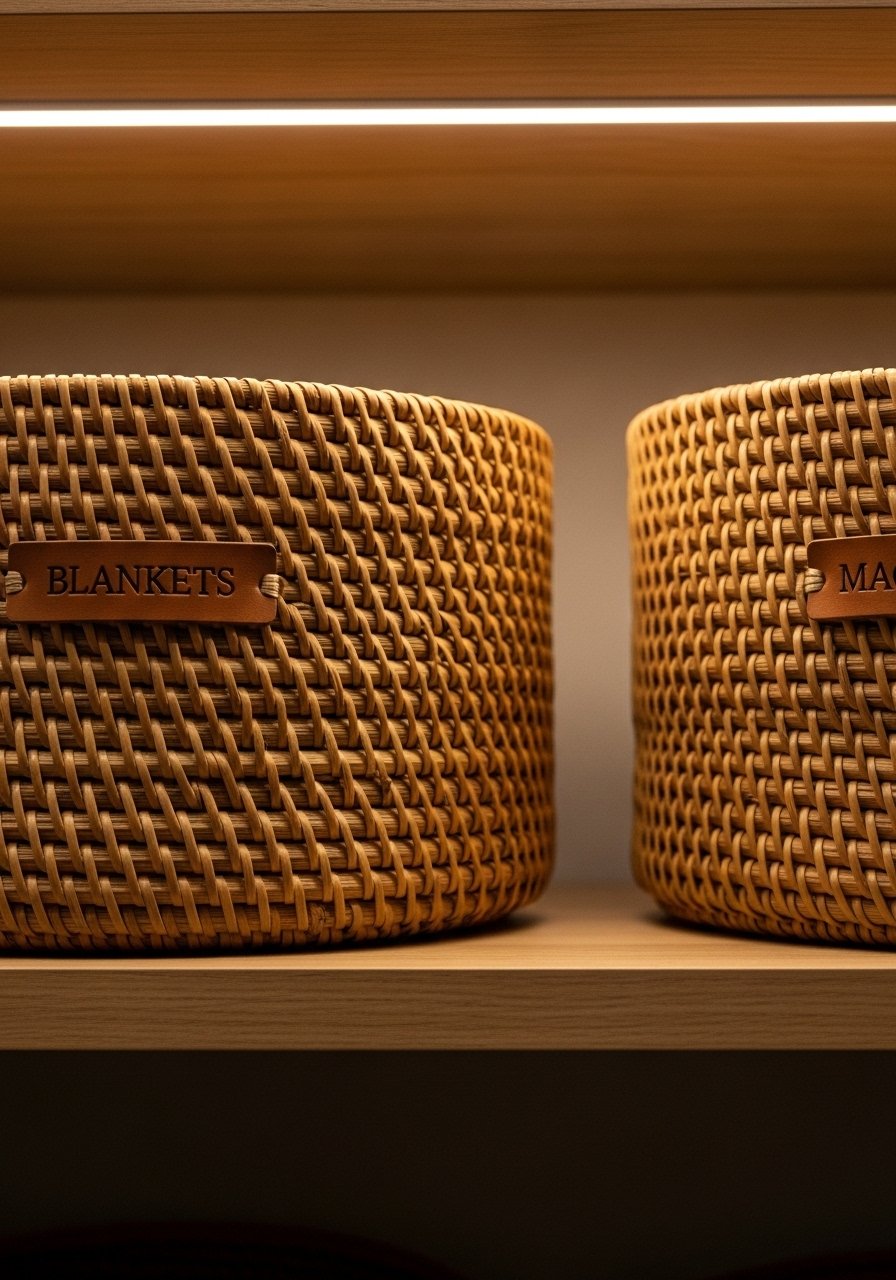
Wicker baskets hide the mess and add cottage texture. I use one medium basket per two shelf bays to keep proportions balanced. Choose baskets with flat bases so they sit flush and measure the shelf depth before buying. These seagrass baskets with leather handles fit my blankets perfectly at 14 by 12 inches. A rookie mistake is crowding baskets with too many small items that become hard to retrieve. Use baskets for bulky items and label them on the outside for easy access.
Antique Mirrors and Reflective Pieces to Brighten Corners
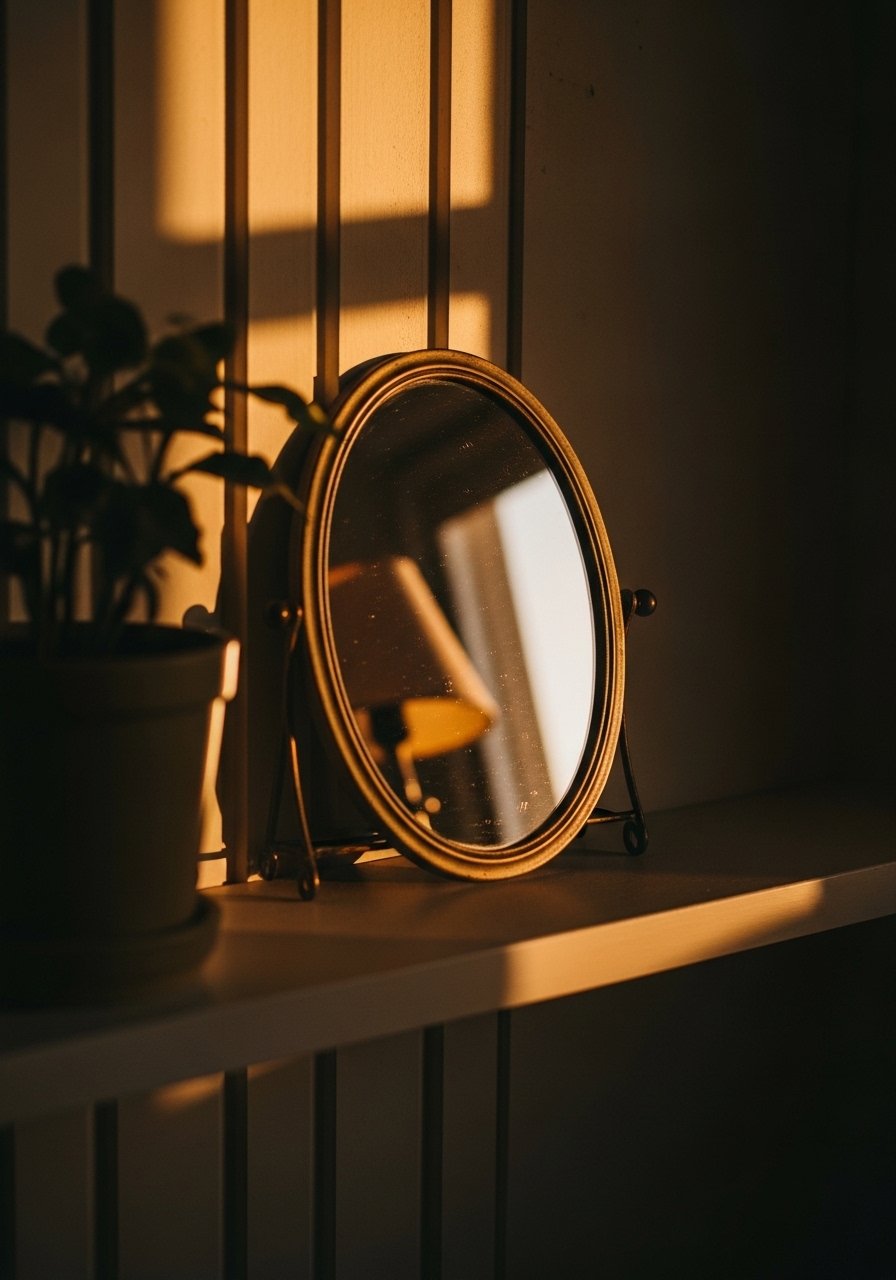
Mirrors on shelves bounce light into dark corners and make layers feel deeper. I like small oval or round mirrors, not full-length. An antique-look oval tabletop mirror perched behind a stack of books brightens the grouping without stealing focus. One specific trick is angling the mirror to catch a lamp rather than a window so reflections stay warm. People often hang big mirrors where shelves need small ones. Scale matters, and shelf mirrors should be about one third the width of the shelf.
Seasonal Swaps with a Neutral Base for Every Shelf
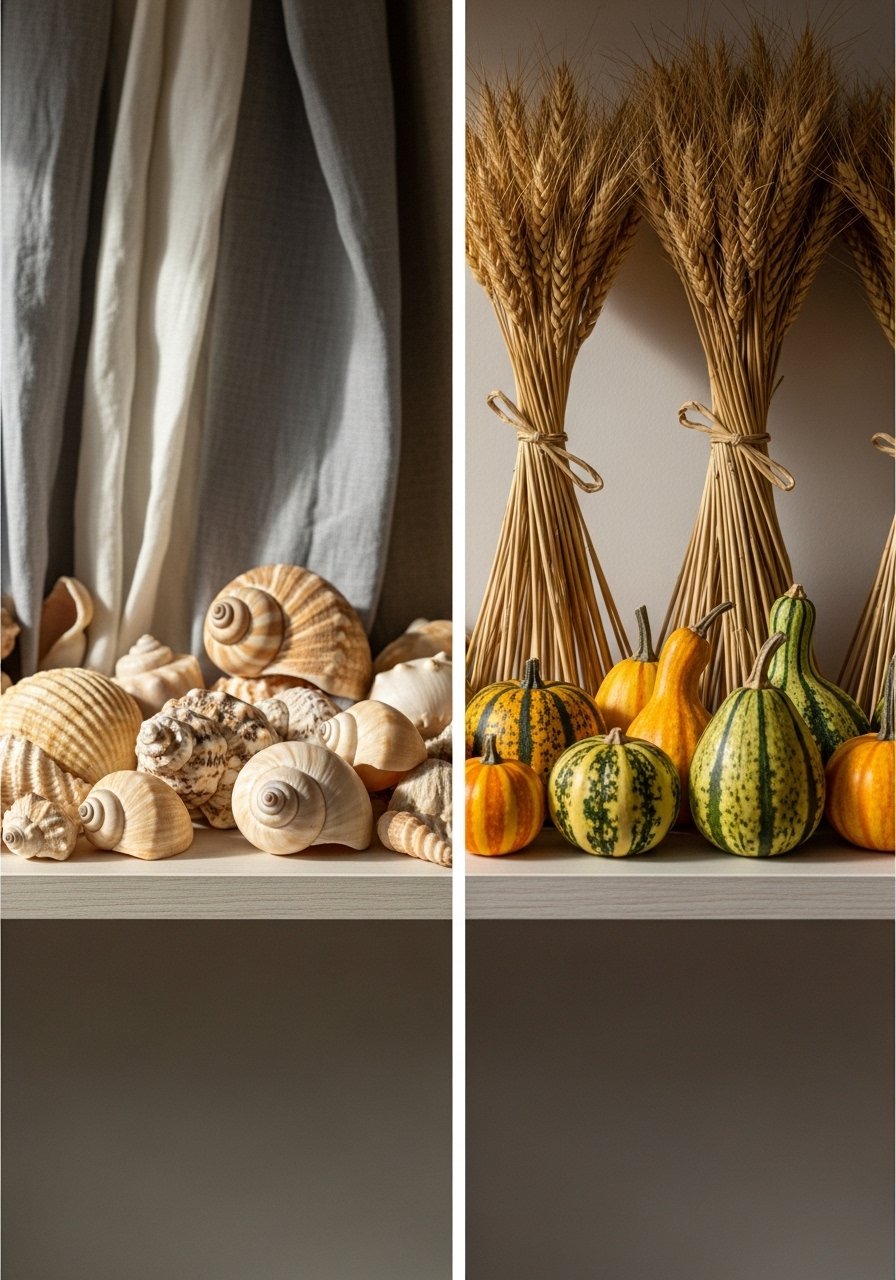
I design shelves as small seasons. Start with a neutral base, like a stack of cream books and a wooden bead garland, then change three accent items per season. For fall I add a tiny gourd and a bundle of wheat, for spring I switch in pastel ceramics. A helpful rule is a one-in, one-out swap so the shelf never gets crowded. I also follow a lighting check when swapping colors. Expect half your match to flip under different bulbs. That is why I test new accents in both natural and lamp light before committing.
Your Decor Shopping List
- Honestly the best $40 I have spent. Chunky knit throw in cream, 50 by 60 inches, sheep-wool look. Great draped over a lower shelf or armchair.
- For the antique mirror trick, a compact option works. Oval tabletop mirror, antique brass finish, 10-inch height.
- Found these while looking for something else. Seagrass baskets with leather handles, measurements 14x12x10 inches, perfect for throws.
- For dried flower vases, go simple. Small stoneware vase, 4 inches tall, cream glaze.
- For greenery when you cannot keep live plants, faux fiddle leaf fig 6ft provides height without upkeep. Similar at HomeGoods for lower price.
- A tiny tray keeps candles safe. Rustic wood tray small, 12 by 6 inches, deep enough for pillars.
- For botanical prints, try a budget set. Mixed botanical print frames set, includes 5×7 and 8×10 sizes.
- Budget-friendly plate option for shelf art. Floral dessert plate set of 2, 7 inches diameter.
Shopping Tips
White oak beats dark wood in 2026. Design feeds have shifted completely. These white oak floating shelves look current, not dated.
Grab these velvet pillow covers for $12 each. Swap them every 3 months and the whole room feels different.
Curtains should puddle or kiss the floor, never hang halfway up. 96-inch linen curtain panels are right for standard 9-foot ceilings.
Everyone buys five small succulents. One single 6-foot faux fiddle leaf fig has ten times the visual impact.
Frequently Asked Questions
Q: Can I mix vintage plates with modern ceramics on the same shelf?
A: Yes. Mix them but keep one common thread like a color or finish. I pair blue transferware with a simple cream bud vase to keep the look cohesive.
Q: How do I stop shelves from looking cluttered?
A: Edit down to groups of three and leave breathing room. One useful trick is to follow a 2/3 height rule for objects, keeping at least one shelf with lower-profile items to let the eyes rest.
Q: What if my shelf colors look different in the evening?
A: Expect half your match to flip under different bulbs. Test new pieces by viewing them in natural light and near your main lamp before buying more.
Q: Should I use real plants or faux for cottagecore shelves?
A: Both. Real pothos and ferns add life. Use a ceramic hanging pot for easy watering on upper shelves. Faux plants work where light is poor.
Q: How do I choose shelf heights for styling?
A: Aim for 12 to 14 inches between shelves for average objects, and reserve one shelf at 16 to 18 inches for taller vases or stacked frames. That spacing keeps items from feeling squeezed and lets you layer without cutting items off.