
Spent $400 on a new coffee table. Room still looked off. Spent $35 on a throw and three candles. Suddenly everything clicked. The same thing happened when I finally made my own concrete planters. One chunky pot in the right spot turned that blank corner into a place people actually sat and lingered.
These planters skew modern and minimalist, with a few mid-century nods. Most builds cost $10 to $60, with a few splurges if you buy pre-made silicone molds around $30-50. Perfect for windowsills, entryways, balconies, and bedside tables.
Polished Cylinder Planter for Minimal Living Rooms
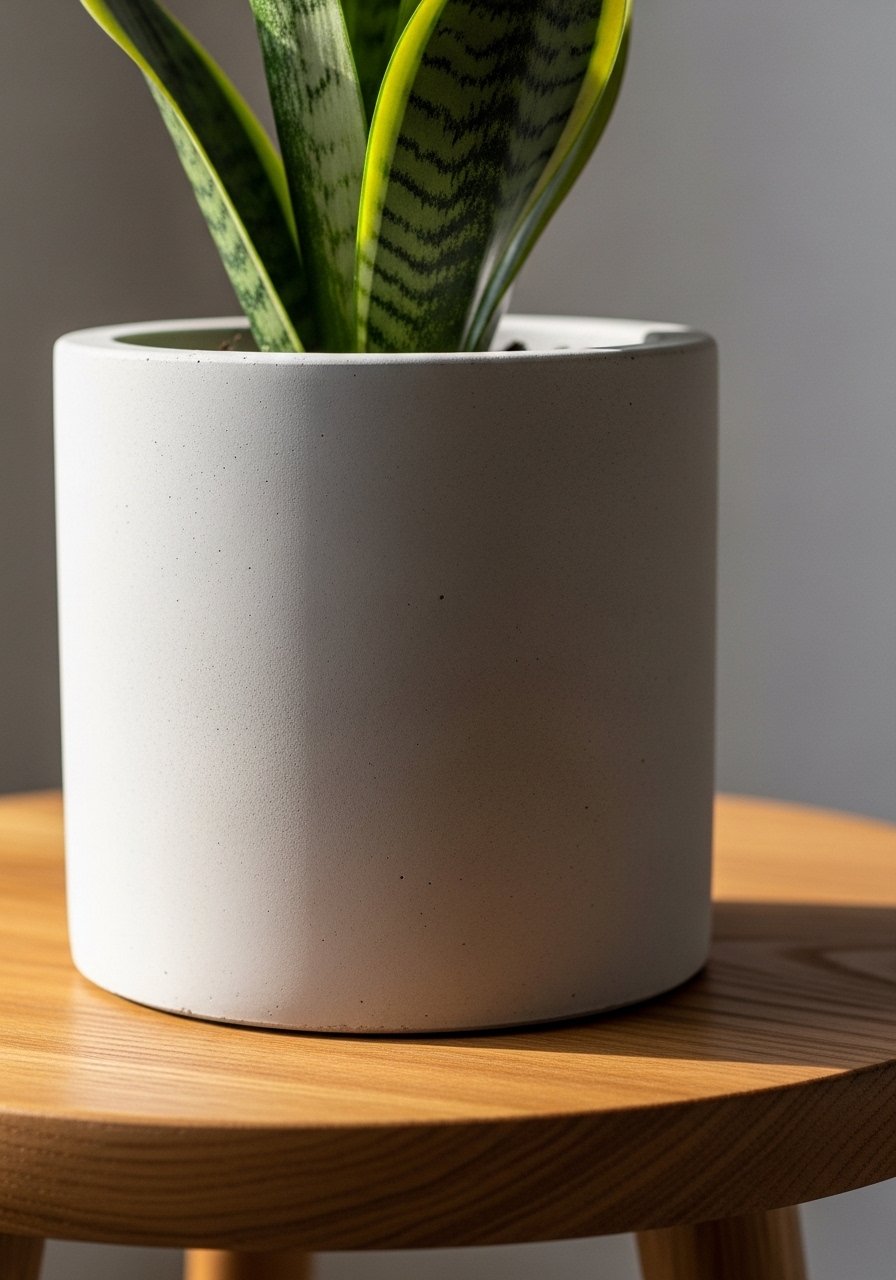
If you want clean lines, make a simple cylinder with a 1/2 inch wall thickness and a satin sealer. I mix quick-setting concrete and press it into a two-part PVC pipe mold, then sand the rim after 48 hours. The look reads premium because the walls are even and the finish is uniform. Budget is $10 to $25 for materials. A common mistake is making the walls too thin so the pot cracks when you knock it. Pair this with a 22-inch down pillow on the sofa for scale. Try silicone-tube-molds if you hate cutting PVC.
Terrazzo Speckle Planter for Colorful Corners
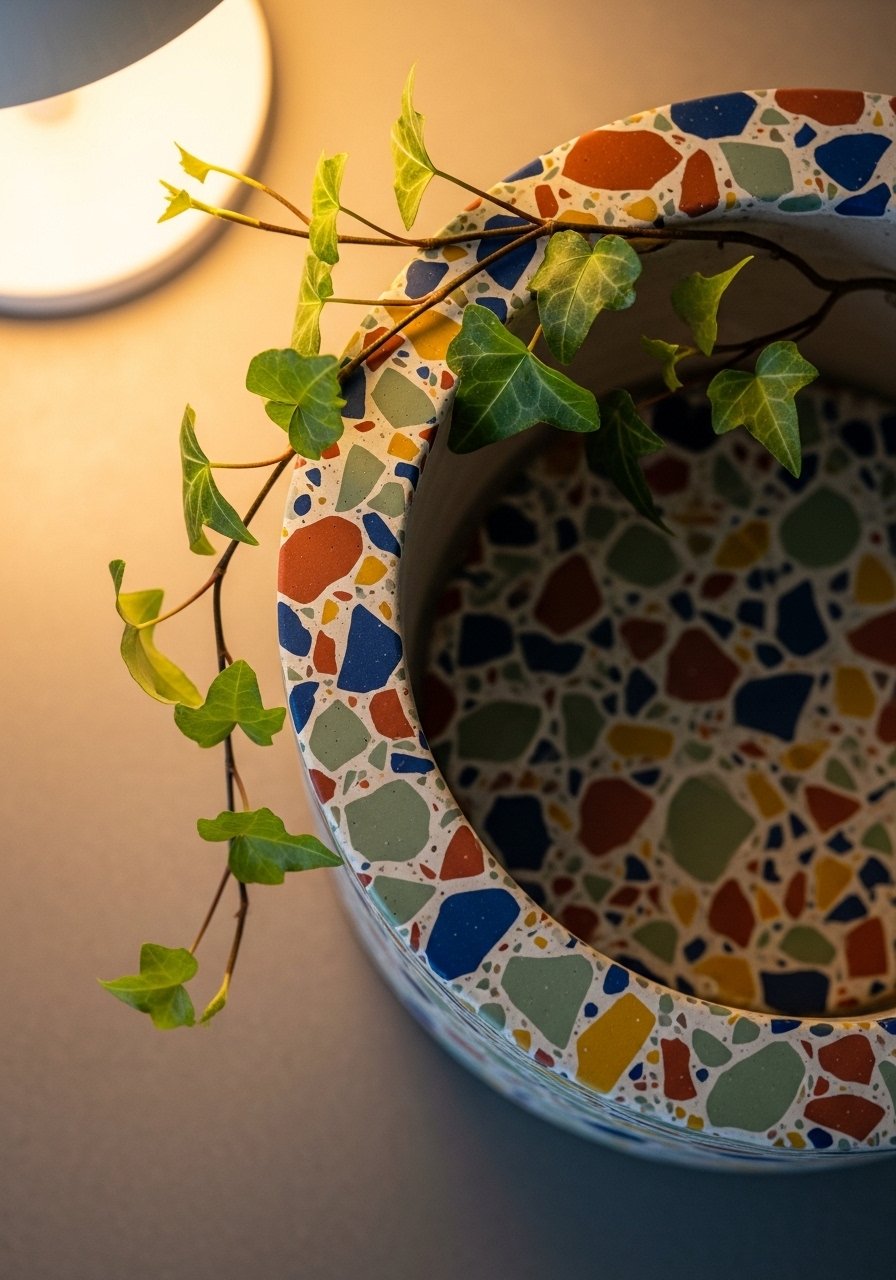
Terrazzo finish hides imperfect pours and makes cheap concrete feel designer. Toss marble or colored glass chips into the mold before you pour. I aim for a 20/80 chip-to-concrete visual ratio so the speckle reads intentional, not busy. Budget $15 to $40. People often try to stir in chips after pouring and get uneven clumps. Pre-place them on the mold surface instead. Seal with a matte polyurethane to keep the colors mellow. I used concrete-sealer-matte to lock the finish.
Two-Tone Dipped Rim Planter for Modern Kitchens
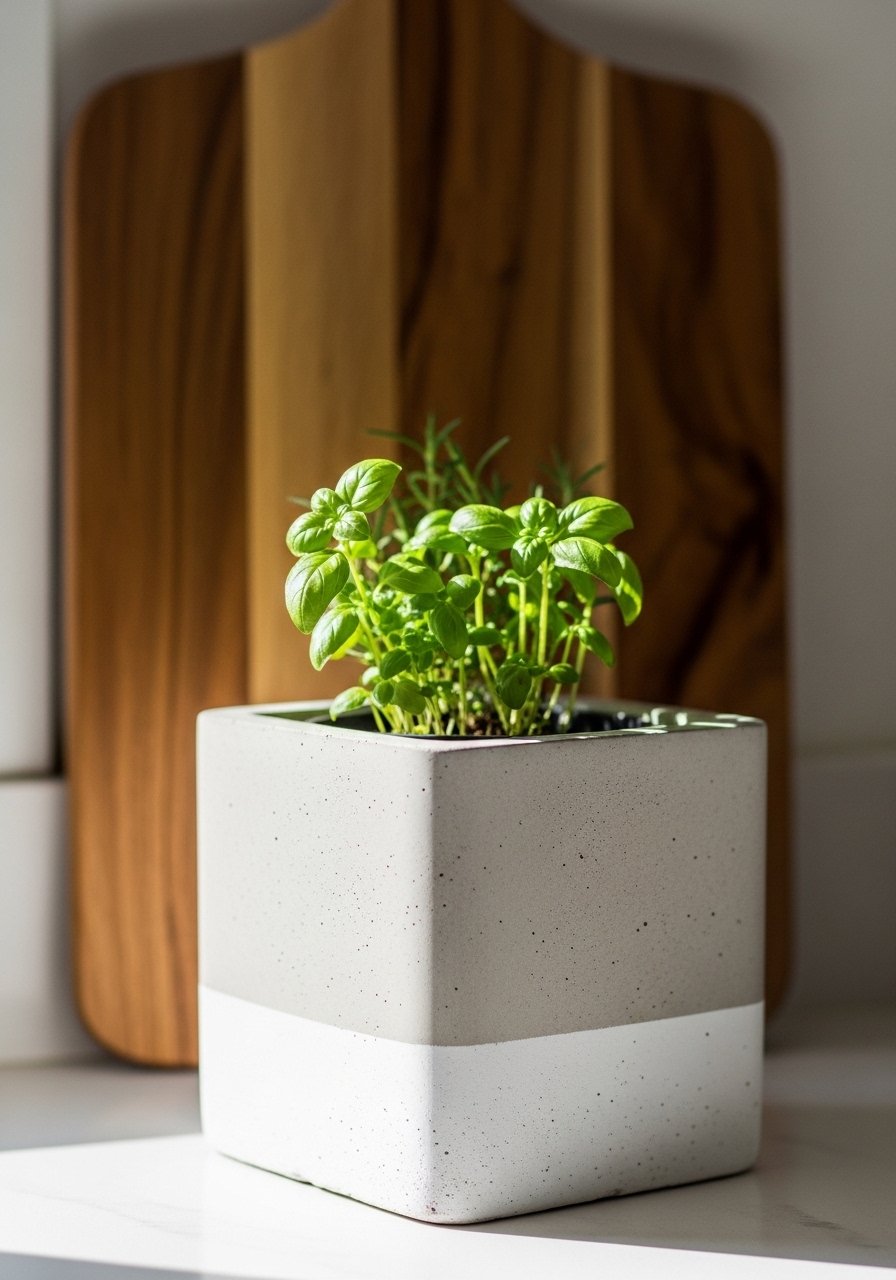
Dipping the top 1 to 1.5 inches in contrasting paint makes a $10 pot look curated. I sand the rim slightly and tape a crisp line, then use an acrylic paint made for masonry. Works great for kitchen herbs and costs under $20 total. New makers often paint before the concrete is fully cured and the paint flakes. Wait at least 72 hours, then sand lightly. Match the rim color to a utensil or shelf item for cohesion. I grabbed masonry-acrylic-paint for small batches.
Geo-Fold Planter For Entryway Statement
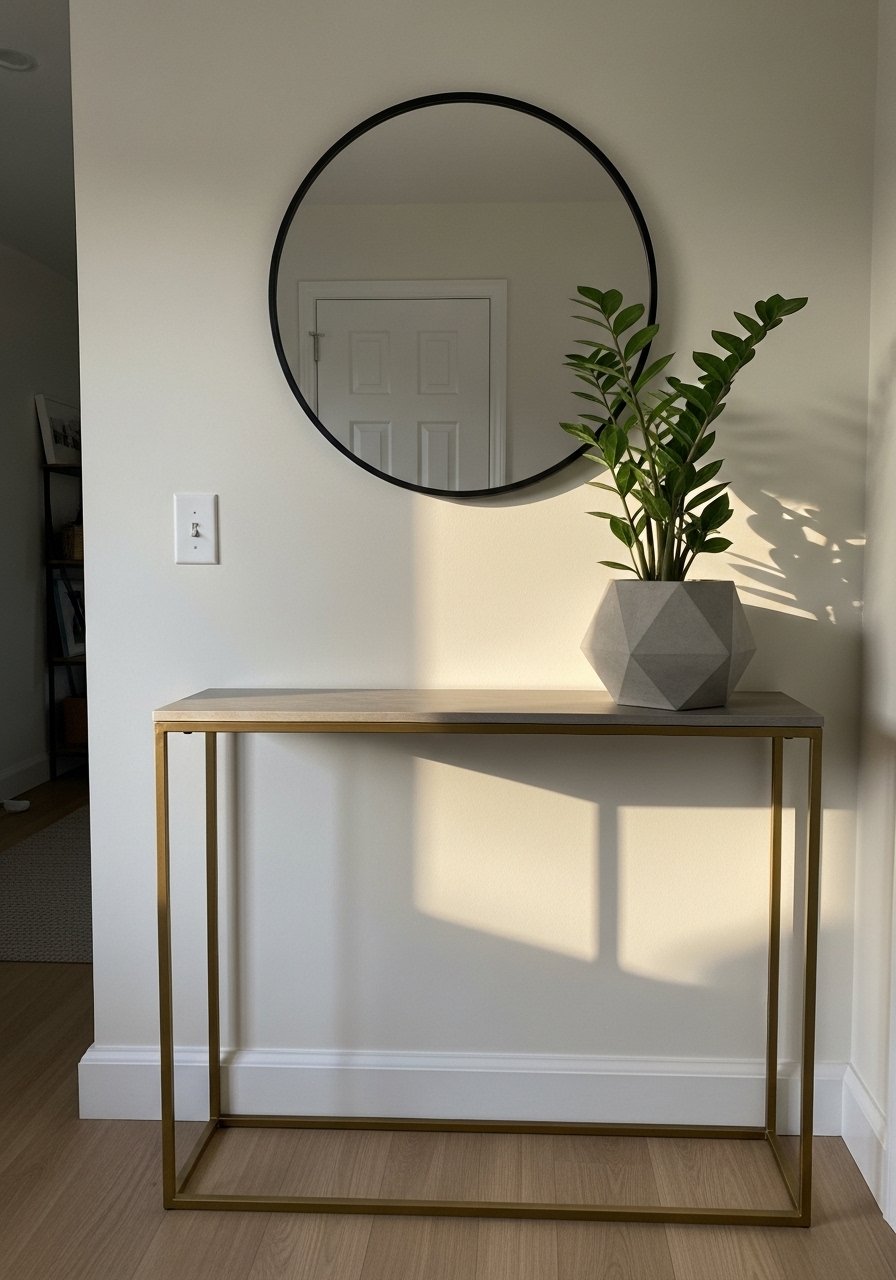
Cutting simple facets into a mold gives a geometric, sculptural look. My trick is to use cardboard and packing tape to build the inner core so each face is 1 to 1.5 inches wide. It reads like a boutique purchase. Expect to spend $20 to $50 with reusable silicone molds. The usual mistake is overcomplicating facets and losing scale. Keep each face uniform and pair with a matte black tray for contrast. If you want a reusable option, try silicone-faceted-molds.
Brass-Inlay Planter for Subtle Glam
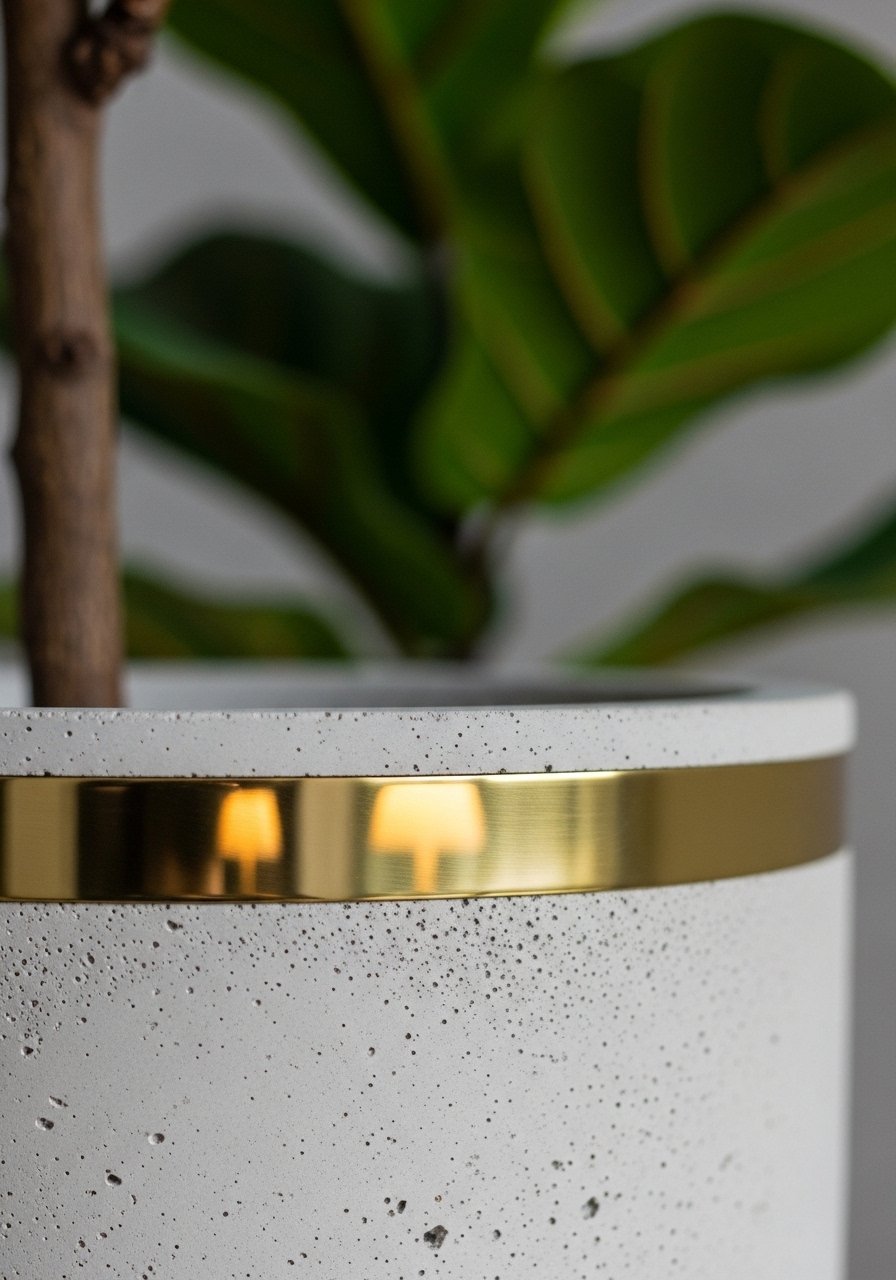
Embed a thin brass strip while the concrete is damp. It gives that premium, small detail people notice. I clamp the metal in place and press concrete tight around it, leaving a 1/16 inch reveal. Costs go up to $40 with brass, but the result reads high-end. A common error is not cleaning the metal after demolding, which leaves residue. Polish the brass with a soft cloth. Use brass-utility-strip for narrow inlays.
Pigmented Concrete for Warm Neutrals
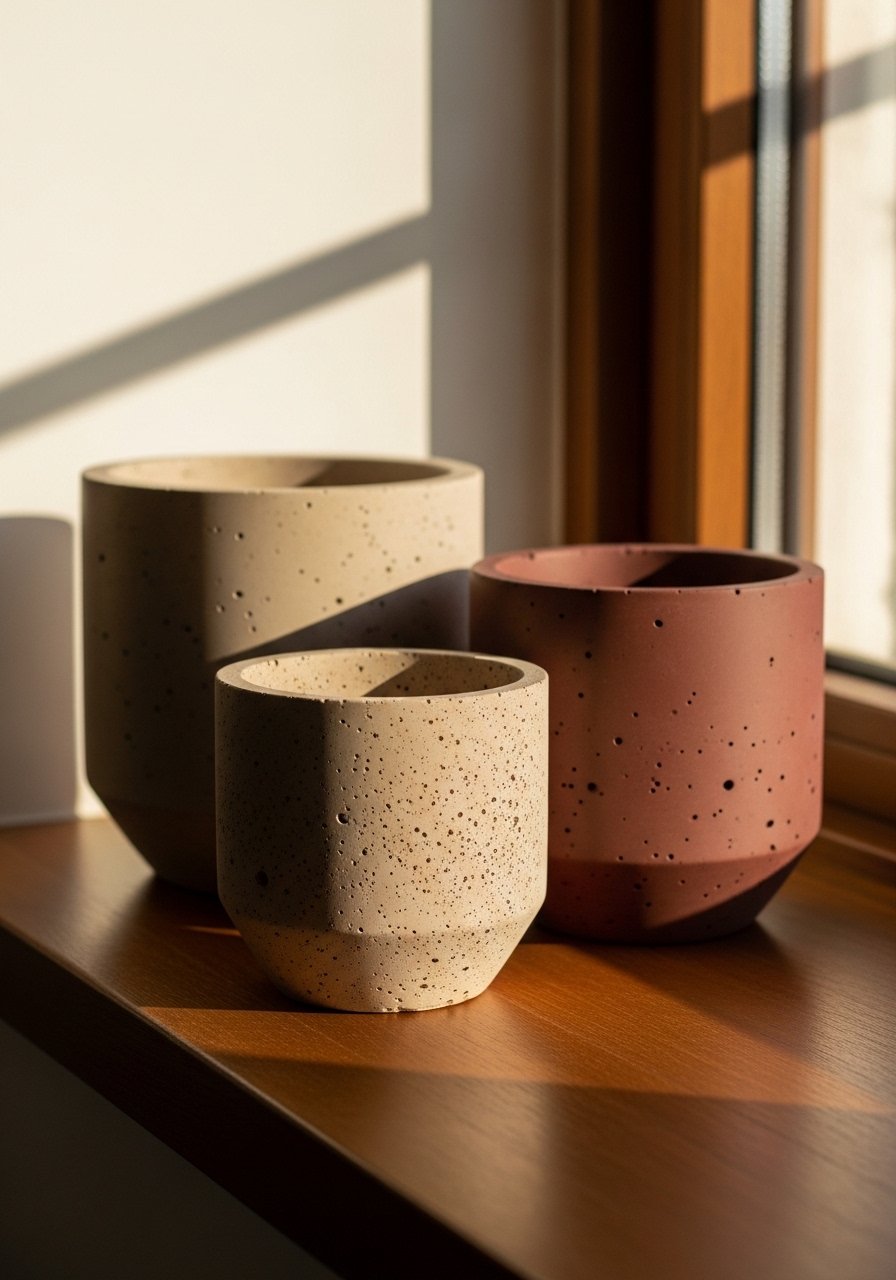
Instead of painting, add pigment straight to the mix for consistent color. I use iron oxide pigments, about 2 to 4 percent by weight, and it gives earthy, consistent neutrals. Budget $15 to $35. The mistake is adding too much water to thin out a thick batch and washing the pigment out. Keep your water-to-mix ratio steady and test a small sample. These look great together if you keep 80/20 color balance, meaning 80 percent neutral and one accent pigment.
Hanging Concrete Planter for Small Balconies
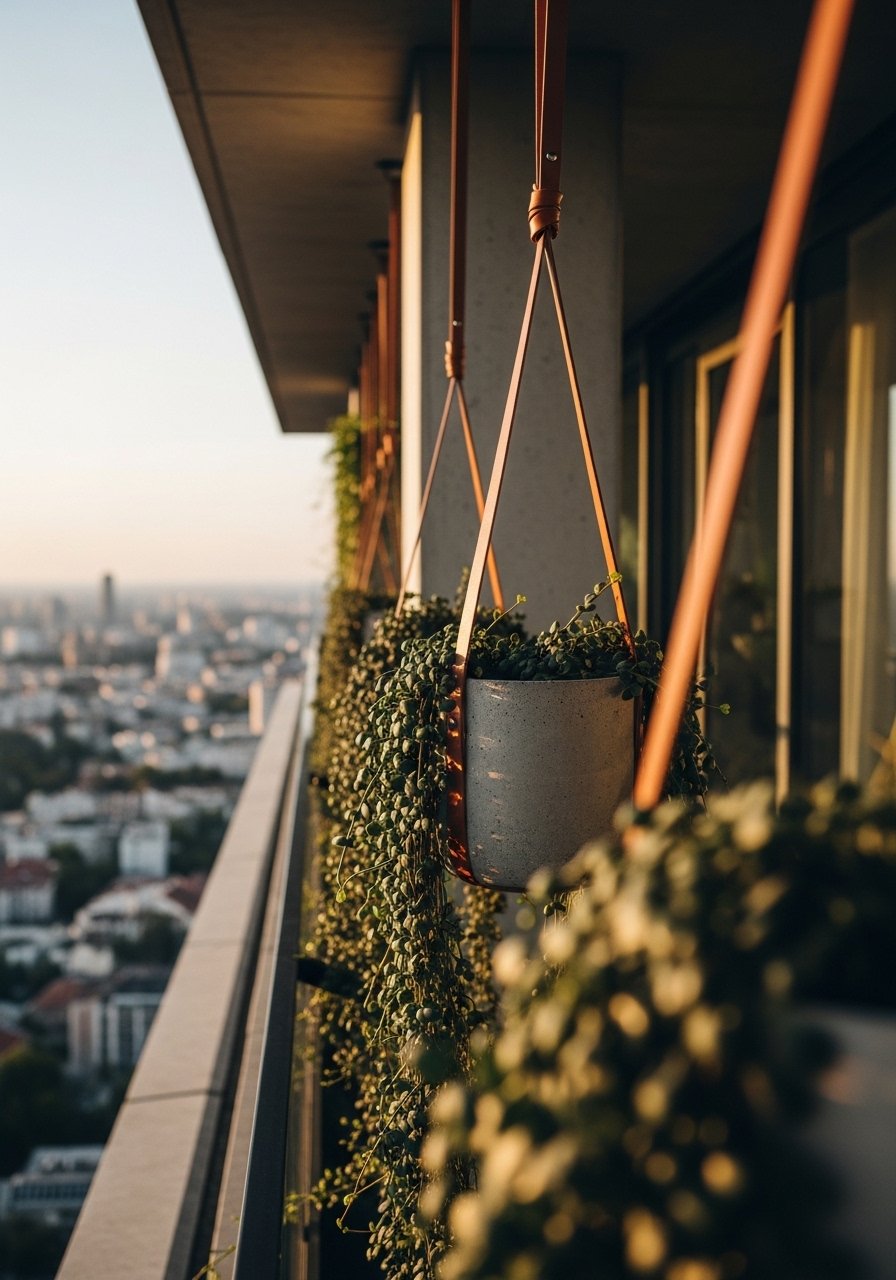
Hanging pots free up surface space and give your balcony depth. I drill an embedded eye bolt into the cured concrete and use leather straps that loop under the rim. Keep the pot shallow, 3 to 4 inches deep, for trailing succulents. Budget is $20 to $45. People often overpot with heavy soil and the straps sag. Use lightweight potting mix and a 1/2 inch drainage core. Grab leather-plant-straps that are rated for outdoor use.
Footed Planter For Mid-Century Living Rooms
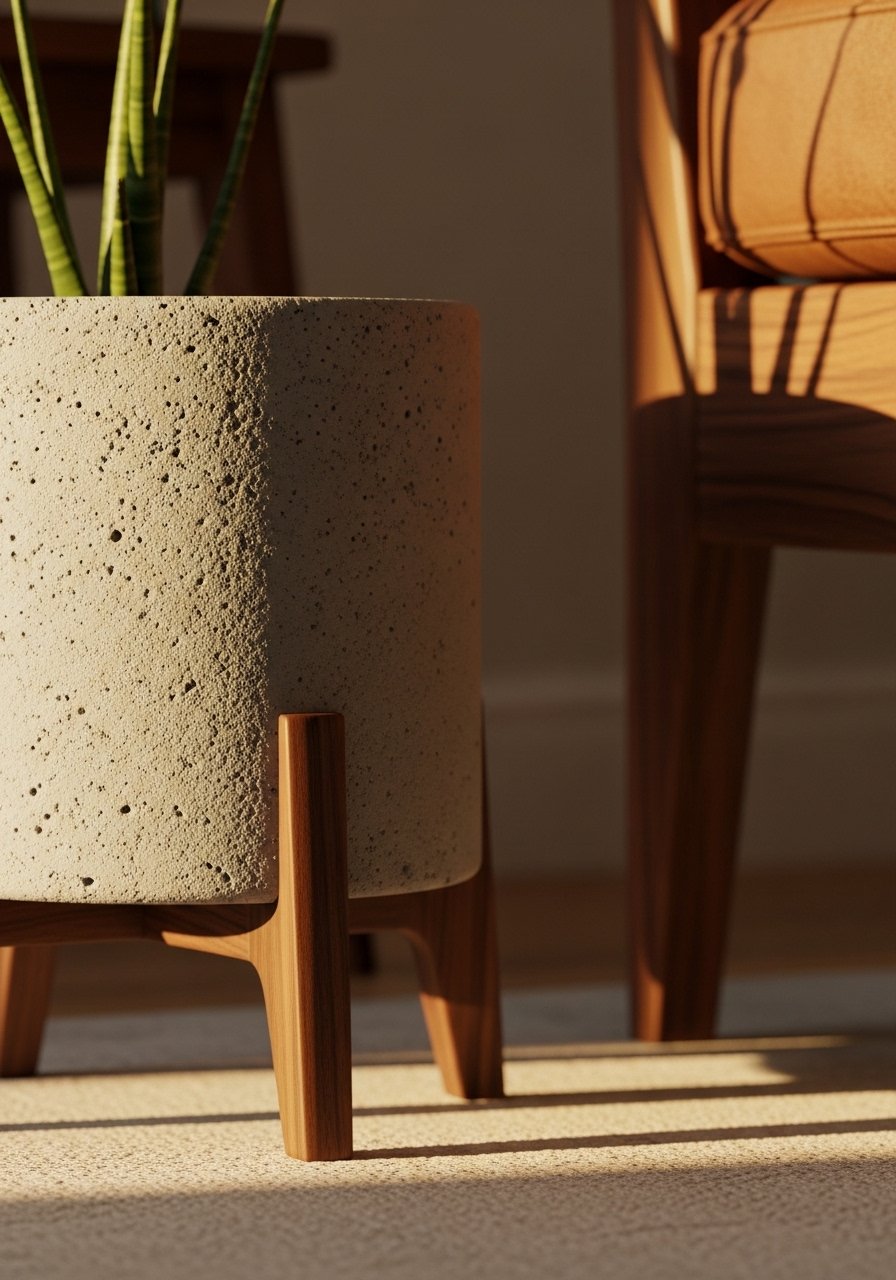
Raising a concrete pot on short wood legs makes it feel vintage and less heavy. I router a 3/4 inch pocket on the base and inset screw-in wood feet. Keeps the planter from scratching floors. Costs $25 to $60 depending on feet. The common mistake is tiny feet that make the pot wobble. Use three or four feet at least 1.5 inches high and driven into bolts. Pair this with the cylinder planter idea for layered height. Choose walnut-table-legs-set for a warm mix.
Stackable Modular Planters for Balcony Gardens
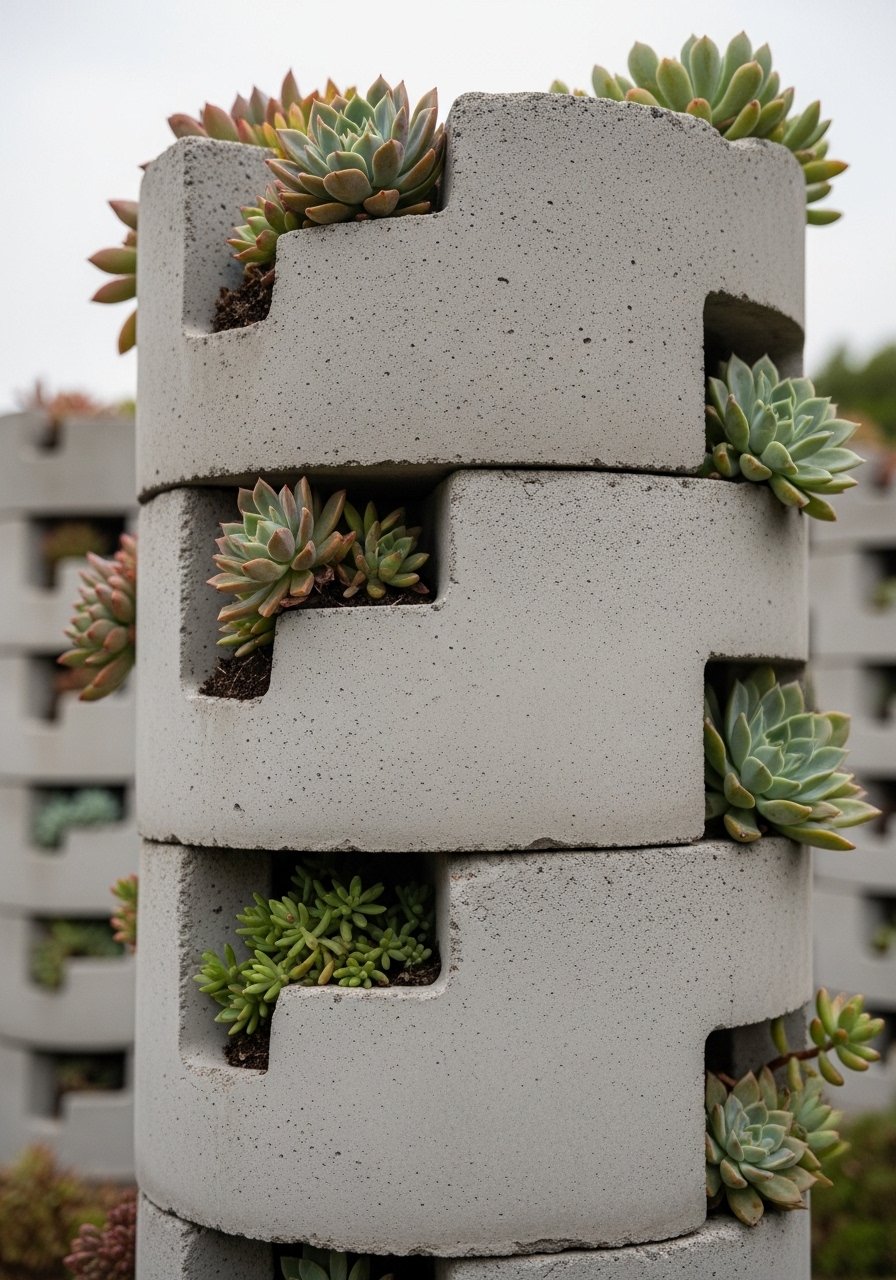
Build planters that stack and lock so you can add or remove levels. I design the lip so each layer nests with a 1/4 inch tolerance. Modular systems save space and look custom. Materials cost $30 to $70 if you buy molds. New makers often forget drainage between tiers, which drowns bottom plants. Drill a center channel or add a wick. I used stackable-plant-mold to prototype my design.
Shallow Succulent Dish For Windowsills
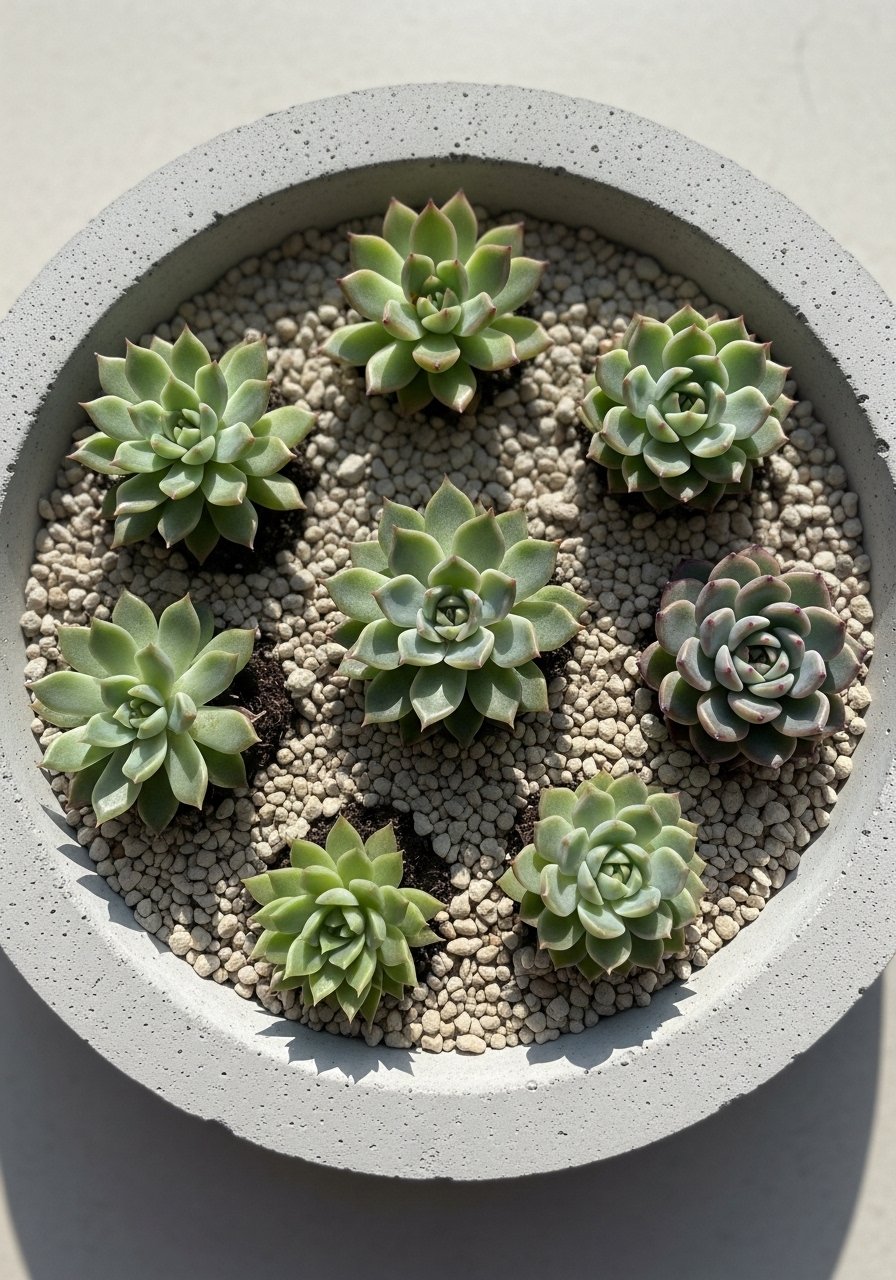
Shallow dishes are forgiving for succulents and make tiny collections look intentional. I leave 1 inch soil depth and space rosettes at least 2 inches apart so they never look cramped. Budget $8 to $20. New makers often pour a single thin layer and chips show through. Aim for 1/4 to 3/8 inch wall thickness. Top with a 1/4 inch gravel layer to keep soil from splashing. Pick up succulent-soil-mix-small-bags.
Concrete Hypertufa for Outdoor Patios
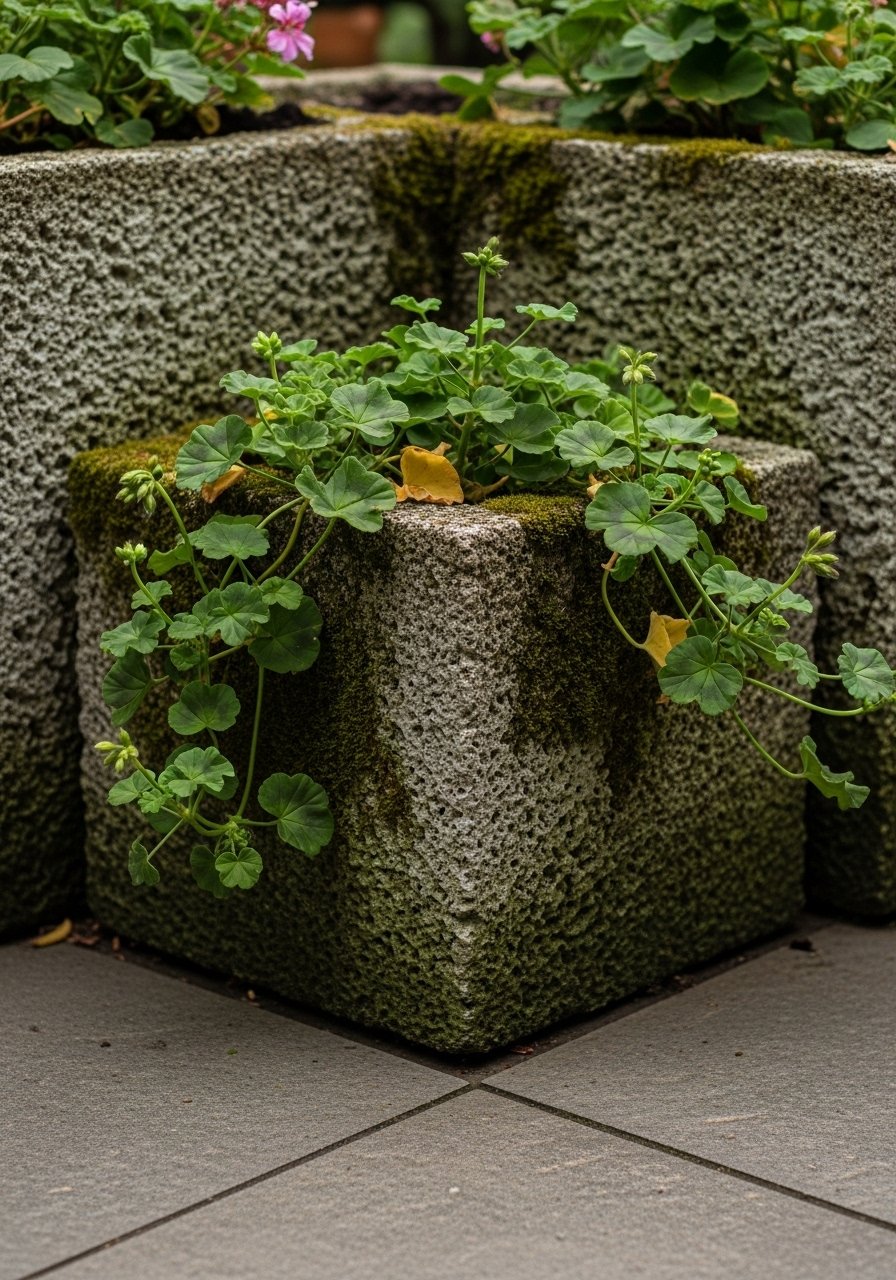
Hypertufa is lighter than solid concrete and weather friendly. The mix I use is one part Portland cement to three parts peat and perlite, packed into a foam mold. It cures over several days and then I brush off excess peat. Budget is $10 to $25. People try to make hypertufa too dense and it becomes heavy. Keep the mix airy and aim for 1/2 inch minimum wall thickness. Use peat-perlite-hypertufa-mix for a starter kit.
Concrete Planter with Cork Base for Floors
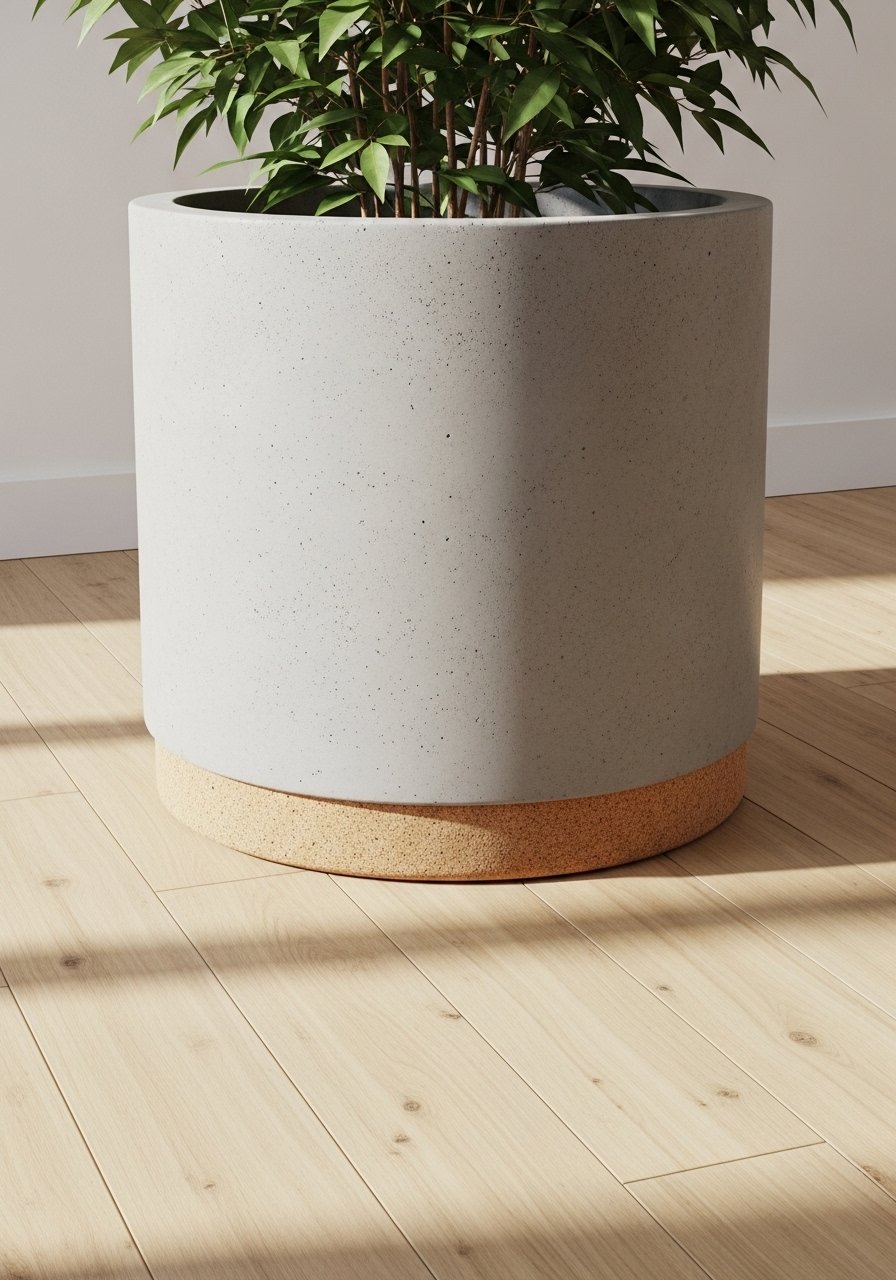
Cork under large pots protects floors and adds a tactile layer. I glue a 1/4 inch cork disc to the bottom using waterproof adhesive. It’s a cheap detail that prevents scuffs. Budget under $15. People forget to seal the cork and it absorbs water. Coat cork with clear sealer. This also helps when you move the pot to avoid scratches. I use cork-floor-protectors in several sizes.
Embedded Leaf Print Planter for Natural Texture
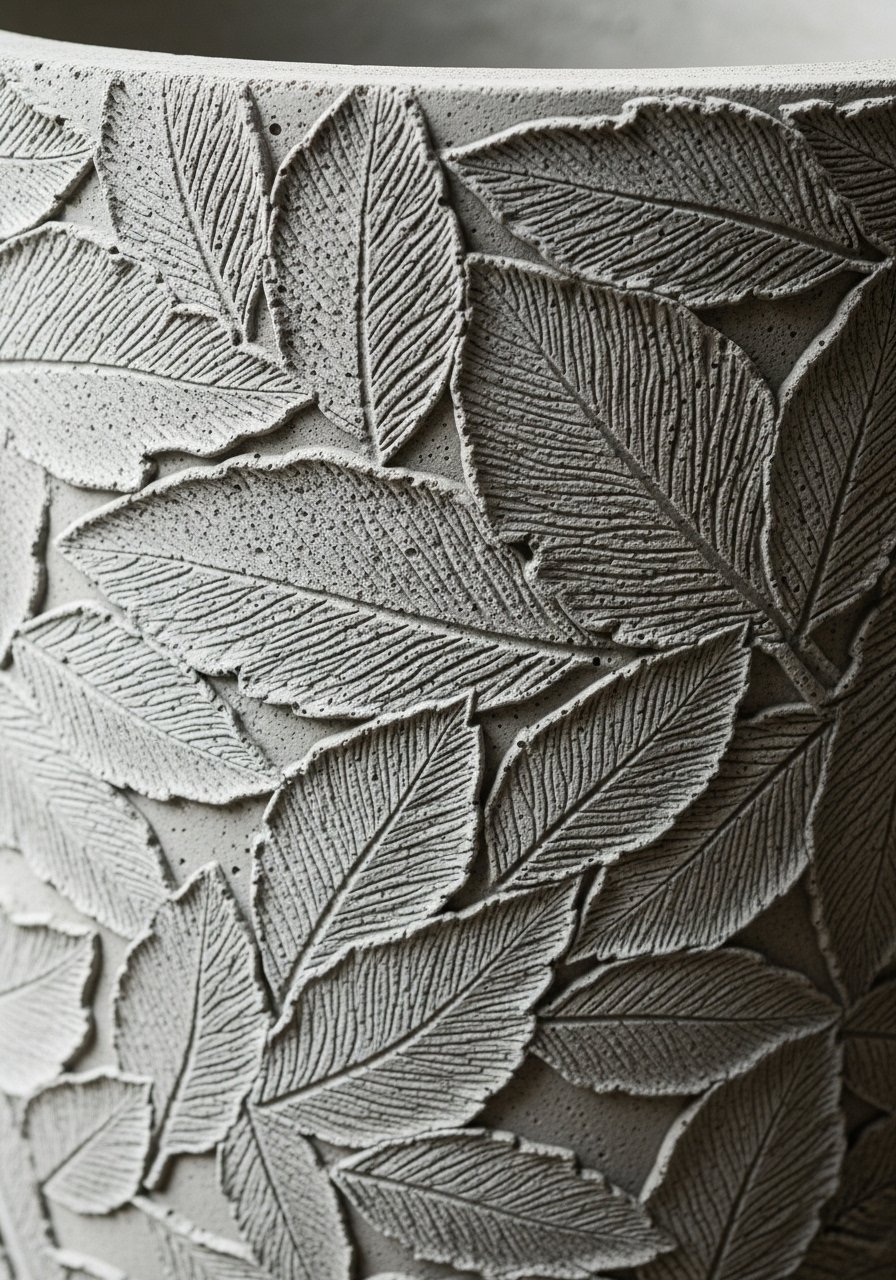
Press real leaves or stencils into the damp surface for organic texture. I press and leave a 1/8 inch depth so shadows read in low light. Budget $12 to $30. The mistake is using thick leaves that rot into the concrete. Dry the leaf or use a plastic stencil. After demolding, brush the print lightly to remove loose bits. Pair this with the terrazzo idea if you want contrast in the same room. Try leaf-print-stencils.
Self-Watering Concrete Pot for Busy Plant Parents
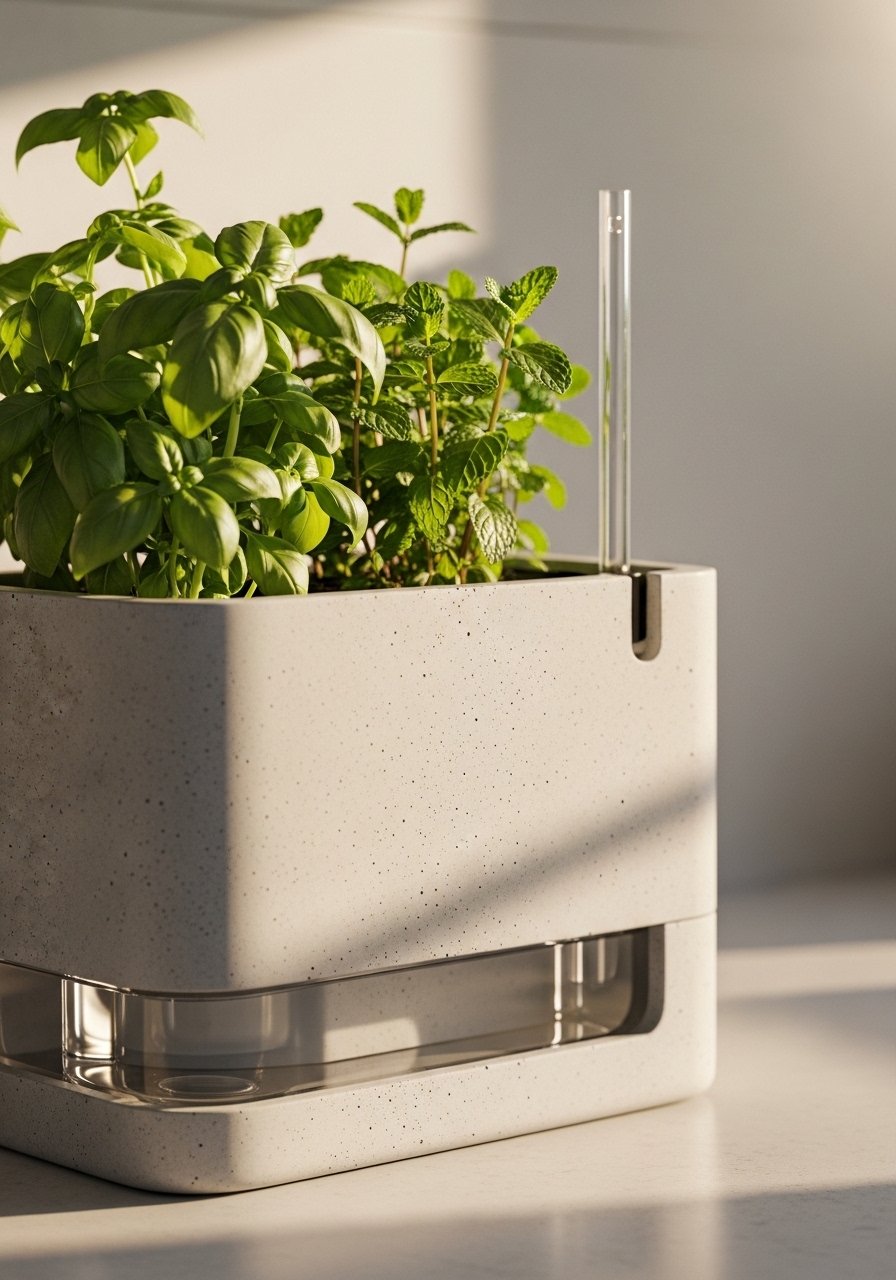
Add a reservoir and wick so plants get water without daily attention. I carve a 1.5 inch hollow at the base and fit a small plastic insert with a fill tube. It cuts down on overwatering and helps with root rot. Budget $20 to $50. The usual error is making the reservoir too small. Aim for at least 10 to 15 percent of the pot volume. For an easy option, use self-watering-inserts-small.
Weathered Edge Planter For Rustic Balconies
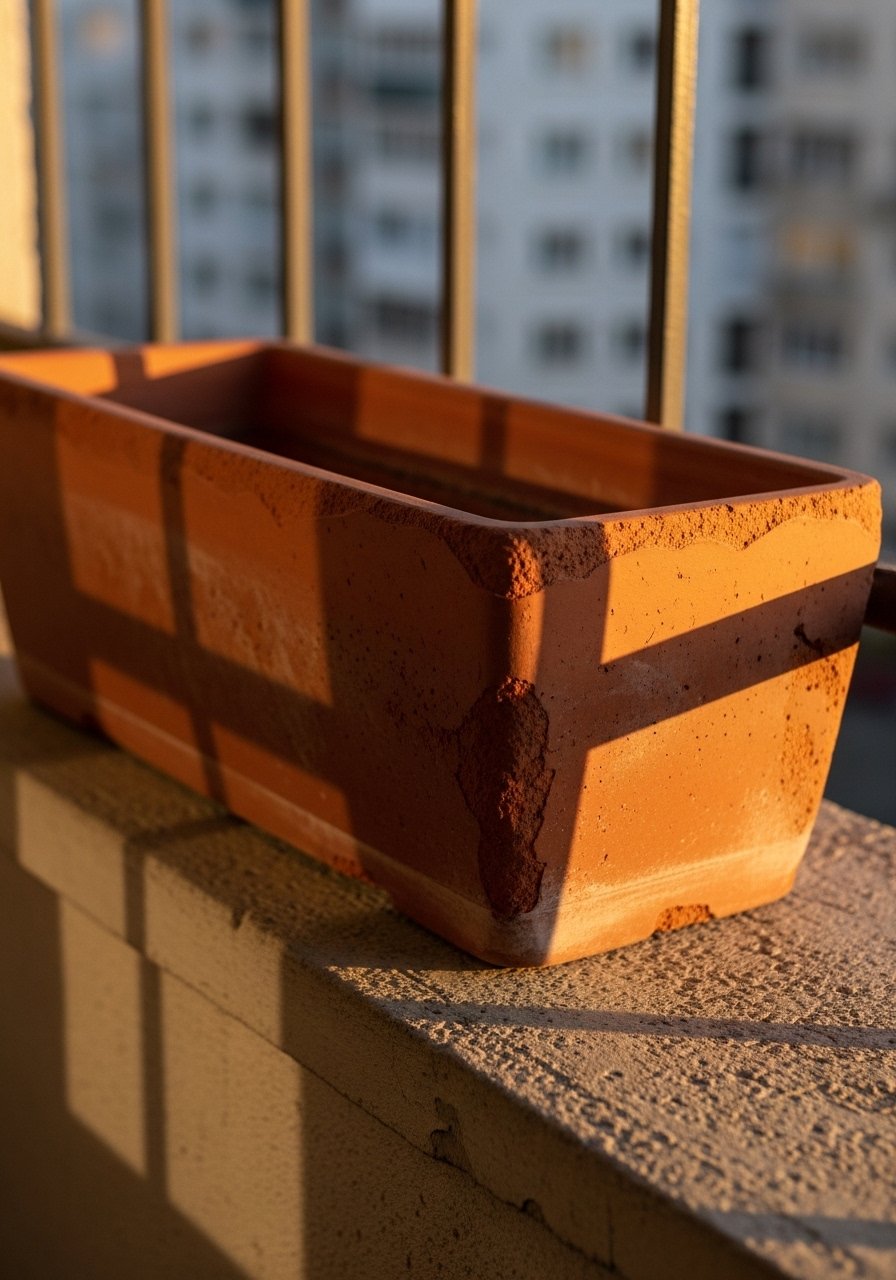
Chipping edges after demolding creates an aged look that hides small flaws. I knock the mold edges gently with a rubber mallet and sand select spots. The result looks intentional and relaxed, perfect for rustic spaces. Budget under $20. Novices often go overboard and weaken the rim. Keep most of the rim intact and chip only 10 to 20 percent of the perimeter.
Polished Interior Planter For Nightstand Styling
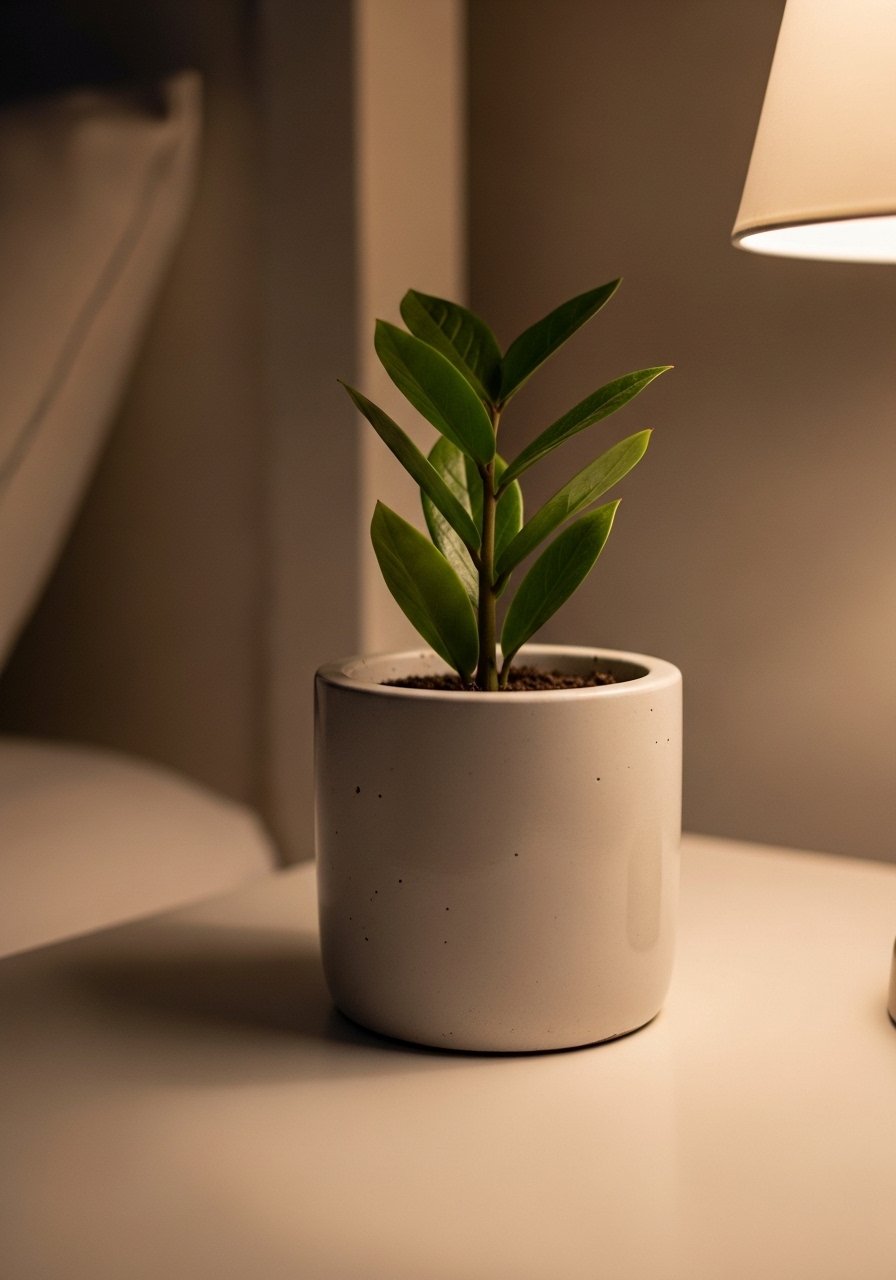
Polished concrete looks like stone and reads high-end on a nightstand. I polish through 400 grit, then buff with a buffing pad after sealing. The shine makes small pots feel like jewelry. Budget $15 to $40 for polishing pads and sealer. People forget to test polish on a scrap so they end up blotchy. Do a test pass first. Match the finish with a brass lamp for balance. I used concrete-polishing-pads-set.
Planter with Integrated Saucer For Indoor Tables
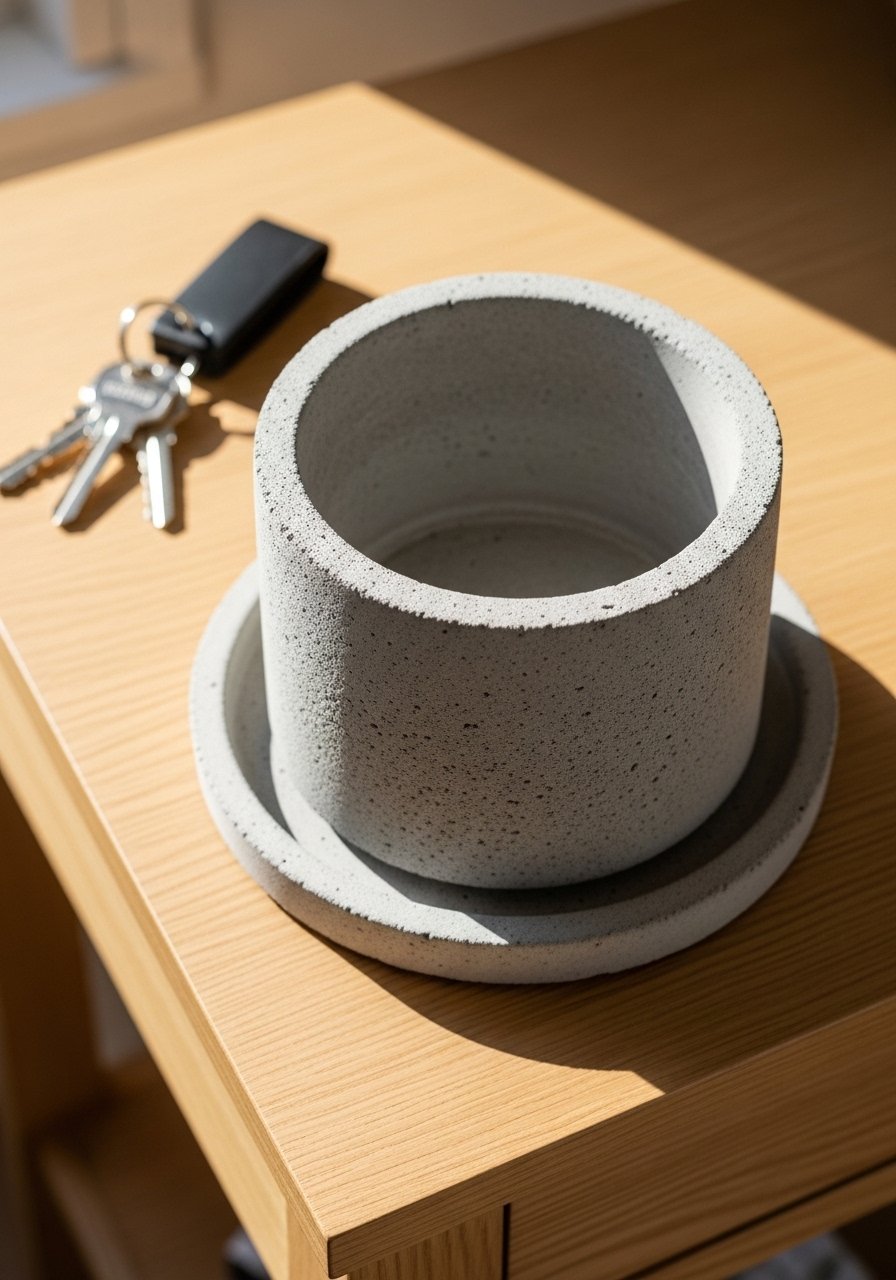
Mold the base so a saucer snaps under the pot to catch water. I leave a 1/4 inch gap tolerance for easy removal. It keeps furniture safe and looks streamlined. Budget $12 to $30. A common mistake is sealing the saucer poorly and trapping moisture. Use a breathable sealer and check weekly. This pairs well with the cork base idea for extra protection. Try snap-fit-plant-saucer-mold for mold templates.
Terrazzo Counter Planter For Window Herbs
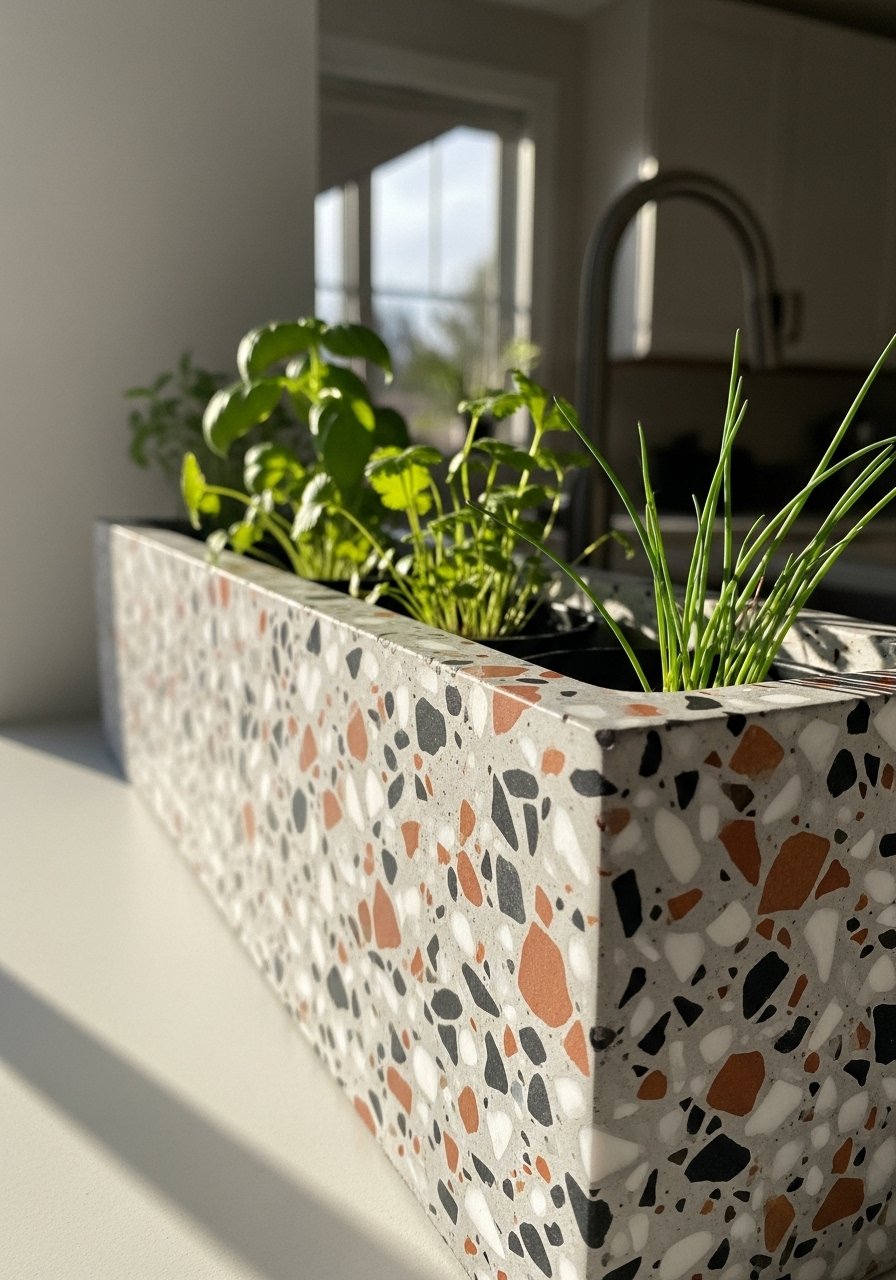
A long trough for herbs saves space and looks curated. Use the same terrazzo chip mix across the trough so it reads continuous. I aim for a depth of 3 to 4 inches for herbs and space plants every 4 inches. Budget $25 to $60 depending on mold size. People overfill with heavy soil and strain window sills. Use lightweight mixes and leave drainage pebbles at the bottom. I use lightweight-potting-mix-for-herbs.
Matte Black Stain for Urban Balconies
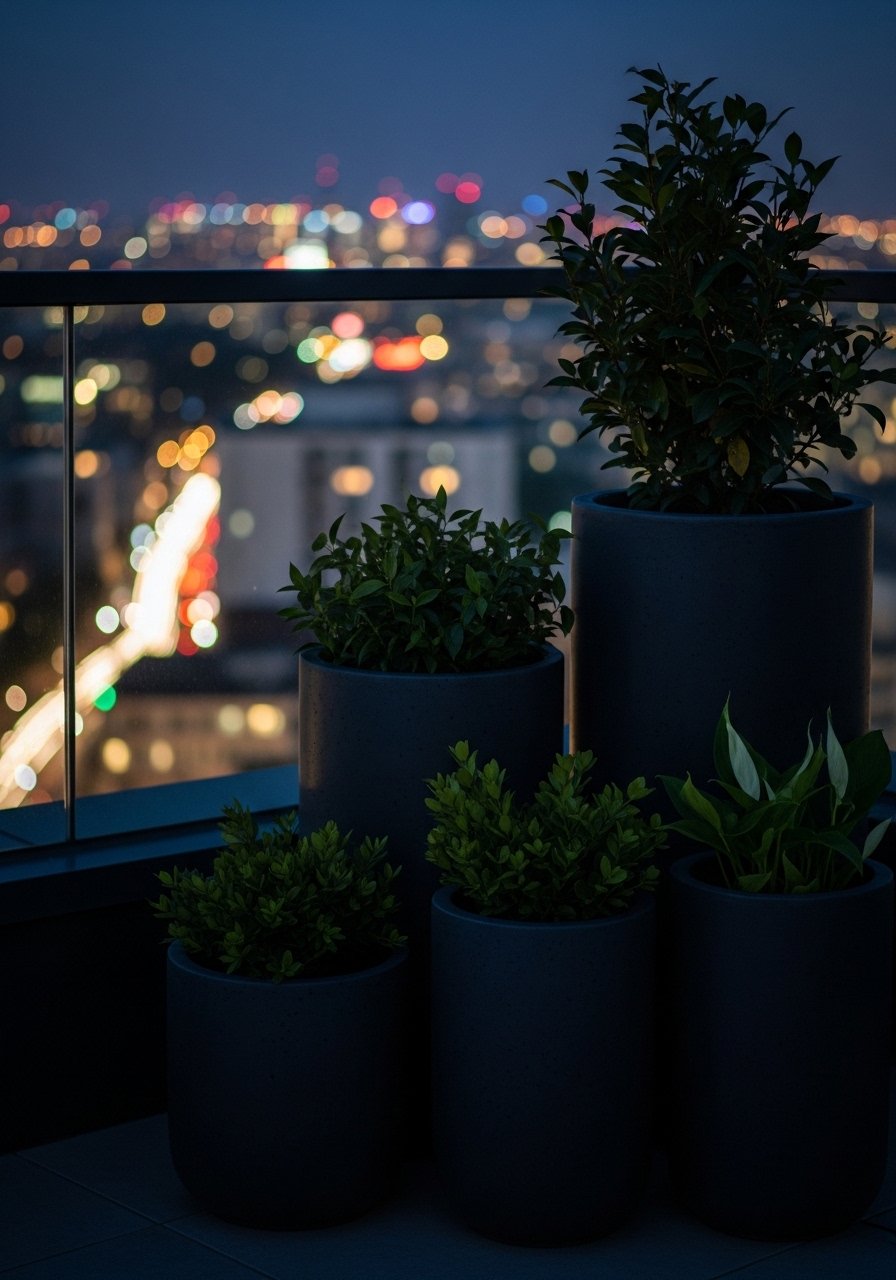
Black stained concrete reads modern and hides dirt on outdoor railings. I use a diluted black acid stain in two thin coats for even color, wiping between coats to avoid streaks. Budget $20 to $40. A misstep is staining over freshly poured concrete. Wait at least 7 days for initial cure. These look great paired with brass inlay or white rims for contrast. Pick up black-concrete-stain-acid.
Lightweight Fibercrete For Large Indoor Trees
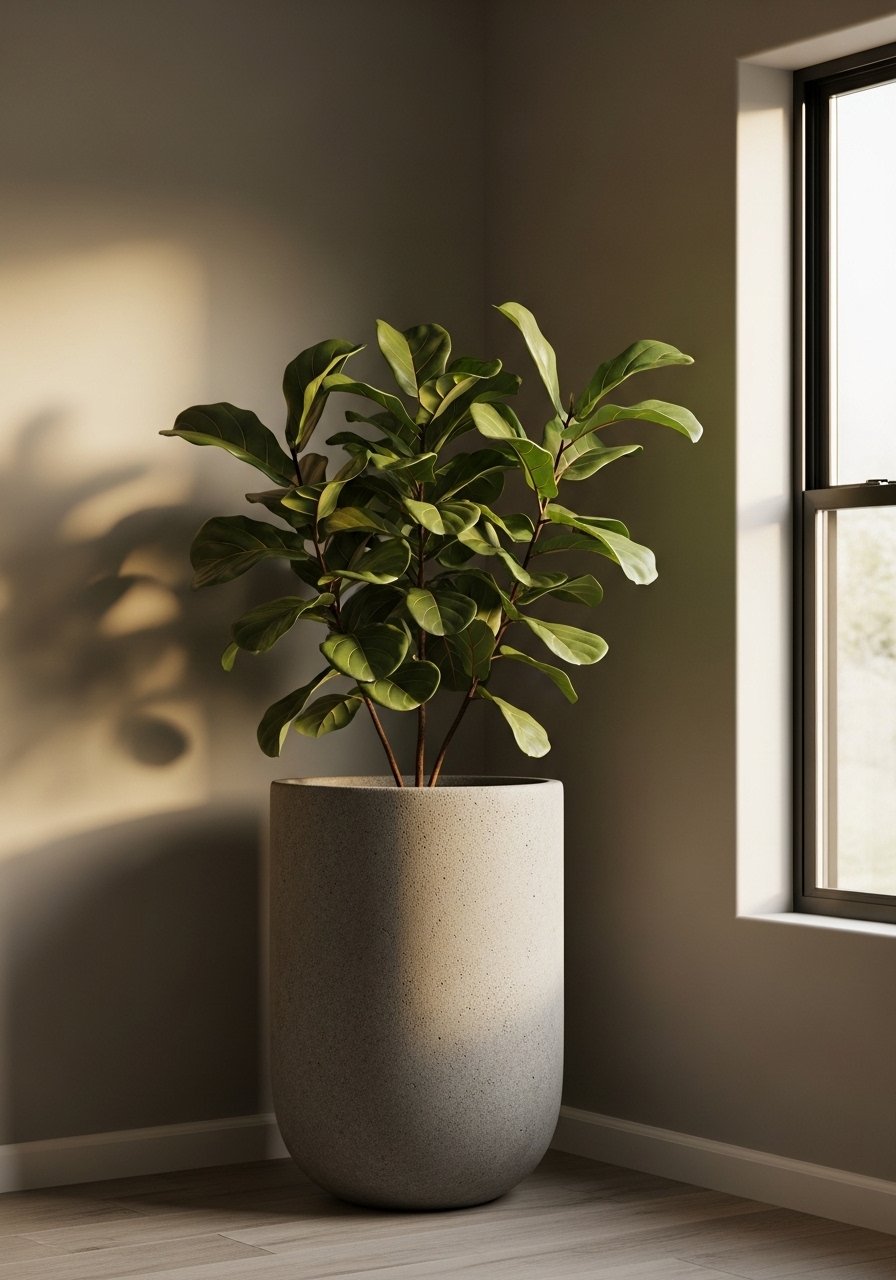
Fibercrete mixes fiberglass into concrete to cut weight, making large planters moveable. I add 5 to 8 percent fiber by volume and use a plywood mold for size. Budget rises to $50 to $150 for large builds. People try the same mix for small pots and end up with overly coarse texture. Adjust fiber content to pot size. If you love the fiddle leaf fig look but not the weight, this is your fix. Try fiberglass-concrete-fiber-additive.
Embedded Drainage Core for Healthy Roots
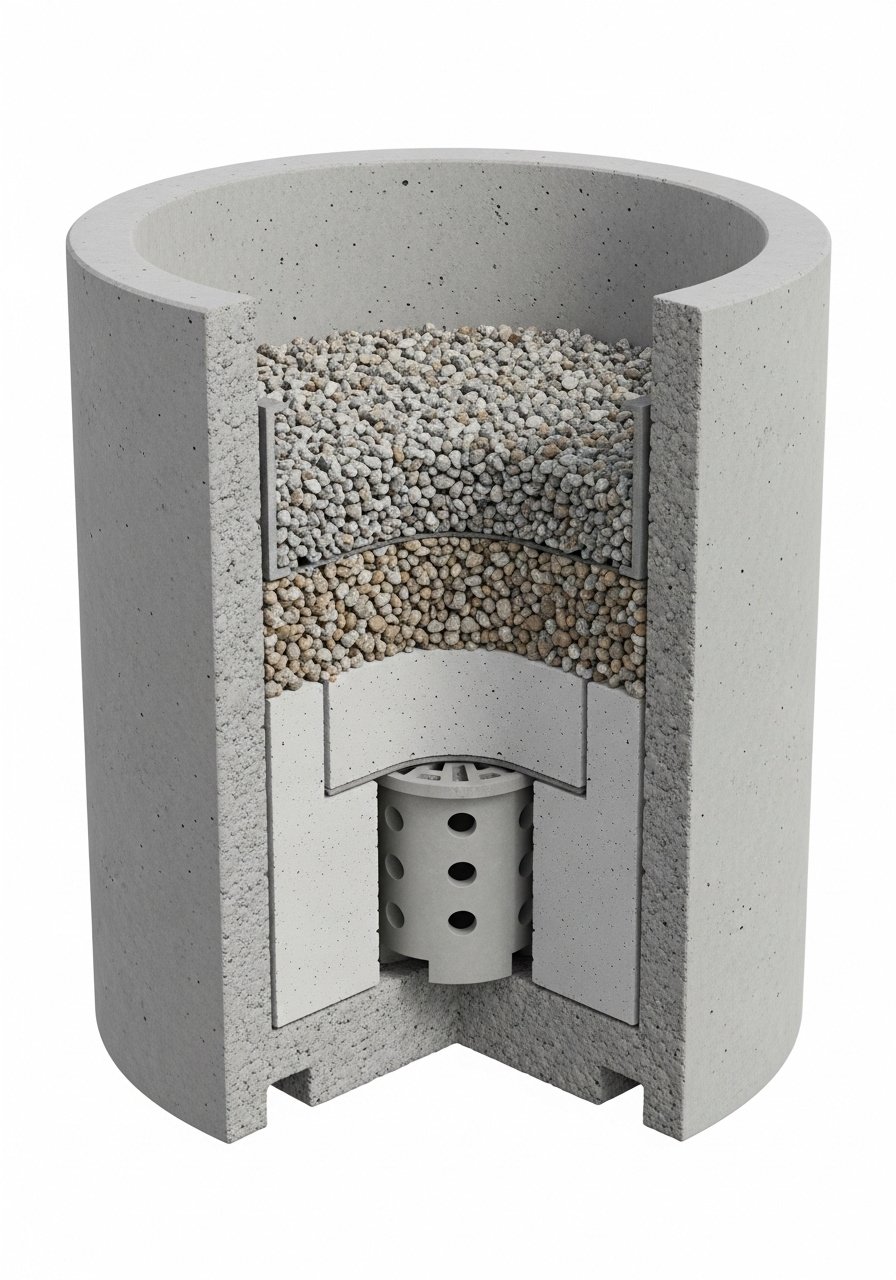
An internal drainage core prevents wet feet in deeper pots. I leave a 1.5 inch tubular void while pouring or add a removable PVC insert. It lets excess water collect away from roots. Budget $10 to $25. The usual mistake is forgetting a fill tube for clearing the core. Add a small access hole and thread. This detail solves overwatering frustrations people bring me all the time.
Your Decor Shopping List
Textiles
- Honestly the best $40 I have spent. Velvet pillow covers, set of 4 in pebble and deep green, 22-inch, down-fill compatible.
- Chunky knit throw in cream (~$35-55). Drape over an arm for texture.
Tools & Materials
- Silicone-faceted-molds for geometric planters, reusable and heat-resistant.
- Portland-cement-quikcrete 50 lb bag, mix with sand for sturdier walls.
- Concrete-sealer-matte (clear, water-based) for indoor planters.
Plant Care & Accessories
- Succulent-soil-mix-small-bags 4 quart, fast-draining.
- Self-watering-inserts-small for busy plant parents.
Finishing Touches
- Brass-utility-strip for thin inlays, 1/8 inch width.
- Cork-floor-protectors 1/4 inch discs, pack of 12.
Most of these items are also found at local hardware stores or Target for cheaper quick buys.
Shopping Tips
White oak beats dark wood in 2026. Design feeds have shifted completely. These white-oak-floating-shelves look current, not dated.
Grab silicone-tube-molds for $25. They let you experiment without building a new mold each time.
Curtains should puddle or kiss the floor, never hang halfway up. These 96-inch linen panels are right for standard 9-foot ceilings.
Choose one large plant over five tiny ones. This artificial-fiddle-leaf-fig-6ft gives immediate height and presence.
If you are unsure about pigments, buy a small pack. Iron-oxide-pigment-set lets you test ratios without wasting a batch.
Frequently Asked Questions
Q: How thick should concrete planter walls be to avoid cracks?
A: Aim for at least 1/4 inch for small pots and 1/2 inch for medium to large planters. Thicker walls prevent hairline cracks. Also avoid rapid drying by curing under damp cloth the first 48 hours.
Q: Can I mix pigments into the concrete for consistent color?
A: Yes. Use iron oxide pigments at about 2 to 4 percent by weight for earthy tones. Test a small sample first so you can adjust the shade.
Q: Most people hang curtains right at the window frame.
A: That habit makes rooms look shorter. Mount rods 4 to 6 inches above the frame to add perceived height.
Q: Should I add drainage holes or use a reservoir?
A: Both work. For indoor pots, a reservoir with a fill tube is forgiving. For outdoor planters, at least one 1/2 inch drainage hole is best. If you need mobility, use a saucer and cork base to protect floors.
Q: How do I avoid staining the concrete when using pigments or stains?
A: Mix pigment into the wet concrete for even color. If staining after curing, wait 7 days and apply thin coats, wiping between applications.
Q: Can I make large planters without them being too heavy?
A: Use fibercrete or hypertufa mixes to cut weight. Fibercrete with 5 to 8 percent fiber by volume keeps strength while reducing heft. Also consider a plywood mold to shape larger forms.
Q: Everyone buys five small succulents. One single 6-foot fiddle leaf fig has ten times the visual impact.
A: That is true. Pick one tall plant for scale, then add small accents. It makes the whole arrangement look intentional and balanced.