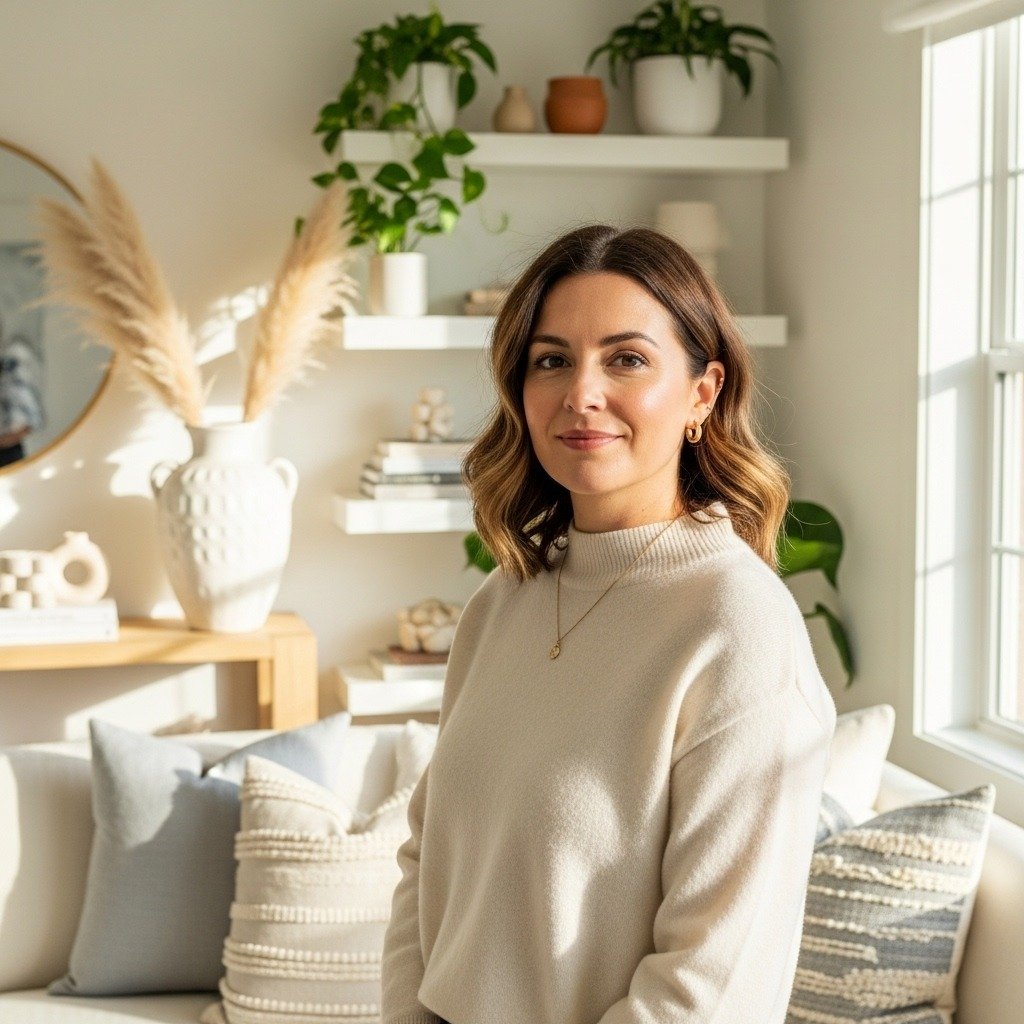
My living room had nice furniture and decent lighting but it still felt like a waiting room. Took me embarrassingly long to figure out it was missing texture and eye-level interest. Hanging a few well-placed floating shelves fixed that faster than a new rug ever would.
These ideas lean modern casual with a few rustic and industrial twists. Most projects can be done for $15 to $120 each, with a couple splurges around $150. They work in living rooms, kitchens, baths, home offices, and any small wall that needs personality.
Minimal Modern Entry Shelf For Small Spaces
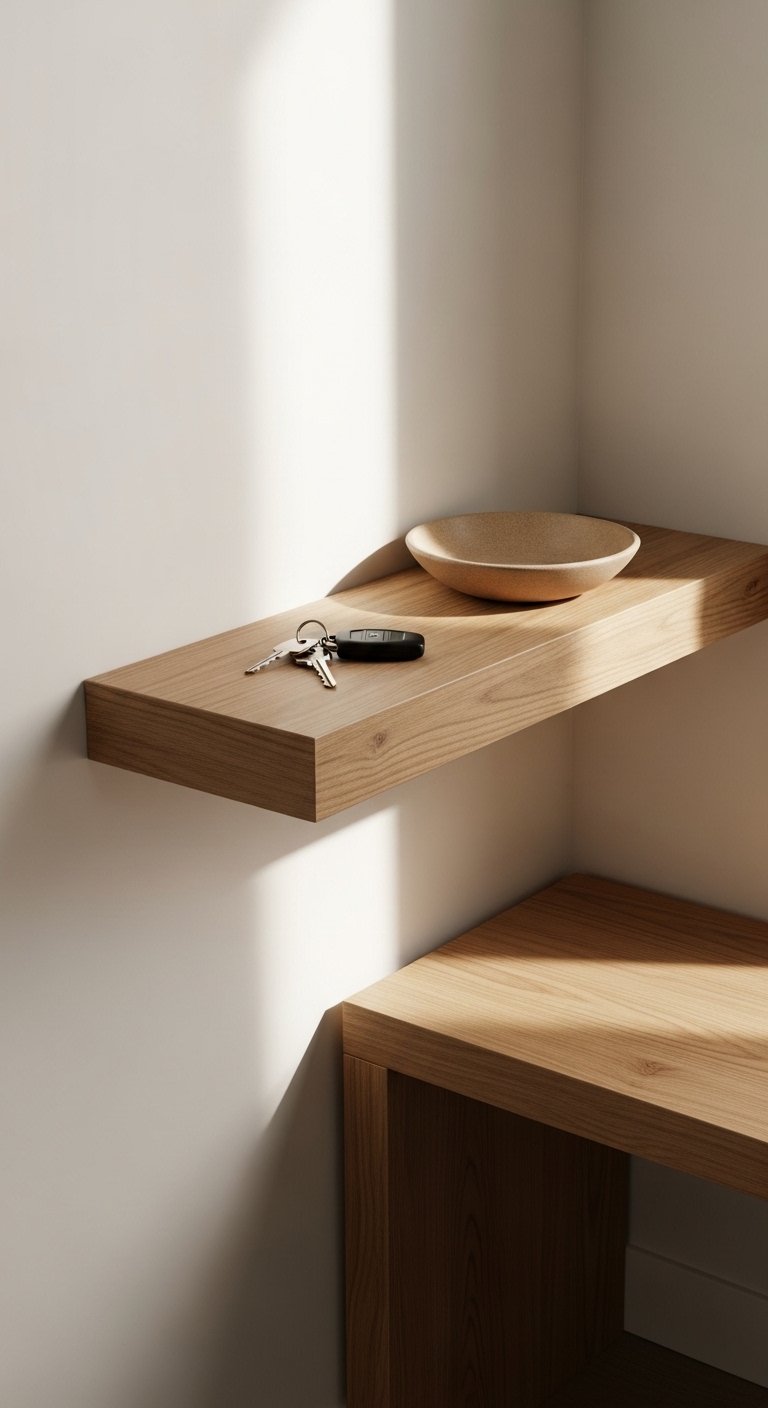
If your entry feels like a drop zone, a 36-inch slim shelf hung 6 inches above the bench gives a place for keys and a mail tray. I like 8-inch-deep shelves here so everything sits forward and doesn’t disappear into the wall. Use a 36 x 8 white oak board and hidden bracket kit for strength. I used white oak floating shelves and the shelf instantly looks purpose-built. Common mistake is cutting the shelf too deep, which makes the bench feel cramped. Pair this with idea about layered neutrals later for a softer welcome.
Cozy Rustic Floating Shelves For Living Room
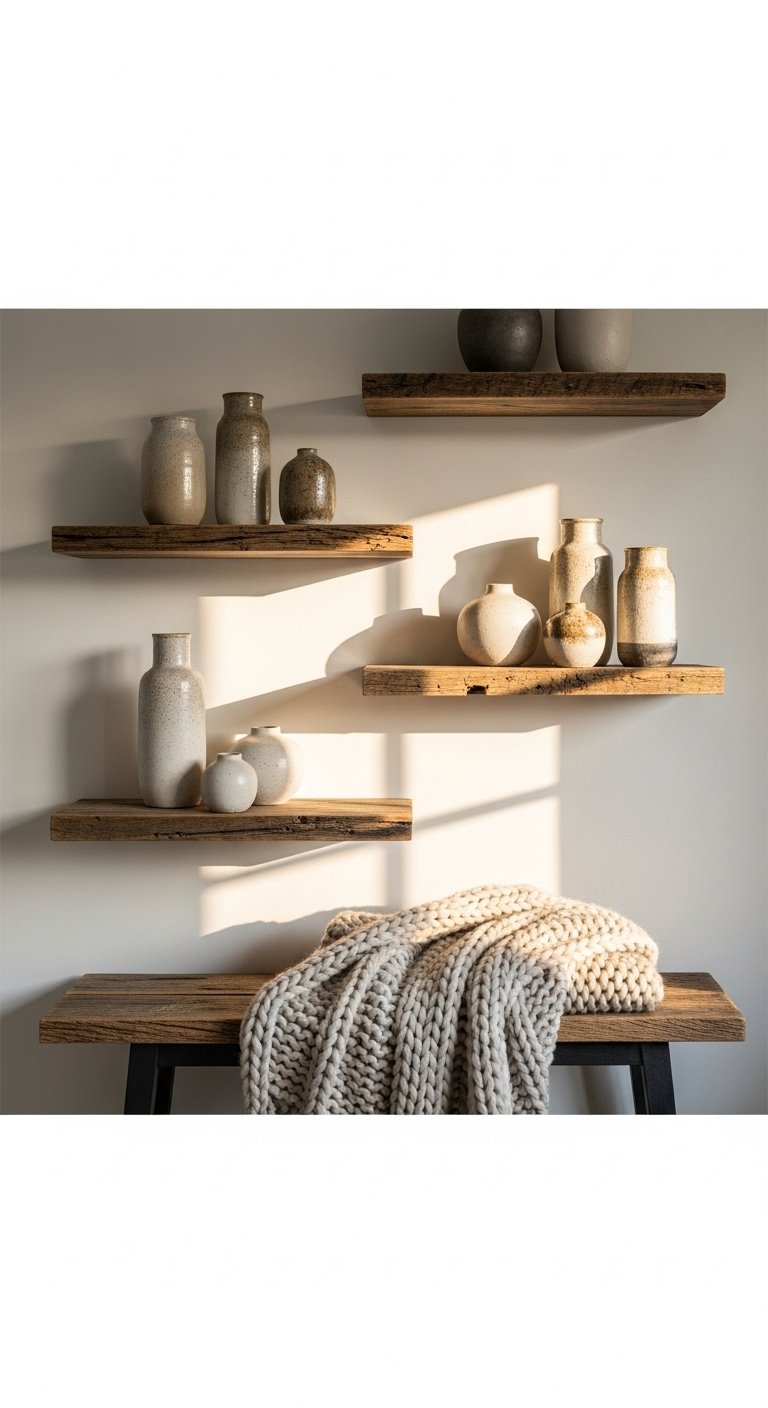
Most people think rustic means heavy, but thin reclaimed planks look lived-in without weighing the room down. I rip a 1×8 to 1×6 width so each shelf reads lighter on the wall. For a living room display, stick to the rule of three when styling, and keep 70 percent neutral, 30 percent accent color. I used reclaimed-wood floating shelf brackets to keep costs under $60. Mistake to avoid is packing the shelf edge-to-edge with items. Leave a one to two inch breathing space on each side.
Scandinavian Bathroom Shelves With Hidden Brackets
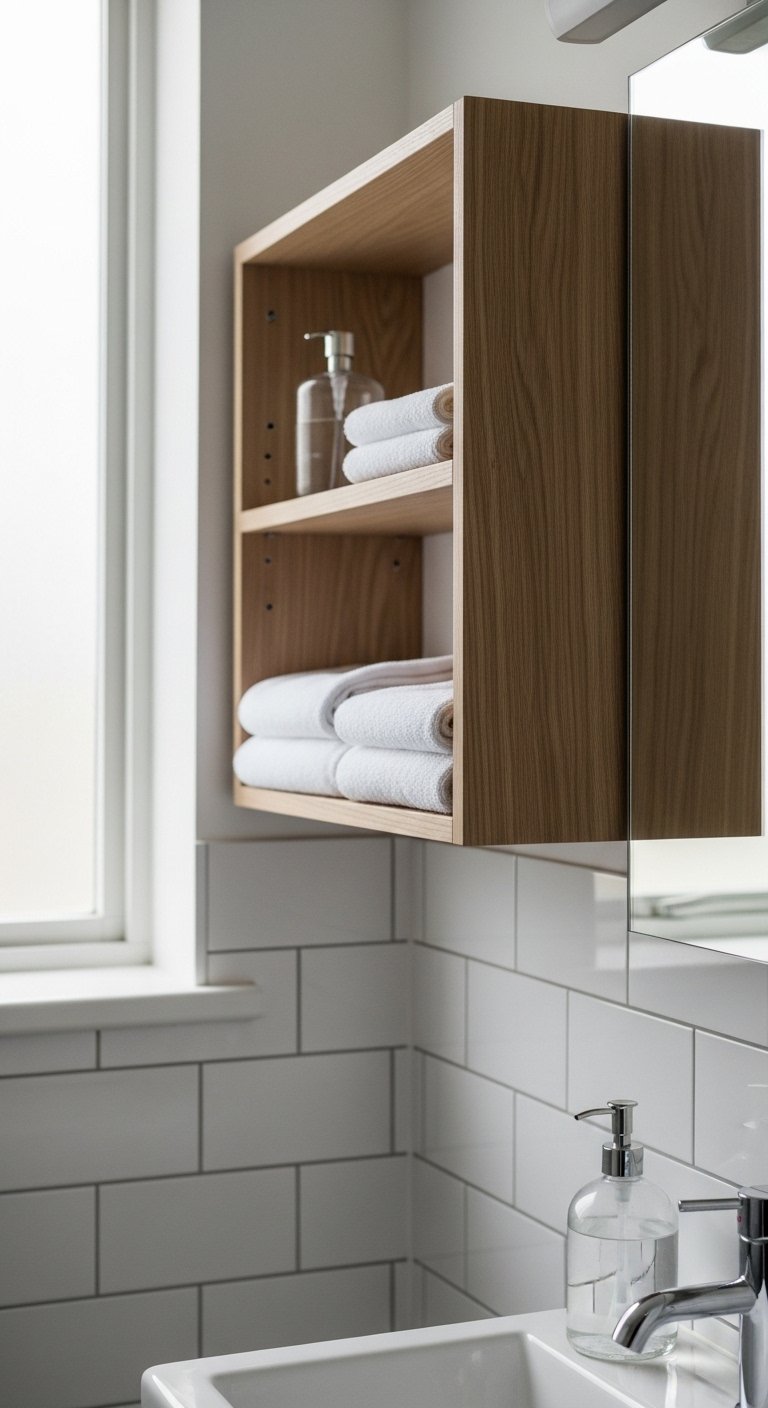
Bathroom shelves need to resist humidity and still look crisp. I use ash or maple with a clear water-based finish and keep shelf depth to 8 inches so towels fold in nicely. Hidden brackets are a must to preserve that clean Scandinavian look. I linked a pair of concealed floating shelf brackets that hold 100 pounds and needed only two studs. A common error is trusting drywall anchors alone for wet rooms. If studs are nowhere to be found, buy longer toggle bolts or mount a slim plywood backer.
Midcentury Wood Ledges For Displaying Ceramics
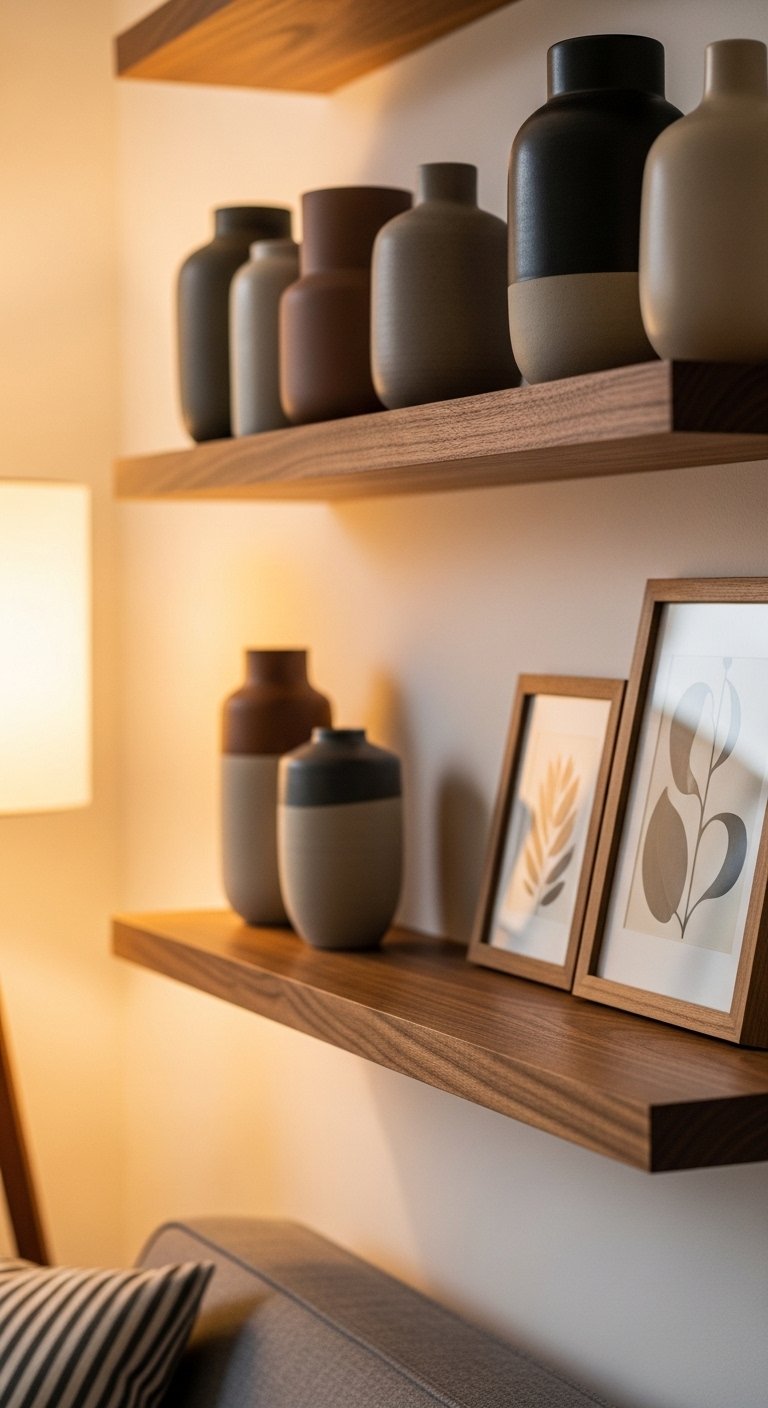
Walnut or walnut-tone shelves read midcentury instantly. Use 10-12 inch lengths and space them vertically about 10 inches apart to let ceramics breathe. I like ledges with a small lip for mugs and small pots. For authenticity, stain to a 60/40 mix of warm and cool tones; that keeps the wood from looking overly orange. I recommend these walnut picture ledges for quick styling. People often cram too many pieces on one ledge. Spread items across two shelves and the collection will look curated, not cluttered.
Slim Kitchen Spice Racks To Free Counter Space
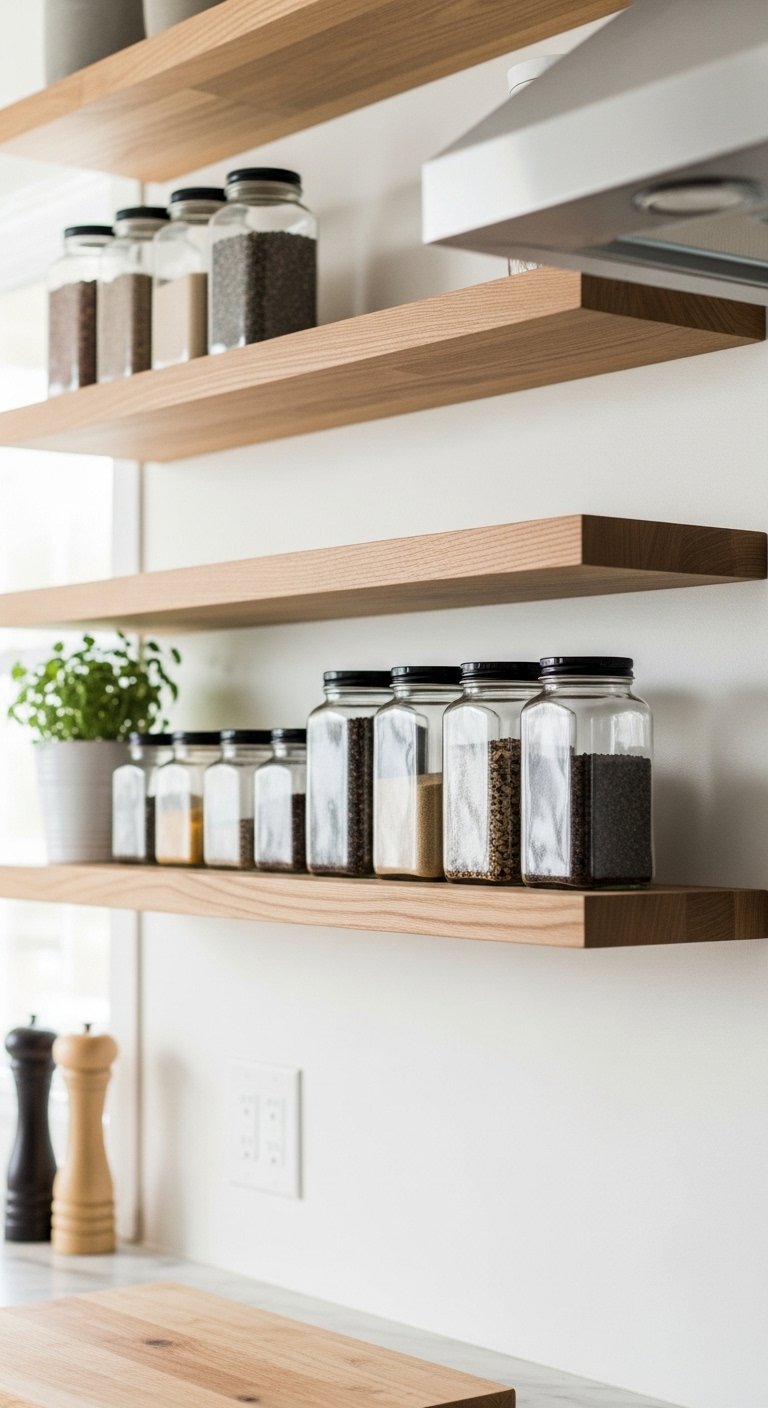
Kitchen shelves should be shallow so they don’t snag on elbows. I build 6-inch-deep shelves for spices and small jars, then label with a simple white pen. Mount them 12 inches above the countertop and keep the most used items on the lowest shelf. I use small floating shelves for kitchen with clear jar sets. A mistake I see is making the bottom shelf too high and then knocking things while chopping. If you want a cleaner look, paint the shelf the same color as your backsplash.
Industrial Pipe Floating Shelves For Loft Vibe
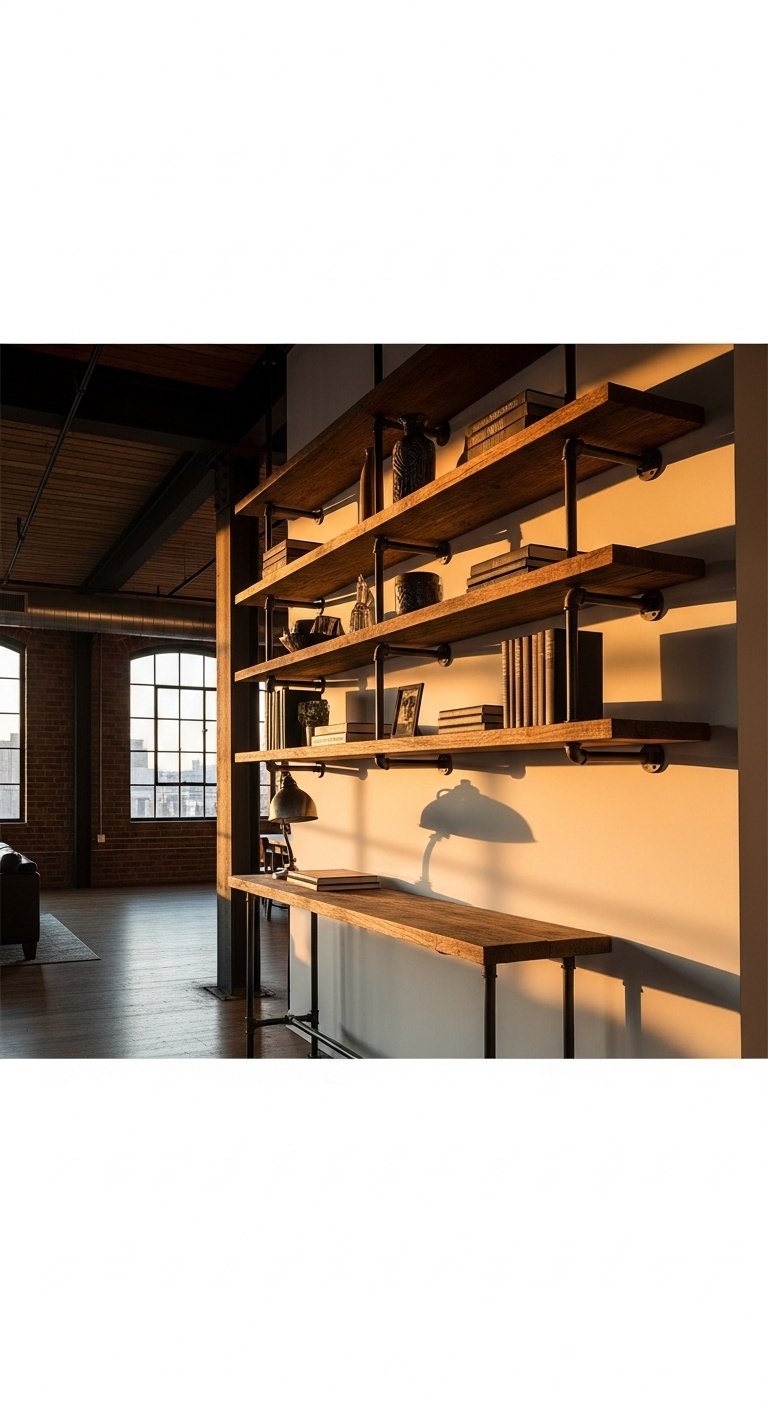
If you want an industrial touch, pair black iron pipe brackets with unfinished maple shelves. Pipes add visual weight so keep shelf lengths under 48 inches unless you add a center support. I usually use a 2:1 spacing rule, so a 36-inch shelf gets 18 inches between brackets. These industrial pipe shelf brackets are sturdy and give that raw look. Newbies forget to pre-drill for lag screws and strip the heads. Use a pilot hole and a socket driver to avoid that.
Kids Room Low Shelves For Toys And Books
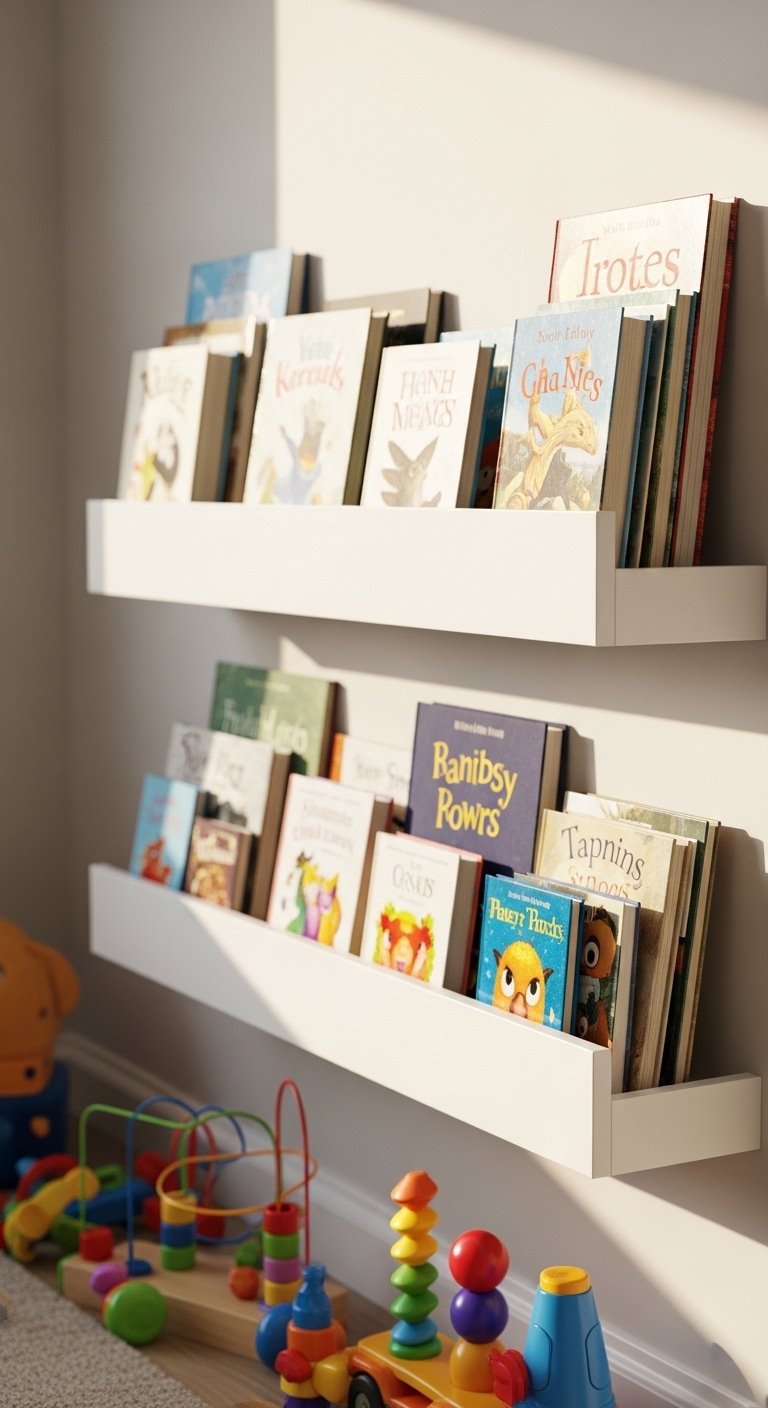
Low shelves are a game for kids with an easy reach. Mount them 24 inches from the floor for board books and small bins. Use rounded edges and sealed pine so little knees don’t get splinters. I use shallow 8-inch shelves and a faced-out display so kids pick their own books. These face-out picture ledges are a cheap win. The frequent error is using deep shelves that become toy catch-alls. Shallow, segmented shelves mean easy cleanup and better rotation of favorite books.
Layered Gallery Shelves For Rotating Art
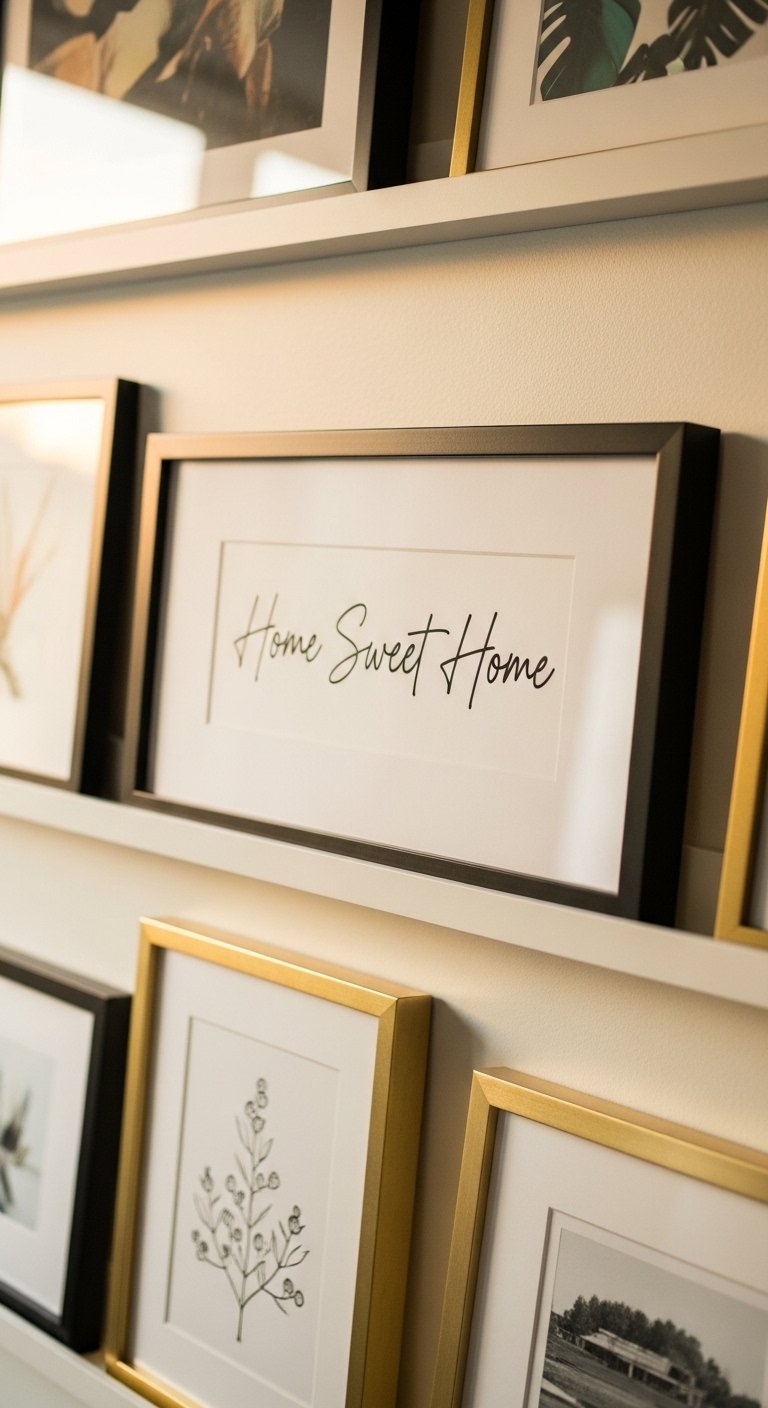
If you can’t commit to a gallery wall, build three staggered ledges and rotate art seasonally. Keep the bottom ledge at eye level and the top ledge 14 inches above it for balance. I mix frame sizes and stick to an 80/20 color ratio, 80 percent neutrals and 20 percent accent. Swap art without new holes by using brass picture ledges. A trap is aligning frames dead center; off-center placement often reads more intentional and lived-in. Pair this with the midcentury ledges idea for mixed eras.
Corner Floating Shelves To Use Dead Space
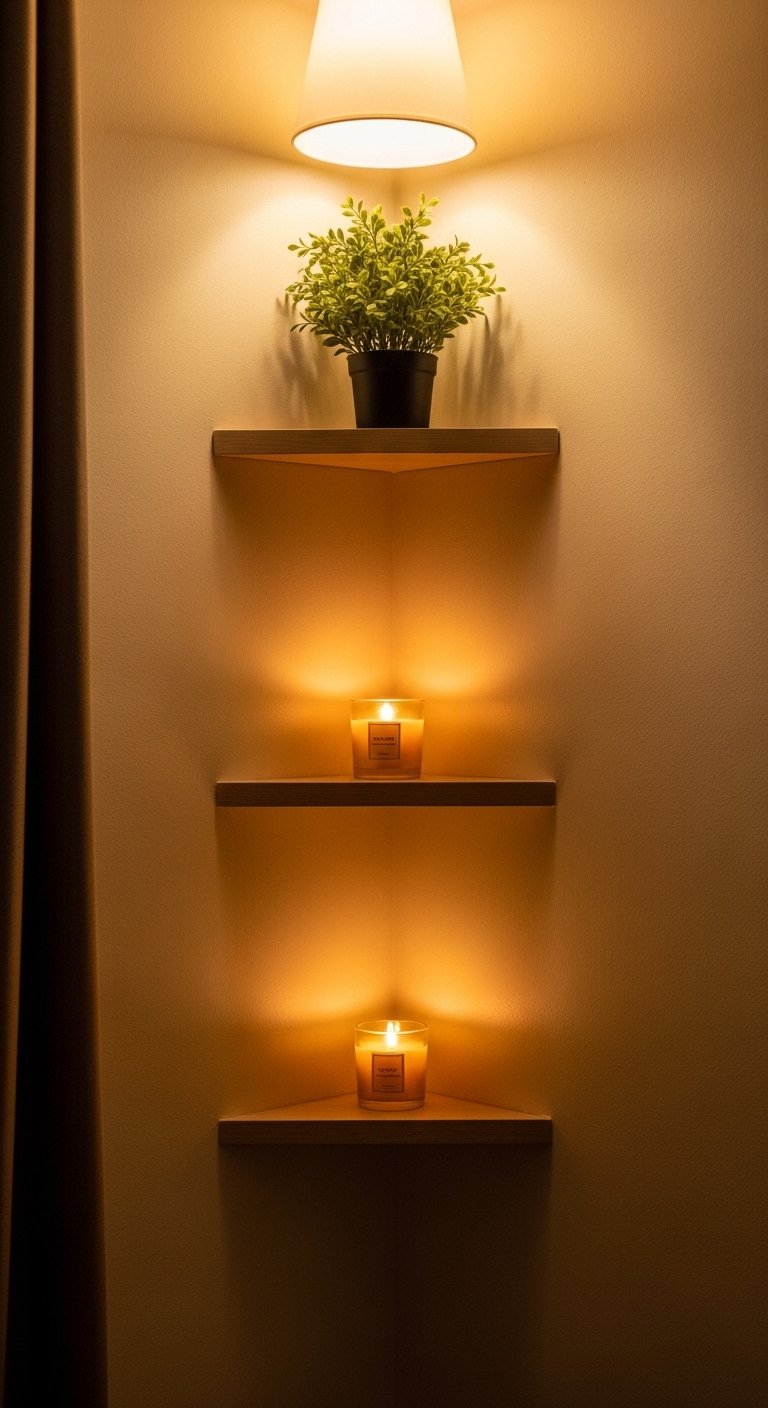
Corners are wasted unless you use them. Triangular shelves at 12 and 24 inches up from a chair back create a stepped vignette perfect for small collections. For corner shelves, use 8-inch depths and reinforce with angled braces or double brackets because corners take a lot of sideways load. I picked triangular floating corner shelves that matched my curtain hardware. Common mistake is making corner shelves too shallow, which leaves awkward negative space. Measure twice where the chair meets the wall.
Floating Desk Shelf For Small Home Offices
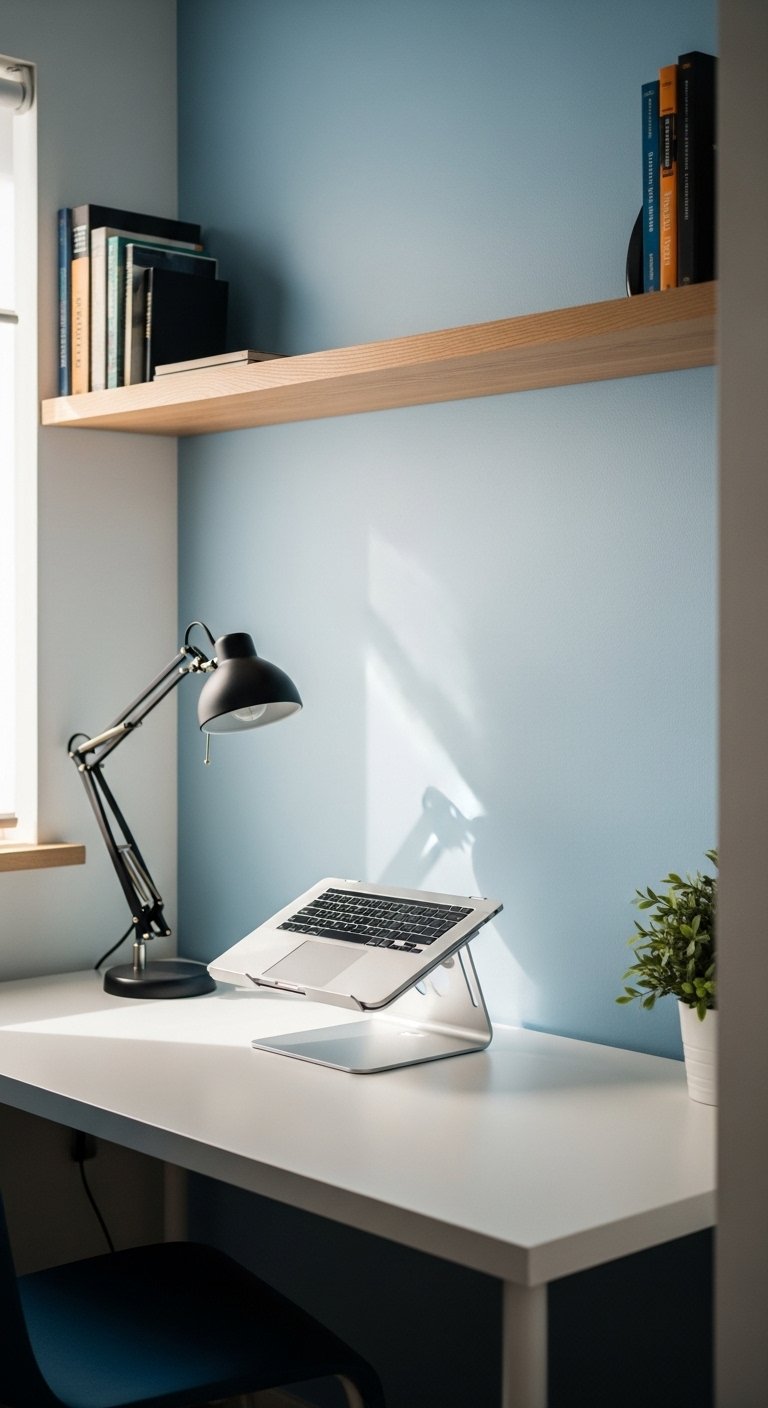
A single 48-inch shelf mounted 10 inches above your monitor frees desk surface without blocking the screen. I use a 12-inch-deep shelf for a lamp, a plant, and a few reference books. Use a steel bracket for rigidity if you have heavier monitors or speakers. These floating shelves for office helped me reclaim desk real estate. People often mount shelves too low and then knock lamps. If you work from home, angle the shelf to avoid glare on your screen.
Plant-Forward Shelves With Built-In Drain Trays
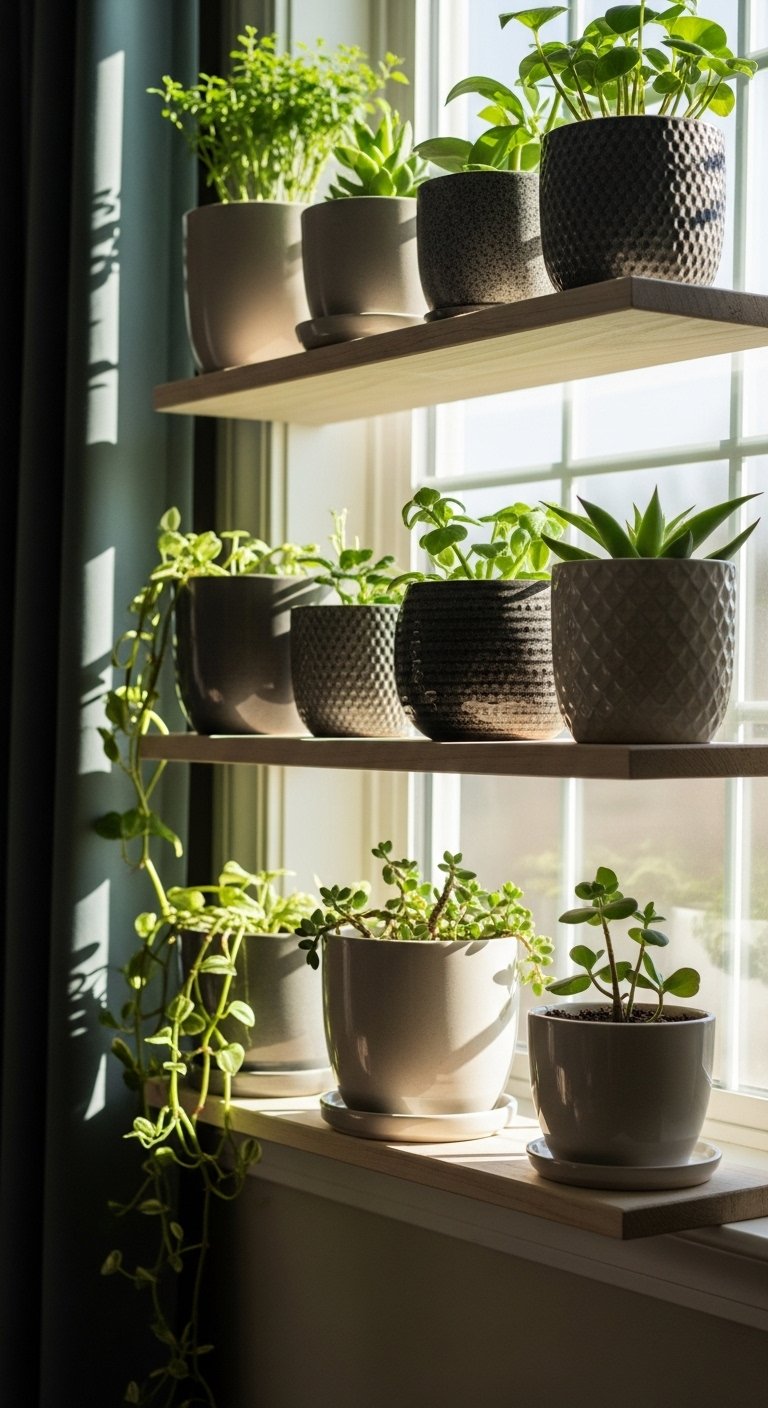
I learned the hard way that plants need drainage management on shelves. Build a recessed 1/4-inch groove behind pots or add removable trays so you can water without staining wood. Depths of 8 to 10 inches work for most pots, and stagger heights by 6 to 10 inches for visual variety. Use plant-safe floating shelves and cheap saucers under each pot. Many people skip trays and end up with water rings. If you want a faux option, a single artificial fiddle leaf fig in the corner packs as much personality as five small succulents. Spent $400 on a coffee table. Room still looked off. Spent $35 on a throw and three candles. Suddenly everything clicked.
Hidden-Cleat Shelves That Hold Heavy Items
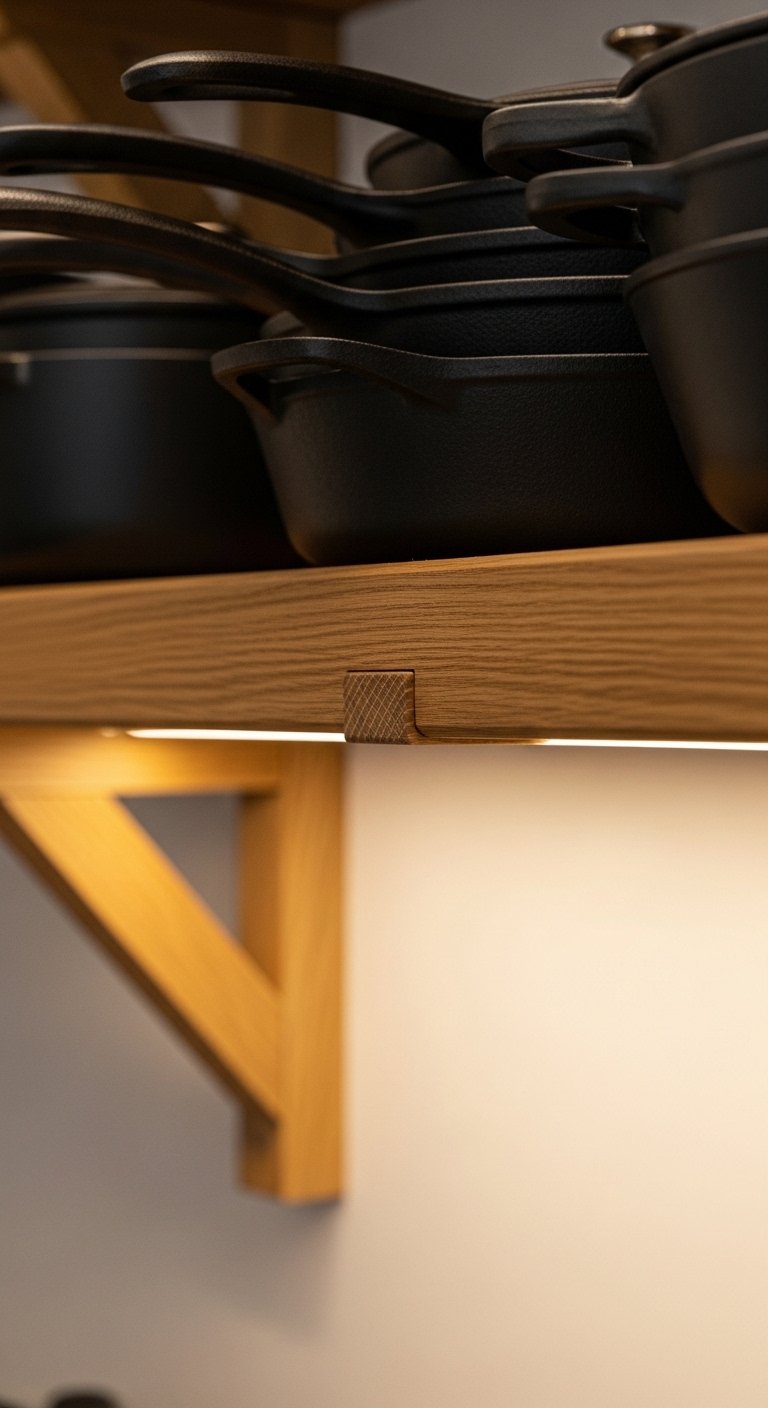
Hidden cleat systems are the trick when you need strength without visible hardware. I use a 1×3 cleat secured to studs and a matching recess in the shelf. That method holds heavy cookbooks and even cast-iron pans when mounted correctly. Keep shelves no longer than 48 inches without a center cleat and use 3-inch lag screws into studs. These heavy-duty floating shelf brackets are my backup for long runs. A mistake is using just drywall anchors for heavy items. If you worry about sag, choose plywood core shelves to minimize deflection.
Painted Color-Block Shelves To Add Personality
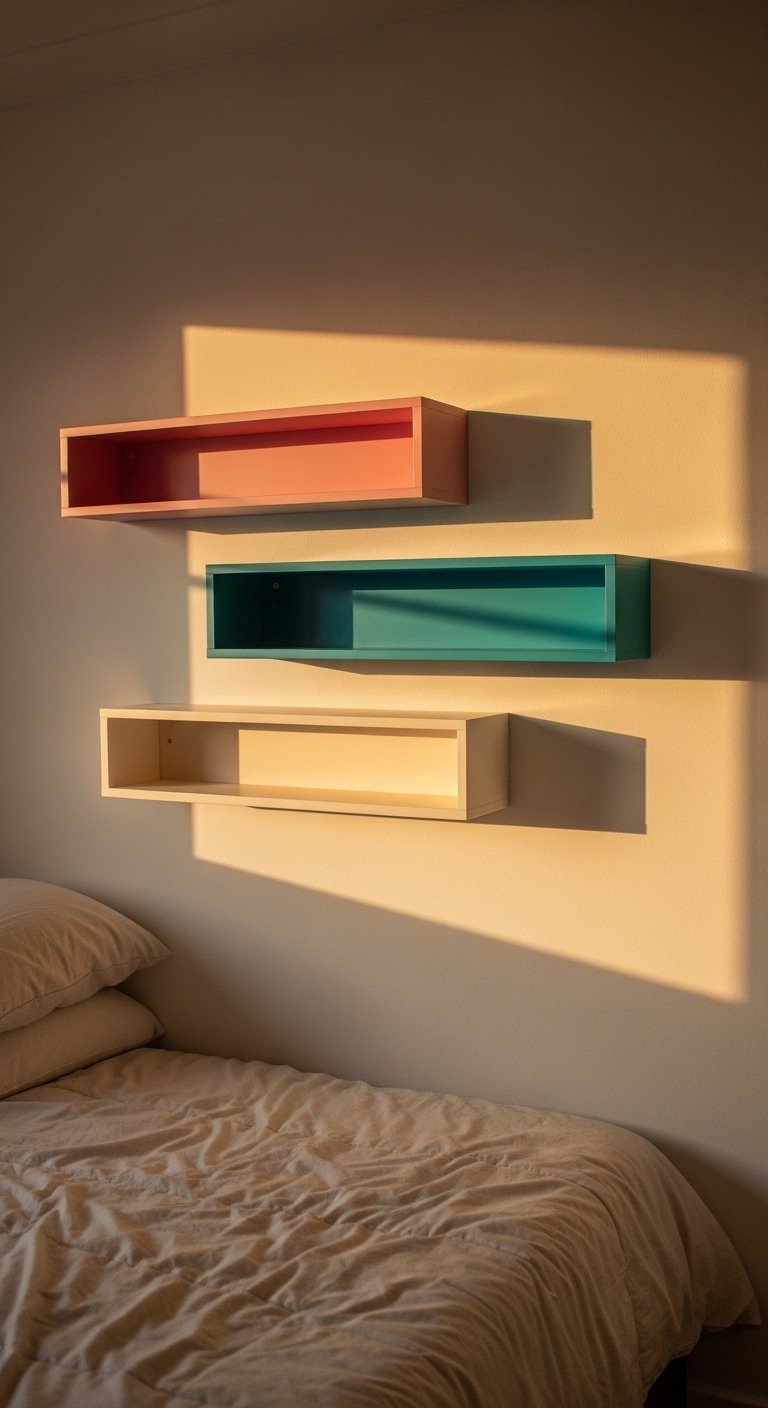
Painted shelves are the fastest way to add personality without commitment. Pick two colors and follow an 80/20 rule on surrounding decor so the shelves read intentional. I prime with a shellac-based primer then two coats of satin paint for cleanable surfaces. These shelf paint-friendly boards cut down prep time. Mistake to avoid is painting the wall too; a painted shelf with a neutral wall pops more than painting both the shelf and wall the same color. Pair color-block shelves with the gallery ledge idea for a built-in look.
Budget Floating Shelves Using Reclaimed Wood
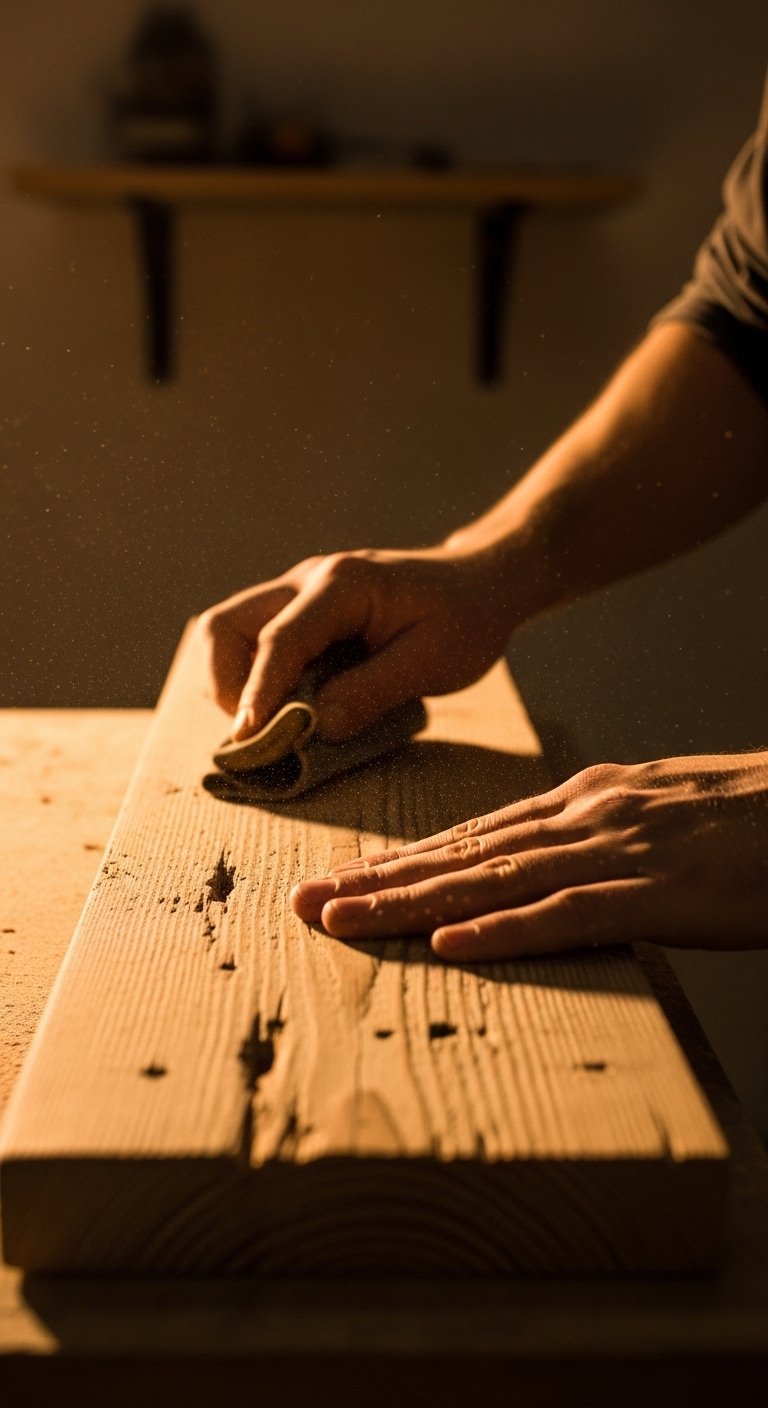
If you love the look of expensive wood, reclaimed pine is cheap and characterful. I buy 2×8 rough boards and plane them to 1×6 thickness which saves money and gives authentic knots. Expect to spend $12 to $30 per board and add a simple bracket. For a fast purchase, try reclaimed-looking shelf boards. A common error is not sealing old wood, which can leach tannins onto lighter paint. Sand, prime, and seal before installing to avoid color transfer to drywall.
No-Drill Floating Shelves For Renters
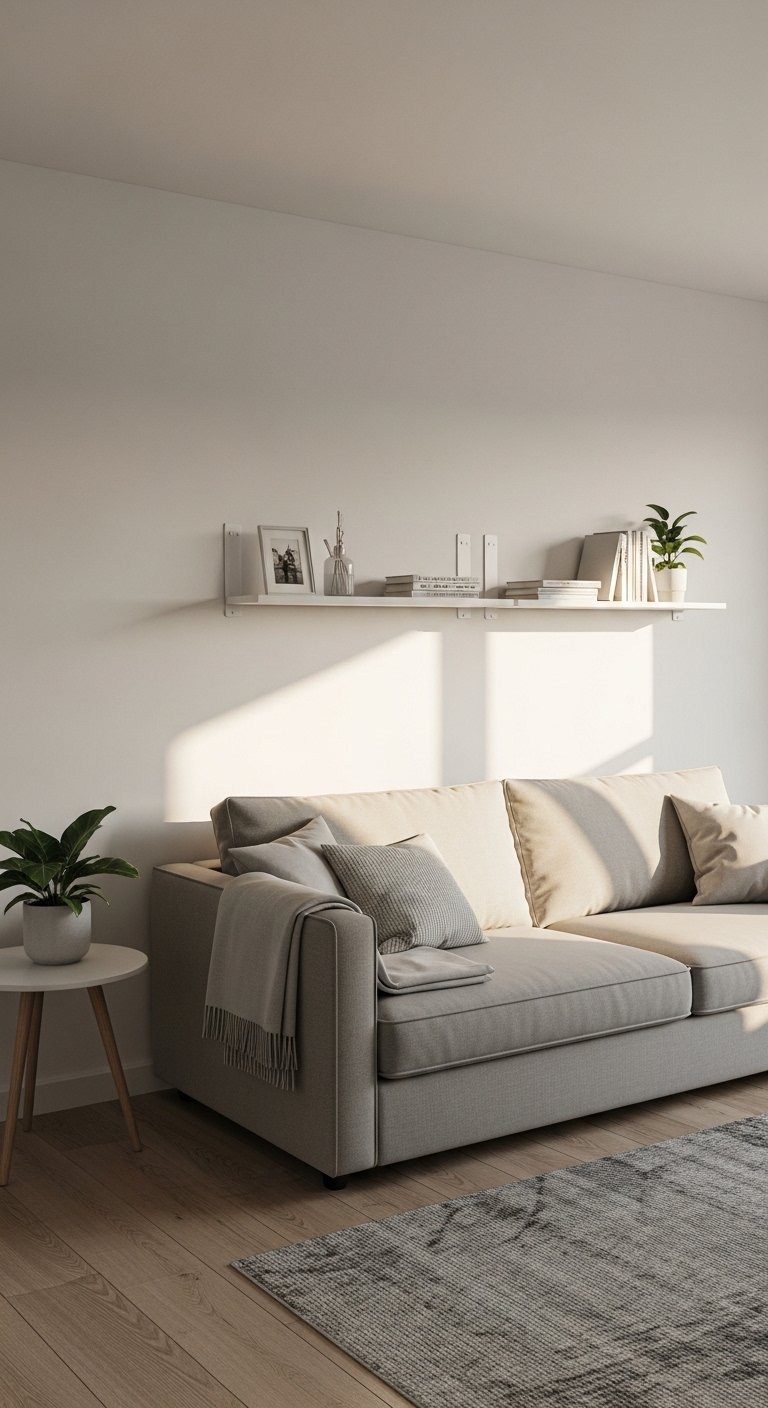
Renters hate holes. There are no-drill shelf systems that use heavy-duty adhesive and locking clips that hold moderate weight. I use them for plants, small frames, and spices, but never for heavy items. For safety, limit load to 10 pounds per short shelf. These no-drill floating shelves saved my lease. The mistake renters make is trusting sticky systems for heavy decor. If you need to store books, opt for a freestanding ladder shelf or the hidden-cleat method and get landlord approval.
Your Decor Shopping List
- Textiles: Chunky knit throw in cream (~22 x 50 inches, cotton blend). Drape over a sofa arm for instant texture
- Wall Decor: Walnut picture ledges set (24-inch, 2-pack). Great for rotating art
- Hardware: Concealed floating shelf brackets (holds 100 lb each). Use one per stud
- Kitchen: Glass spice jar set with labels (4 oz jars). Fits 6-inch deep shallow shelves
- Plants: Artificial fiddle leaf fig 6ft if you need height without maintenance
- Lighting: Small brass picture ledges to layer metallics with wood
- Budget Finds: Reclaimed-looking shelf boards (various lengths). Sand and seal at home
- Renters: No-drill floating shelves (holds light decor). Great for apartments
Shopping Tips
White oak beats dark wood in 2026. Design feeds have shifted completely. These white oak floating shelves look current, not dated.
Grab velvet pillow covers for $12 each. Swap them seasonally and the whole room feels different.
Curtains should puddle or kiss the floor, never hang halfway up. These 96-inch linen panels work well with taller shelves and higher ceilings.
Lead with a single statement plant rather than five tiny succulents. A faux fiddle leaf fig gives instant scale and needs zero sunlight.
If you are unsure of the finish, buy one shelf board and paint or stain it first. Paintable shelf boards save you the regret of a full wall redo.
Frequently Asked Questions
Q: How far above furniture should I hang floating shelves?
A: Aim for 12 to 18 inches above the top of a sofa or console if the shelf will hold decor. For smaller pieces or lamps, 10 inches can work. Measure and hold the shelf in place before you drill to avoid annoying rehangs.
Q: Can I mix metals on my shelves?
A: Yes. Mix a dominant metal with one accent metal, such as black iron and brass. Use about 80 percent of one finish and 20 percent of the other so things read intentional, not chaotic.
Q: What depth should shelves be for books?
A: Go 10 to 12 inches deep for standard paperbacks and trade hardcovers. For oversized art books use 12 to 14 inches. If you have shallow walls, use vertical stacking and the hidden-cleat method to handle weight.
Q: How do I prevent shelves from sagging?
A: Use a bracket rated for the shelf length and attach into studs every 24 to 36 inches. For runs over 48 inches add a center support or choose plywood cores that resist bowing. Avoid relying on drywall anchors for weight.
Q: Are no-drill shelves actually safe for renters?
A: They work for light-weight items like small plants, frames, and decorative objects. Limit load to about 10 pounds per shelf and follow the manufacturer cure time for adhesives. For heavier storage, consider freestanding solutions.
Q: How do I style floating shelves so they do not look cluttered?
A: Use the rule of three, prioritize negative space, and vary heights. Place one taller object, two medium pieces, and three small items across a run, then step back and remove what reads like visual noise.