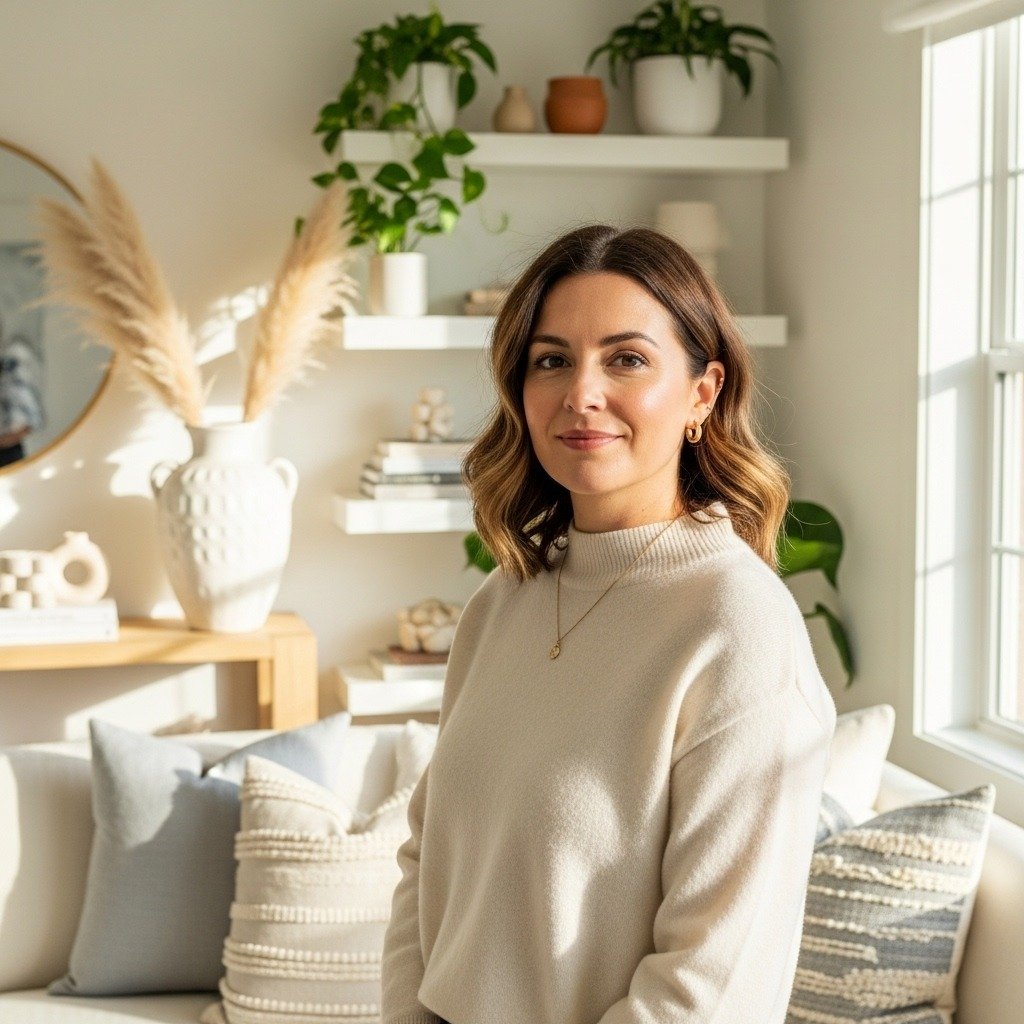
Spent $400 on a new coffee table. Room still looked off. Spent $35 on a throw and three candles. Suddenly everything clicked. I kept a notebook of what worked and what flopped, mostly the tiny things people skip. Below are shelf styling ideas I actually used or helped friends use, with real measurements, what to avoid, and products that made the difference.
These ideas lean modern cozy with a touch of vintage. Most tweaks cost under $50, with a few pieces around $100. They work for living rooms, entryways, bedrooms, and any built-in or freestanding shelves that feel cluttered or lifeless.
Layered Neutrals With One Bold Accent Color
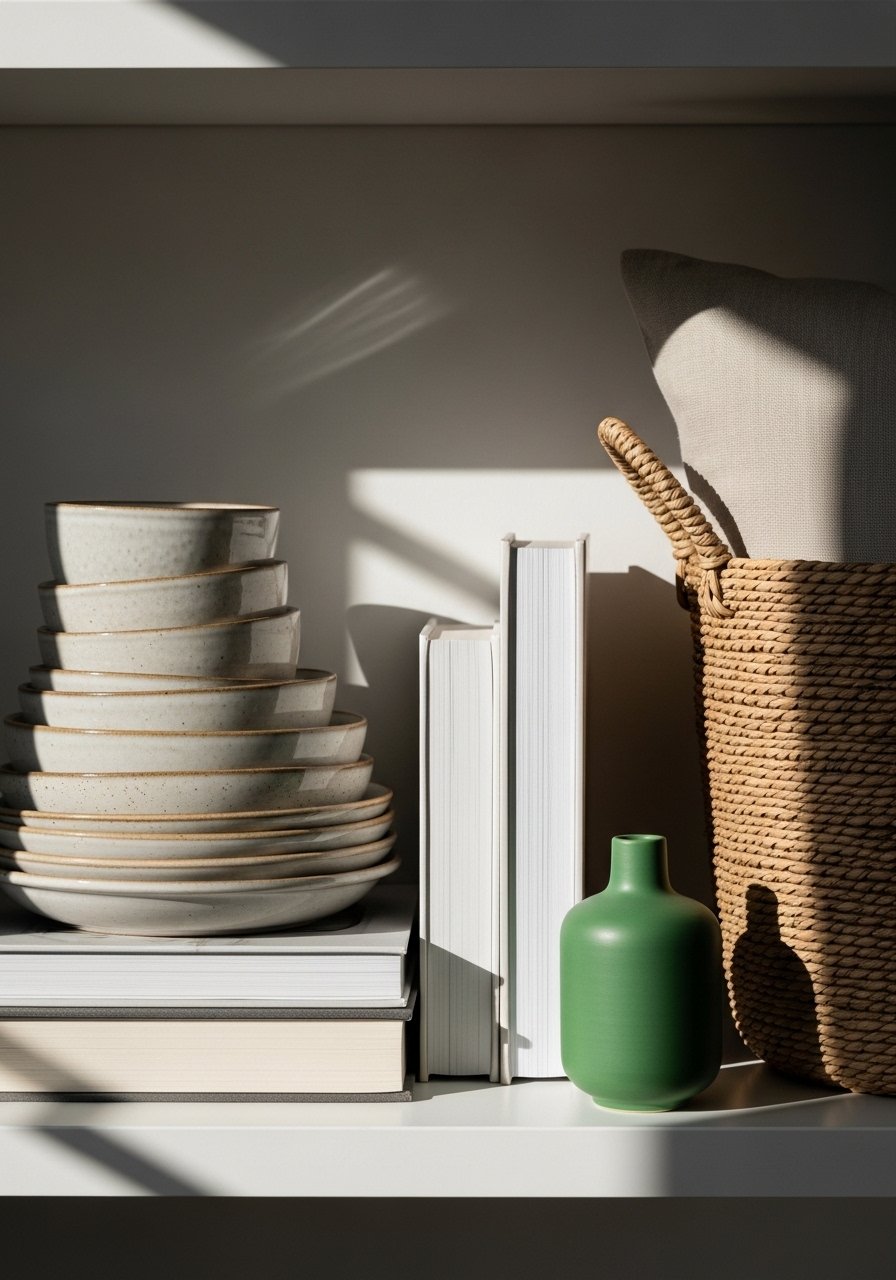
The moment I added a single green vase to an all-neutral shelf, the whole grouping stopped disappearing into the wall. Use an 80/20 color ratio here, 80 percent neutrals and 20 percent accent, and repeat that accent color 2 to 3 times across the shelves. For texture, mix matte ceramic vases in white with a glossy green glass bottle. Common mistake is using too many accents at once. Keep one bold item per shelf and vary heights by 6 to 10 inches so each piece has room to breathe.
Rule of Three Book Groupings for Living Rooms
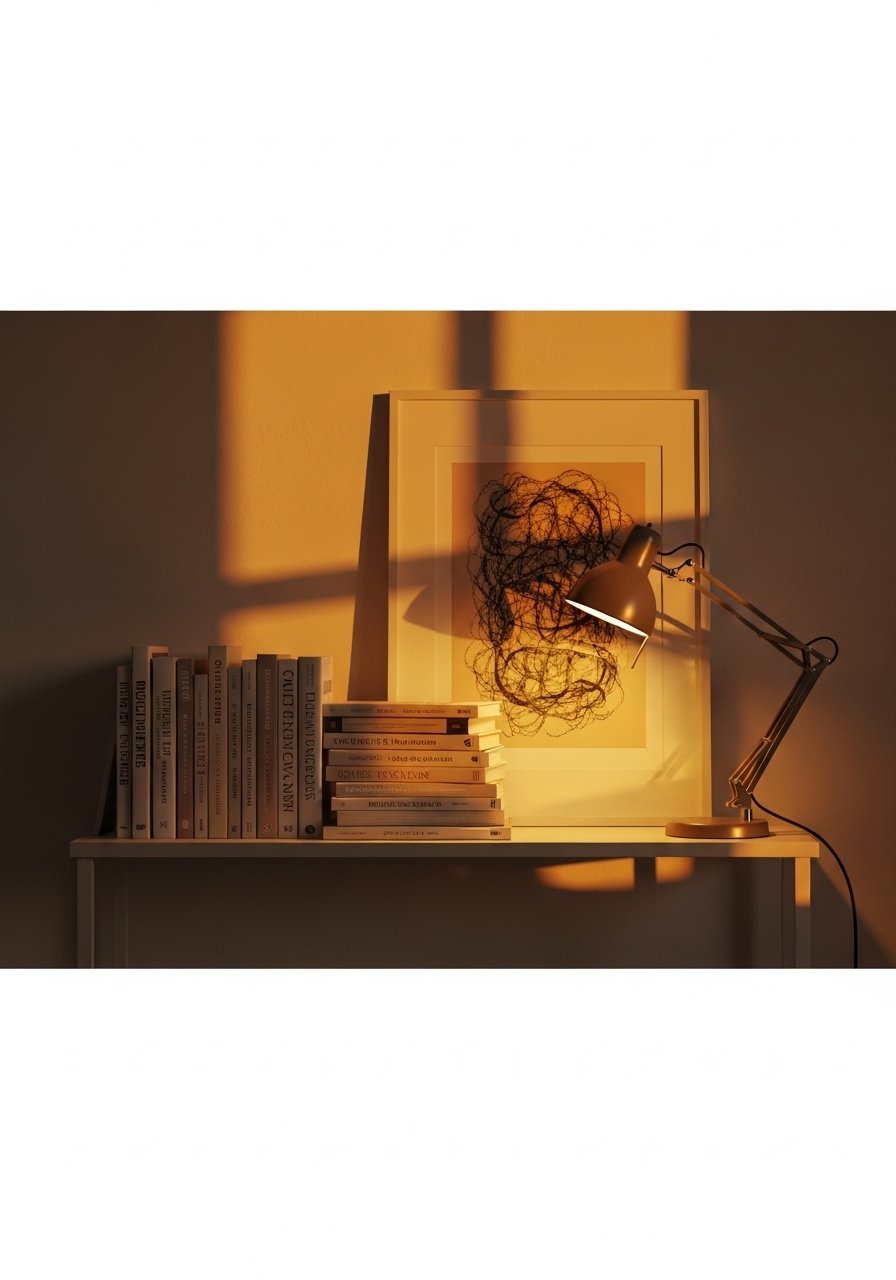
Books are not just filler. Group them in threes with at least one stack horizontal to act as a riser. My trick is a 2:1 height ratio, where the horizontal stack is roughly two-thirds the height of a nearby upright stack. Use stacked books as platforms for a marble bookend or a small ceramic bowl. Many people pile books without thinking about negative space. Leave one shelf deliberately sparse to add contrast. This approach fits living rooms and home offices and costs almost nothing unless you shop for decorative bindings.
Mix Textures for Cozy Bedroom Shelves
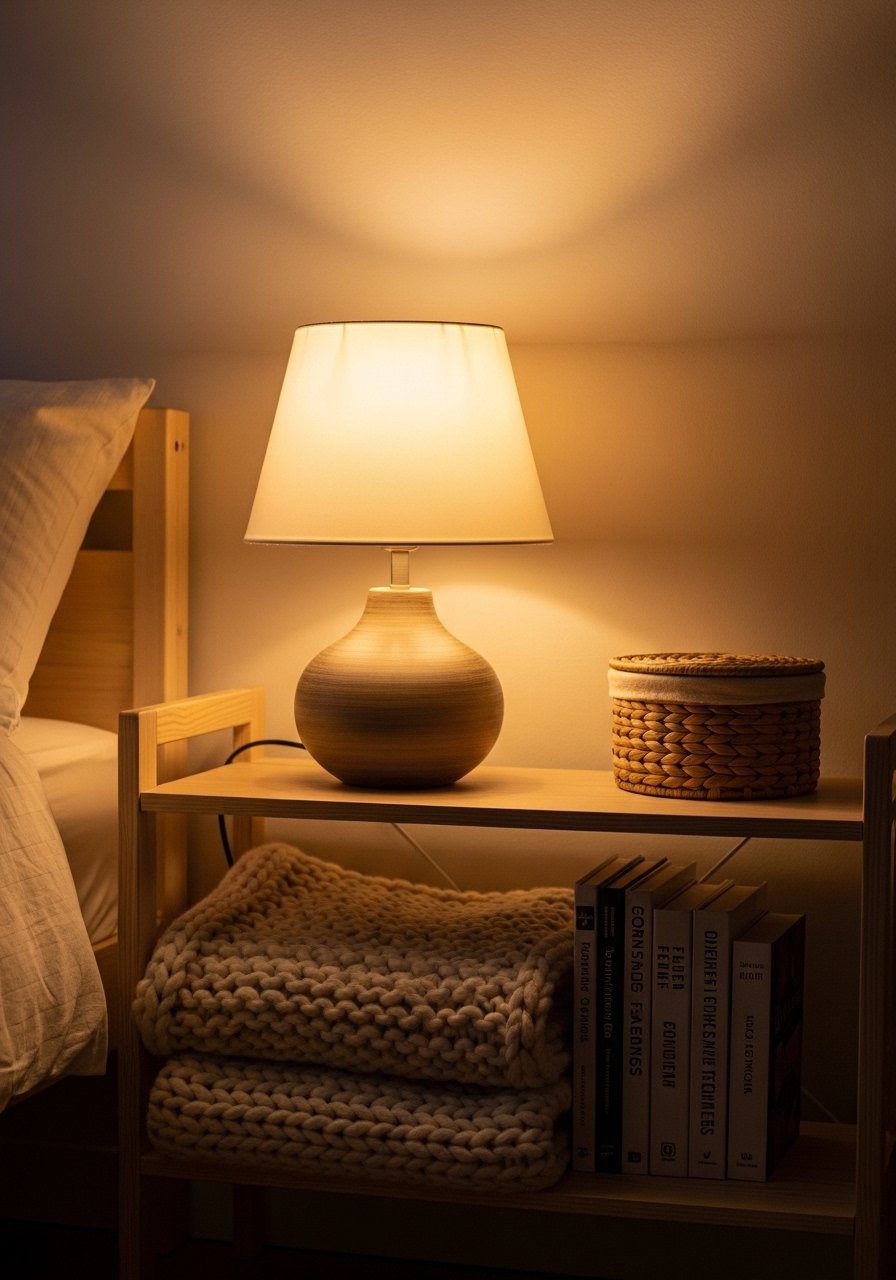
My bedroom shelves felt like a storefront until I added textiles. A single folded chunky knit throw in cream on the lower shelf instantly made the space invite you to touch it. Use natural materials like linen, wool, and rattan for contrast. Budget for this trick ranges $25 to $60. Avoid stuffing textiles so they look messy. Fold neatly and show 2 to 3 inches of the shelf edge to keep it tidy. This idea also pairs well with the layered neutrals trick above.
One Tall Plant for Scale and Height
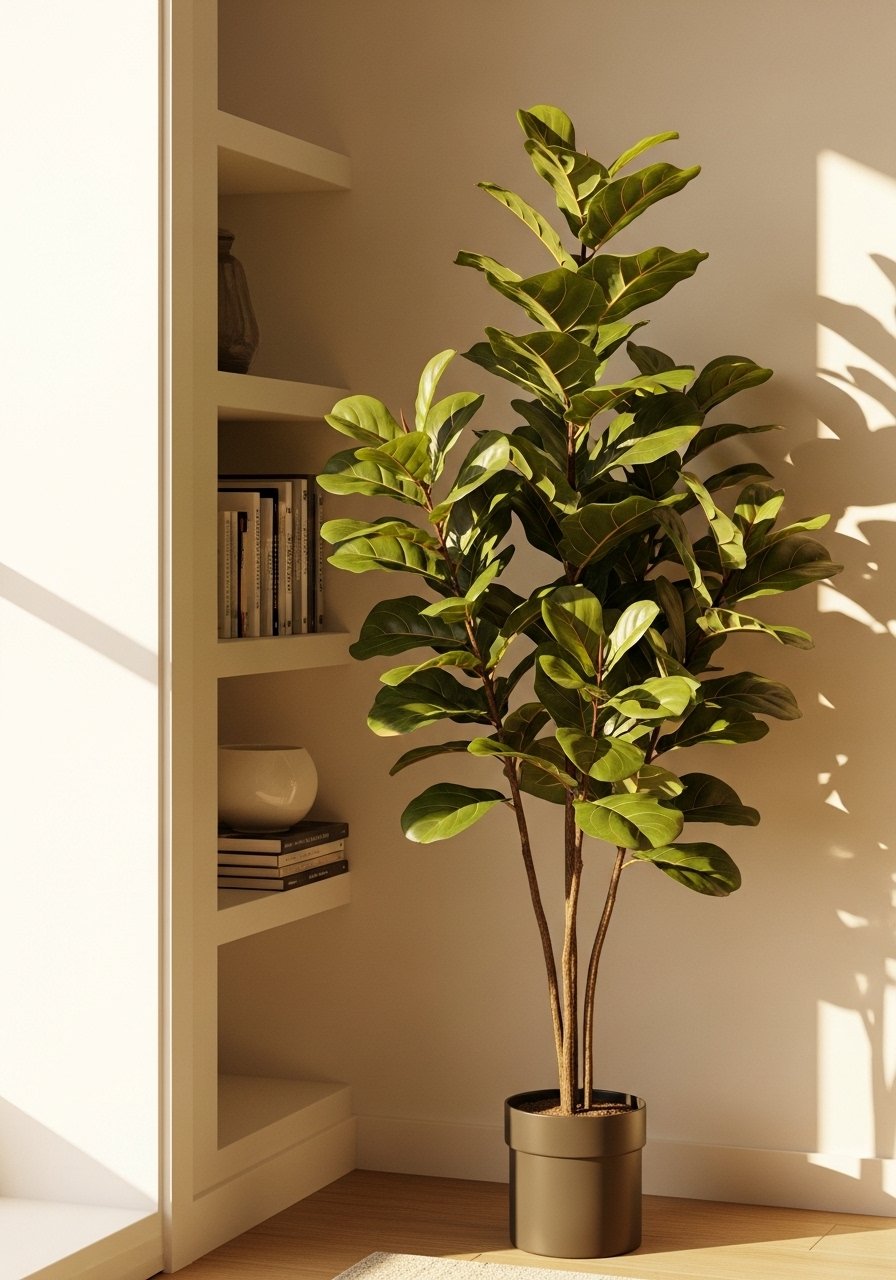
There is a visual anchor that shelves often need, and a tall plant does the job. I chose a faux option to avoid dead leaves. One faux fiddle leaf fig 6ft beside lower decor pieces creates a pleasing height contrast. People cram only small plants and expect balance. Swap five tiny succulents for one tall piece and you will see how the room feels intentional. Budget runs from $60 to $150 depending on quality.
Leaning Art Prints for Flexible Styling
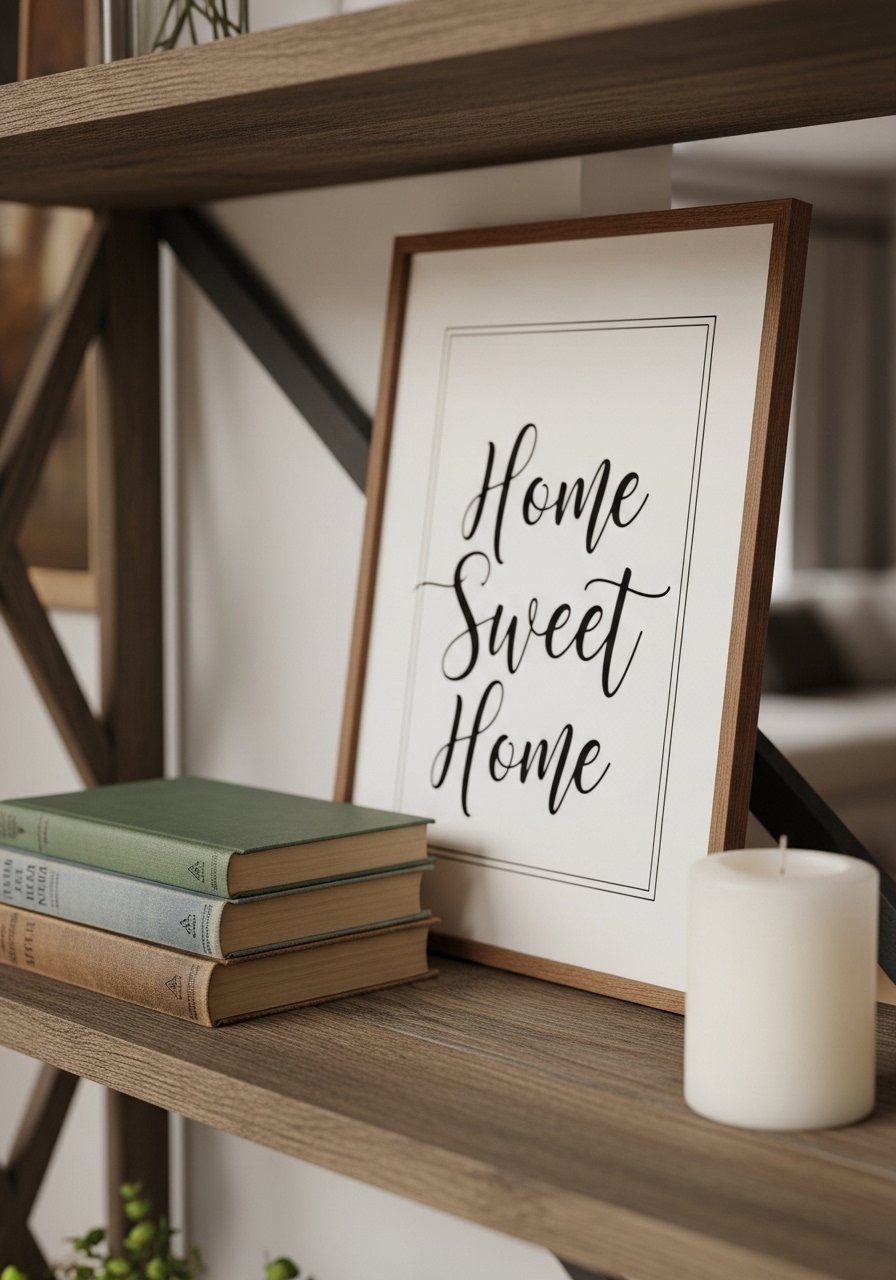
I stopped nailing art into studs after I discovered leaning frames. A framed print reading 'Home Sweet Home' leaned against the wall gives depth and is easy to swap seasonally. Use one larger lean at the back of the shelf, and layer a smaller frame in front, about 2 to 4 inches off the back. Try ceramic frames in mixed finishes so the edges catch light. The mistake is centering everything. Off-center lean creates movement and feels less forced.
Curated Collections in a Cozy Reading Nook
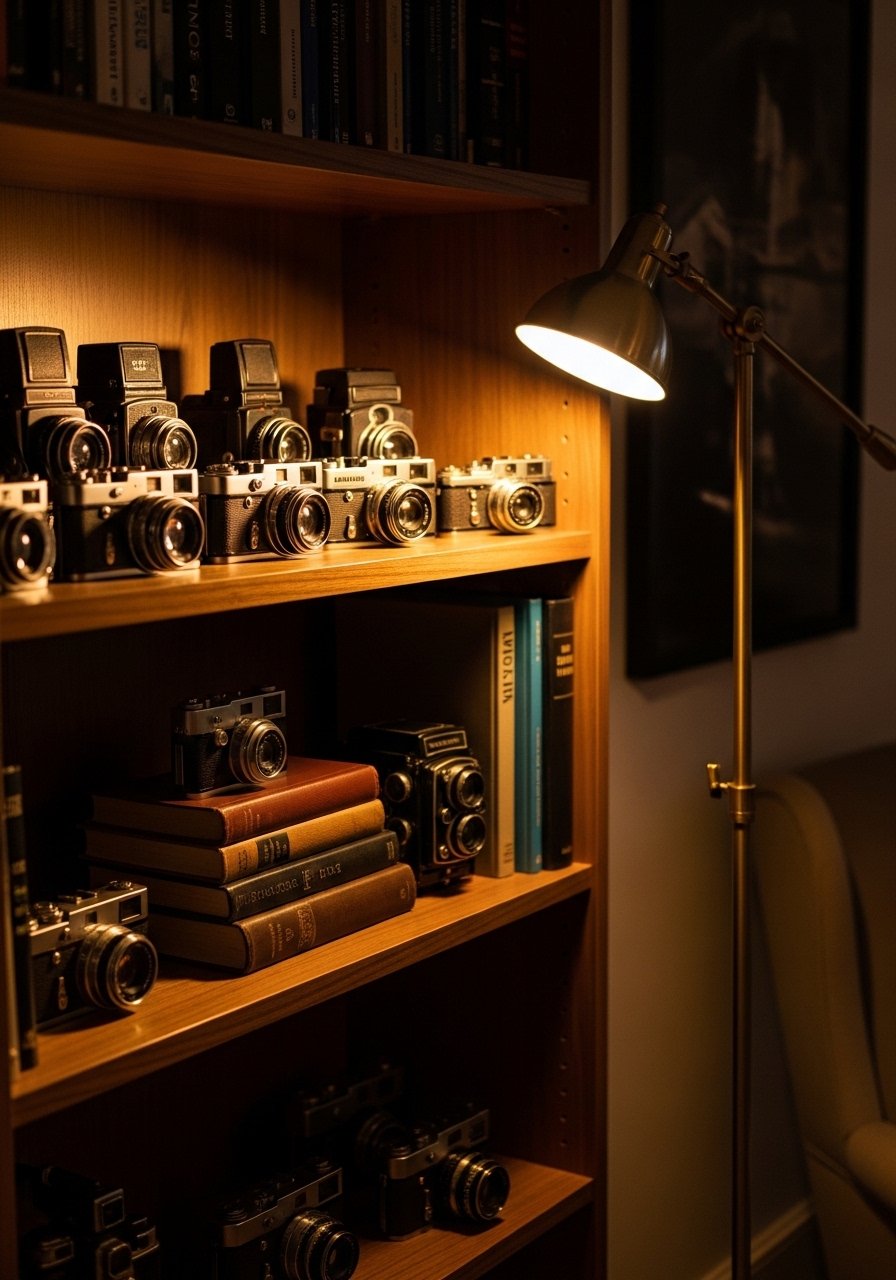
A friend had random knickknacks scattered across shelves, and grouping similar items fixed everything. Pick one category like vintage cameras, cookbooks, or apothecary bottles and dedicate one shelf to it. Arrange pieces in groups of three and vary heights by 4 to 12 inches. Add a small brass task lamp to this shelf for atmosphere. This works great for a reading nook or home office. Avoid lining items up perfectly. Slight staggered placement feels collected, not staged.
Negative Space as a Styling Tool for Minimalist Spaces
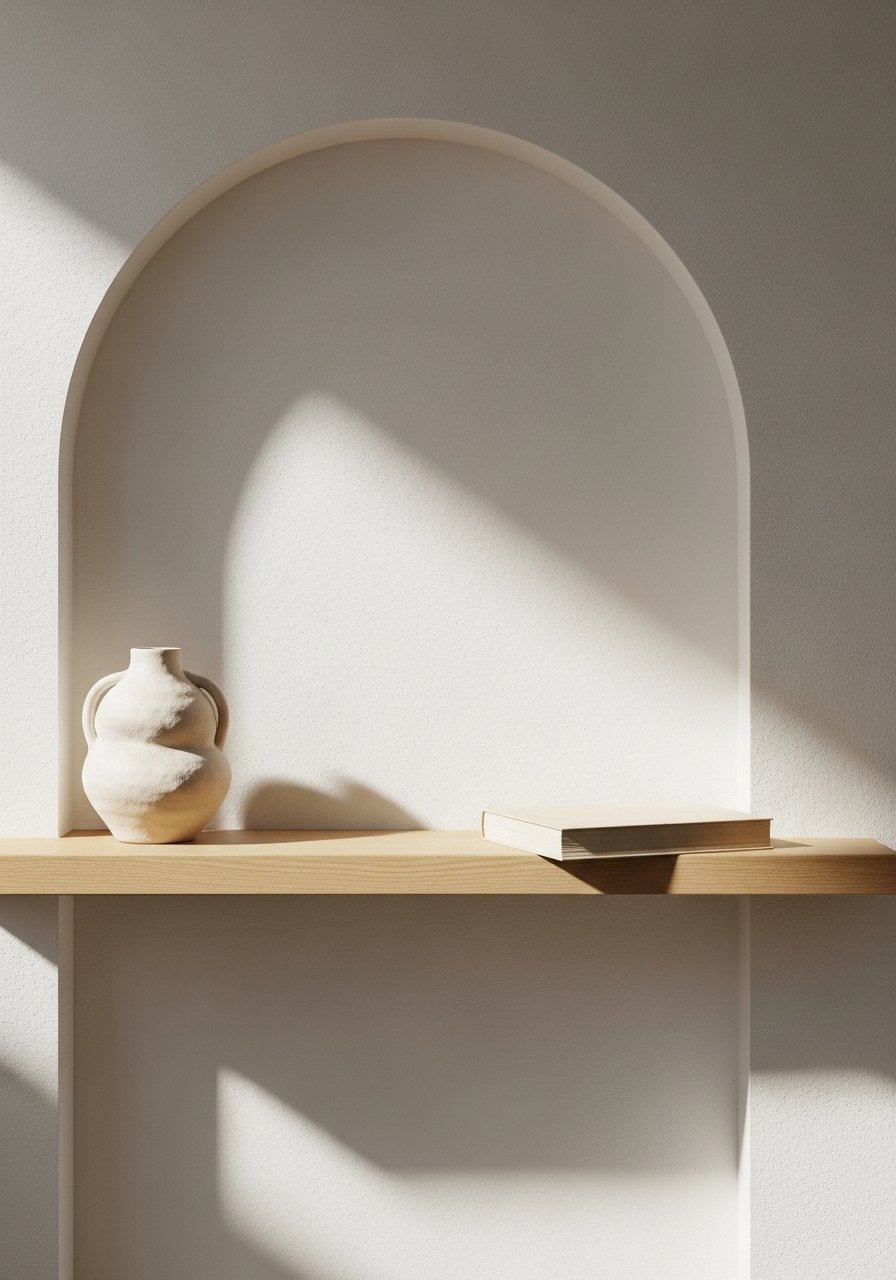
I learned to love empty space after years of filling every shelf. Leave one-third of a shelf empty to let the eye rest. On a 36-inch shelf, leave roughly 10 to 12 inches clear on either side of a focal object. Use that negative space to highlight a single sculptural vase. The common error is to equate more objects with better style. Minimal looks intentional when spacing is measured.
Warm Lighting to Make Shelves Feel Lived In
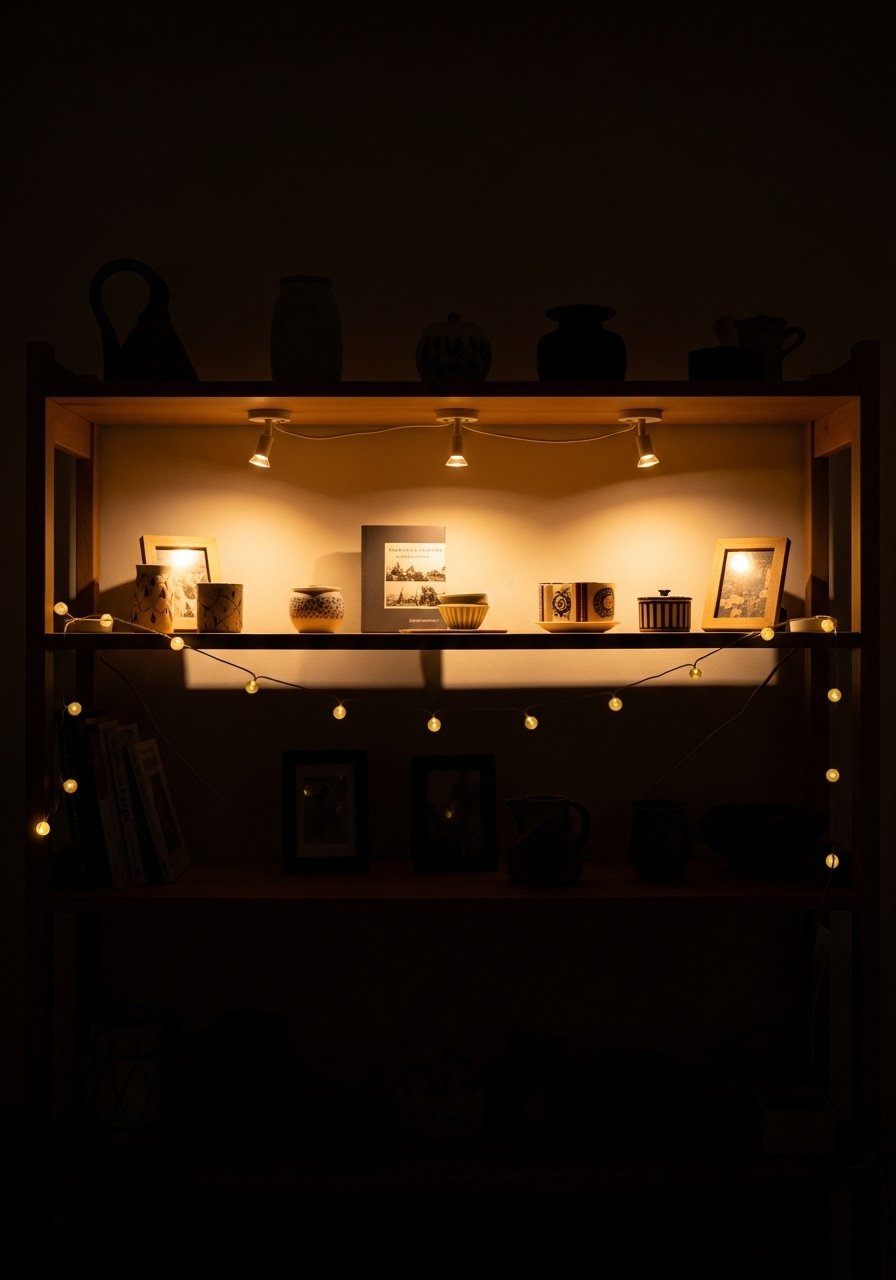
Shelves under harsh overhead lighting look flat. I clipped a small LED picture light to a top shelf and instantly saw texture come alive. Use warm 2700K bulbs for that inviting glow. Position lighting so it hits a centerpiece, not every object. People try to light everything and end up with glare. A single warm light creates pockets of interest and works in living rooms and hallways.
Use Baskets to Hide Clutter on Lower Shelves
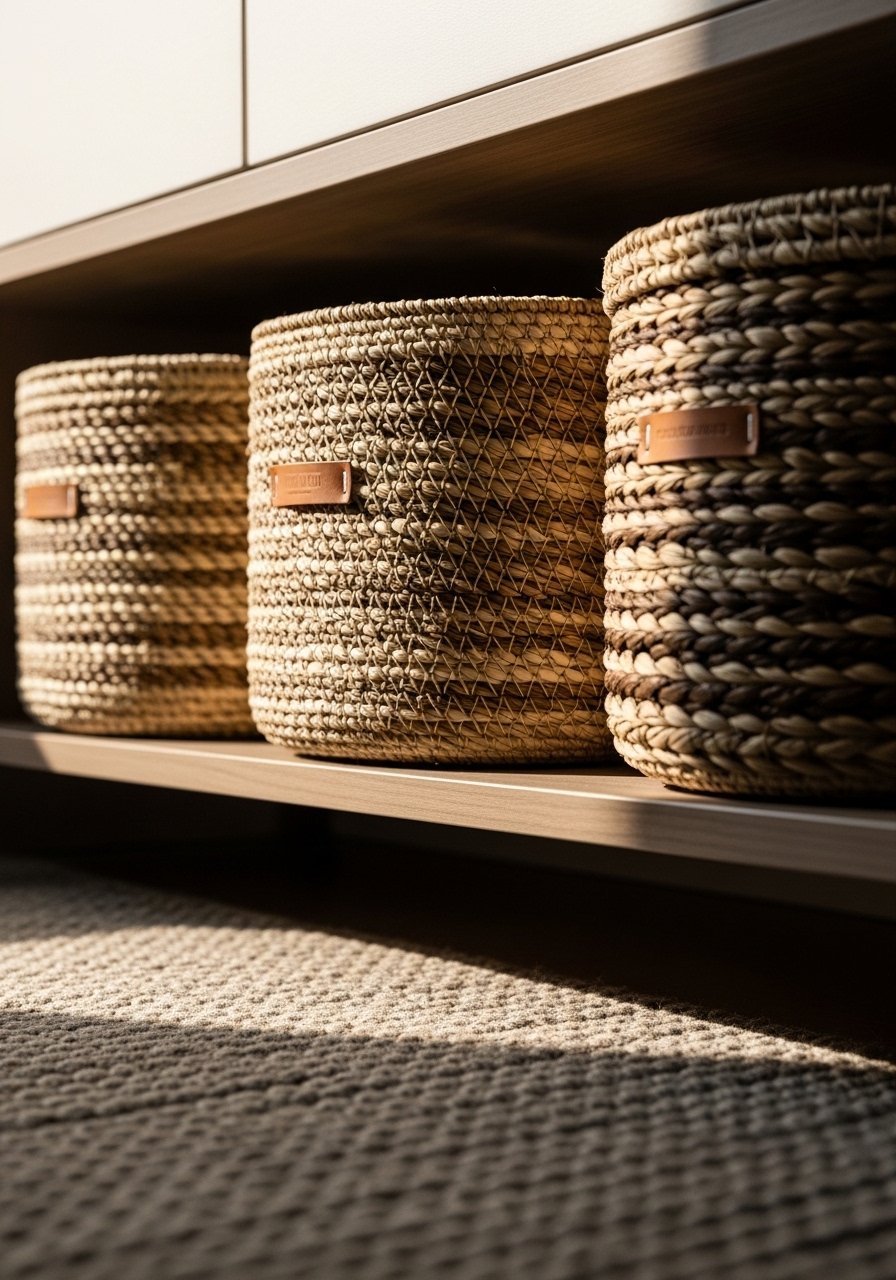
Lower shelves are where the clutter hides. I replaced bins of random items with a set of matching woven baskets set of 3. They hide cords and kid art while adding texture. Measure shelf depth first. For a 12-inch deep shelf pick baskets no deeper than 10 inches so the front edge reads. The mistake is mismatched containers. Using a set keeps things tidy and visually balanced.
Mix Metals Carefully for Modern Glam
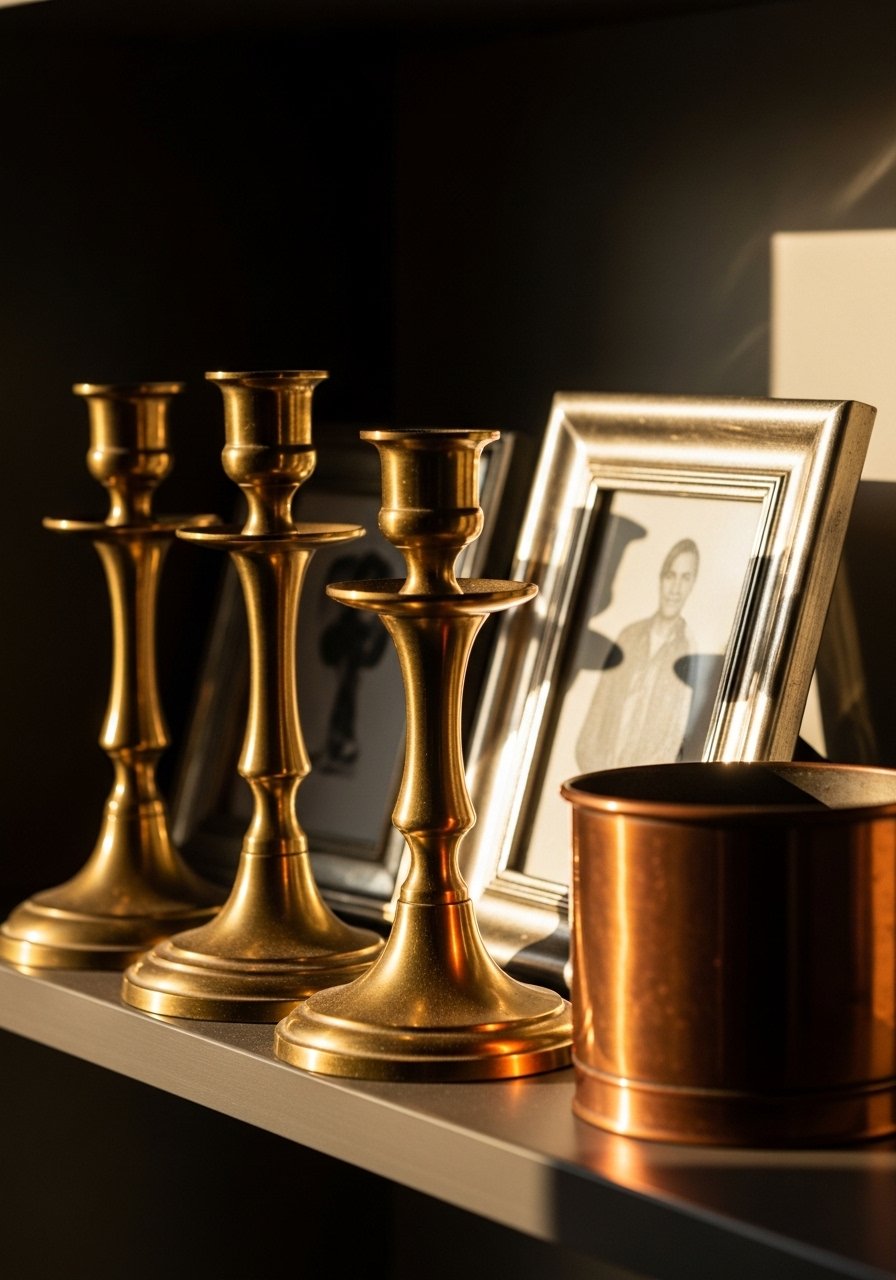
I used to match every metal, and it looked fake. Mixing two metals, like brass and matte black, creates interest. Start with one dominant metal and introduce a second as an accent. Try brass candle holders with a matte black frame across the shelf. Avoid using three different metal tones. That is where things feel chaotic. This tip fits living rooms and entryways.
Short Shelf to Tall Shelf Progression for Built-Ins
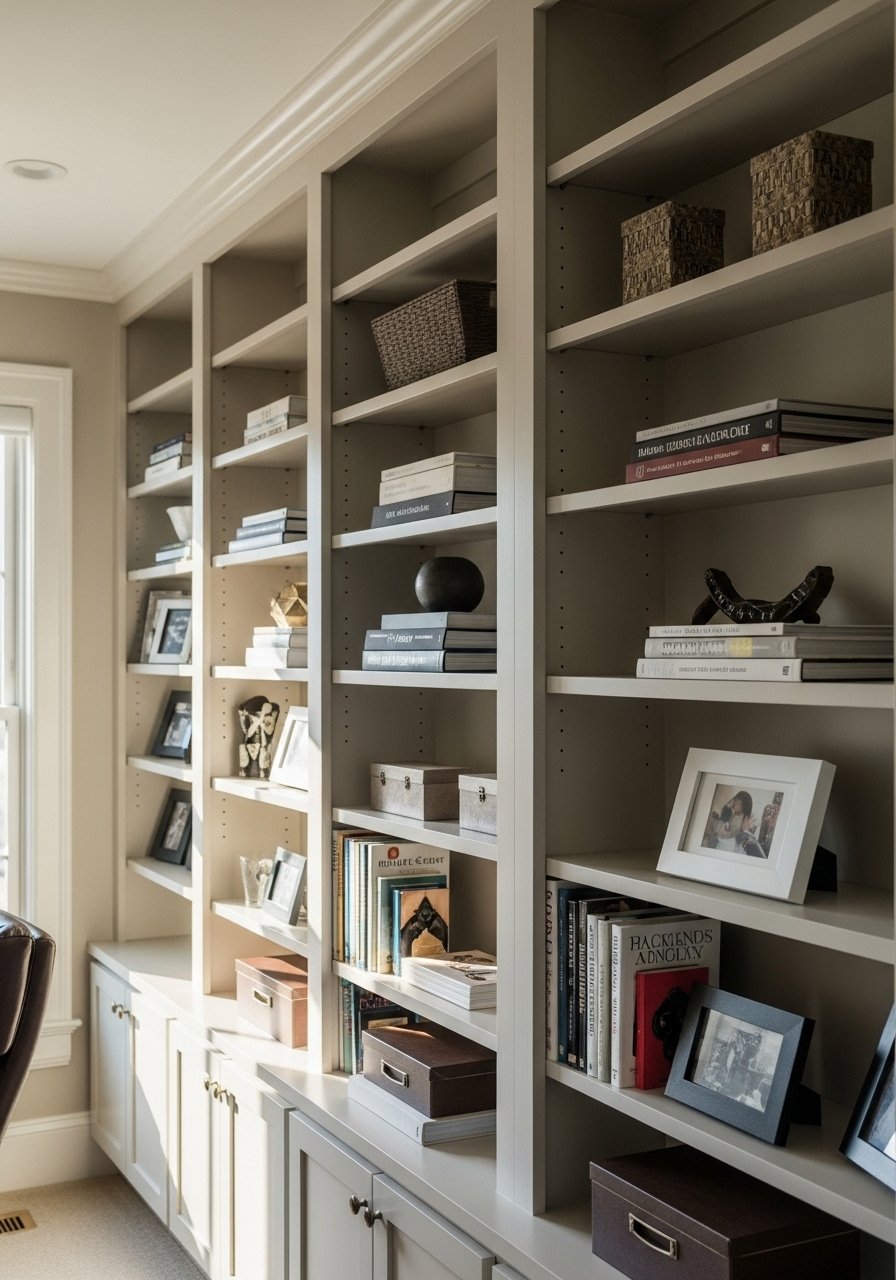
When shelves step up in height, arrange objects to lead the eye from short to tall. I arrange items so each shelf is roughly 4 inches taller than the previous main object. For example, a 6-inch bowl, then a 10-inch vase, then a 14-inch sculpture. Use adjustable shelf brackets for flexibility. People often place tall items randomly and it feels off. Planning the progression makes built-ins feel intentional and balanced.
Add Mirrors on Shelves to Brighten Dark Rooms
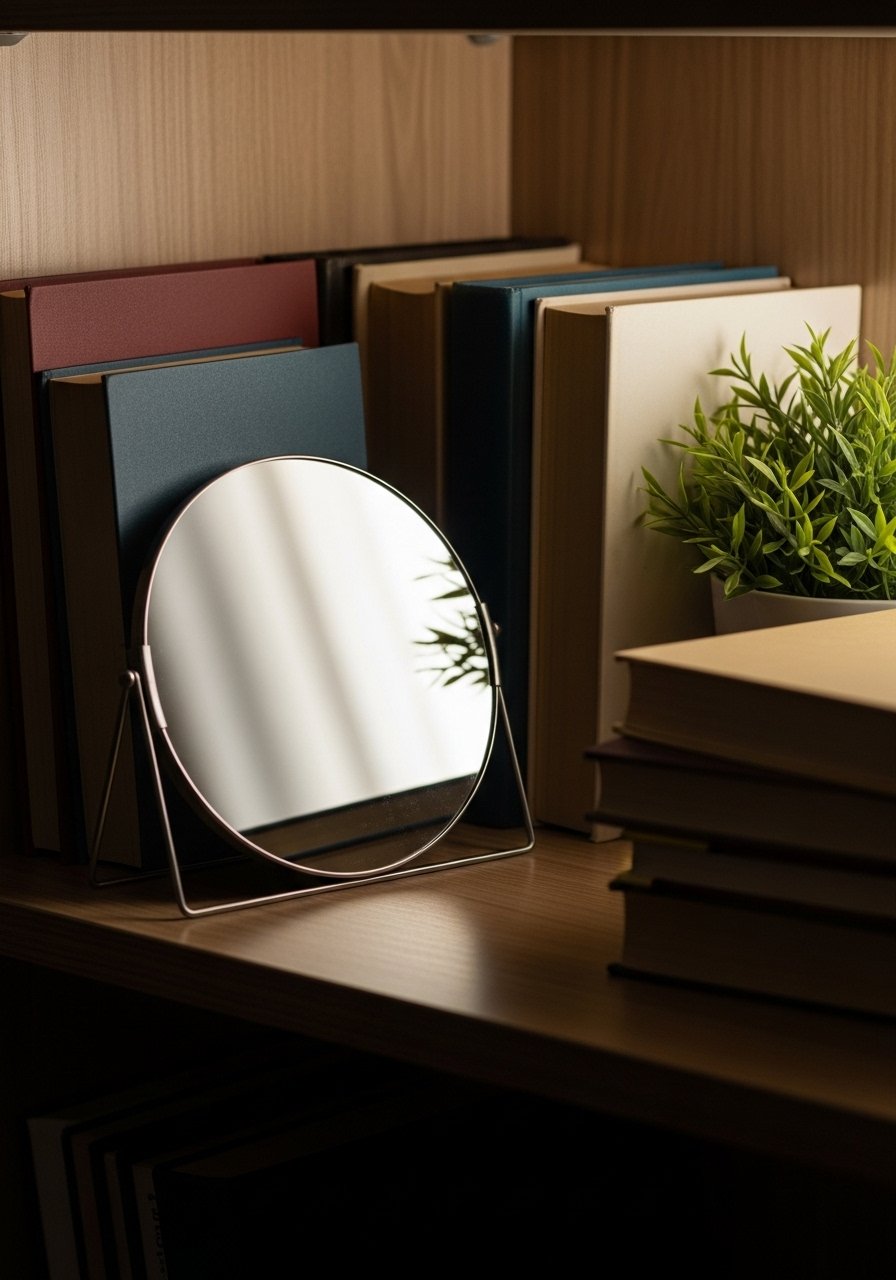
A small mirror can bounce light into darker corners. I use a round mirror about 12 inches across tucked behind a vase. Pair it with low items in front so it reflects the room. Try a 12-inch round mirror with a thin frame. Don’t use a mirror that competes with art. The mirror should be subtle, not the main attraction.
Seasonal Swap System That Is Low Effort
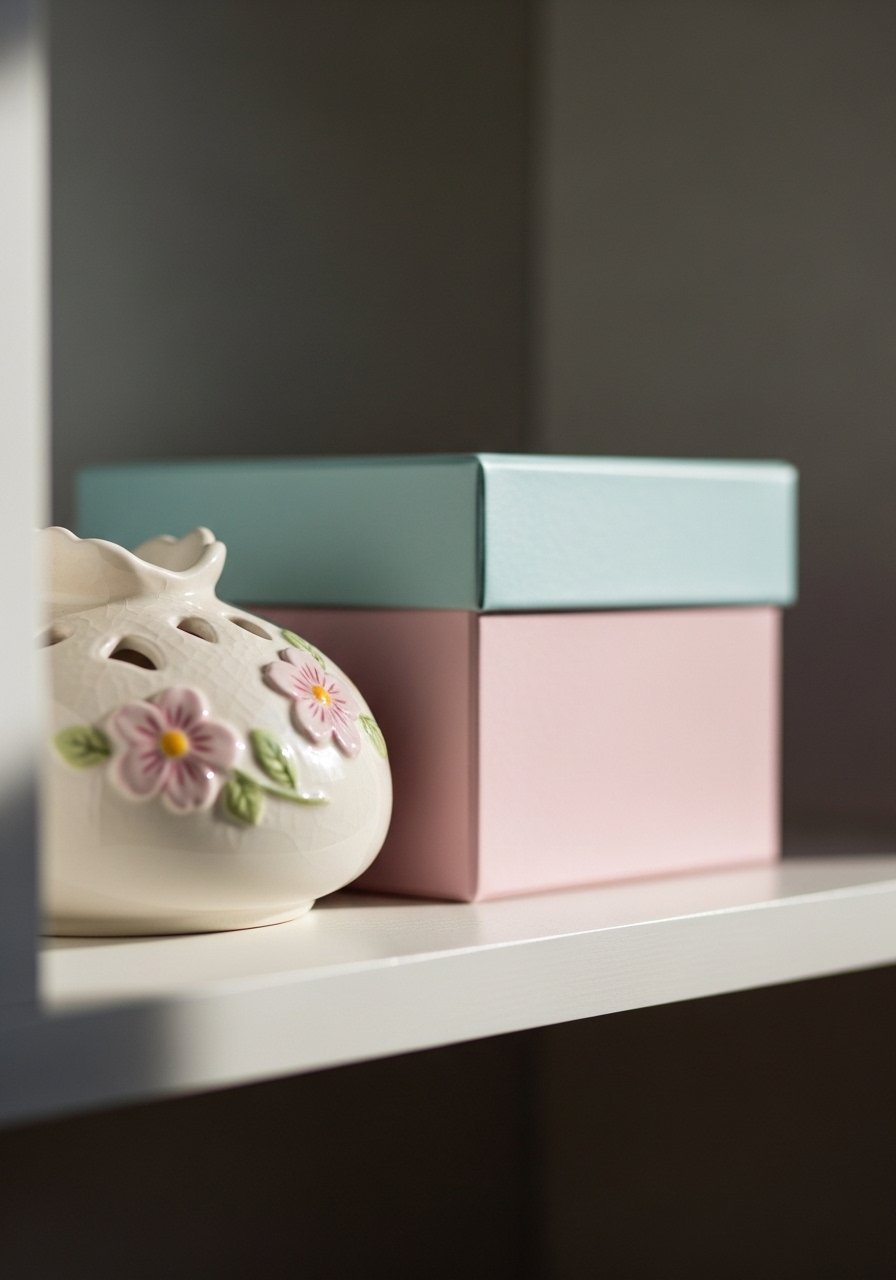
I set up a swap box for each season. Every three months I change two or three small items on each shelf. Small things like a pastel decorative box and a seasonal candle keep the shelves feeling fresh. Budget is low because you rotate existing pieces. The mistake is buying too many seasonal items that end up hidden. Keep a tight edit of three switchable pieces per shelf.
Use Trays and Trays on Shelves for Grouping
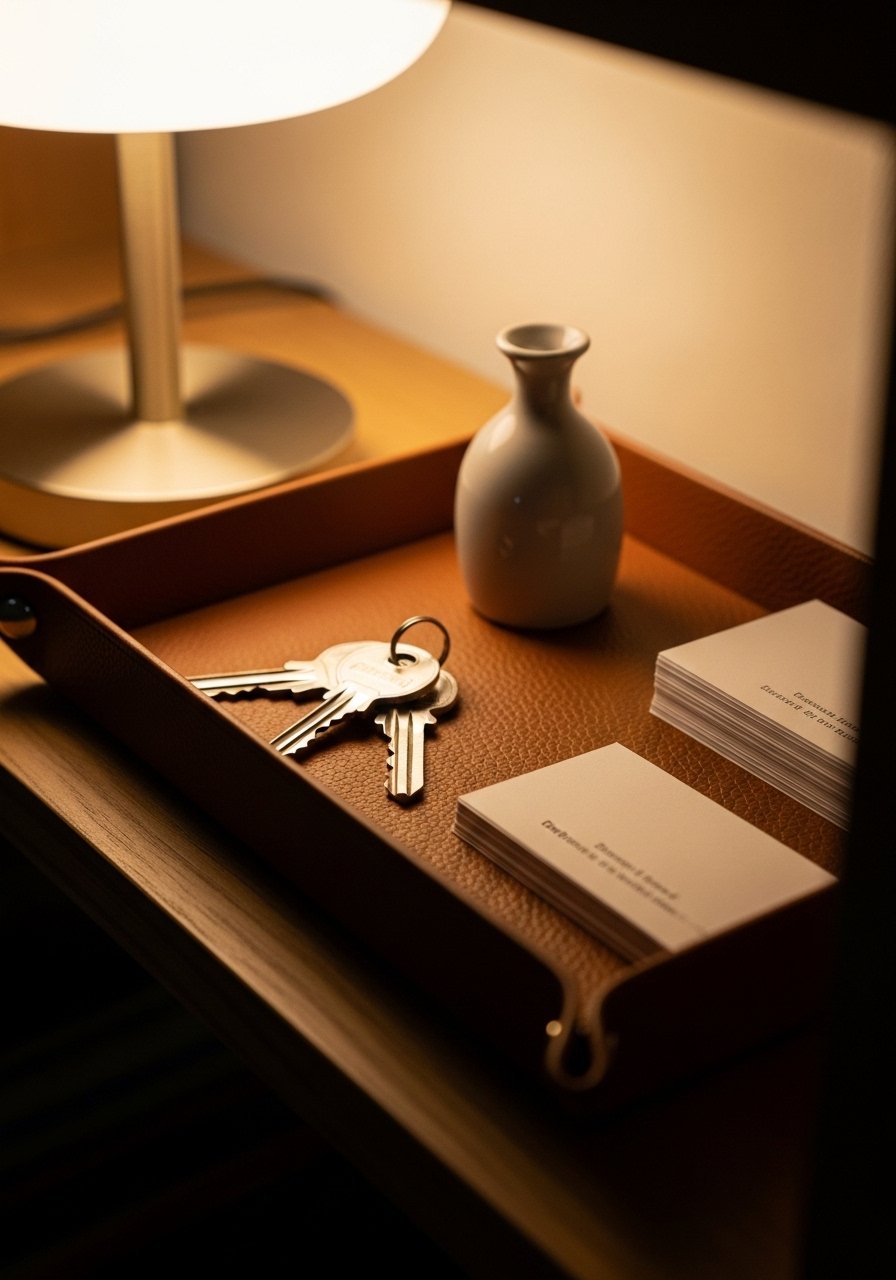
Trays define mini areas on open shelves. I use a small leather tray small to corral objects on a busy shelf. Trays work especially well near entryway shelves to catch keys and sunglasses. The visual mistake is floating random small things. Anchoring them on a tray makes the collection feel designed. Look for trays slightly smaller than the shelf depth so items do not hang over the edge.
Play With Shelf Depth for Layering Effects
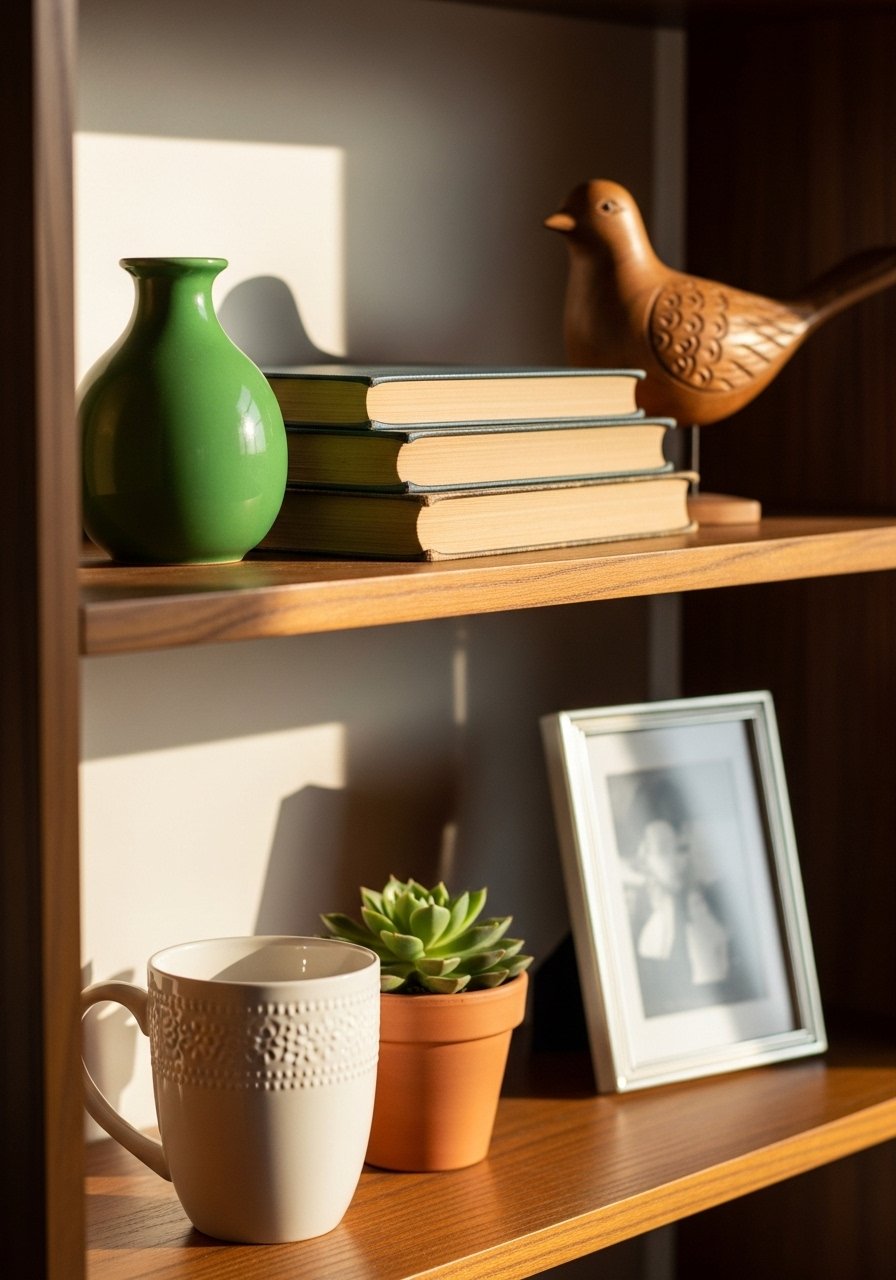
Not all shelves are the same depth. I pushed a slim frame to the back and a vase forward by about 3 inches for depth. If your shelf is 12 inches deep, try layering items at 2, 6, and 10 inches from the front. A ceramic bud vase forward and a low tray at the back creates a sense of dimension. People style flat, and the result looks static. Depth tricks make the shelf feel curated.
Use Small Lamps to Create Cozy Corners
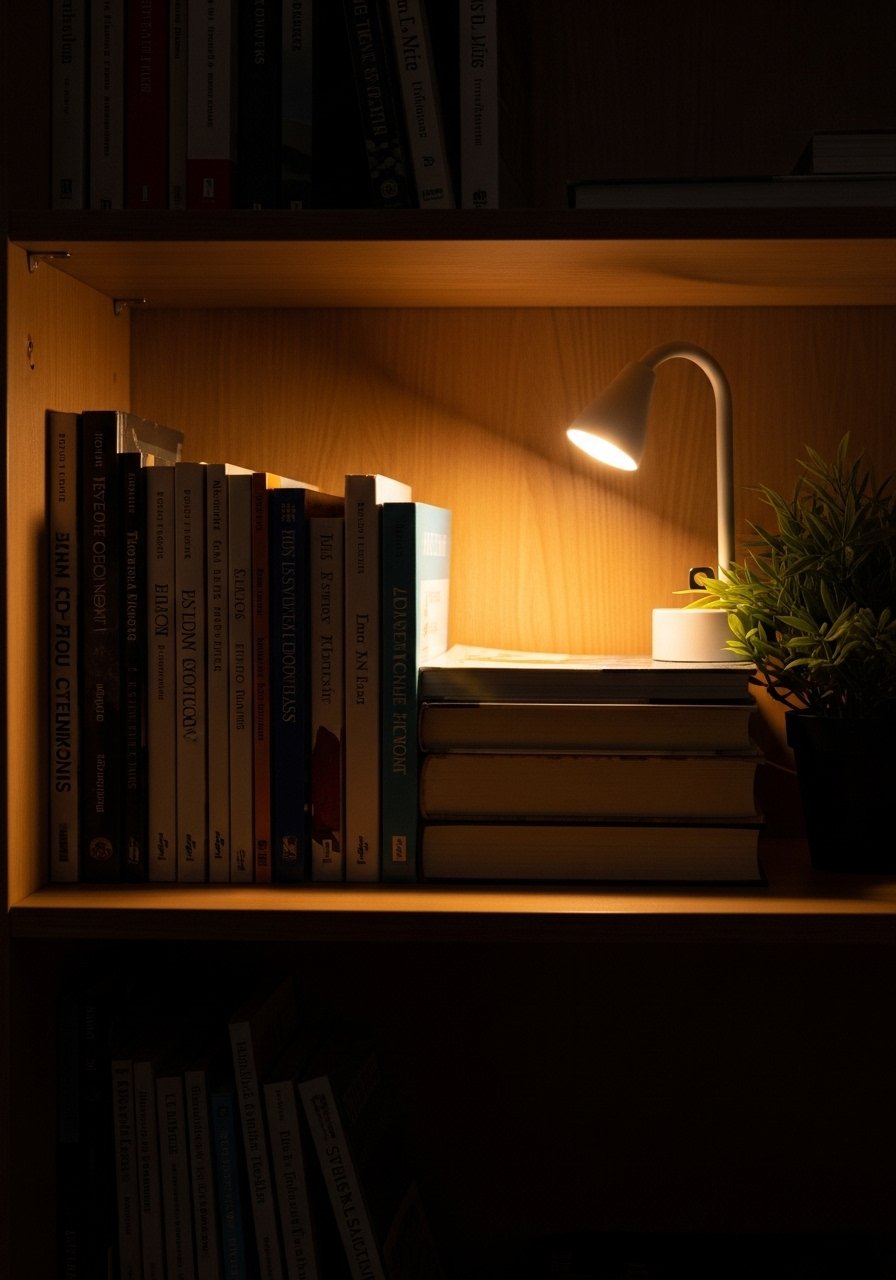
Shelf lighting can be decorative as well as functional. I placed a small plug-in lamp on a middle shelf to give the area a library vibe. A small plug-in lamp around 10 to 12 inches tall works for most shelves. Avoid big hard light. Soft directional light creates pockets of interest and makes a shelf feel lived in, especially in reading nooks.
Vintage Finds Mixed With New for Character
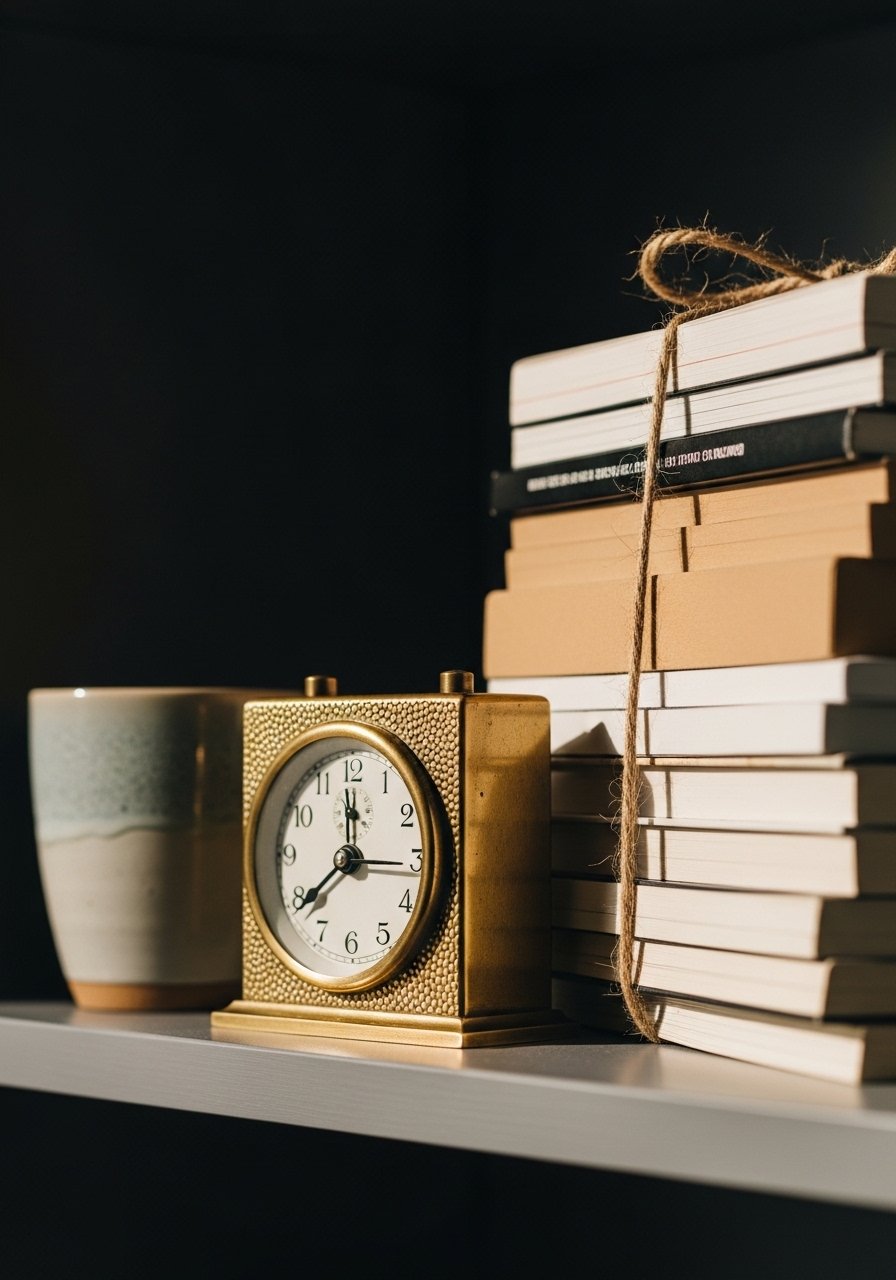
I started hunting flea markets for a single vintage piece per shelf. One worn brass clock among new books looks collected, not staged. A small vintage-style brass clock costs around $20 to $40 at markets or online. The mistake is buying multiple new items that mimic vintage and still read fake. One authentic piece per shelf gives real character.
Functional Styling for Kid-Friendly Shelves
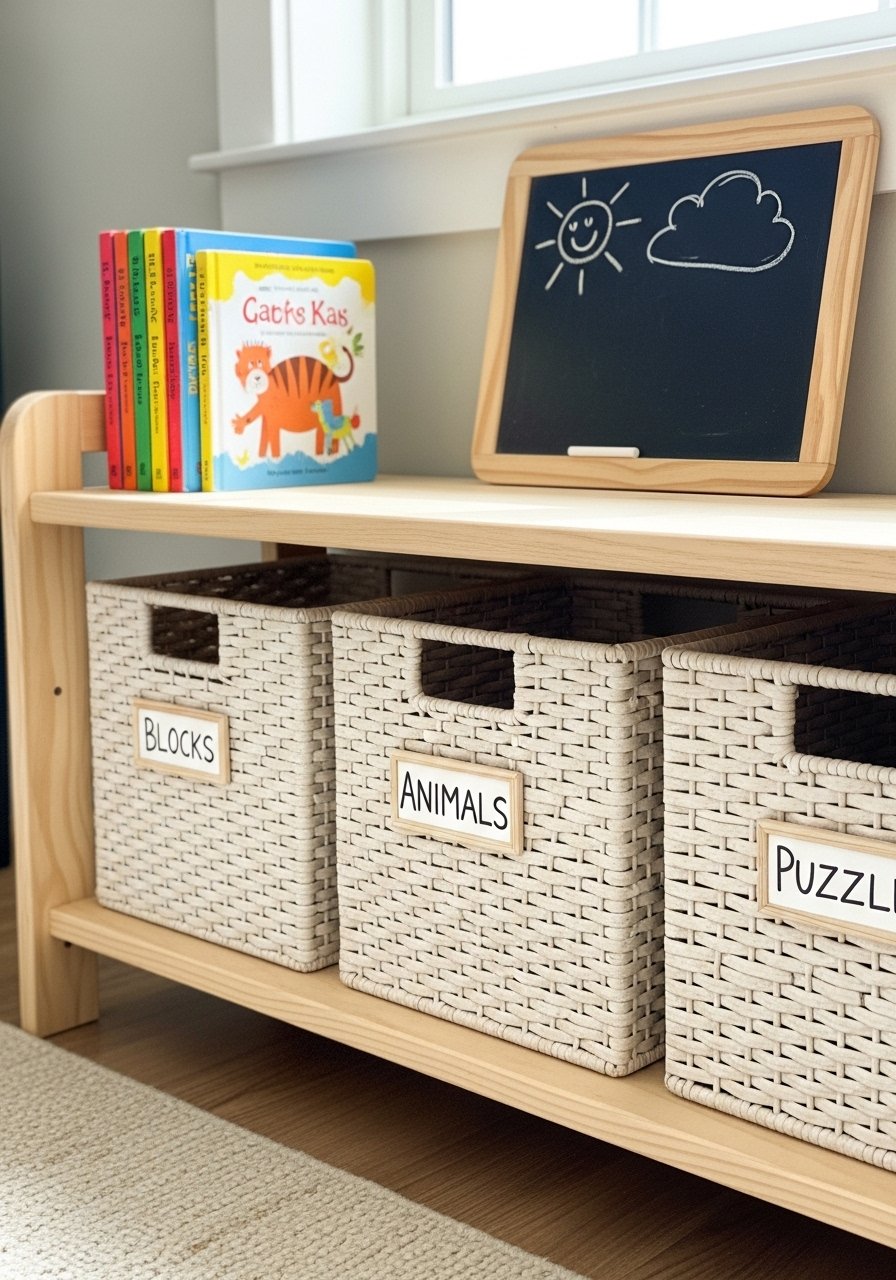
If kids use the space, make the lower shelves accessible and practical. Use labeled bins and keep breakables up high. I used labeled woven bins and a short stack of board books at child height. Teach a simple one-in-one-out rule for toys. The wrong approach is treating kid zones like adult decor. Function first, style second, and the shelf will survive real life.
Gallery-Style Shelf With Rotating Frames
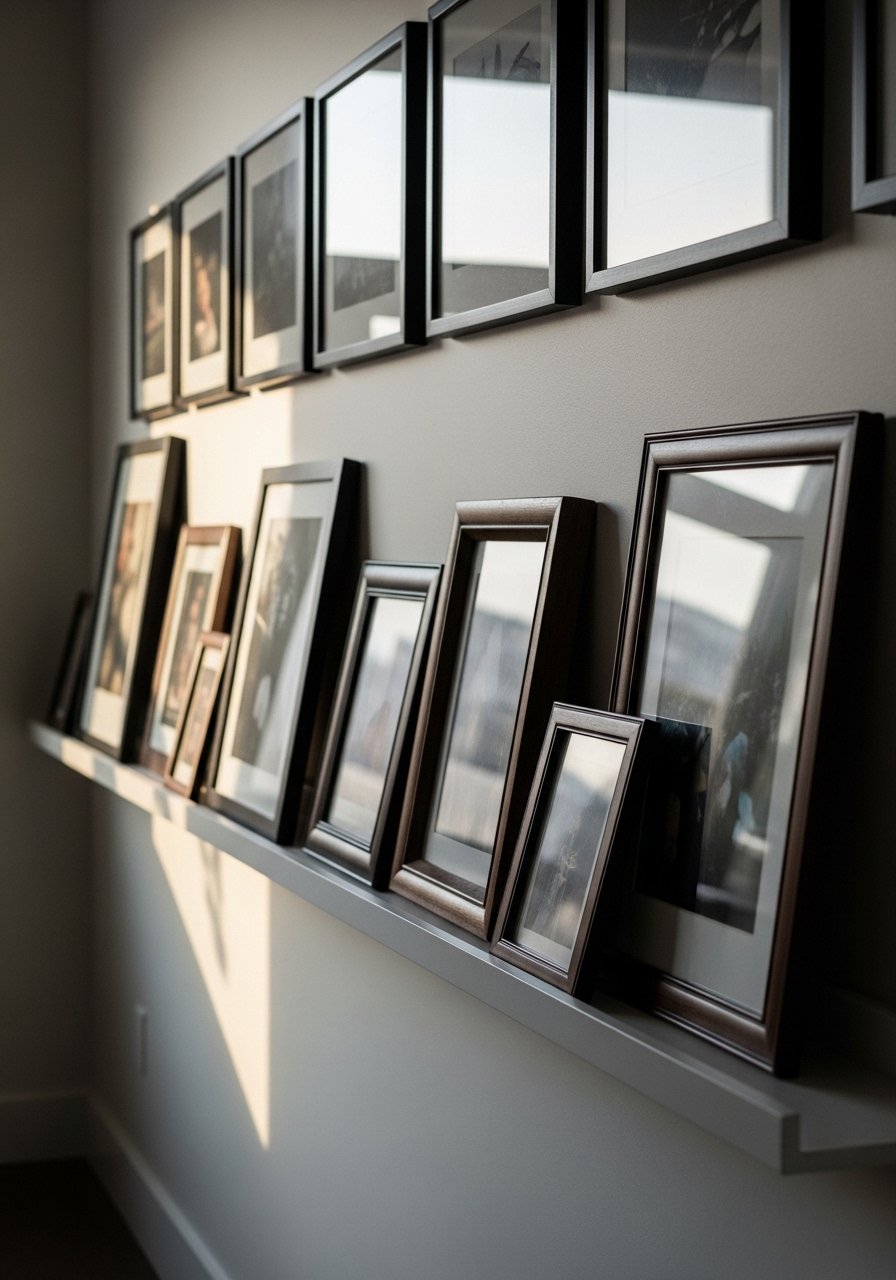
Gallery ledges let you rotate art without new holes. I swapped frames seasonally and kept one large anchor piece about two-thirds the width of the shelf. Use brass picture ledges for a clean look. Avoid crowding the ledge wall to the ceiling. Leave 4 to 6 inches of breathing room above the top frame so the display does not feel cramped.
Balance Odd Numbers for Natural Groupings
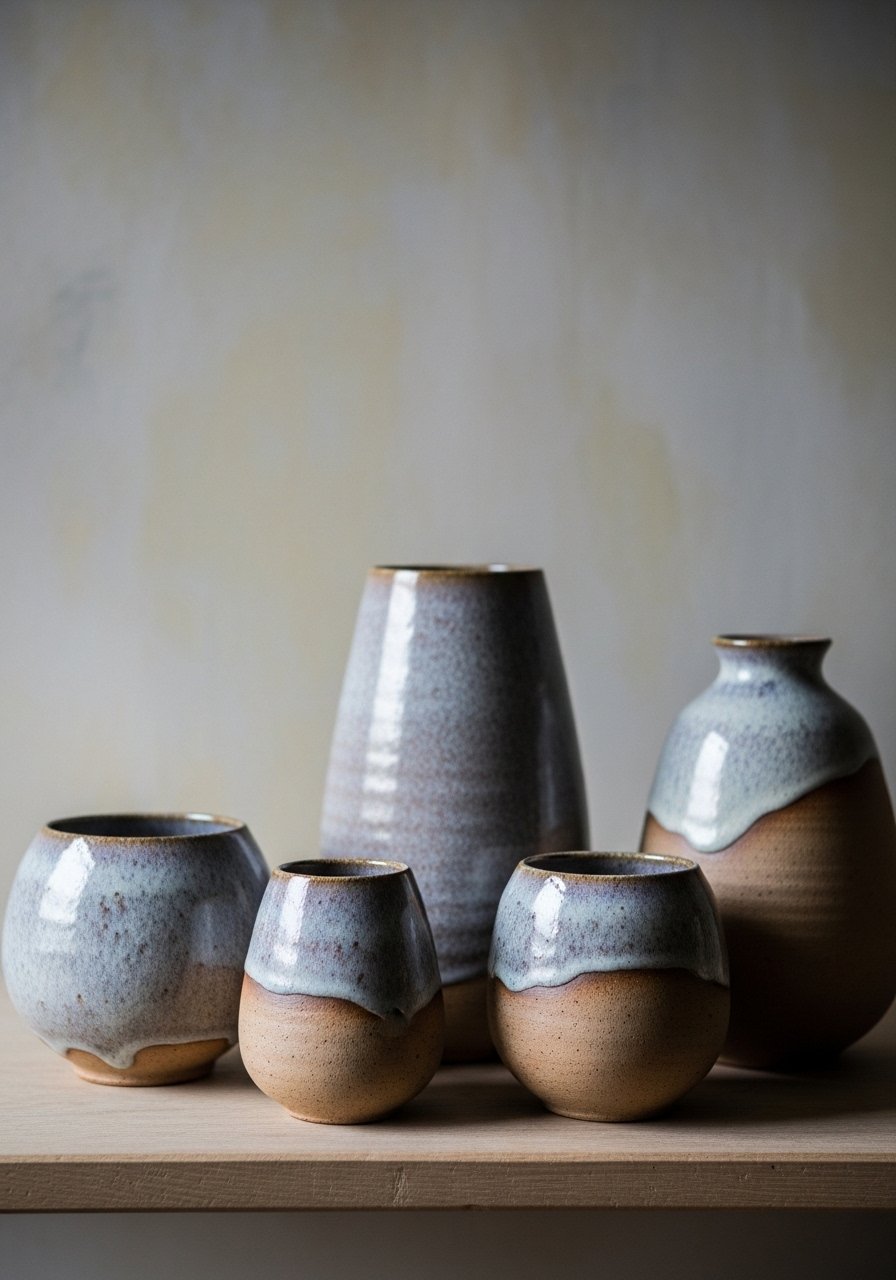
Odd numbers read as relaxed and intentional. I arrange collections in threes or fives depending on shelf width. A shelf 36 inches wide works well with three medium items or five small items. Use a set of small terracotta planters in a group of five for rhythm. The most common error is symmetrical pairs that read too staged. Odd numbers feel lived in.
Your Decor Shopping List
Textiles
- Honestly the best $40 I have spent. Chunky knit throw in cream (~$35-55). Drape over a lower shelf for texture
- 22-inch linen pillow covers, set of 2 in warm gray for shelf cushions or bench use
Wall Decor
- Brass picture ledges, set of 2 (~$18-30). Lets you swap art without more nail holes
- 12-inch round mirror in thin frame to brighten dark shelves
Lighting
- Small LED picture light for warm accent lighting
- Brass task lamp for reading nooks
Plants and Planters
- Faux fiddle leaf fig 6ft for scale without fuss
- Terracotta planters set of 3 for small shelf plants
Storage and Trays
- Woven baskets set of 3 for lower shelf clutter
- Leather tray small to corral small items
Budget Finds and Splurges
- Marble bookends (~$20-35). Similar at HomeGoods for quick finds
- White oak floating shelves (splurge around $100) for a current look
Shopping Tips
White oak beats dark wood in 2026. Design feeds have shifted completely. These white oak floating shelves look current, not dated.
Grab velvet pillow covers for $12 each. Swap them every season and the whole room feels different.
Curtains should puddle or kiss the floor, never hang halfway up. These 96-inch linen panels are right for standard 9-foot ceilings.
Everyone buys five small succulents. One single faux fiddle leaf fig 6ft has ten times the visual impact.
Found these while looking for something else. Brass picture ledges let you swap art for under $30 and save wall damage.
Frequently Asked Questions
Q: Can I mix boho textiles with modern furniture without it looking messy?
A: Yes. Keep a consistent color story and use scale to bridge styles. For example, pair a modern sofa with a large 30-inch woven throw and one or two down-filled linen pillows. The rule of three helps here. Avoid too many competing patterns at once.
Q: What size shelves should I buy for balanced styling?
A: Depth matters more than people think. For general styling use 10 to 12 inch deep shelves for objects and 14 to 16 inch for larger decor or planters. Leave 2 to 3 inches of visible shelf lip when placing objects near the front.
Q: How do I prevent shelves from looking cluttered after styling?
A: Leave deliberate negative space and use groupings of odd numbers. Keep a shelf edit habit where you remove one item and see if the display feels lighter. Use baskets on lower shelves to hide necessary clutter.
Q: Should I use real plants or fake ones on shelves?
A: Both. Real plants bring life if you can care for them. Pick low-light plants like pothos for dim spots. Use a faux fiddle leaf fig 6ft where height is needed but you lack sunlight.
Q: How high should I hang a shelf above a sofa?
A: Keep the bottom of the bookshelf or shelf about 6 to 12 inches above the top of the sofa back. That spacing reads intentional and leaves room for art or leaned frames above as well.
Q: What is a simple lighting trick for dark shelves?
A: Add a single warm LED picture light to the top shelf and aim it at a focal object. Use 2700K bulbs for a lived-in glow. A small light makes a bigger difference than many people expect.
Q: Can I use inexpensive pieces and still make shelves look curated?
A: Absolutely. Mix a few inexpensive finds with one authentic vintage or handcrafted item. The contrast sells the edit and prevents everything from feeling mass-produced.
Q: How often should I refresh my shelf styling?
A: I swap small accents seasonally and reassess the whole shelf twice a year. That keeps the space feeling fresh without constant work.