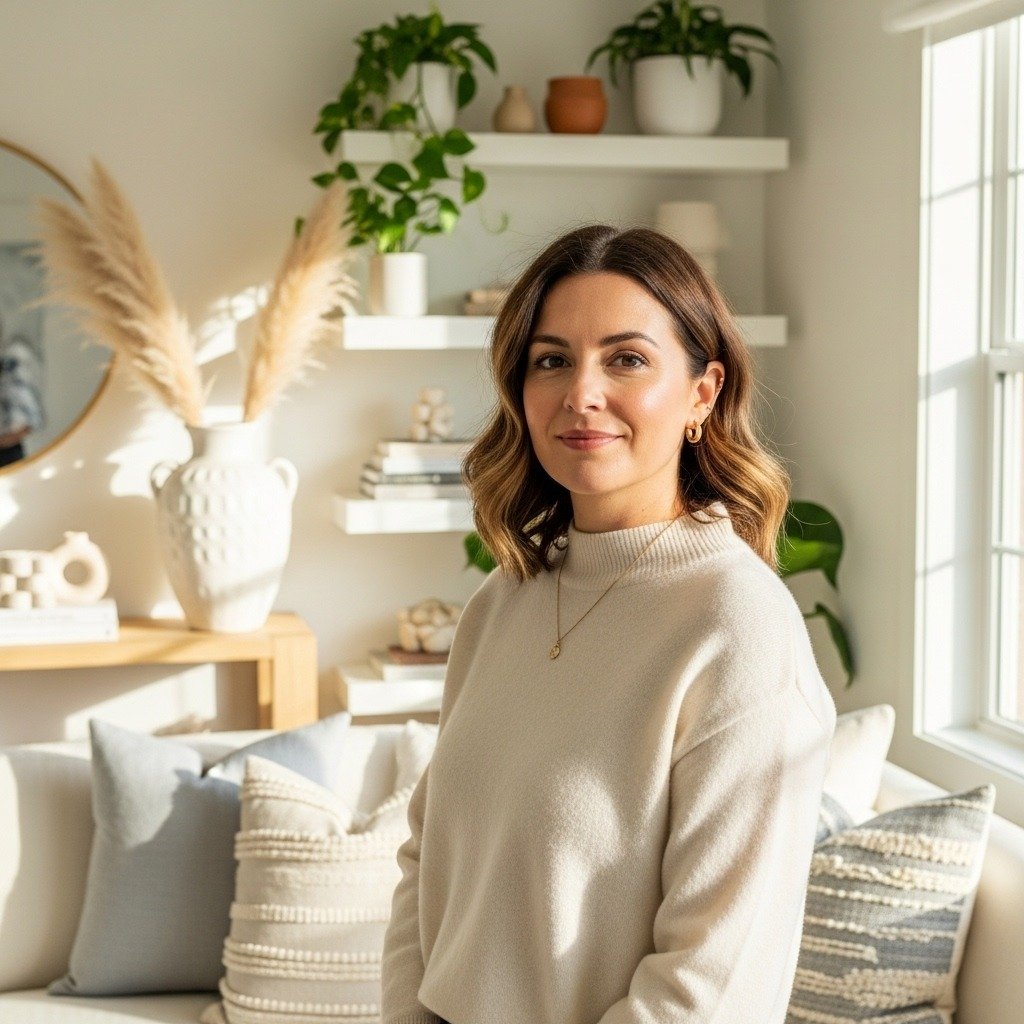
My living room used to look like a showroom. Everything was neat but lifeless. I finally fixed it by working shelf by shelf, swapping a set of identical frames for a mix of heights, and adding a single chunky throw. It was not about buying expensive pieces. It was about spacing, scale, and one or two practical items that actually help with everyday life.
These ideas lean modern farmhouse with a bit of Scandinavian simplicity. Most items are under $50, with a few splurges around $100 to $150. Works for living rooms, bedrooms, kitchens, entryways, or any open shelving that feels empty or chaotic. Most folks tweak their shelves at least once a year.
Stack Books Horizontal Then Top With One Vessel for Function and Shape
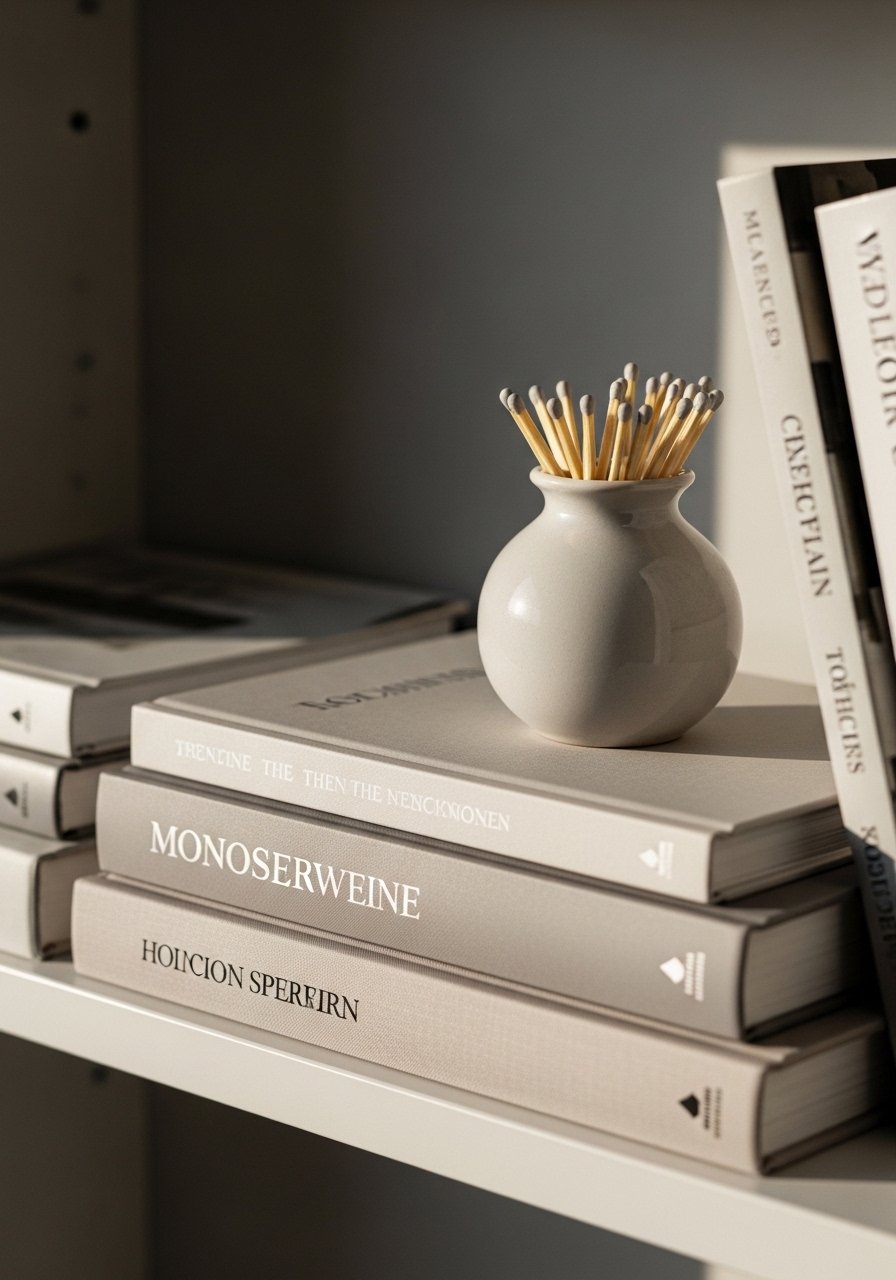
The horizontal book stack is the quickest anchor I use when a shelf looks like a pile of clutter. Stack two to three books, put a small vessel on top, and you have height plus a place to stash matches or keys. I like a 3:1 ratio, where the stack is about two thirds the shelf depth and the vessel is under five inches high. Try small ceramic bud vases for under $25. Common mistake is stacking too many books so the pile looks unstable. For rentals, use lighter paperbacks rather than heavy art books.
Lean Artwork in Back and Layer Low Objects in Front to Add Depth
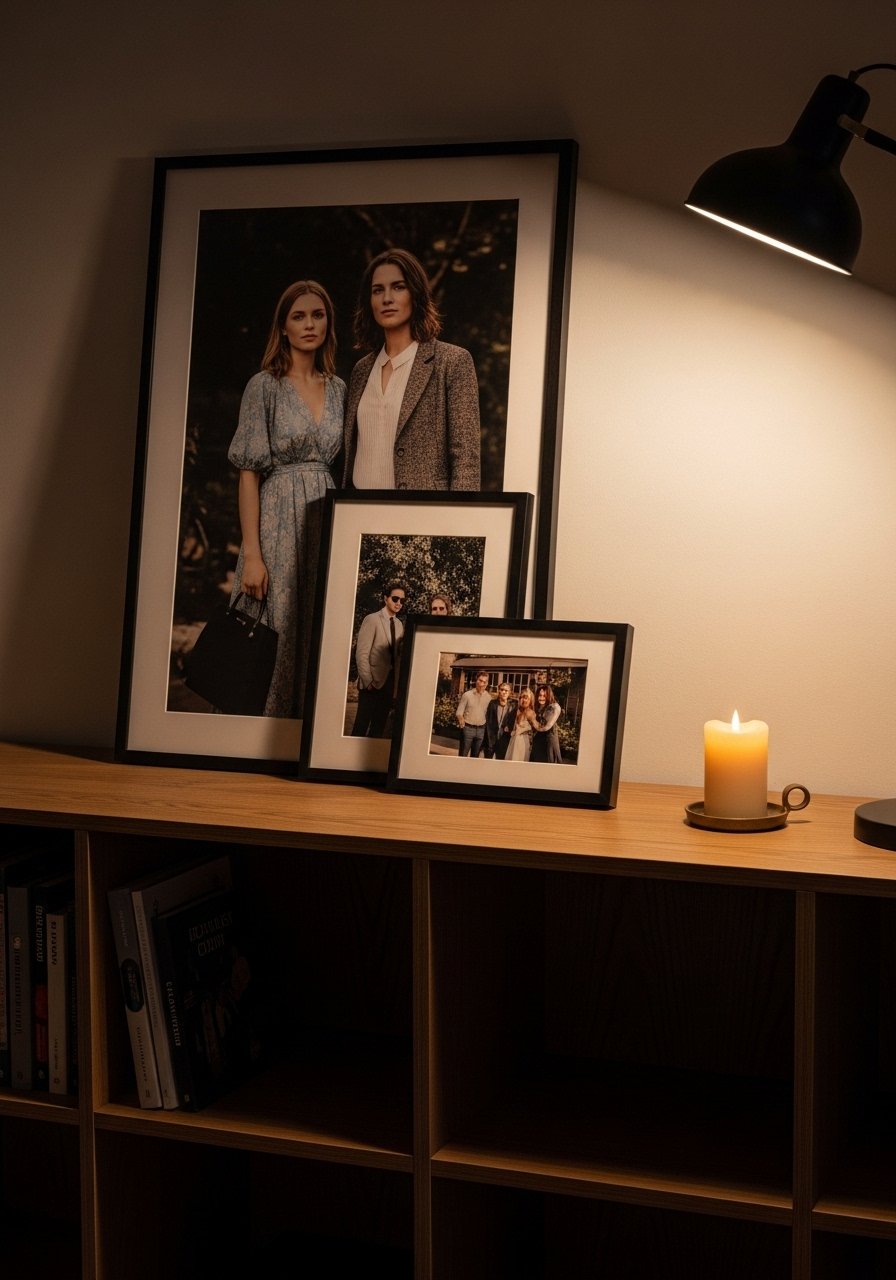
Leaning art makes shelves look deeper without knocking out a single nail. I usually lean one large frame and add one medium frame and a small decor piece in front to form a loose triangle. Use floating picture ledges if you want to swap prints often. The trick I learned is to keep the art slightly off-center so the eye is invited to move. Mistake to avoid is crowding the front row. Leave about 3 to 4 inches of negative space so the layers read as intentional, not shoved.
Rule of Three Triangle With Tall, Medium, Short for Balanced Vignettes
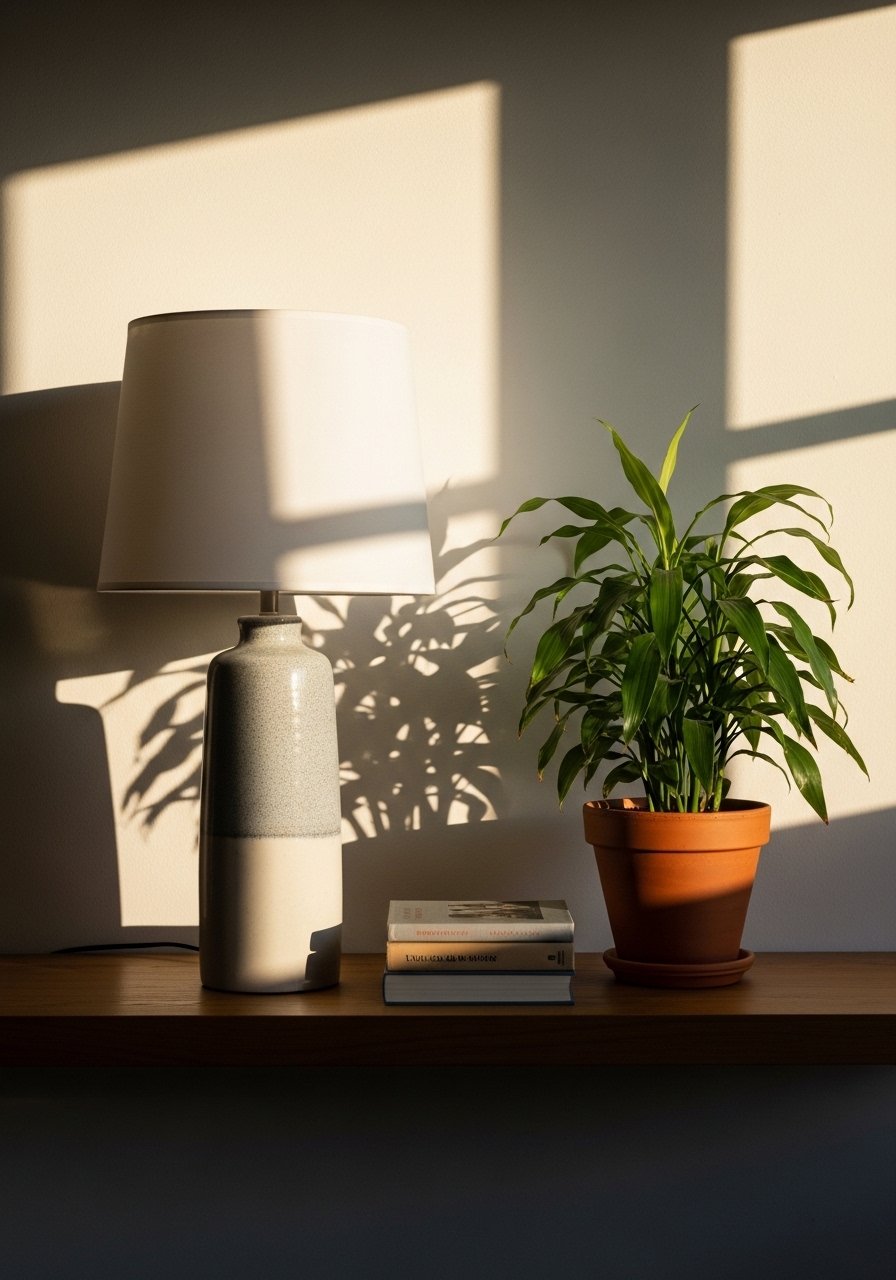
If a shelf reads as random, regroup in threes. Pick a tall object, a medium object, and a short object and arrange them so the lines form a triangle. I keep the tallest item about twice the height of the shortest. For example a 16-inch ceramic lamp, a 9-inch potted faux plant, and a 4-inch book stack work well together. I bought small faux potted plants for spots with no light. People usually spend under 100 bucks to redo a shelf, and this triangle trick is an inexpensive way to look like you redesigned the whole room.
Ground Bottom Shelves With Woven Baskets to Hide Everyday Mess
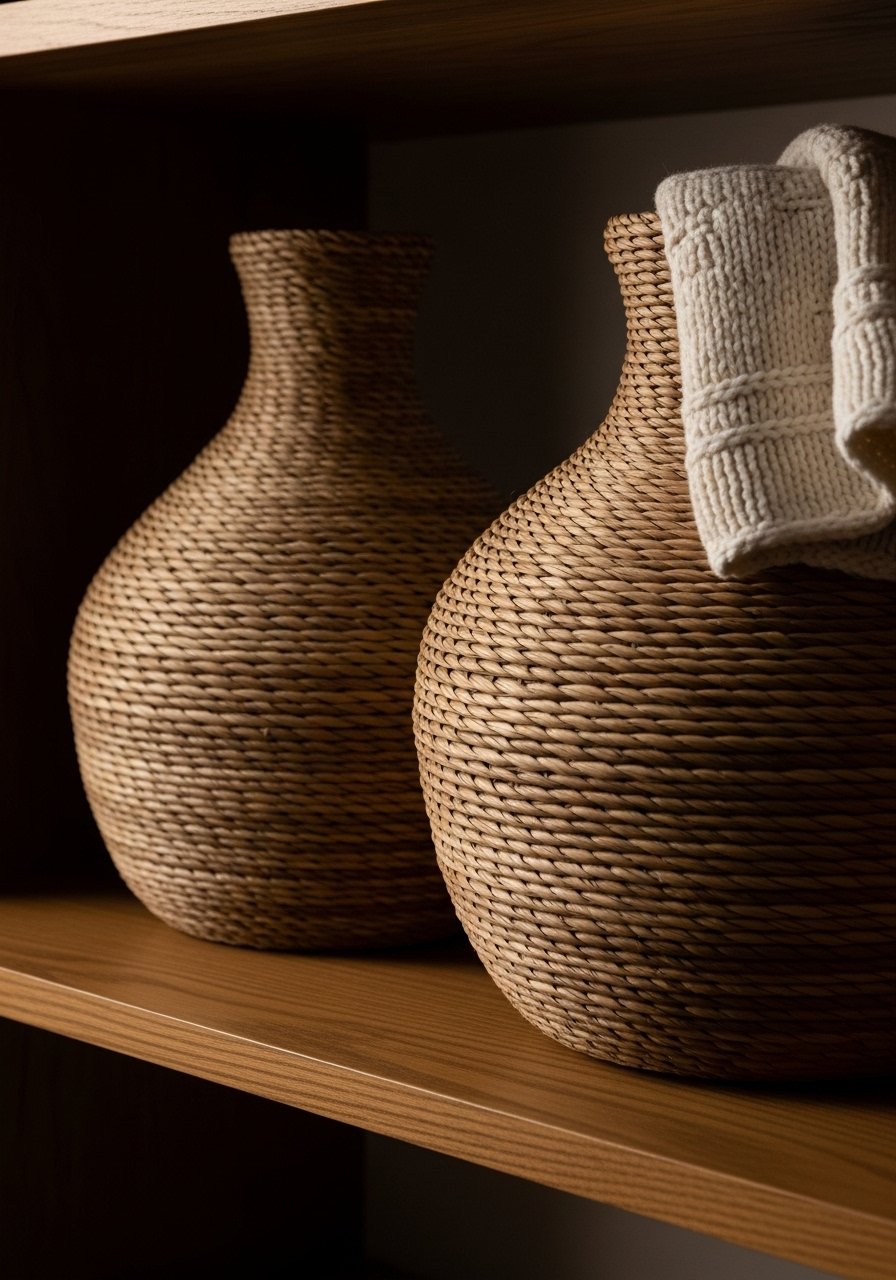
Baskets are the secret when you have kids or pets and want the shelves to look tidy. Put two matching baskets on the bottom shelf and books or decor above. I aim for baskets that fill at least 70 percent of the shelf width so the base reads solid. These large woven baskets hide toys and blankets and are easy to pull out. Common mistake is choosing baskets too small, which leaves awkward gaps. For pet owners, pick lidded boxes instead of open bowls to stop fur from collecting on display items.
Mix Book Orientations Upright and Flat for Rhythm
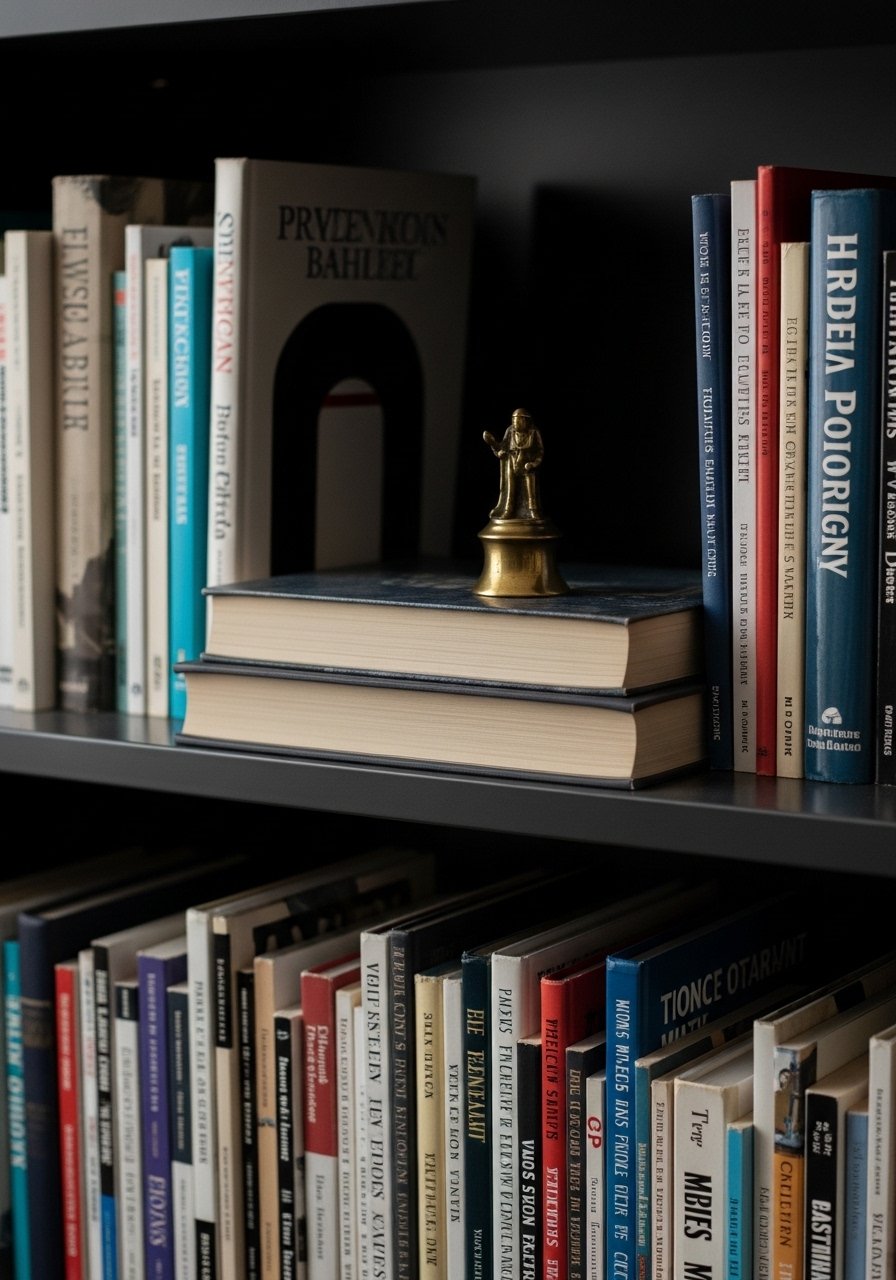
Books are the backbone of most shelves and they do a lot of heavy lifting visually. Mix some upright rows with a few horizontal stacks. I usually keep taller books upright at the ends of a group and flatten two to three paperbacks in the middle. Try bookend sets if you want an instant tidy look. A mistake I used to make was lining every shelf the same way. Varying orientation creates rhythm and keeps the unit from feeling like a bookshelf catalog.
Add One Tall Object and One Round Tray for a Scandinavian Touch
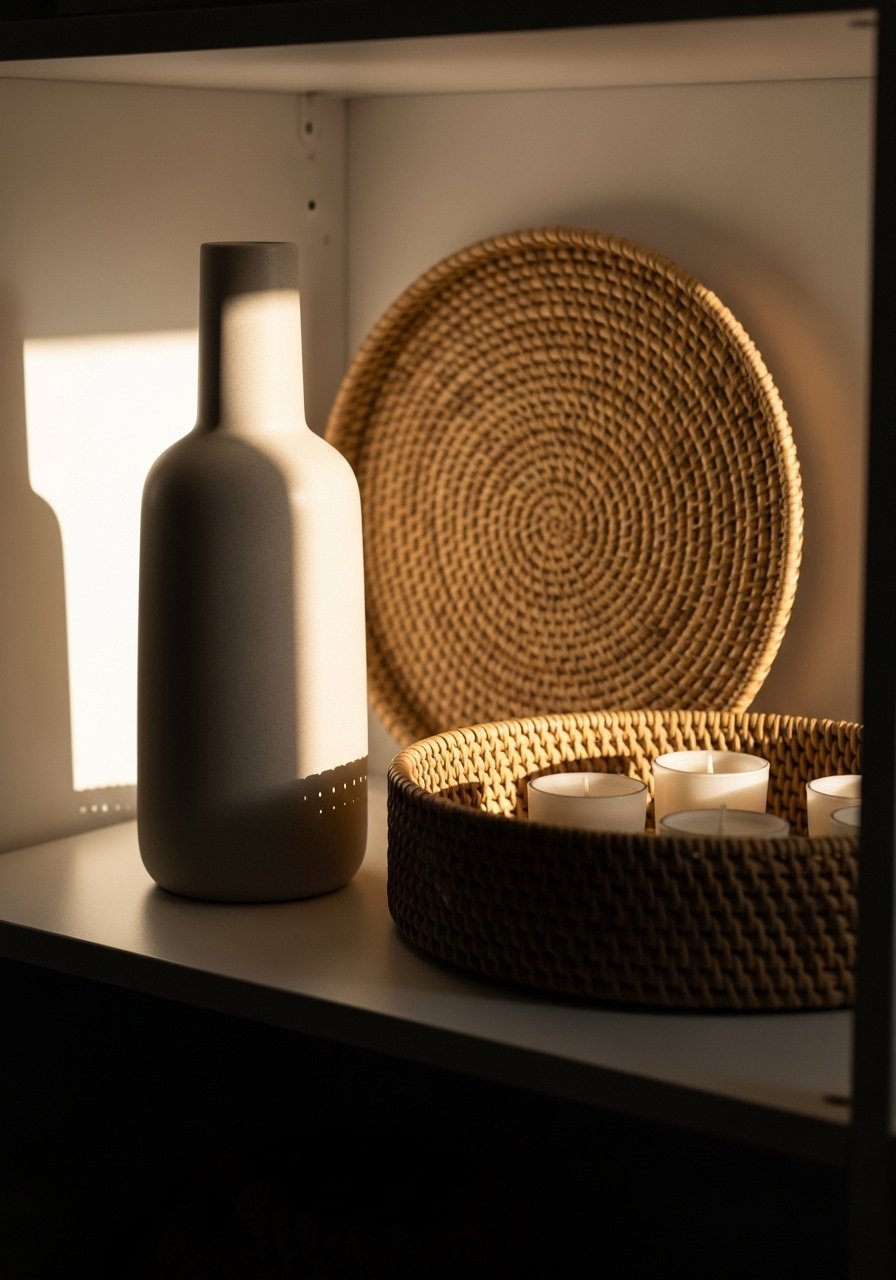
A single tall object beside a low round tray gives a clean Scandinavian feel. The tray pulls smaller items together so they look related. I use a 12-inch tray with a 14 to 18-inch tall vase for scale. Woven round trays cost under $40 and instantly pull an arrangement into a cohesive unit. Mistake to avoid is picking a tray too small for the grouping. This trick pairs nicely with the leaning-art idea above.
Use Stacked Boxes for a Functional, Industrial Look Without the Clutter
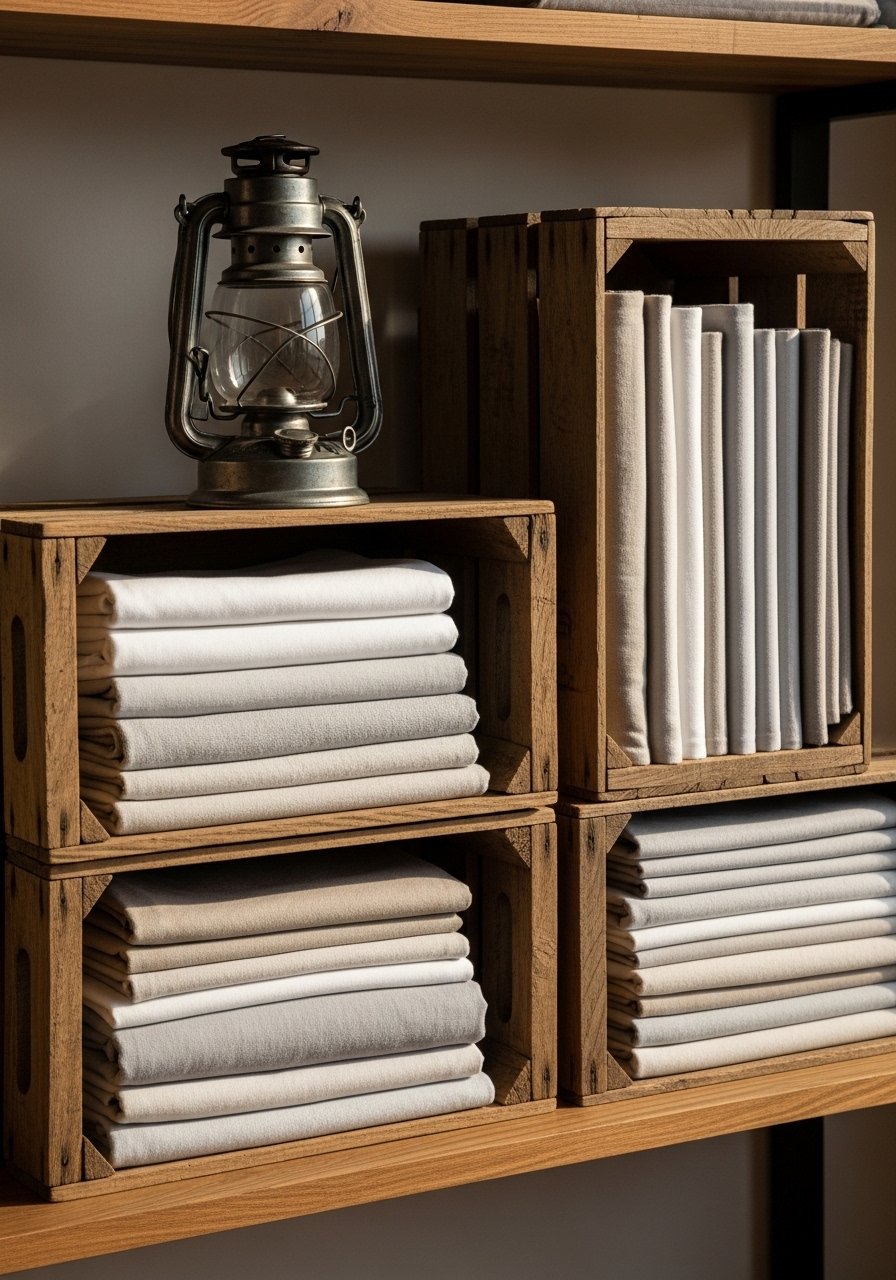
Stacked boxes give a purposeful storage look rather than an afterthought. I stack a shallow wooden box over a deeper one and use the top as a platform for a lamp or sculpture. Match box widths to shelf depth so nothing overhangs. These wood storage crates are sturdy and look intentional. People often cram too many mismatched boxes, which reads messy. Keep two or three sizes maximum and tuck smaller bits inside the boxes for a clean appearance.
Layer Textiles and Small Throws on Open Shelves for Softness
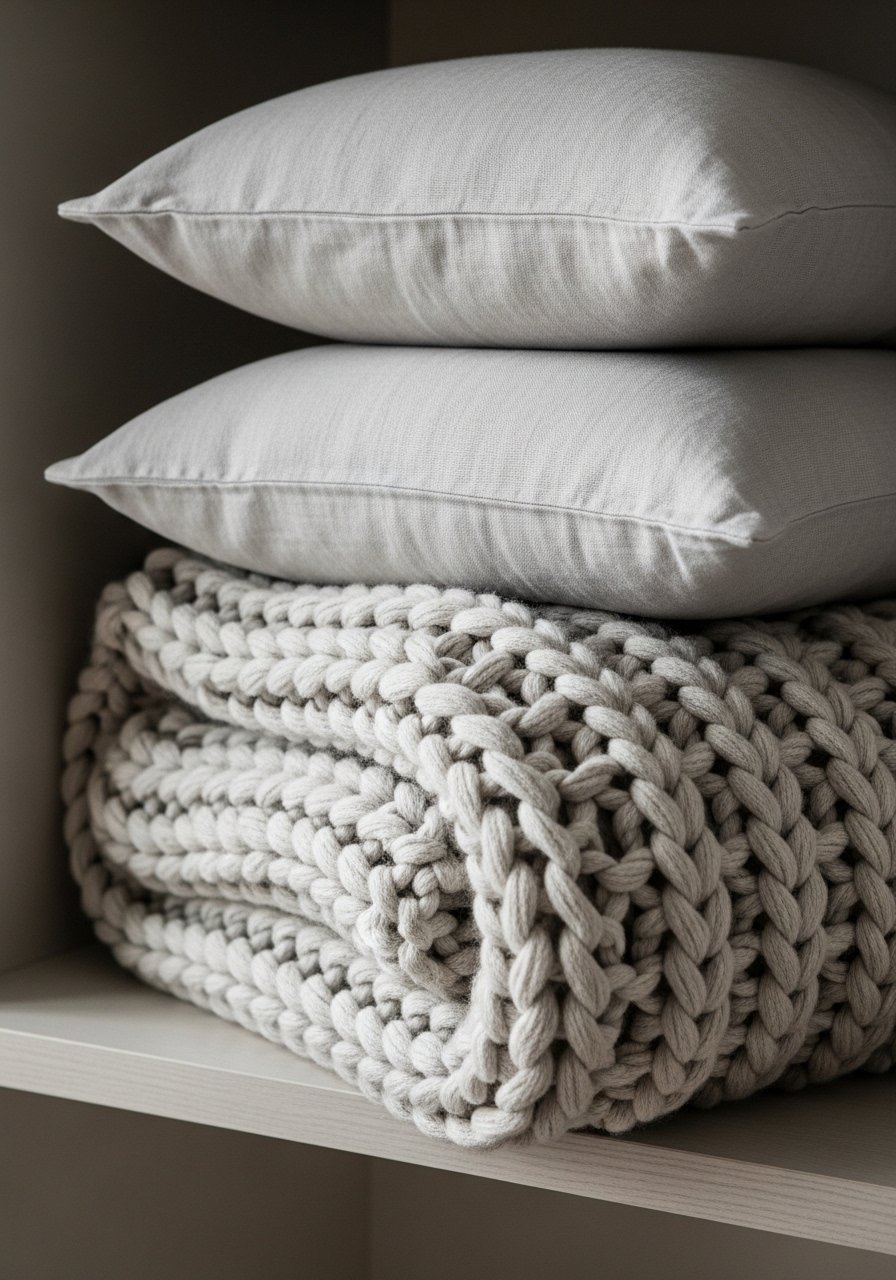
Shelves can feel austere when everything is hard. Adding folded textiles gives warmth and a tactile contrast. Fold throws to about one third the shelf depth and stack pillows flat if shelf depth allows. I use chunky knit throws in neutral tones for under $60. A common error is draping the throw so it hangs over the edge exactly one inch. Make it look intentional with a neat fold and a slight drape only if you plan to use it daily.
Line Up Similar Textures for a Modern Coastal Look
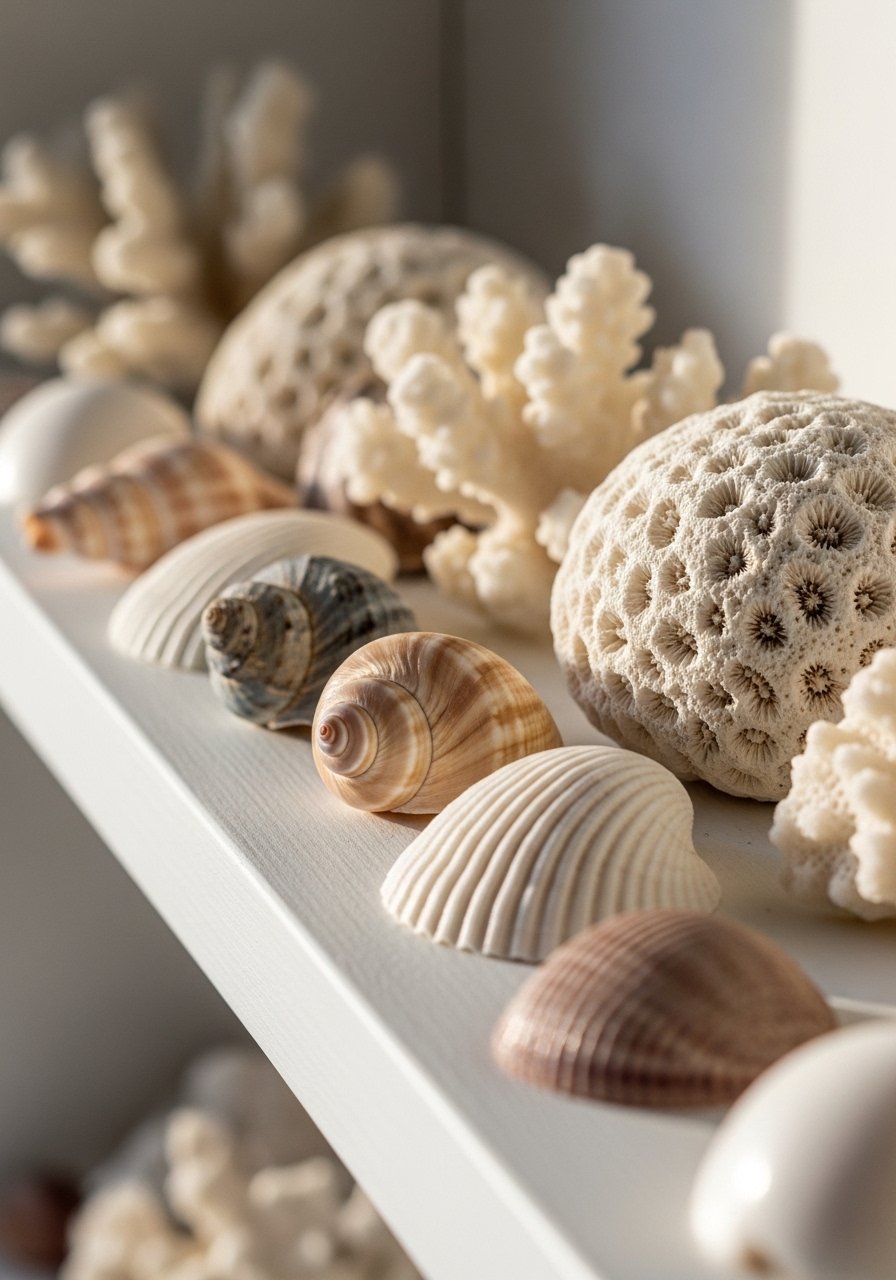
Repeating one texture across a shelf creates a statement without clutter. I once lined up five small shells across a shelf and it made more impact than a dozen mixed objects. Keep items similar in size and space them two to three inches apart. Try decorative shells and coral for a beachy nod. Avoid mixing too many textures at once. If you want contrast, use a single different material like brass or wood next to the set.
Group Everyday Practicals Like Mugs or Crocks in the Kitchen
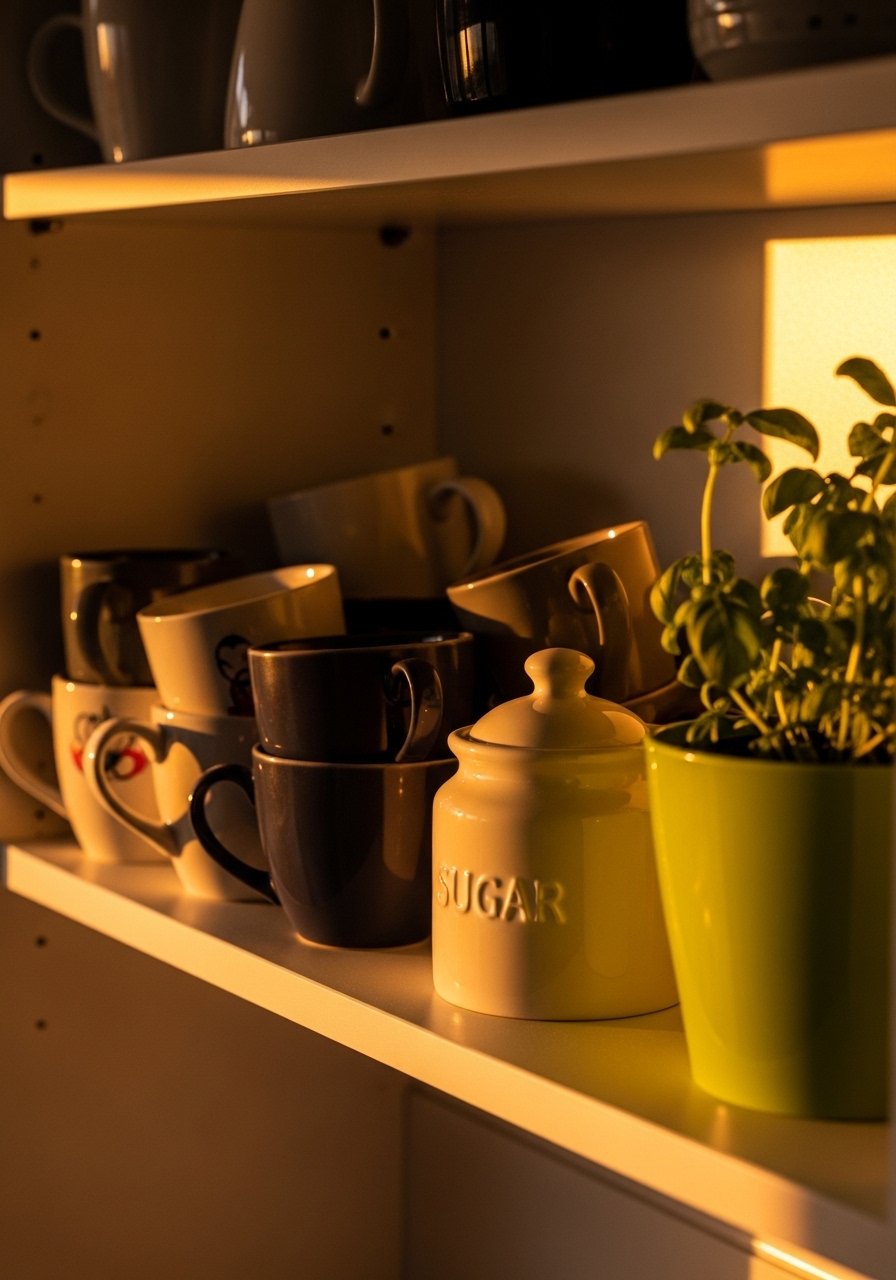
In kitchens, practical items double as decor. Group mugs in threes or fours near plates and a small herb pot. I arrange mugs by color gradient and put the most used pieces at the front. A set of ceramic measuring crocks gives a lived-in look and stores utensils. People make the mistake of spreading mugs across shelves. Grouping them looks intentional and makes grabbing one easier during busy mornings.
Rotate a Single Statement Object for Seasonal Interest
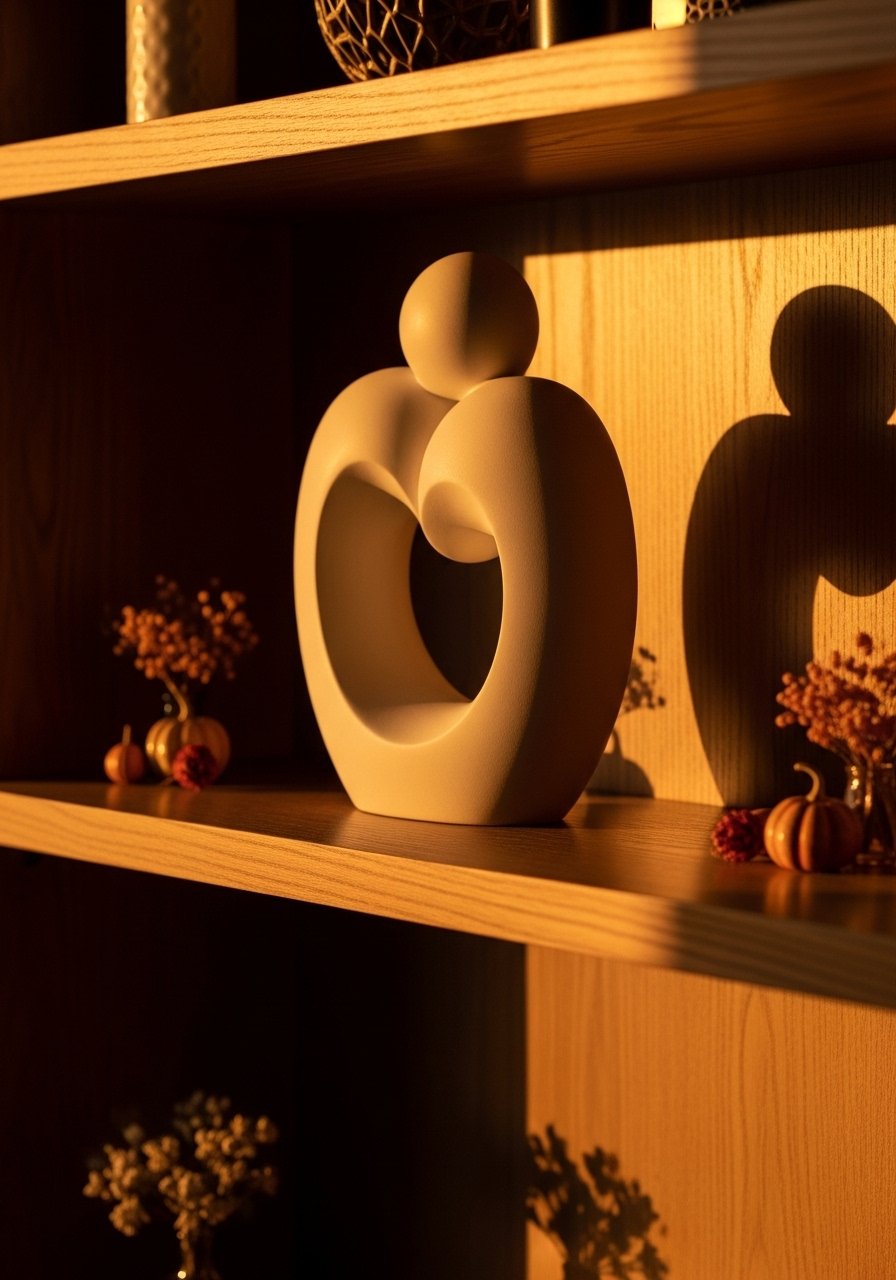
Switching one standout object each season keeps shelves feeling fresh without a full redo. I pick a sculpture or vase about 10 to 14 inches high and swap small accents like dried branches or small pumpkins. Large ceramic sculptures are easy to move between rooms. A mistake is changing everything at once, which looks like a wholesale redesign. Start with one statement piece and rotate the smaller items seasonally.
Use Mirrors and Metallics to Brighten Dark Corners
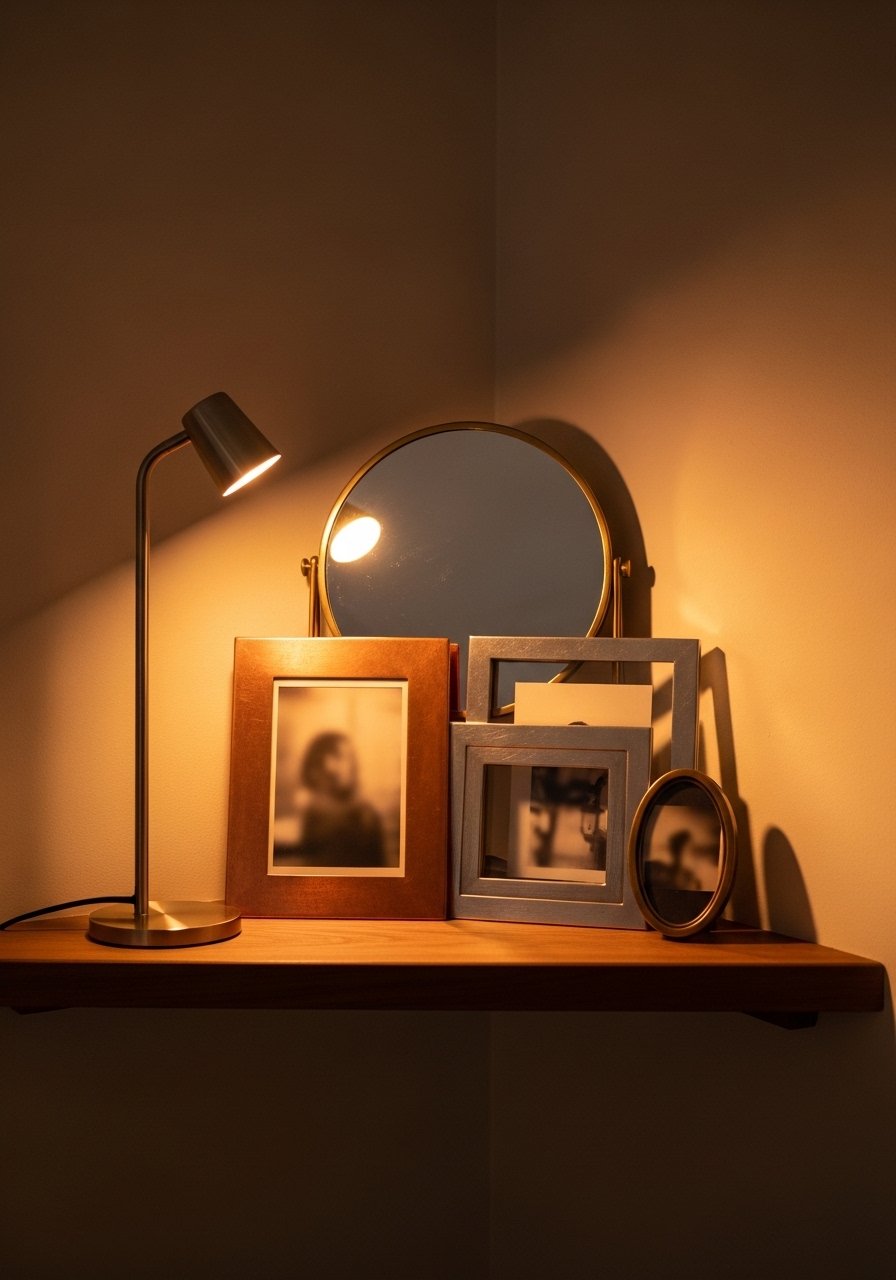
Mirrors pull light into a dark shelf and make the arrangement feel less heavy. I like a 10-inch round mirror leaned at the back with two mixed metal frames layered in front. These small round mirrors are great in corners that get no direct sun. Mistake to avoid is using a large mirror that reflects clutter. Keep the mirror small enough to act as a backdrop without stealing focus.
Create a Mini Gallery With Mixed Frame Sizes for an Eclectic Look
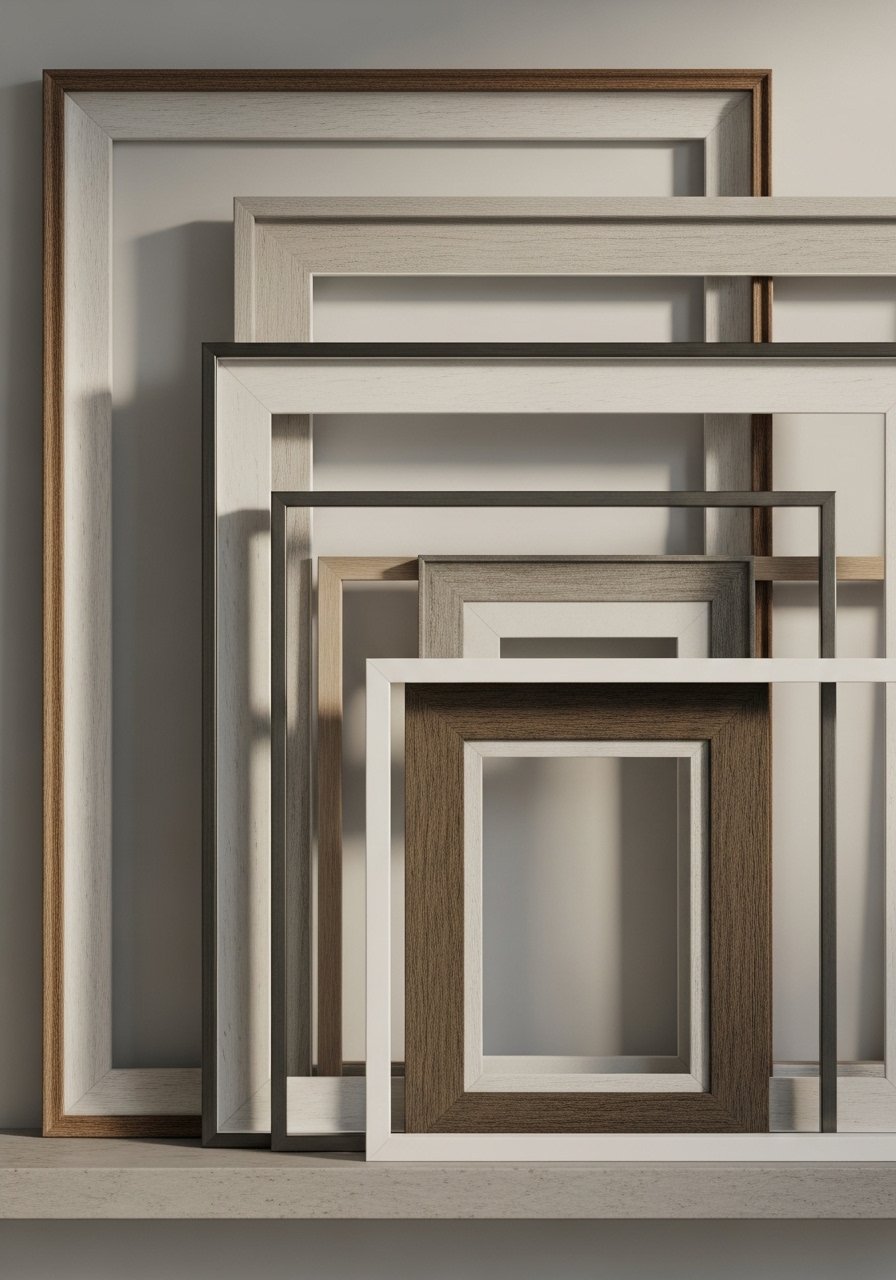
Instead of hanging everything, use shelves as a display shelf for framed photos and small prints. Mix frame sizes and finishes and overlap slightly. I arrange the largest frame at the back left, then a medium frame front center and a small one overlapping the lower right corner. Mixed metal frames set makes swapping prints simple. Common mistake is lining frames up evenly. Slight overlap reads collected and intentional.
Keep Upper Shelves Light With Greenery and Small Sculptures
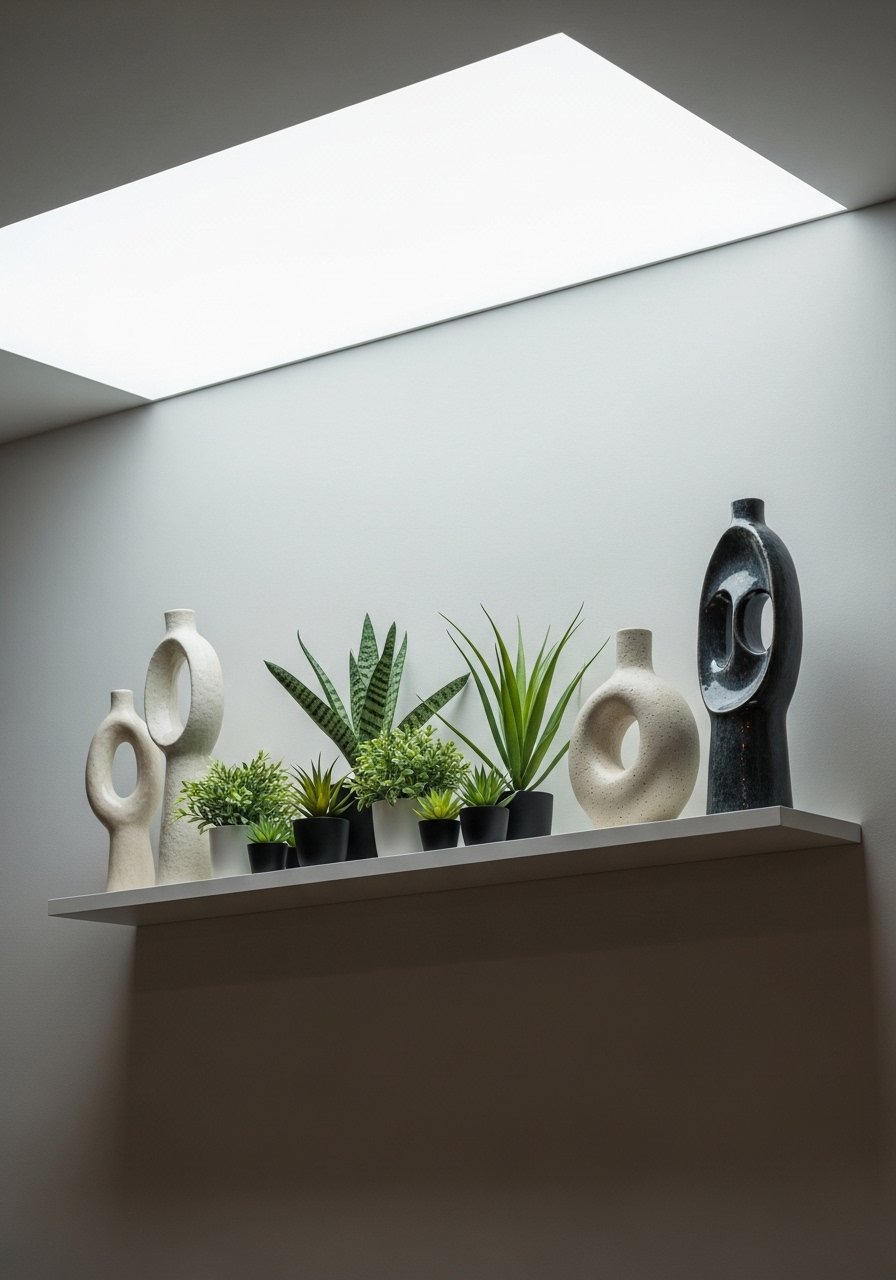
Upper shelves look weighed down when heavy books live there. Keep the top two shelves light with faux greenery and small sculptures. I use 6 to 10-inch faux plants and one 6-inch sculpture to keep the top airy. Small artificial potted plants dust less than real ones. A mistake is placing heavy ceramics up high where they look askew. Save the weight for the middle and lower shelves.
Use a Tray to Anchor Collections and Contain Small Bits
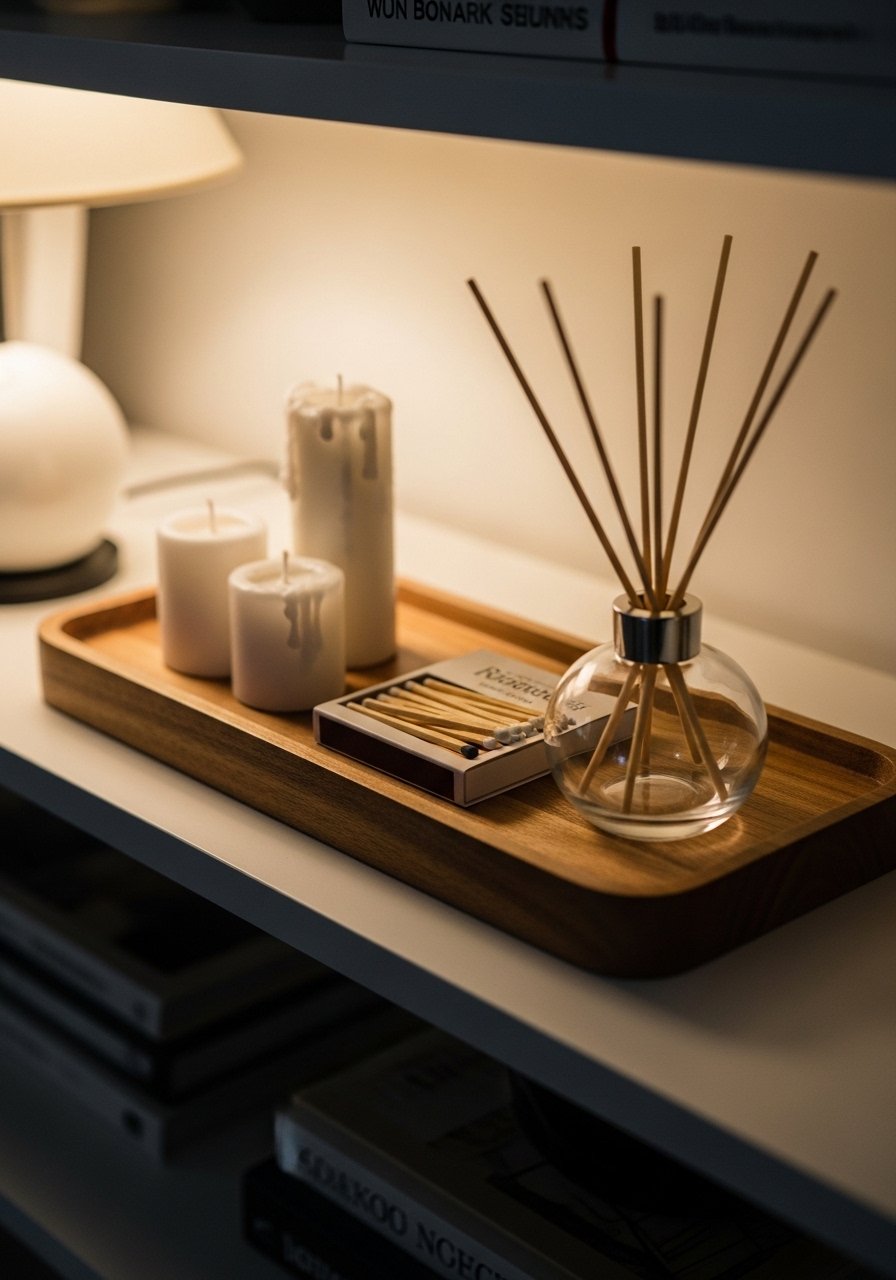
A tray organizes collections like candles, diffusers, or matches and reads as one unit. Rectangular trays about 12 by 8 inches work for two to three small items. I use a tray so my shelves can survive daily life without looking messy. Wood serving trays are cheap and versatile. Mistake to avoid is filling the tray edge to edge. Leave some breathing room so the grouping looks intentional.
Build a Small Reading Nook Shelf With a Lamp and a Stack of Favorites
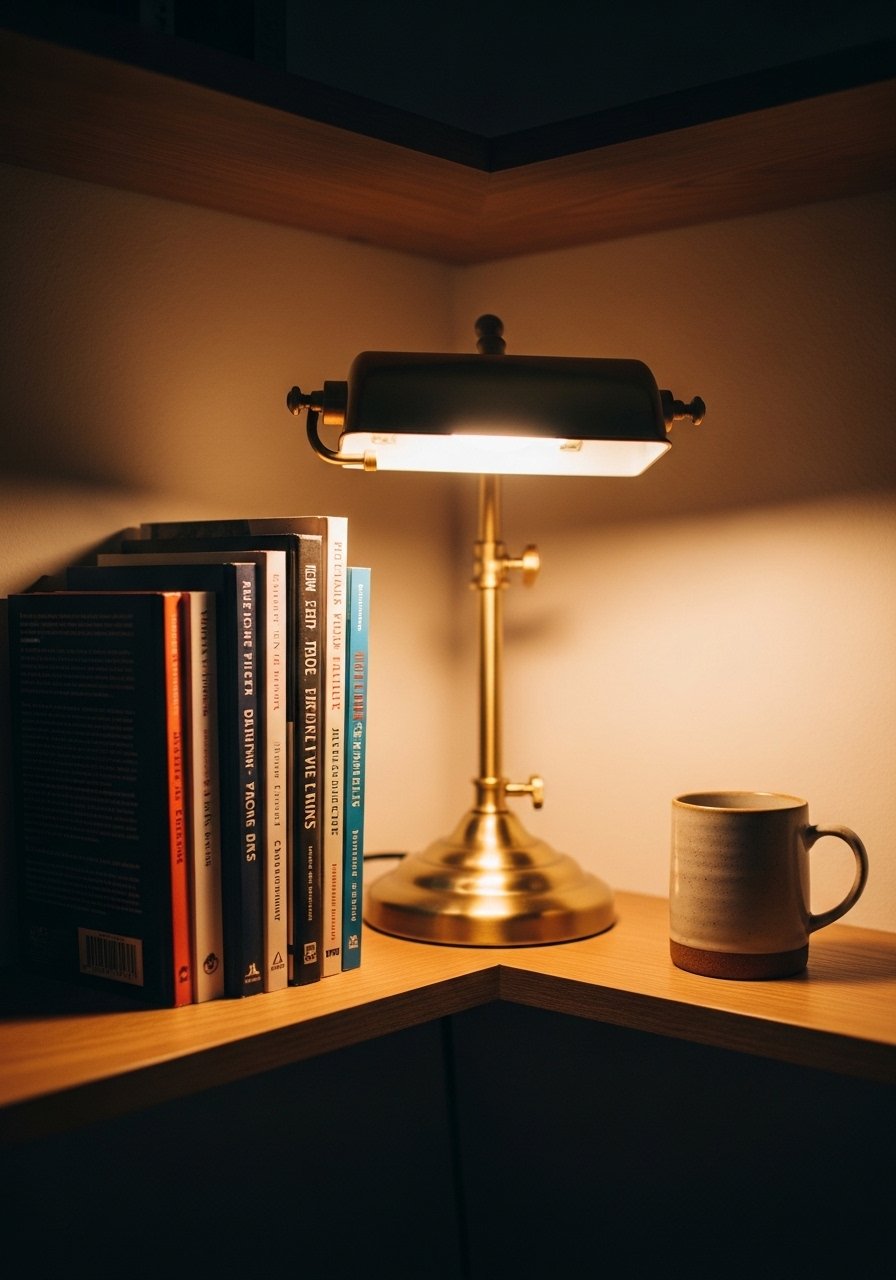
Create a tiny reading nook on a single shelf by pairing a lamp with a stack of books and a mug. I use a lamp about 14 inches high and stack three to five current reads next to it. Compact table lamps that plug into the wall keep cords tidy. A common mistake is using a lamp that is too small to light the stack. Make sure the lamp height is roughly the same as the tallest book to balance the silhouette.
Keep a Consistent Color Palette for a Polished, Lived-In Feel
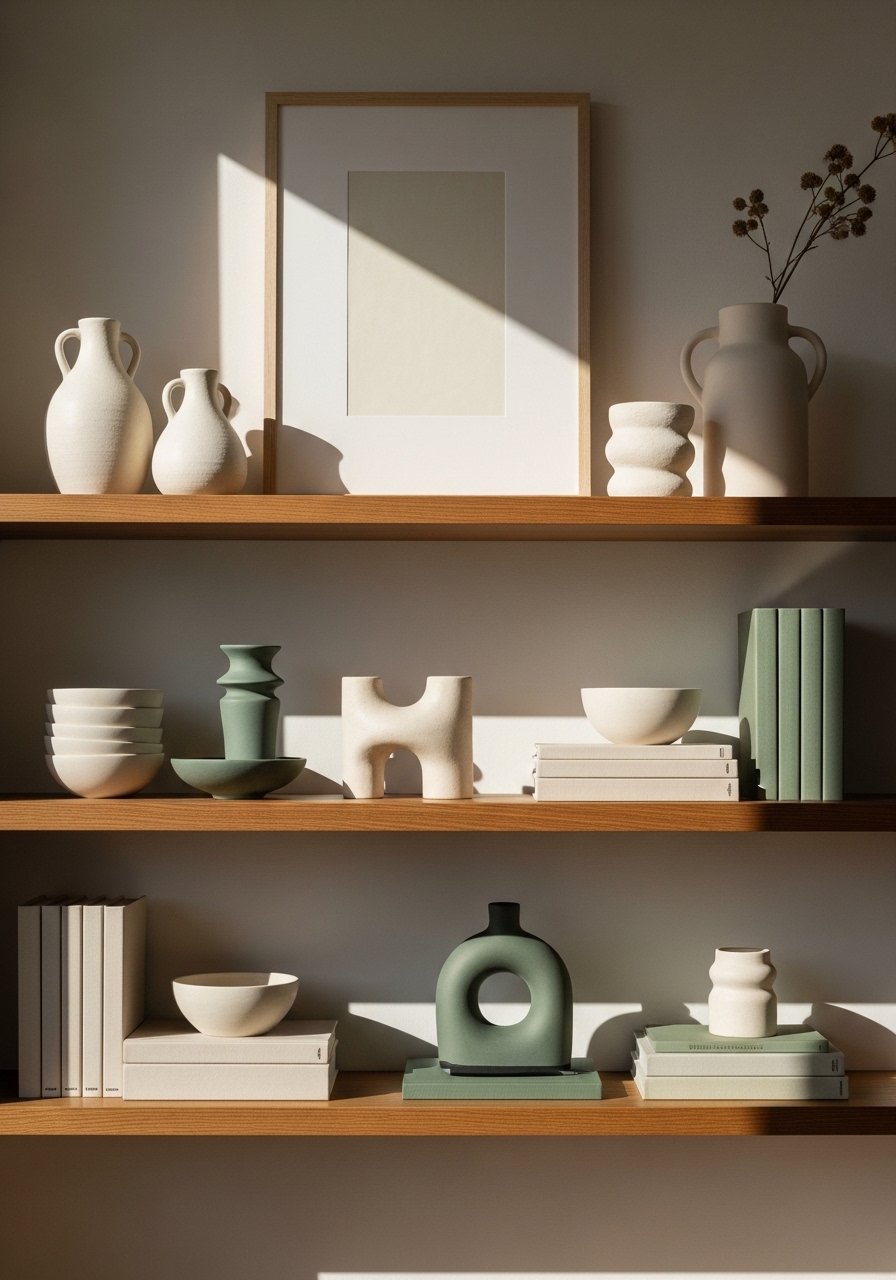
Consistency in color ties odd bits together. I pick two neutrals and one accent color and keep most items within that range. For example, warm wood, cream, and muted green works across six shelves. Neutral linen pillow covers are a reliable anchor. Mistake is matching every item exactly. You want cohesion, not cloning. A few contrasting pieces are good for energy.
Add Closed Boxes for Pet-Friendly and Kid-Friendly Durability
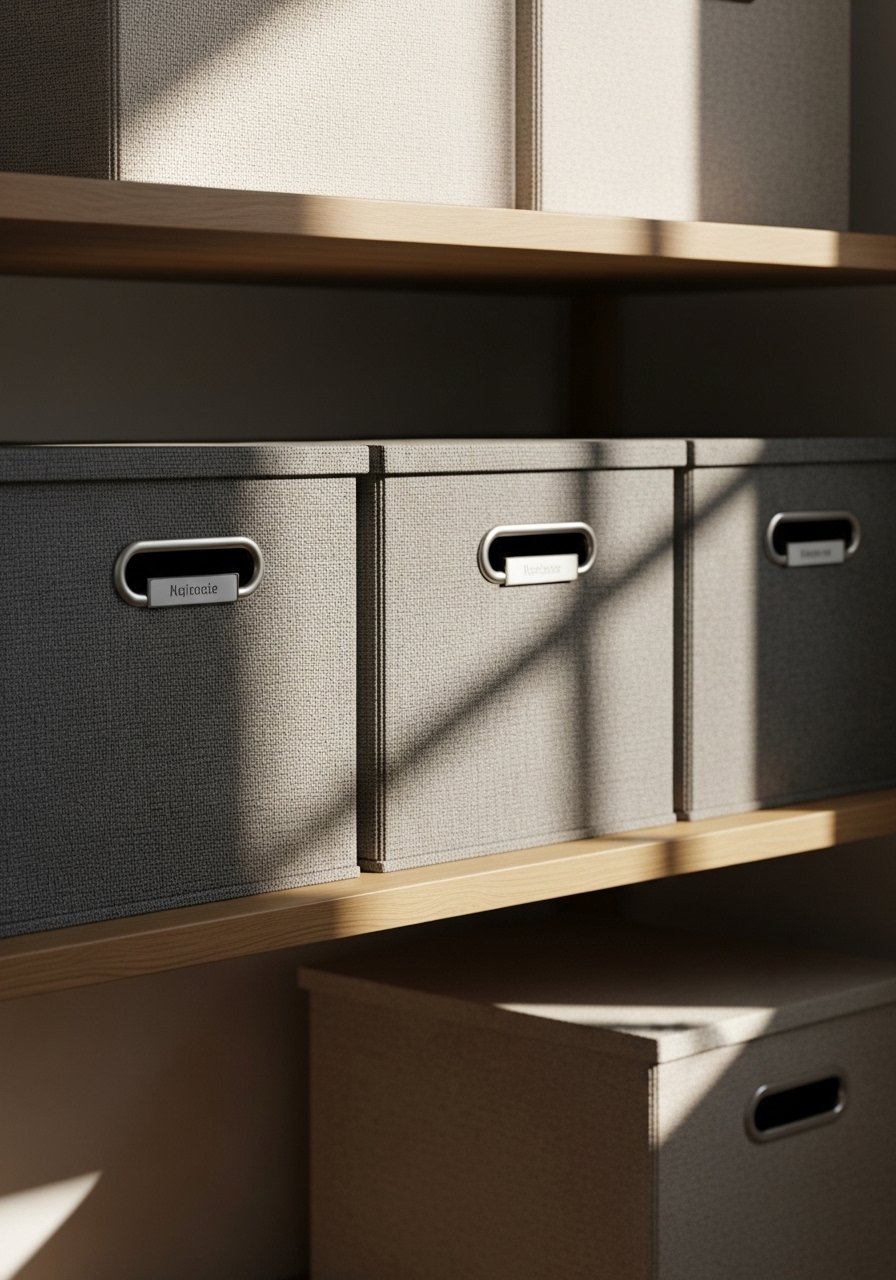
If kids or dogs raid your displays, closed boxes are lifesavers. Use fabric boxes with lids and label the front if you like. I size boxes to cover the entire lower shelf width so nothing spills out. These fabric storage boxes with lids are lightweight and renter-friendly. A mistake is using open baskets that reveal the mess. Closed boxes keep the shelf looking tidy and protect items from fingerprints and fur.
Curate a Single-Shelf Story Rather Than Decorating Every Shelf the Same
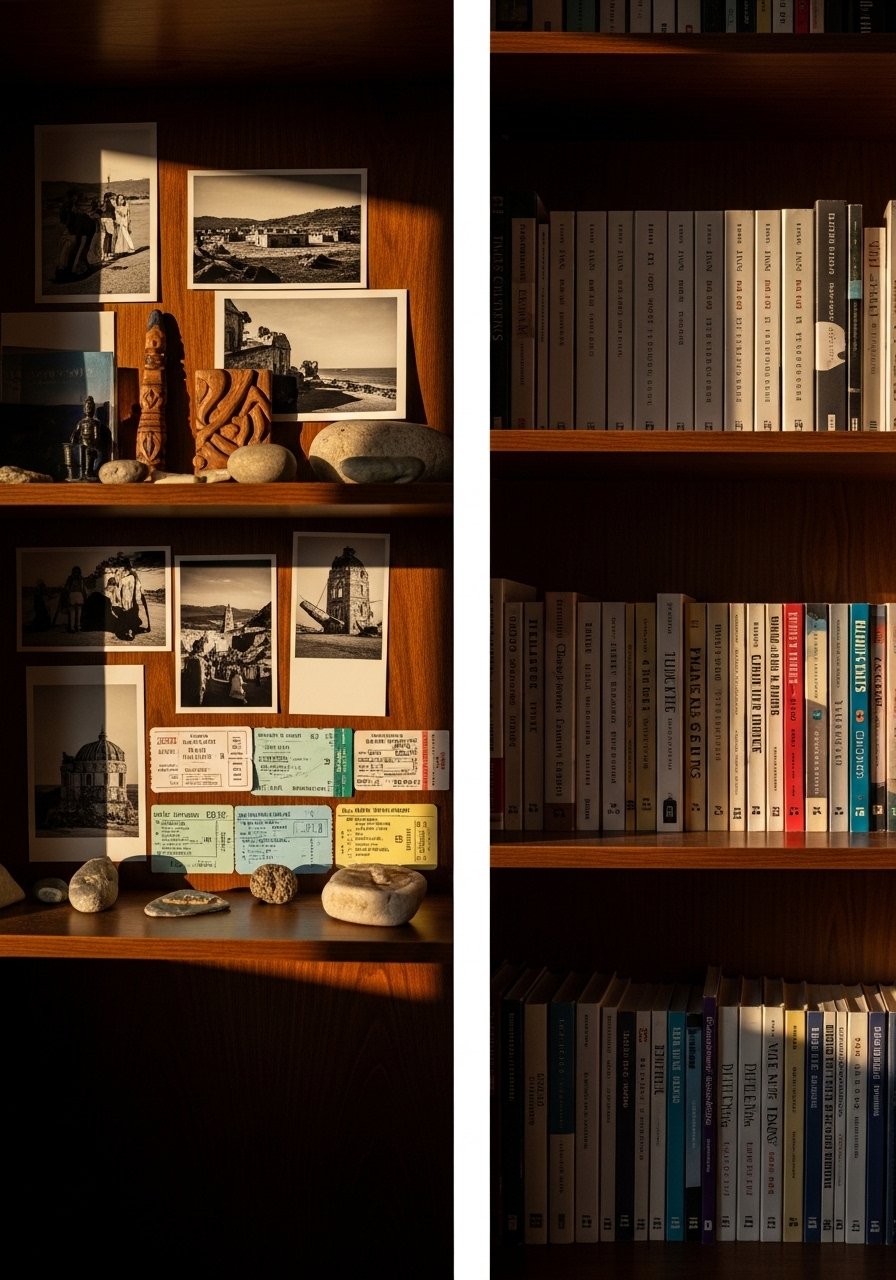
Stop treating every shelf the same. I like to give each shelf a purpose. Make one a travel shelf with photos and found objects, another a practical shelf with baskets and mail, and one for art. The result feels collected, not chaotic. Try small photo frames to tell your story. Common mistake is repeating one tiny vignette across all shelves. Variety keeps your eye moving in a good way.
Style With Durable Picks for Real Life and Still Keep It Pretty
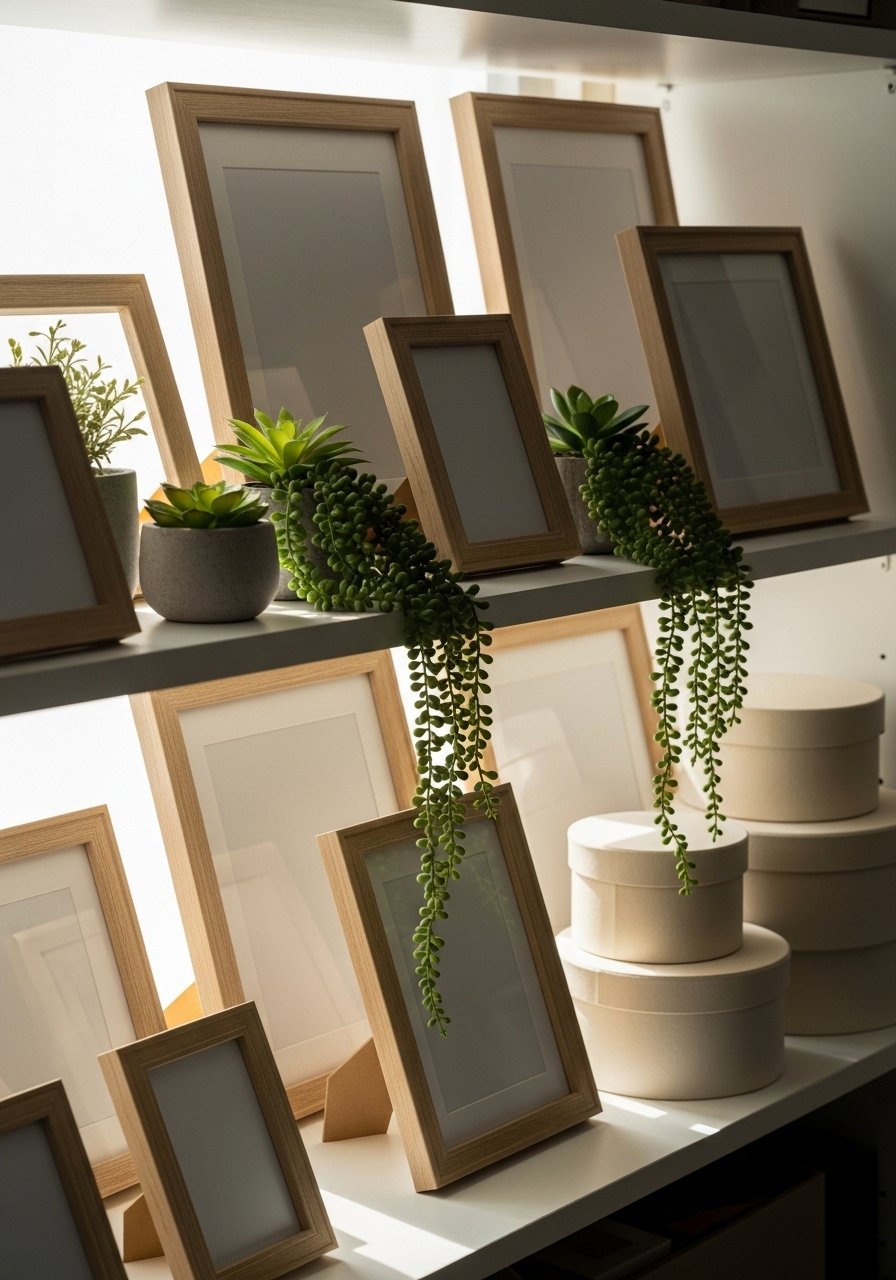
I learned that pretty does not have to be fragile. Use glassless frames, faux plants that dust easily, and lidded boxes for the lower shelves. This combination looks intentional and survives family life. I keep one or two real plants on a top shelf where they are out of reach. Faux fiddle leaf figs give height without maintenance. A mistake is treating every piece like a museum object. Pick at least three durable items per shelving unit.
Your Decor Shopping List
Textiles
- Honestly the best $40 I have spent. Chunky knit throw in cream (~$35-60). Fold on a lower shelf for texture.
- Linen pillow covers, 22×22 inches, down-fill option in two muted colors. Similar at Target.
Wall Decor & Frames
- Mixed metal picture frames set (~$25-45). Use for the mini gallery shelf.
- Small round mirror, 10-inch for deep shelves and dark corners.
Storage
- Large woven storage baskets, set of 2 (~$40-80). Ground lower shelves.
- Fabric storage boxes with lids, 12x12x10 inches. Kid and pet friendly.
Decor Essentials
- Small ceramic bud vases, set of 2 under $30.
- Woven round tray, 12-inch to anchor collections.
- Compact table lamp, 14-inch for reading nook shelves.
Plants & Greenery
- Small artificial potted plants, 6-10 inches. Dust less than live plants.
- Faux fiddle leaf fig, 6-foot for height without maintenance.
Budget Finds
- Wood storage crates, set of 2 for stacked box looks.
- Decorative shells set for lined texture displays.
Shopping Tips
White oak beats dark wood in 2026. White oak floating shelves feel current and not dated.
Grab velvet pillow covers for $12 each. Swap them seasonally and the whole room feels renewed.
Curtains should puddle or kiss the floor, never hang halfway up. 96-inch linen curtain panels are the right choice for standard 9-foot ceilings.
One tall plant beats five small succulents for presence. Consider a faux fiddle leaf fig where you need height without fuss.
If you have pets, choose lidded boxes over open bowls. Fabric storage boxes with lids keep dust and fur out and still look neat.
Frequently Asked Questions
Q: How many items should I put on one shelf?
A: Aim for three to five objects grouped into one or two vignettes. Use the rule of threes with a tall, medium, and short item and leave 3 to 4 inches of clear space on either side.
Q: Can I mix styles like boho textiles with modern furniture without it looking messy?
A: Yes. Keep a consistent color palette and mix textures rather than patterns. For example pair a neutral chunky throw with a sleek brass lamp and a single wooden bead garland.
Q: What shelf depth works best for layered styling?
A: For layered looks you want at least 10 to 12 inches of depth. If your shelves are 8 inches deep, stick to flat stacks and small objects rather than tall vases.
Q: Should I use real plants or faux?
A: Both. Use real, low-maintenance plants where they will get light and faux plants on high shelves or in tight corners. Small artificial potted plants dust less and hold up to neglect.
Q: Any tips for renters who cannot nail into walls?
A: Lean art and use picture ledges that mount with small clips, or use removable adhesive strips for lightweight frames. Floating picture ledges are renter-friendly and easy to move.
Q: How do I stop shelves from looking cluttered no matter how I rearrange?
A: Start by removing everything and then build one vignette at a time, keeping to a two-color palette and leaving negative space around groups. Ground the bottom shelf with a single large basket or box to anchor the whole unit.
Q: What heights should I use for lamps and stacked books in a reading nook shelf?
A: Match lamp height to the tallest book or make the lamp about 12 to 16 inches tall. Stack three to five books and place the lamp so the top of the lamp and the top of the stack are near the same visual line.
Q: How can I make a shelf child and pet friendly while still looking styled?
A: Use closed storage on lower shelves, durable faux plants, and glassless frames. Keep fragile or small choking hazards on higher shelves where they are out of reach.