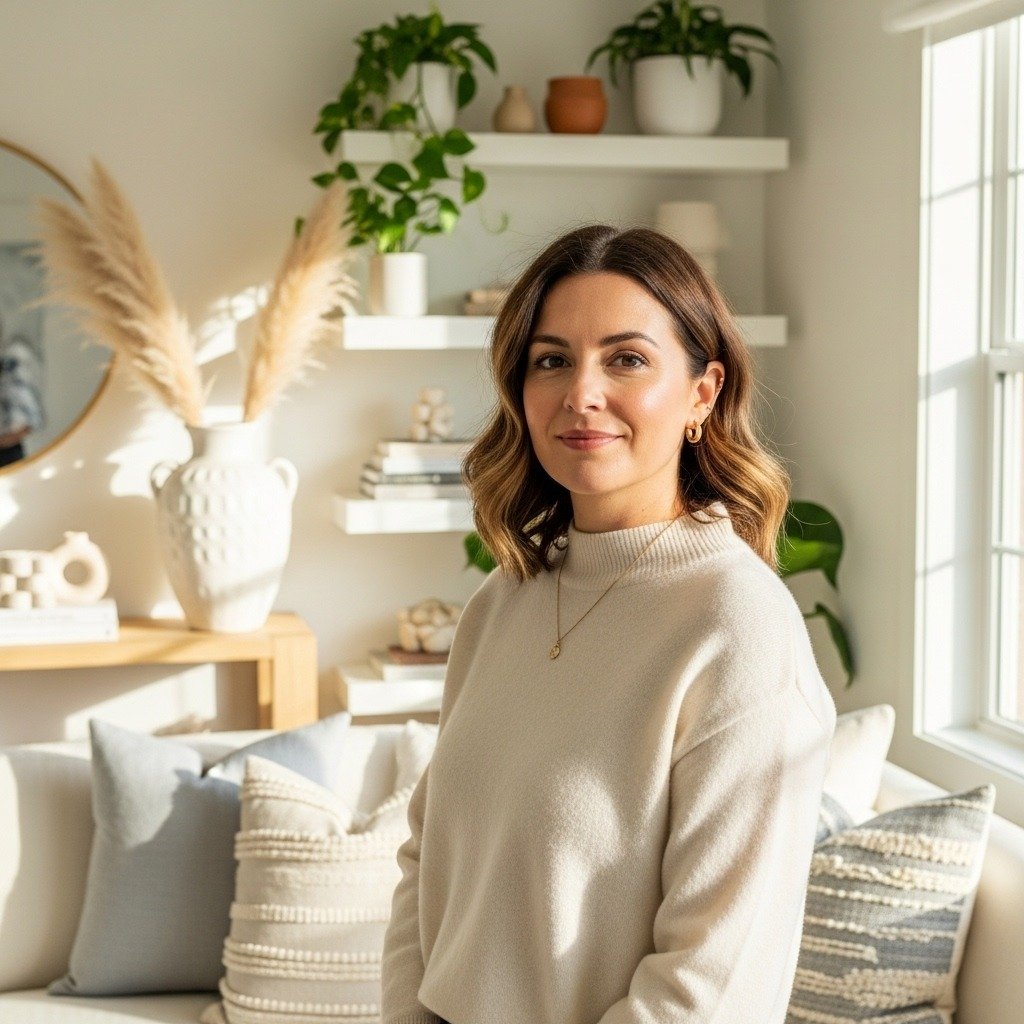
My living room had nice furniture and decent lighting but it still felt like a waiting room. Took me embarrassingly long to figure out it was missing texture. Every surface was smooth, every color was flat, and nothing invited you to actually sit down.
These ideas lean cozy modern with a few rustic touches. Most projects are under $50, with a couple around $100 for a splurge piece. Works for living rooms, bedrooms, hallways, or any small space that keeps feeling unfinished.
Cozy Reading Nook with Layered Pillows
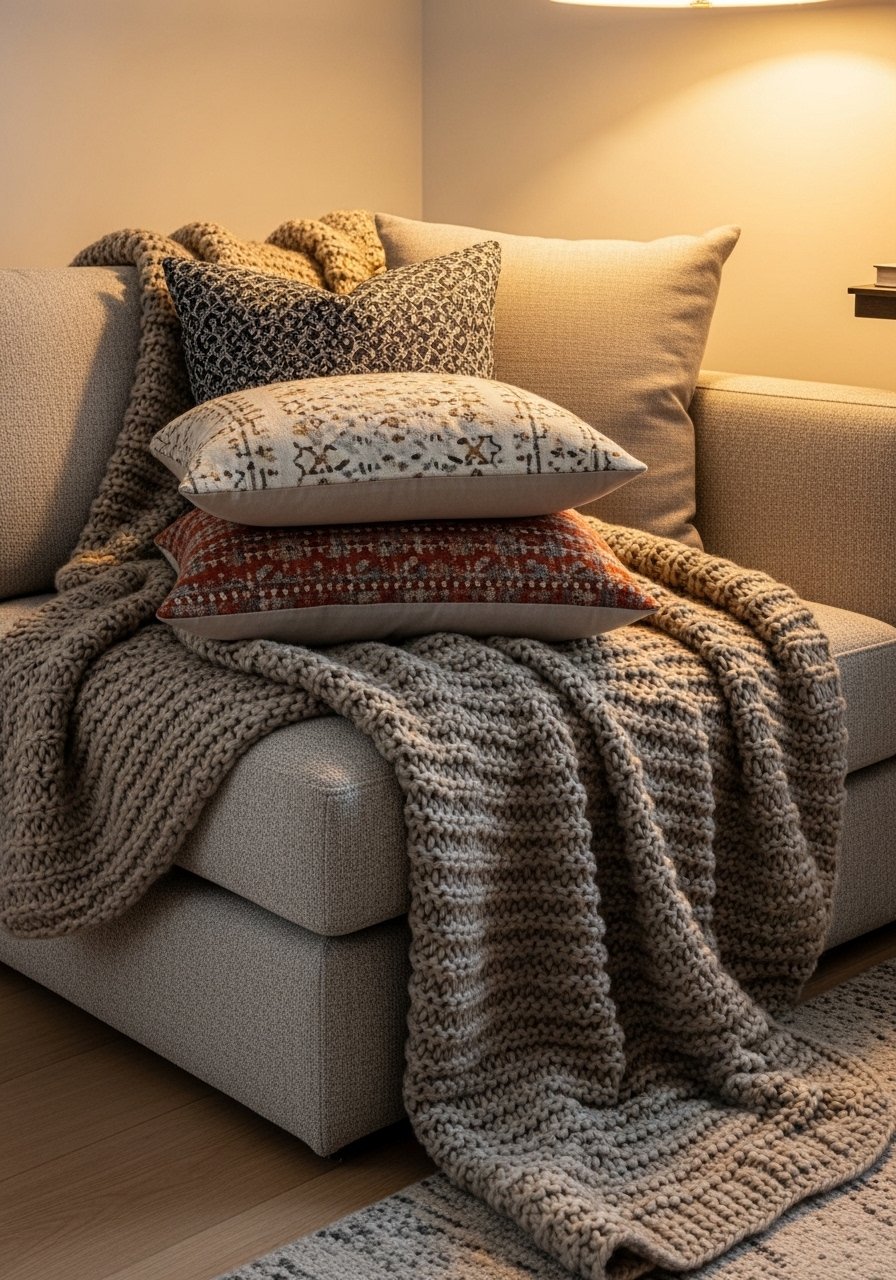
There is something about a reading nook with layered pillows that makes you want to cancel your plans. Start with a comfortable chair and build texture with a 22-inch down-filled linen pillow, a velvet lumbar, and a chunky knit throw draped over the arm. I used chunky knit throw in cream for immediate softness. The rule of three works here, so stack three cushion sizes for scale. Budget: $40 to $120 depending on pillow inserts. Common mistake, people make all pillows the same height. Mix heights and densities so the seat invites you in, not just looks staged.
Gallery Wall for a Casual Modern Living Room
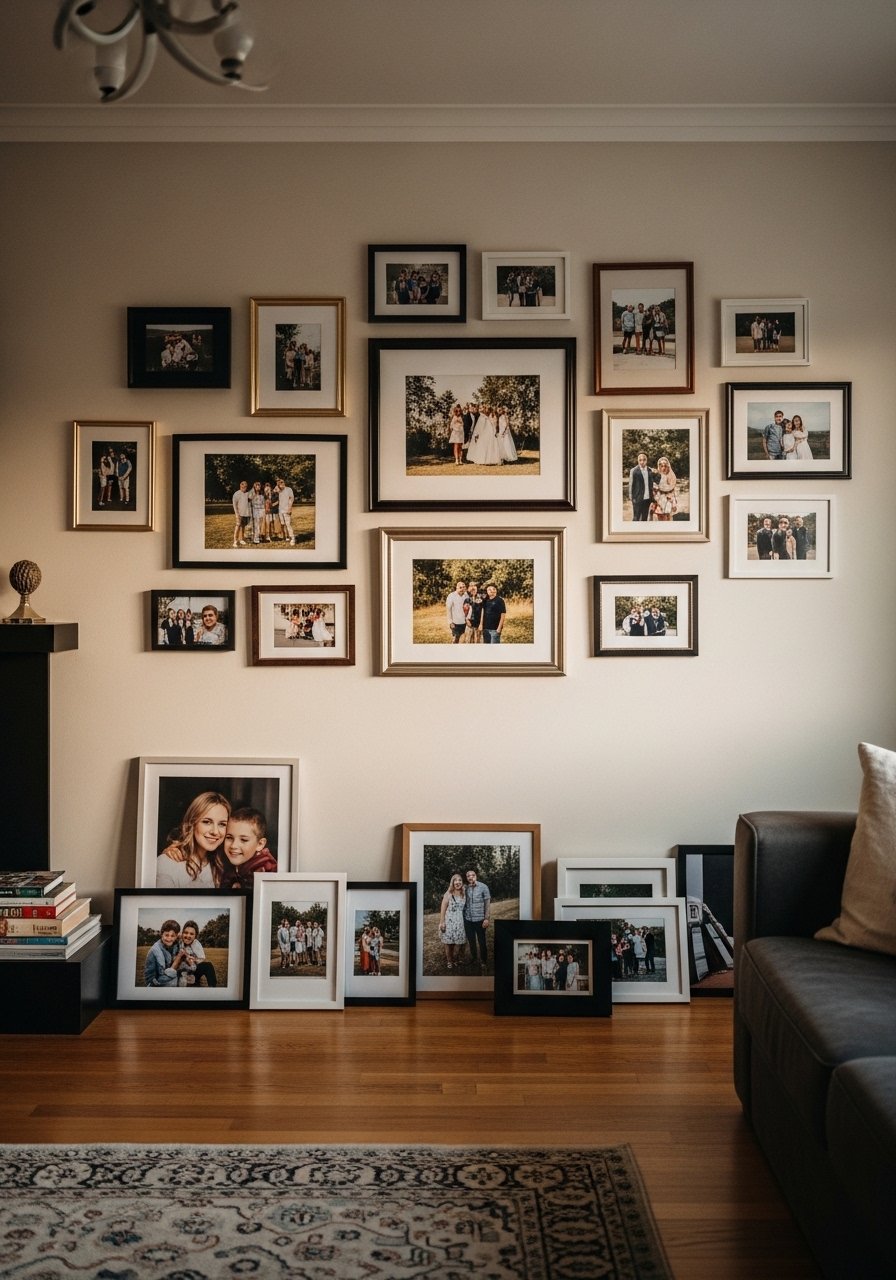
I found that using a single shelf to stage a rotating gallery wall removes the commitment anxiety. Use mixed metal and wood frames, and swap pieces every few months. Mixed metal picture frames set makes mixing metals easy. Measure a centered 2:3 area above your sofa to plan spacing, then hang frames so the bottom edges align roughly 6 to 8 inches above furniture. Budget: $20 to $100. Mistake people make is starting too high. Keep your main eye line centered on the art, not the ceiling. Pair this with the floating-shelf idea for flexible styling.
Floor-to-Ceiling Curtains to Add Height
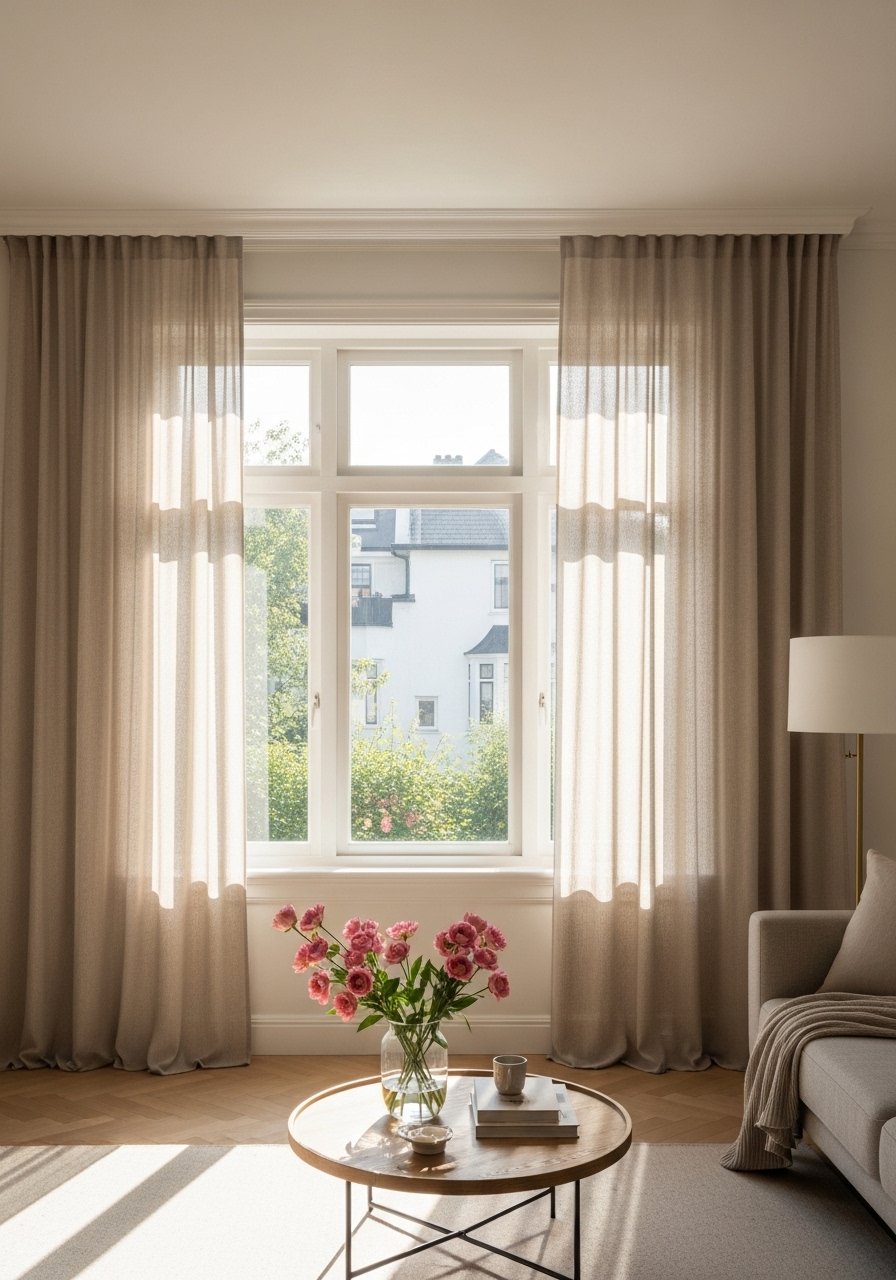
Most people hang curtains right at the window frame. That is why their rooms look shorter than they are. Hang panels a few inches above the molding or right at the ceiling line and use 96-inch or 108-inch lengths depending on ceiling height. I use linen curtain panels 96 inch for a relaxed look. Budget: $30 to $80 per panel. The visual trick gives a taller room instantly. Common mistake, buying the wrong length. Measure from where you plan to hang the rod to the floor and add an inch for a gentle kiss or 3 inches to puddle.
White Oak Floating Shelves for Living Room Styling
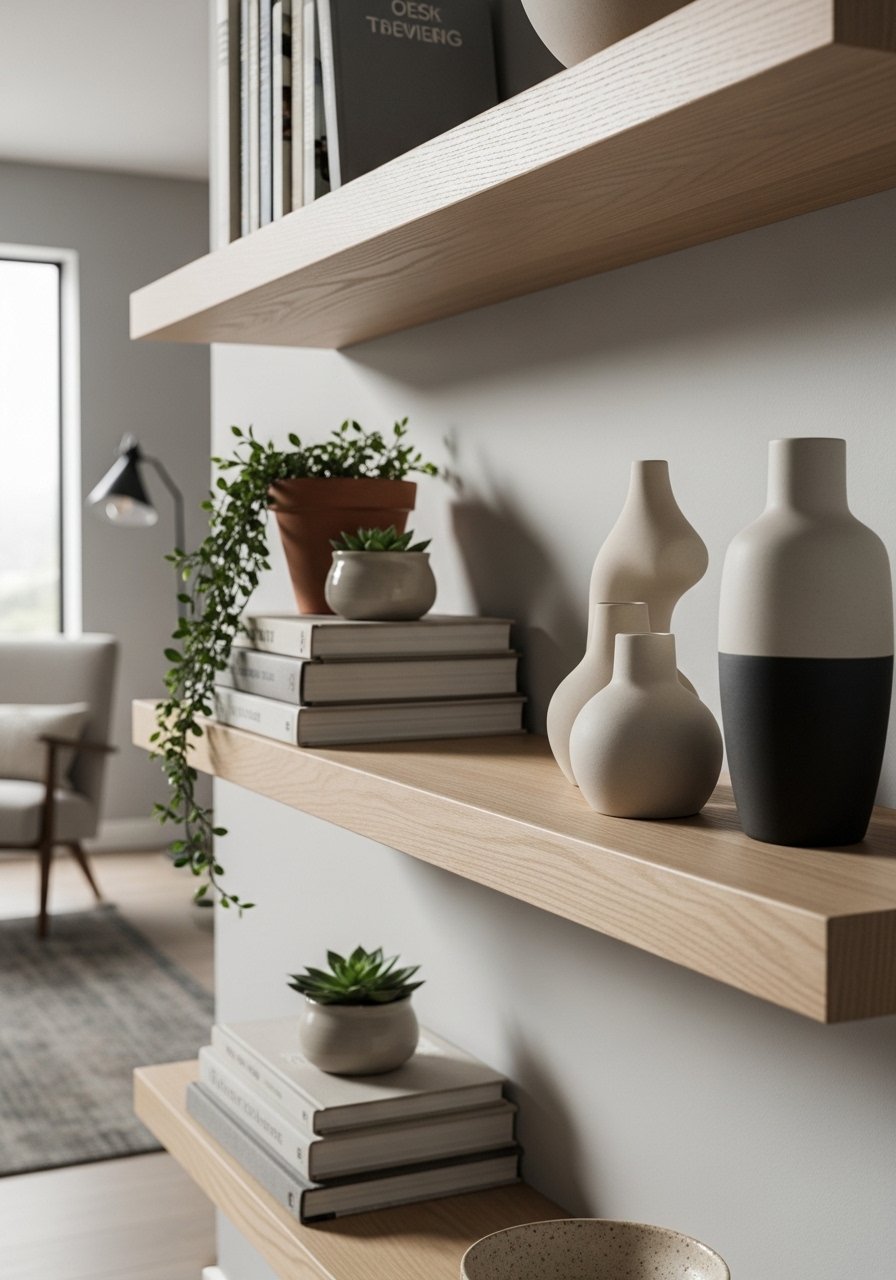
White oak shelves read current and clean. I installed two staggered shelves and used the 80/20 color ratio on each shelf, 80 percent neutrals and 20 percent a bold book cover or ceramic. White oak floating shelves are sturdy and inexpensive. Budget: $40 to $150 depending on length. A frequent error is overloading shelves with items the same height. Keep a tallest object, a low texture, and one personal piece per shelf for contrast. These pair perfectly with the gallery wall for a layered wall scene.
Oversized Mirror to Brighten a Dark Hallway
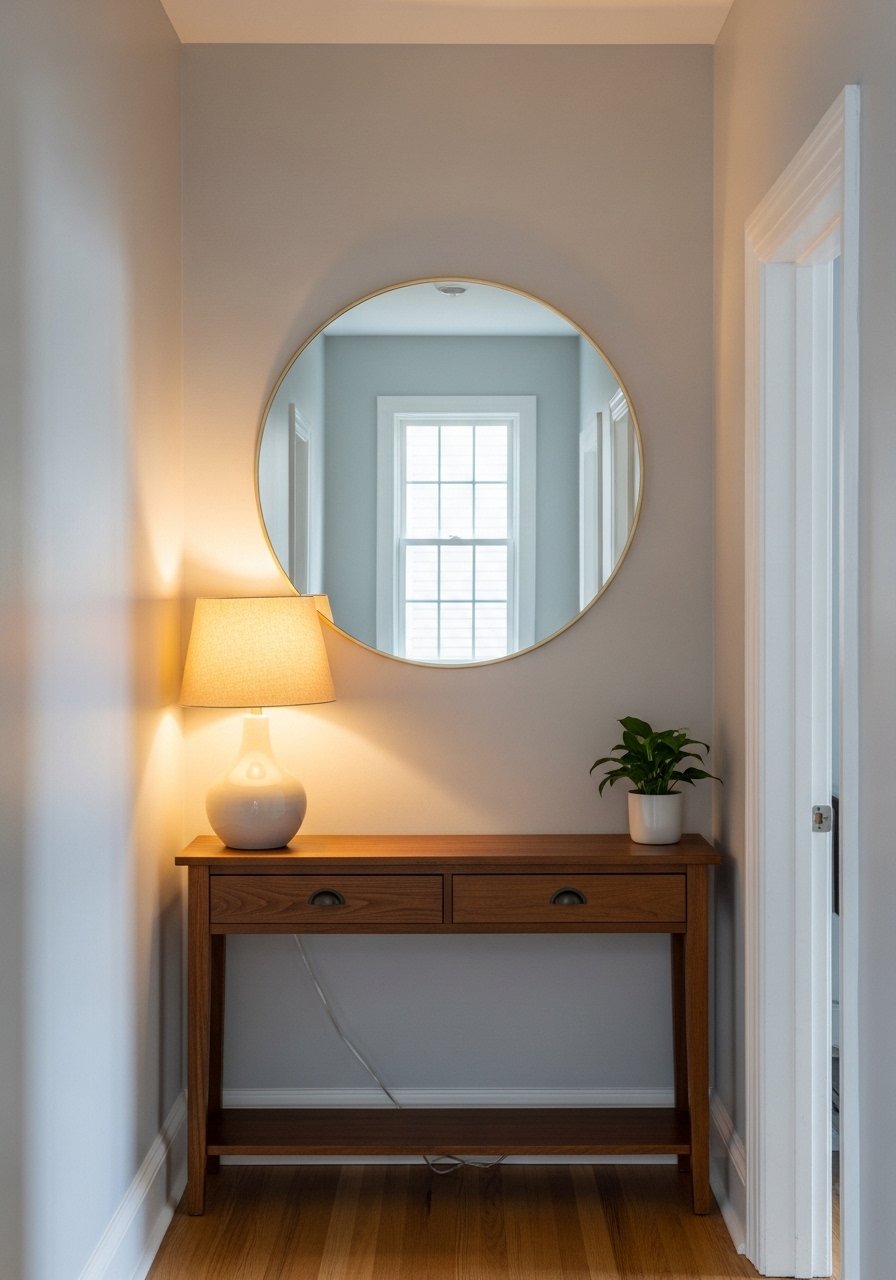
Adding an oversized mirror changed my hallway from cave to corridor. Use a round or rectangular mirror sized so it fills the vertical space above a console, about two-thirds the console width. I like oversized round mirror 36 inch because it reflects light without feeling like a doorway. Budget: $75 to $220. People often hang mirrors too small. Think wider rather than taller when your hallway is narrow. An oversized mirror doubles the perceived light and depth when placed opposite a window.
Mixed Metals in the Dining Room for Warmth
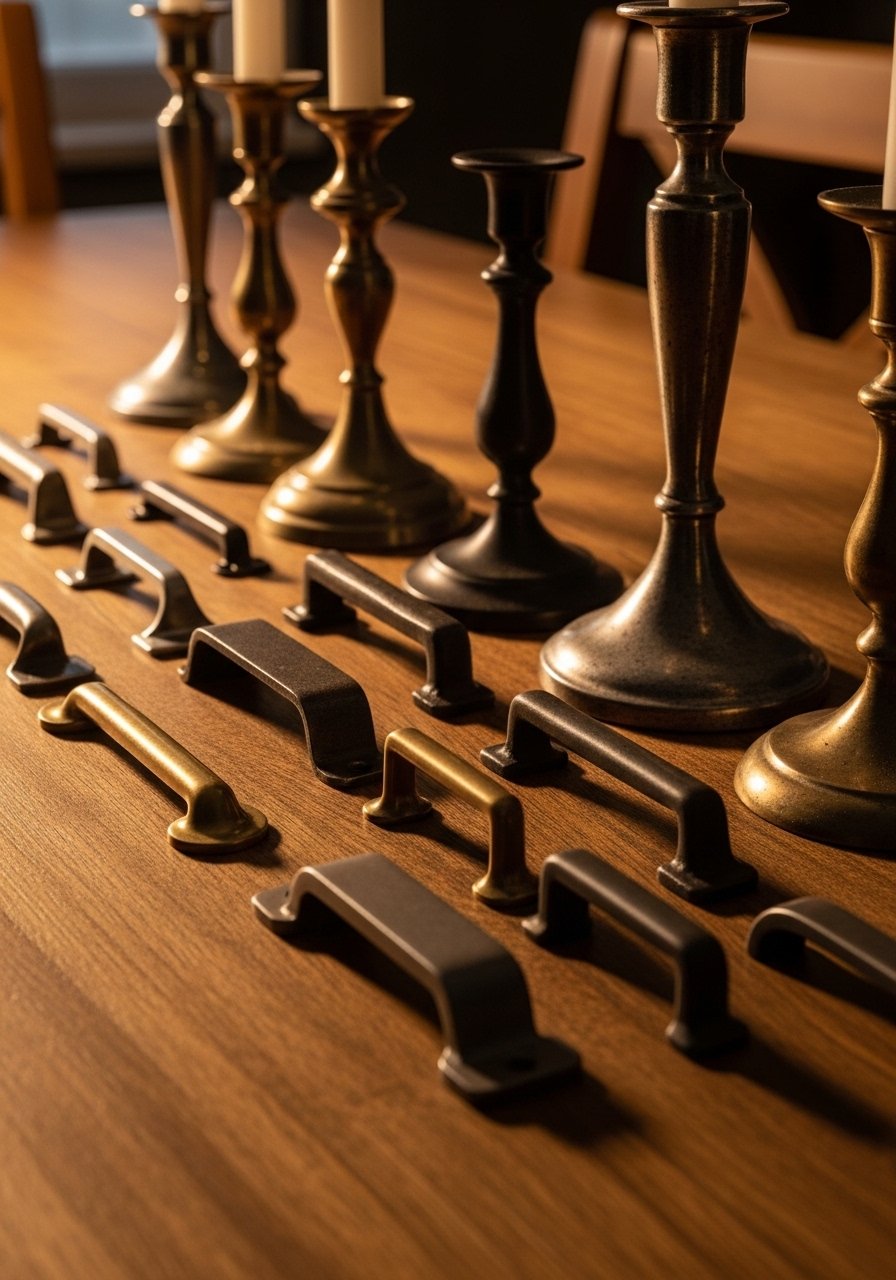
I used brass candlesticks with matte black sconces and it stopped feeling matched-for-a-catalog. Mixing metals creates layers. Keep one metal dominant and use another as the accent for cohesion. Brass candle holders set are an easy swap. Budget: $20 to $80. A common misstep is equal parts of two finishes which reads chaotic. Follow the rule of three for table styling: a stack of books, a vase, and a candle group.
Plant Corner with One Tall Statement Tree
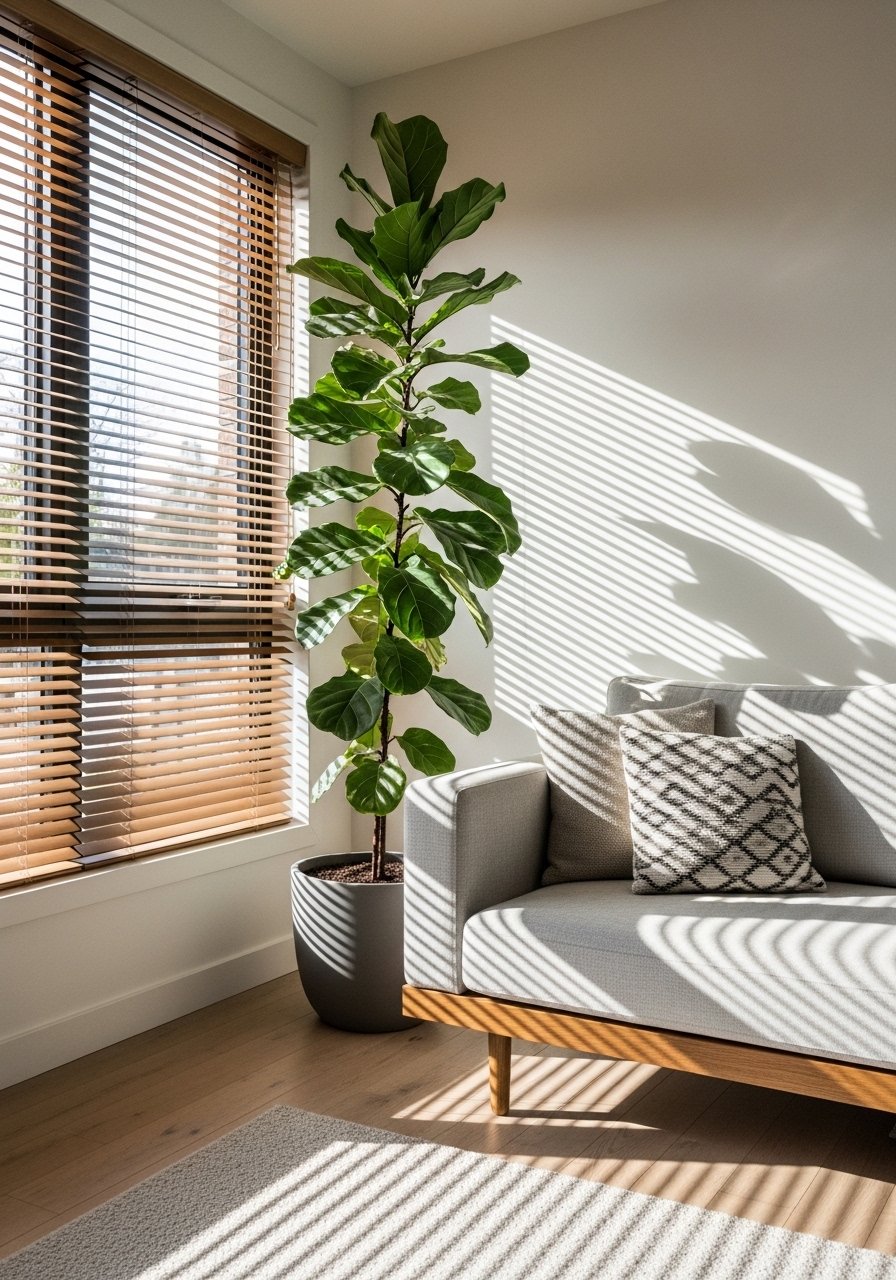
Everyone buys five small succulents. One single 6-foot fiddle leaf fig has ten times the visual impact. I swapped my tabletop plants for one tall specimen and the room immediately had direction. Use a sturdy woven pot and rotate the plant monthly. If you do low-care, try a snake plant or pothos. Artificial fiddle leaf fig 6ft is a renter-friendly option that keeps height without maintenance. Budget: $40 to $200. Mistake, grouping tiny plants without a focal point. Height anchors a corner visually.
DIY Framed Fabric Panels as Budget Wall Art
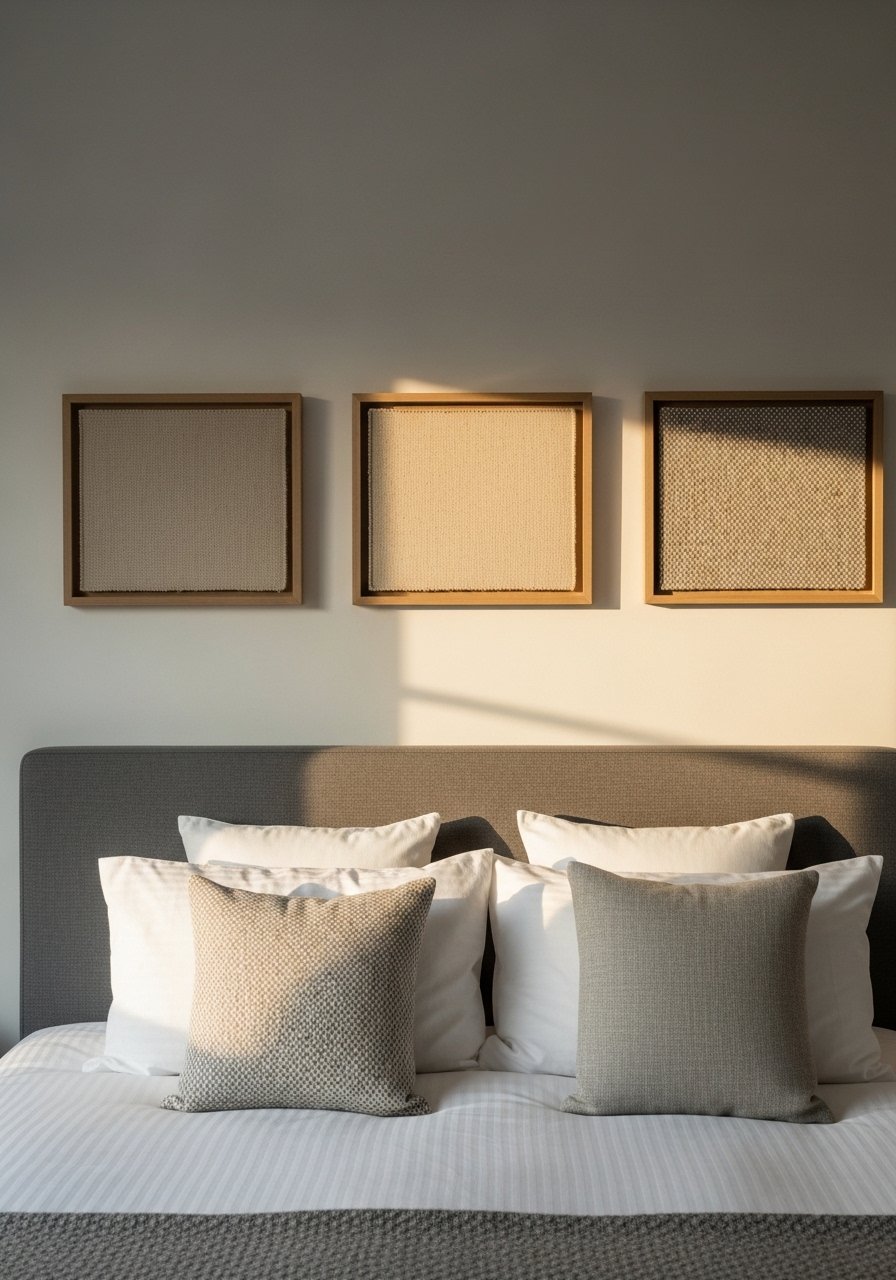
Framed fabric panels give you big impact for a small cost. Use 1:3 or 2:3 aspect ratio frames for modern balance. I stretched vintage linen over inexpensive frames and hung them with equal spacing, about 3 inches apart. Framing kit and stretcher bars make this fast. Budget: $15 to $60 for a set. Common mistake is picking busy patterns that compete with bedding. Pick a subtle texture or a single bold color and keep the rest of the room quiet.
Statement Console with Hidden Storage for Entryways
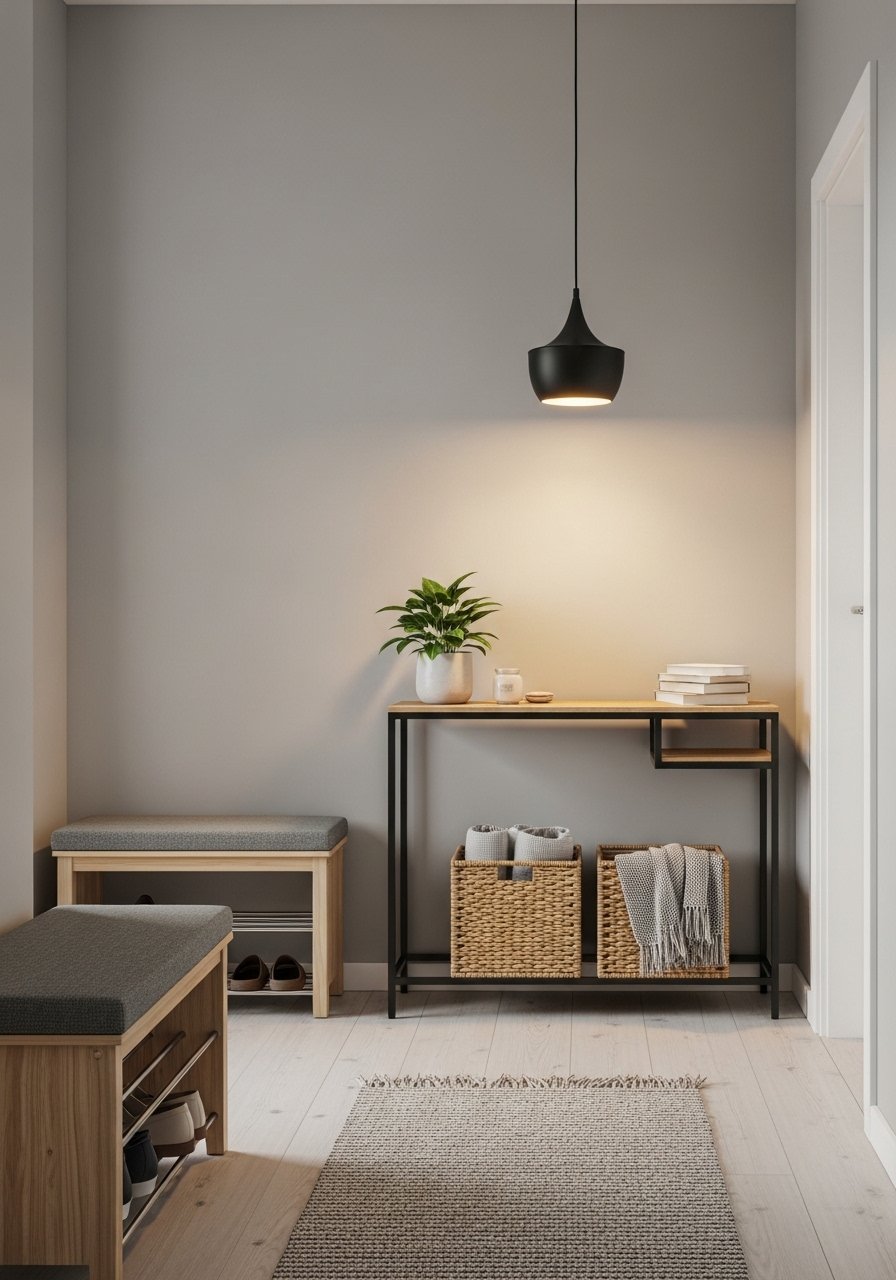
My entry used to be chaos until I added a slim console with baskets underneath. The trick is a shallow drawer top for keys and a lower shelf with baskets for shoes and scarves. I used woven storage baskets set to hide clutter. Budget: $50 to $200. People often buy a console that is too deep and it blocks traffic. Keep depth under 14 inches for narrow halls so it reads like a built-in, not an obstacle.
Layered Rugs to Ground a Living Area
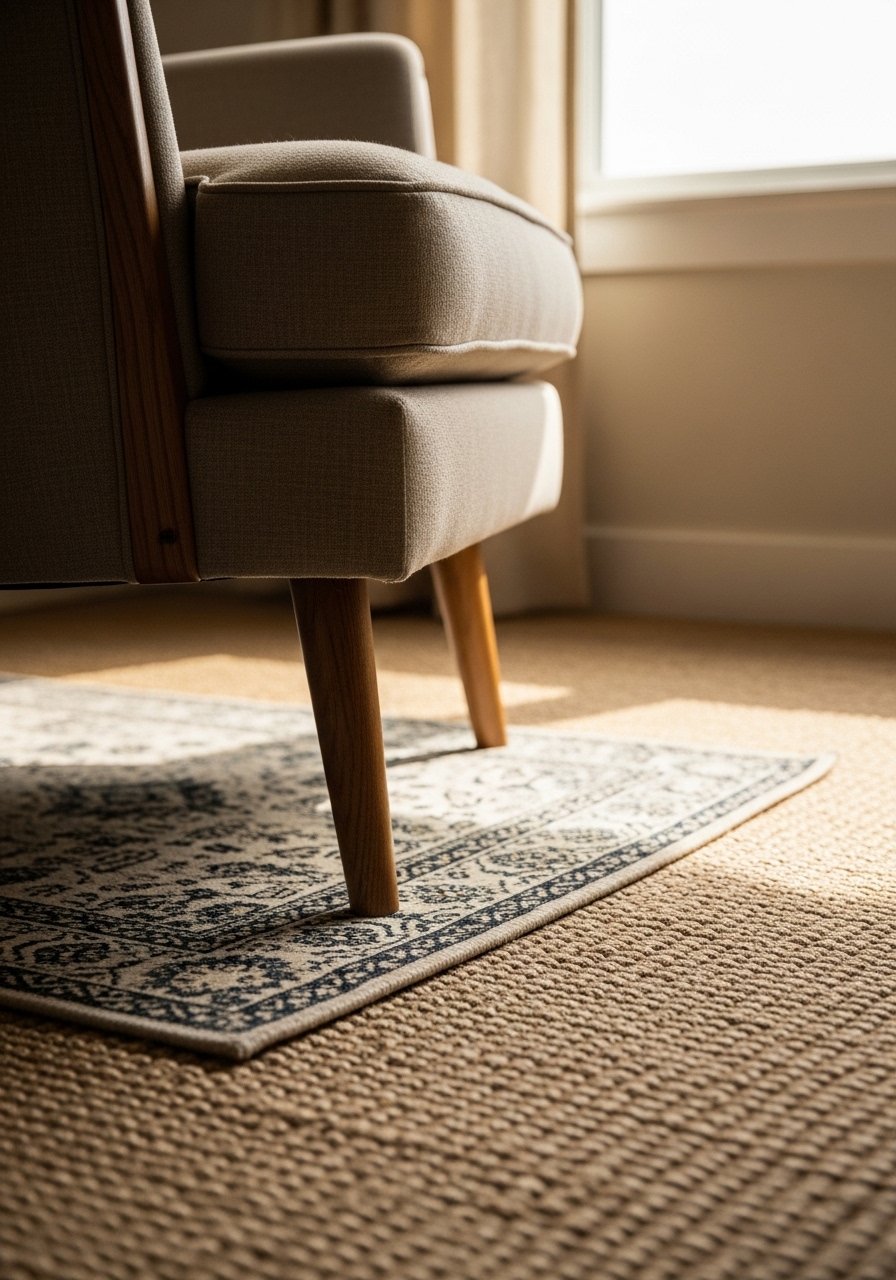
Layered rugs add texture and hide wear. Start with a neutral jute base and place a smaller patterned rug on top. For seating areas, aim for at least the front legs of sofas on the top rug. 8×10 jute rug is a durable anchor. Budget: $60 to $300. Mistake, buyers pick two busy patterns and they fight. Keep the bottom rug neutral and the top rug the interest point.
Repurpose Vintage Frames for a Classic Bedroom Vibe
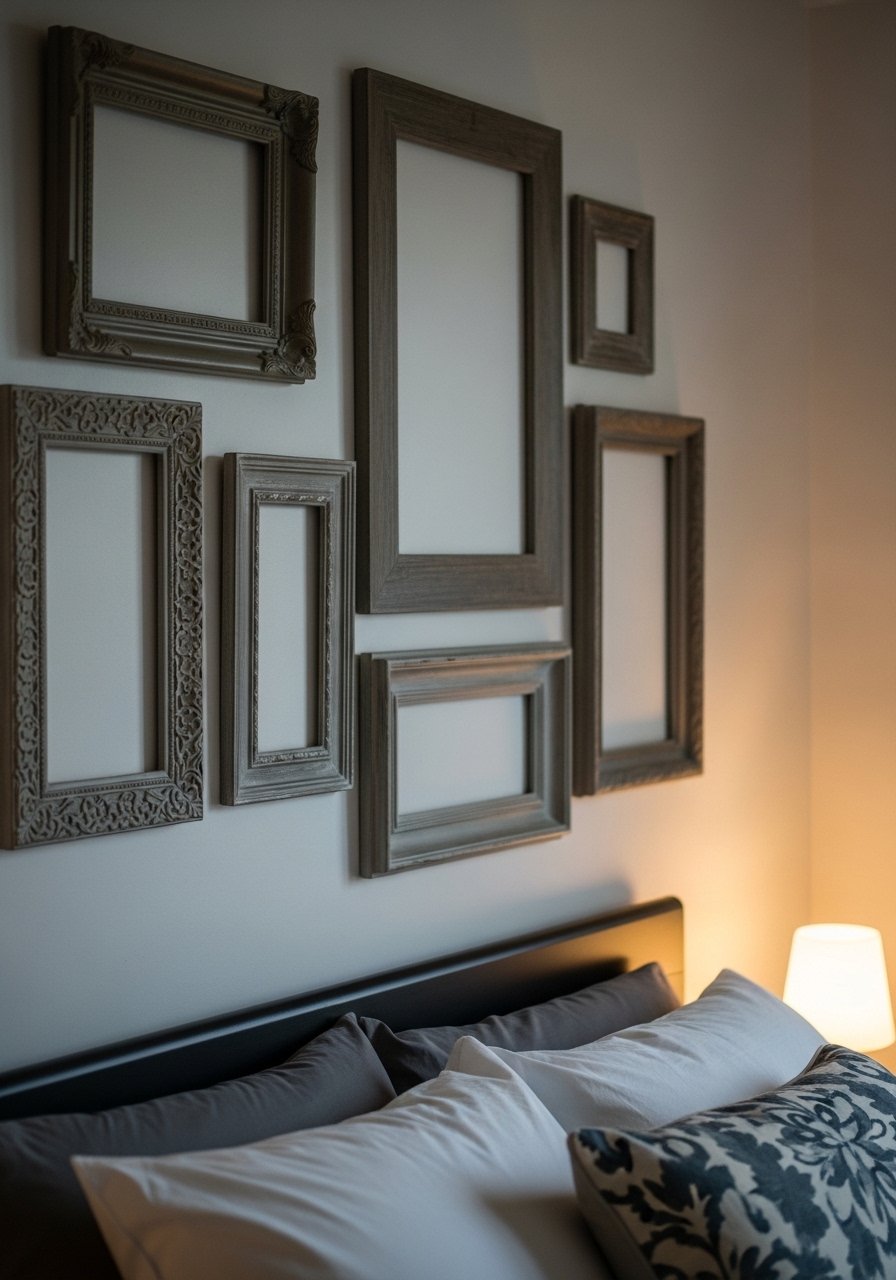
I scavenged thrift frames and sprayed them the same warm white for cohesion. Painting frames is inexpensive and creates a linked look without buying sets. Picture frame paint kit helps achieve uniform finish. Budget: $5 to $40. Avoid placing too many ornate frames together. One or two ornate pieces mixed with simpler frames keeps the antique vibe from feeling heavy.
Easy No-Commitment Peel-and-Stick Wallpaper Accent
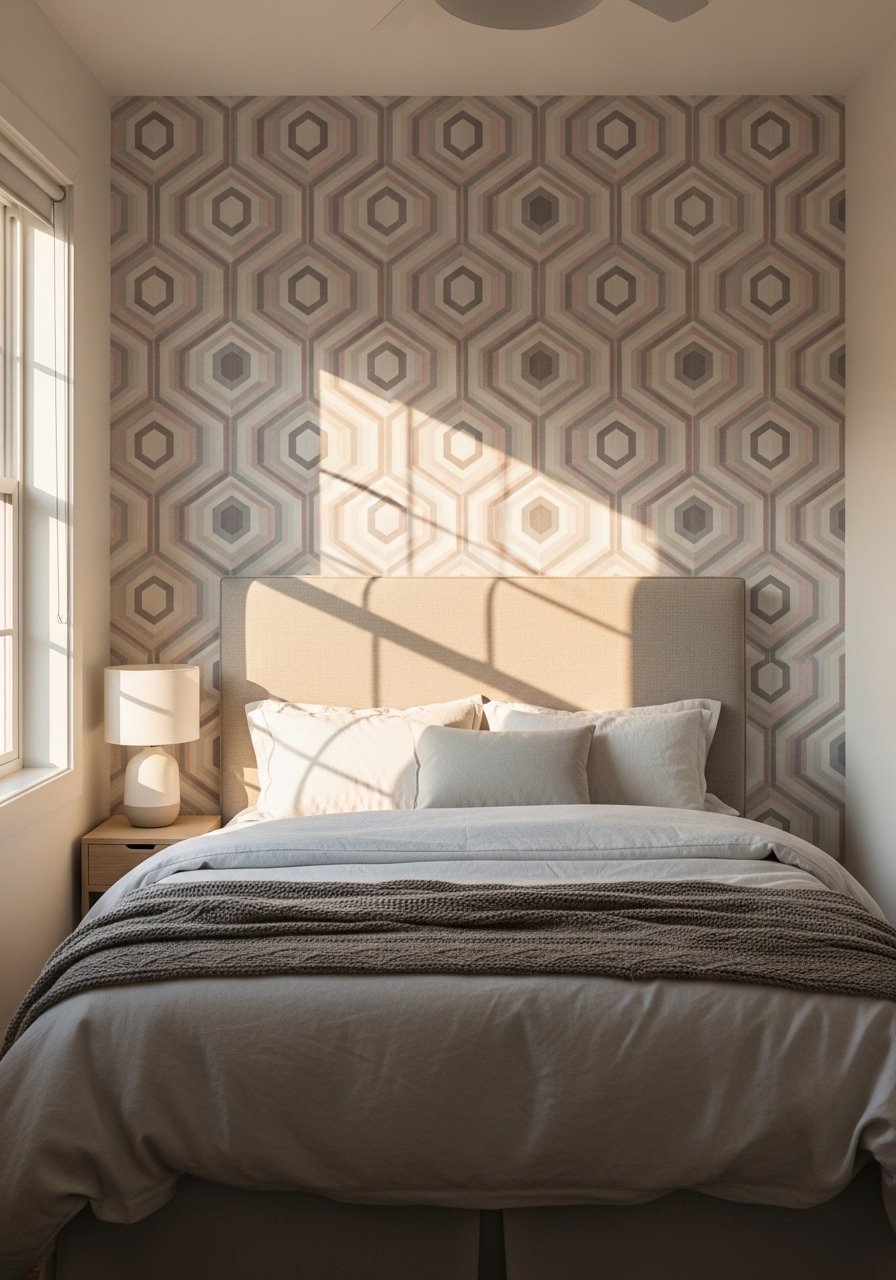
Peel-and-stick wallpaper rescued my short-term rental bedroom. It hides imperfect walls and peels off later. Use a bold pattern on a single wall behind the bed so the room stays balanced. Peel-and-stick wallpaper geometric comes in removable backing and is renter friendly. Budget: $25 to $120. The common error is papering the whole room with a busy pattern. One accent wall gives drama without overwhelm.
Handmade Macrame Shelf for Boho Corners
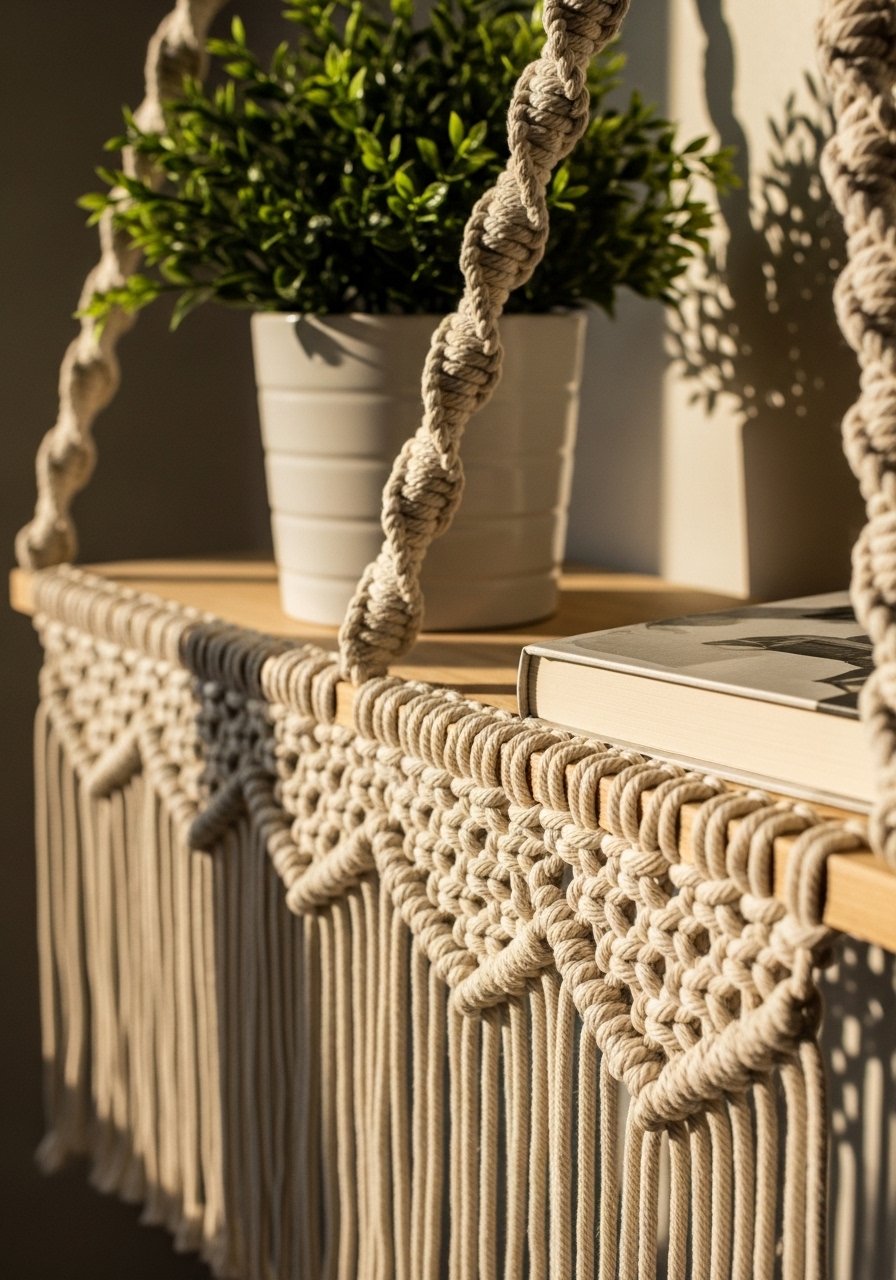
I admit I was intimidated by macrame until I tried a simple shelf and it took an afternoon. A macrame shelf adds softness and a vertical layer where you cannot add a floor plant. Use a small pot and keep the weight light. Macrame hanging shelf kit has everything you need. Budget: $15 to $45. Mistake, overloading the shelf. Treat it like a vignette, not real storage. It’s about texture and silhouette.
Upcycled Cabinet Doors as Statement Bed Headboard
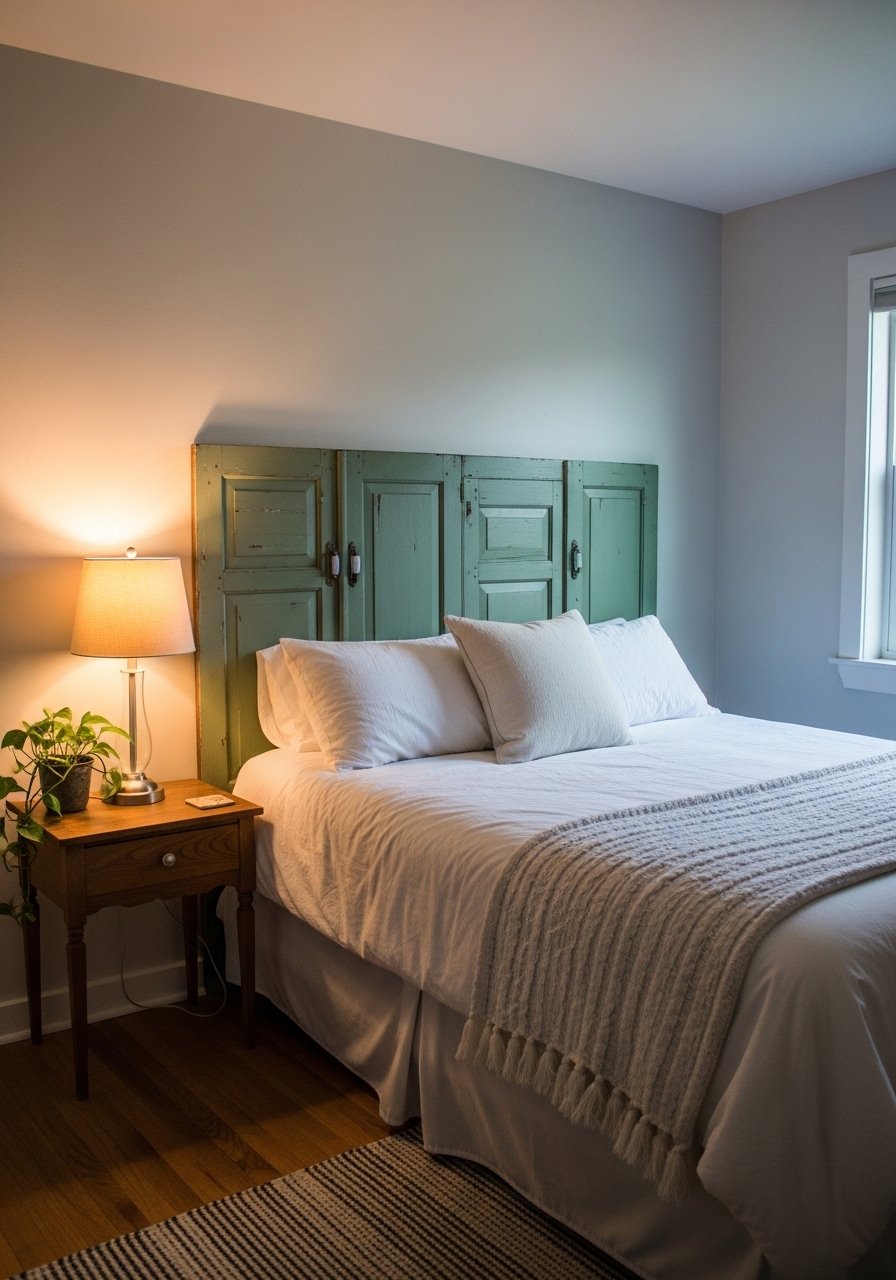
I once screwed two discarded cabinet doors together and hung them as a headboard. It created instant character and saved money. Sand, prime, and paint in a durable matte for bedroom use. Mini paint kit for furniture makes the finish last. Budget: $20 to $100. People think headboards must be new. Reusing found pieces gives depth and a story, and it sits at a lower cost than buying a new headboard.
Your Decor Shopping List
Textiles
- Honestly the best $40 I have spent. Chunky knit throw in cream in a neutral color to layer on sofas and chairs
- Velvet pillow covers, set of 4 22-inch, mix two colors for contrast, down inserts sold separately
- Linen curtain panels 96 inch for standard 9-foot ceilings, similar at Target
Wall Decor
- Mixed metal picture frames set for a flexible gallery wall
- Peel-and-stick wallpaper geometric for an accent wall without commitment
Lighting
- Rope pendant light for a boho touch over consoles or reading nooks
- Oversized round mirror 36 inch to brighten small halls
Plants
- Artificial fiddle leaf fig 6ft for renters or low-light homes
- Woven storage baskets set to hide entryway clutter
Budget Finds
- 8×10 jute area rug durable base rug for layering
Shopping Tips
White oak beats dark wood in 2026. Design feeds have shifted completely. These white oak floating shelves look current, not dated.
Grab velvet pillow covers for $12 each. Swap them every season and the whole room feels different.
Curtains should puddle or kiss the floor, never hang halfway up. These linen curtain panels 96 inch are right for standard 9-foot ceilings.
If you are short on floor space, one tall plant beats three tabletop ones. Artificial fiddle leaf fig 6ft gives instant scale.
For temporary rentals, peel-and-stick wallpaper hides flaws and removes cleanly. Try peel-and-stick geometric wallpaper on a single wall for impact.
Frequently Asked Questions
Q: What size rug do I actually need for the layered rug look?
A: Bigger than you think. For a standard living room, go 8×10 minimum. All front furniture legs should sit on the top rug. This 8×10 jute rug is neutral and durable.
Q: Can I mix boho textiles with modern furniture without it looking messy?
A: Yes. Keep your furniture lines simple and treat textiles as accents. Use one boho pattern at a time and balance with solid textures. The rule of three is helpful: three textiles, two neutrals, one accent color.
Q: How do I stop my room from feeling like a waiting room?
A: Address texture and height. Add a soft throw, a plant of height, and one reflective surface. My living room had nice furniture and decent lighting but it still felt like a waiting room until I added those layers.
Q: Is it worth using an artificial tree instead of small succulents?
A: Both have their place. Everyone buys five small succulents. One single 6-foot fiddle leaf fig has ten times the visual impact. Use artificial when light is low or maintenance is a problem.
Q: What common mistakes do people make with curtains?
A: Hanging them too low and buying the wrong length. Measure from rod to floor and choose panels that either kiss the floor or puddle a little. Most people hang curtains right at the window frame.
Q: How do I choose a focal point when styling shelves?
A: Pick one tall object, one low texture, and one personal piece per shelf. Keep an 80/20 color balance and avoid repeating heights. Floating shelves work best when items contrast in scale and material.