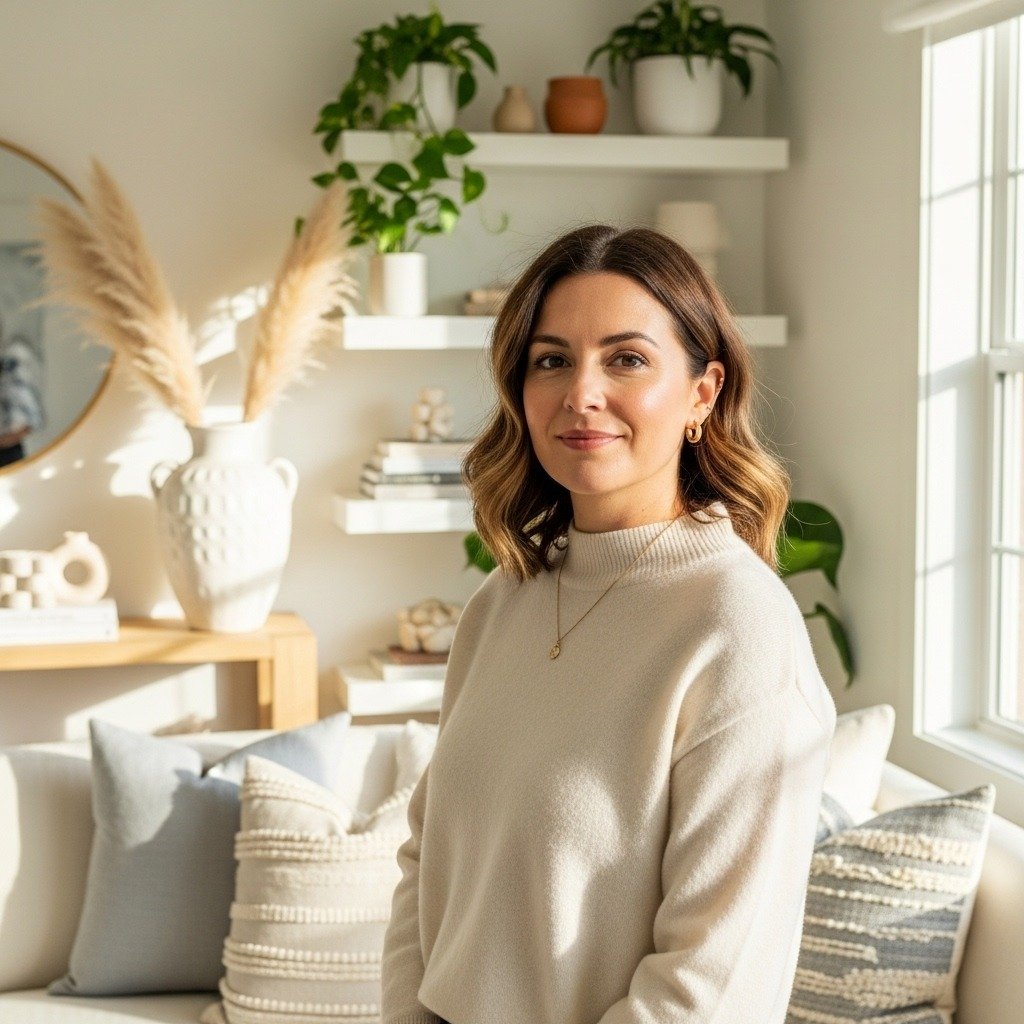
Spent $400 on a new coffee table. Room still looked off. Spent $35 on a throw and three cushions. Suddenly everything clicked. That moment convinced me that small sewn pieces can change the whole feel of a space.
These projects lean modern-homey with a hint of handmade charm. Most pieces are under $50 to make, with a couple around $75 if you buy specialty fabric. They work for living rooms, bedrooms, entryways, and anywhere you want something that feels intentional without a lot of expense.
Layered Velvet and Linen Pillow Covers for a Softer Sofa
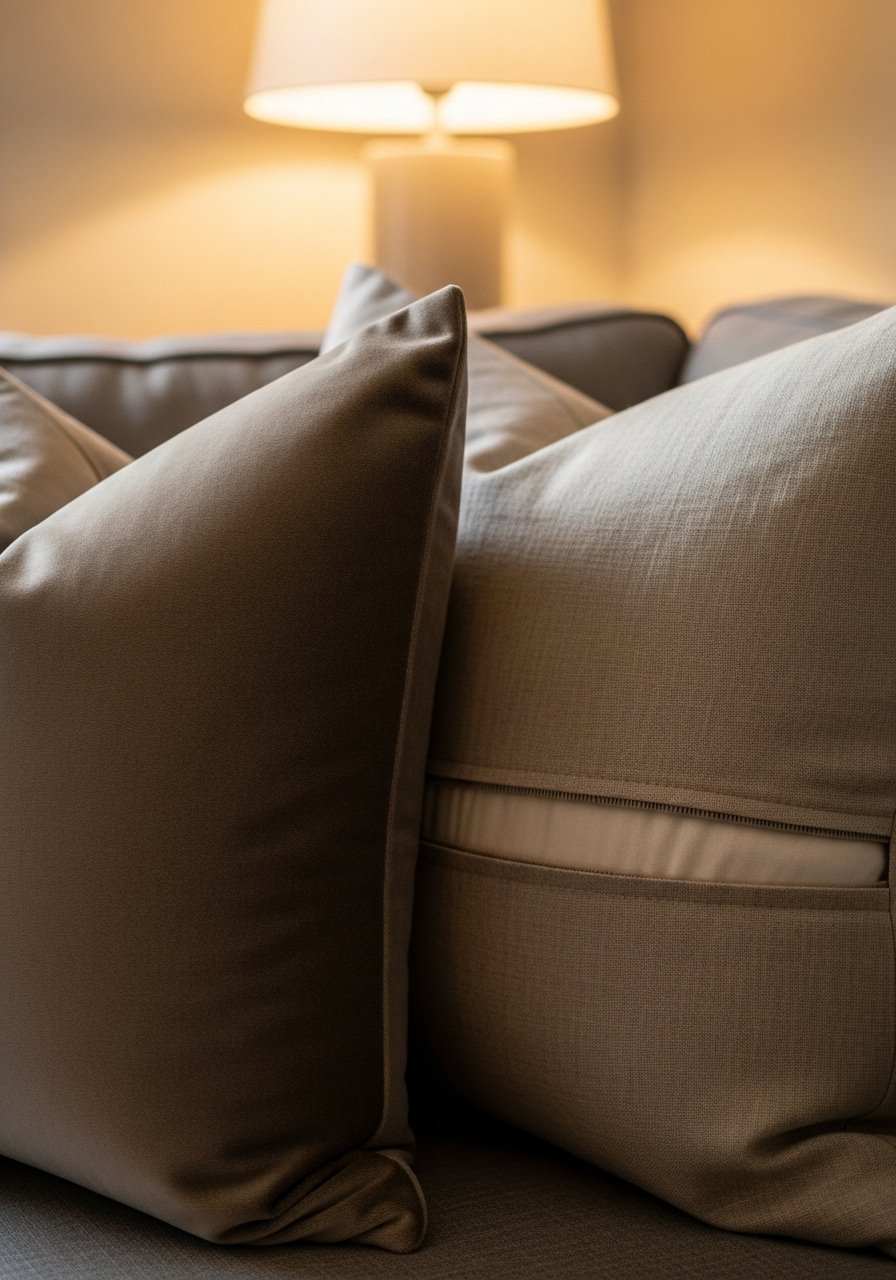
The moment I draped a chunky velvet cover over a plain linen pillow, the whole sofa stopped looking flat. Use a 22-inch insert for a 20-inch cover to get that plump, designer look. Mix a velvet front with a linen back for durability and texture. I like using a hidden zipper so the cover looks clean, and a 1/4-inch topstitch keeps seams tidy. Common mistake, people pick matching fabrics that read the same on a shelf. Contrast matters here, so pick one plush fabric and one matte fabric. Try velvet fabric by the yard and linen-blend fabric.
Long Linen Curtains to Make Ceilings Feel Higher
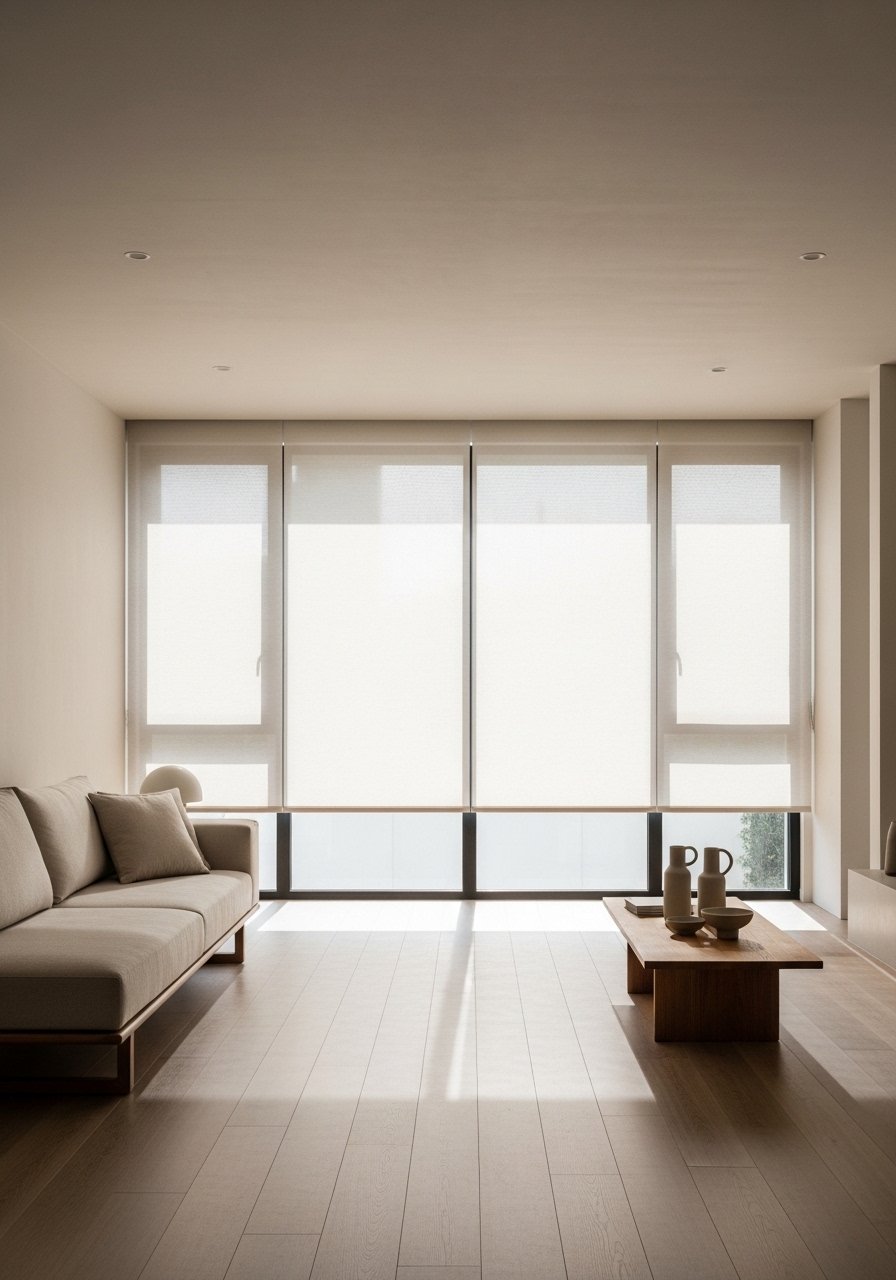
Most people hang curtains right at the window frame. That is why their rooms look shorter than they are. Hang panels 3-4 inches above the trim and use 96-inch or 108-inch panels for standard ceilings. Sew a simple rod pocket or use grommet headers for an easier finish. I find plain linen reads more expensive than it costs, and you can machine-wash it. A common mistake is choosing panels that are too narrow. Aim for 2.5 times the window width for full gathers. These linen curtain panels are budget-friendly and forgiving to sew.
Envelope Pillow Covers for an Effortless Bed Refresh
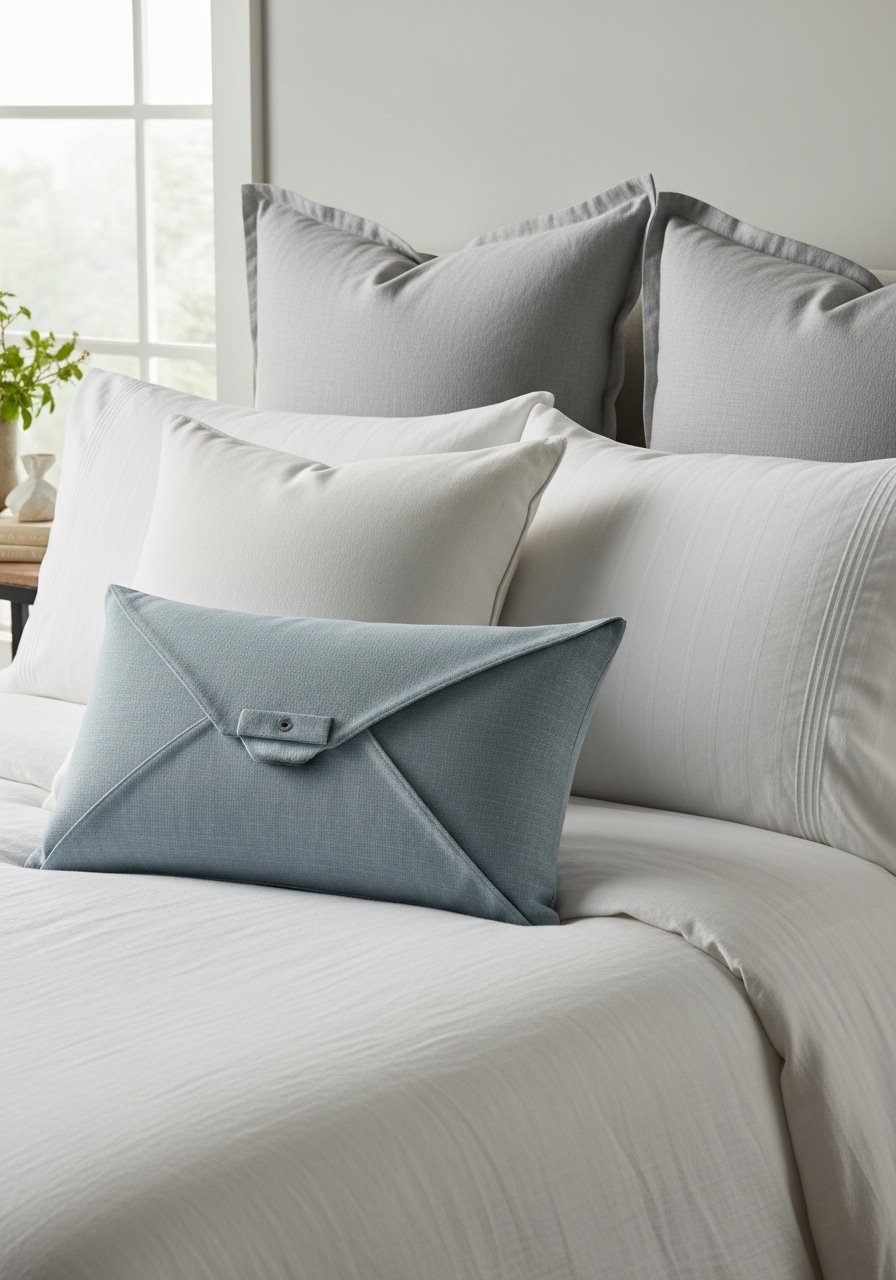
There is something about a reading nook with layered pillows that makes you want to cancel your plans. Envelope covers are my go-to because they require no zipper and you can swap them quickly. Add a 2-inch overlap in the back so the insert never peeks through. Use heavier cotton or duck cloth for bed pillows and a lightweight linen for accents. The typical mistake is cutting fabric too small. Always add 1 inch for seam allowance and 2 inches for the overlap. For solid inserts, I use down-alternative pillow inserts.
Quilted Table Runner to Anchor Your Dining Table
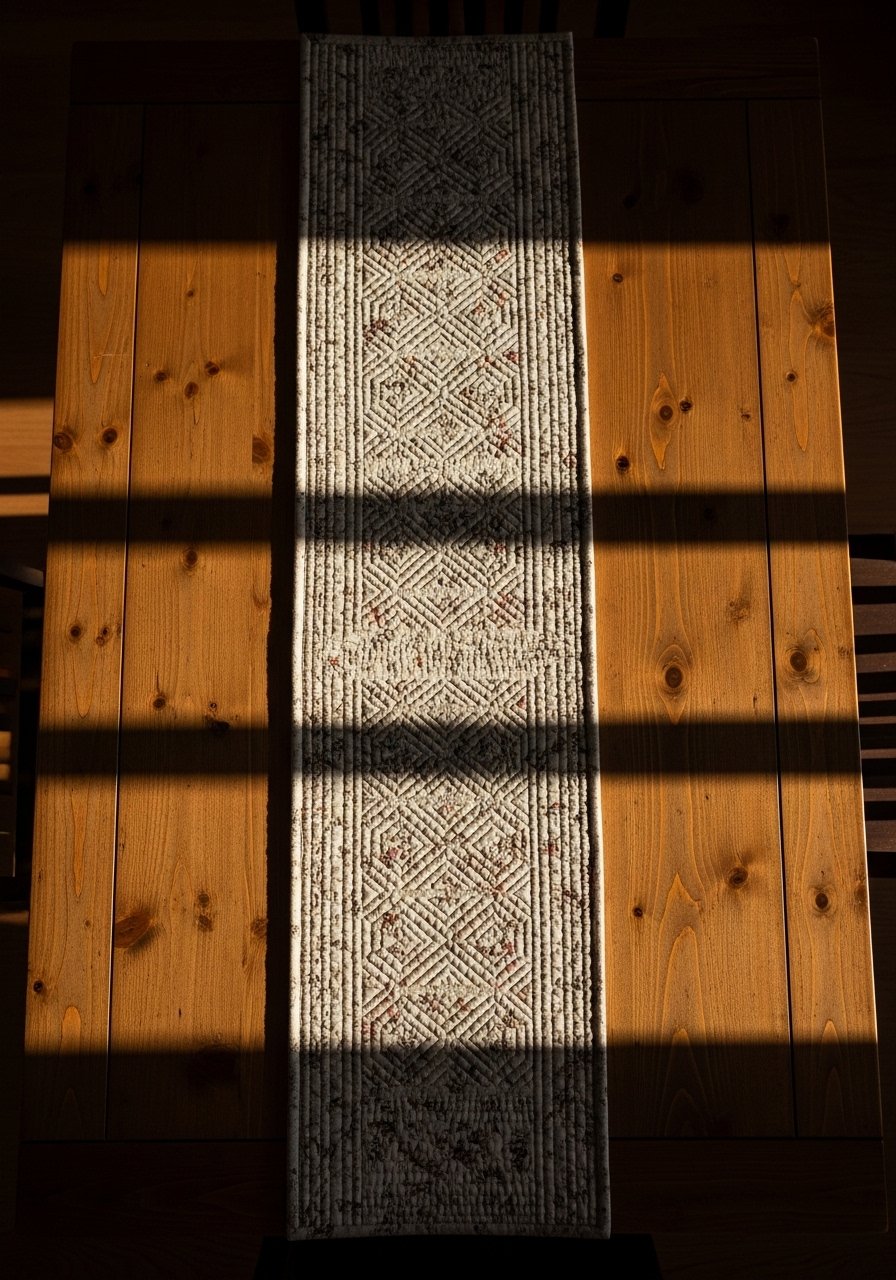
A quilted runner adds color and a hand-made feeling without committing to a full tablecloth. I cut strips 3 inches wide, stitch them into a 14×72-inch runner, then add a cotton batting and quilt with simple lines. Use a walking foot for even stitches. It makes holiday tables feel layered and lived-in. People often skip pre-washing their fabric. Prewash first or your seams will pucker. Try cotton batting strips and quilter’s cotton fat quarters.
Piped Bolster Pillow for Low Seats and Benches
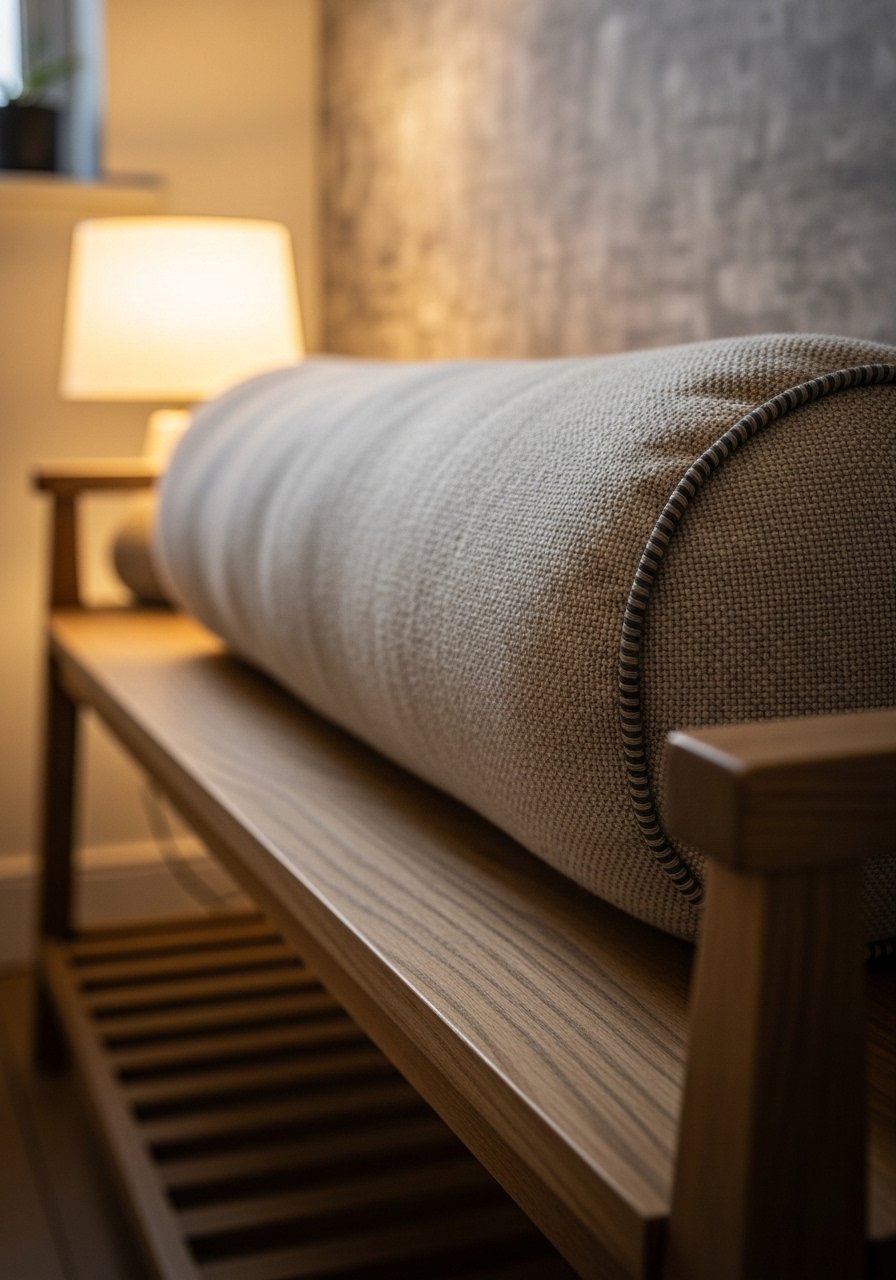
A long piped bolster makes a narrow bench feel styled and useful. Cut foam or use a full-length insert, sew a 1-inch continuous piping cord, and allow 1/2-inch seam allowance for the piping channel. Piping changes the silhouette more than any pattern choice. Common mistake, people add too-thin piping that flattens with use. Use a sturdier cord and a tight seam. This works great in a mudroom or at the foot of the bed. I used piping cord and bolster pillow inserts.
Slipcover for an Ikea Chair That Finally Fits
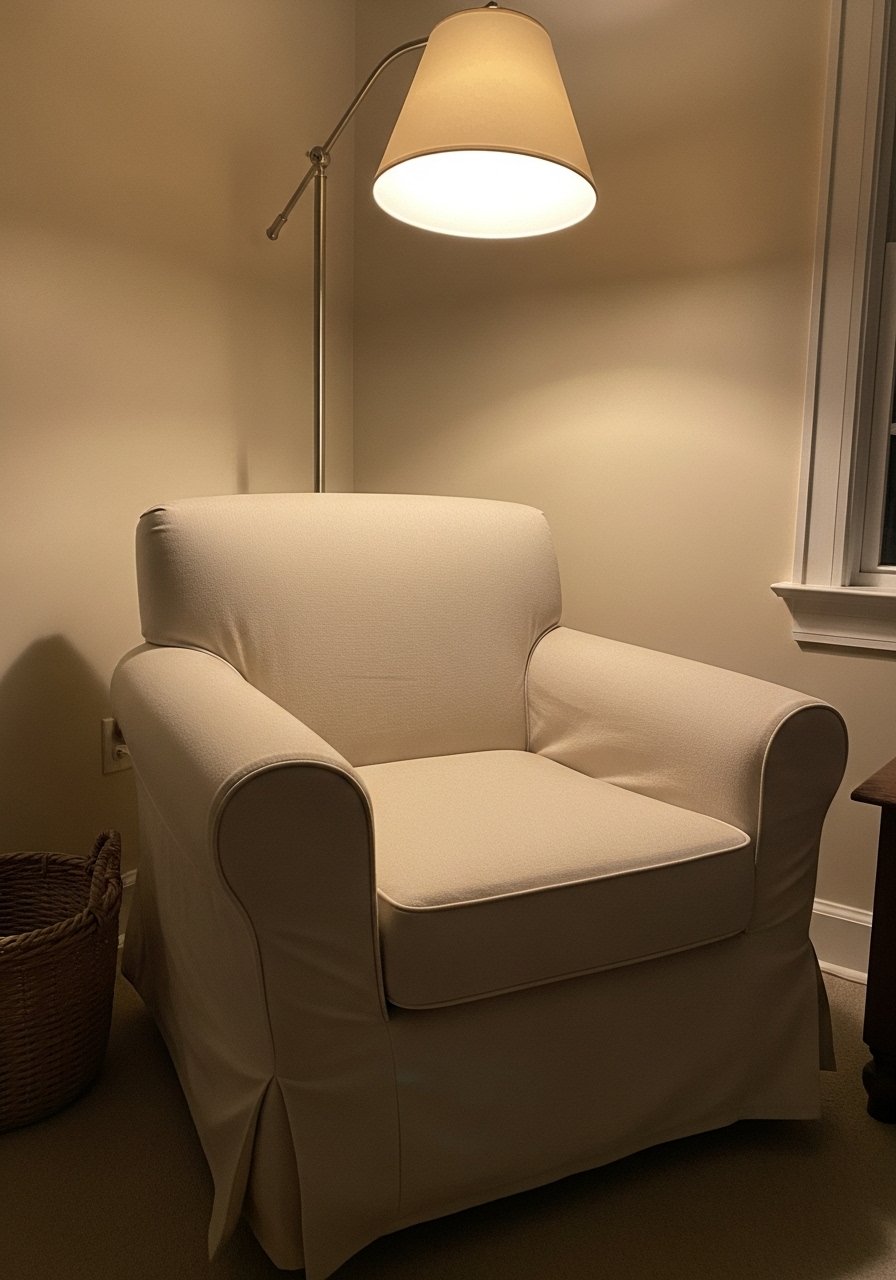
I once hated a perfectly good chair because the upholstery showed every cat hair. Sewing a fitted slipcover from cotton duck or twill saved the piece and my floor budget. Measure seat depth, back height, and arm width. Add 1 inch to each measurement for seam allowance. The trick is curved darts at the back so the cover hugs the frame. A mistake is skimping on fabric for the skirts. Buy a little extra so seams fall naturally. For sturdy fabric use duck cloth by the yard.
Fabric Wall Panels to Add Warmth and Reduce Echo
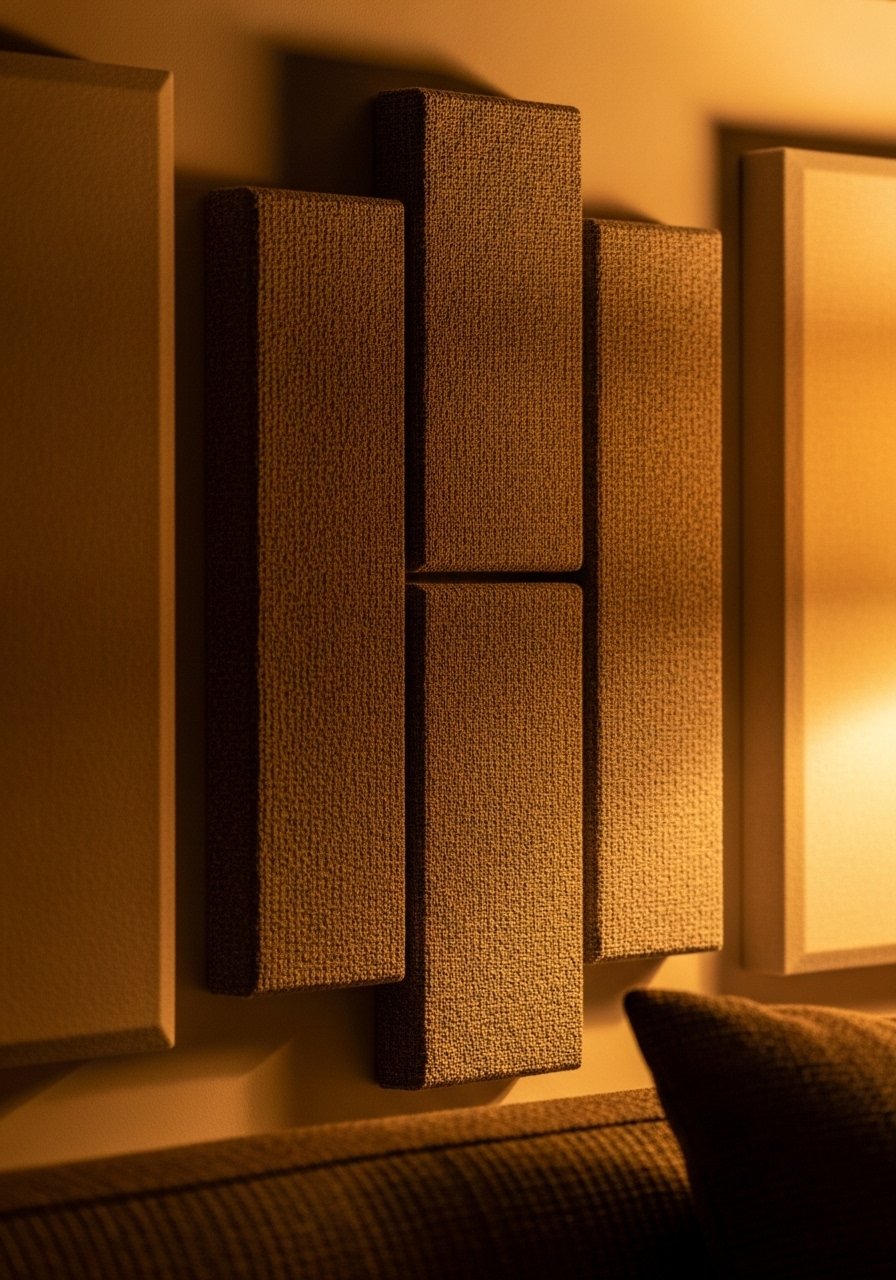
Fabric panels do double duty, they add color and tame echo in open rooms. Build frames from 1×4 lumber, stretch batting, and wrap fabric with a 1.5-inch overlap stapled to the back. Mount several vertically in odd numbers for balance. A specific detail I learned, place panels 6-8 inches apart for the best rhythm on a large wall. Mistake to avoid, using directional prints without planning how the pattern lines up. These acoustic panels are an easy start if you prefer premade options.
Patchwork Throw for a Casual, Layered Look
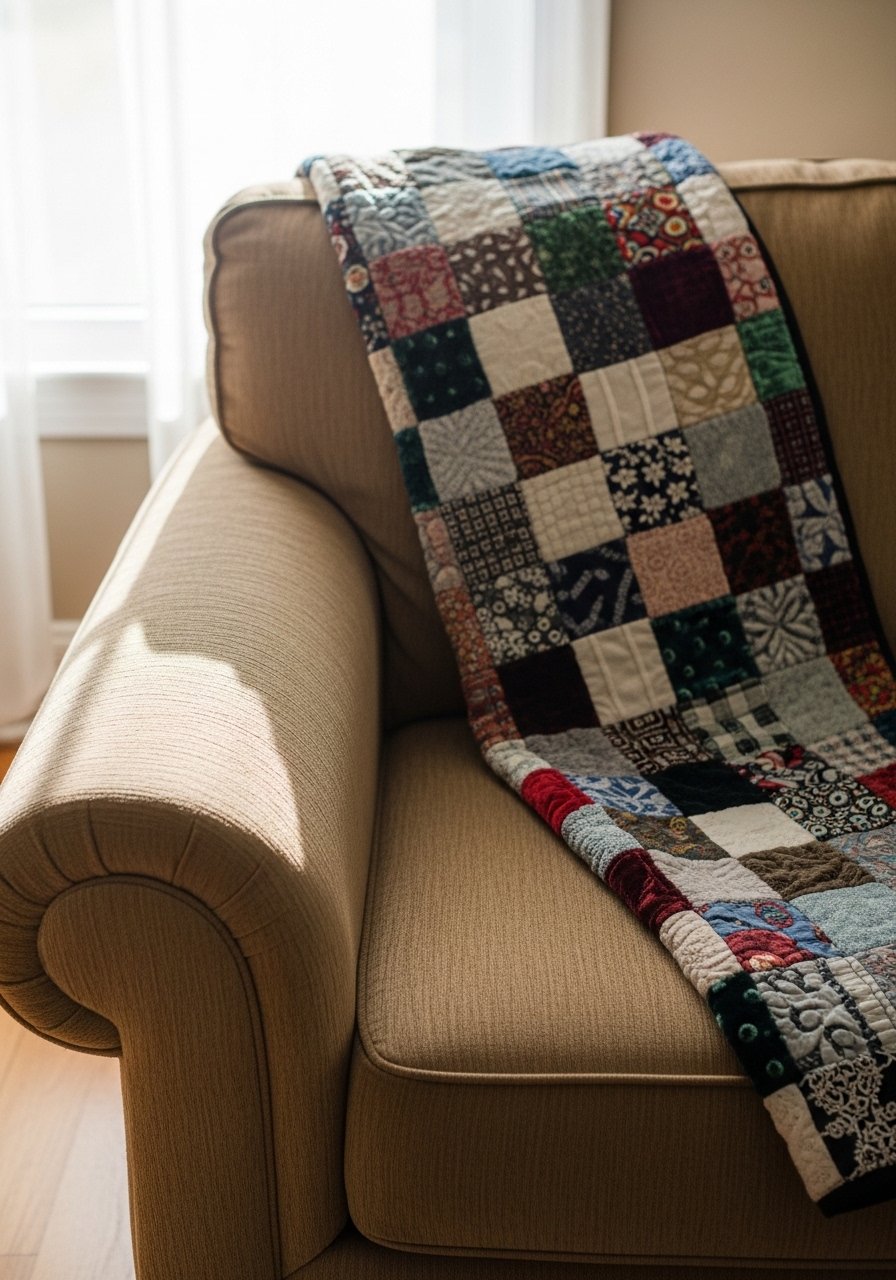
Make a throw from leftover fabrics and suddenly your coffee table feels curated. Cut squares 6-8 inches and sew them into strips, then join strips. Back with a soft flannel and bind with a contrasting fabric. The throw size I like is 48×60 inches. A common mistake is uneven square sizes. Use a rotary cutter and quilting ruler for accuracy. This is great for refreshing a couch or draping over an accent chair. Grab a rotary cutter and ruler set if you do this more than once.
Cloth Storage Bins for Open Shelving That Looks Tidy
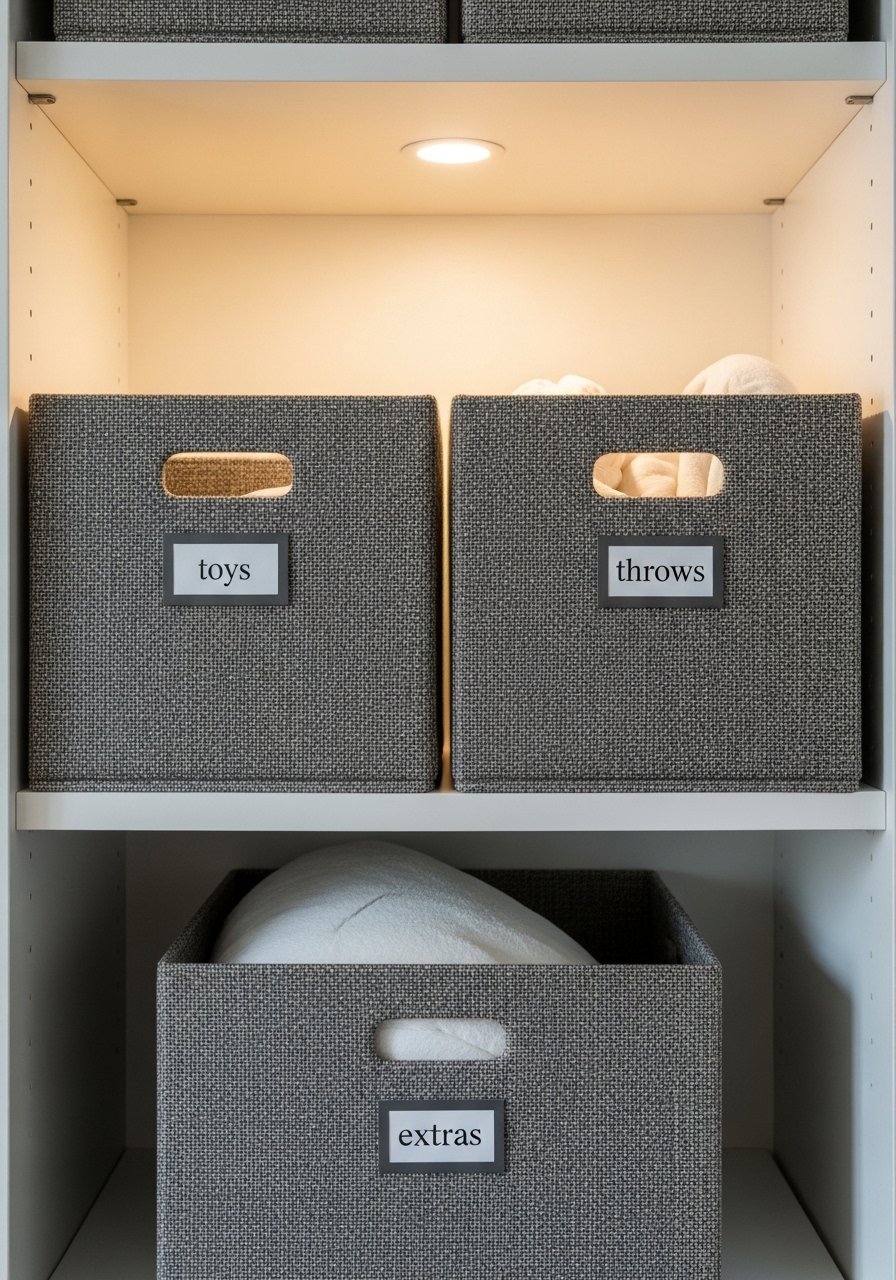
Open shelves get messy fast. Sew collapsible fabric bins with interfacing and a firm base so they keep shape. I make mine 12x12x10 inches for standard cubes. Use canvas for durability and add a leather tab for pulling. Mistake, skipping interfacing so the bin flops and makes the shelf look worse. These are great in playrooms, entryways, and linen closets. For supplies try canvas fabric by the yard and sew-in interfacing.
Fabric Lampshade Cover for Softer Light
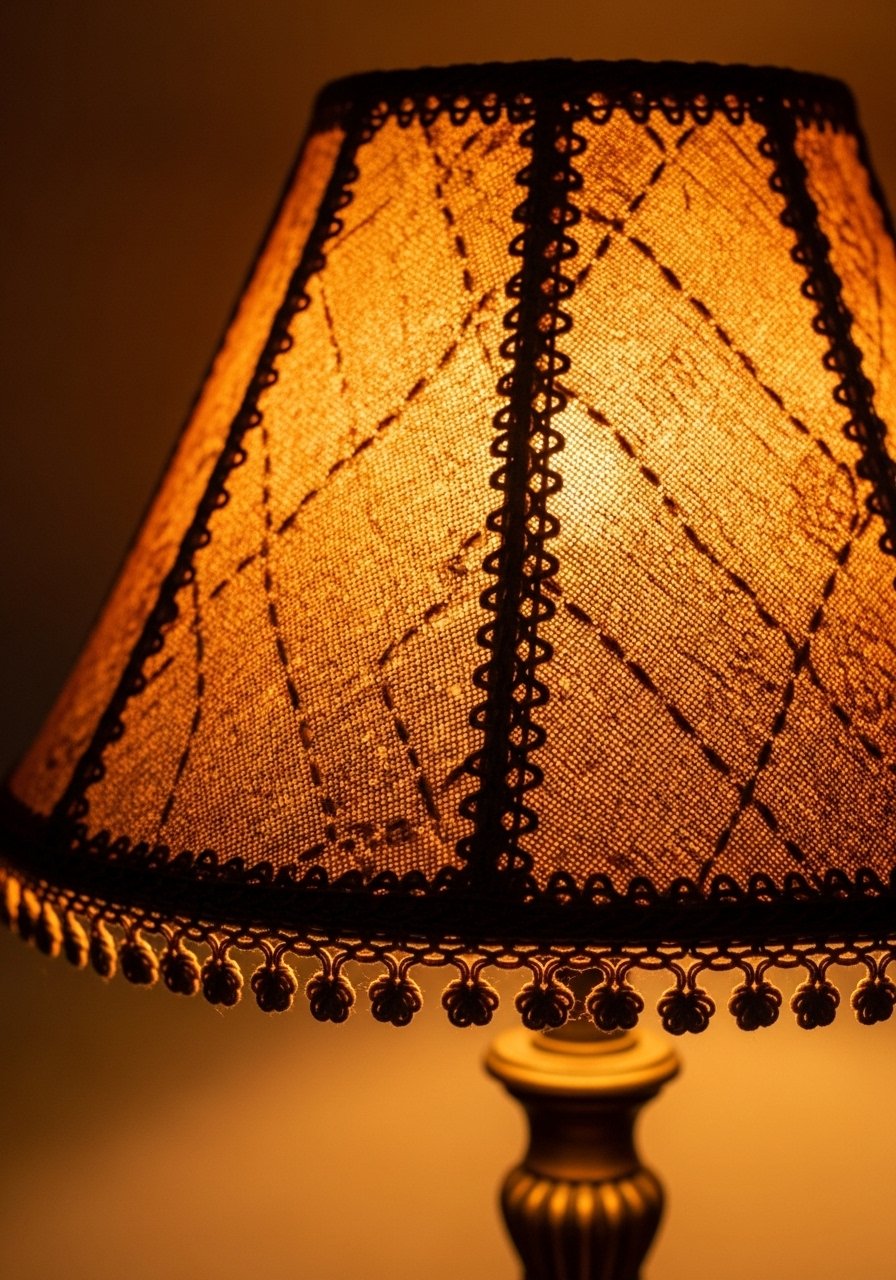
A fabric-covered lampshade instantly softens light and ties into pillows or curtains. Measure the top and bottom circumference then cut fabric with 1 inch extra for seams. Use a heat-bond tape for a crisp edge or hand-stitch for visible trim. People often pick heavy prints that block light. Choose a lighter weave so the tone comes through. Try lampshade adhesive tape and lightweight cotton prints.
Designer Draft Stopper in High-Contrast Fabric
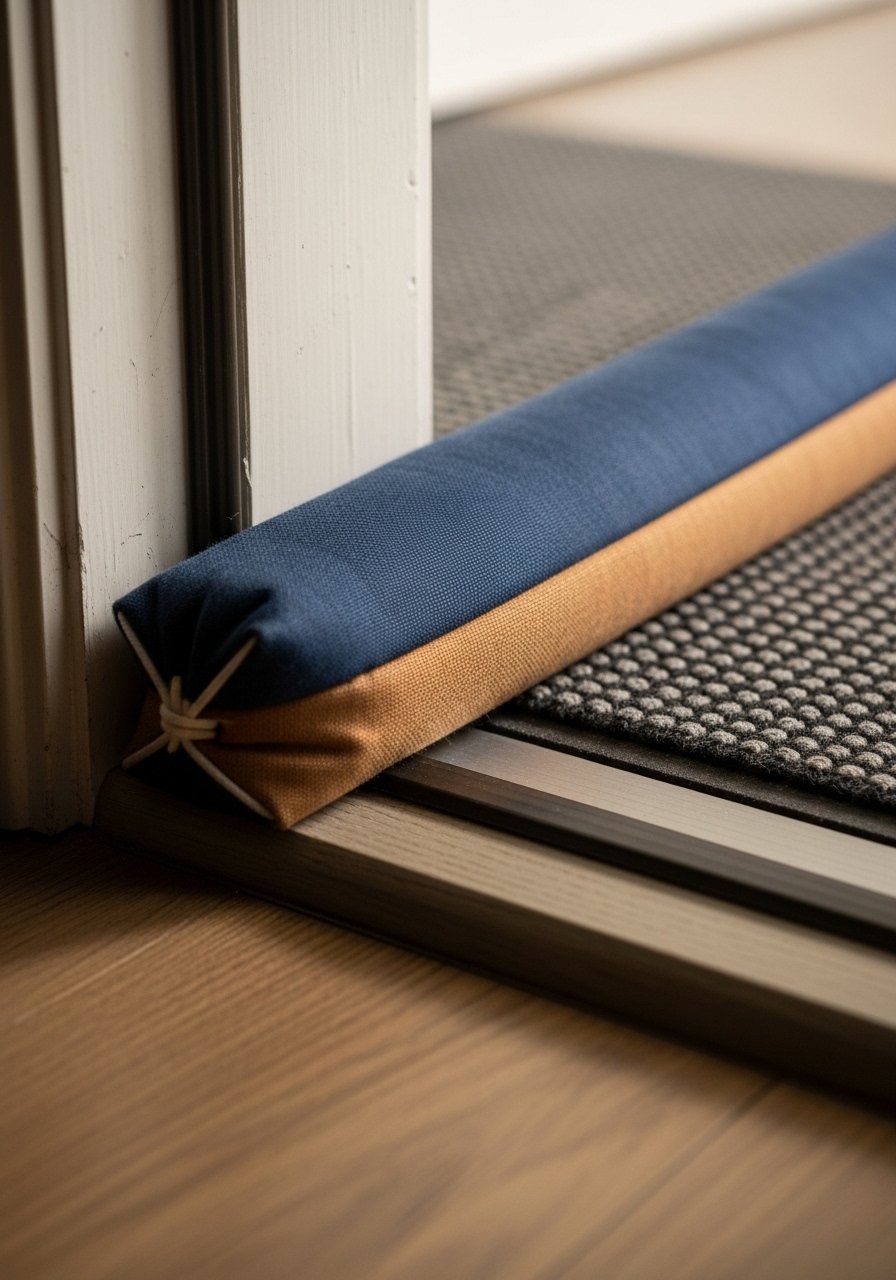
Draft stoppers are easy to sew and inexpensive to fill. I use a 36-inch length with a 4×4-inch tubular shape and fill with rice or poly pellets. Finish ends with metal zipper or sewn caps. The simple trick is to make the fabric pattern run vertically so the stopper reads tailored, not like a kitchen project. Mistake, people use too-light filling so it moves. Use denser pellets for weight. Try poly pellets for stuffing.
Reupholster Dining Chair Seat for Instant Dining Room Upgrade
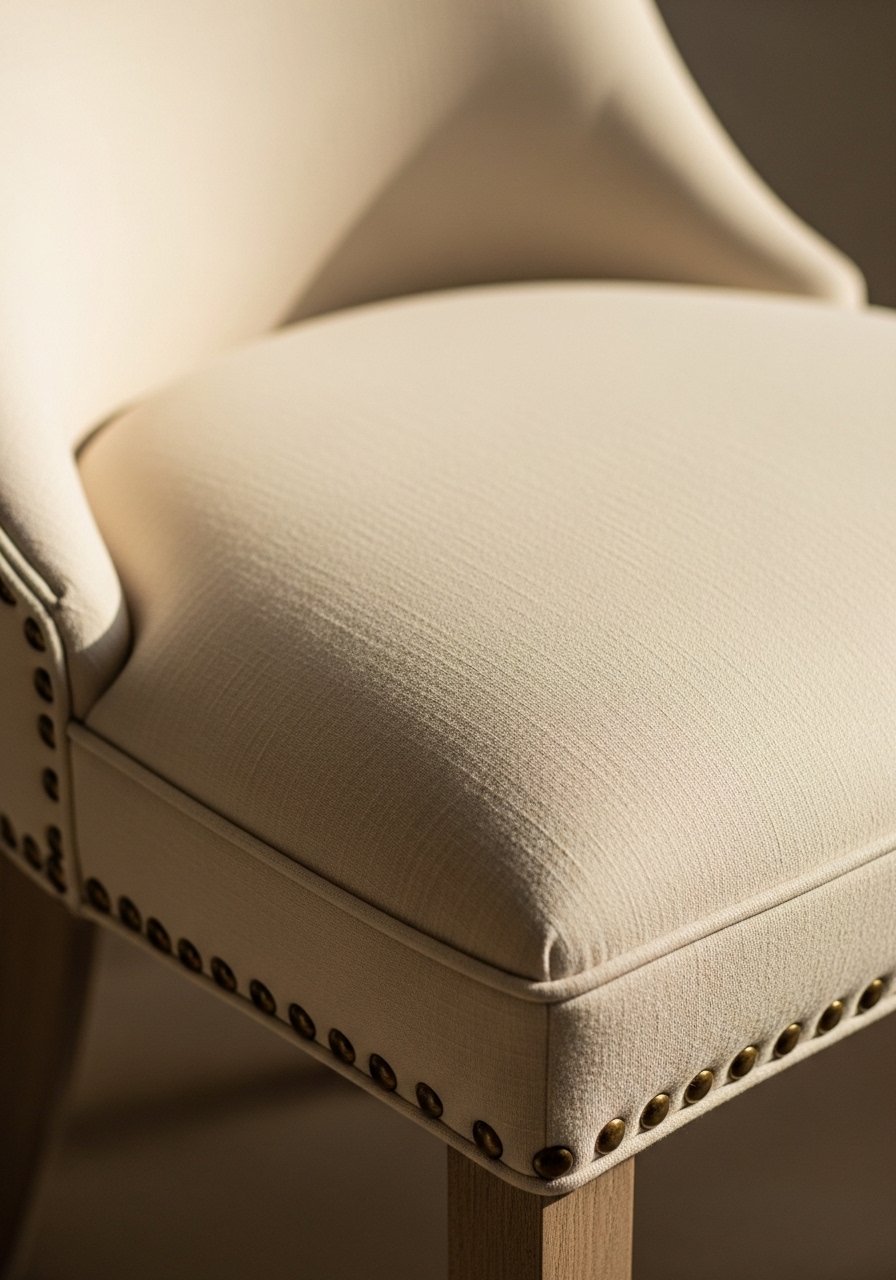
Reupholstering a seat is one of the fastest ways to update a dining set without paying for new chairs. Remove the seat, use 1/2-inch high-density foam, add batting, and staple on treated fabric. Trim with welt cord for a finished look. A measurement detail, cut fabric with 3-4 inches of overhang to staple cleanly. The most common mistake is not replacing the foam which leaves an old low seat. I pick stain-resistant blends for dining chairs. Use high-density foam cushions and upholstery fabric.
Sewn Rope Basket with Canvas Base for Laundry or Logs
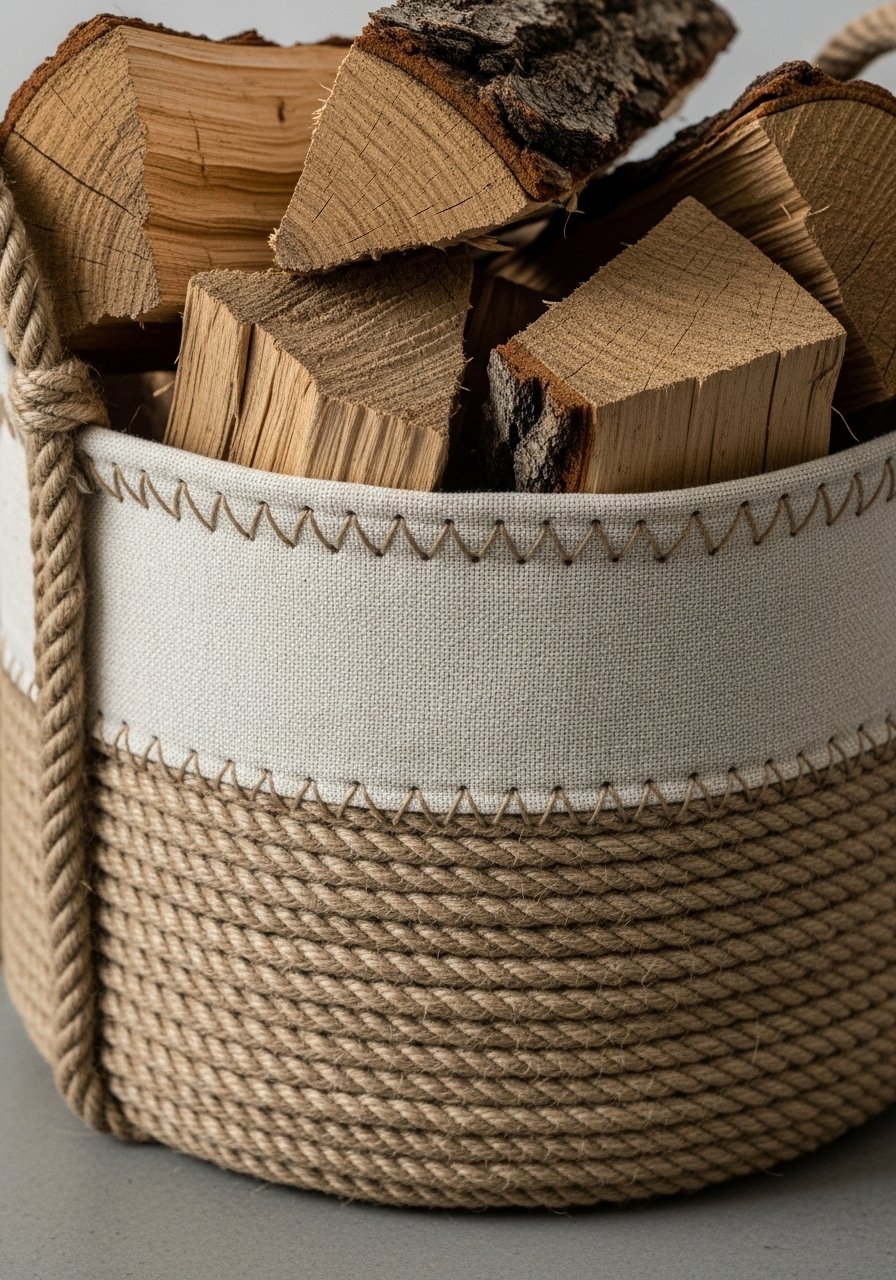
I made a rope basket by spiraling cotton rope and stitching it to itself with a heavy needle. Add a canvas base for structure and handles for carrying. Make it 16 inches across for logs or 12 inches for small laundry. The specific stitch I use is a tight zigzag to keep the coils together. Mistake, leaving gaps that make small items fall through. A canvas base fixes that. For materials look at cotton rope by the spool and heavy-duty sewing needles.
Pet Bed with Removable Cover for Easy Washing
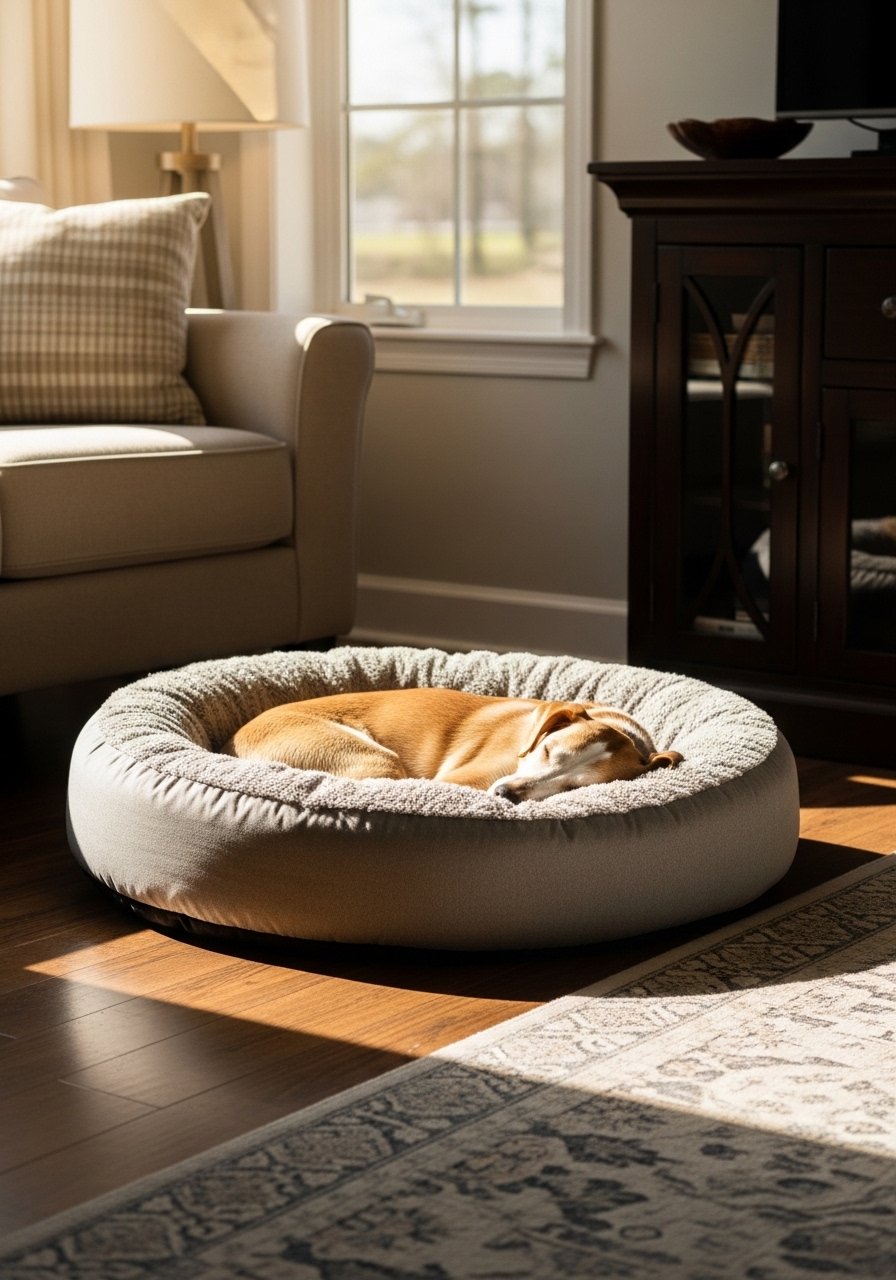
Pets make everything lived-in but washable bedding keeps it neat. Sew a round or rectangular pet bed with a zippered removable cover and a washable insert. I pattern my round bed at 24 inches for medium dogs. Use outdoor fabric on the bottom for spills and a soft top fabric that your pet likes. People forget to add a zipper and then the whole bed becomes unwashable. A hidden zipper along the seam solves that. For supplies try outdoor upholstery fabric by the yard and large heavy-duty zippers.
Your Decor Shopping List
- Textiles
- Velvet fabric by the yard. Use for accent pillow fronts, pick 1/2 yard in a bold color
- Linen curtain panels 96-inch. Great for ceilings around 8-9 feet
- Quilter’s cotton fat quarters set. Perfect for patchwork throws and runners
- Hardware and Notions
- 22-inch down-alternative pillow inserts. For that plump look
- Piping cord for pillows. For neat edges on bolsters
- Heavy-duty sewing needles and upholstery needles. For hand-finishing and tough stitches
- Tools
- Rotary cutter and ruler set. Makes patchwork accurate
- Sew-in fusible interfacing. Use in bins and wall panels so they hold shape
- Heavy-duty zippers. For pet beds and slipcovers
Many of these items are similar at Target or HomeGoods if you prefer to shop in person, but the exact yardage and sizes are easier online.
Shopping Tips
Grab linen curtain panels 96-inch for $30 to $50. Curtains are the easiest visible upgrade and most people underestimate the effect of length.
Velvet fabric by the yard makes pillows read expensive. Buy a half yard to try it before committing to a whole sofa’s worth.
If you plan on quilting more than twice, invest in a rotary cutter and ruler set. Accuracy saves time and fabric.
One tall plant beats five small ones. Pair a sewn fabric planter cover with an artificial fiddle leaf if you cannot keep real plants alive.
Use sew-in fusible interfacing in storage bins. It keeps the shape and makes shelves look intentional.
Frequently Asked Questions
Q: How long do these projects take for a beginner?
A: It depends, but most pillow covers and draft stoppers can be done in an hour or two. A slipcover or upholstered seat might take a weekend. Start with a pillow to build confidence.
Q: Can I wash these sewn items without shrinking them?
A: Prewash fabric first. Most cottons and linens will shrink a bit. Prewashing prevents surprise shrinkage after you sew and keeps seams flat.
Q: What size insert should I buy for a plump pillow look?
A: Buy an insert 1 to 2 inches larger than the cover. For a 20-inch cover, use a 22-inch insert. It gives a full, rounded look instead of floppy corners.
Q: Will fabric wall panels actually reduce echo?
A: Yes. A few panels made with batting soften sound noticeably in an open room. Place them near the seating area for the biggest effect.
Q: Can I mix prints on pillows without it looking chaotic?
A: Yes. Stick to two tones that share a neutral, and vary scale. One large-scale print, one medium, and one solid is a reliable ratio.
Q: Are these projects renter-friendly?
A: Absolutely. Most are removable and leave no permanent changes. Curtains and slipcovers are especially renter-friendly because they use existing rods and furniture.
Q: What common mistakes should I avoid on my first sewing project?
A: Don’t skip pre-washing, do not cut fabric without a ruler, and always add seam allowance measurements. Those three save time and frustration.