
I had a sofa shoved against the wall, a bright overhead bulb, and a pile of mismatched cushions that convinced me the room was done. It looked tidy, but every time I sat there I felt restless. I tried adding more stuff, then swapped everything for minimalist pieces, then bought the wrong rug twice.
What finally worked was slowing down. I stopped thinking every empty corner needed filling. I learned to edit, to pick one focal spot, and to accept that the second arrangement might be the one that actually feels calm. It took three tries before I stopped overcompensating with clutter.
Step 1: Clear, decide, and define one relaxation zone
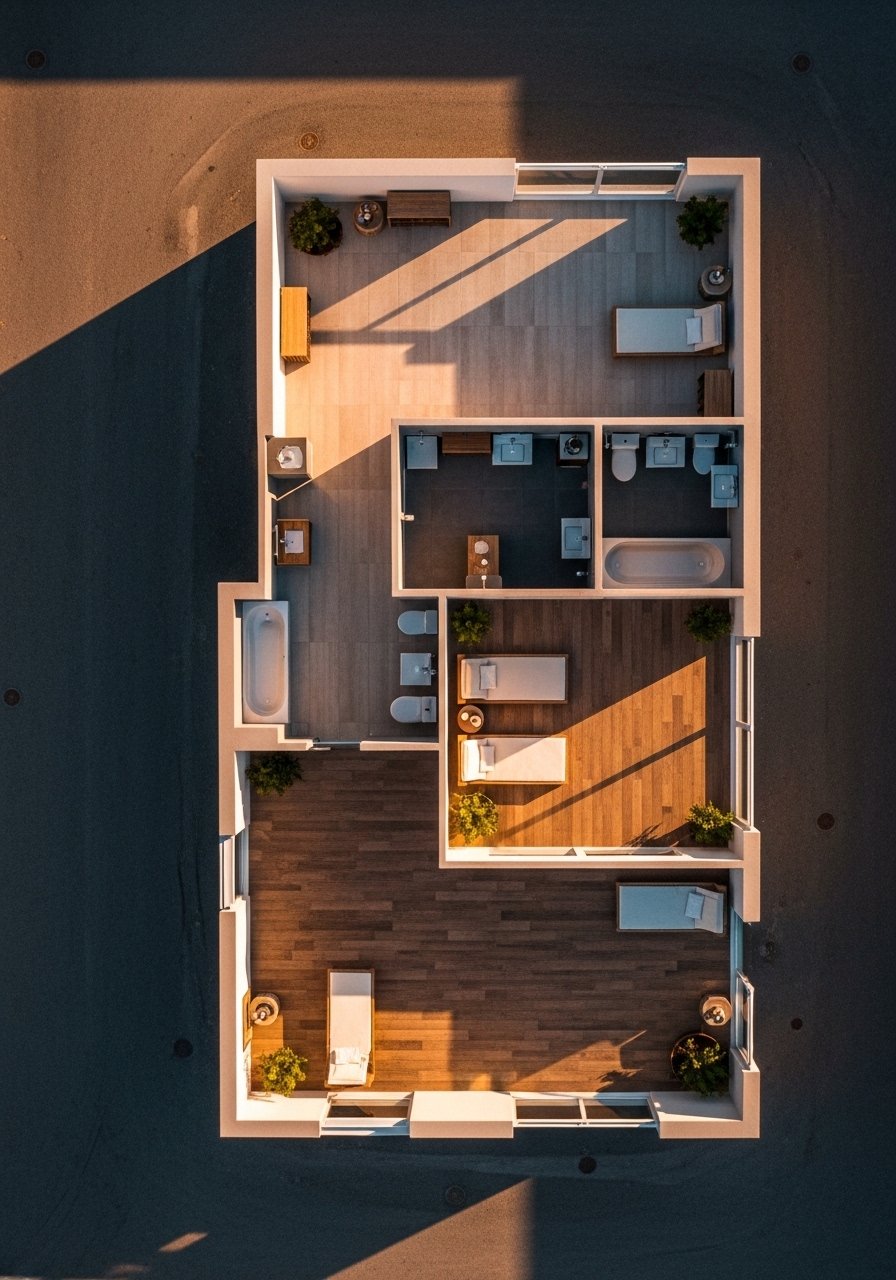
Pull everything out of the space you want to relax in. Yes, move the side table, the plant, the basket. You are making a blank slate so you can see balance. Choose a single zone for relaxing, not the whole room. That could be the sofa, a comfy chair, or a low window bench.
Decide how you want to feel in that zone. I wanted soft, sleepy, and grounded. I almost skipped this step because it felt like wasted time, but deciding first saved me from tug-of-war styling. Visually you will notice space where things used to fight for attention. Emotionally you will feel less rushed when you sit down.
Step 2: Anchor with a rug and furniture placement
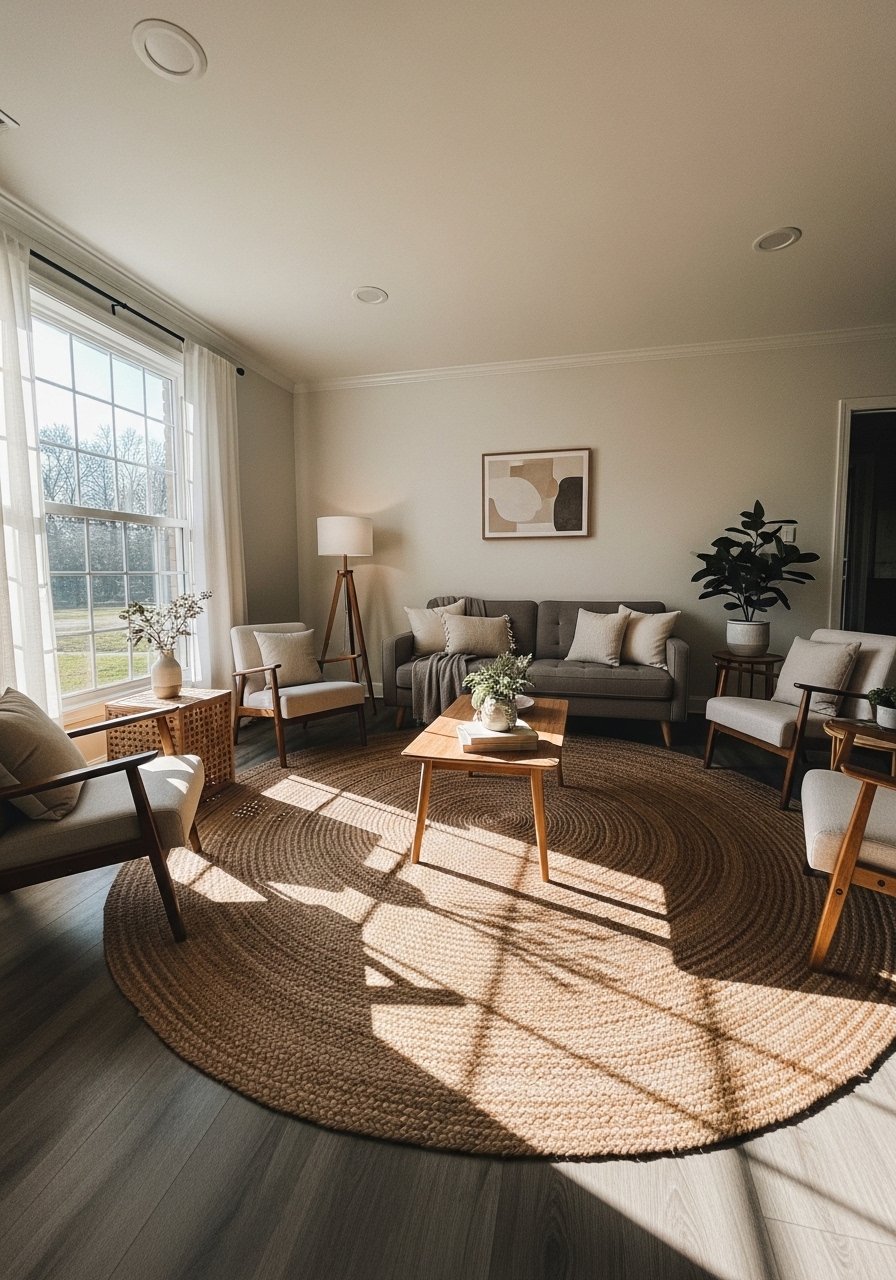
A rug grounds the area and keeps your eye from wandering. Aim for the rug to fit under the front legs of all main seating, or cover roughly 60 percent of the room if the furniture floats. For a small living room an 8×10 rug often works. Place the coffee table so it is about two-thirds the length of the sofa for comfortable reach.
My mistake was buying a rug that was too small. It made everything look suspended. Once I swapped to the right size, the room felt intentional and calmer. The jute texture adds a cool, slightly rough underfoot feel, which balances soft linen and knit textures.
Step 3: Layer light so it reads as evening or morning
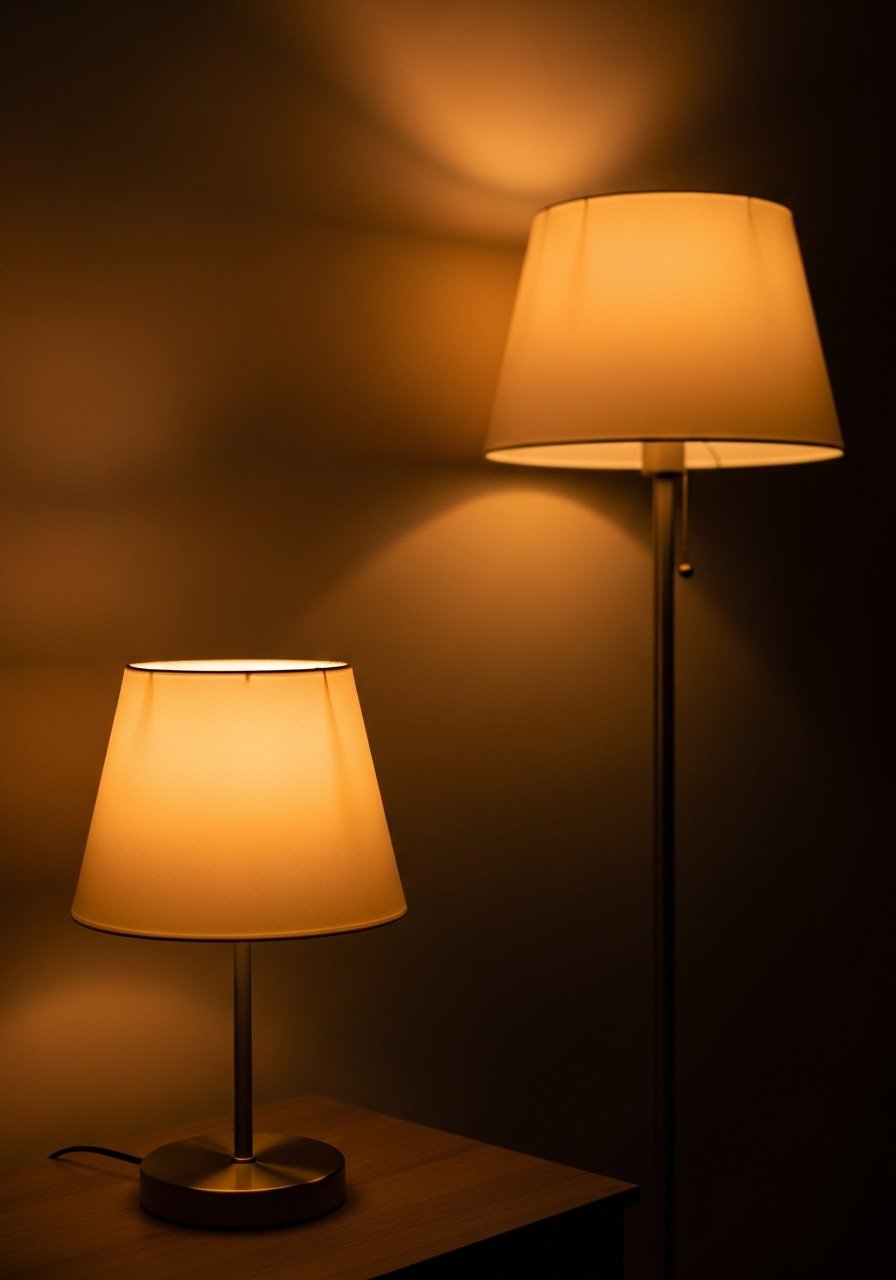
Turn off the overhead light. Use at least two light sources in your relaxing zone. A floor lamp behind the armchair and a table lamp on the side table creates pools of warm light. Keep lamp heights practical so the bulb is near eye level when seated. A floor lamp around 58 to 62 inches tall is a good place to start.
Lighting changed everything for me. The room went from flat and harsh to soft and inviting. The tactile difference mattered too. A linen shade diffuses light and feels slightly textured when you lift it. Candles add a warm, waxy scent that tells your brain it is time to slow down.
Step 4: Edit surfaces and let negative space breathe
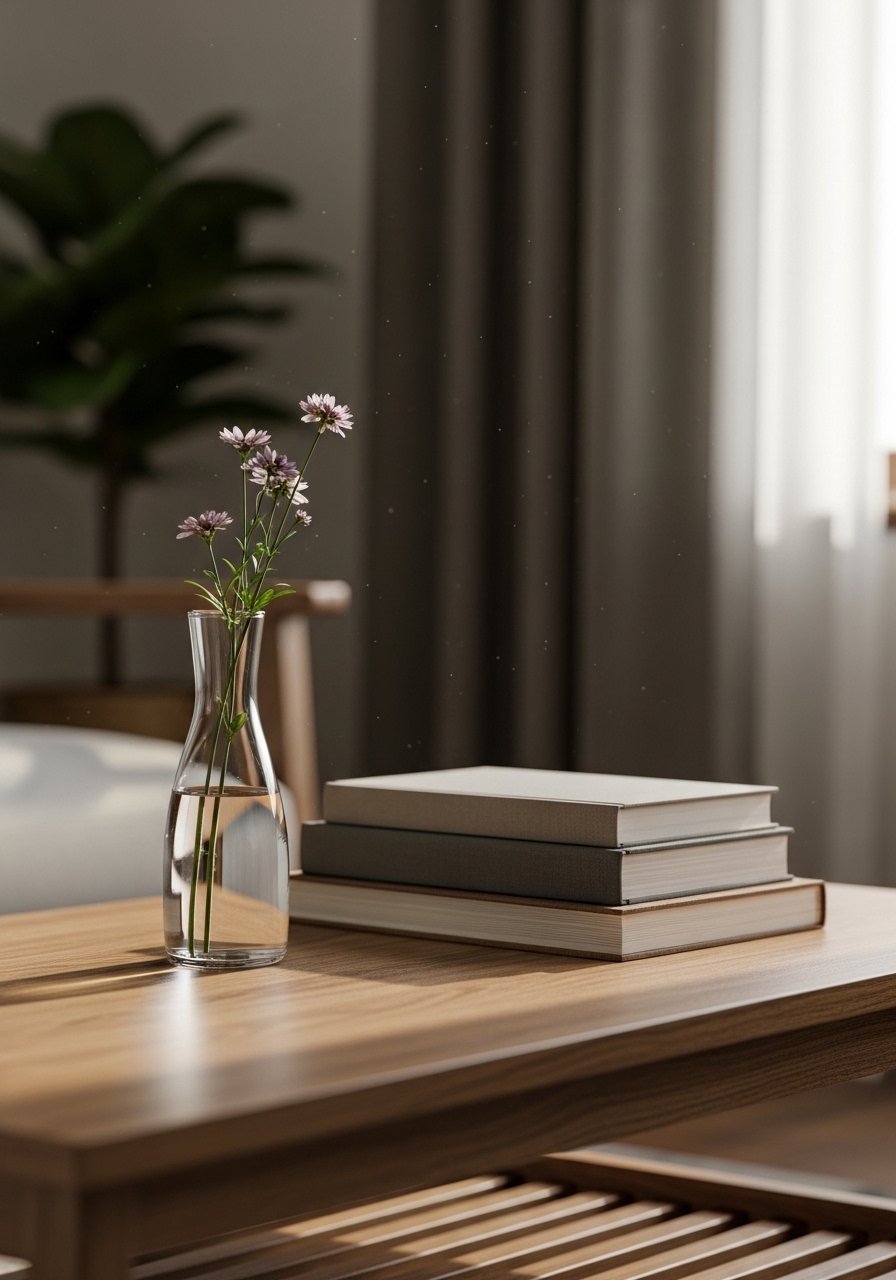
Most people start by filling every surface. That used to be my habit. Instead, pick three objects for a surface, and stop. A ceramic vase, one stack of two books, and a small candle is enough. The empty space around them is what makes the arrangement feel calm.
Textures matter here. A matte ceramic vase feels substantial in your hands. A chunky knit throw on the arm feels heavy and inviting, while linen pillows are cool and smooth. I over styled shelves for months. Editing them down made the room finally breathe.
Step 5: Add a ritual element and soft finishes
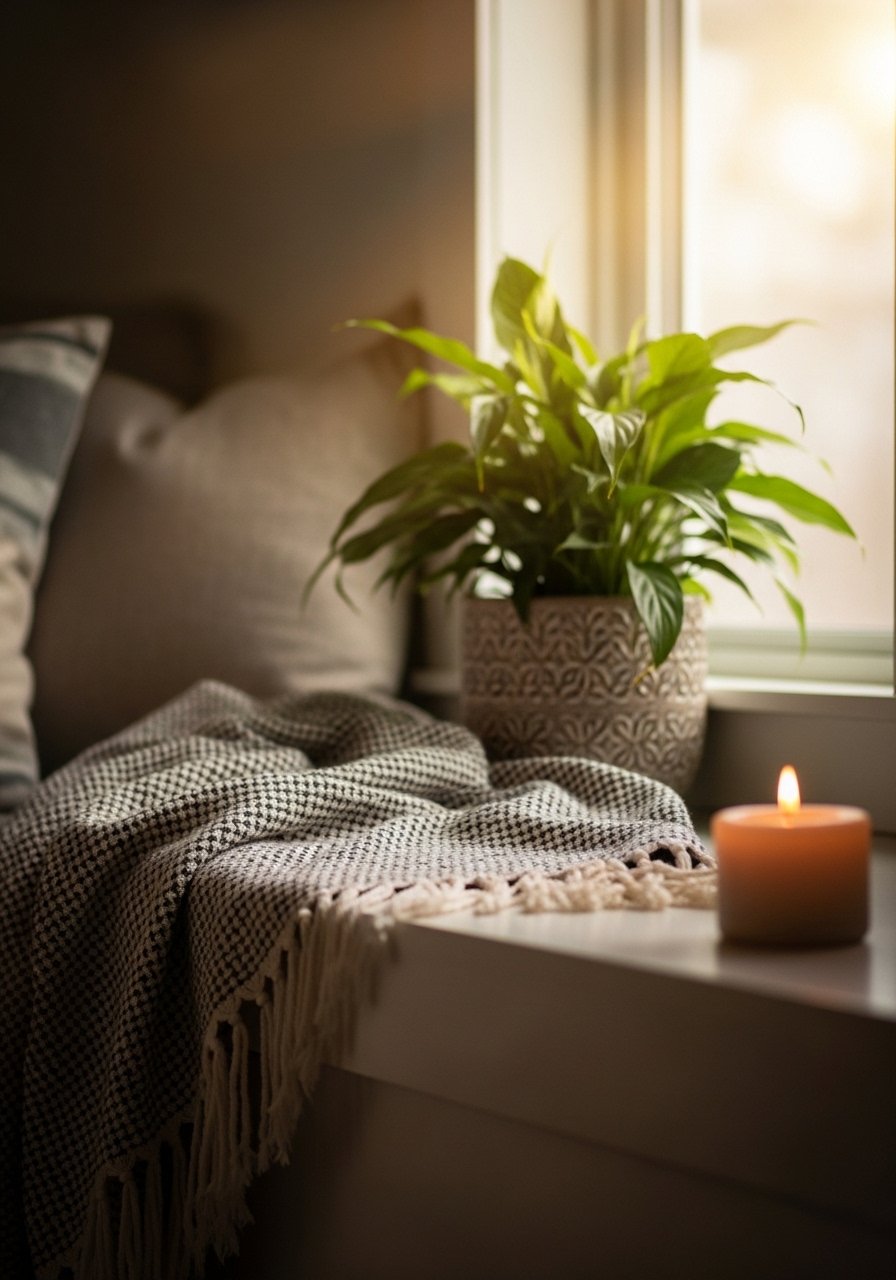
Create one small ritual spot, something you do when you want to relax. It could be a tray with a candle and a mug on the side table, or a basket with a throw and slippers by the chair. Choose soft finishes that are pleasant to touch. A 50×60 chunky knit throw is heavy and cocooning. Linen pillow covers are cool to the skin.
I was unsure about adding plants at first, then found a tall snake plant steadied the corner without fuss. The ritual makes the room usable, not just pretty. After adding this, I actually used the space more often.
What to Grab for a Relaxing Room Setup

- Jute area rug, 8×10 ($90-160). Use in Step 2 to ground seating and add texture. Similar at Target.
- Floor lamp, 60-inch arched brass finish ($60-120). For Step 3, gives soft overhead glow without a harsh ceiling light.
- Table lamp with linen shade, 22-inch ($30-55). Use in Step 3 for reading light.
- Chunky knit throw in oatmeal, 50×60 ($40-65). Mentioned in Steps 4 and 5, great for the ritual spot.
- Linen pillow covers, 20×20, set of two ($25-40). Use in Step 4 for cool, soft texture.
- Ceramic vase set, matte white ($25-40). For Step 4 to add height and touchable weight.
- Soy candle set with neutral scents ($18-35). Step 3 and Step 5 for scent and mood.
- Snake plant in ceramic pot, medium ($30-60). Step 5, low maintenance and great for a rental.
Why your room still feels busy after styling
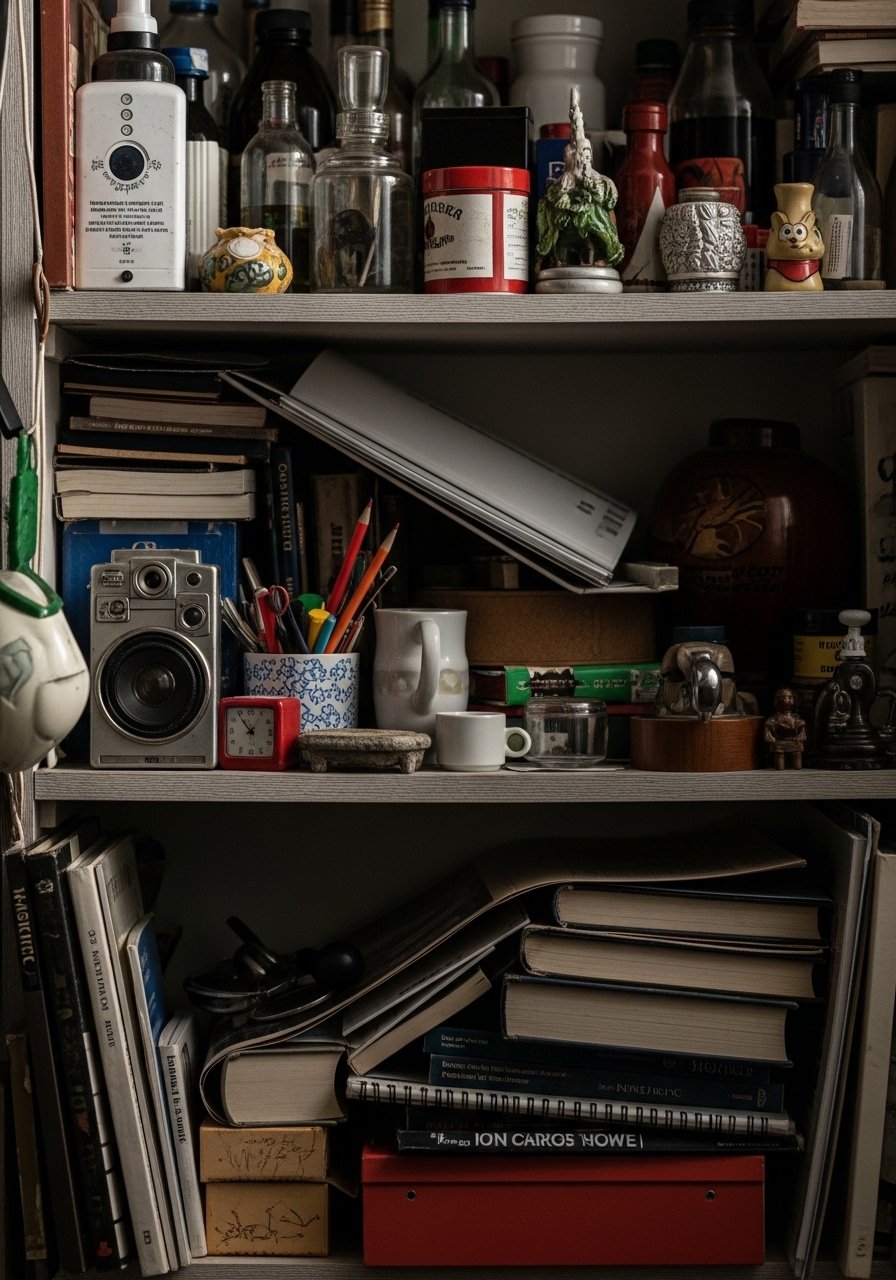
Most rooms feel busy because we confuse fullness with comfort. I used to think more cushions and more frames meant cozier. Instead, conflicting scales create visual noise. Try keeping one surface very simple, one slightly textured, and one patterned. That trio gives variety without clutter.
A common mistake is working only with new items and not editing what you already own. Another is using identical heights on a shelf. Breaking symmetry creates calm when you have a clear anchor piece.
Making this work in a small room
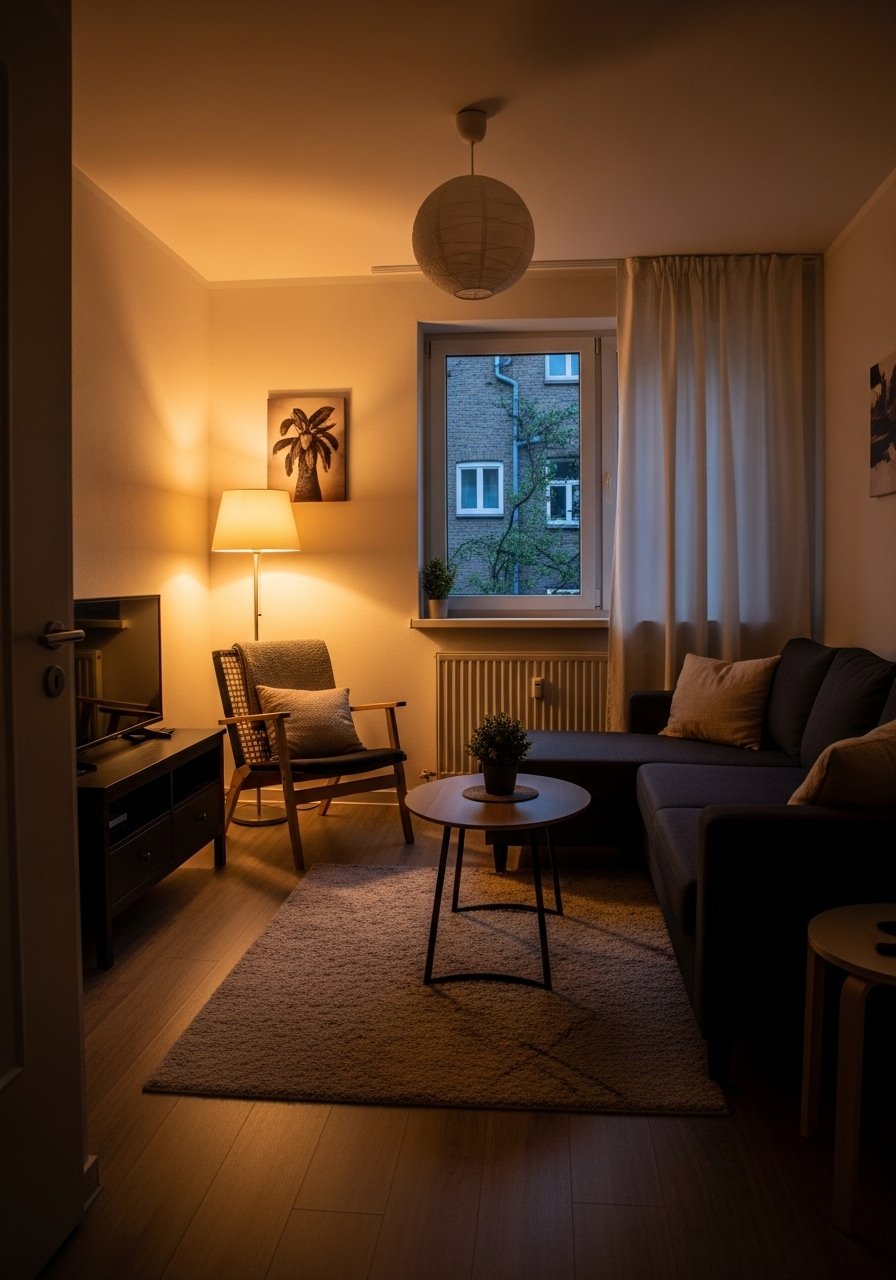
Small rooms need choices that do double duty. Pick a rug that covers front legs of the seating, not just a tiny mat. Use vertical light like a tall lamp instead of multiple small fixtures. Keep color low contrast so walls, rug, and main furniture read as one plane.
- Choose furniture with exposed legs to keep sightlines open.
- Use mirrors across from windows to bounce light.
- Keep textiles light in color, heavier in texture for coziness.
I once bought a tiny side table that made the room feel chopped up. Swapping for a slim, taller table fixed that instantly.
What this looks like after a week with life
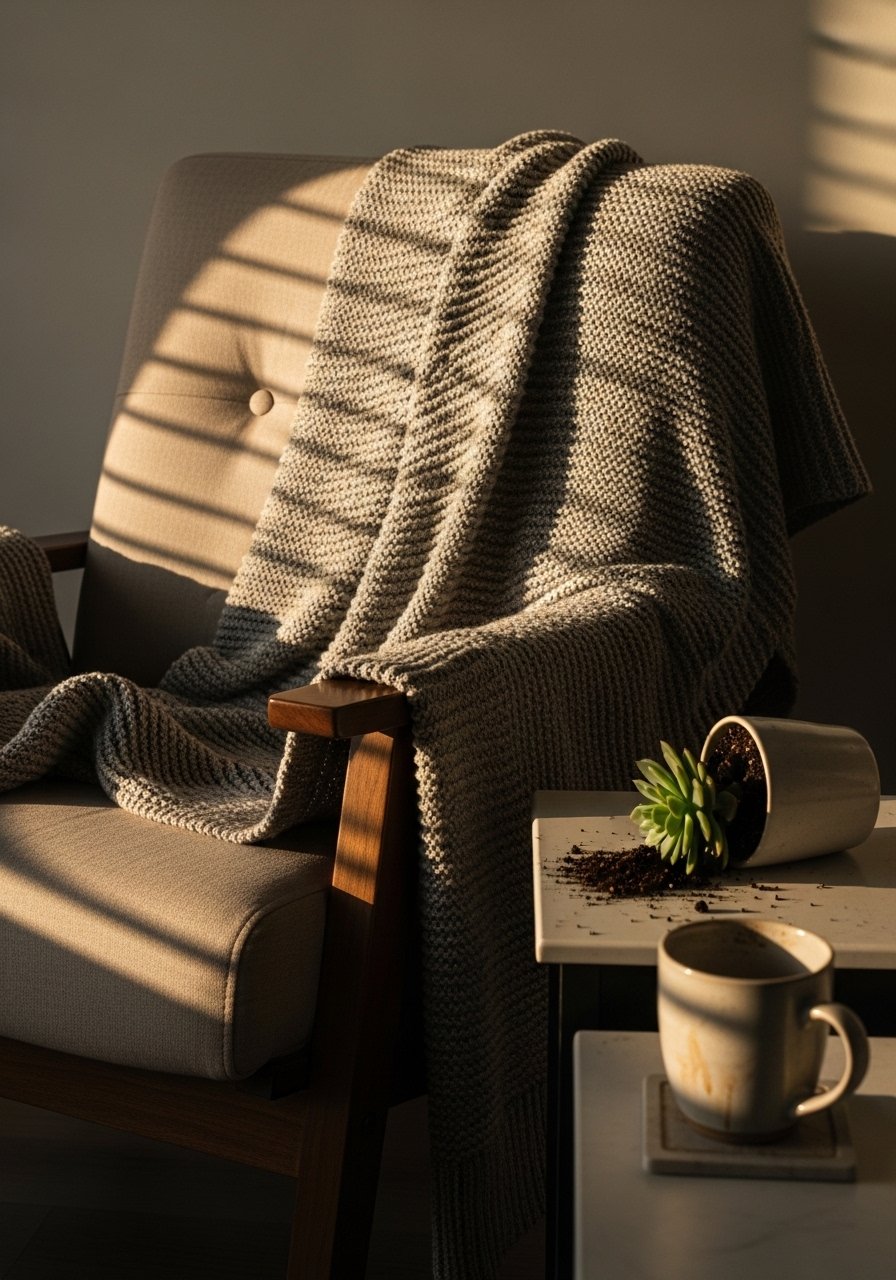
After a week, a relaxing room will not be perfect. The throw will be folded wrong, a book will sit open, a plant leaf might be crooked. That is okay. The goal is that you want to sit there. If you still hesitate to use the space, your edits were too precious.
Tidy quickly each evening. I keep a small basket for stray remotes and a coaster tray for mugs. Little systems reduce friction. The room should be forgiving, not fragile.
Start with One Cozy Corner
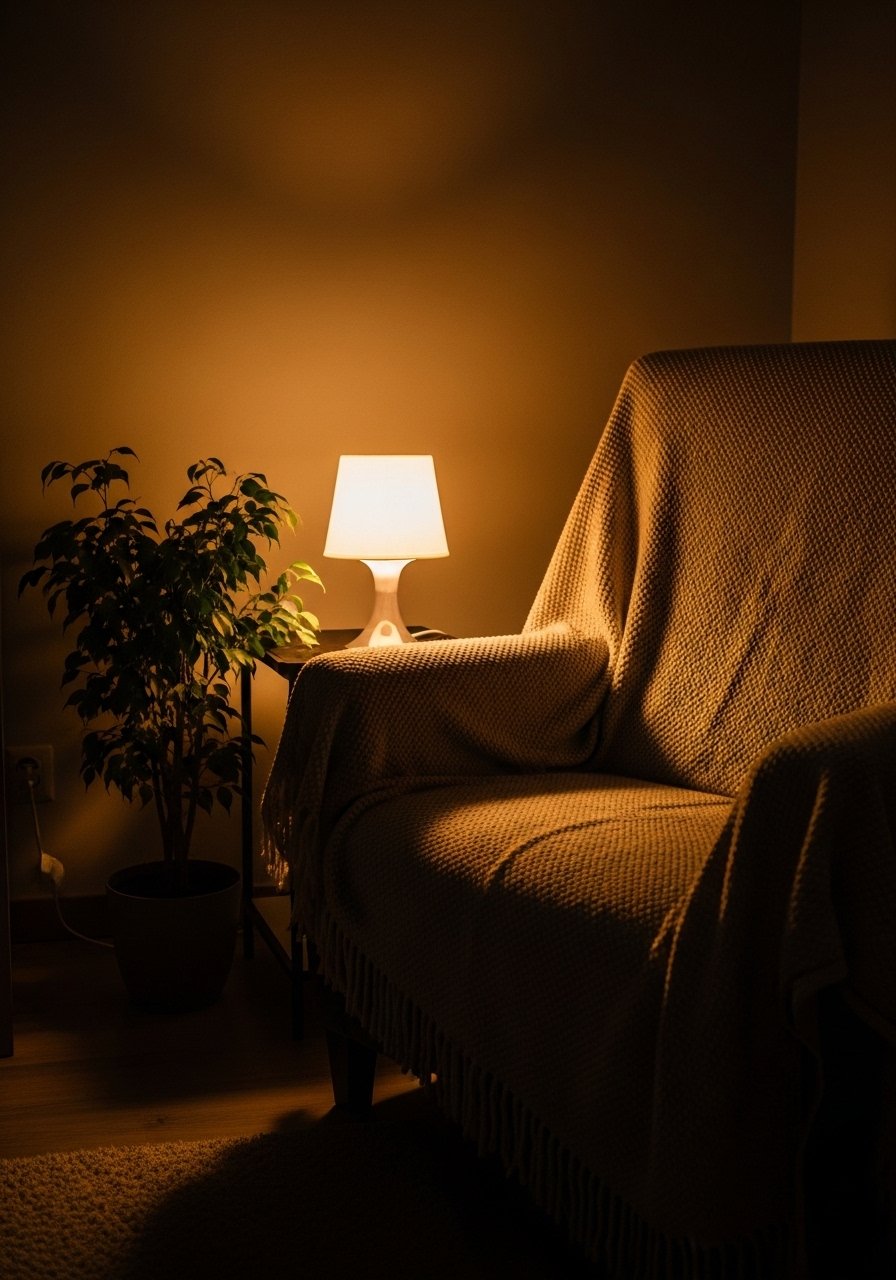
Pick one corner and make it slightly more comfortable than the rest of the room. Add a lamp, place a chunky throw on the chair, and set a small tray with a candle and a book. That single commitment changes how the room gets used and how you feel in it.
If you want a low-commitment start, grab the chunky knit throw from the list and a soy candle. Sit there for ten minutes and notice the difference. After that first sit, the rest is just editing.