
I kept walking into the living room and feeling like something was off. Lamps were in corners, bulbs were too bright, and the sofa looked like it was floating in a cold pool of shadow. I tried adding another table and a plant. It helped a little and then it did not.
I learned the hard way that styling with floor lamps is mostly about placement and feel, not just getting a pretty lamp. My first lamp was too short and too shiny, and it made the whole wall feel lopsided. After a few tries I found a simple rhythm that makes a room read as intentional and lived-in.
Step 1: Choose the right height and place it where the eye expects light
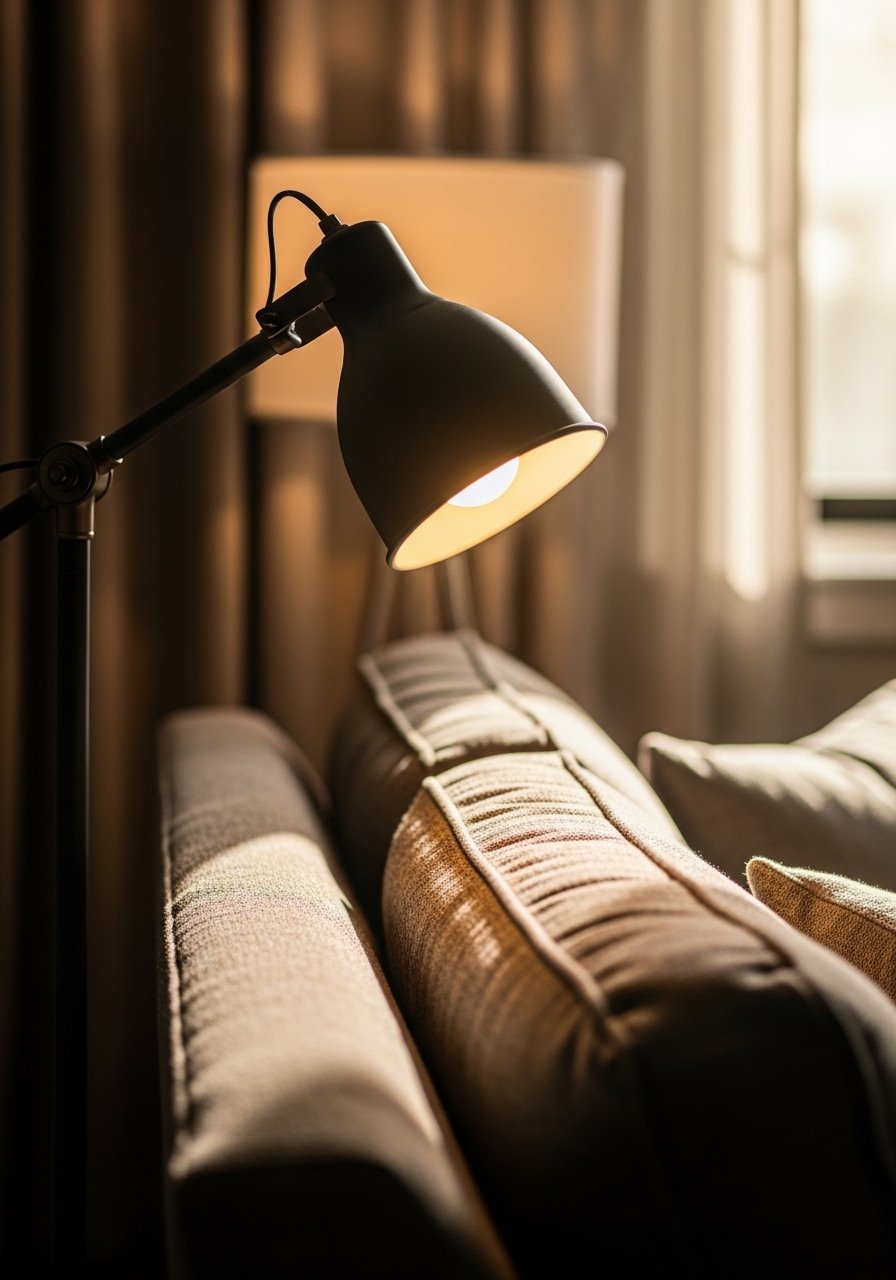
Measure first. Aim for the top of the lampshade to sit 60-66 inches above the floor. If the lamp is next to a sofa, the shade top should be about 12-16 inches above the sofa back so the light clears people seated. Put the lamp 6-12 inches behind or beside the arm of a chair or sofa so it reads as part of the seating area, not an afterthought.
Common mistake: buying a lamp because it looks good online, then discovering it is too short or too tall in your room. I kept one lamp for months before realizing it was shrinking the space.
Step 2: Layer your light with bulbs and control
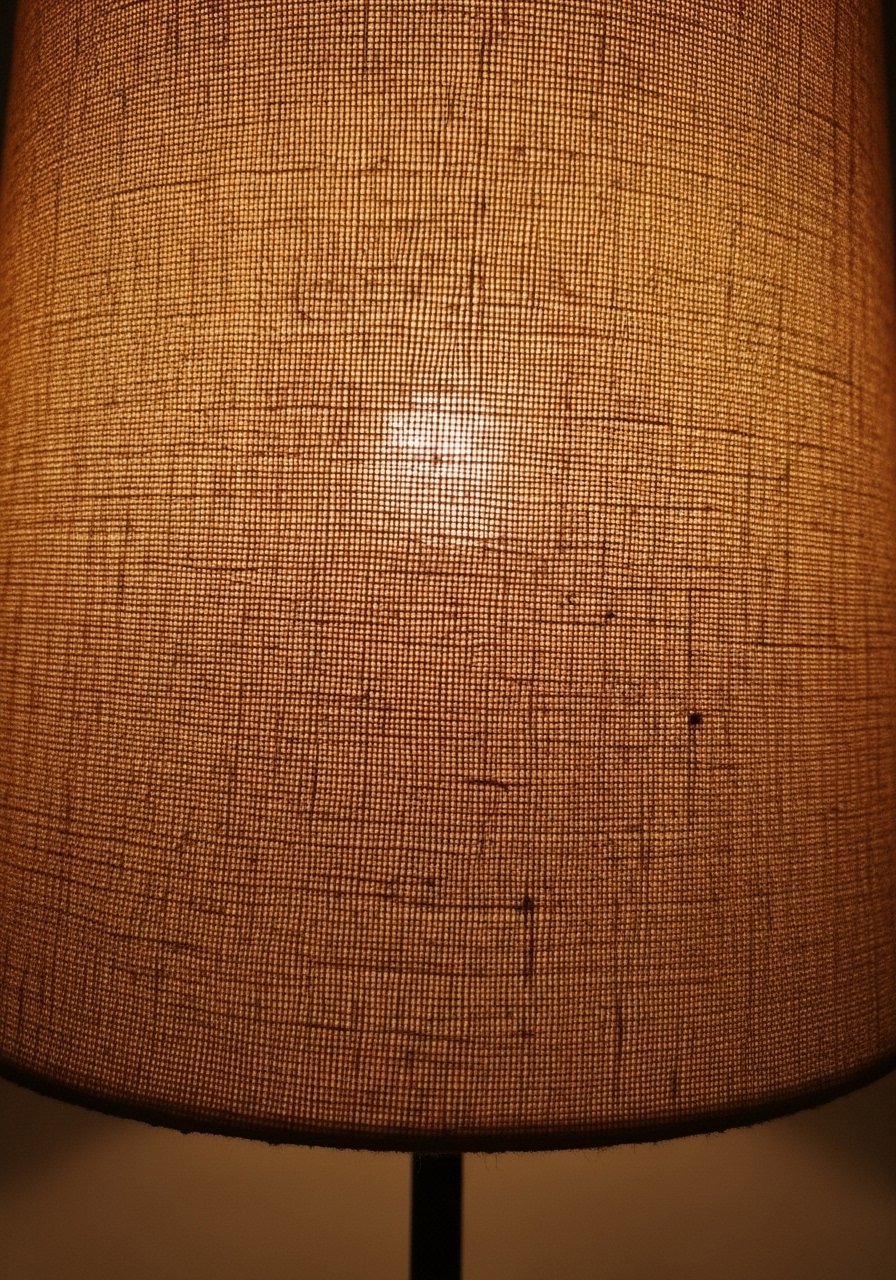
Pick warm bulbs, around 2700K to 3000K, so skin tones and wood feel friendly. Add a dimmer or use dimmable LED bulbs so the lamp pulls double duty. Bright white bulbs wash out textiles and make a cozy room feel flat. I once decorated an entire corner, turned the lamp on, and hated it because the bulb was too cool. Swapped the bulb and everything fell into place.
An easy rule: one overhead plus one or two floor lamps gives a layered, even glow. For reading, add a directional lamp with 400-800 lumens aimed at the task.
Step 3: Anchor lamps to furniture and negative space
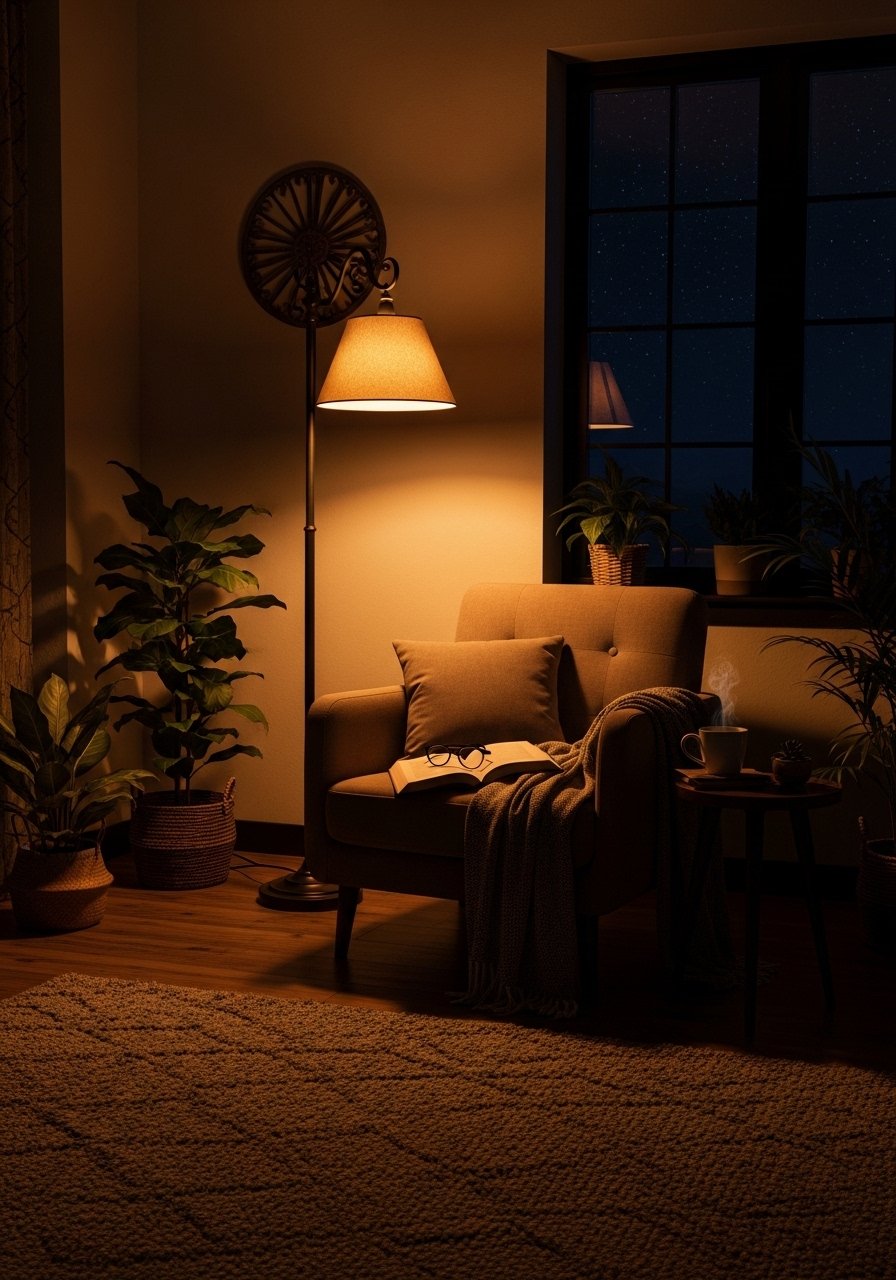
Think of a lamp as a visual anchor. It should fill the vertical gap between furniture and ceiling without crowding the wall. If your wall is tall, choose a lamp that reaches about one third to half of that height above the sofa top to avoid a floating look. Place a lamp next to narrow furniture, like a 12-16 inch wide side table, rather than in the middle of empty wall space.
Insight people miss: a lamp can hold one end of a seating vignette when a coffee table does not. My first arrangement had everything centered; moving a lamp 10 inches to the side balanced the whole grouping.
Step 4: Match lamp style and texture to how the room feels
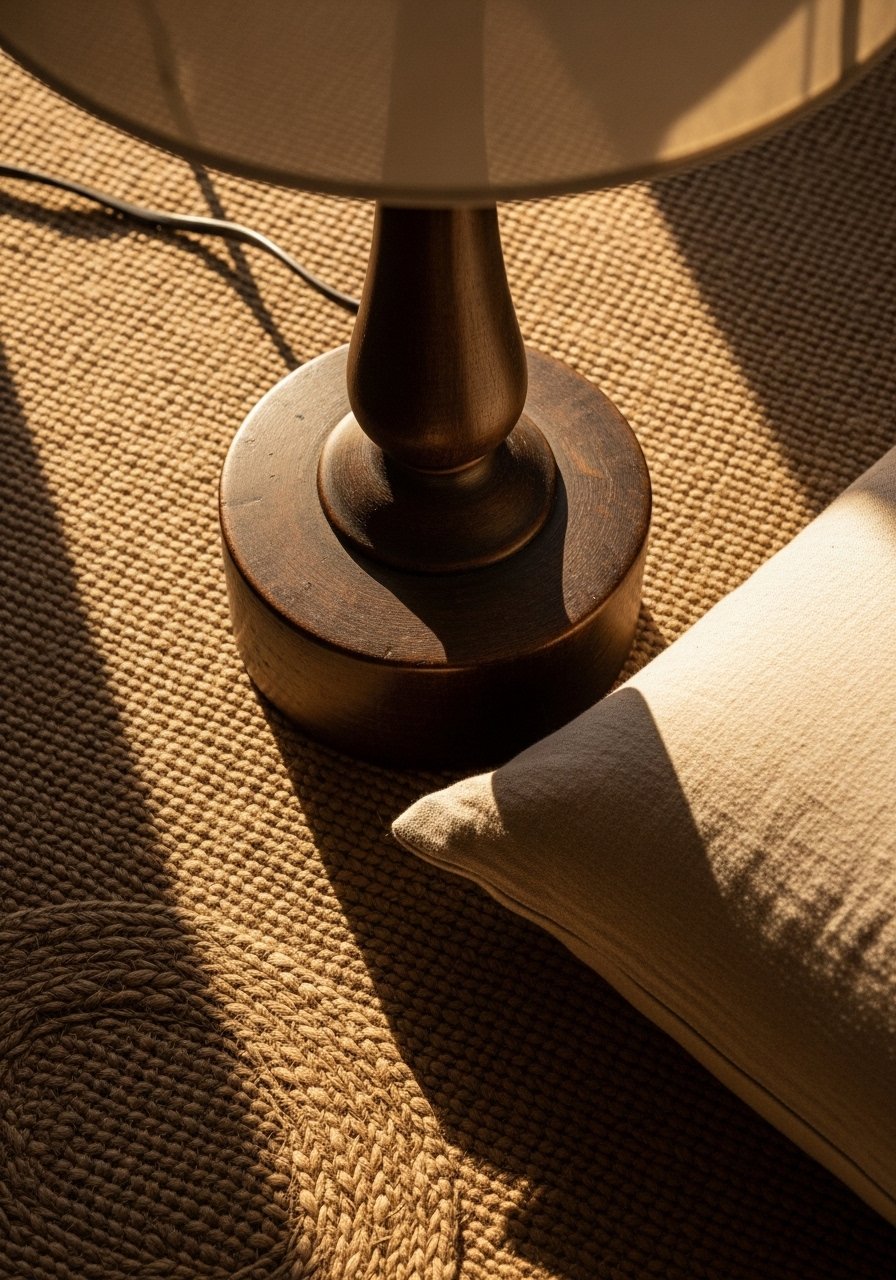
A heavy brass base feels grounded when you touch it, a matte ceramic base reads soft, and a linen shade gives a warm, slightly fuzzy edge to the light. If your room is mostly smooth and cool materials, add a lamp with a nubby shade or wood base to introduce tactile contrast. I bought an all-metal arched lamp thinking it would be sleek. It looked cold against my wool rug until I switched to a linen shade.
Mistake to avoid: buying two identical shiny lamps for a cozy room. Mix finishes and textures for a lived-in look.
Step 5: Use lamps for function and style, then step back and live with it
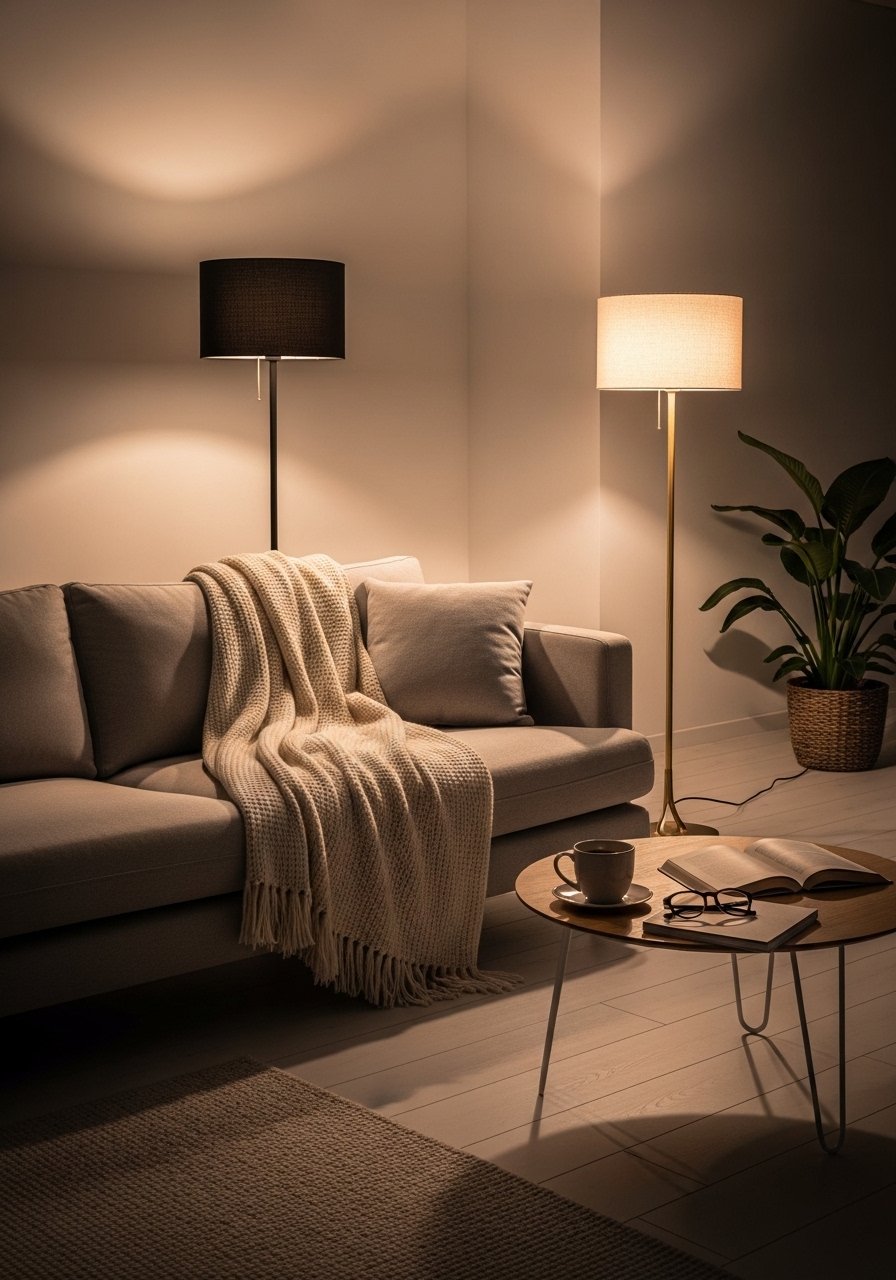
Place lamps with specific purposes: one for ambient light, one for reading, one to highlight art. Keep the bases clear of clutter so the lamp reads cleanly. After styling, live with it for a few days. I often add a pillow or move a lamp 3 inches and then sleep on the change. You will notice tiny adjustments that make the room feel right.
One more practical note, if you have pets or kids, choose a lamp with a low center of gravity and a weighted base. My roommate knocked over a skinny tripod twice before we swapped to a heavier base.
What to Grab to Style Your Room with Floor Lamps
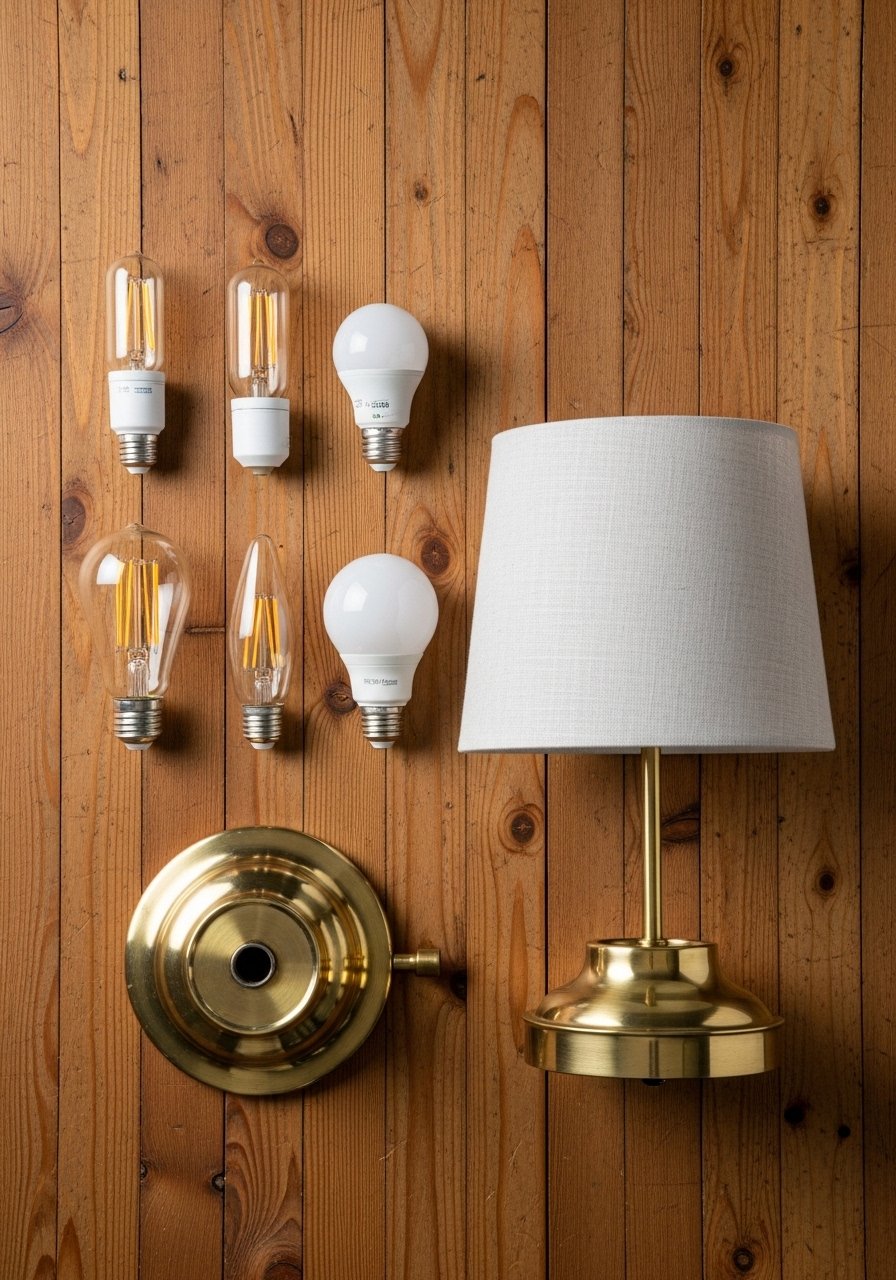
- Arched floor lamp, brass finish, 68-inch ($80-150). Great for over a reading chair. Used in Steps 1 and 5.
- Tripod floor lamp, oak and linen, 58-inch ($60-120). Adds texture as in Step 4.
- Adjustable reading floor lamp, matte black, 50-inch ($40-90). For Step 4 task light.
- Dimmable LED bulbs, warm 2700K, 800-lumen pack of 4 ($18-35). Mentioned in Step 2.
- Linen drum shade replacement, 14-inch diameter, natural ($15-30). Switches the whole mood as in Step 4.
- Weighted lamp base, 10 lb, ceramic white ($30-60). Useful for homes with pets; referenced in Step 5.
- Slim side table, 14×18 inches, walnut-finish ($45-90). For anchoring lamps in Step 3.
- Smart plug dimmer ($20-40). Lets you program scenes mentioned in Step 2.
Making This Work in a Small Room
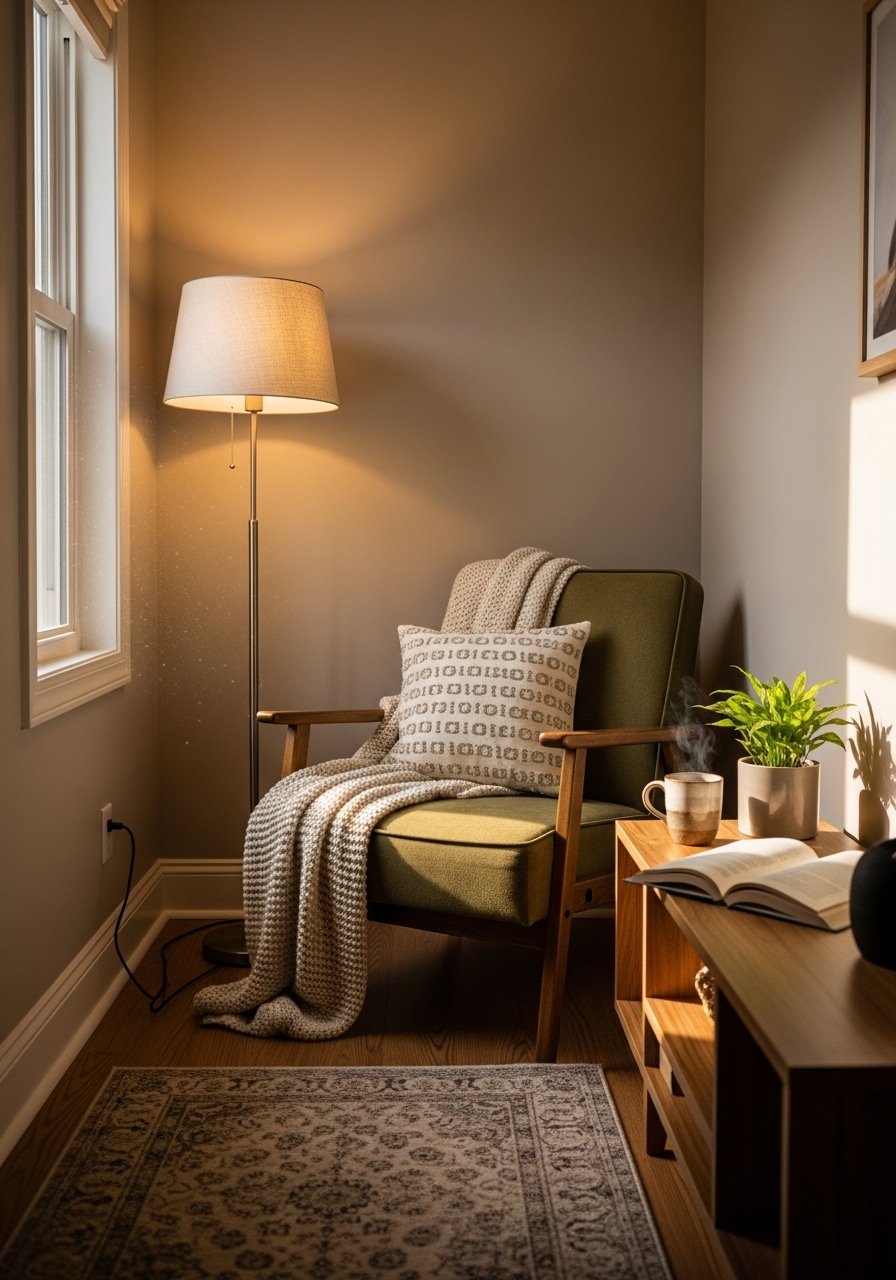
In small rooms a single well-placed lamp is better than two that crowd the space. Put it in the corner behind the seating so it opens the room visually. Choose a slimmer profile lamp, about 50-58 inches, so it does not hit low ceilings. Use warm bulbs to avoid that harsh, clinical light that makes a small room feel even tinier. If storage is tight, pick a lamp with a small built-in shelf or a narrow side table as in the shopping list.
Why Lamps Still Look Wrong After You Buy Them
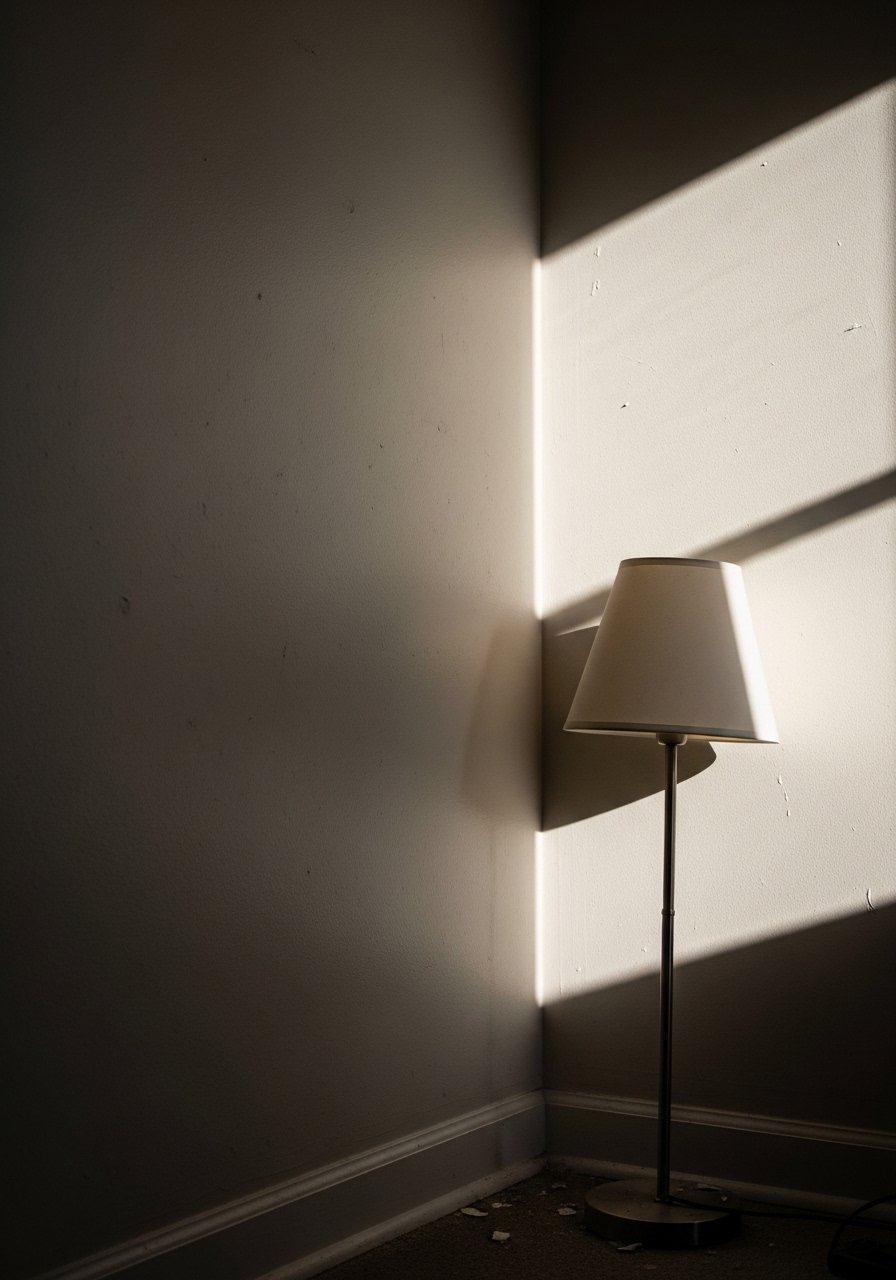
Most mistakes come down to scale, placement, and bulb choice. A lamp that is the wrong height creates negative space above or below that pulls the eye in an awkward way. Too close to the wall and it looks like an afterthought. Too bright a bulb and your textiles lose depth. I once pushed a lamp into a corner to hide it. It needed to come forward 10 inches to actually belong in the room. Little moves matter.
What a Room Actually Feels Like After a Week with Proper Lighting
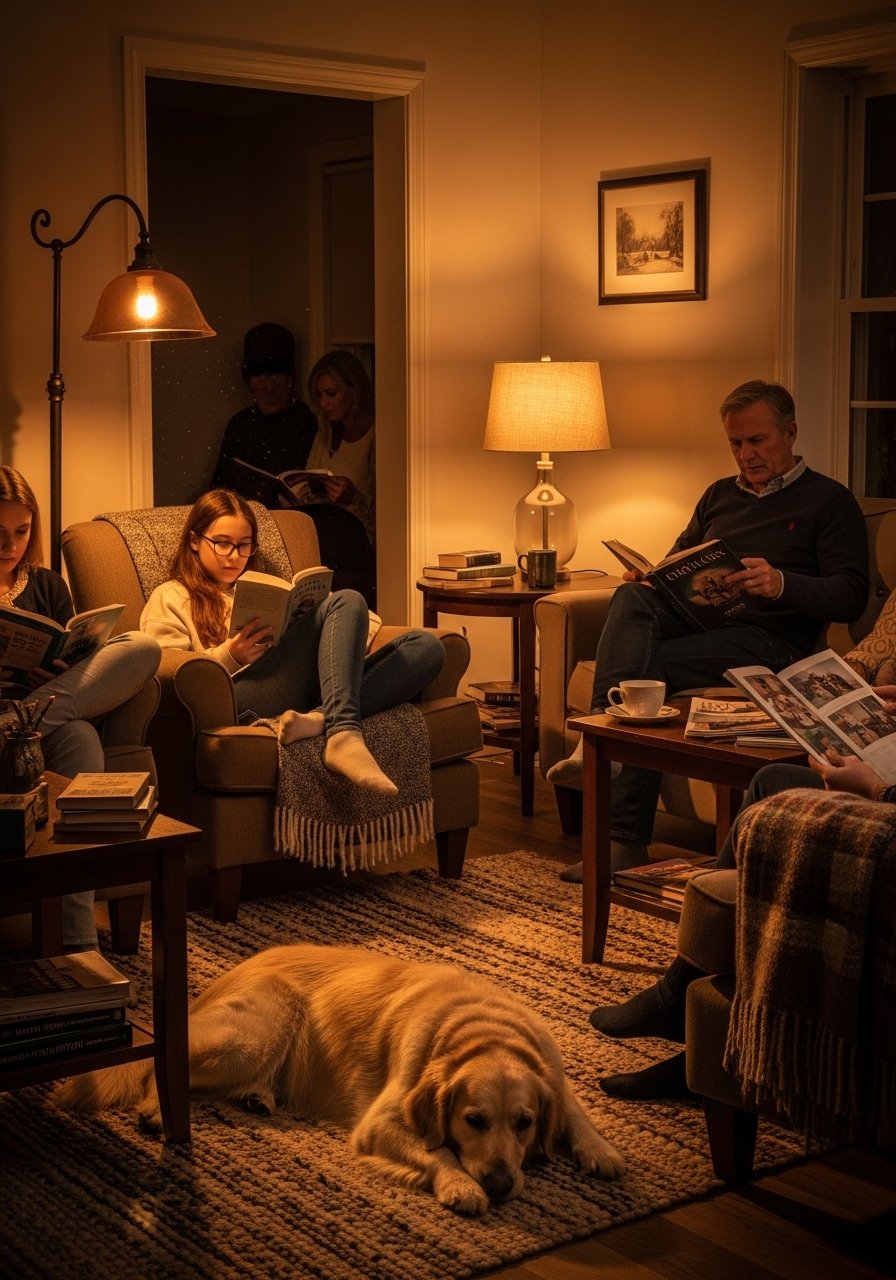
After a few days you will notice routines shift. People naturally gravitate to the well-lit armchair. The sofa looks less like an island and more like part of a group. Textiles show more depth because the light is softer and directional. Expect to make one or two tiny changes during the first week. My final tweak is almost always moving a lamp three to six inches and swapping a bulb. Those small edits are what make a room feel owned, not staged.
Start with One Lamp
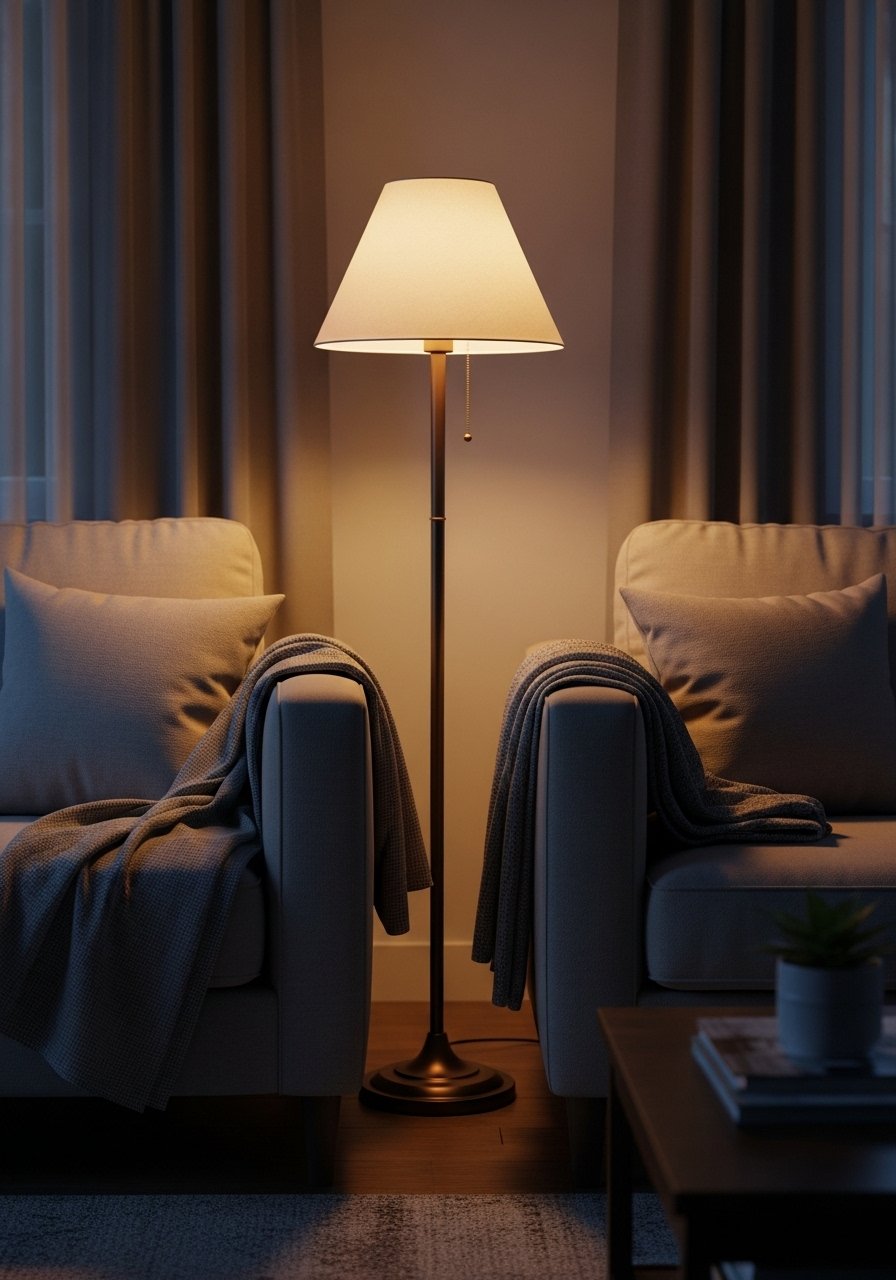
Pick one lamp from the shopping list that fits your room height and try it in the spot you think is best. Live with that single lamp for a few days before adding another. If it feels wrong, move it a few inches, swap the bulb to 2700K, or change the shade to linen. I started with an arched brass lamp and a warm bulb, and that one choice made the whole living room feel intentional and easier to tweak from there.