
My bed used to look like a muddled photo shoot, all frills but no feeling. I tried copying pictures exactly, shoving every pillow I owned on top, then smoothing the duvet until it lost any life. It looked polished and cold.
What finally worked was treating the bed like a corner of the room that needed breathing room. I learned to measure, edit, and add texture in controlled layers. The first two tries were messy. The third time I stepped back, left a small blank at the head, and it clicked.
Step 1: Clear the bed and set the scale
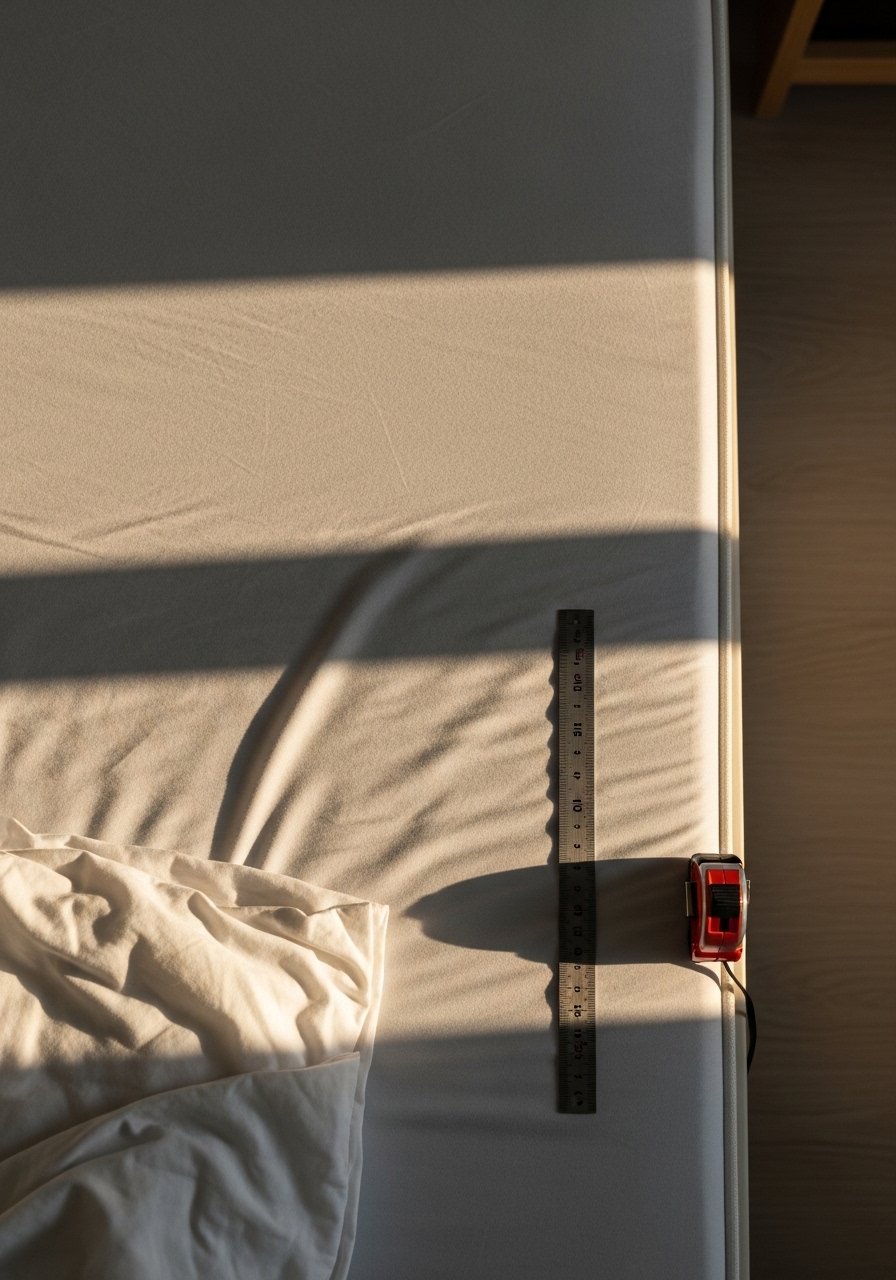
Pull everything off the bed and look at the room's scale. If your rug is under the bed, it should extend 18 to 24 inches past the sides, or use an 8×10 rug for a queen bed so the rug feels anchored. If your nightstand is lower or higher than the mattress top, it will fight the lamp; aim for the tabletop to sit within 1 to 2 inches of the mattress height so lighting feels intentional.
This step fixes the "too-small rug" and "floaty bed" problems. I once ignored the rug size and the bed felt like it was hovering. It was an easy fix and the room felt grounded immediately.
Step 2: Build the bedding base with texture and honest layers
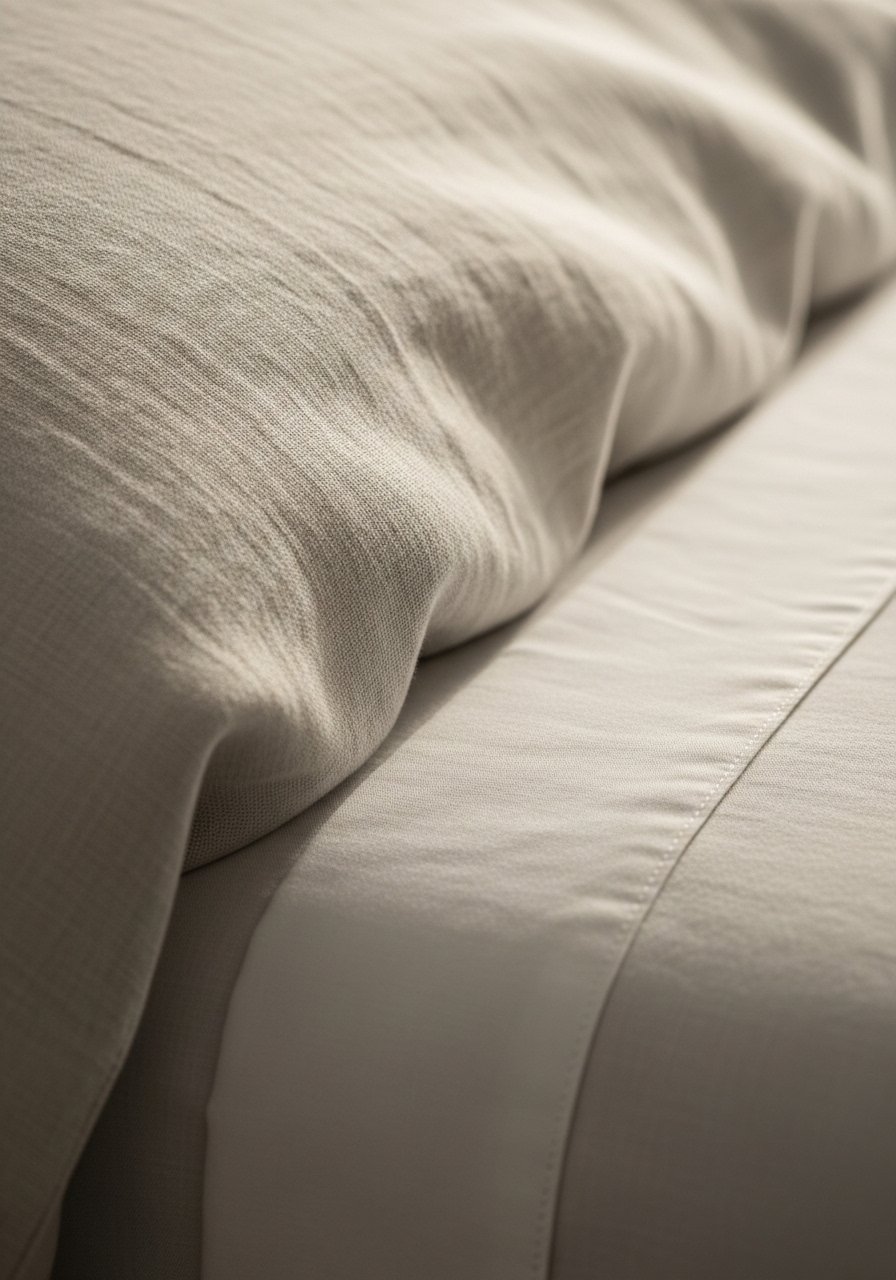
Start with a clean sheet set and a duvet cover in a tactile fabric, like linen or washed cotton. For a queen bed I use a linen duvet cover sized queen that drapes slightly over the sides. Next, add a light quilt or blanket under the duvet if you want a folded edge at the foot. The mistake most people make is choosing everything in the same fabric. Mix a nubby linen with a smooth percale sheet and a soft cotton quilt so the bed feels layered to the touch.
I hesitated over color for ages, then realized texture matters more. Linen feels cool and slightly rough, cotton is soft and cradling. That contrast makes the bed feel human, not staged.
Step 3: Layer pillows with a simple size formula
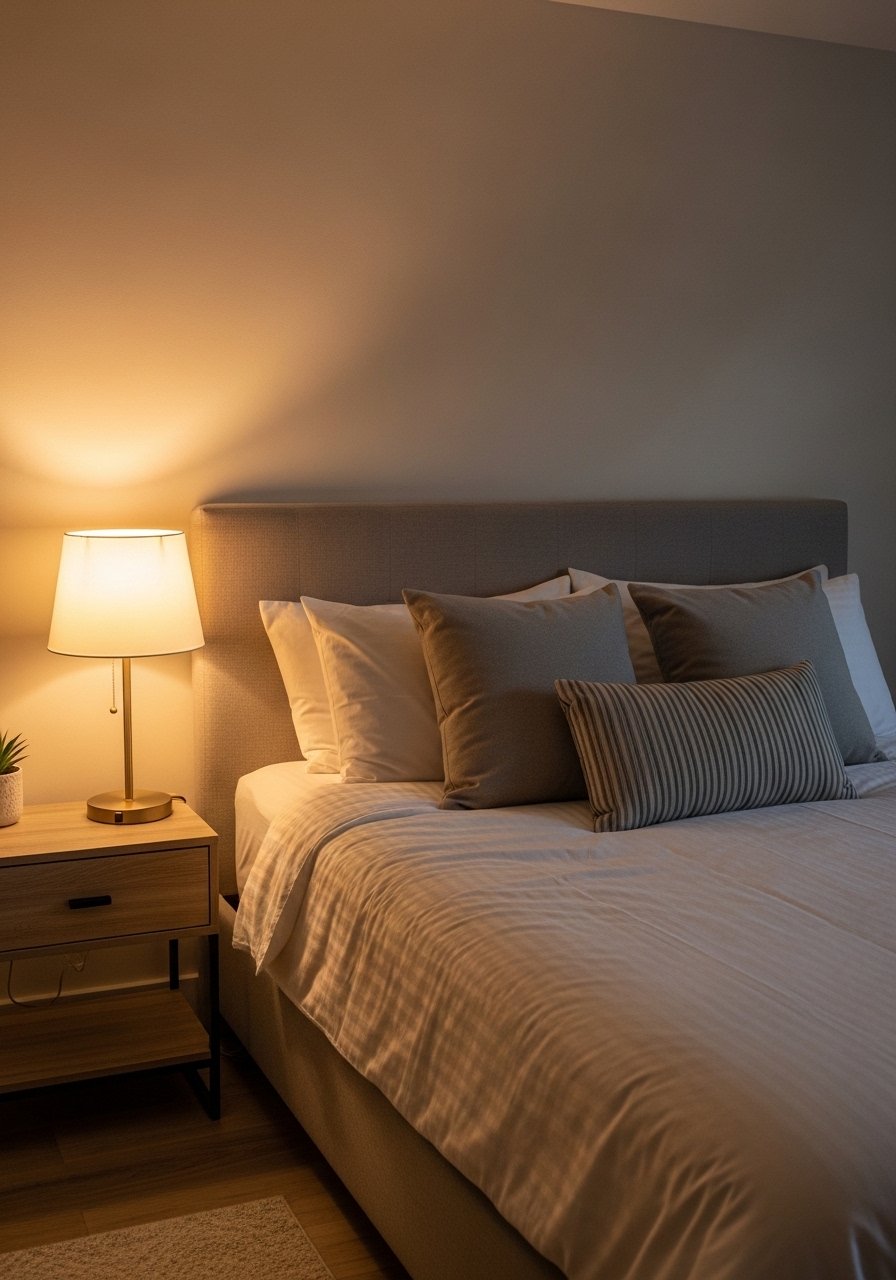
Start with two Euro shams 26×26 inches against the headboard, then two standard pillows 20×26 inches, and finish with one lumbar 12×20 inches in front. That 2-2-1 formula keeps the row balanced without turning your bed into a pillow mountain. Common mistake: more pillows does not equal cozier. I overdid it the first time and the bed felt cluttered and small.
Use a mix of textures, like velvet for a cool, dense feel and linen for lightness. The lumbar should feel soft but supportive in your hands when you add it.
For a quick product add, I use a linen duvet cover in sage green, queen ($70-110) because the texture alone changes the whole room.
Step 4: Place a throw with intent, not as an afterthought
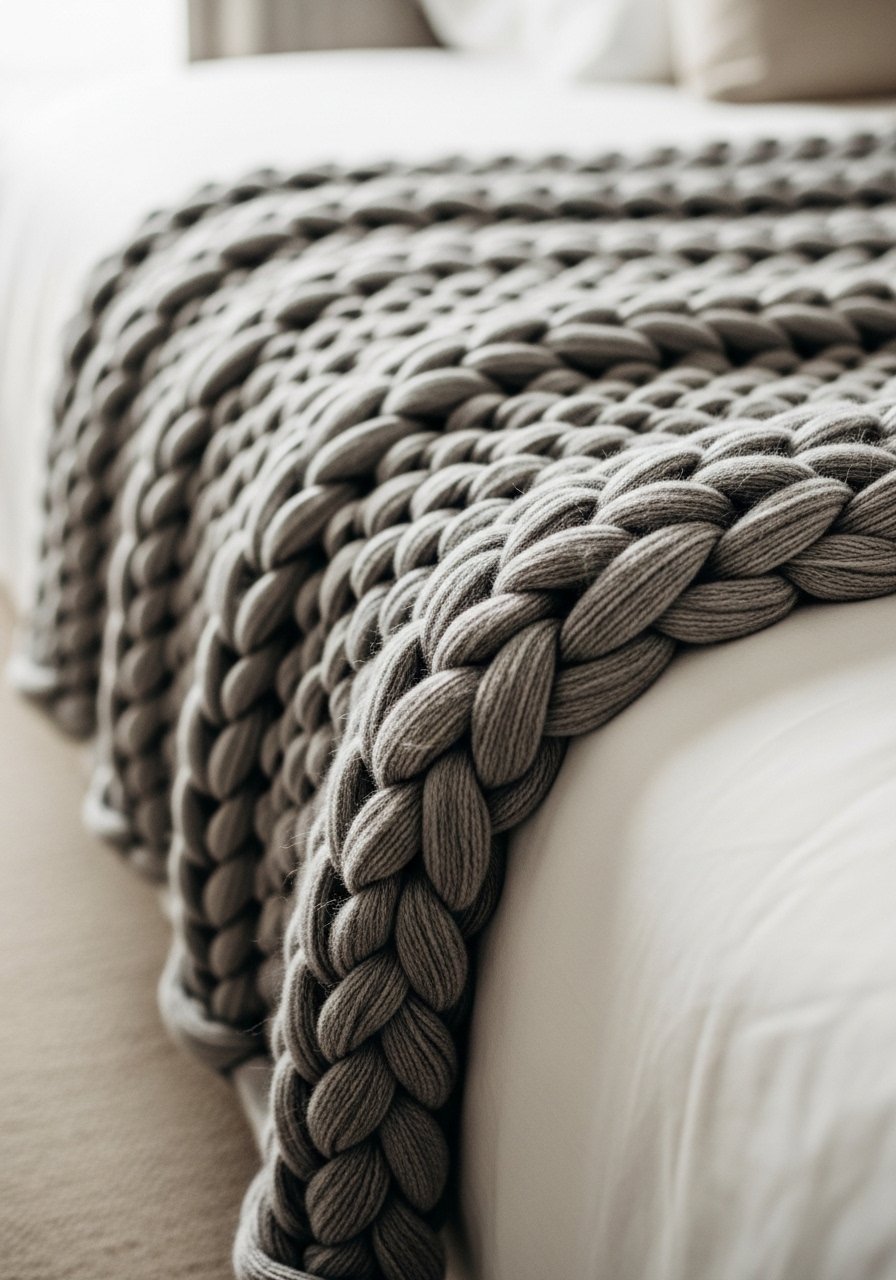
Fold a chunky knit throw, about 50×60 inches, into thirds lengthwise and lay it across the bottom third of the bed. This creates a weight at the foot without covering the pillow arrangement. A frequent misstep is tossing the throw messily. Tucking just one corner under the duvet gives it a lived-in look that still reads tidy.
Chunky knits feel heavy and slightly rough in your hands, which is part of their comfort. If you have pets, pick a tighter weave or a washable cotton option. I almost skipped this step because it felt fussy, but it ends up being the detail that makes the bed inviting.
Step 5: Style bedside surfaces and lighting for balance
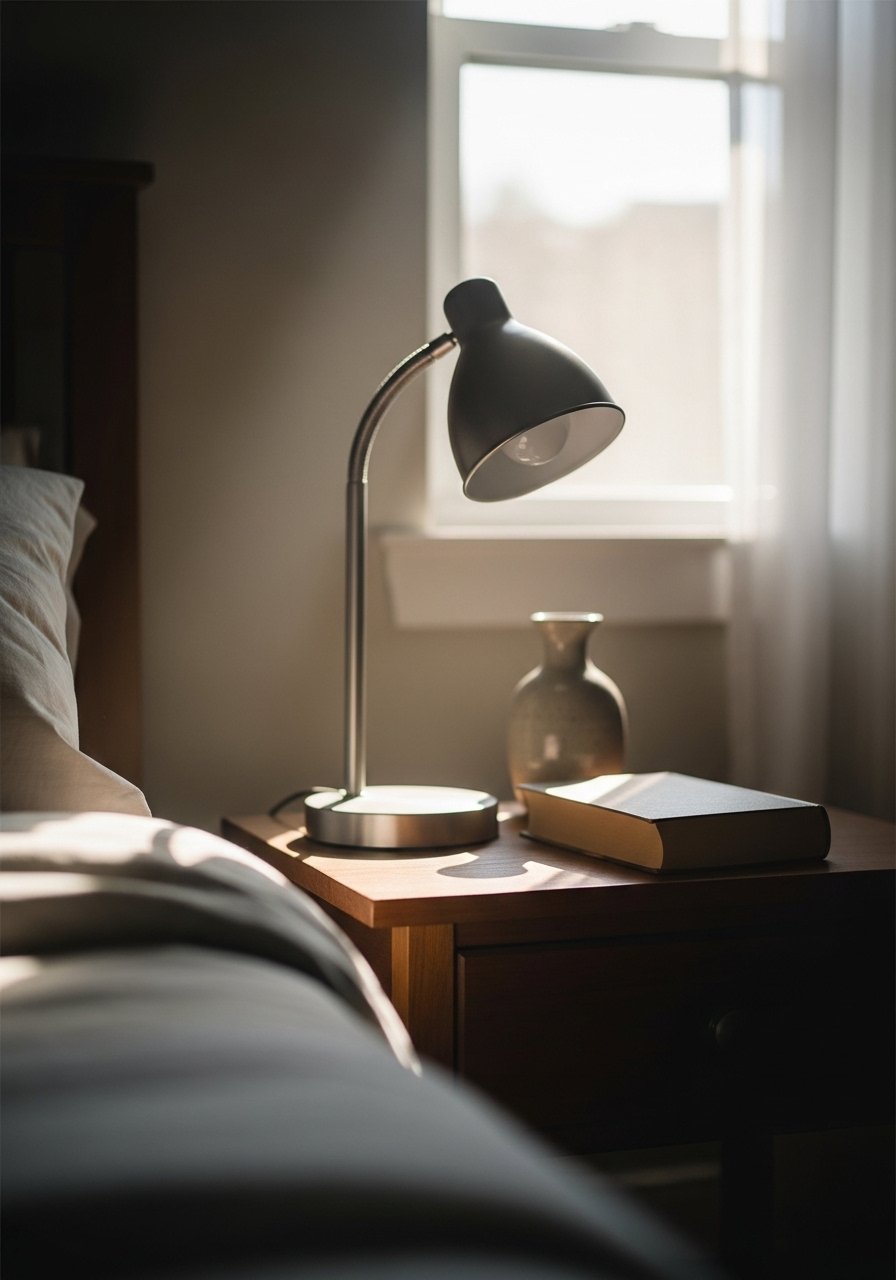
Keep bedside surfaces simple. A lamp 24 to 30 inches tall works well with mattress-height nightstands. Add one taller item like a ceramic vase and one low item like a small stack of books. The common error here is symmetry obsession. One taller object on one side and a shorter cluster on the other reads more relaxed and intentional.
I used to match nightstands exactly and it felt formal. When I swapped one item for a small plant and leaned a framed print against the wall, the room finally relaxed. For bedside lighting I recommend a lamp that gives warm, soft light so the bed reads cozy even in the evening.
The Bedroom Basics You'll Actually Use
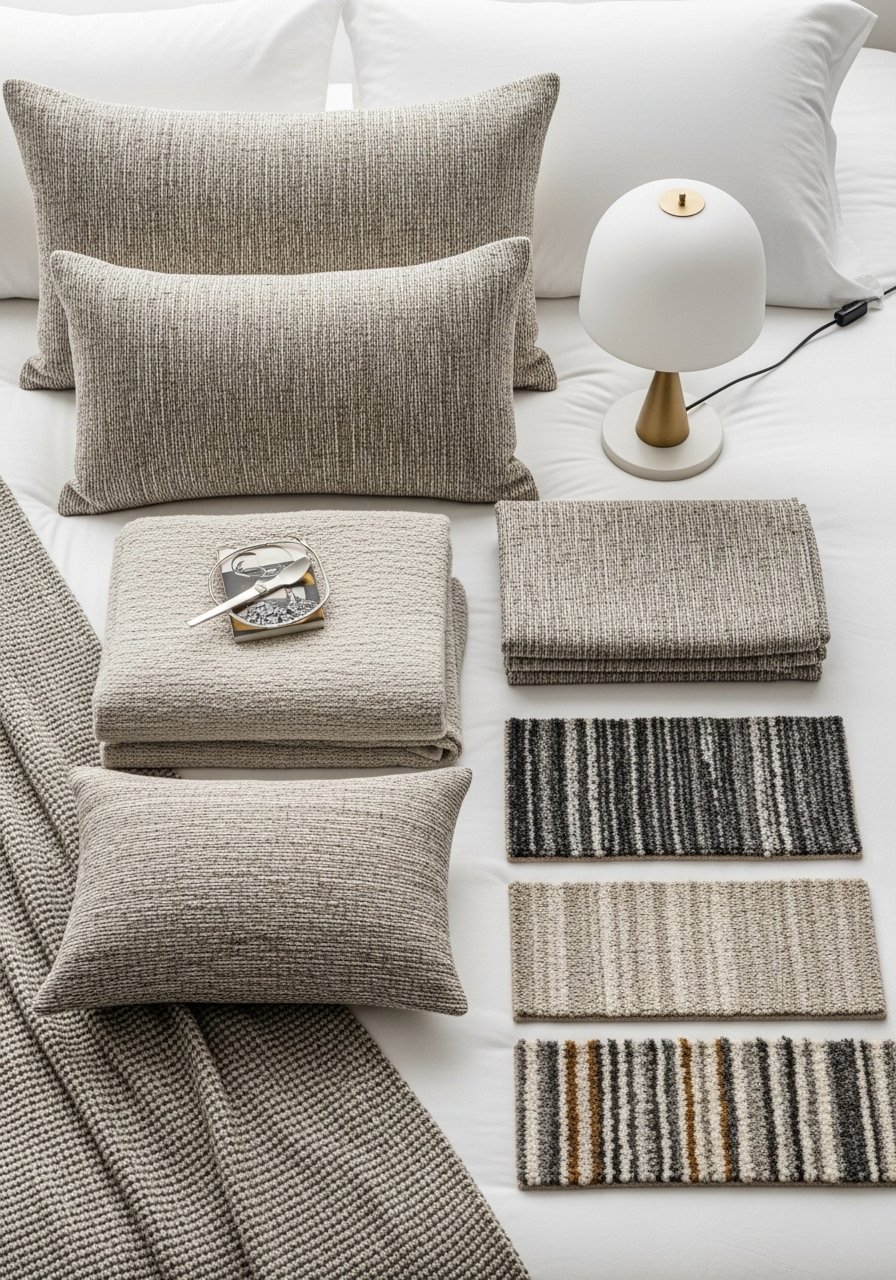
- Linen duvet cover in sage green, queen ($70-110). Used in Step 2 for texture.
- Chunky knit throw in oatmeal, 50×60 ($40-65). Placed at the foot in Step 4, similar at HomeGoods.
- Euro pillow covers 26×26, pair ($20-35). The back layer in Step 3.
- Standard pillow inserts 20×26, pack of 2 ($25-45).
- Lumbar pillow 12×20, boucle in ivory ($18-35). Front layer from Step 3.
- Bedside lamp, 26-inch brass base with linen shade ($45-90). Matches Step 5 lamp height.
- Jute area rug, 8×10 ($90-160). Grounding rug from Step 1.
- Ceramic vase set, matte white ($25-40). A tall bedside object mentioned in Step 5.
Why Your Bed Still Looks Flat After Styling
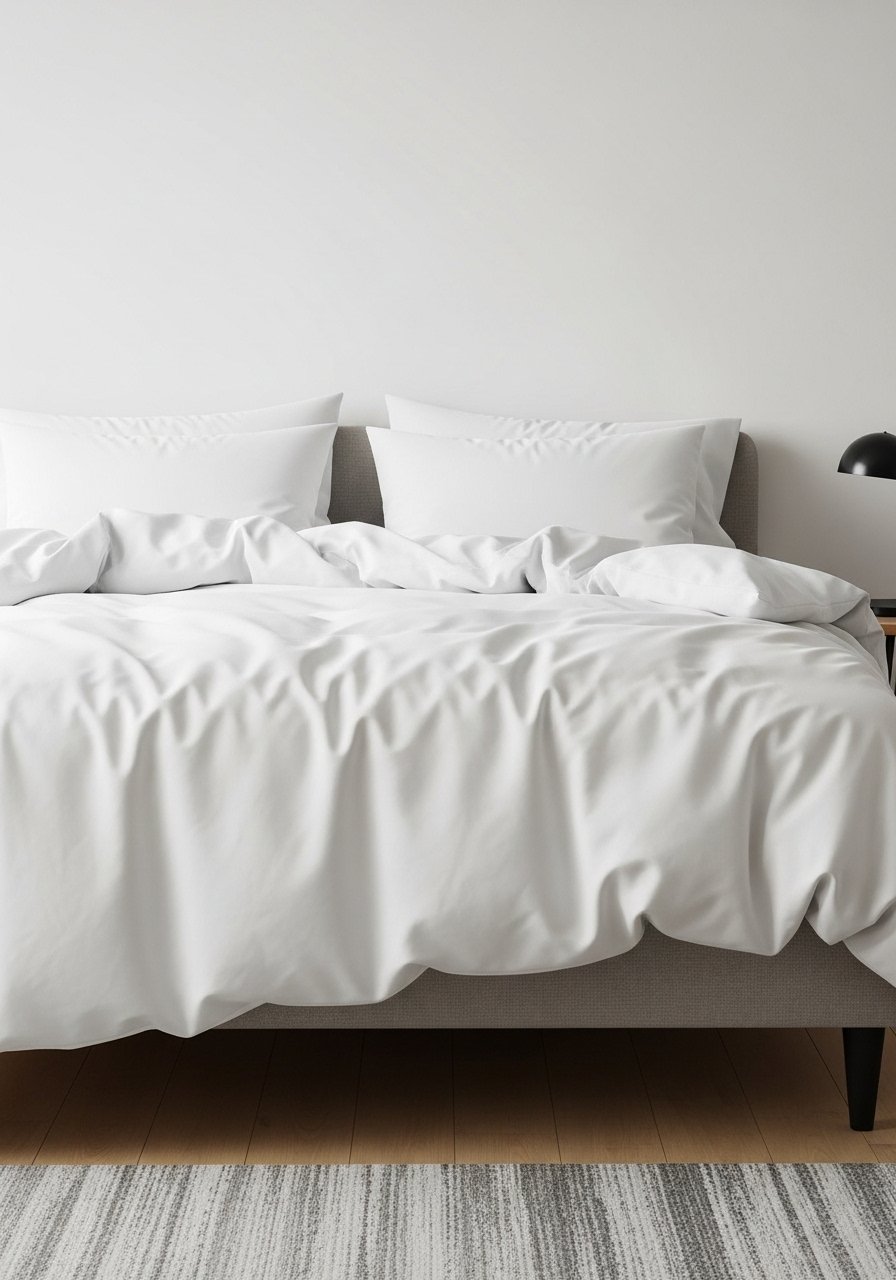
If the bed feels flat, you likely used one fabric across every layer or forgot to edit. Small failures taught me to remove duplicates. For example, two pillow covers in exactly the same tone kill depth. Another mistake is ignoring scale. Too-small euro shams or a rug that stops at the foot of the bed will make the bed look like an island.
Try swapping one pillow to a different texture, or remove one pillow entirely and sit on the bed. That quickly shows you what is missing or excessive.
Making This Work in a Small Bedroom
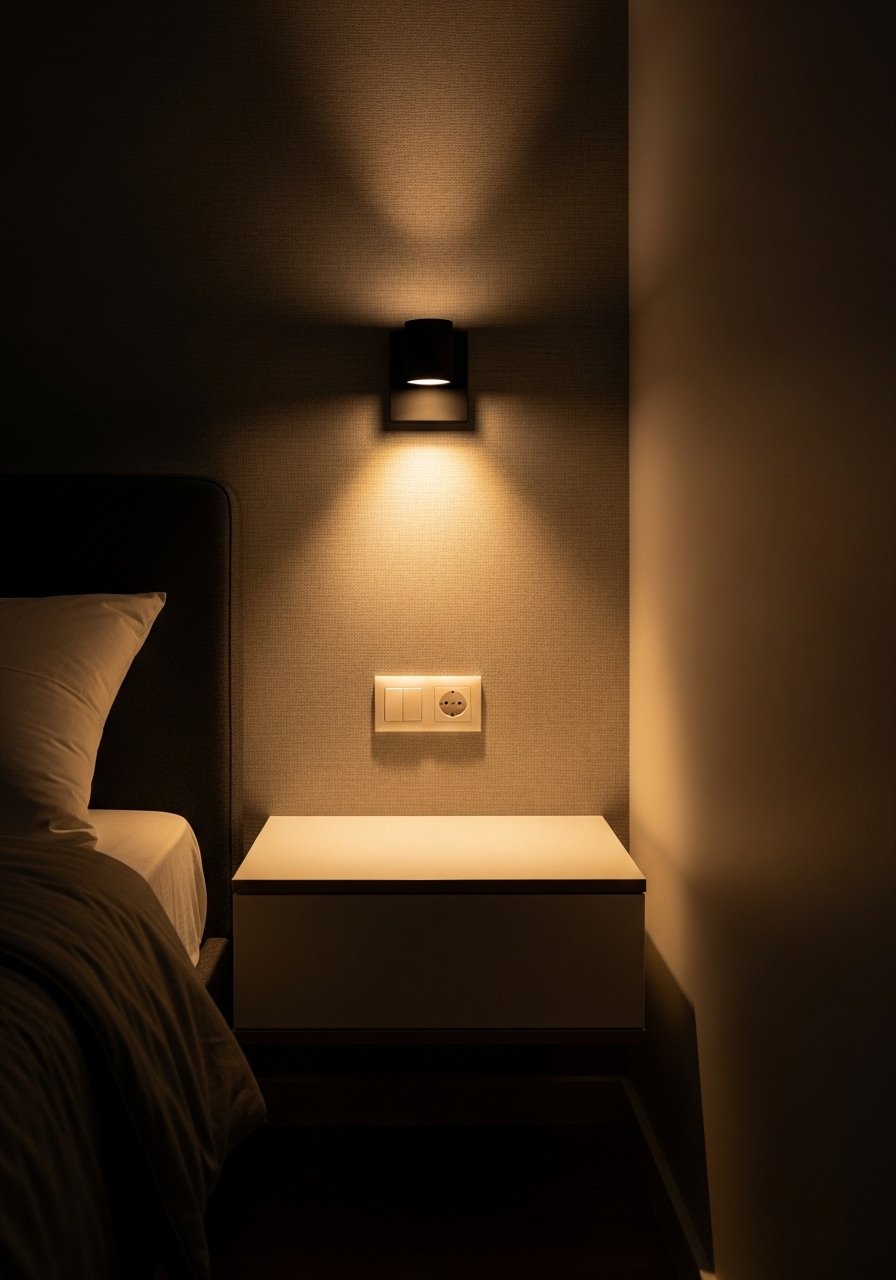
Small rooms need fewer props. Use a twin or full rug that still extends 12 to 18 inches from the bed edges. Cut the pillow formula to 1 euro or skip euros altogether and use two standards plus a lumbar. Wall sconces free up nightstand space. Bulleted tweaks that save space:
- Choose a washable duvet cover so laundry is no stress.
- Use a 40 to 50 inch wide nightstand instead of a large one.
- Pick a slimline lamp or wall light to keep surfaces usable.
I lived in a 9 by 10 foot room for a while. These small edits kept the bed cozy without crowding the floor.
What It Looks Like After a Week of Real Life

Expect a lived-in look by day seven. The first morning you will worry the bed looks messy. That is fine. A low-maintenance fabric like cotton percale or a machine-washable duvet cover will make this sustainable. I found that the chunky throw gets used, not just photographed. Pet hair shows up on boucle, so I swapped mine for a tighter weave and still kept the cozy weight.
If something gets knocked over, put it back with a tiny change. That small shift keeps the look fresh without redoing everything.
Start with One Pillow, Then Walk Away
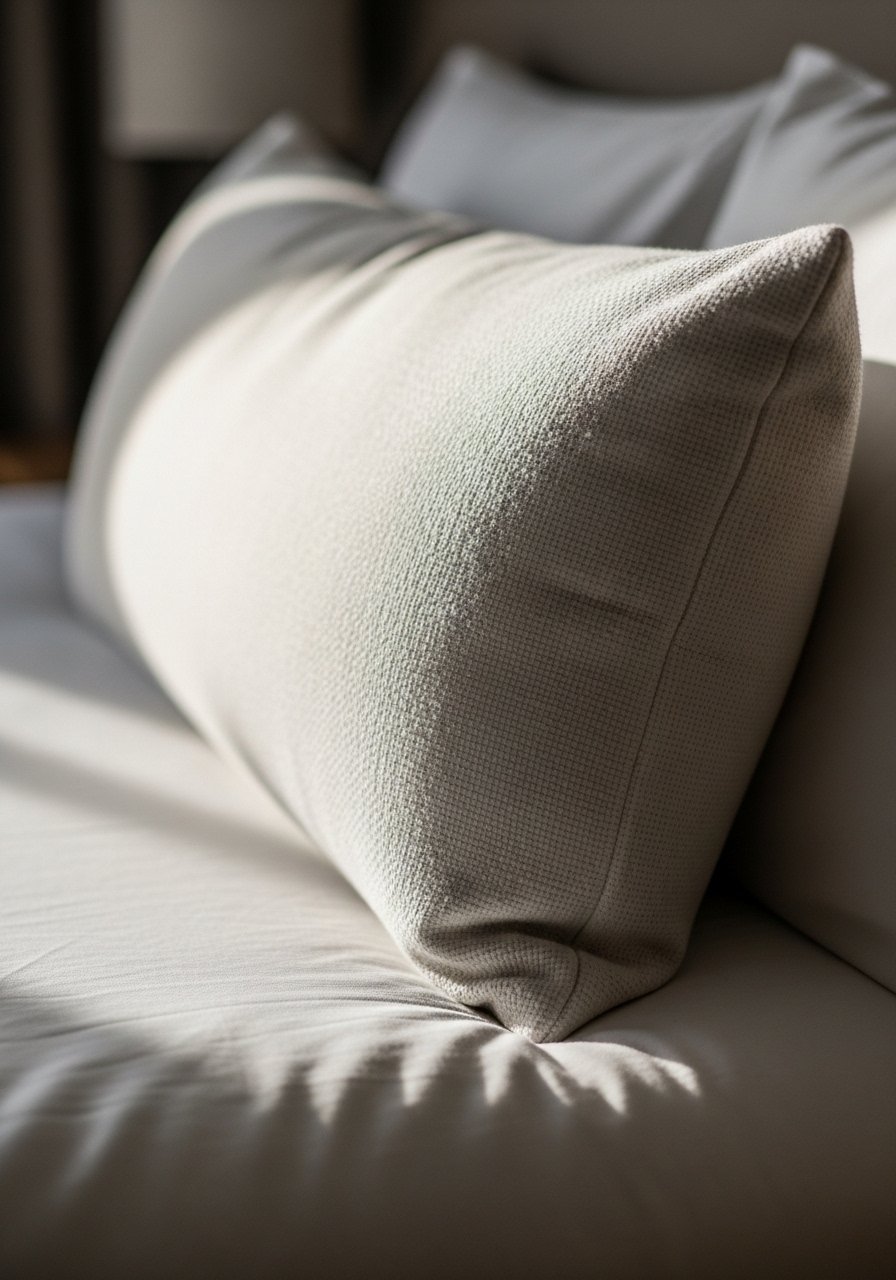
Pick one small, inexpensive item to begin, like a lumbar pillow or a soft throw. Add it to the bed, step back, and live with it for a day. You will quickly see whether the scale and texture are right.
If you are nervous, start with the chunky knit throw in oatmeal, 50×60. It is low commitment, tactile in hand, and it often changes how the whole bed reads after just one placement.