
I kept thinking my living room was done, but it still felt stiff and flat. I had a perfect sofa, a plant in the corner, and a framed print on the wall, and nothing about it invited you to sit down. I tried buying one more pillow, then a lamp, then a marble tray. It just added clutter.
What finally worked was focusing on how things felt together. Not just more things, but the right mix of surfaces and scale. I messed this up the first three times. The fourth time I stopped adding stuff and started layering texture with intention, and the room finally felt like a place we actually use.
Step 1: Pull back and set the soft base
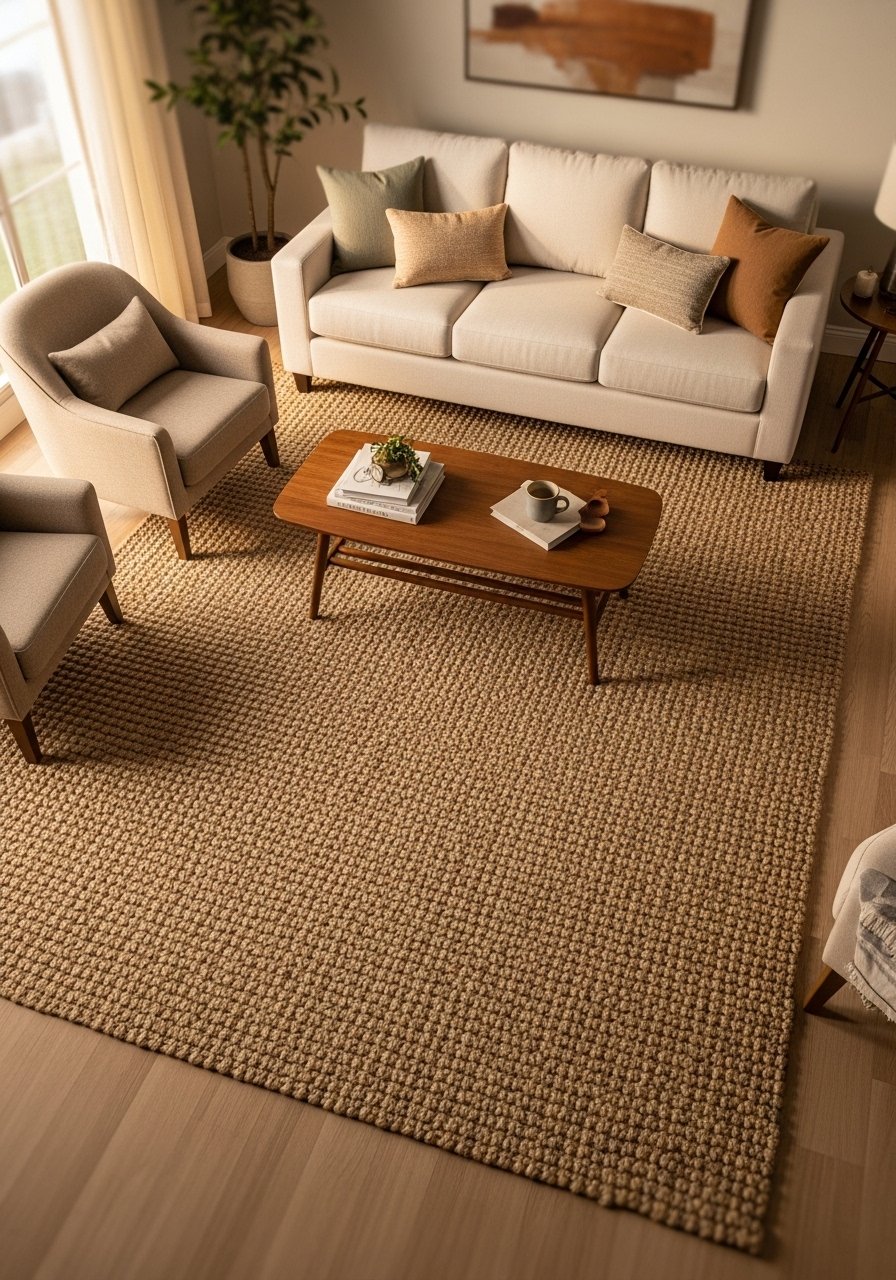
Start by clearing the floor and picking a grounding texture, usually a rug. In my living room, switching to a jute rug in 8×10 changed everything. Jute reads neutral, it is slightly rough underfoot, and it steadies softer pieces on top. Common mistake: piling soft items on a thin synthetic rug so they look lost. Fix that by choosing a base with presence, either natural fiber or a low-pile wool.
Measure your seating area so the rug fits at least the front legs of the sofa and chairs, or go full 8×10 so all legs sit on it. That single change pulls the room into one tactile zone and makes the next layers easier.
Step 2: Build the second layer with upholstery and curtains
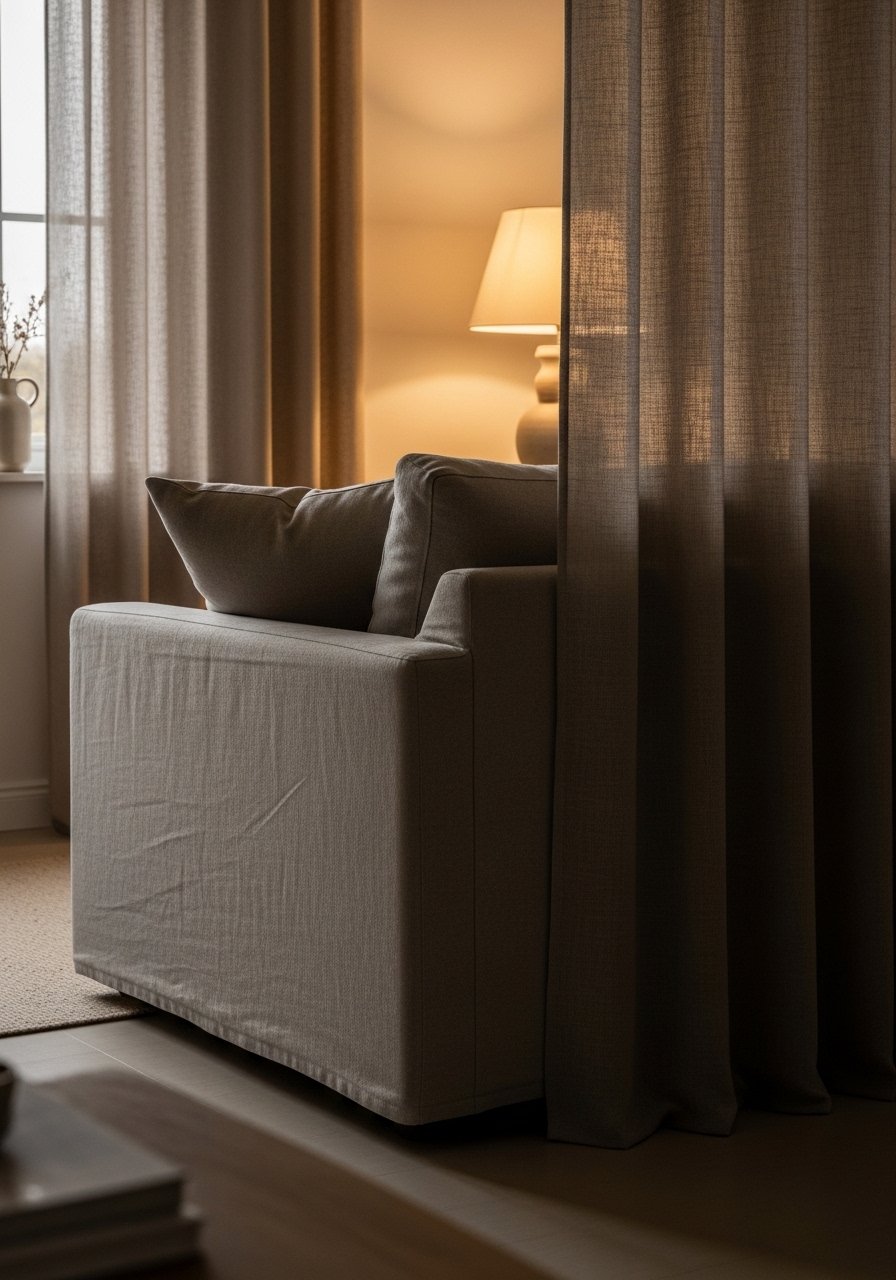
Most people reach for throw pillows first. I did that too, and it looked like a costume. Instead pick two long-wearing base textures: upholstery and window textiles. Linen or a soft boucle chair as a main piece, and floor-length linen curtains create a warm, matte backdrop. Use a rough-smooth-soft proportion, roughly 60/30/10 for dominant, secondary, and accent textures so one fabric feels dominant, another supports, and the third pops.
Insight people miss, I did for years: curtains touching the floor give a heavier, more intentional feel than ones that hover. That small drag makes the room feel settled.
Step 3: Layer pillows and throws with intention
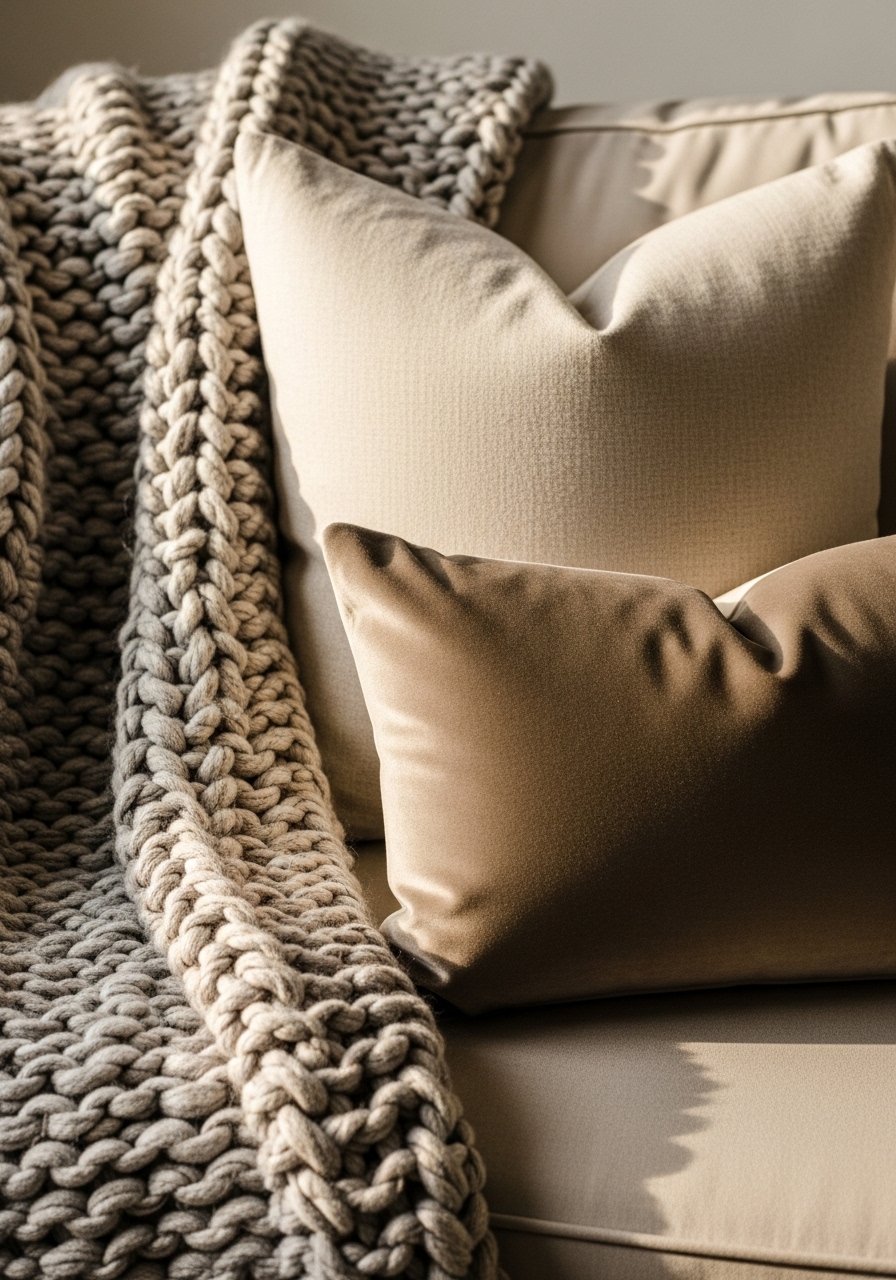
This is where it starts to look styled instead of random. Use at least three textures in the seating zone. I like a linen pillow at 24×24, a velvet lumbar at 12×20, and a chunky knit throw at 50×60. The chunky throw feels heavy in your hands, the linen is cool and slightly slubby, and the velvet is soft and warm on your cheek.
Common mistake: using too many patterns or the wrong scales. Keep one pattern per seat and vary sizes. I almost skipped mixing a nubby boucle this time because it grabs crumbs, but it gives the right lived-in texture, so I kept it.
Step 4: Add vertical texture and anchored accents
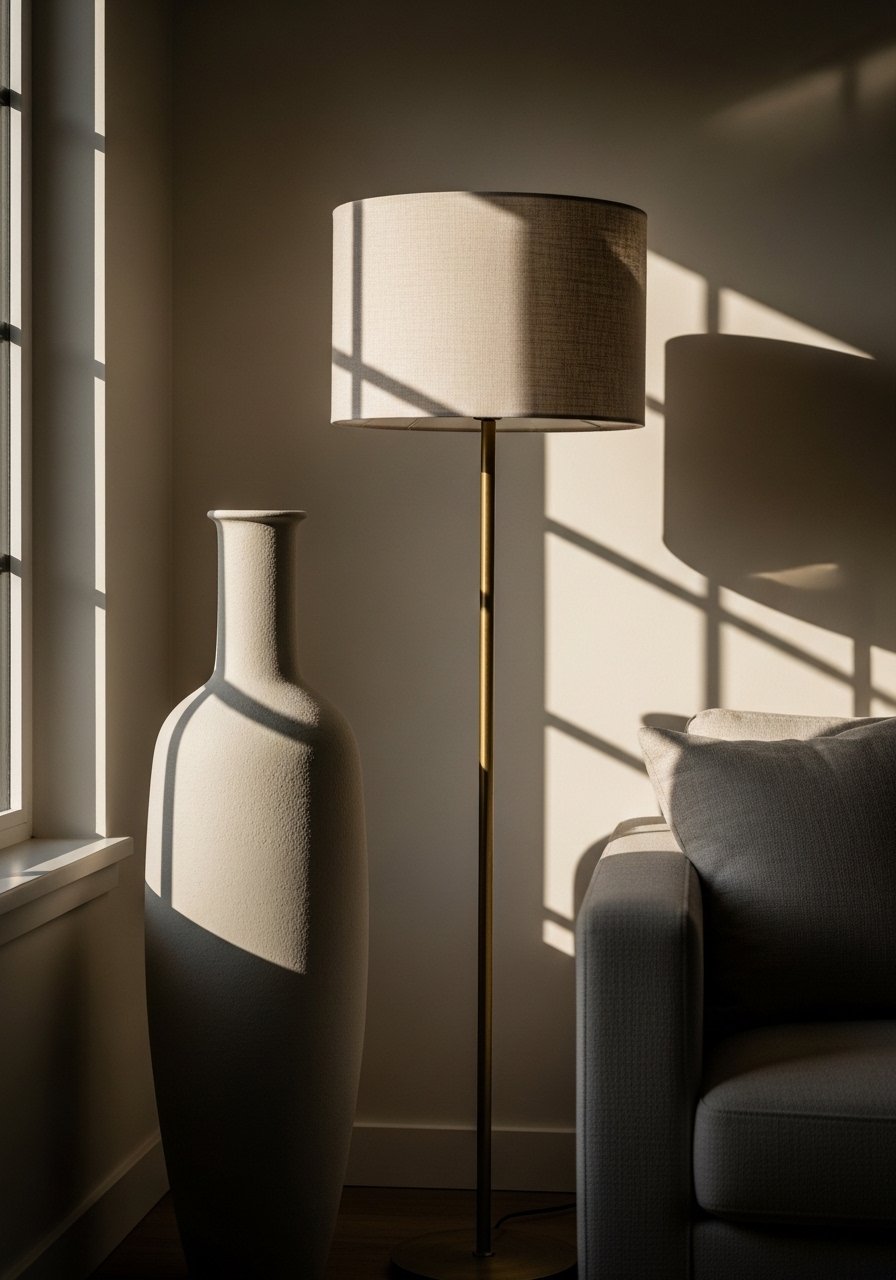
Rooms that feel unfinished often lack tall, tactile elements. Add a ceramic vase 10 to 14 inches tall on a console, or a floor lamp with a linen shade behind a sofa. These vertical pieces give the eye a place to rest and stop the room feeling flat.
A simple rule I use is odd-number groupings for objects on a table, three at most, and one taller element to anchor the group. My first attempt had even pairs everywhere and it felt predictable. Switching to a single tall vase and two shorter items felt balanced immediately.
Step 5: Live with it and edit after a week
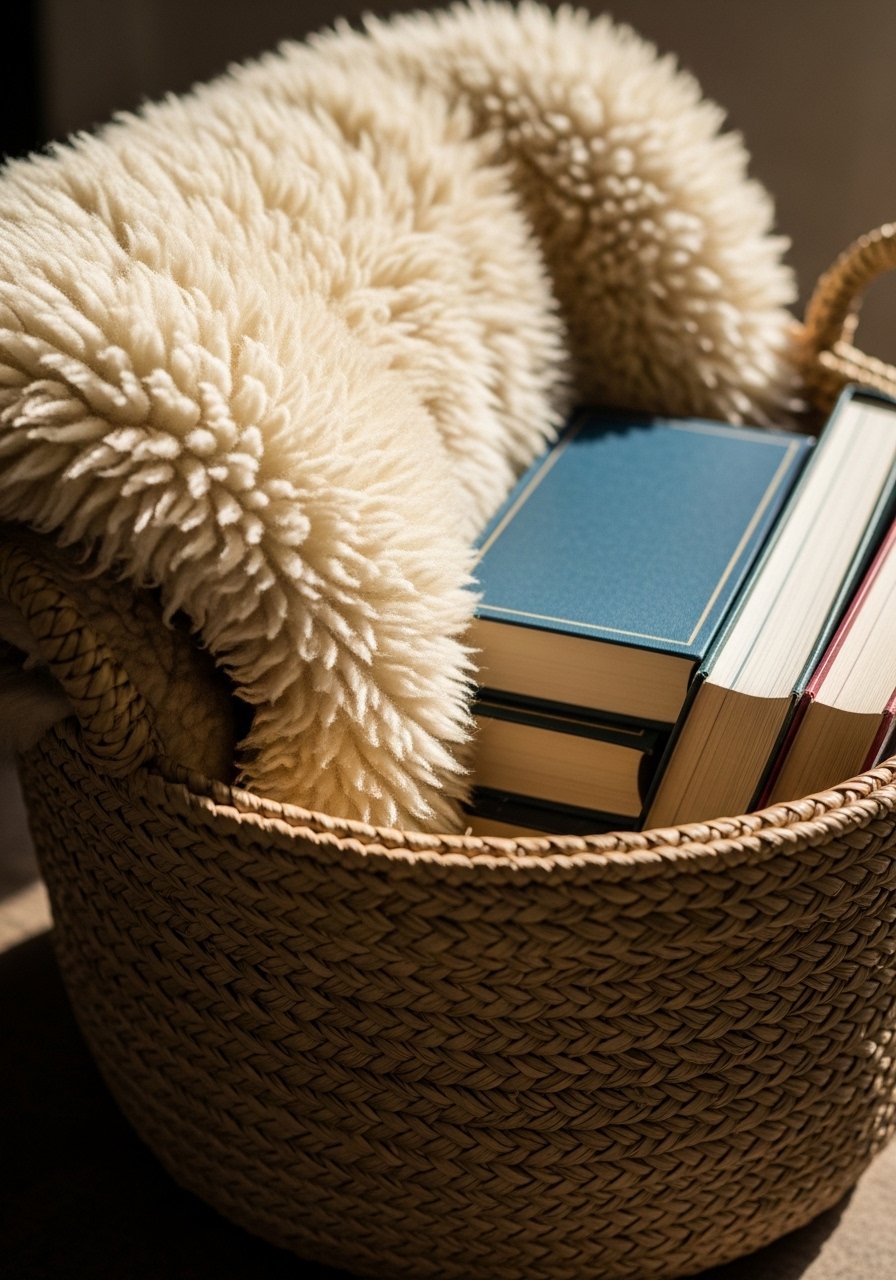
The styling that survives real life is the one you keep. Use seagrass baskets for blanket storage, a 2×3 sheepskin on a reading chair, and rotate throws seasonally. I learned the hard way when my partner tripped and flung a decorative tray. I removed fragile trays from high-traffic spots after that.
After a week, step back and remove one thing. My rooms always look better after I take something away. The space should feel lived-in, not curated for a photo. That gentle wear is the finish line.
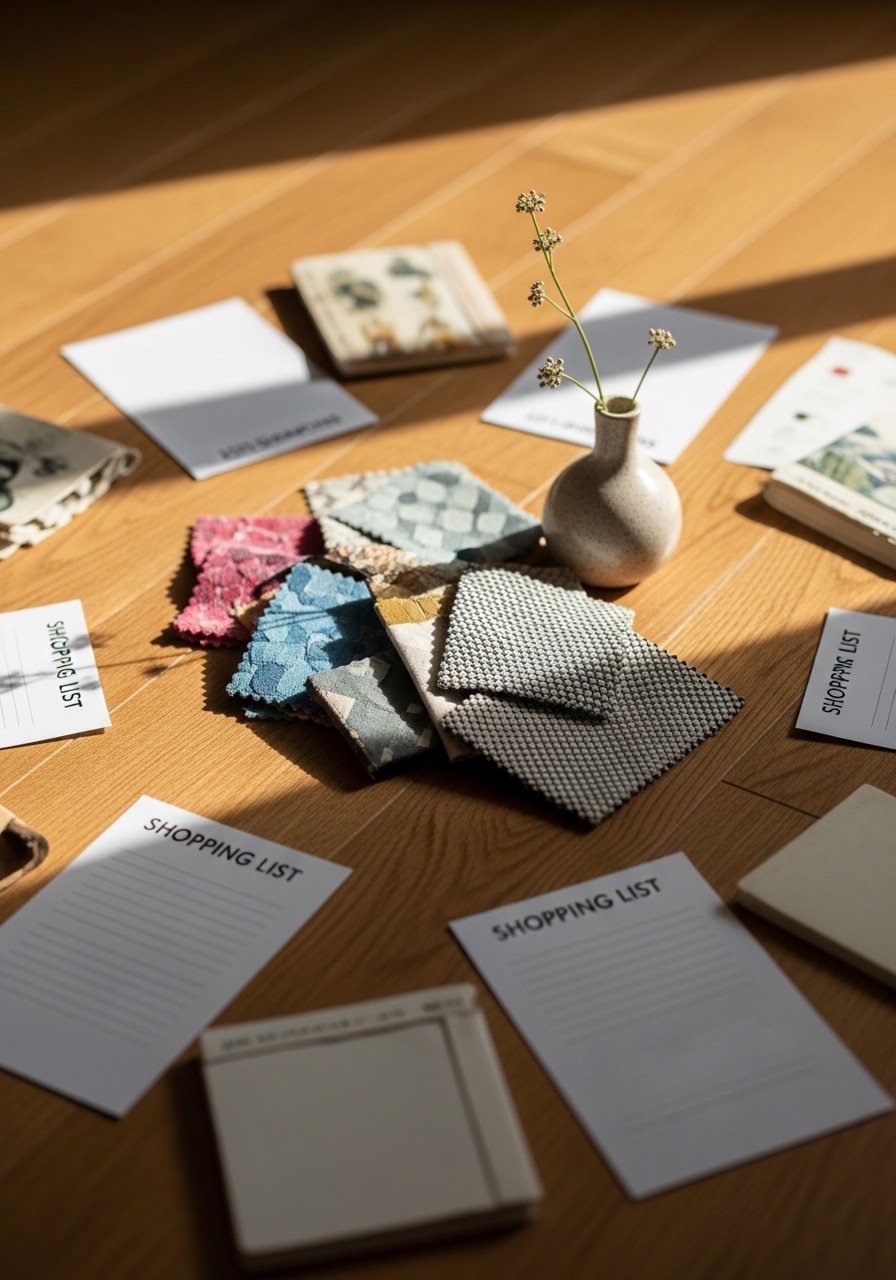
Everything You Need for Soft Texture Layers
- Chunky knit throw in oatmeal, 50×60 ($40-65). I keep one on the arm of every sofa I own. Referenced in Step 3.
- Linen square pillow cover, 24×24, natural ($18-30). The linen texture is a base in Step 2.
- Velvet lumbar pillow, 12×20, muted green ($22-35). Accent used in Step 3.
- Jute area rug, 8×10 ($90-160). Grounding piece from Step 1, similar options at Target.
- Ceramic vase set, matte white, set of 3 ($25-40). Heights 10-14 inches, used in Step 4.
- Floor lamp with linen shade, brass finish, 60-inch ($70-120). Adds vertical texture in Step 4.
- Wool sheepskin rug, 2×3, natural ($35-60). Cozy spot layer in Step 5.
- Seagrass storage basket, medium 16×14 ($20-35). Practical, from Step 5.
- Brass picture ledges, 24-inch ($18-30). Use for lightweight framed textures, mentioned in Step 4, similar at HomeGoods.
Why Your Room Still Feels Flat After Adding Textures
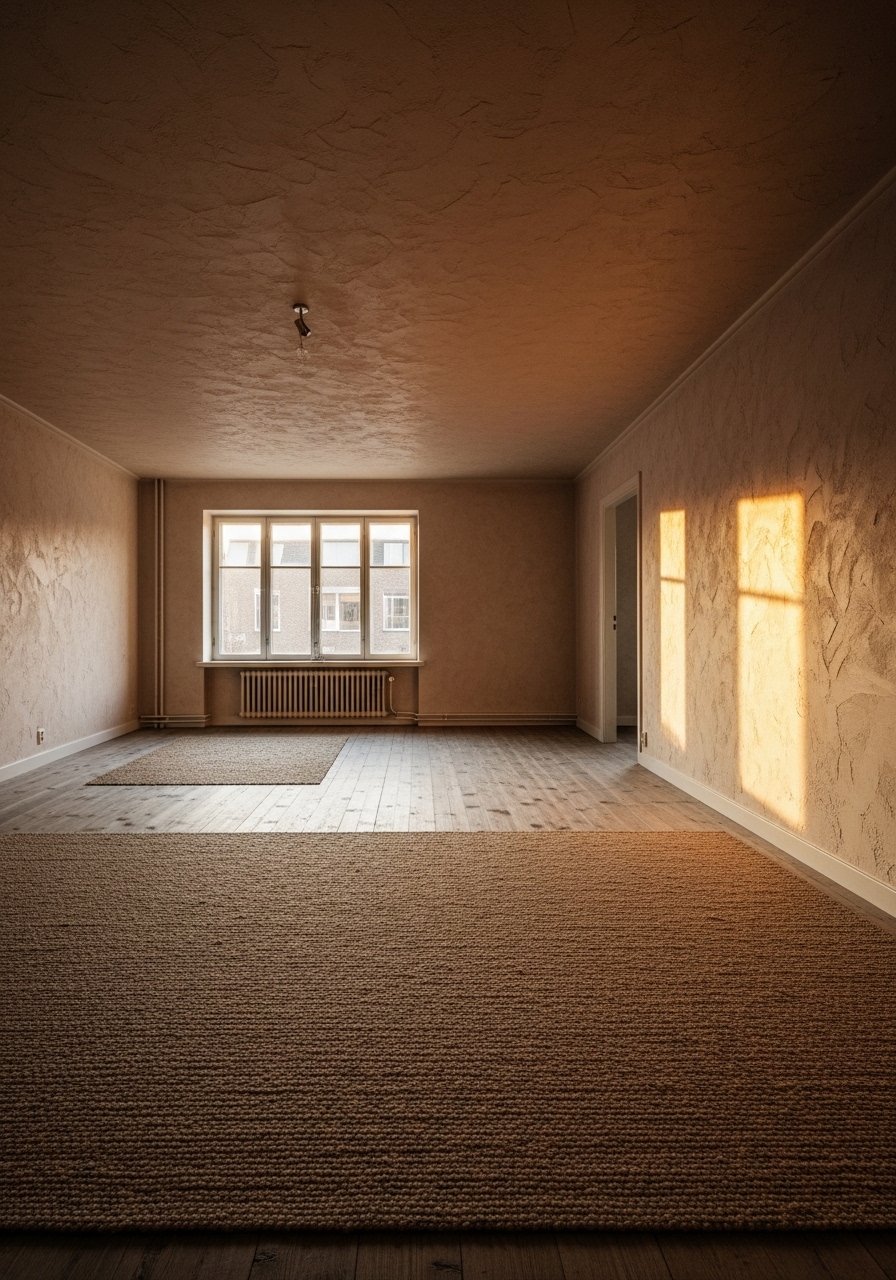
Most people add texture like a checklist and miss scale and repetition. Three quick fixes I use: pick a dominant texture, repeat a secondary texture in three places, and add one contrast material. For example, linen sofa, linen curtains, and a linen pillow repeated across the room. If every item is different you get visual noise, not cohesion.
A mistake I made early on was matching colors to the paint too closely. You want texture contrast, not a monotone blur.
Making This Work in a Small Room
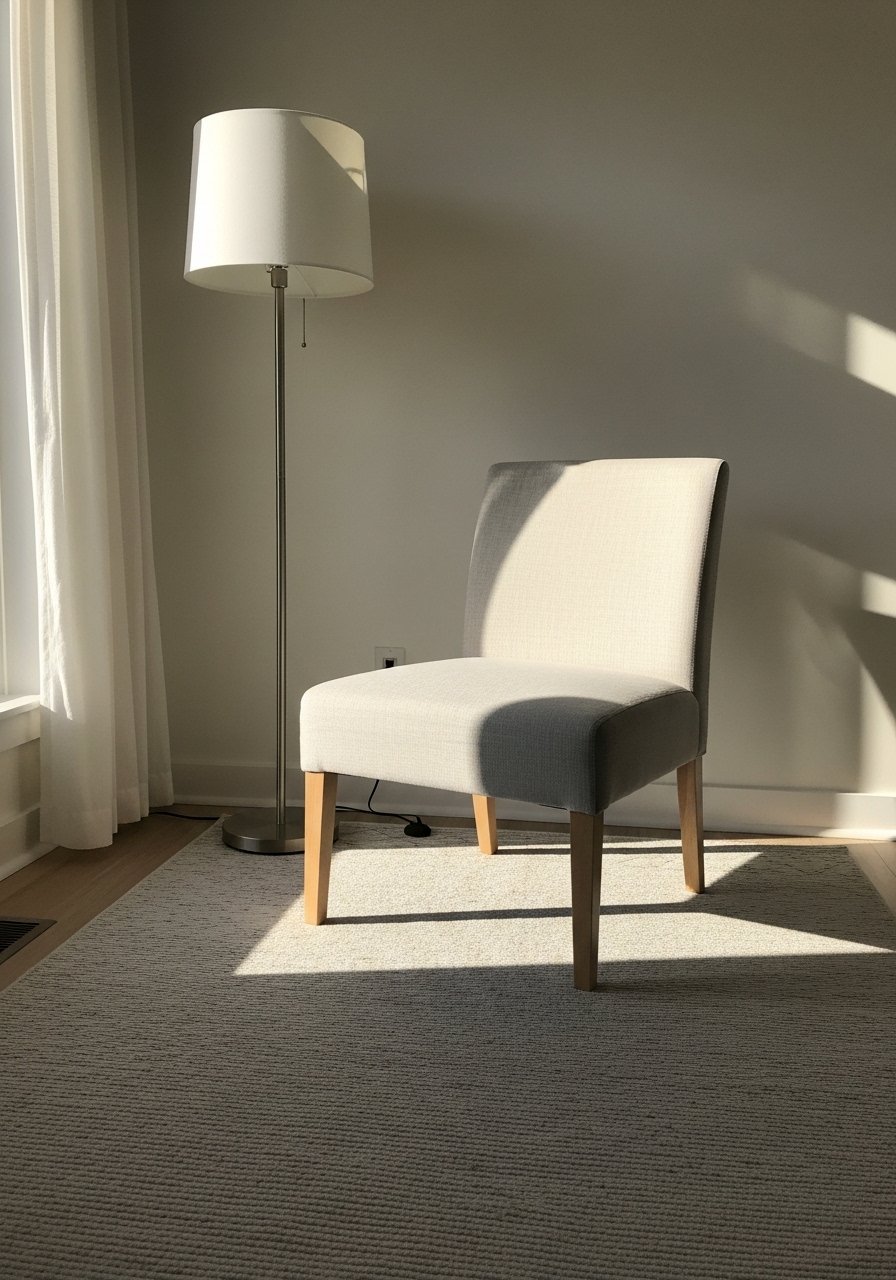
Small rooms need fewer layers and smarter scale. Use a rug that is 5×8 or at least under the front legs of seating to create a defined zone. Choose a chair with exposed legs so the room reads more open. Keep one big texture, such as a wool rug or a linen sofa, then add two accents like a throw and a small sheepskin.
Bullet points that helped me:
- Swap a full-size jute rug for a 5×8 if the room is tight.
- Use 18×18 pillows on chairs, 24×24 on sofas to keep proportion.
- Avoid oversized poufs that block walkways.
What This Looks Like After a Week with Kids and a Dog
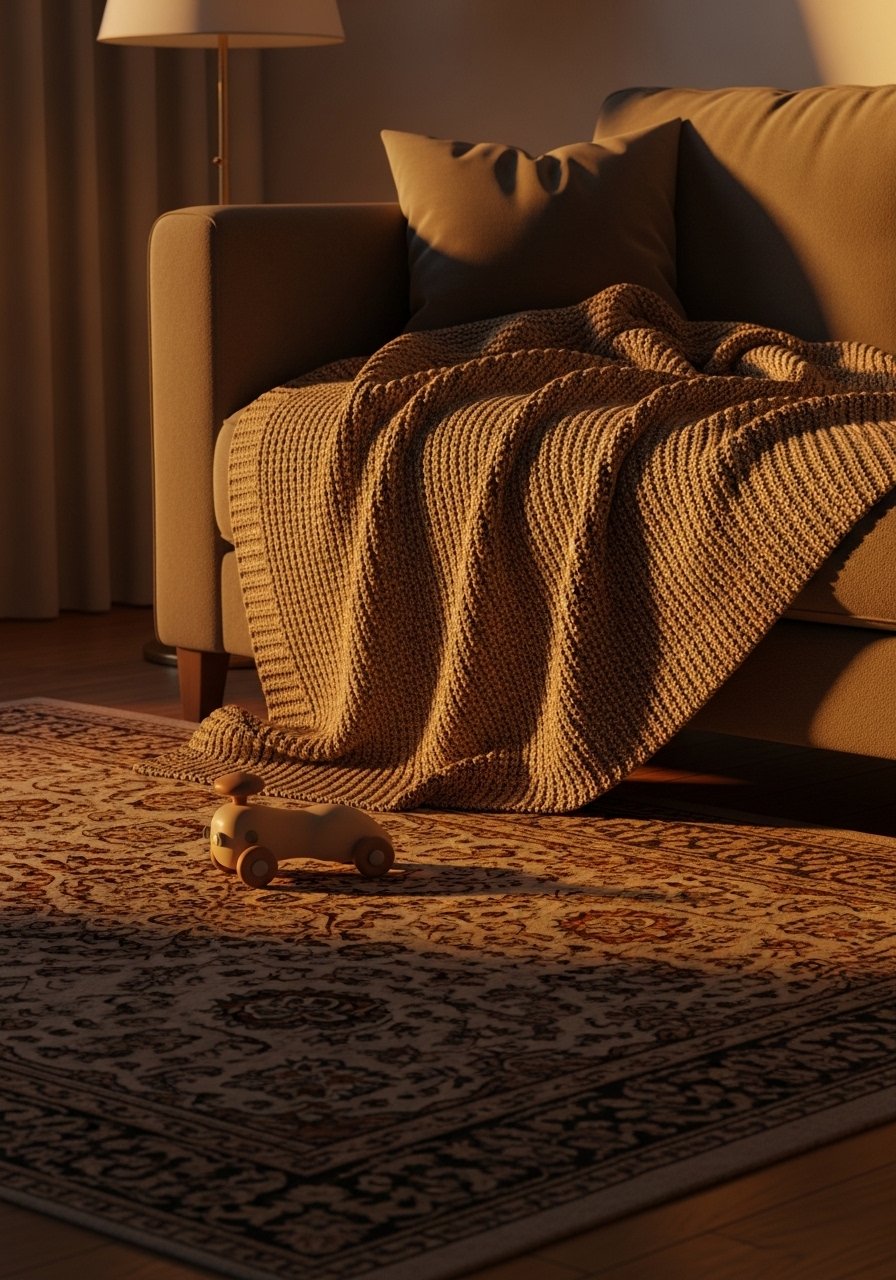
You can still achieve a soft, lived-in look when the house is active. My test is one week: if the throws stay in use and not on the floor, the setup works. Practical changes that saved me time: use machine-washable covers for pillow sizes 24×24, keep a seagrass basket near the sofa for toys, and place a sturdier, darker throw on the spot your dog prefers.
After a week you will see what textures survive daily life and what needs replacing with more durable options.
Start with One Corner
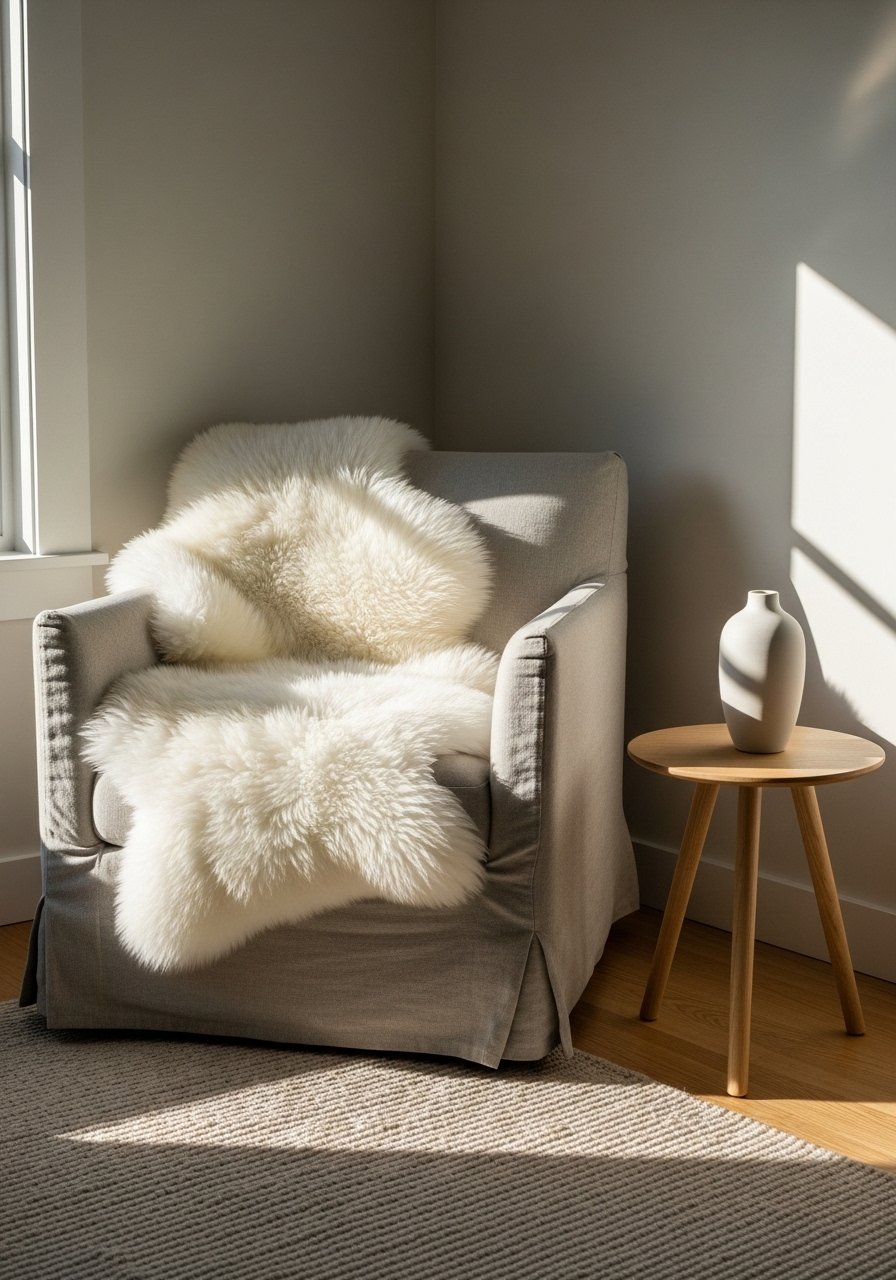
Pick one corner and add three layers: a grounding rug or chair, a medium texture like linen or boucle, and one soft throw. That small success makes the rest of the room feel possible. I started with a reading nook and that single corner taught me the scale and mix that worked for the whole space.
If you want a low-commitment start, drape a chunky knit throw on a chair or sofa. Live with it for a week, edit one item, and you will see the room settle into something comfortable and real.