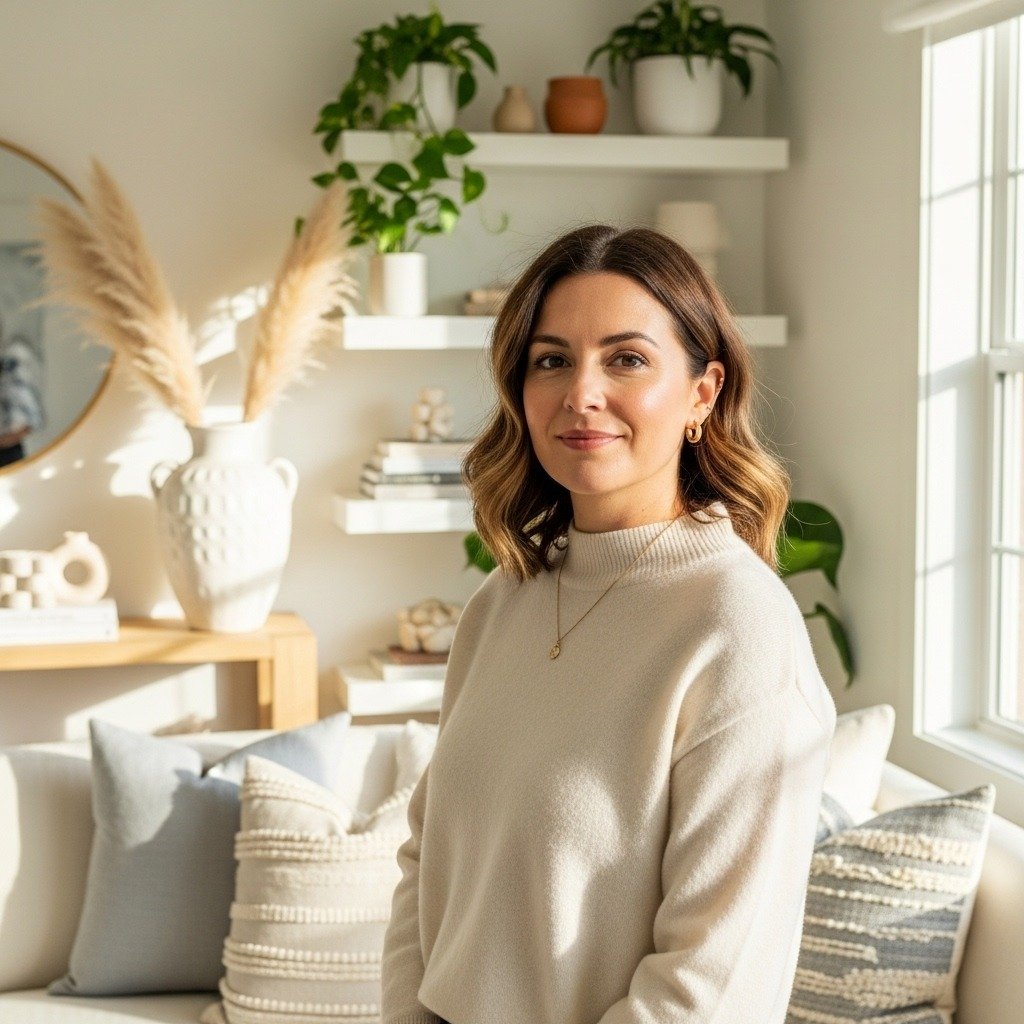
I kept staring at a flat living room and wondering why new paint and a few throw pillows did nothing. The furniture felt like it was wearing the same fabric. Nothing popped. It looked polite but lifeless.
I learned that texture is the difference. Small changes in material and placement make a room read as deeper and more intentional without buying a new sofa. You can do this in an afternoon.
Everywhere I look this year, rooms that feel layered use just a few textured elements placed with purpose. You will end up with a room that reads tactile and calm, not cluttered.
What You'll Need
- Chunky knit throw in oatmeal, 50×60 ($40 to $65). One for the arm of the sofa and one folded on a bench
- Linen pillow covers, set of 2, natural ($25 to $45). Use different weights of linen for contrast
- Set of 3 ceramic vases, matte white ($25 to $40). Group them in odd numbers
- Brass picture ledges, 24-inch ($18 to $30). Great for layering art without hammering nails
- Jute area rug, 8×10 ($90 to $160). Adds natural grain under furniture
- Set of woven storage baskets, medium and large ($30 to $70). Useful for books and throws
- Textured wallpaper sample book, neutral tones ($10 to $25). Try a swatch before committing
Step 1: Start with the biggest, touchable surfaces
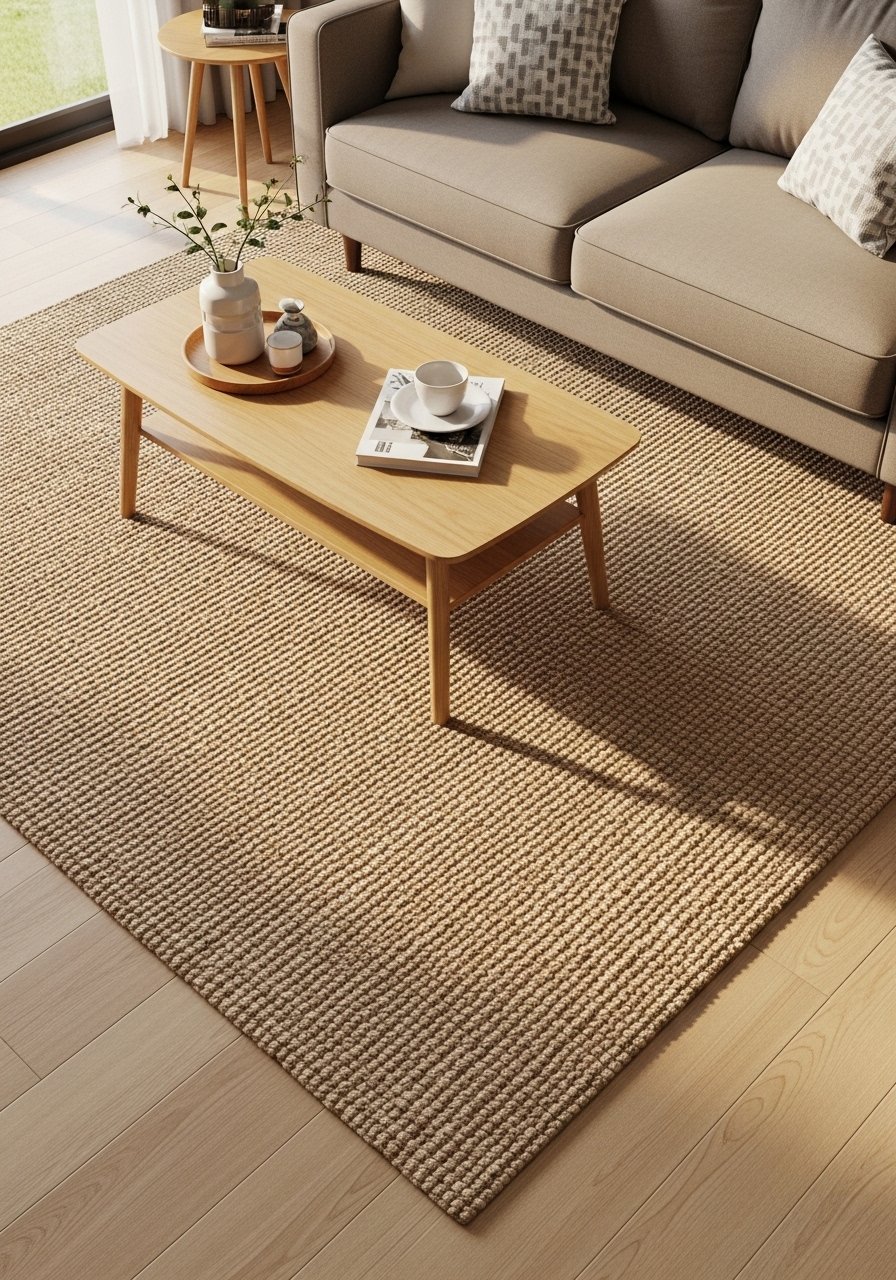
Most people start with small accents. I used to do that. Start with the floor and window treatments instead. Lay the jute rug so the front legs of the sofa sit on it. That anchors the seating area and adds a coarse natural texture underfoot.
Visually, the room stops floating. The rug gives a baseline texture that other items can play off. A common mistake is choosing a rug too small. Aim for at least the front legs of seating on the rug, or 8×10 in a standard living room. If you have a small room, go one size up from what feels comfortable.
Step 2: Layer soft textiles in odd numbers
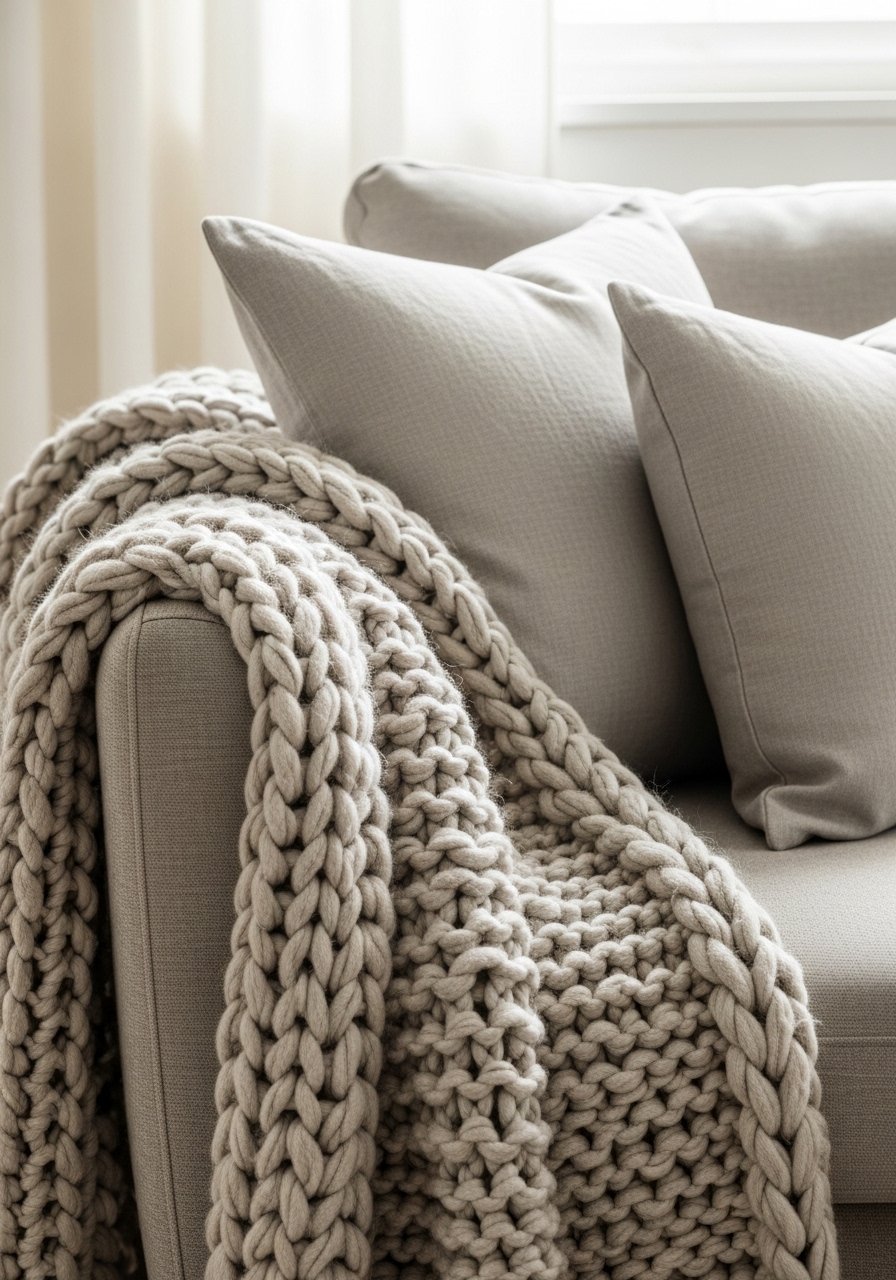
This is when the sofa begins to feel lived-in. Fold a chunky knit throw over the arm and place two linen pillows in front of a patterned or heavier-weave cushion. I usually do a 2:1 ratio, two pillows plus one smaller lumbar. The smaller piece should be about half the height of the larger pillow.
What changes visually is depth and scale. Knits bring large, tactile loops. Linen adds a soft, slubby weave. People often cram too many cushions. Avoid more than three layered pieces on a single seat. You will be tempted to match everything. Instead, mix weights and keep color close to the room's palette.
Step 3: Add solid objects with different finishes
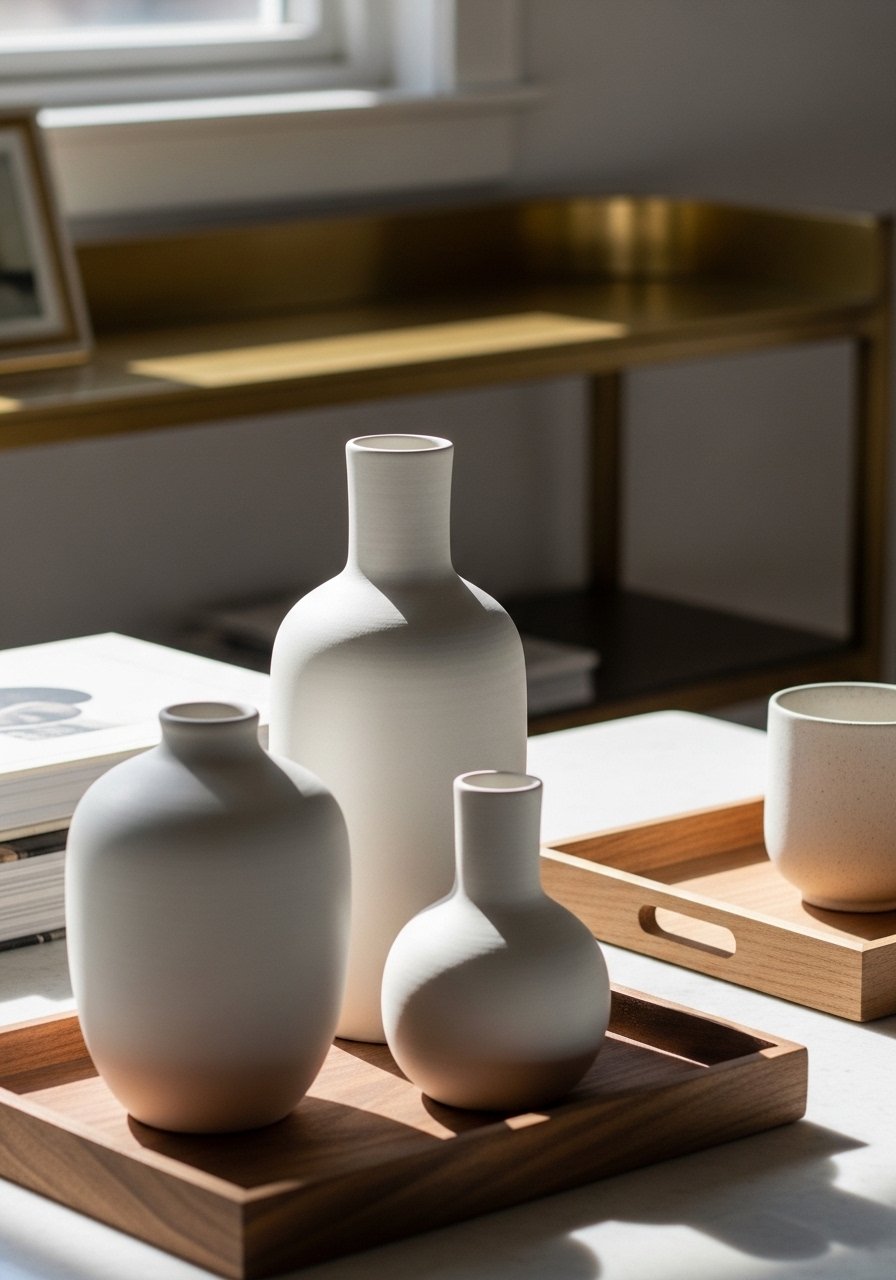
I keep ceramic vases and a wooden tray on the coffee table. Place objects in groups of three, and vary height by at least 2 to 4 inches between items. The change in finish, from matte ceramic to polished brass, makes surfaces read separately to the eye.
When done wrong, everything competes. When done right, each object breathes. A common miss is using everything at the same scale. Instead, pick one tall piece, one medium, and one low. If you have a brass ledge, lean an art print instead of hanging it. The lean adds shadow and layered dimension.
Step 4: Use baskets and plants to add depth and volume
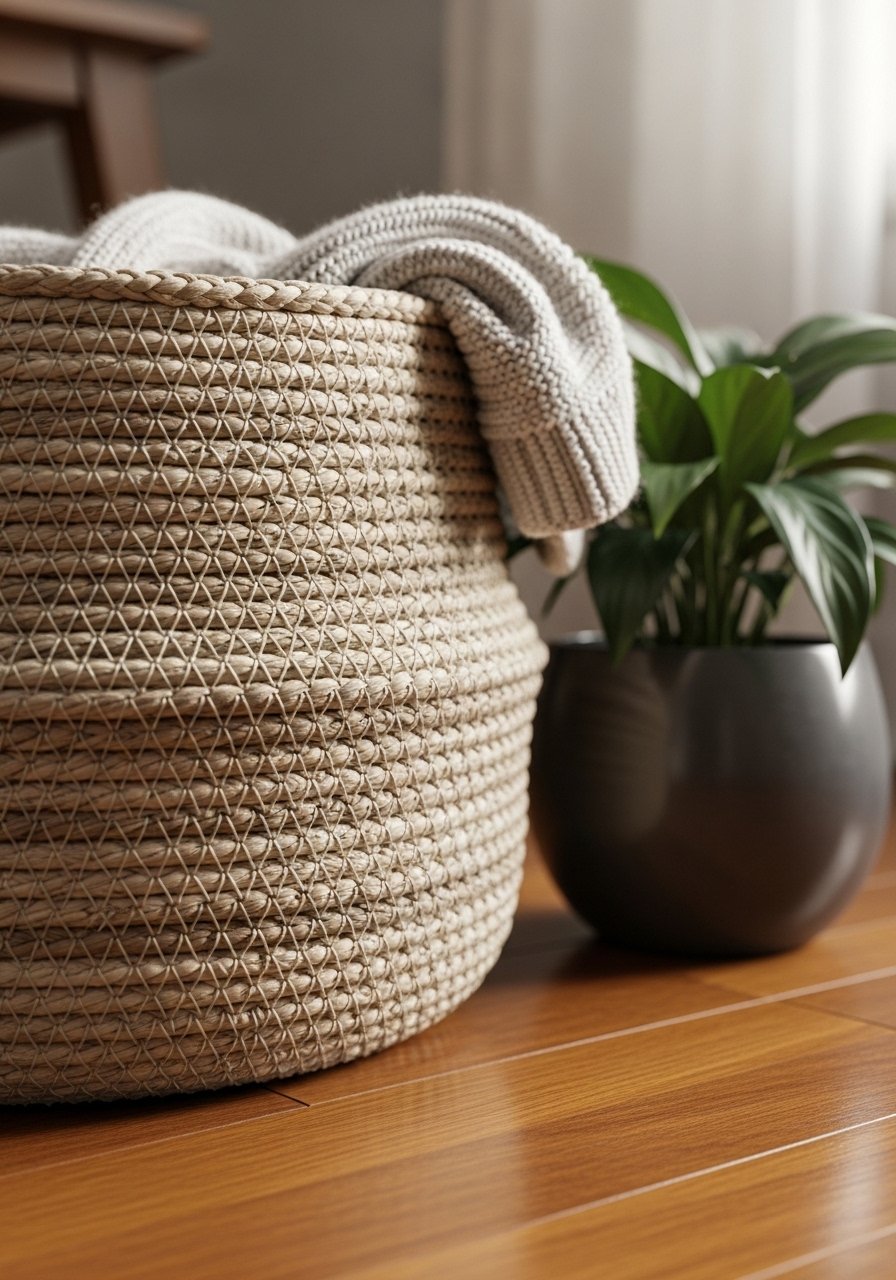
A friend asked me about this last week, and I told them baskets change the room's silhouette. Put a large woven basket near the sofa filled with a folded throw. Add a planter with a wide leaf or textured pot beside it. The basket and plant give volume at low heights where rooms often lack interest.
Visually you will see the room fill out at the base. People often stack items too high in baskets. Keep about a third of the basket empty so texture shows. If the room is small, pick one medium basket rather than several small ones to avoid visual clutter.
Step 5: Layer walls with texture and ledges
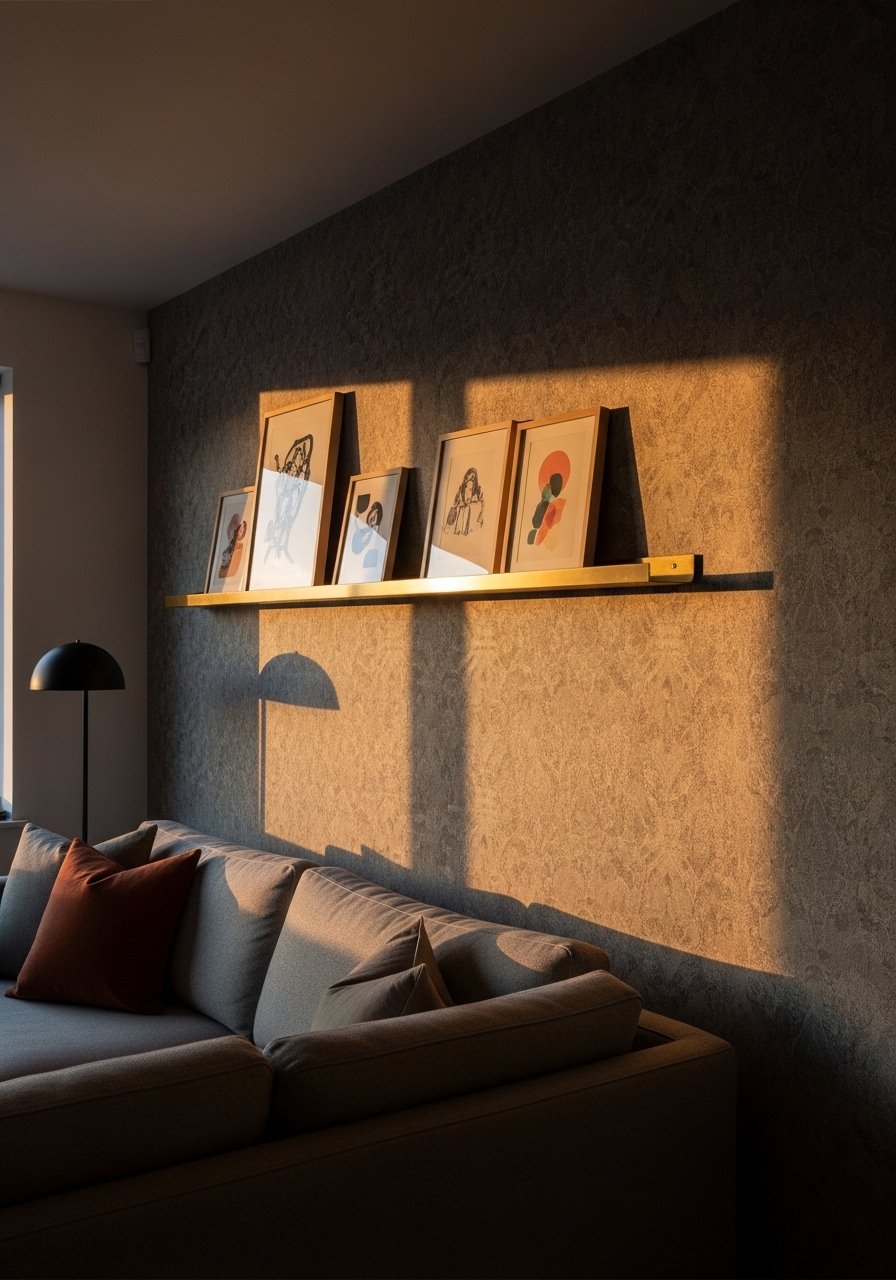
This is the step that makes the room stop feeling temporary. Try a textured wallpaper swatch on one wall, a woven grasscloth, or a plastered finish. If you do not want permanent change, use a large framed textile or a brass picture ledge with layered art. Place the ledge about 6 to 8 inches above the sofa back to keep proportions right.
Visually, the wall becomes an active layer. A mistake is covering every wall. Pick one focal wall and let the rest stay calm. If your ceilings are low, keep wall texture vertical and subtle so it lifts the eye without shrinking the room.
Why Your Shelves Still Look Cluttered After Styling
I've noticed shelves that look styled online often fall apart at home because people treat every item as a display. Real shelves need pockets of breathing space. Pull everything off. Group books in horizontal stacks mixed with vertical books. Place a vase or two on different levels. Leave 2 to 3 inches between groups so each cluster reads as its own vignette.
Common errors:
- Overfilling the shelf so textures get lost
- Matching everything too closely, which flattens layers
- Using only one material, such as all ceramics
Swap one object for a woven basket or a folded textile to reset the composition.
Making This Work in a Small Room
Small spaces require deliberate scale choices. Use a smaller jute rug, about 5×8, and push furniture legs onto it to create the same anchored feel as larger rooms. Favor one large basket over several, and choose a single textured wall panel behind the sofa rather than wallpapering the whole room. Mirrors with a thin metal frame add reflected texture without taking up physical space.
Quick swaps that help:
- Replace two large cushions with three slim ones
- Use a low shelf instead of tall bookcases
- Pick natural materials to keep the palette light
Mixing Texture with What You Already Own
I used to think matching finishes was the safe choice. After trying brass with unfinished wood and matte ceramics, I prefer mixing metals and materials. If your sofa has a tight weave, add a chunky knit throw. If your coffee table is glass, introduce wooden trays and a cloth runner. Start by changing just one category, like pillows, then layer in baskets or a rug.
Example: a leather sofa benefits from linen pillows and a jute rug. The contrast softens the leather and makes the room feel intentional.
Start with One Corner
Pick one corner and make it tactile. Add a rug anchor, a basket, one plant, and a low stack of books. That small effort gives a visible change and teaches you the ratios that work in the rest of the room.
Keep expectations low. Make one swap and live with it for a few days. If it feels right, repeat the move elsewhere. A chunky knit throw is a simple, low-commitment piece to begin with.