
My living room used to feel like a showroom. Everything matched but nothing felt lived in. The first time I added a hand-dyed linen pillow and a small macrame piece, the whole room stopped feeling stiff. It was the texture that made it click, not another big purchase.
These neutral craft ideas lean modern farmhouse with a light Scandinavian influence. Most projects run under $50, with a couple of supplies around $100 if you buy premium materials. They work for living rooms, bedrooms, entryways, or any corner that needs texture and a human touch.
Hand-Dyed Linen Pillow Covers For Soft Layers
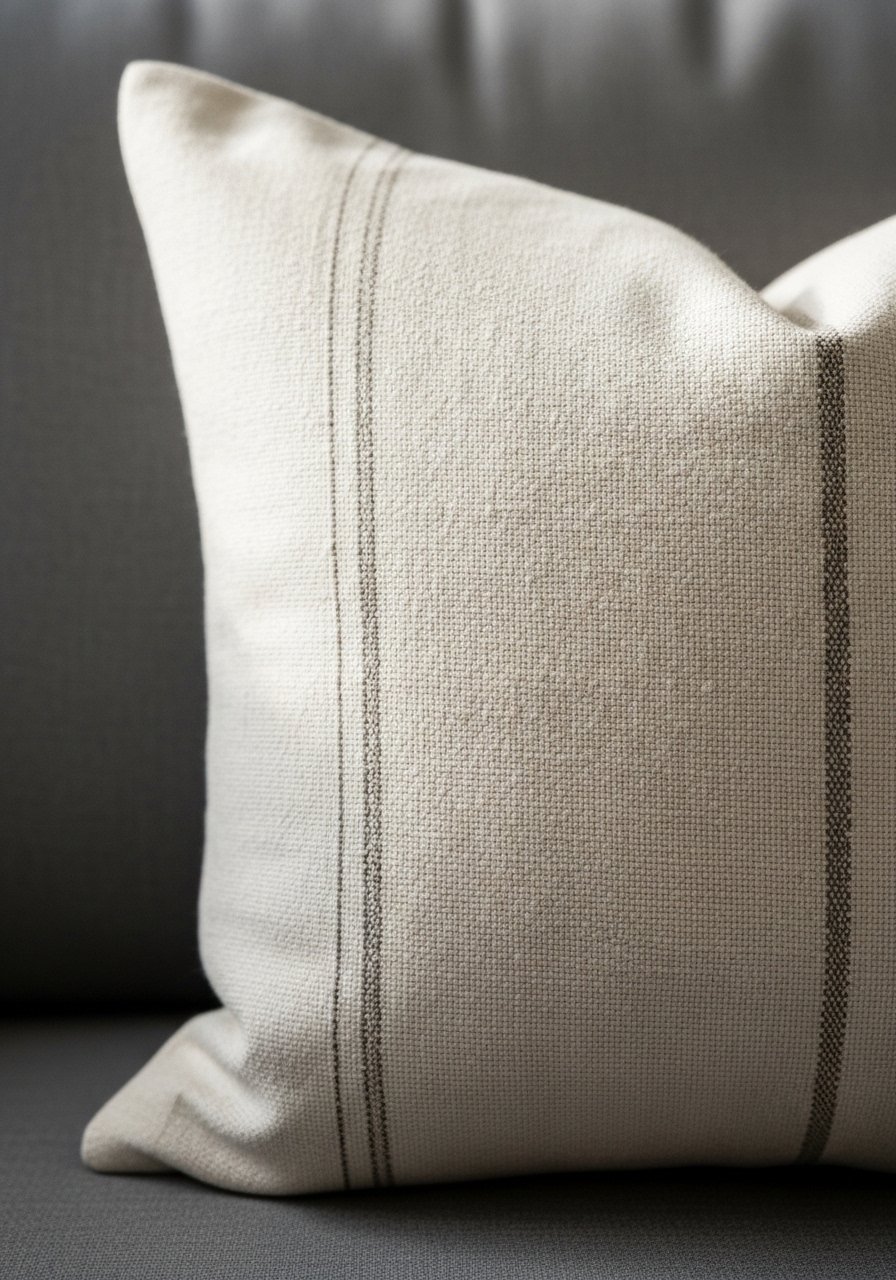
The moment I hand-dyed a spare linen pillow I had, my couch stopped looking flat. Oat or tea dye gives linen a warm beige that reads differently in sunlight. For a balanced sofa, use a 22-inch down-filled insert and cover it with a 20-22 inch linen cover. I spent about $12 per cover in fabric and dye. A common mistake is overdyeing until it looks muddy. Test on a scrap and aim for 20 percent darker than you want, because fabric looks lighter when dry. Pair these with a chunky knit throw from earlier ideas and keep a roughly 80/20 color ratio, 80 percent neutrals and 20 percent deeper taupe or charcoal for contrast. 22-inch down-filled linen pillow inserts are what I use for that plump, lived-in look.
Minimalist Macrame Wall Hanging For Calm Corners
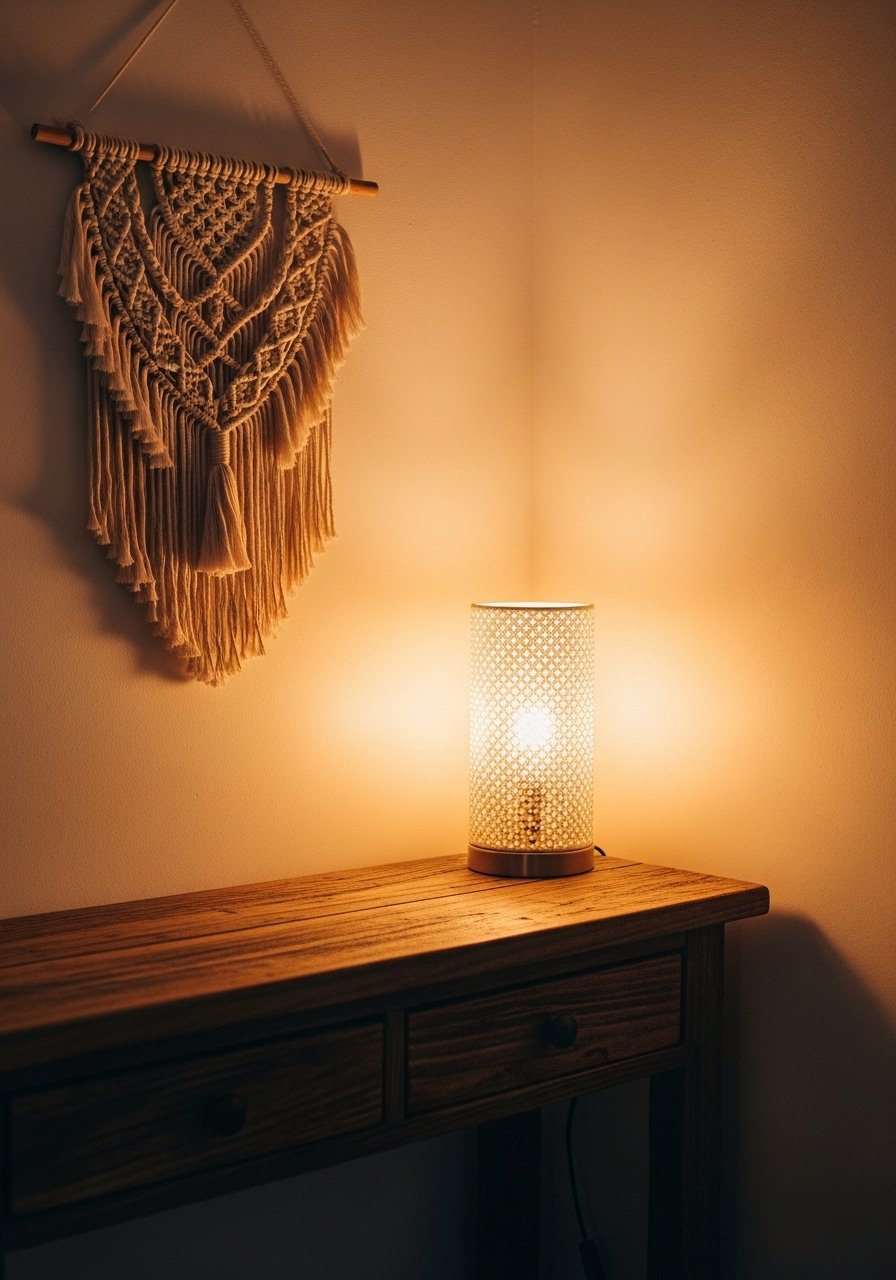
I started knotting macrame because I needed something tall and narrow for an empty wall by the console. A 24-inch wooden dowel and 100 yards of 3mm cotton cord runs under $25. The trick people miss is scale. For a 6-foot wall, a 24- to 36-inch hanging gives balance without feeling like a tapestry takeover. Knot tightly at the top and leave the fringe longer in the middle for a soft V shape. This gives a modern, slightly boho vibe that works in bedrooms or entryways. Most tutorials skip the palette tip. Use three yarn tones max, all within the same value range so the piece reads neutral on Instagram and in your living room. 3mm cotton macrame cord is my go-to.
Painted Terra Cotta Planters For Warm Greenery
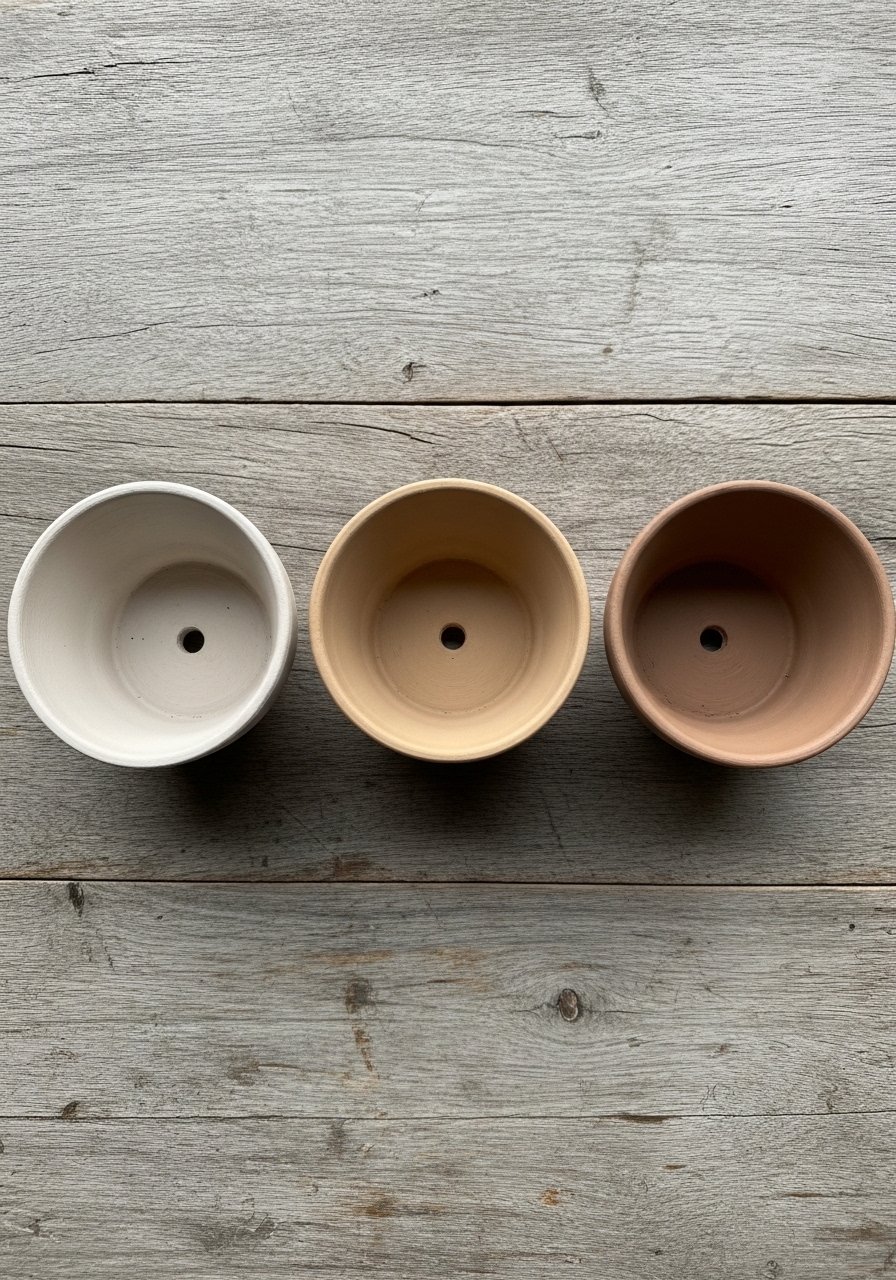
I painted cheap terra cotta pots when I wanted plants to feel intentional, not like afterthoughts. A matte acrylic in warm beige and a sanding block are all you need. Paint two coats, sand the rim lightly, then seal with a clear matte spray. People often use bright glossy paints that clash with neutral decor. Stick to tones within five percent of each other in lightness. For visual weight, use a large 8-10 inch planter on the floor and two 4-6 inch ones on shelves. That spacing creates the rule-of-three grouping that always reads curated. Matte acrylic paint in warm beige dries fast enough for same-day styling.
Neutral Bead Garland For Mantels And Shelves
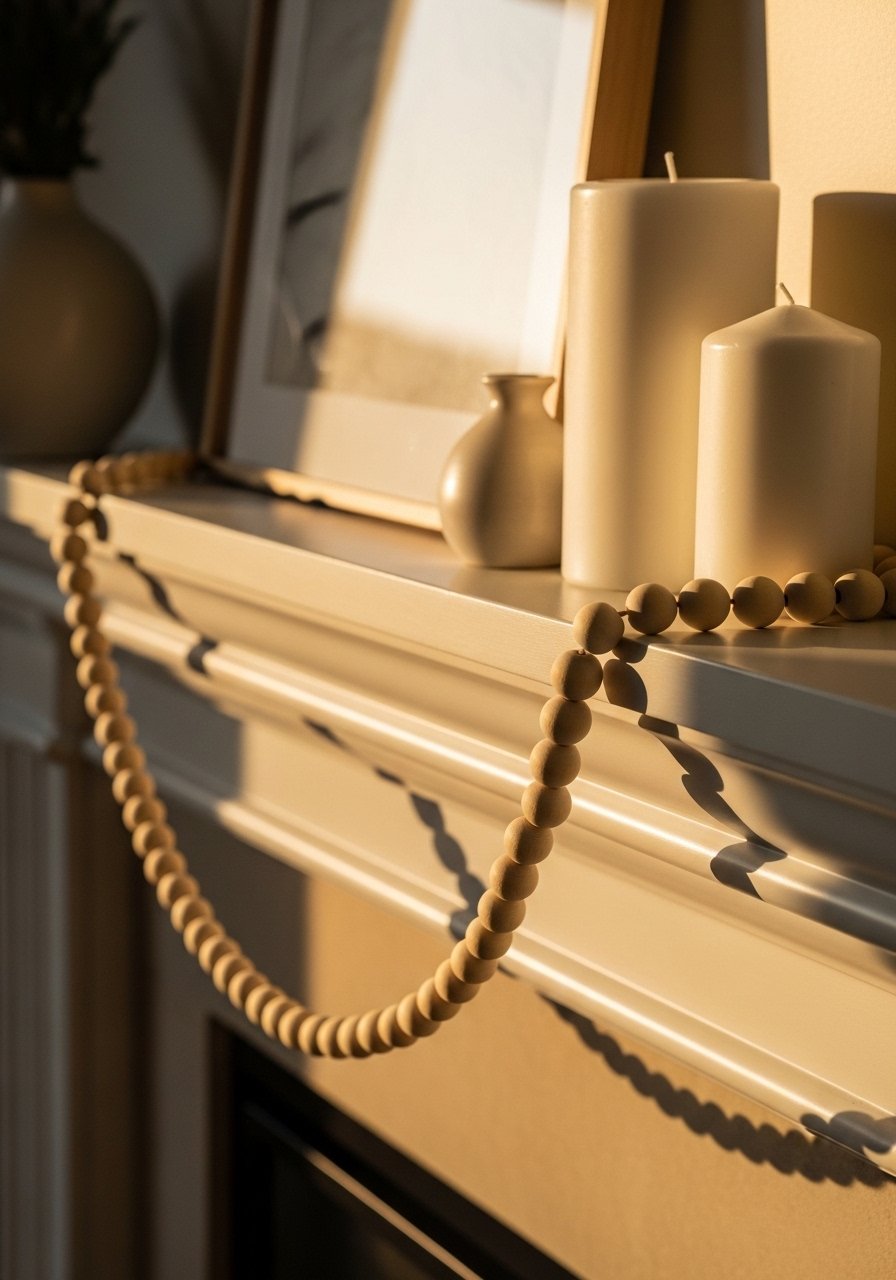
There is something about a simple wood bead garland that makes a mantel feel finished. I made mine from 15mm natural beads on a 6-foot cotton cord. Odd counts look better. I used 21 beads for the center strand and two shorter strands with 13 beads each. The common mistake is tying the ends too short. Leave about 8 inches of cord at each end so it can drape. These garlands are wallet-friendly and work on bookshelves, trays, and even as curtain tiebacks. If you want a slightly modern look, alternate stained and raw beads in a 3:1 ratio. 15mm natural wood beads in bulk saved me hours of searching.
Gallery Ledge With Neutral Frames For Transitional Walls
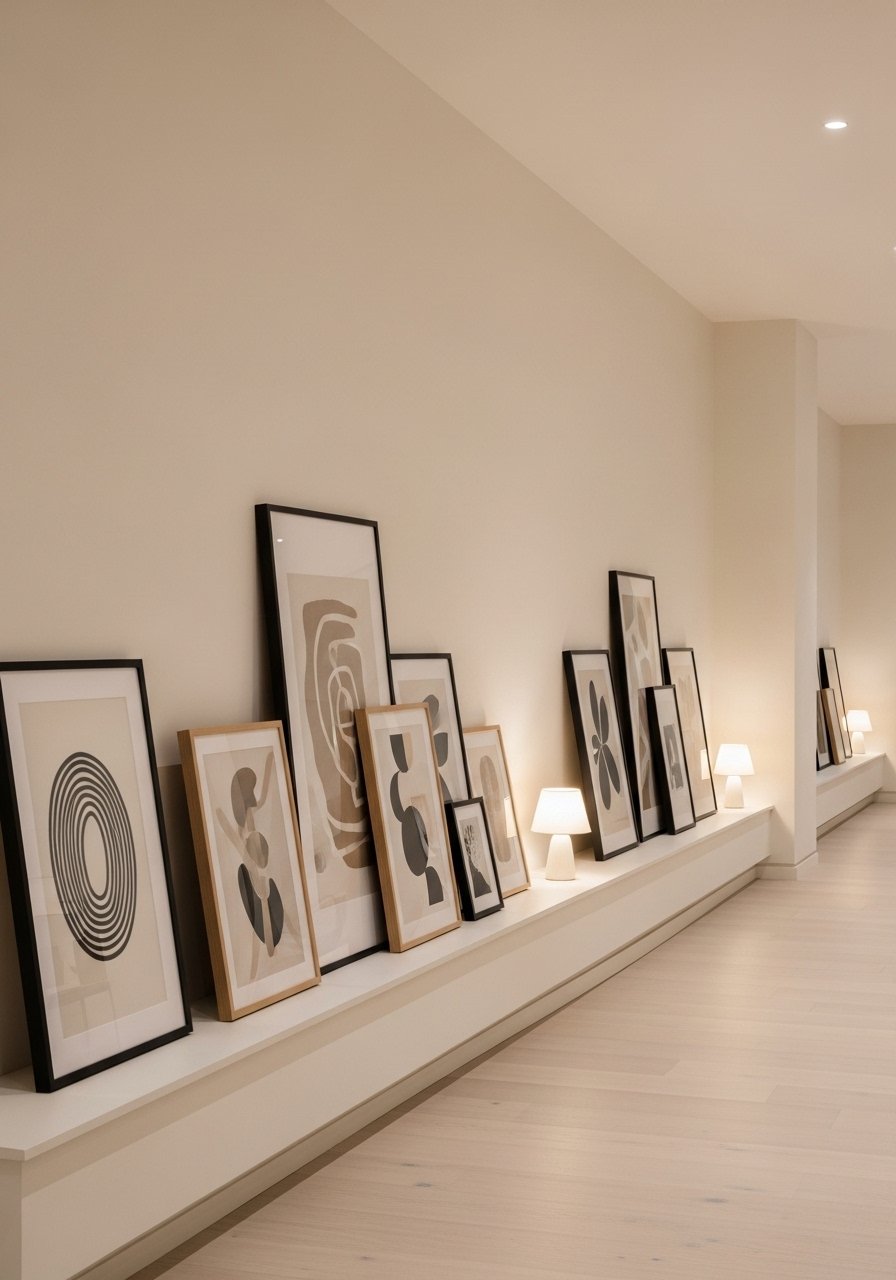
I bought picture ledges when I could not commit to a gallery wall. Ledges let you swap art without patching. Use two 36-inch ledges staggered vertically by 8 inches for a standard hallway. The mistake is crowding every inch. Leave one empty inch at each end and one small gap between frames. For a cohesive neutral look, use matting that is at least two inches wide and frames under 1.5 inches deep. Mix one black frame with two wood frames to avoid the flat monotone many people fall into. 36-inch floating picture ledge made the whole process painless for me.
DIY Pampas Grass Wreath For A Soft Entryway
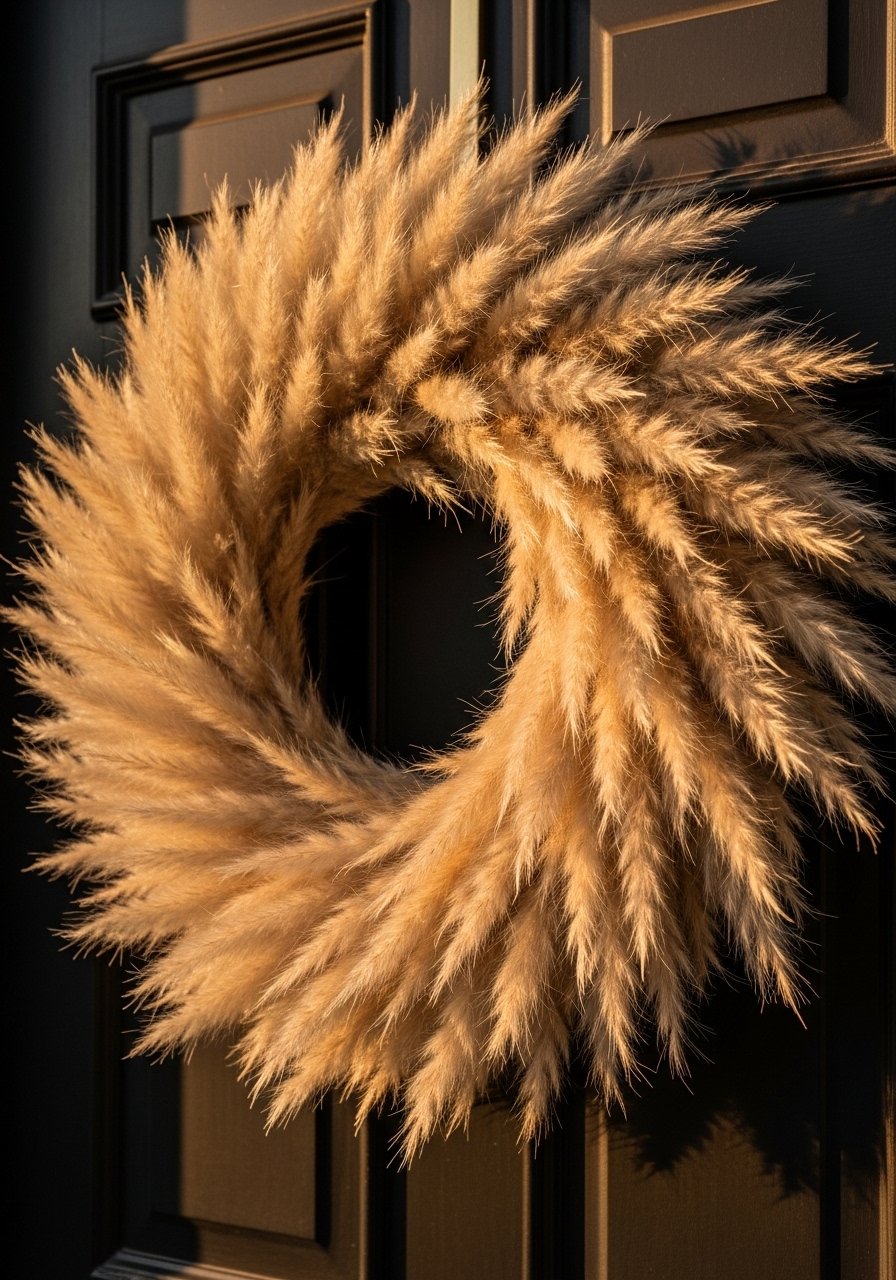
I made a wreath using four 14-inch pampas stems wired onto a 10-inch grapevine ring. Artificial stems are budget friendly and last past shedding season. Mistake alert: too many stems makes it heavy and flat. Use a lighter hand. Layer stems around the bottom two-thirds and leave the top third sparse so the door hardware still shows. The color note most posts skip is matching your wreath tones to the undertone of your trim. Cool trim needs cooler beige stems, warm trim needs golden stems. It hangs in my entry, gives a strong first impression, and costs under $40 if you source stems on sale. Artificial pampas grass stems set are what I used.
Layered Neutral Candles And Concrete Holders For Tabletops

I switched from random candles to a small trio of concrete holders and everything felt more intentional. Make holders by pouring quick-set concrete into silicone molds. Use a mix ratio of 2 parts concrete to 1 part water for the right density. People pour too watery a mix and the holders crack. A 3-inch, 2.5-inch, and 1.5-inch grouping reads collected, not matched. For safety, use glass inserts inside the molds when casting so you can remove them later and place real candles. This is a low-cost project and the rough texture reads beautiful against linen and wood. Quick-set concrete mix for crafts made my first batch look professional.
Neutral Fiber Wall Pockets For Functional Style
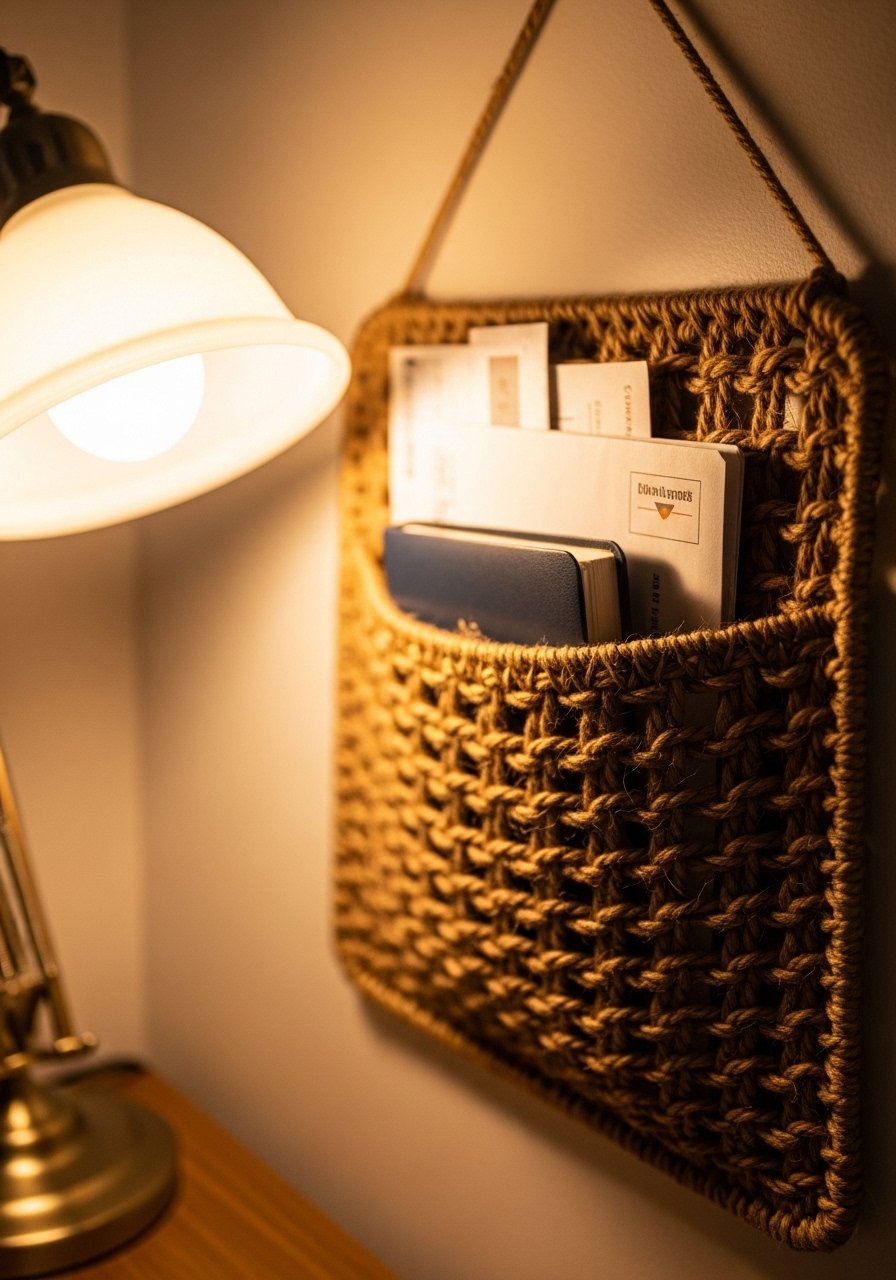
I needed a stylish drop spot for mail. A sewn wall pocket in oatmeal cotton solved it. Cut a 14×18 inch rectangle and fold a 5-inch pocket with reinforced top stitching. Use mid-weight canvas so it holds its shape. The mistake is making the pocket too shallow. Aim for at least 4.5 inches deep so bulky envelopes do not spill. These pockets are great in entryways, next to desks, or above a charging station. Add a small leather loop for hanging to keep things from sliding. If you want a decorative edge, topstitch with a darker taupe thread for subtle contrast. Mid-weight canvas fabric in oatmeal is sturdy and washes well.
Painted Minimalist Canvas For Subtle Wall Art
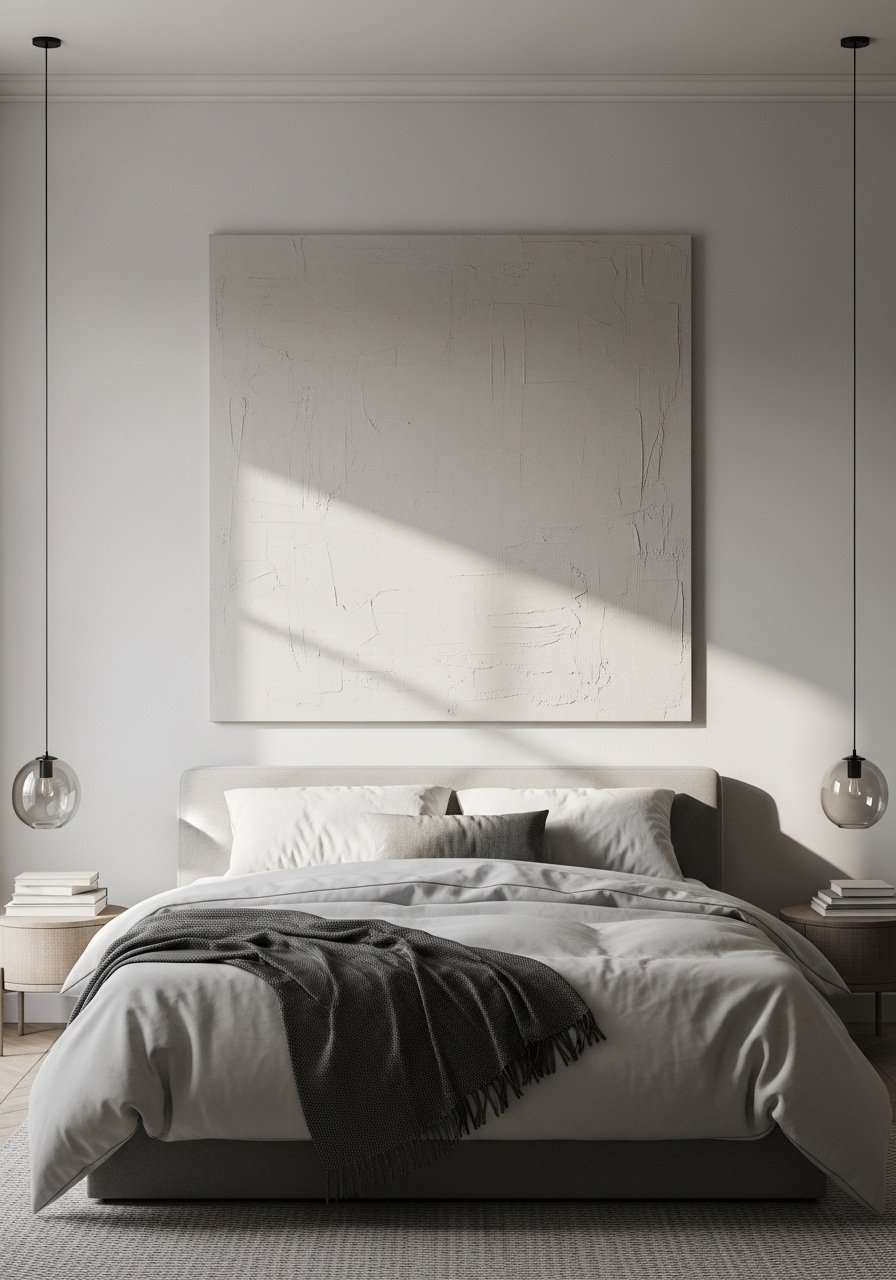
I painted a simple two-tone canvas after realizing blank walls made the room feel unfinished. Use a 24×36 inch canvas and block in two tones with a 60/40 split. I used raw umber and warm white, applied in horizontal bands. People overwork the canvas by adding tiny details. Resist the urge. The charm is in the restraint. For scale, hang the canvas with the center at eye level, about 57 inches from the floor. This sits well above a low dresser or headboard. If you want to add texture, drag a dry brush across the border in a lighter shade. 24×36 stretched artist canvas is a cheap way to make a big impact.
Woven Tray With Neutral Accents For Everyday Styling
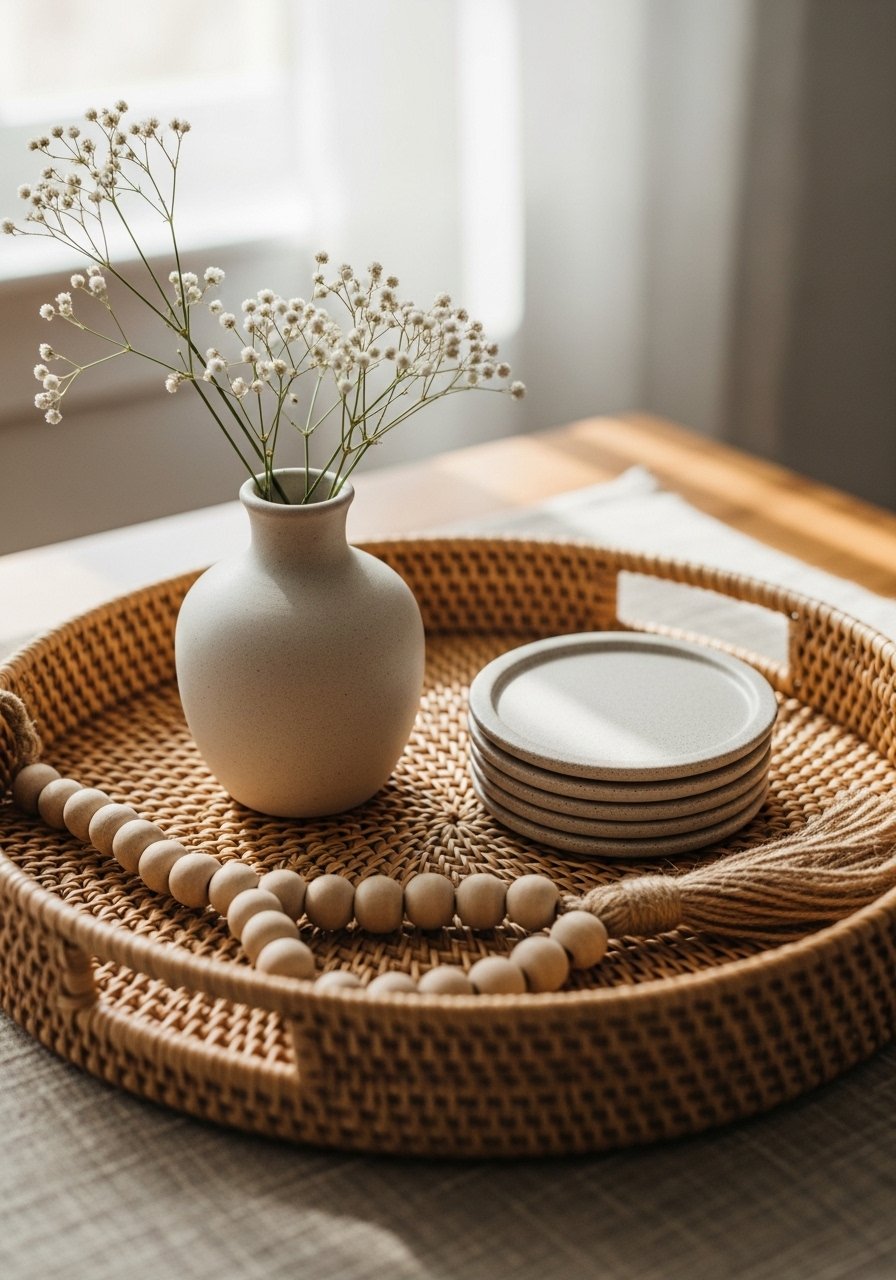
I started using a woven tray to corral remotes, candles, and a small stack of books. A 13-inch rattan tray is the sweet spot for coffee tables. Too small and it looks lost. Too big and it feels bulky. The overlooked tip is bundling items in odd numbers and varying heights. My tray has a 3-inch ceramic vase, a 2-inch candle, and a low bowl for matches. People try to show everything at once. Pick three elements and rotate them seasonally. Woven texture pairs well with the painted planters and concrete holders from earlier ideas, so they feel like one curated vignette. 13-inch rattan serving tray is lightweight and easy to style.
Your Decor Shopping List
Textiles
- Honestly the best $40 I have spent. Chunky knit throw in cream (~$35-55). Drape over the sofa arm for instant warmth
- 22-inch down-filled linen pillow inserts in natural, set of 2
Wall Decor
- 36-inch floating picture ledge (pair two for staggered gallery display)
- 24×36 stretched artist canvas for minimal painting
Lighting & Accessories
- 13-inch rattan serving tray for coffee table vignettes
- 15mm natural wood beads bulk for garlands
- Matte acrylic paint in warm beige for planters and art
Budget Finds Note: Many of these items have similar versions at Target or HomeGoods if you prefer to shop in person.
Shopping Tips
White oak beats dark wood in current rooms I like. Design feeds favor lighter woods this year. White oak floating shelves look current, not dated.
Grab velvet pillow covers for $12 each. Swap them seasonally and the whole sofa feels different.
Curtains should puddle or kiss the floor, never hang halfway up. These 96-inch linen panels are the right call for standard 9-foot ceilings.
One large plant beats five small ones. Artificial fiddle leaf fig 6ft adds instant height where care is limited.
Frequently Asked Questions
Q: Can I mix textures like macrame and concrete without the space feeling messy?
A: Yes. Keep your color value consistent so the textures read as a layer, not a clash. For example, pair a warm beige macrame with a concrete holder that has a slight tan pigment. The macrame brings softness, the concrete gives weight. Use a single color anchor like a large linen pillow so the eye has a rest.
Q: What size art do I need above a console?
A: Aim for art that is about two-thirds the width of the console. For a 48-inch console, go with artwork around 32 inches wide, or use a 24×36 canvas centered with a one-inch gap at each side.
Q: How do I stop neutral decor from looking boring?
A: Add one unexpected texture and one darker neutral. A slightly charcoal throw pillow or a dark frame gives depth. I noticed half the homes I visit skip the darker pieces and end up visually flat. Use ratios: 80 percent light neutrals and 20 percent darker tones.
Q: Are faux plants acceptable in neutral styling?
A: Absolutely. Use a tall faux like a 6-foot fiddle leaf fig where real light is low. Mix one real low-care plant, like a snake plant, with a faux for balance.
Q: How do I size pillows and throws for a layered look?
A: Use 22-inch inserts in the back, 18-inch in front, and one lumbar at 12×20 inches. For throws, a 50×60 inch knit looks great folded over an arm. This sizing rule stopped my sofa from looking like a row of identical squares.