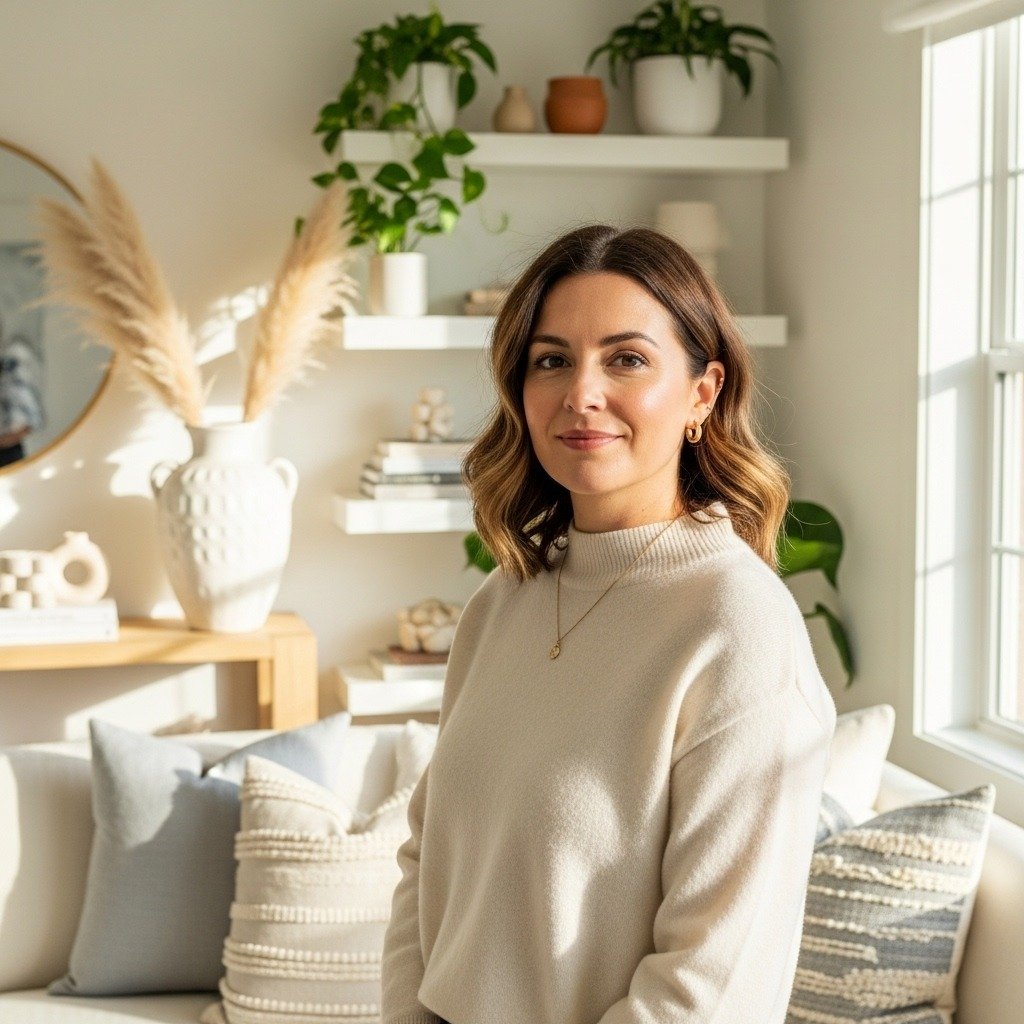
My living room had nice furniture and decent lighting but it still felt like a waiting room. Took me embarrassingly long to figure out it was missing texture. Every surface was smooth, every color was flat, and nothing invited you to actually sit down. Once I started swapping in a few found objects and soft neutrals the place finally felt collected, not staged.
These ideas lean vintage-inspired with a modern edit. Most pieces are under $75, with a couple of splurges around $150. They work in living rooms, bedrooms, entryways, or any space that needs personality without shouting for attention.
Layered Neutrals with Vintage Textiles for Living Rooms
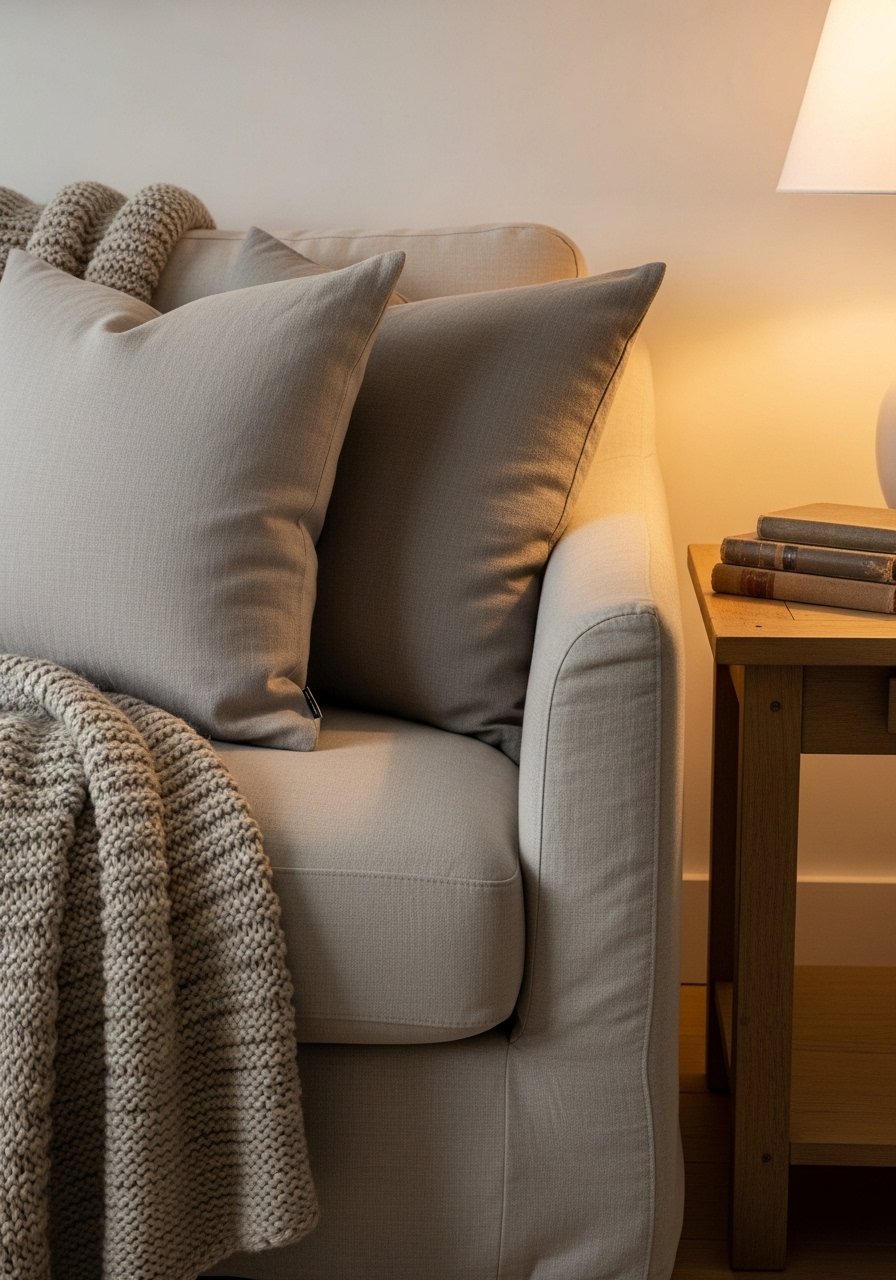
The moment I draped a chunky knit throw over the arm of my gray sofa the whole room stopped looking flat. Layer a 50 by 60-inch chunky knit throw over a neutral linen sofa and add 22-inch down-filled linen pillow covers in off-white and warm taupe. I like the contrast of soft textiles against a mid-century side table, which keeps the look collected rather than new. One common mistake is matching every textile exactly. Instead use three neutrals at most, aim for an 80/20 balance where 80 percent of the room reads calm and 20 percent shows contrast, and mix in a single vintage pattern like an old kilim pillow. Try a chunky knit throw in cream to start. Expect this to cost around $30 to $60 depending on size.
Vintage Gallery Wall with Mixed Frames for Hallways
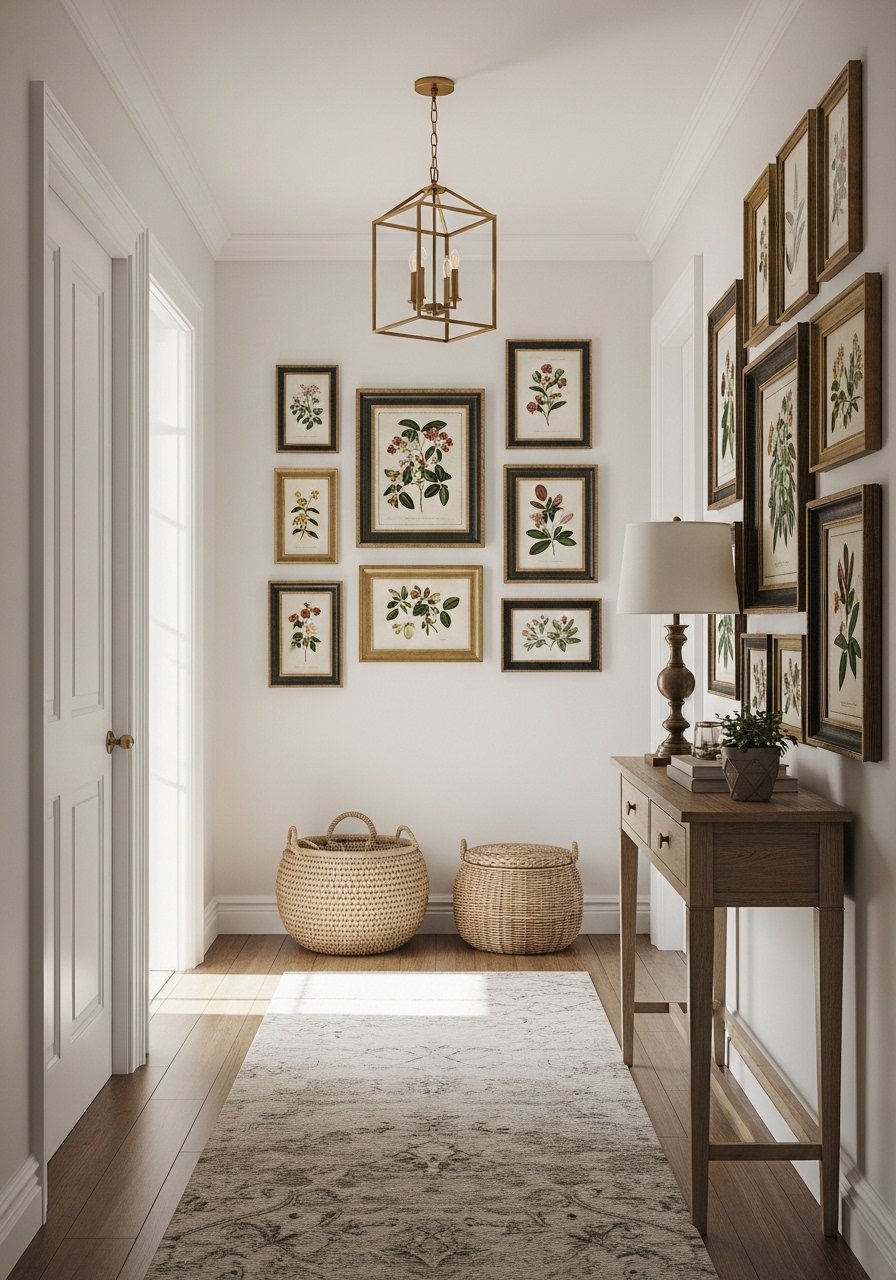
I used to buy matching frames because it felt safe. Then I switched to a mix of brass, black, and aged wood and the wall finally read collected. Start by grouping frames in threes, then expand outward. Use a shallow picture ledge under one cluster to swap art without more holes. I fixed the commitment issue with brass picture ledges that were cheap and easy to hang. A mistake people make here is spacing frames too far apart. Keep the center of the gallery at eye level and aim for 2 to 4 inches between frames so it reads intentional. Pair this with the oversized mirror idea later to reflect more vintage finds.
True Neutral Paint Base for Vintage Layers
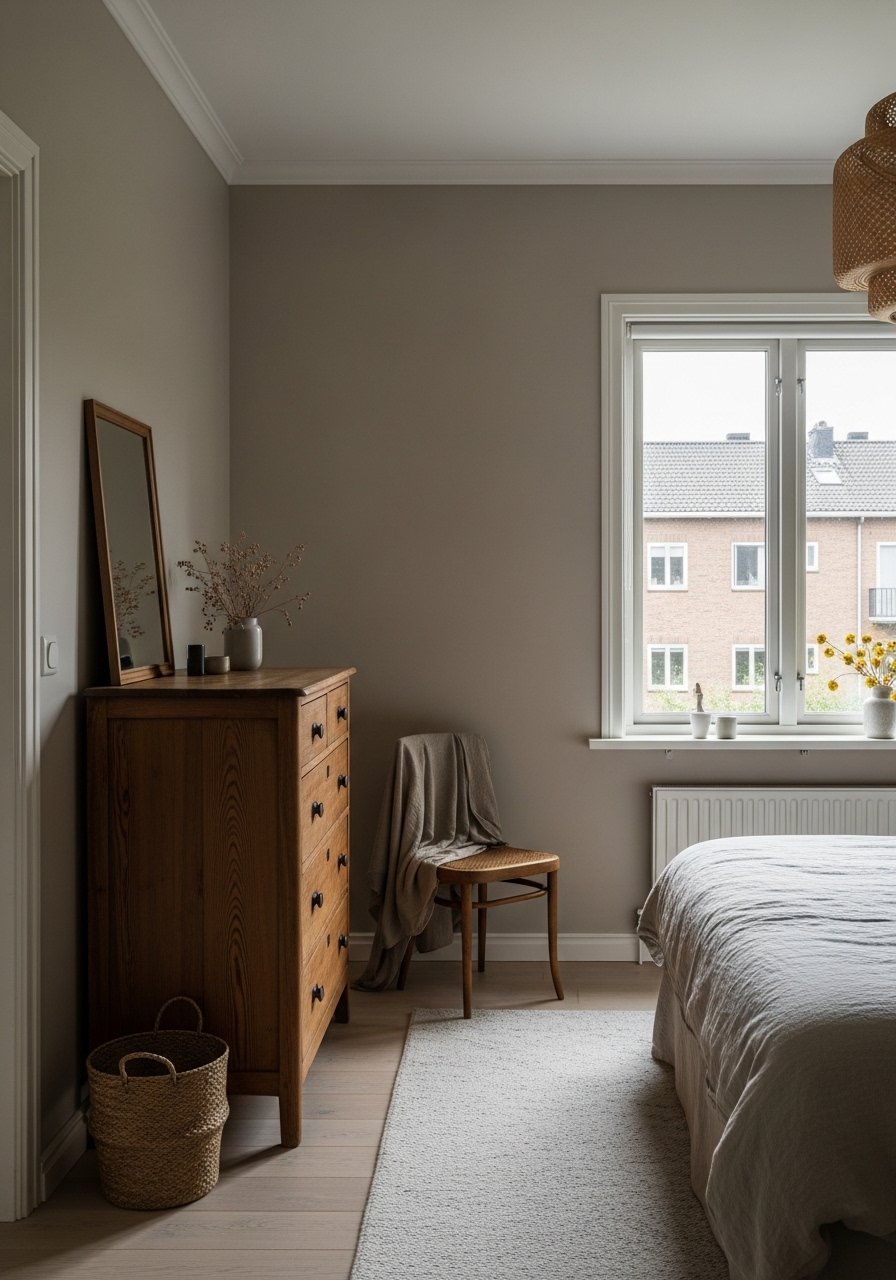
Picking the right neutral base changed everything in my guest room. I asked for a competitor formula at the paint desk and brought fabric swatches to match against the wall. A huge chunk of repaints happen because the match bombed first try. Most folks mess up because they skip the home light check. Scan tech nails tough ones way better than eyes alone. Practical moves that helped: request a competitor formula by name, pick Base 1 for light neutrals by checking the LRV, and paint three 1×1 foot swatches on a piece of cardboard to move around the room all day. Wait 48 hours for full dry down before judging. If you rent, do the swatch-on-canvas trick so you can remove it later.
Curved Vintage Mirrors to Brighten Dark Corners
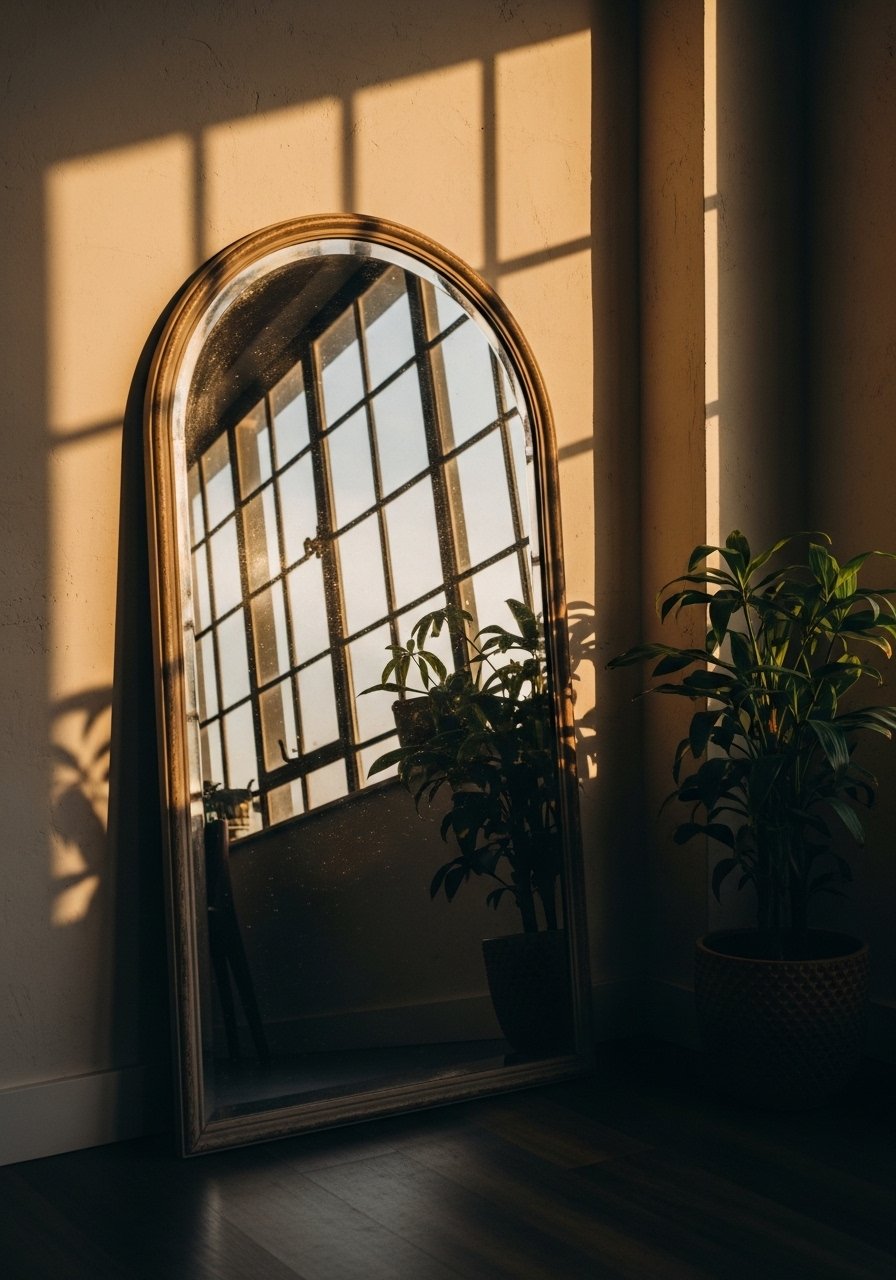
I used to hang small mirrors where a large one was needed. Swapping to an arched 30 to 36-inch vintage-style mirror made the whole corner feel intentional and doubled the light. Lean it on a console for a relaxed, collected vibe, or hang it centered above a dresser in a bedroom. One error I see is picking a mirror that is too ornate for simple furniture. Keep the frame patina subtle and pair it with simple, modern accessories. For a budget-friendly option use an oversized arched mirror that looks old without the price. Mirrors work especially well across from windows or a gallery wall.
Layered Rugs and Natural Fibers for Traffic Areas
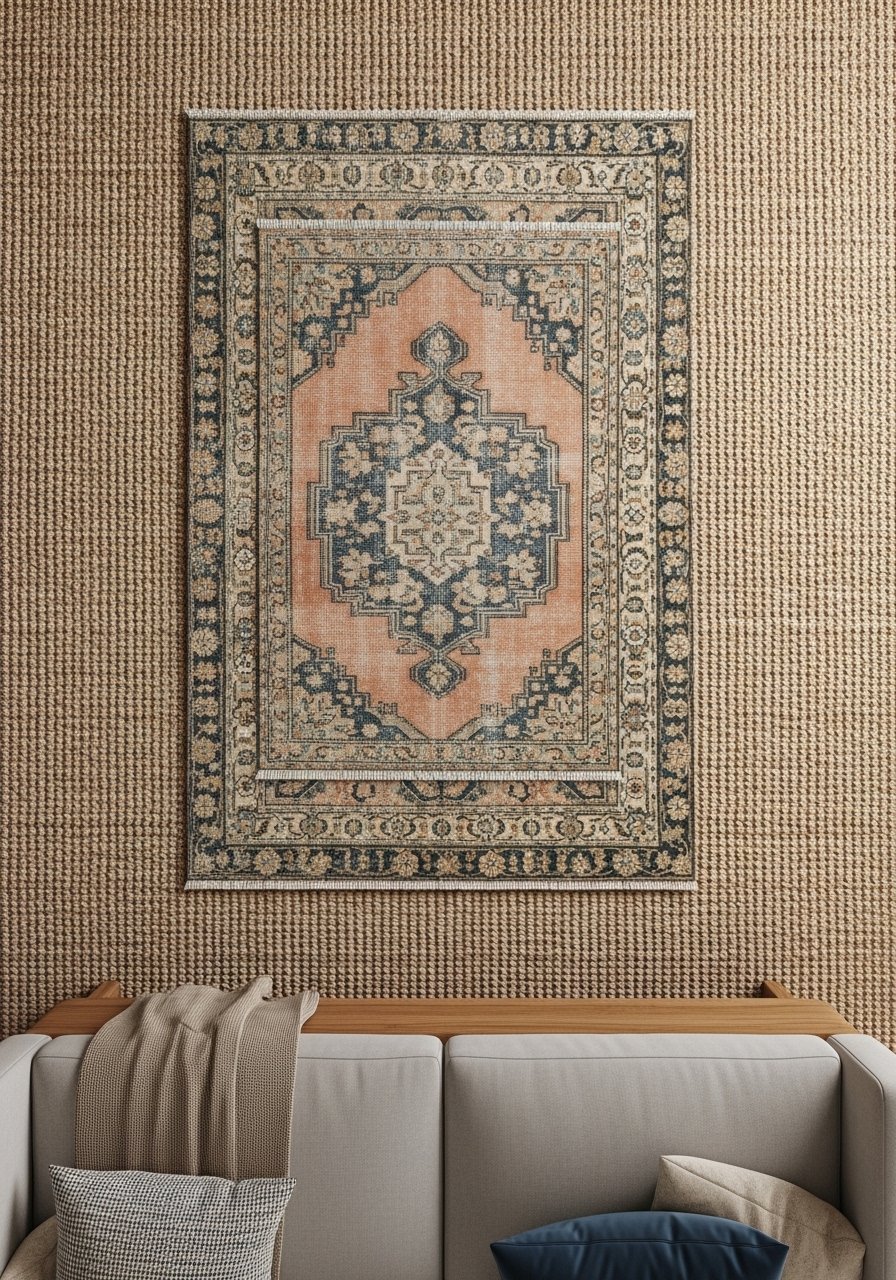
I tried one rug for years and the room felt static. Layering a flat jute base with a smaller vintage wool rug gives depth and handles real-life wear. Use a 6×9 natural fiber underneath with a 5×7 or 5×8 decorative rug on top for a standard seating area. A mistake is buying rugs that are too small. For a three-seater sofa go 8×10 or at least let the front legs sit on the top rug. I recommend a neutral 6×9 jute rug as the foundation because it hides traffic and ties everything together.
Vintage Lighting and Mixed Metals for Softer Glow
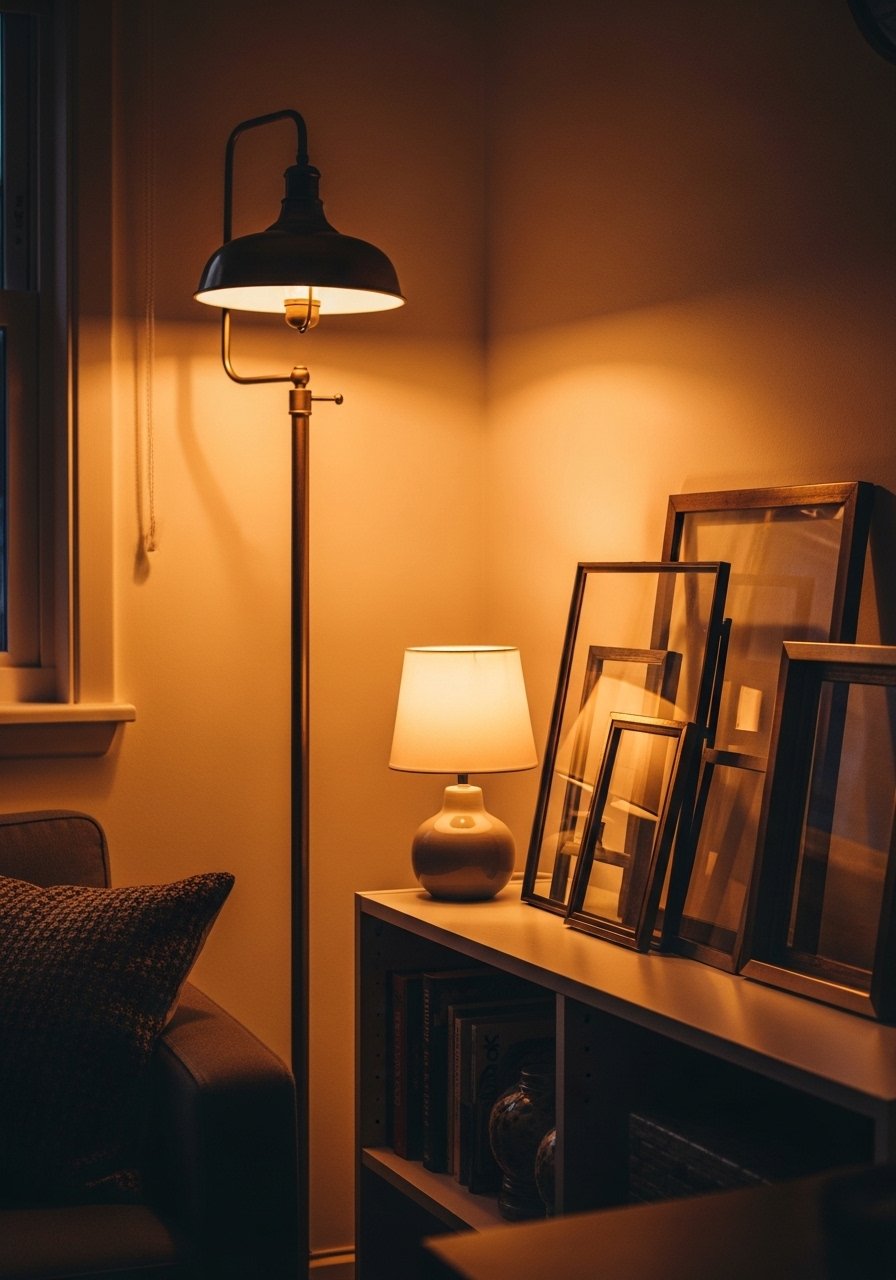
Lighting made the room feel lived-in rather than showroom. I keep one warm brass floor lamp and a ceramic table lamp with a soft 2700K bulb. Mixing metals matters more than matching them. If you only use chrome the room reads new. Add brass and brushed nickel and it looks collected. One pitfall is using bulbs that are too bright in vintage fixtures. Stick to 40 to 60 watt equivalent LEDs in warm tones and dimmers where possible. I snagged a vintage-style brass floor lamp for under $100 and it paid for itself in atmosphere.
Curated Books, Small Finds, and Ceramic Vessels for Shelves
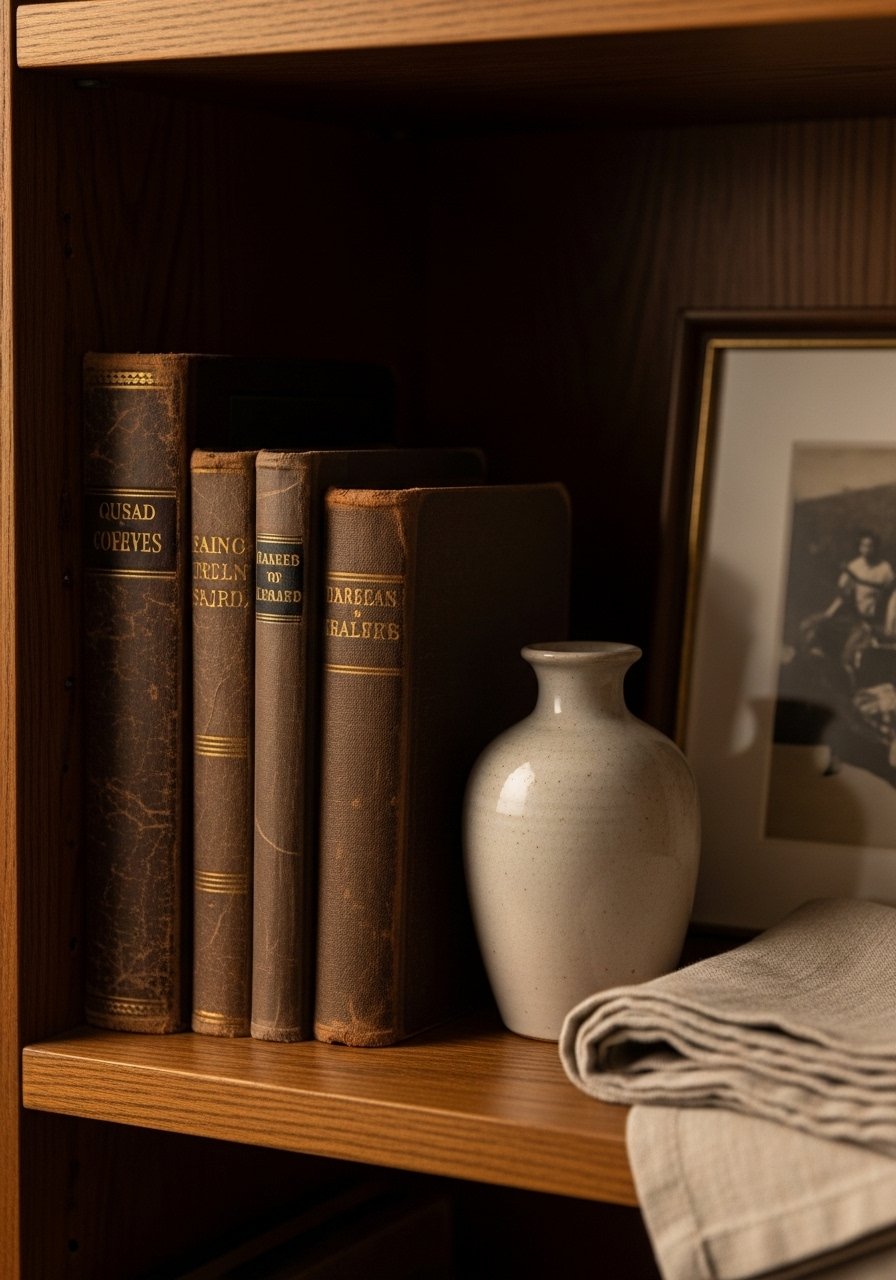
Books are the collectible secret that makes shelves feel personal. I swap half the spines to face inward and stack books horizontally so small ceramics sit easily. One real-life trick is to follow odd numbers on every shelf, three or five objects, then add one living thing like a cutting from a pothos. Avoid filling every shelf top to bottom. Leave two to three gaps for air. For affordable ceramics try a set of small neutral stoneware vases in different heights. These little objects cost little but read layered and collected.
Reclaimed Wood Shelves and White Oak Accents for Kitchens
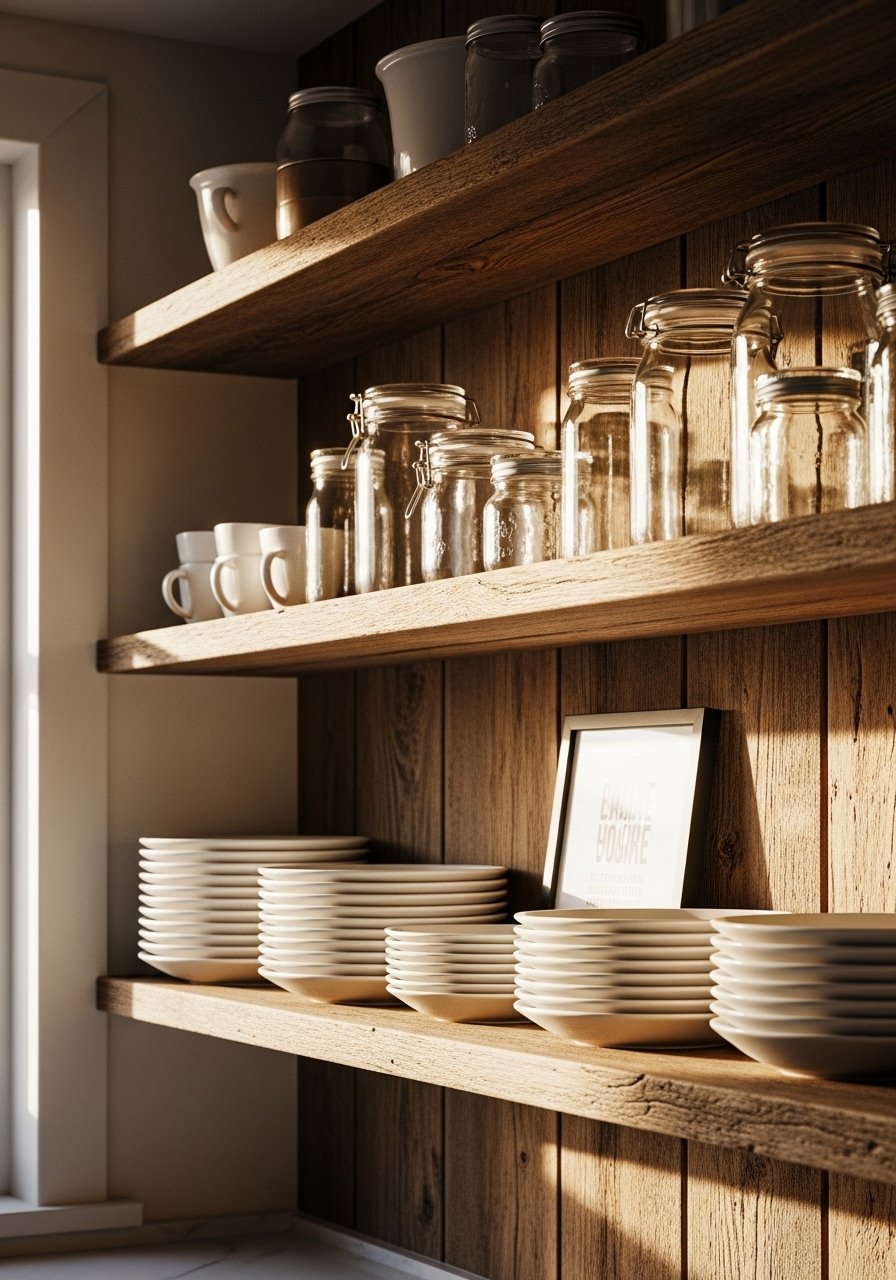
Open shelving with reclaimed wood brought warmth to my pale kitchen and finally made the space feel mixed era. White oak floating shelves balance old objects and modern kitchens. Everyone buys metal brackets that shout new. I prefer hidden brackets and shelves that are 10 to 12 inches deep for plates and bowls. If you have kids or pets choose a semi-gloss for the lower shelves so cleaning is easier. Try white oak floating shelves in a natural finish for that right-now-but-aged look.
Vintage Linens and Layered Bedding for Guest Bedrooms
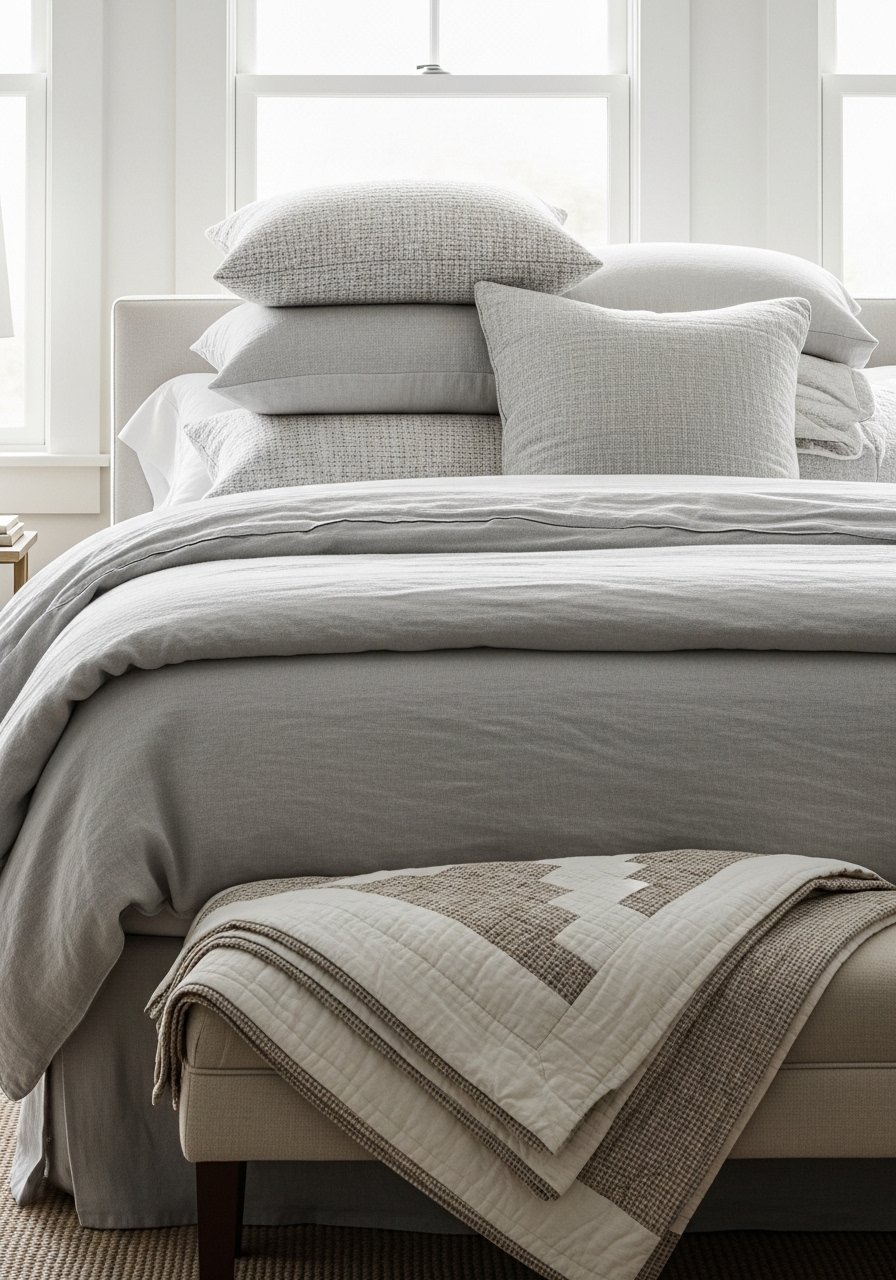
There is something about a bed dressed in old linens that makes a room feel like it has a story. Start with a neutral linen duvet, add a thin cotton quilt in a faded pattern and finish with a 20 by 26-inch vintage euro sham. One mistake is buying heavy duvet covers only. Mix lighter textures so the bed reads effortless. I paid under $100 for a linen duvet and it lasted years. Consider a linen duvet cover in natural and layer with thrifted quilts or ones that look gently faded for authenticity.
Your Decor Shopping List
Textiles
- Honestly the best $40 I have spent. Chunky knit throw in cream for sofas and armchairs
- 22-inch linen pillow covers, set of 2 in warm taupe and off-white
- Linen duvet cover in natural (~$80 to $150)
Wall Decor
- Brass picture ledges (~$18-25) for easy swaps
- Oversized arched mirror, 30-inch for entryways or over console
Rugs and Flooring
- 6×9 jute area rug as a durable neutral base
Lighting and Vessels
- Vintage-style brass floor lamp (~$80-120)
- Stoneware bud vases set for shelves and tables
Shelving
- White oak floating shelves, pair for the kitchen or living room
Notes: Many of these pieces have similar finds at Target or HomeGoods if you prefer to see them in person.
Shopping Tips
White oak beats dark wood in 2026. Design feeds have shifted completely. These white oak floating shelves look current, not dated.
Grab this chunky knit throw for $35. Swap it seasonally to change the room’s feel without a full redo.
Curtains should puddle or kiss the floor, never hang halfway up. These 96-inch linen panels are right for standard 9-foot ceilings.
If you are matching paint to fabric, bring the fabric to the paint desk and ask for the competitor formula by name. I once asked for Farrow and Ball Old White at Sherwin-Williams and the staff could work from that formula. For tricky matches consider a store scan service.
Frequently Asked Questions
Q: Can I mix boho textiles with vintage furniture without it looking messy?
A: Yes, if you keep the palette limited. Use three neutrals max and repeat a texture two or three times across the room. Stick to the 80/20 observation where most of the space is calm and a few pieces add contrast.
Q: What size rug do I actually need for a living room?
A: Bigger than you think. For a standard sofa and two chairs, aim for an 8×10 so the front legs sit on the rug. If you layer, use a 6×9 jute underneath and a 5×8 or 6×9 decorative rug on top.
Q: How do I make thrifted pieces feel intentional and not random?
A: Edit to a theme. Pick two shared details like wood tone and metal finish. Group finds in odd-numbered arrangements and give each shelf or table two anchors and one small spare piece.
Q: Should I try to match metals in a vintage-neutral room?
A: Mix metals. It reads more collected. Use brass as a warm anchor and add touches of black or nickel to balance it. Mixed metal picture frames are an easy place to start.
Q: Can renters achieve this collected look without permanent changes?
A: Absolutely. Use removable picture ledges, swatch boards for paint tests, and freestanding shelves. For curtains use Command hooks if you need to avoid drilling.