
My living room had nice furniture and decent lighting but it still felt like a waiting room. Took me embarrassingly long to figure out it was missing texture. I started with tiny rope details and then kept going. Within a weekend I had baskets, a mirror frame, and a rustic shelf that actually made the space feel lived in.
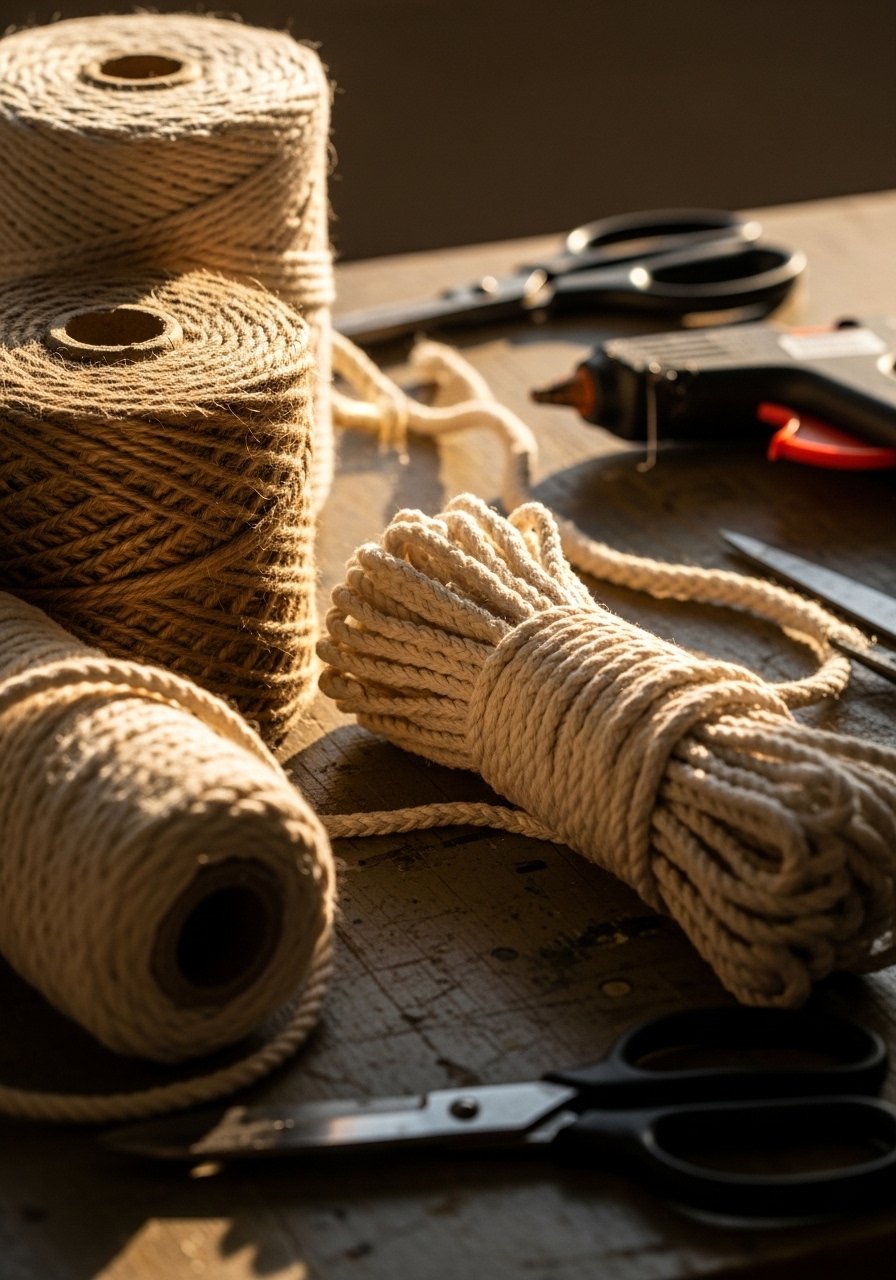
These projects lean casual coastal and modern-rustic. Most are under $30, with three projects where I spent $40-75 on tools or a nicer cord. They work in living rooms, entryways, porches, and bedrooms. If you have limited space, pick the wall or tabletop ideas first for the fastest impact.
Knotted Macrame Wall Hanging For A Cozy Nook
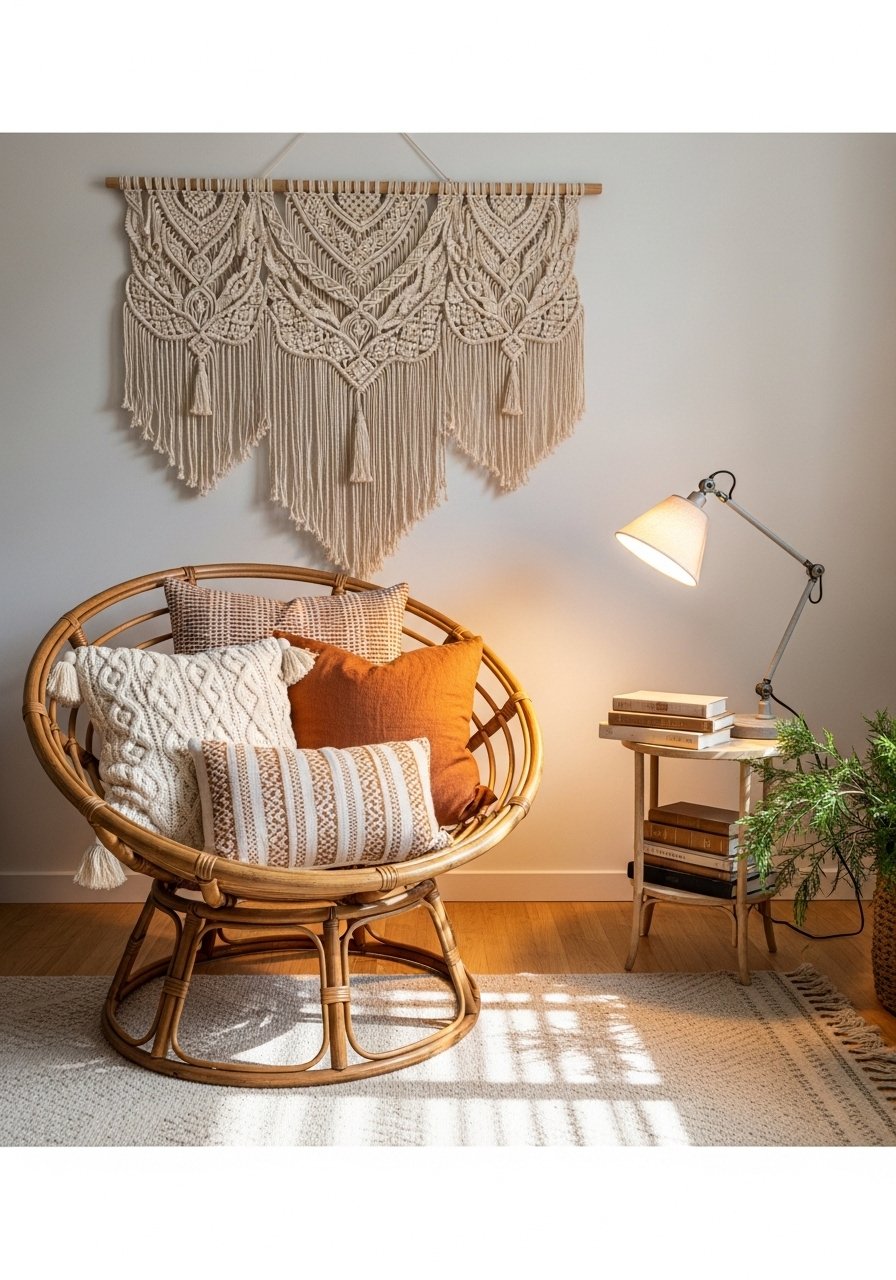
The moment I hung a macrame piece above my reading chair the whole corner stopped feeling empty. Macrame uses simple square knots and half-hitch rows to create texture, so a 3-foot-wide piece fits perfectly above a 24-30 inch chair. I used 5 mm cotton cord for structure and left fringe at a 3:1 length ratio to the hanging width. Expect to pay $10-25 for cord. A common mistake is making the piece too small for the wall; scale it to at least two thirds of the furniture underneath. For cord I like this cotton macrame cord which softens under light trimming.
Wrapped Mirror Frame To Brighten Dark Corners
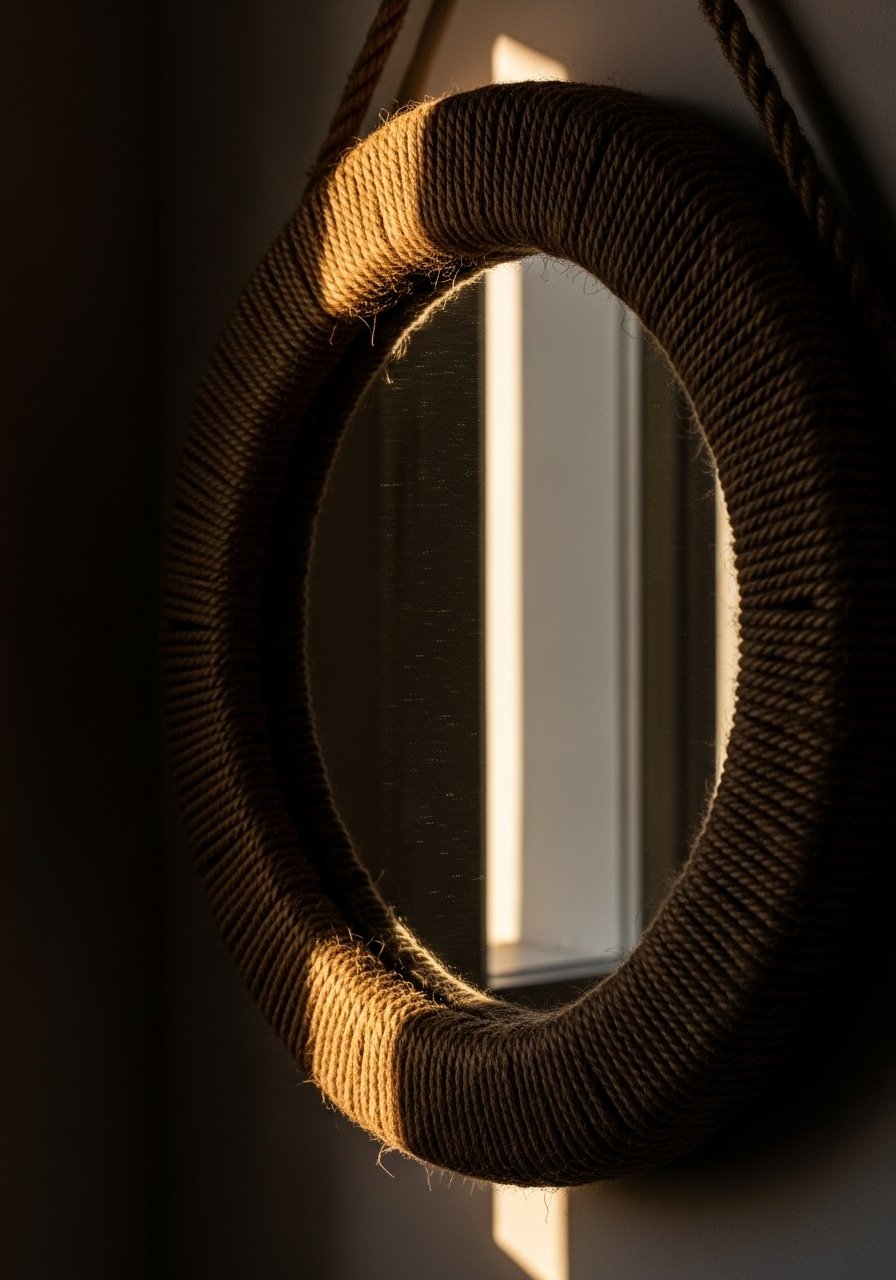
I wrapped a thrifted round mirror with 3/8-inch jute and the hallway suddenly felt intentional. The rope adds a tactile border that bounces light back into the corridor. Start with an inch overlap and hot glue every 2 inches so the seam stays tight. This is a $15-35 project depending on mirror size. People often stop at one wrap and the join looks messy. I suggest wrapping twice and finishing with a dab of clear matte varnish. If you need rope, grab this sturdy natural jute rope.
Rope Basket For Entryway Catchall, Cozy Farmhouse Vibe
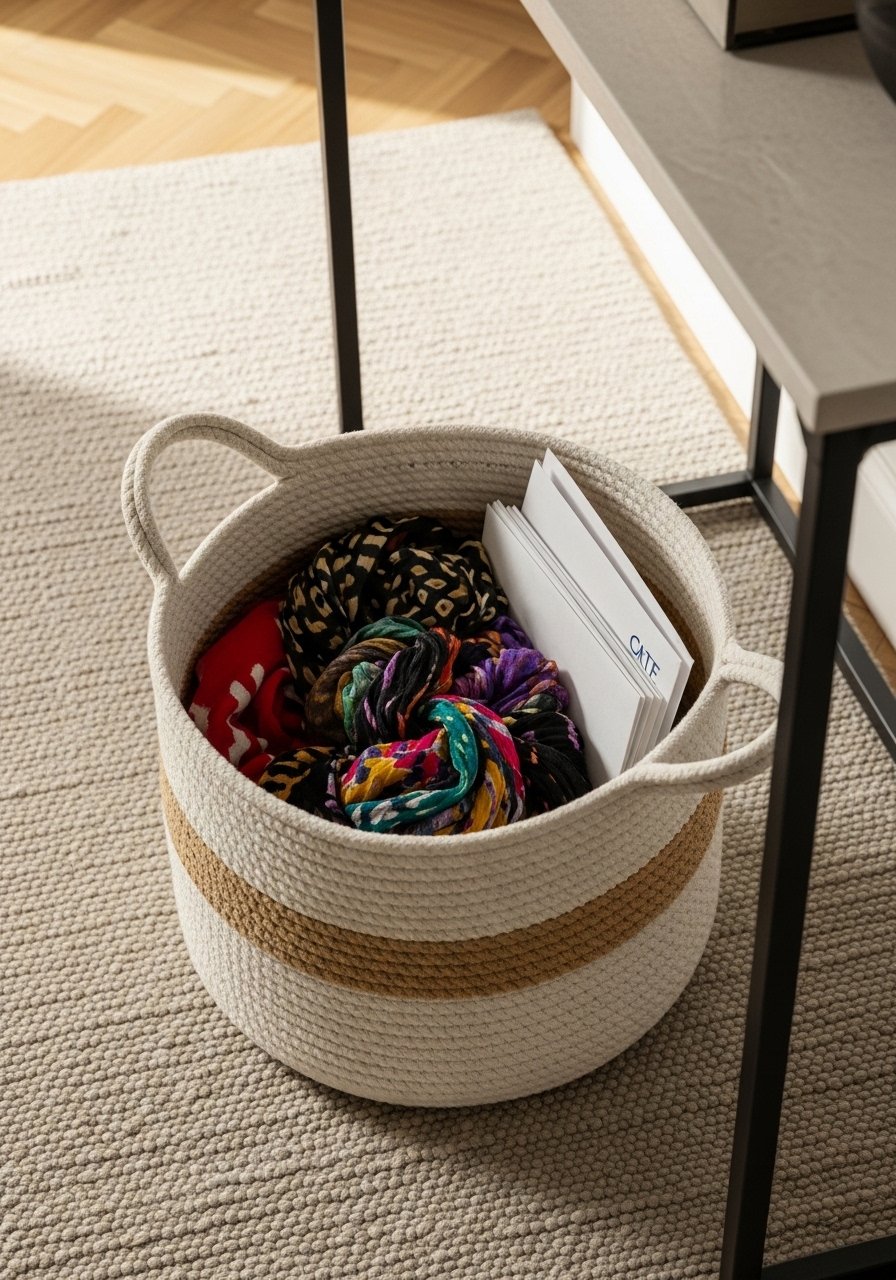
My entryway used to be a dumping ground until I made a 12-inch rope basket. Start with a 10-inch circle base and coil rope with a few stitches every 3 inches using heavy-duty thread. Using a 1-inch drift in coil height keeps the sides even. Budget is $20-30 for rope and thread. The usual mistake is skipping a solid base which makes the basket collapse when filled. Pair this with the mirror idea above for a cohesive look. I used cotton rope spool that holds glue well and feels soft.
DIY Rope Plant Hanger For Indoor Greenery, Boho Touch
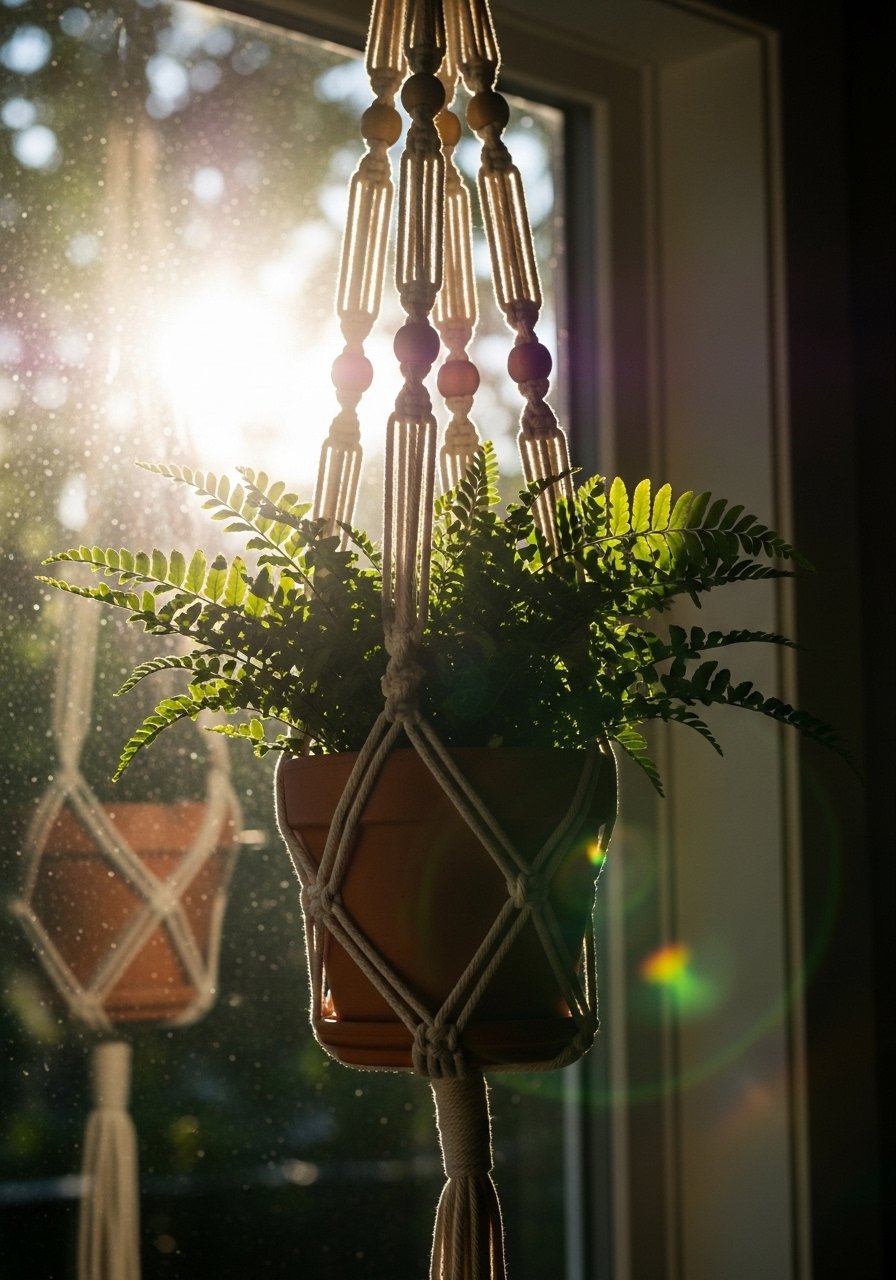
There is something about a hanging planter that makes a room feel cared for. I braided a 4-strand hanger with 4 feet of 1/4-inch cotton cord per strand and added a 4-inch wooden ring at the top. A common pain point is too-short hangers that sit at eye level and block sight lines. Measure clearance so the pot sits at least 18 inches above furniture. Budget under $20 for cord and rings. I like these round wooden rings for hangers for a natural look.
Rope Coasters And Trivets For Everyday Function
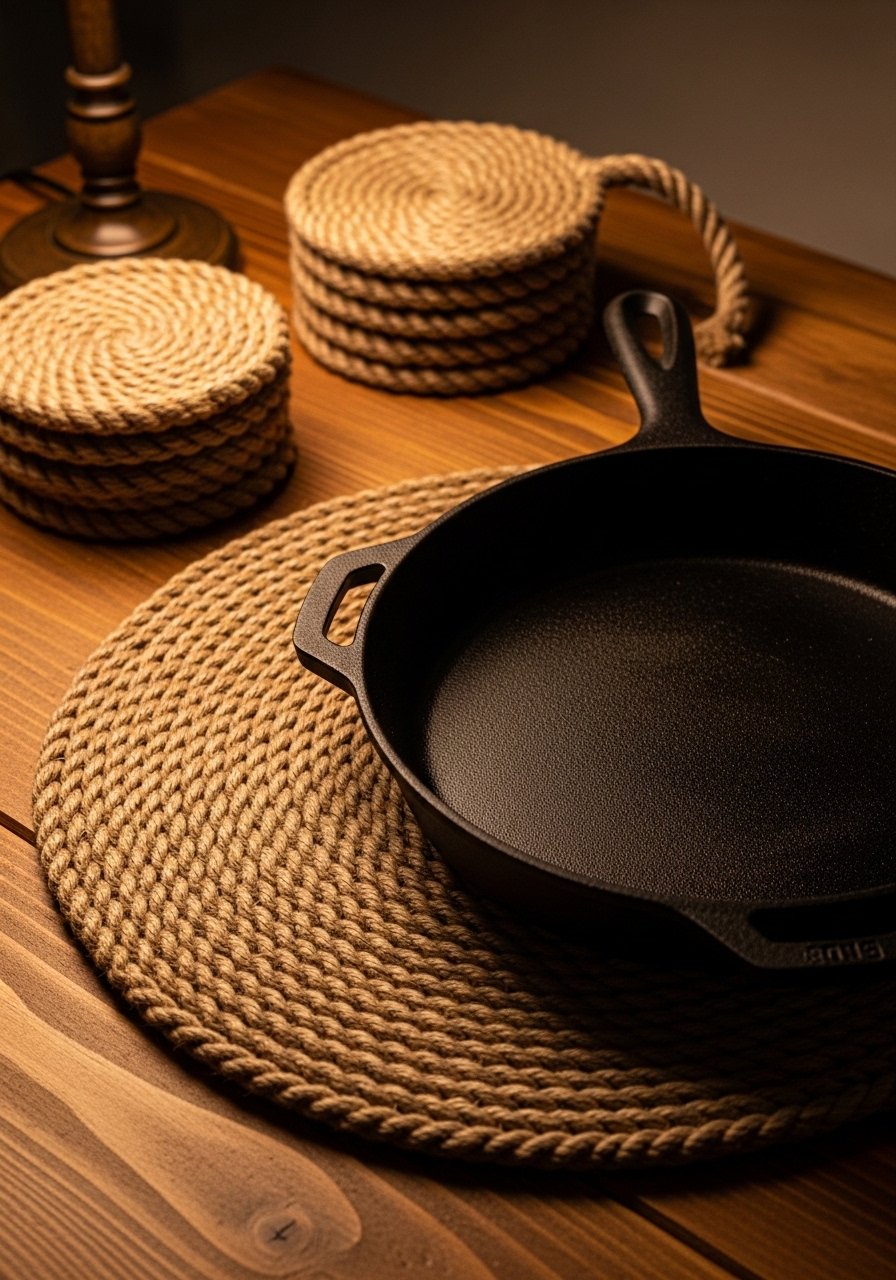
I made six coasters in an afternoon and they saved my coffee table. Coil 1/2-inch jute in a tight spiral to about 4 inches for coasters and 9-10 inches for a trivet. Glue every 1 inch and press with clamps for 10 minutes. These cost $5-12 depending on rope type. People often make them too thin; aim for at least three layers of rope thickness to avoid heat transfer. These pair great with the wrapped tray idea below. I used natural jute rope 1/2 inch for grip and character.
Rope-Wrapped Tray For Coffee Table Styling
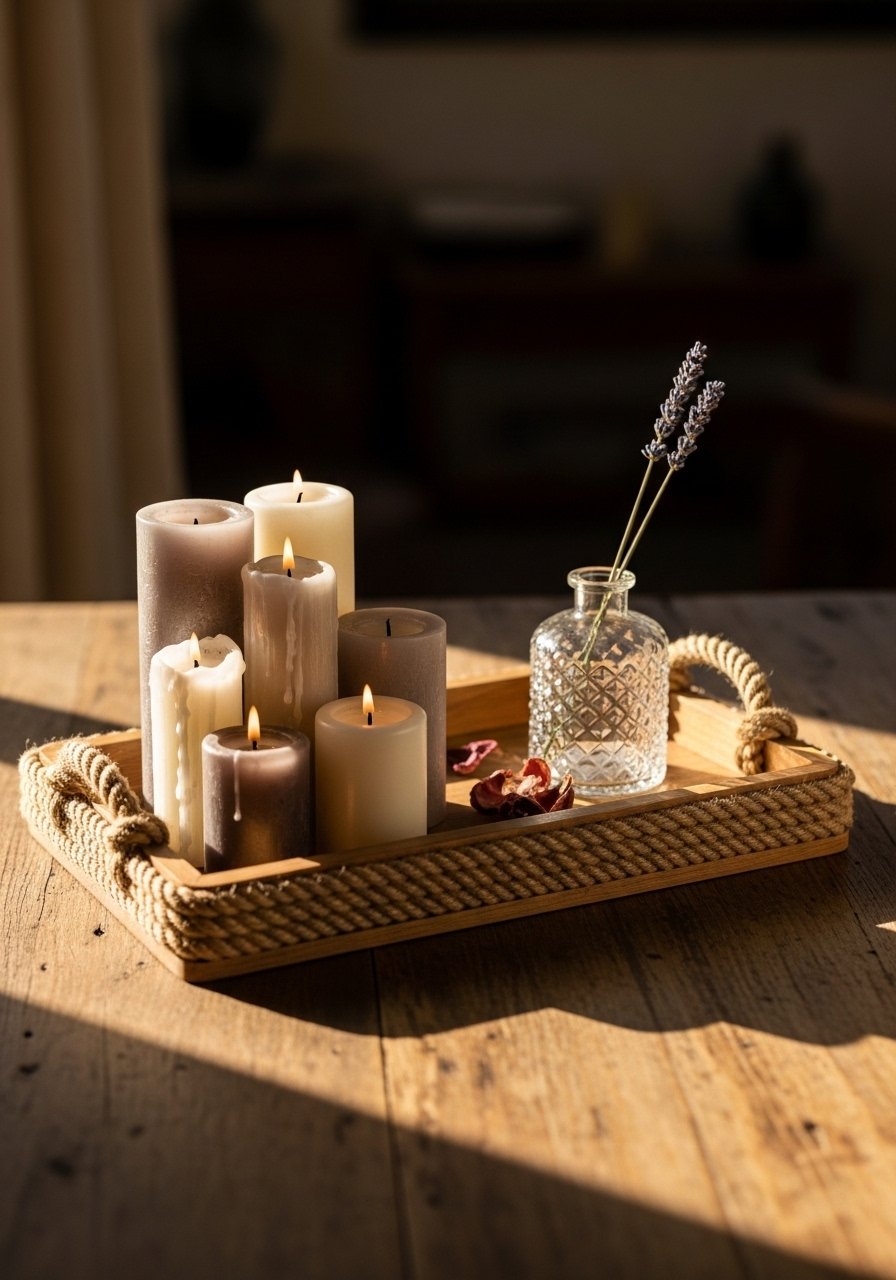
My coffee table looked staged once I added a tactile tray. Wrap the tray edges with 1/4-inch cotton rope and finish corners with a small brass tack every 2 inches for durability. A 12×16-inch tray takes about 20 feet of rope and $10 in materials. The common mistake is using slick rope that slides; pick a textured cord or glue will fail. This tray works well with the coaster set from earlier. For supplies try cotton decorative rope.
Nautical Rope Shelf For Bathroom Or Entry, Rustically Modern
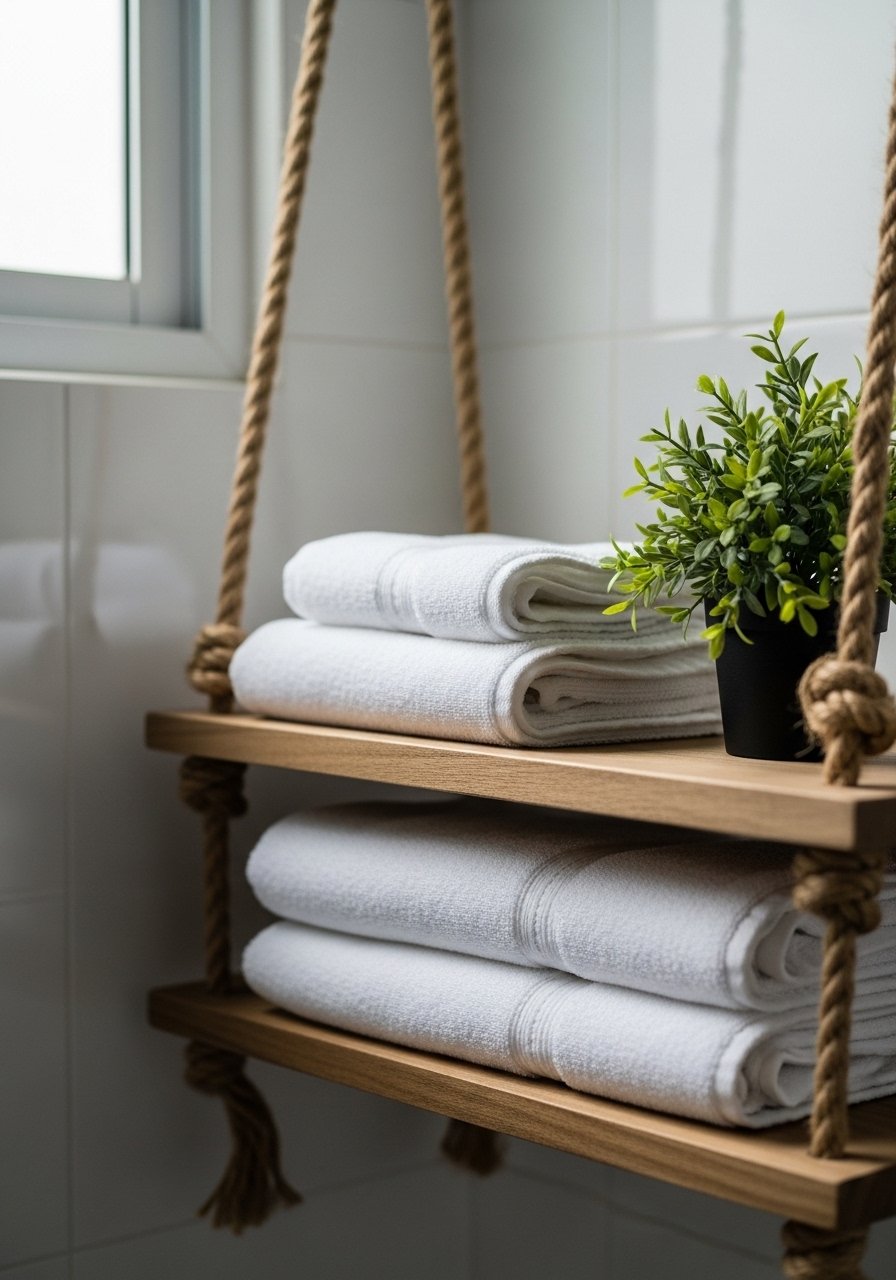
I swapped dated metal brackets for knotted rope suspenders and suddenly towels looked intentional. Use 3/8-inch polypropylene or cotton rope and two eye screws per side. For a 24-inch shelf, drill pilot holes 1.5 inches from each end and make the rope eyes at matching points. Budget is $20-40 including shelf and rope. People often underestimate load capacity. Test with 10 pounds before styling. This pairs well with the wall mirror idea earlier. Grab heavy-duty eye screws and rope as a starter kit.
Layered Rug Edge With Braided Rope For Small Spaces
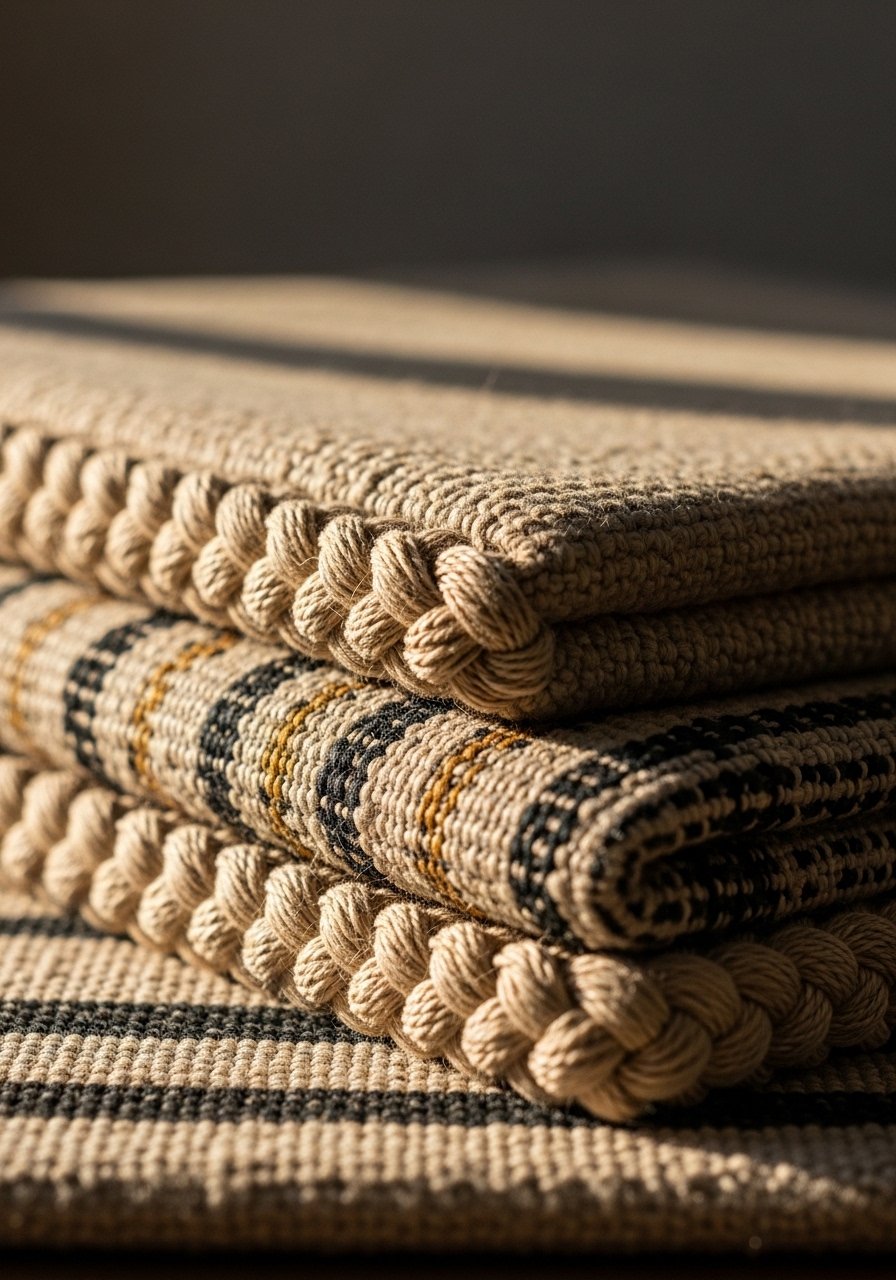
For a rented space where replacing a rug is out of budget, I braided a rope border and stitched it to the rug edge. Use 3-ply jute braided into a 1-inch thick cord and stitch with upholstery thread every 2 inches. The subtle border adds definition without overwhelming a 5×7 rug. People make the edge too thick and it looks bulky. Keep the rope no more than one tenth of the rug width. This is a $15 hack. I recommend braided jute rope for a clean finish.
Rope Mirror Hooks For Towel Storage, Simple Coastal
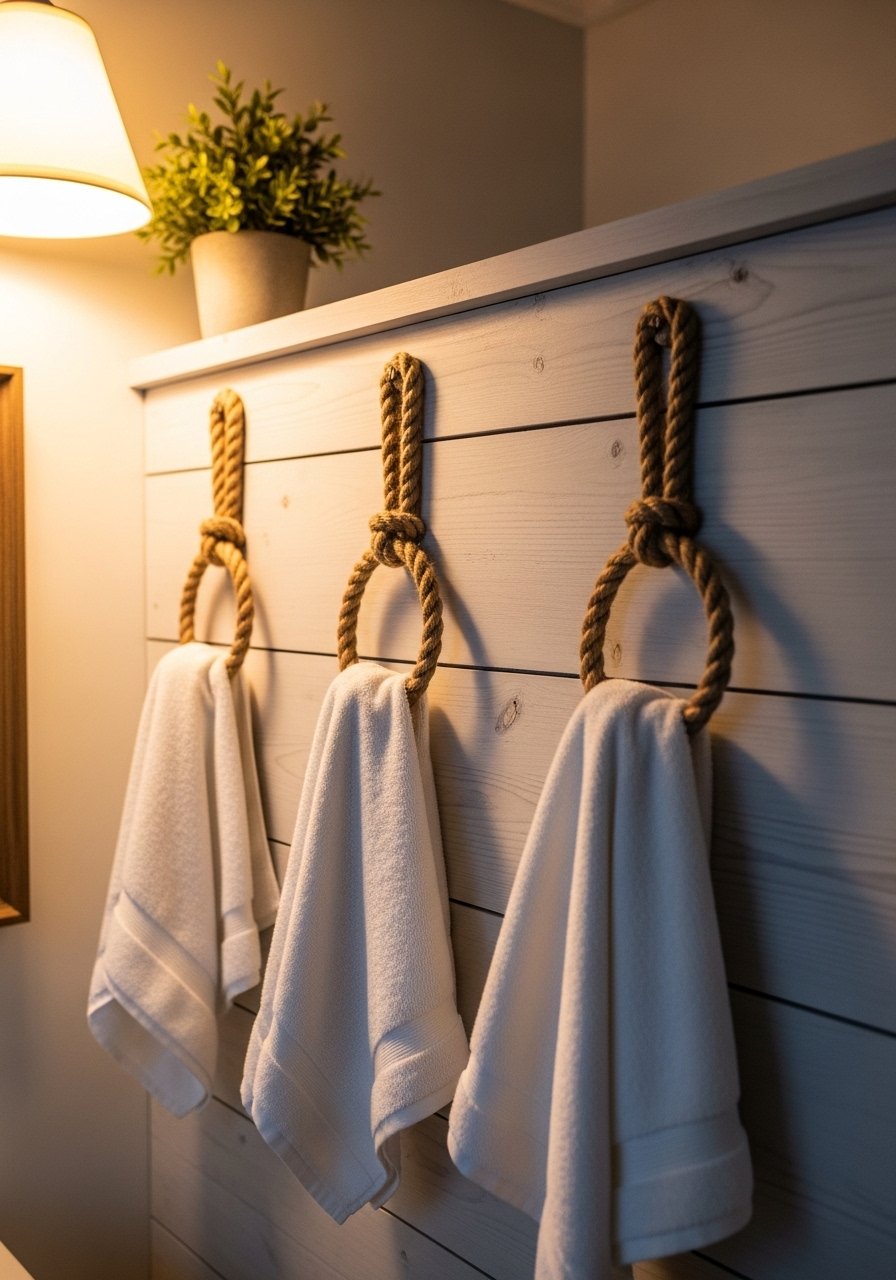
I swapped metal hooks for rope loops on wooden pegs and it made a small bathroom feel curated. Make loops from 18-inch lengths of 1/2-inch cotton rope and fasten with a concho or brass screw. Keep loops no larger than 8 inches to avoid towels falling. Budget under $15 for a set of hooks. A common mistake is skipping a backing plate which tears drywall over time. Use these wall mounting anchors and rope for peace of mind.
Rope Pendant Shade For Soft Lighting, Warm Ambience
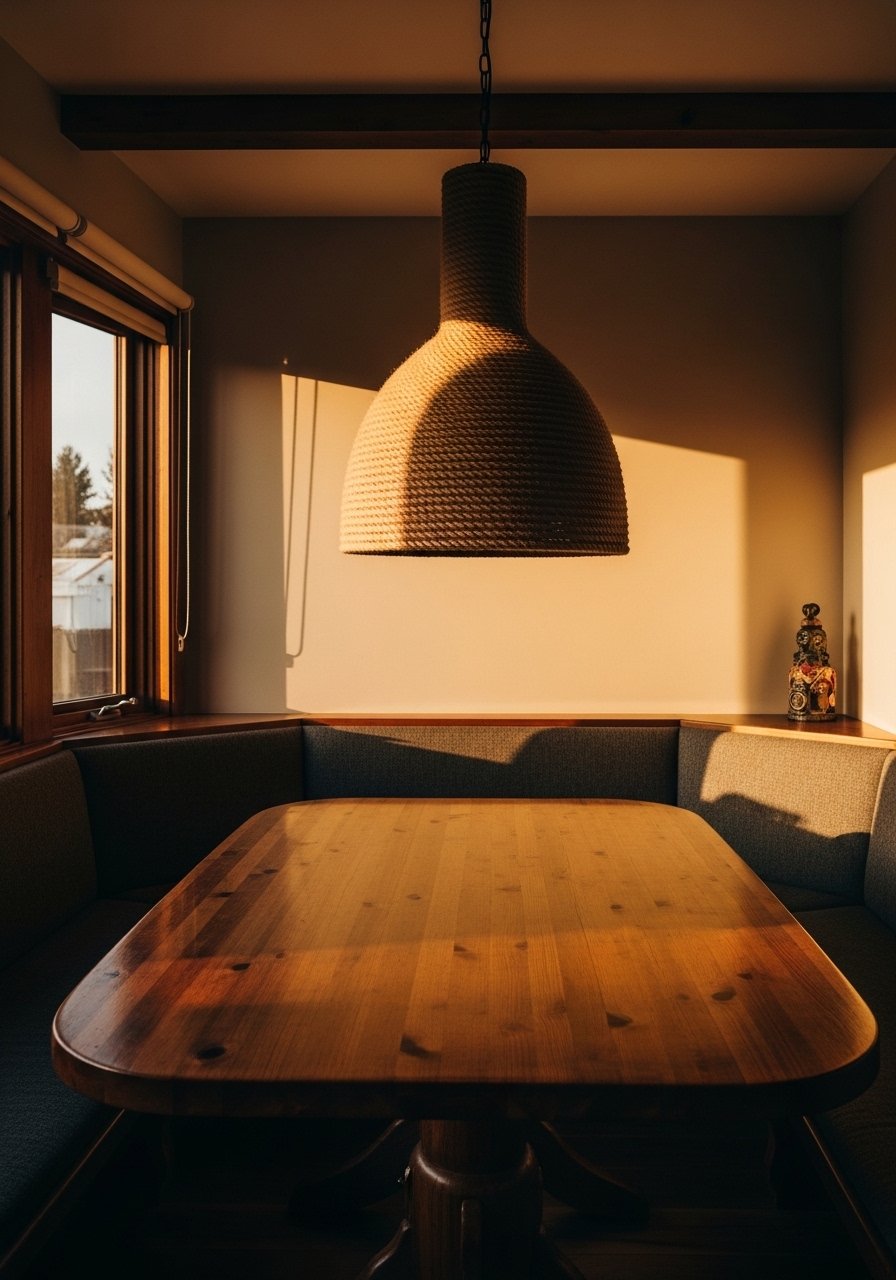
Lighting changes everything. I wrapped a simple metal frame with 1/4-inch natural rope to create a soft, warm pendant shade. Start at the top and glue in tight turns so light filters evenly. Use an LED bulb to avoid heat on the rope. This project ran $25-50 depending on the frame. A frequent error is leaving gaps that throw odd shadows. Aim for consistent wrap spacing of 1/16 inch. For supplies try rope pendant light frame and rope.
Rope Drawer Pulls For Vintage Cabinets, Low Effort
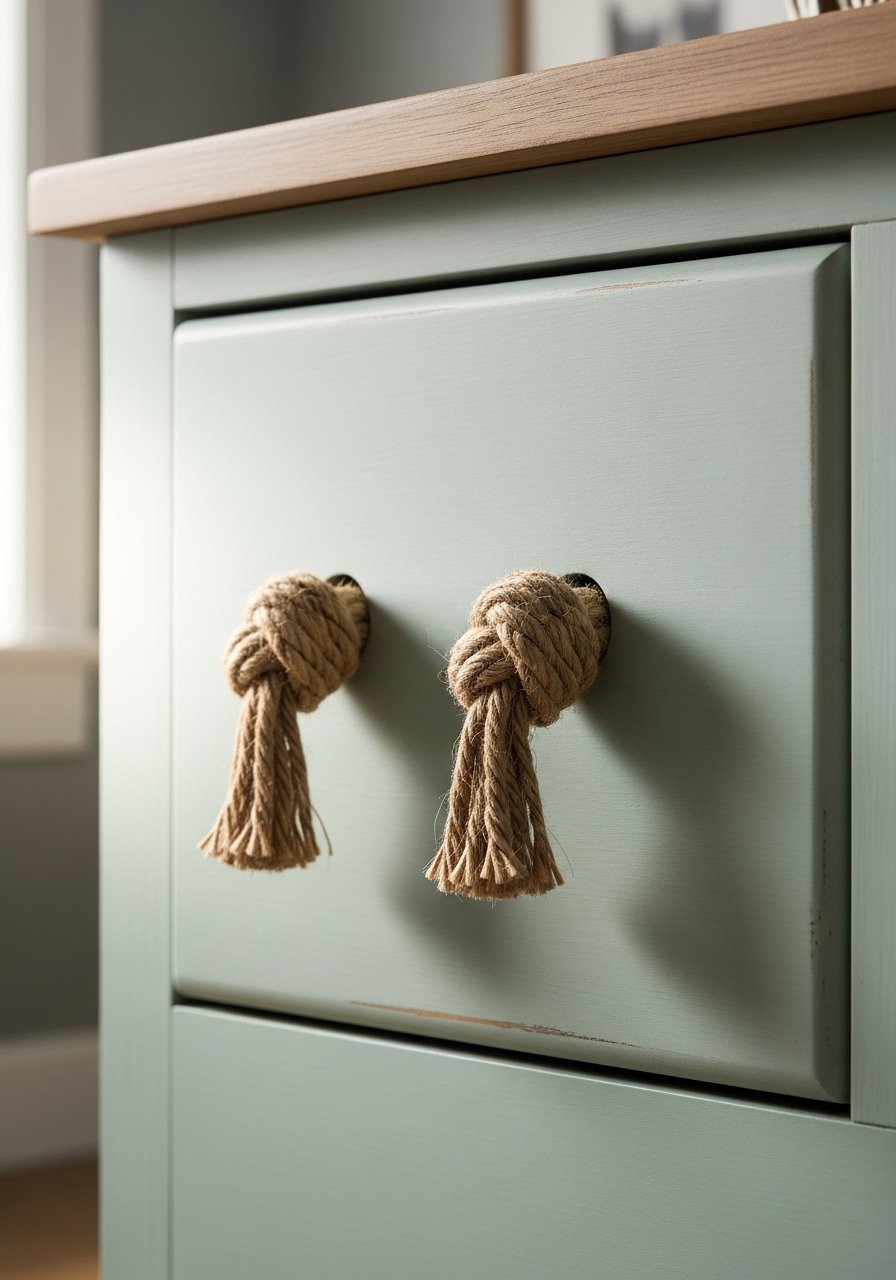
I replaced chipped metal pulls with knotted rope loops and the cabinet looks updated without new hardware. Cut 12-14 inch lengths of cotton rope, splice ends through a drilled 3/8-inch hole, and secure with a stop knot inside the drawer. Budget under $10 for several pulls. People often make the loops too long which snags on clothes. Aim for a 2-3 inch outward loop for hands. These go great with the rope shelf idea earlier. I used cotton rope for drawer pulls.
Mini Rope Wall Grid For Jewelry Or Keys, Petite Organization
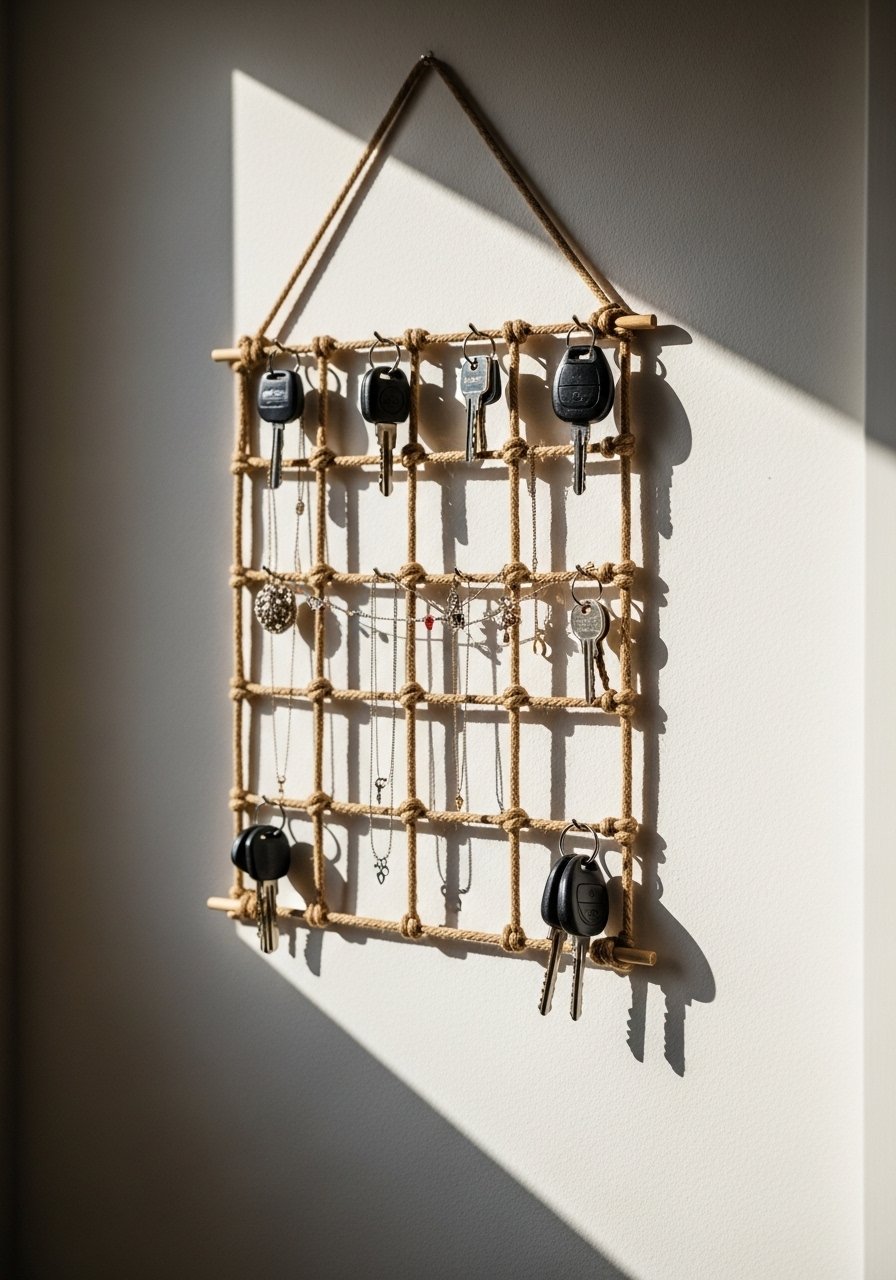
I made a 12×18 inch grid with 1/8-inch cord and small brass clips to hang keys and layered necklaces. Space vertical ropes 3 inches apart and horizontal ropes 4 inches apart for a balanced grid. This is a $10-15 project that solves the messy-keys problem. The mistake I see is using rope that stretches and sags. Use a low-stretch cord or add a wooden frame for support. These are practical next to the entryway basket idea. Try this thin braided cord pack.
Coastal Rope Headboard Accent For A Beachy Bedroom
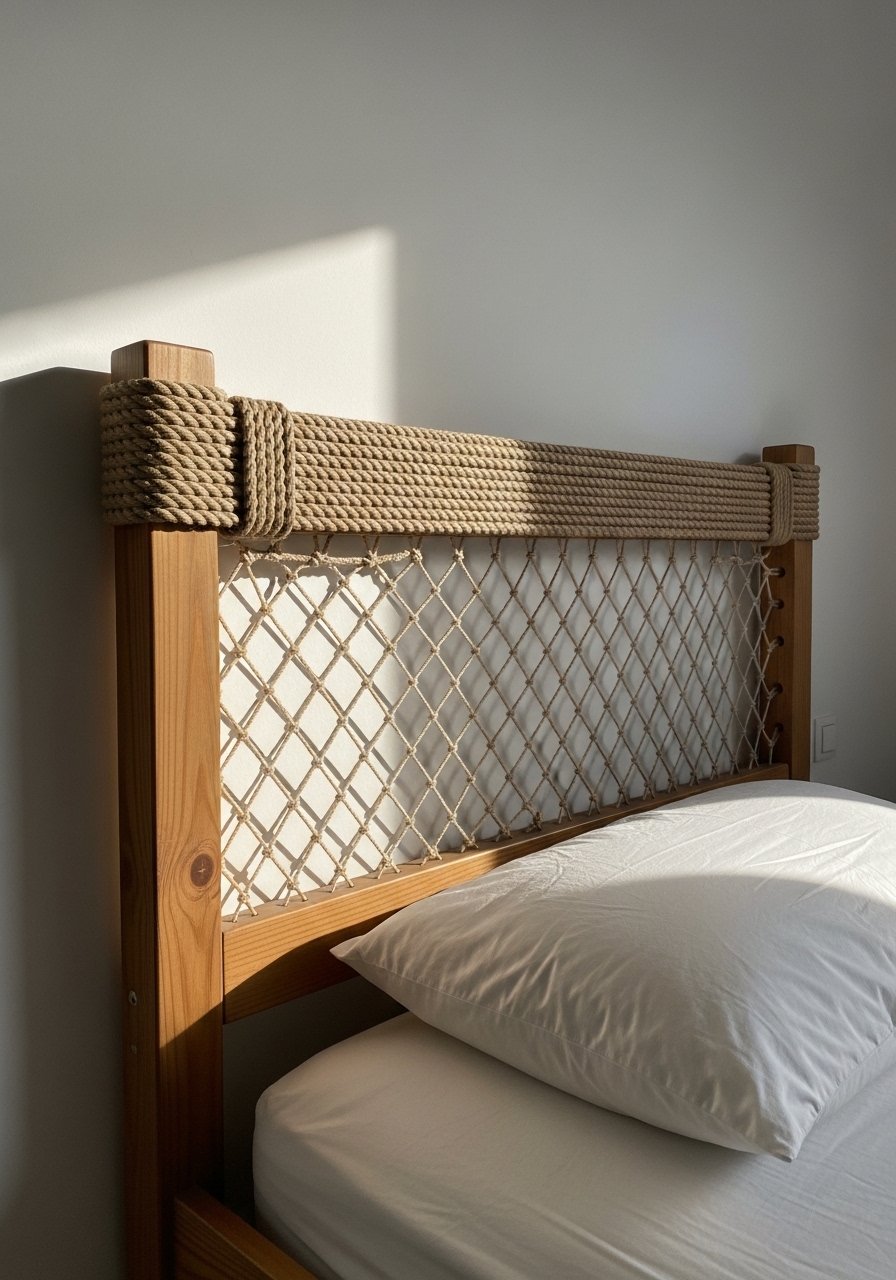
There is a calmness to a headboard with rope detail. I wrapped the top rail of my headboard with a 3/4-inch sisal rope and added a loose net of 1/8-inch twine as a second layer. For a queen headboard, you need about 12-18 feet of rope depending on coverage. Budget $20-40 for higher quality cord. A common mistake is overdoing the netting which makes the bed feel busy. Keep rope coverage to the top third of the headboard. Use sisal rope for headboards for a lived-in look.
Rope Table Runner With Tassels For Casual Entertaining
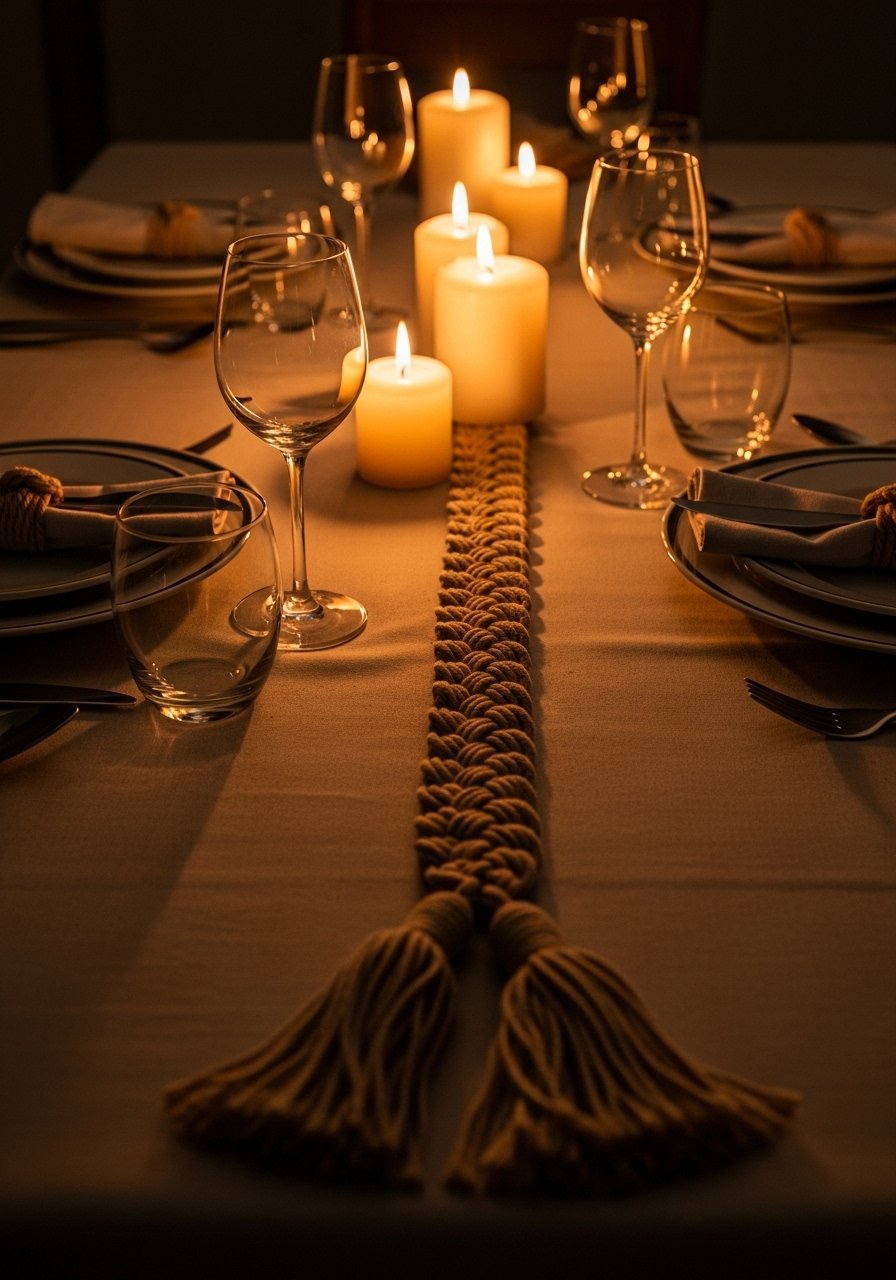
I braided three 6-foot ropes for a 60-inch table runner and added tassels for texture. The trick is keeping braids tight and finishing ends with a heat seal or glue to prevent fraying. This costs $12-25 and looks like a custom piece. People make the runner too wide for the table. For narrow tables aim for a runner no wider than one quarter of table width. Pair it with the rope-wrapped tray on the table for a coordinated look. I used braided cotton rope.
Mini Rope Rug For Doorways Or Balconies, Durable and Cheap
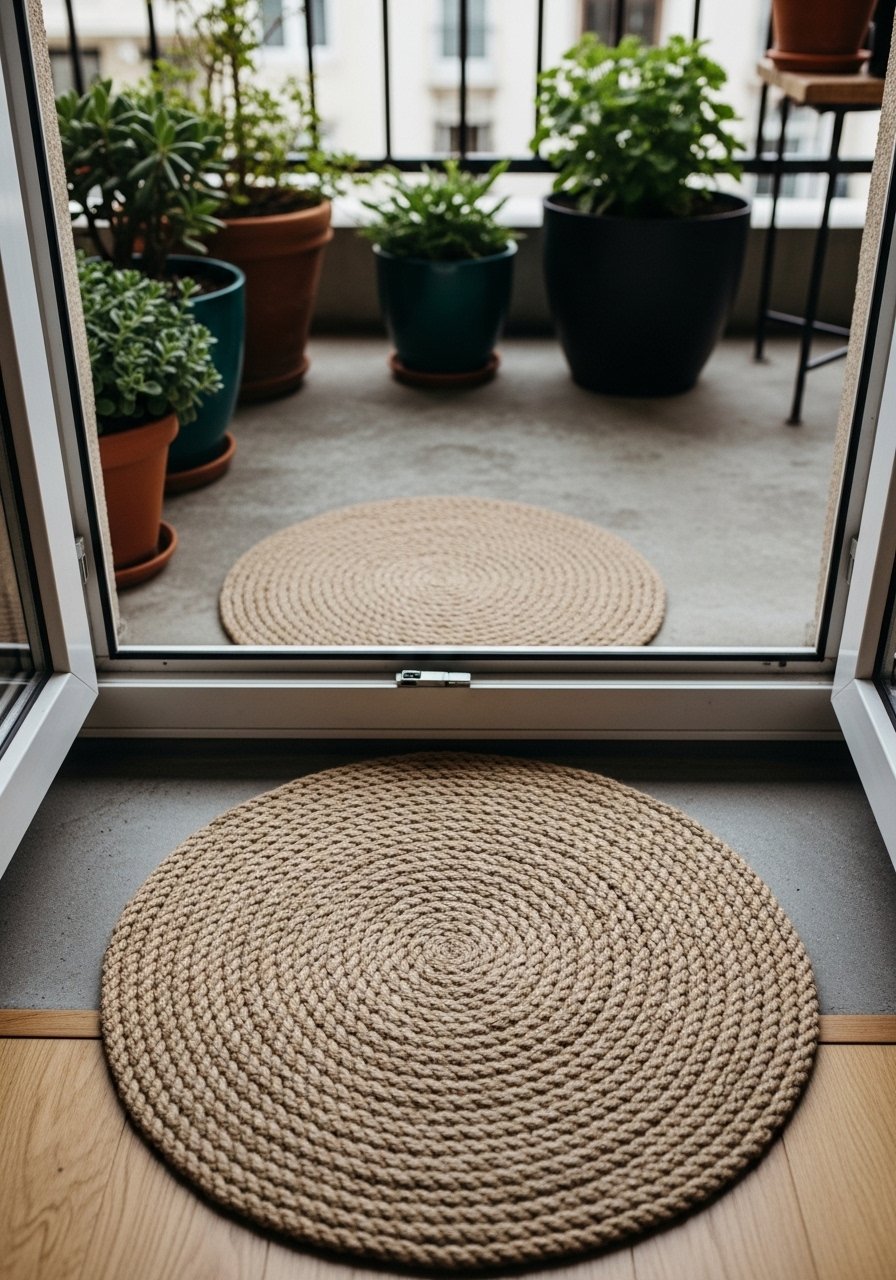
I made a 24×36-inch coiled rope rug for the balcony that survived rain and shoes. Use polypropylene rope for outdoor durability and stitch coils together every 2 inches. The rug took about 60 feet of rope and $30 in material. The usual mistake is skipping a non-slip backing. Glue a rubberized backing in place to prevent sliding. This small rug pairs well with the entry basket idea earlier. For outdoor projects use polypropylene outdoor rope.
Your Decor Shopping List
Textiles
- 22-inch linen pillow covers, set of 2 in muted sage, for layered seating
- Chunky knit throw in cream (~$35-55). Drape over the sofa arm for instant warmth
Wall Decor
- Cotton macrame cord 5mm for wall hangings and plant hangers
- Round mirror, 24-inch with a simple frame, thriftable alternative at Habitat or flea markets
Lighting
- Rope pendant light frame kit (~$25-50), LED-compatible
- Warm LED bulbs, 2700K, pack of 4
Tools and Hardware
Budget Finds
- Natural jute rope 1/2-inch for coasters and baskets (~$10-20)
- Cotton rope spool 3/8-inch soft enough for drawer pulls
Plants and Pots
- Hanging planter rings, set of 3 for plant hangers, natural wood rings
- Small non-slip rug backing sheet for door mats and runner projects
Notes: Many of these items are also available at Target or HomeGoods if you prefer seeing materials in person.
Shopping Tips
"White oak beats dark wood in 2026. Design feeds have shifted completely." Grab white oak floating shelves if you want a current look.
Grab cotton macrame cord 5mm for most indoor rope projects. It knots cleanly and does not fray as badly as cheaper blends.
Curtains should puddle or kiss the floor, never hang halfway up. These 96-inch linen panels are right for standard 9-foot ceilings and help create that layered room you want.
If you are tired of buying five succulents, invest in one large plant. This artificial fiddle leaf fig 6ft gives instant height without sunlight worries.
Frequently Asked Questions
Q: What thickness of rope should I use for wall hangings versus coasters?
A: Use 5 mm cotton cord for wall hangings and braided jute 1/2 inch for coasters and trivets. The cotton cord knits and knots without bulk. The jute holds heat and texture for tabletop use.
Q: Can these rope projects damage my walls or furniture?
A: They can if you skip backing or proper anchors. For shelves and heavy hangers use eye screws and anchors rated for at least 25 pounds. For trays and mirror frames use felt pads where rope meets furniture.
Q: How do I keep rope from fraying at cut ends?
A: Use a dab of clear-drying glue or melt synthetic rope ends with a lighter. For natural fibers finish with a small wrap of upholstery thread every half inch for durability.
Q: Is it better to use natural or synthetic rope for outdoor mats?
A: Synthetic polypropylene is best outdoors. It resists mold and holds color. Natural jute looks warm but will break down faster if exposed to rain and sun.
Q: Can I mix rope textures in one room without it feeling messy?
A: Yes. Stick to a consistent color temperature and vary textures. For example, pair a soft cotton hanger with a rough jute basket. Keep 80 percent of your palette neutral and 20 percent for stronger textures to keep the room balanced.
Q: What common mistake should I avoid when hanging rope lighting?
A: Avoid wrapping rope directly over heat-producing bulbs. Use LED bulbs and maintain a 2-inch clearance between rope and the bulb. Also wrap tightly so shadows are even and not blotchy.