
Spent $400 on a new coffee table. Room still looked off. Spent $35 on a throw and three candles. Suddenly everything clicked. That small moment is why I got into flipping thrift clothes instead of buying new outfits every season. Flipping feels like styling at the fabric level, and it teaches the same layering and editing instincts I use in my home.
These flips lean casual vintage and modern street styles. Most projects land under $25, with a few using nicer notions around $40. They work for closets, weekend wardrobes, and quick spring-summer swaps when you want pieces that actually get worn.
Cropped Tie-Front Cardigan from a Button-Up Shirt
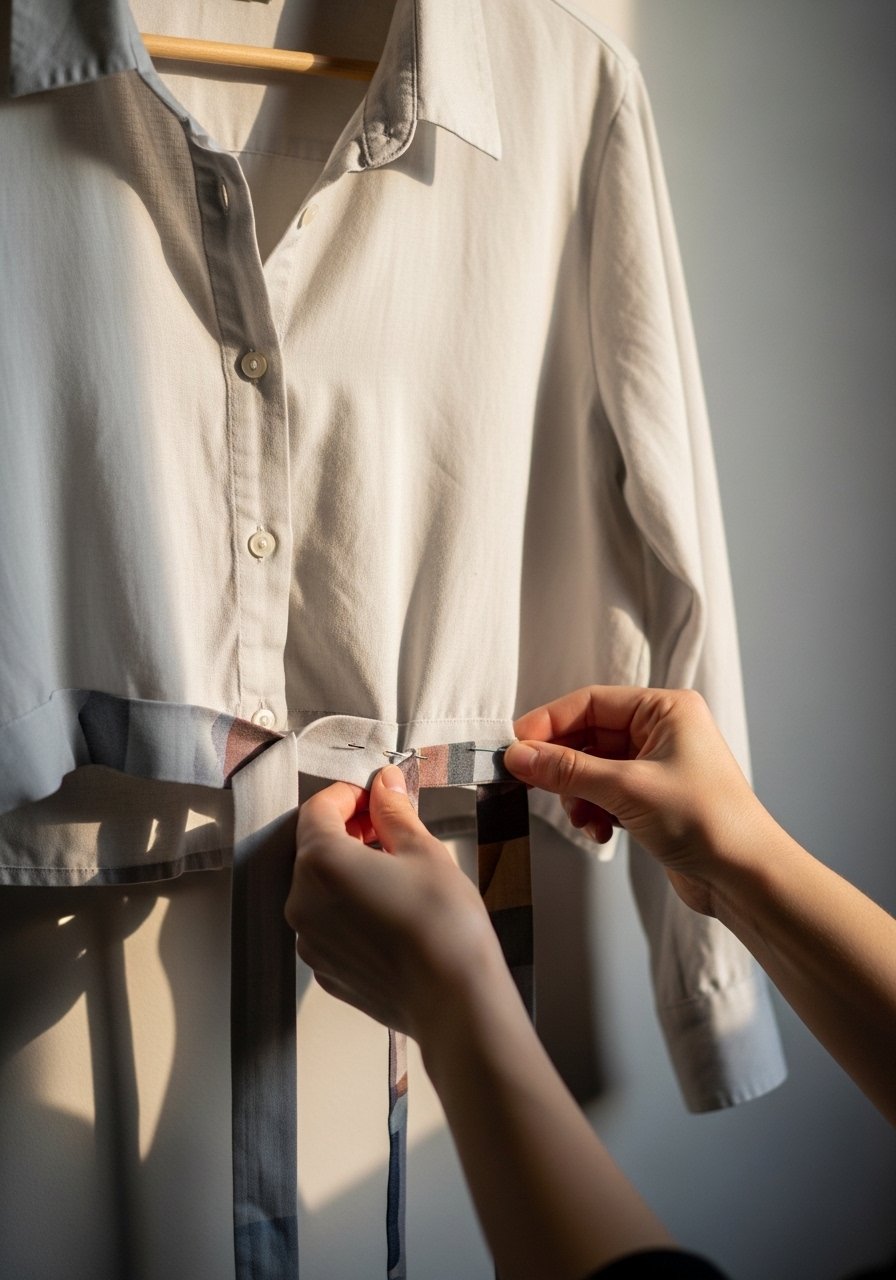
This one makes a slouchy button-up feel intentional because the tie creates a waist without a seam. It reads casual streetwear and is great for layering in spring or a light jacket alternative on the porch. I usually budget $5 to $15 for the shirt and use self-fabric for two 12-inch ties. A sharp pair of scissors like heavy-duty-fabric-scissors saves the cut, and a spool of gutermann-thread-spool keeps stitches clean. Common mistake is cutting before visualizing the flat layout. Lay the shirt flat, mark where the ties sit at the shoulder seam, and seam rip the bottom hem if you want softer edges.
Short Sleeve Crop from a Long Sleeve Top
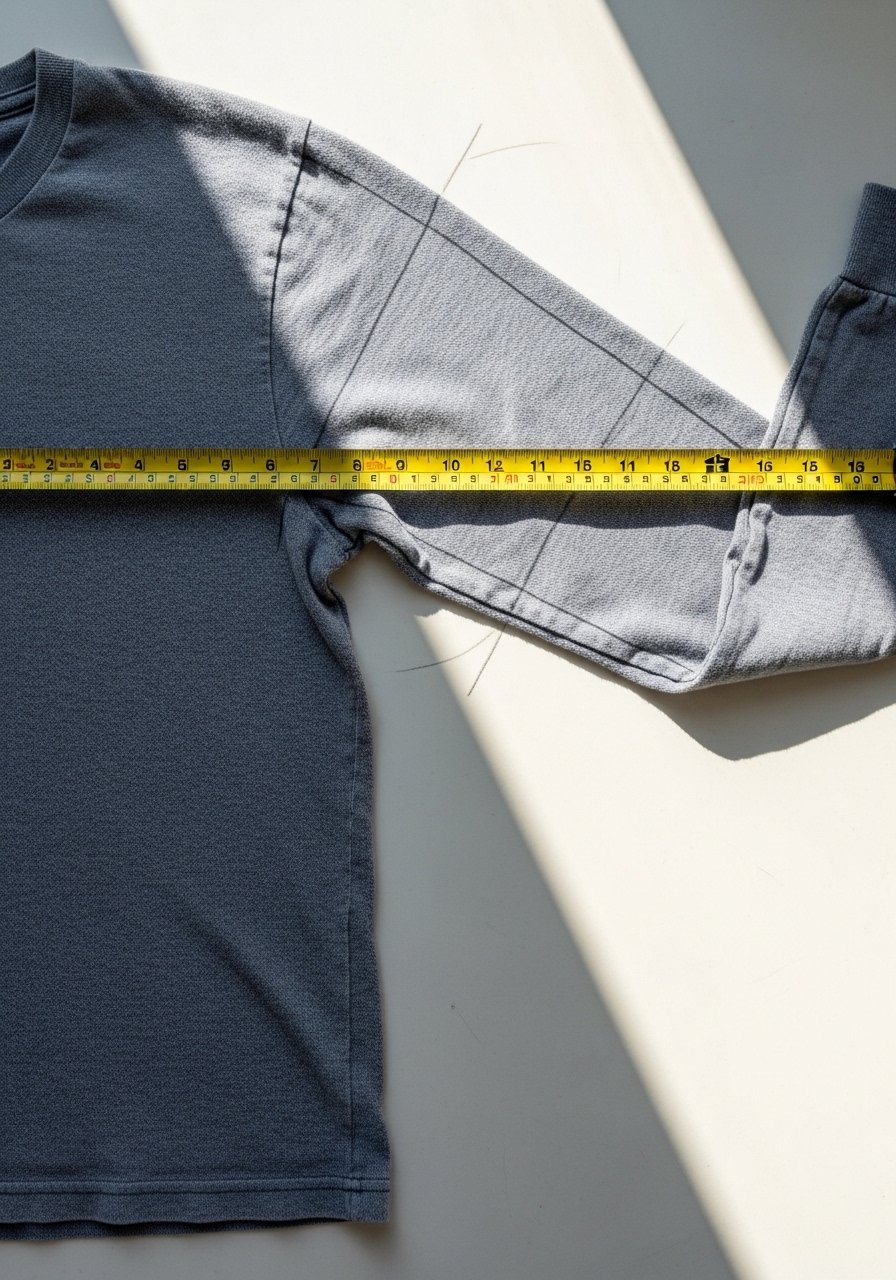
Chopping sleeves is the fastest update. I aim to cut at mid-bicep and then double roll hem the raw edge, rolling 0.5 inch twice before stitching. That double roll hem is what keeps thrifted tees from fraying and looking homemade. Works great for minimalist summer sets and costs $3 to $12 for materials. Use a basic sewing-kit-essentials if you are sewing in low light. Mistake people make is trimming asymmetrically. Measure both arms, pin, then cut one side and use it as the template for the other.
Puff Sleeve Add-On to a Basic Tee, Cozy Boho Style
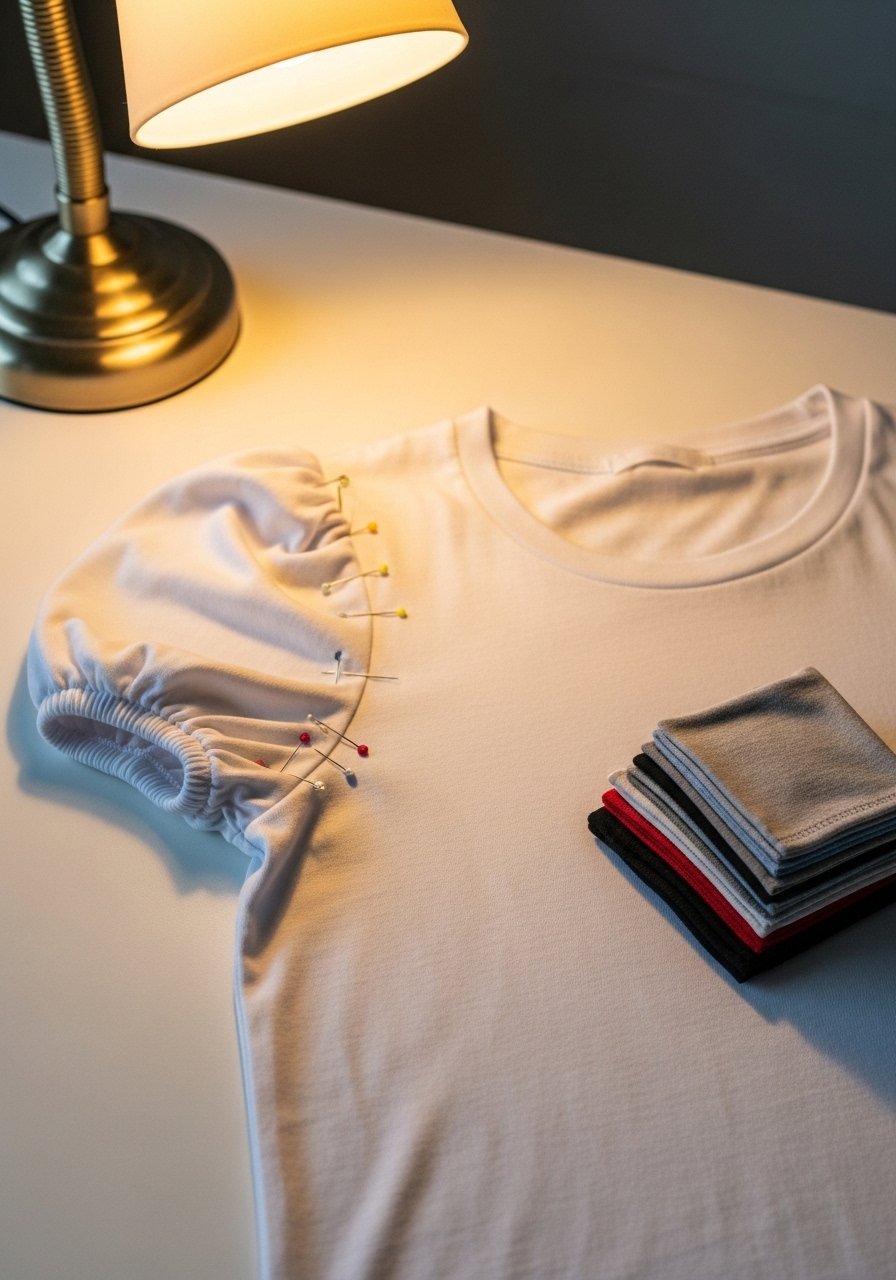
Adding little puff sleeves gives boring tanks a boho feel and instantly fixes the "looks homemade" worry if you keep proportions right. I use a basted rectangle that is 1.5 times the armhole width and gather it into the armscye. Basting two rows of long stitches makes even gathers. Budget $8 to $20 depending on scrap fabric. A good pick is a jersey-scrap-bundle for matching texture. Common error is overstuffing the sleeve which makes it clownish. Try a test gather on a thrift hem first to see how much fullness you actually want.
Elastic-Side Gathered Skirt from a Maxi Dress
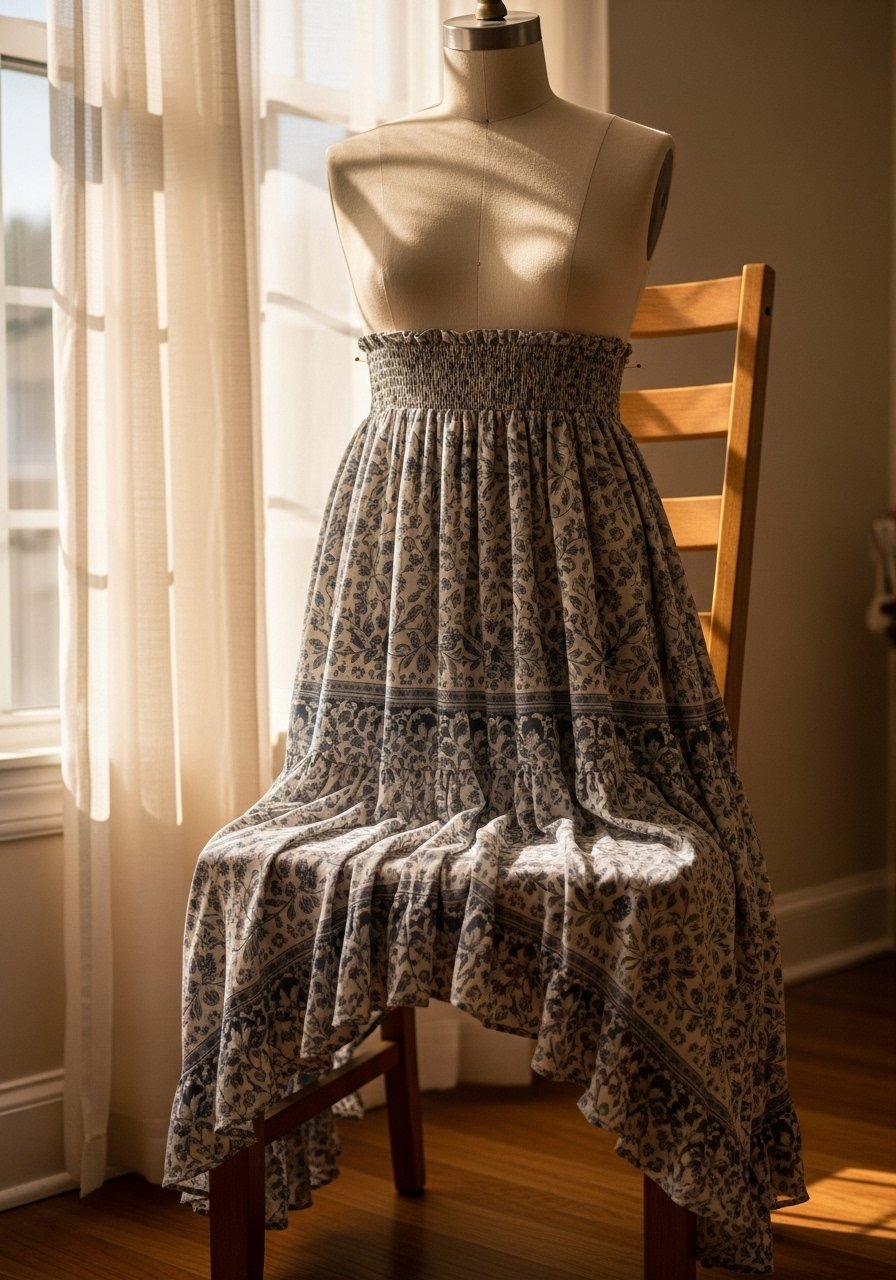
This saves holey maxi dresses and makes a wearable mini with movement. Cut above the dress waist where fabric is stable. Fold a 1-inch casing and insert 1-inch elastic. Zigzag the raw edge first so elastic does not roll. I learned this because 55% prefer elastic over zippers for quick fits and it is true for thrift fixes. Costs $7 to $18 including elastic like dritz-1-inch-elastic. A rookie mistake is sewing the casing too tight. Leave an inch of give and test fit on the thigh as your makeshift dress form.
Tank Top from Button-Down by Removing Sleeves, Summer Layering
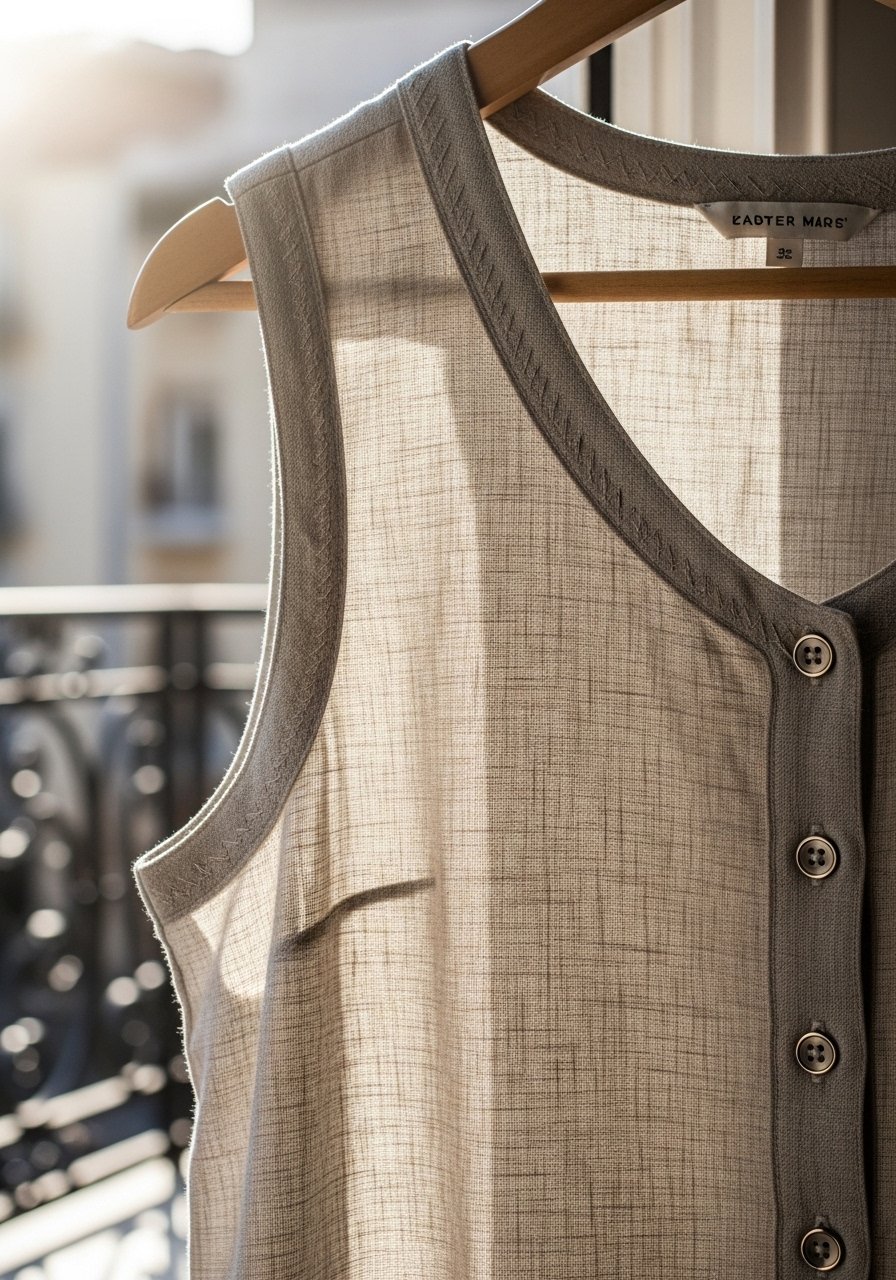
Cutting off sleeves from a button-down gives you a sturdy tank that layers under jackets. Cut at the shoulder seam, then double roll the neckline to 0.5 inch twice; that keeps the edge from curling. Most items are $4 to $12. Pick a durable needle and thread like universal-sewing-needle-set for woven shirts. People often forget to reinforce the armhole with a small topstitch and then the hole stretches. A 1/8-inch topstitch around the armhole makes it last, especially if you have pets and jersey pulls are a thing.
Scrunch Waist Peplum from an Oversized Shirt, Modern Casual
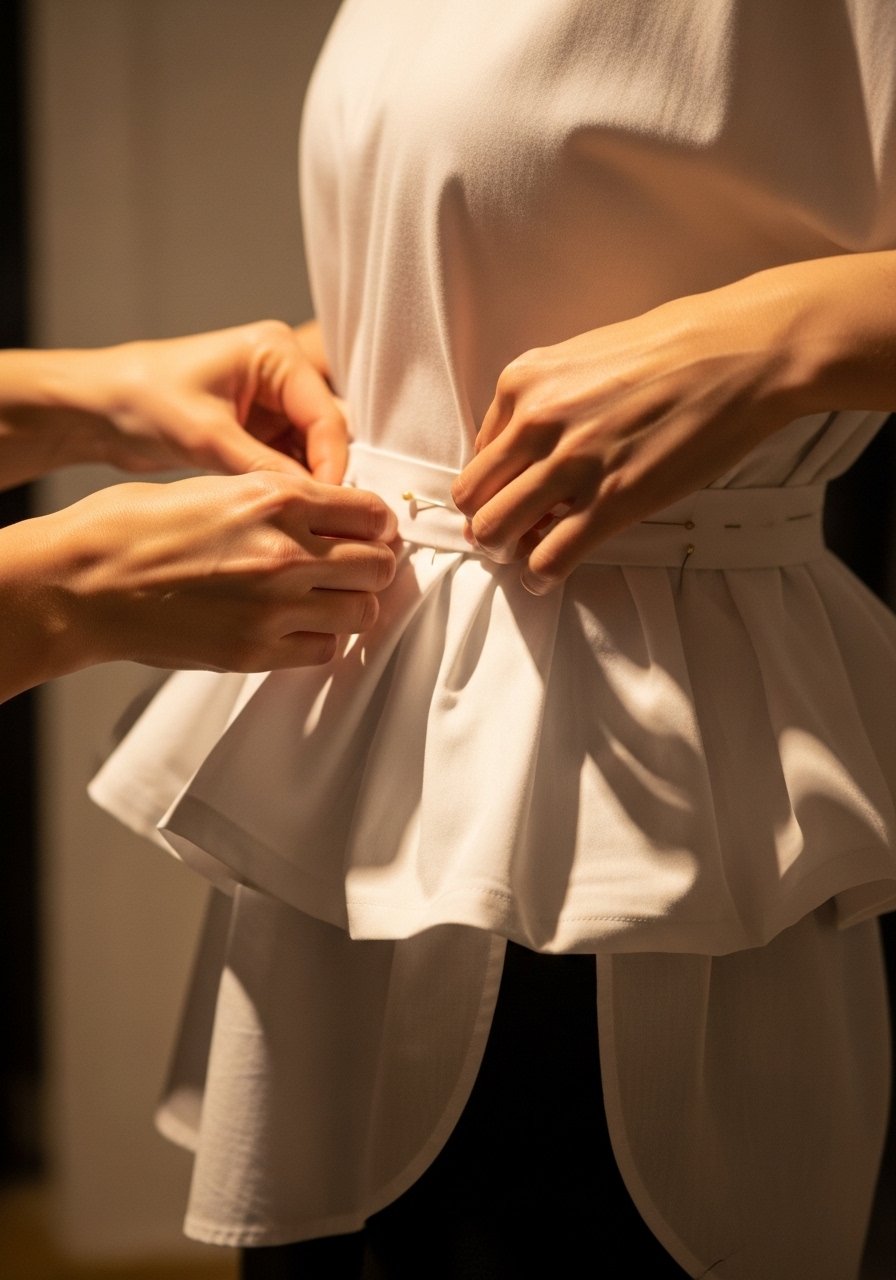
Turning an oversized thrift shirt into a peplum gives instant shape and looks intentional with minimal sewing. Fold the side seams inward about 1 inch, baste, then stitch a channel to gather the sides. I usually pin and wear it with safety pins to test fit before committing. Most projects are $6 to $16. Try fabric-clips-set to keep layers from shifting. A common mistake is overgathering which creates bulk under high-waist jeans. Aim for a 2:1 gather ratio at most to keep it wearable.
Ruffled Hem Shorts from Old Jeans, Coastal Vibe
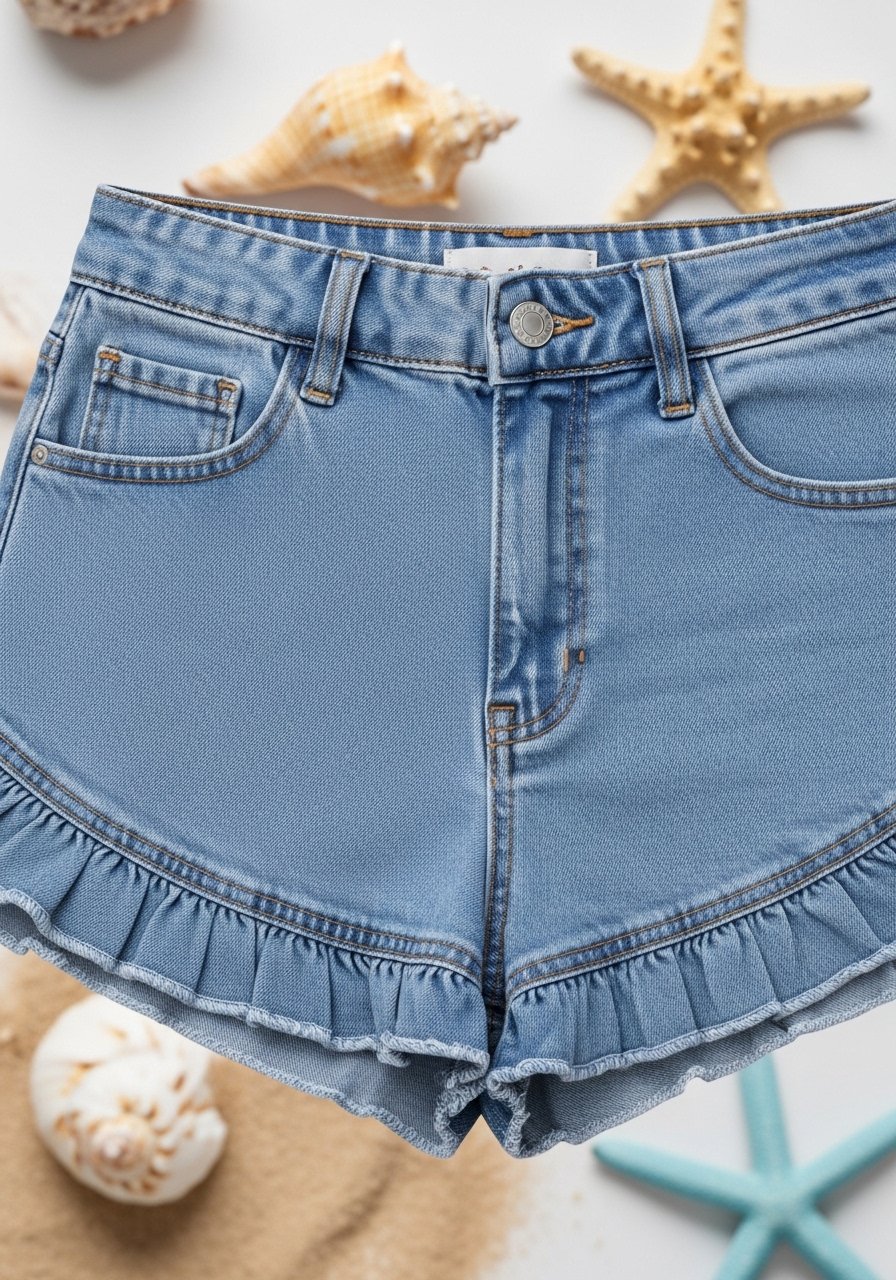
Turning worn jeans into ruffled shorts hides worn knees and adds feminine movement. Cut shorts to desired length, then baste a 4-inch strip, gather, and attach to the leg openings. Use denim scraps or a contrast fabric for the ruffle. Budget $10 to $25. A sturdy jean-sewing-needle-pack and heavy thread help. People often forget to press before pinning which leaves wavy seams. Iron the hem flat, baste two gathers, then sew for even fullness.
Belted Corset-Style Top from a Chunky Sweater
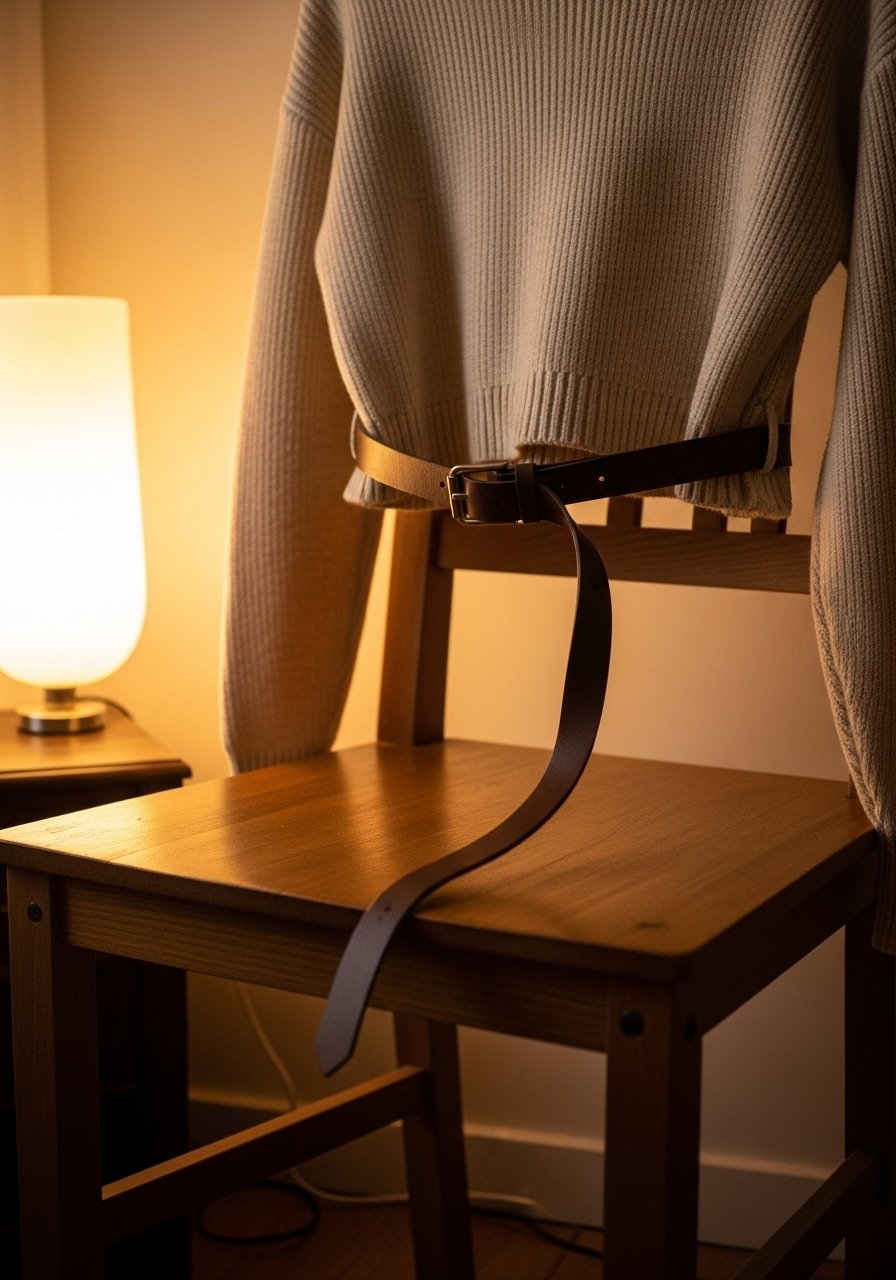
Chunky knits can feel dated. Cutting and adding self-fabric ties to create a belted corset look gives structure while keeping knit texture. Use sweater arm panels for ties, sew them into the side seams, and stitch a small channel at the waist for a gentle cinch. Budget $12 to $30 in materials. I like a soft-leather-belt to finish the look. Common mistake is cutting too close to a cable stitch which unravels. Seam rip an inch away and work from there.
Off-Shoulder Crop from a T-Shirt, Festival Ready
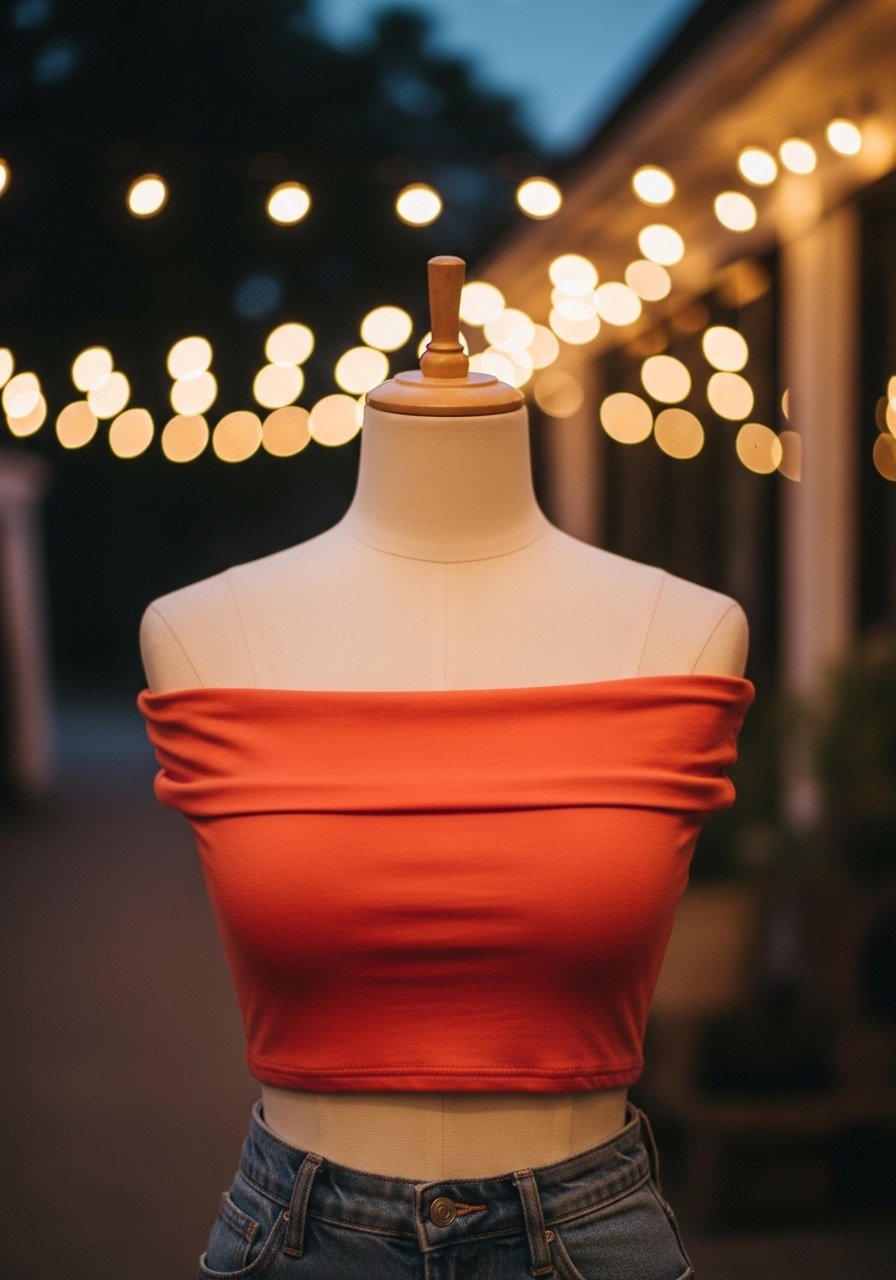
Cutting a wide neckline and adding a 1-inch elastic casing makes a breezy off-shoulder crop perfect for festivals and beach days. Zigzag raw edges before inserting elastic so it does not roll. Average thrift flip costs under $20 including thread so this is a cheap way to get a new silhouette. Use stretch-elastic-1-inch. Beginners often forget to pre-stretch the elastic as they sew which creates a lumpy neckline. Pin and test on your shoulder before final stitching.
Two-Piece Set from Matching Thrift Finds, Coordinated Looks
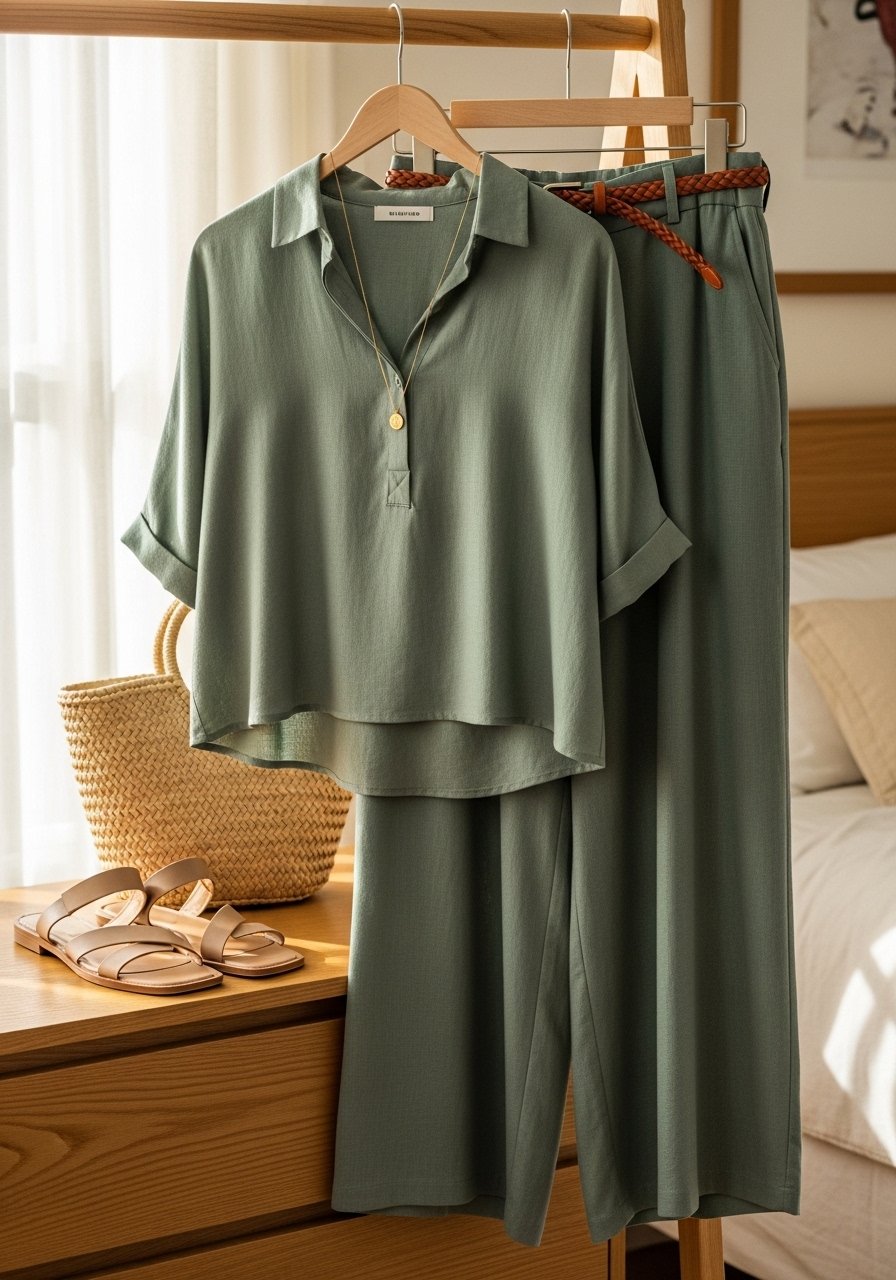
I once dyed a thrifted top and skirt together and the outfit suddenly felt designer. Matching pieces give a cohesive coordinate without the cost. Use a dye kit like rit-dye-basic-set for cotton blends. Most of these sets run $15 to $40 including dye. A mistake people make is not pre-washing twice which can cause bleeding later. Pre-wash pieces and test a hidden seam to see if colors hold up on skin first.
Pocket Add-On Jacket Flip for Utility Style
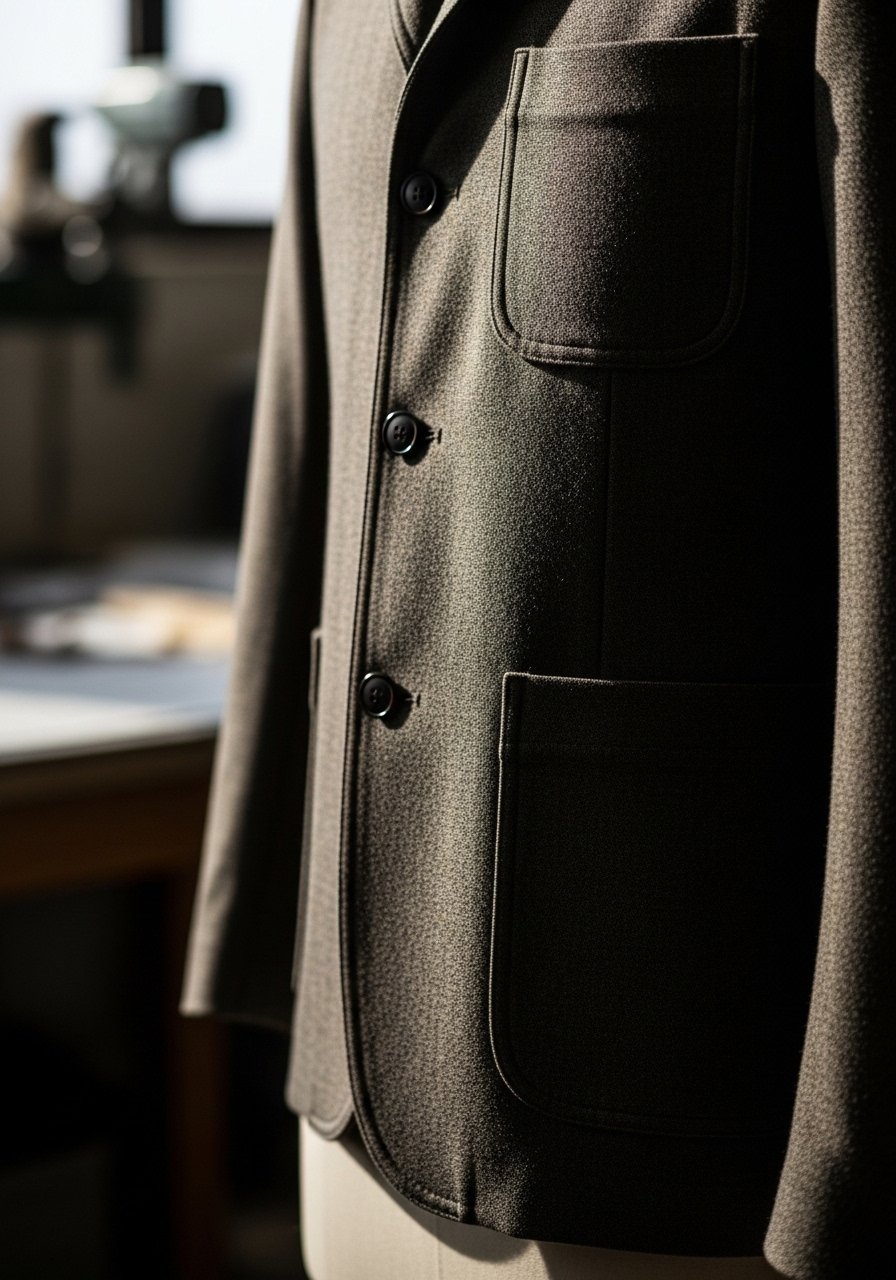
Adding pockets makes a thrift jacket practical and gives it a little lowercase utility charm. Trace pockets from a ripped denim pair, reinforce with interfacing, and topstitch. Budget $20 to $50 if you use good denim. I keep a seam-ripper-and-patch-kit handy for trimming and reinforcing. Common problem is making pockets too small. Make them at least 6 inches wide for real use and stitch them twice so they handle keys and phones.
Layered Shirt Skirt, Upcycled Minimalist
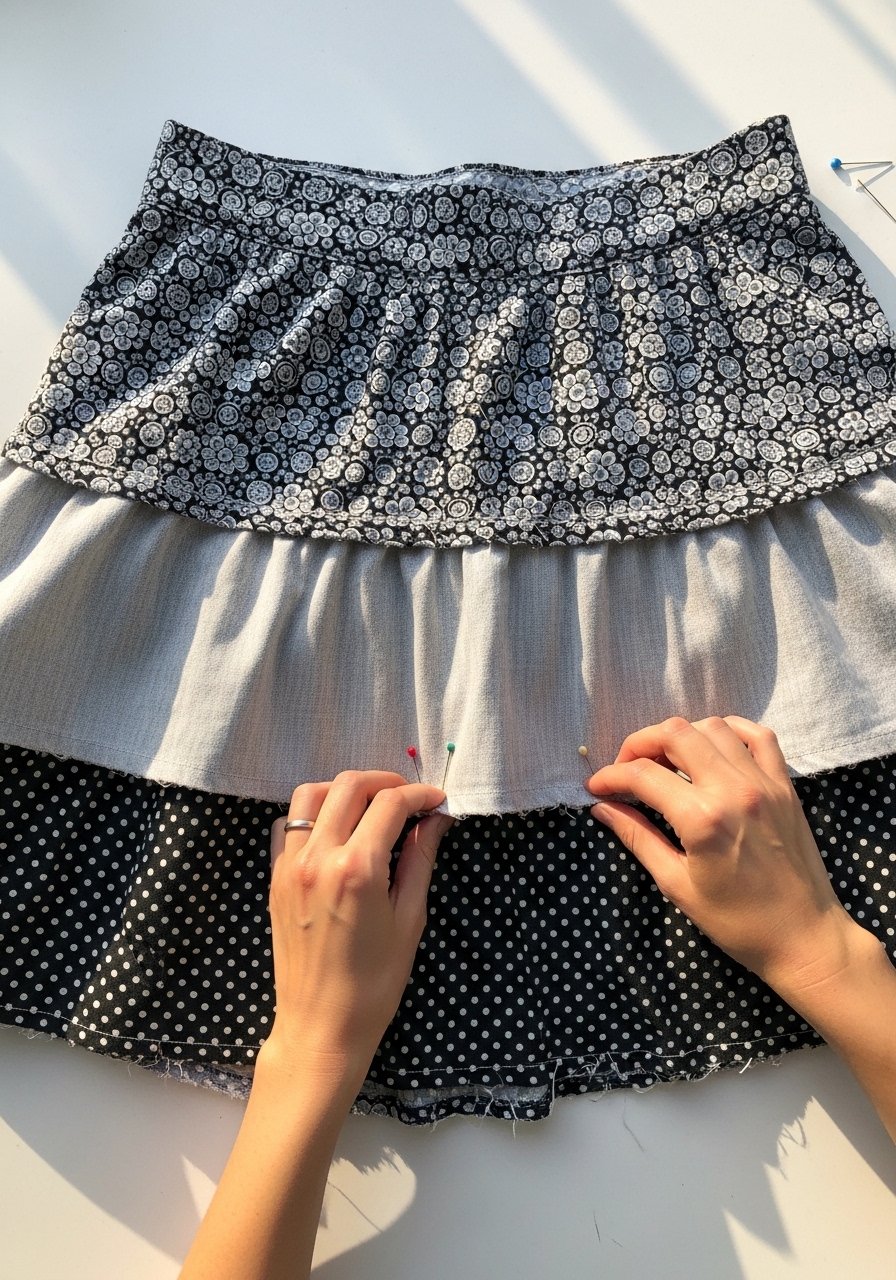
Stitching the hem of one shirt to the waist of another creates a lightweight tiered skirt that feels intentional and playful. Match shirt grains so the tiers fall right. This is a great small-space sew because you can use a chair as a dress form. Cost is usually $8 to $22. A reliable portable-ironing-mat helps when you sew at night under lamps. The usual error is ignoring fabric weight. Use a heavier top tier and a lighter bottom so the skirt does not pull upward.
High-Low Hem Dress Shorten, Asymmetric Edge
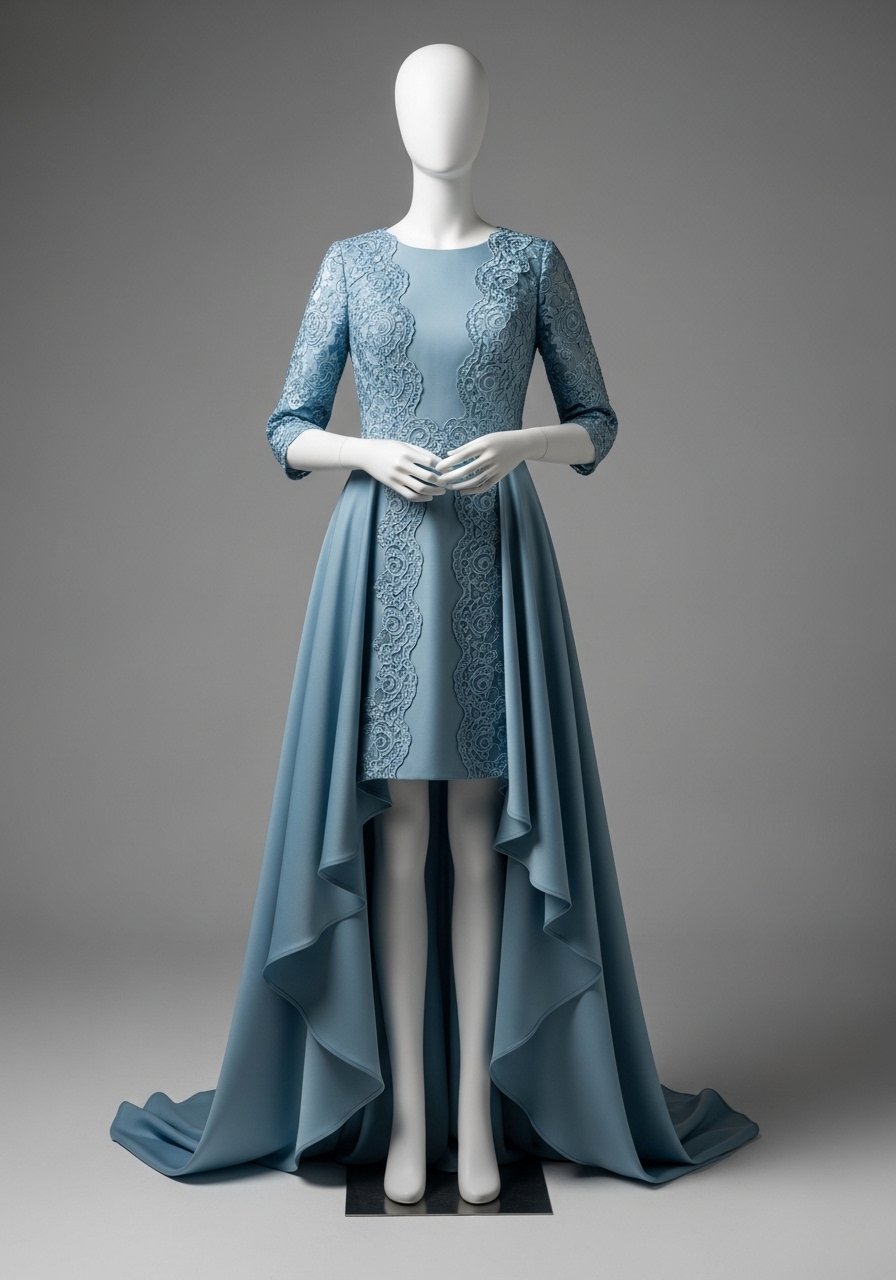
Shortening a dress into a high-low hem hides stains and creates motion. Cut the back shorter than the front by about 4 to 6 inches depending on height, then hem separately with a double roll. Double roll hems stop fraying on curved cuts. Budget $10 to $28. Use hand-sewing-hem-needles for fine finishing. A mistake I made early on is trimming before trying it on. Always pin the new hem, test move in it, then stitch.
Patch and Panel Sweater Rescue, Cozy Neutral Look
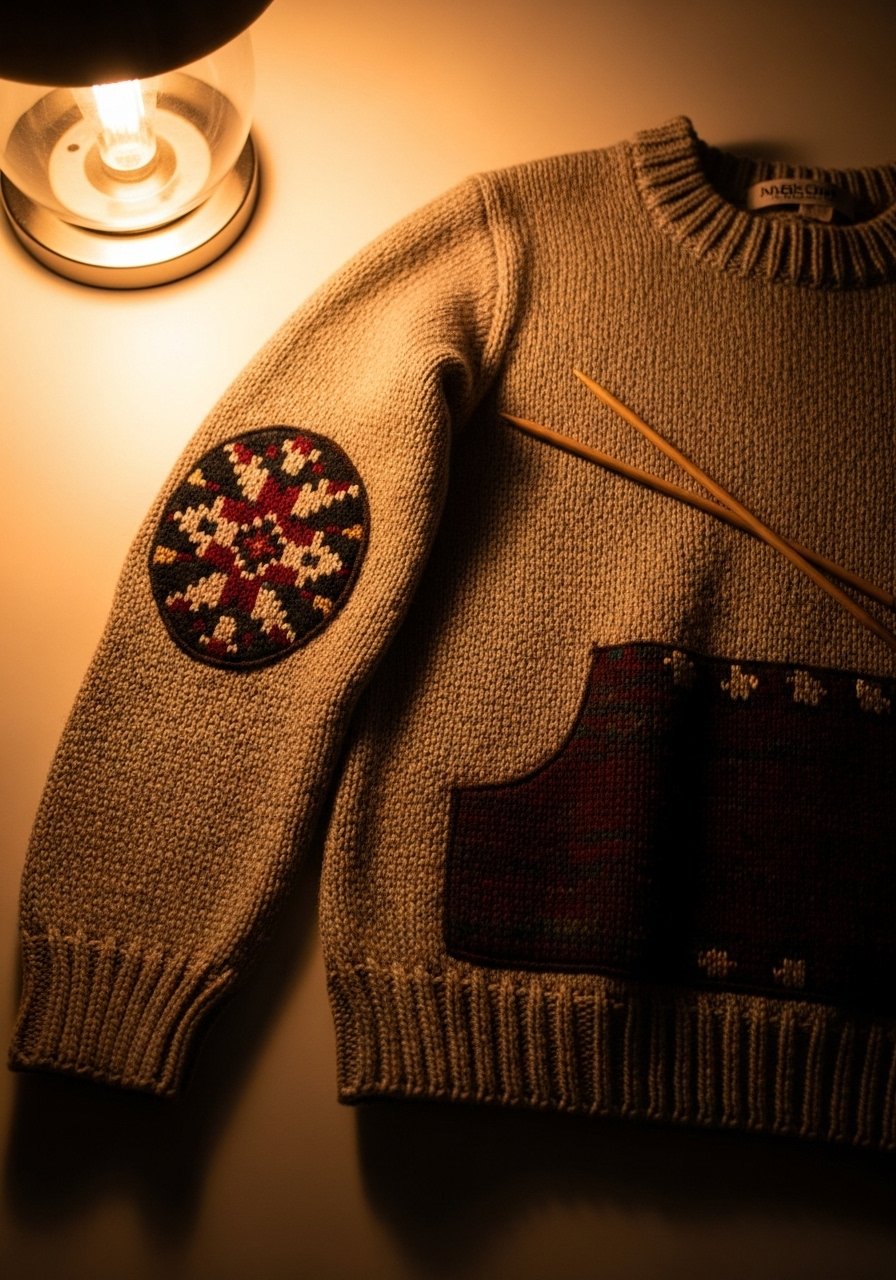
If a thrift sweater has a hole, don't toss it. Patch with a contrasting panel or elbow patches for a crafted look. Use a zigzag around raw edges to prevent fray and choose a panel that reads intentional. This is good for grandmillennial or cottagecore vibes and costs $6 to $20. A wool-patch-kit works well. A common oversight is not matching knit gauge. If the patch knit is much denser the repair puckers. Test a small swatch first.
Drawstring Waist Jogger from Oversized Pants, Weekend Comfort
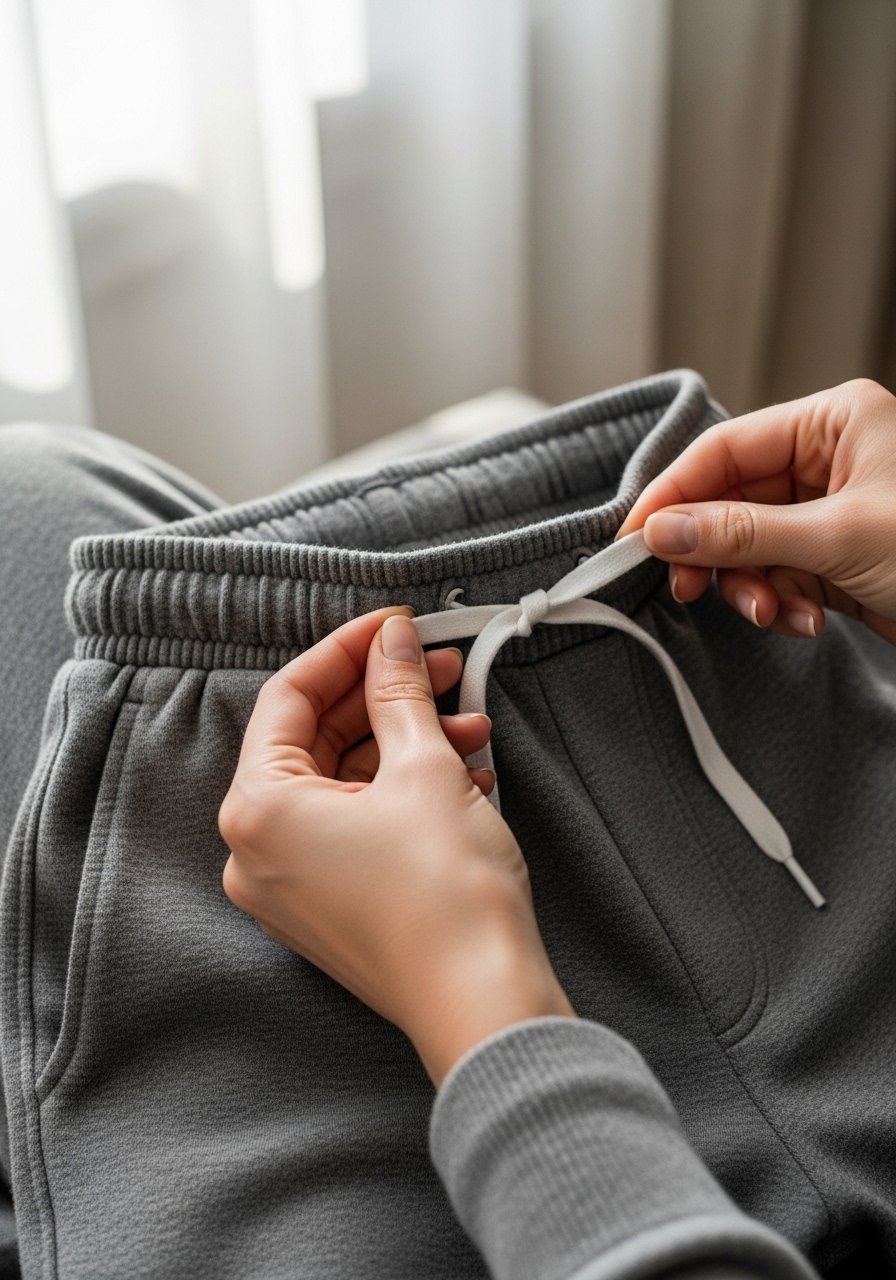
If pants are baggy at the waist, add a drawstring instead of a new waistband. Fold and stitch a 1-inch casing, insert a cord, and topstitch the opening. This keeps the original hem and length which is ideal for lounging at home. Budget under $15. Use nylon-drawstring-cord. People often forget to zigzag the raw cut where you inserted the casing and then the fabric unravels after washing. Finish the cut edge first.
Contrast Collar from an Old Blazer, Vintage Prep
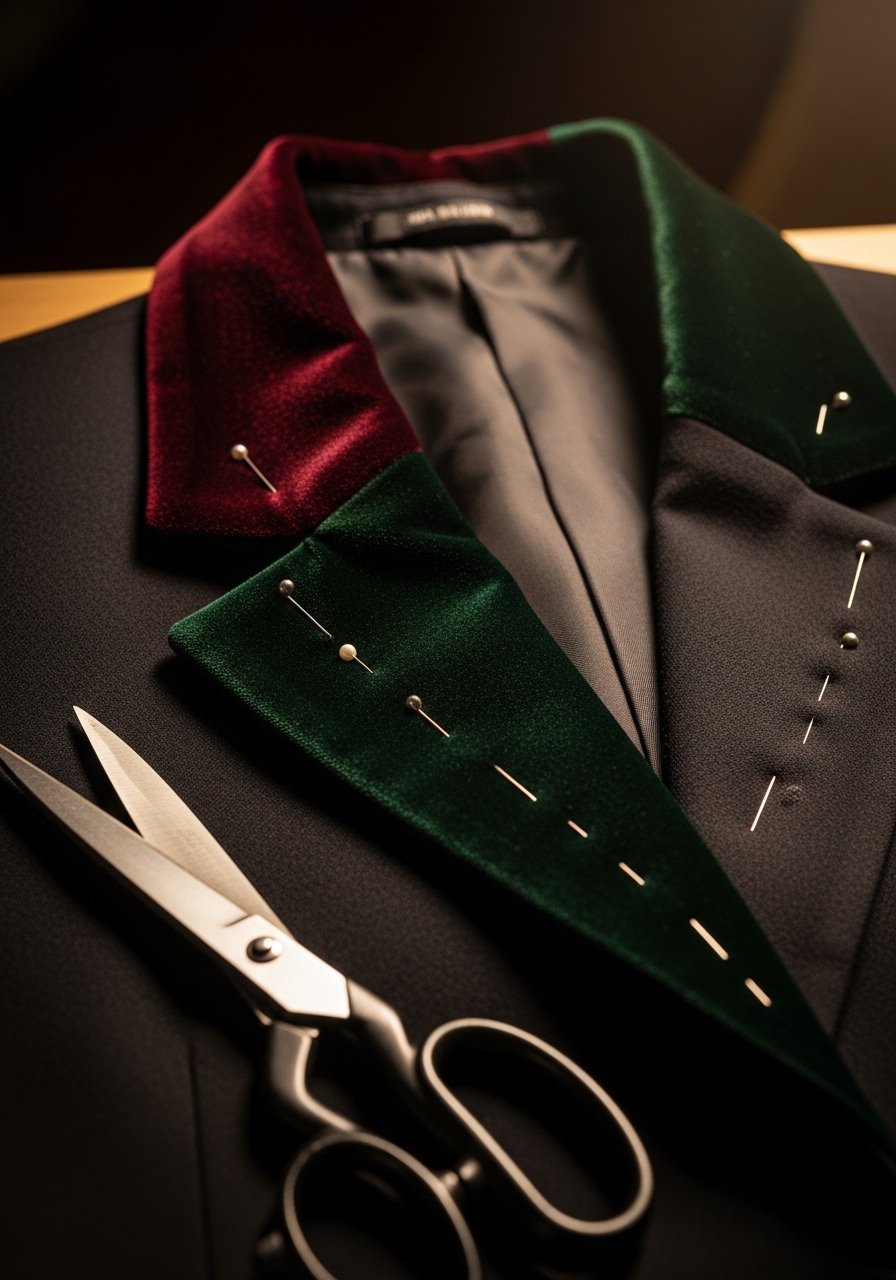
Swapping or adding a collar can elevate a thrift blazer without heavy tailoring. Remove the old collar by seam ripping, cut a new one from velvet or corduroy, and attach. This reads vintage prep and works well in offices and evenings. Expect $12 to $35. I used a velvet-fabric-by-the-yard pick for durability. A mistake is not clipping the curves when sewing a rounded collar. Clip little notches so it lies flat.
Scarf Halter from a Maxi Dress, Boho Summer
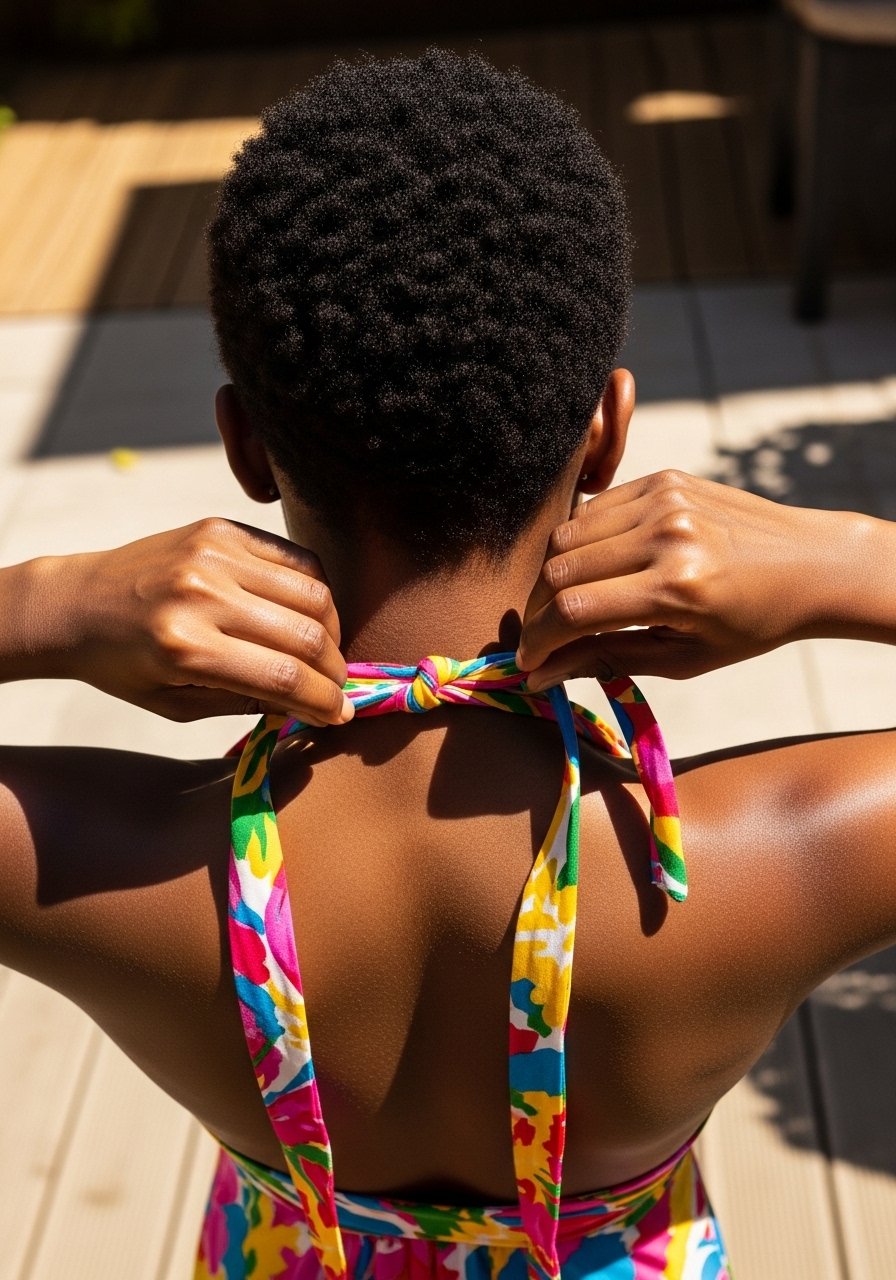
Cutting a maxi dress into a scarf halter top is fast and dramatic. Use the skirt panels to make long ties and hem the raw edges with a double roll for neatness. Works great for festivals and vacations with a $5 to $20 spend. A mini-sewing-machine-portable is handy when you travel. People worry it will not hold up. Reinforce the tie attachment with a small square of interfacing and double stitch for security.
Layered Tank Dress from Two Tanks, Minimal Summer
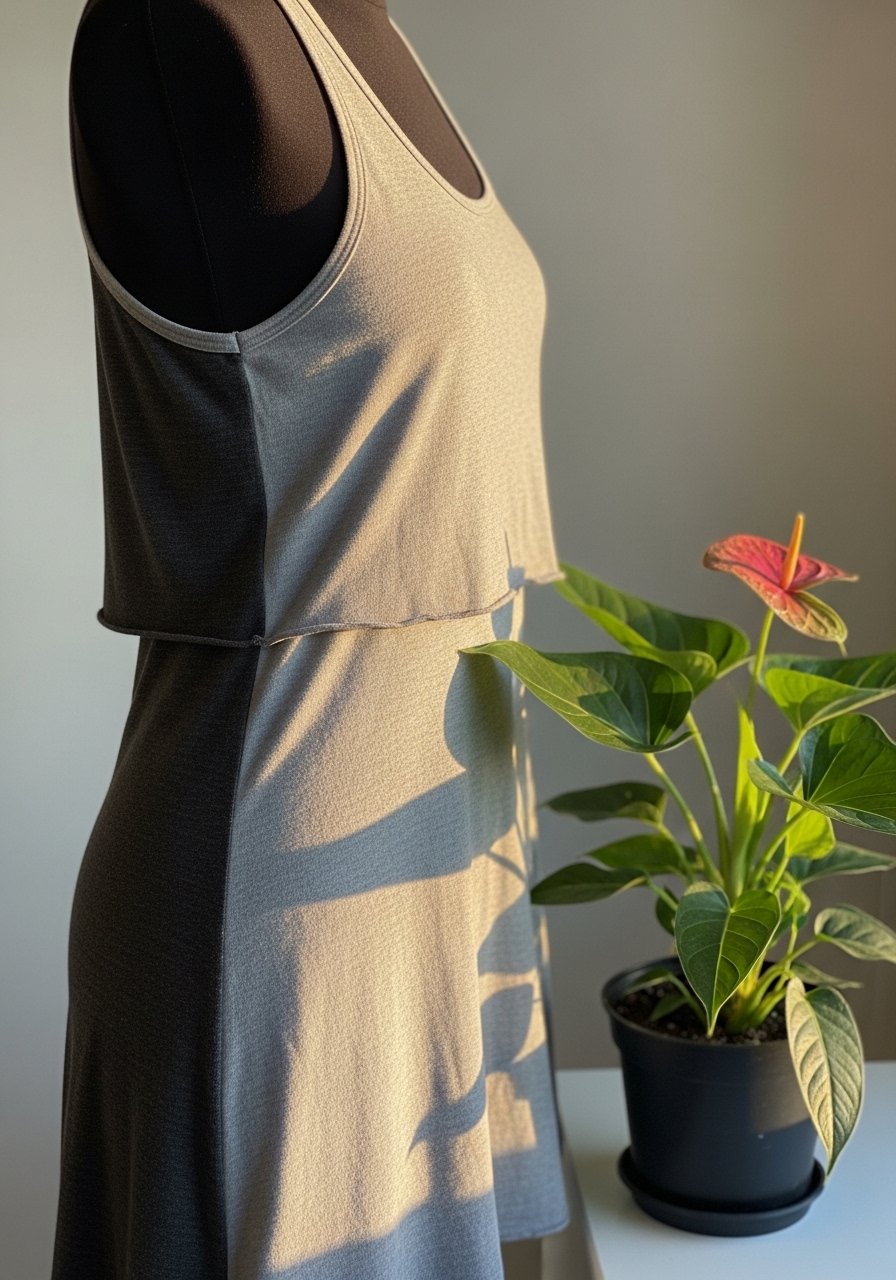
Sew the hem of a longer tank to the waist of a shorter cropped tank to get a layered dress without a lot of sewing. Keep the bottom tank lighter in weight and the top tank fitted. Most flips are under $20 and the result looks like a deliberate set. Use stretch-stitch-thread for knits. The common error is ignoring the necklines. Make sure both necklines sit at the same level so you do not end up with a weird collar stack.
Asymmetrical Wrap Skirt from a Shirt, Modern Edge
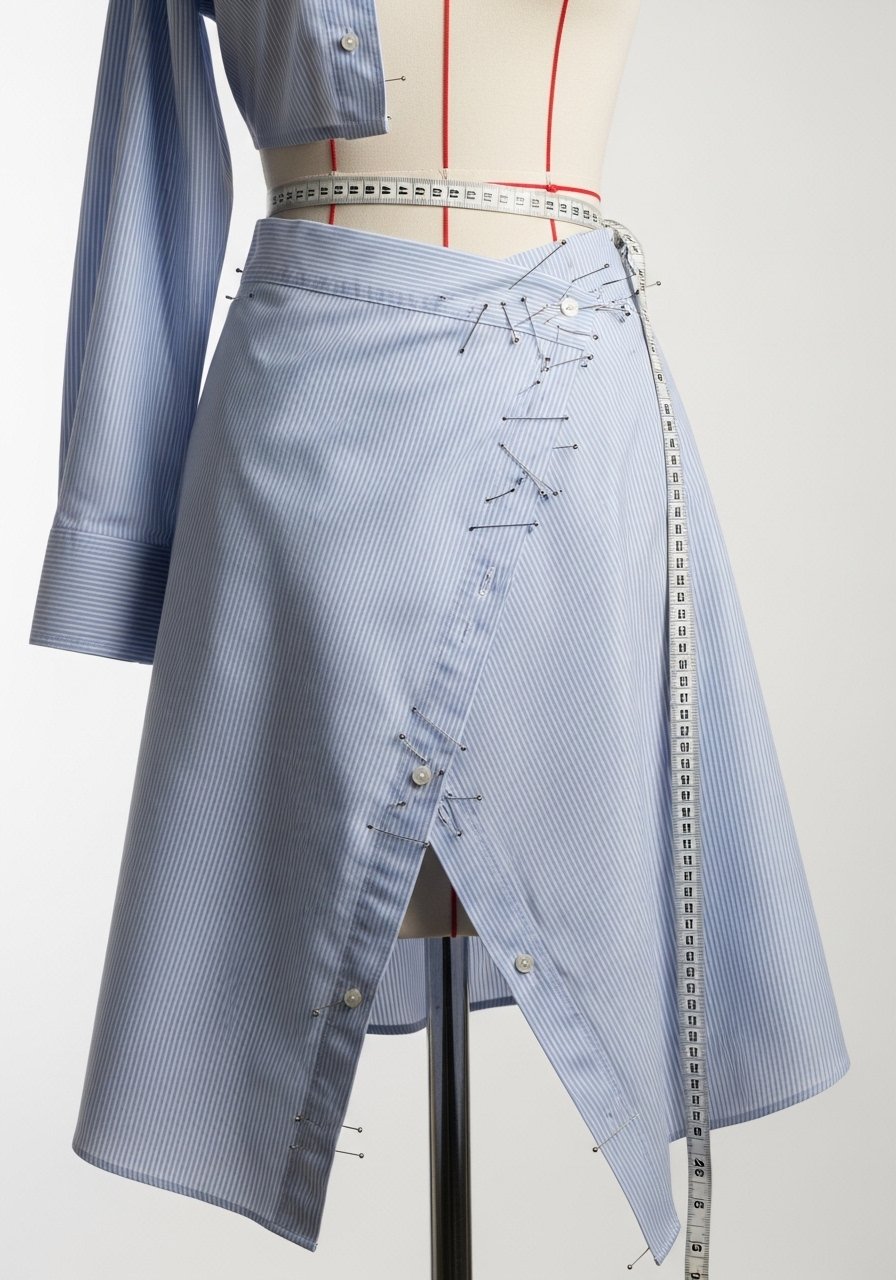
A wrap skirt from a shirt uses original buttons and plackets to create a low-effort closure. Cut the shirt into panels, overlap them so the front has a 2-inch overlap, and secure with existing buttons. It reads modern and works well for city weekends. Budget $8 to $22. I use small-surface-buttons-set for reinforcement. Mistake I see is not testing the wrap on your hips. Pin and walk around before final stitching.
Pocket Tee with Hidden Zipper for Travel
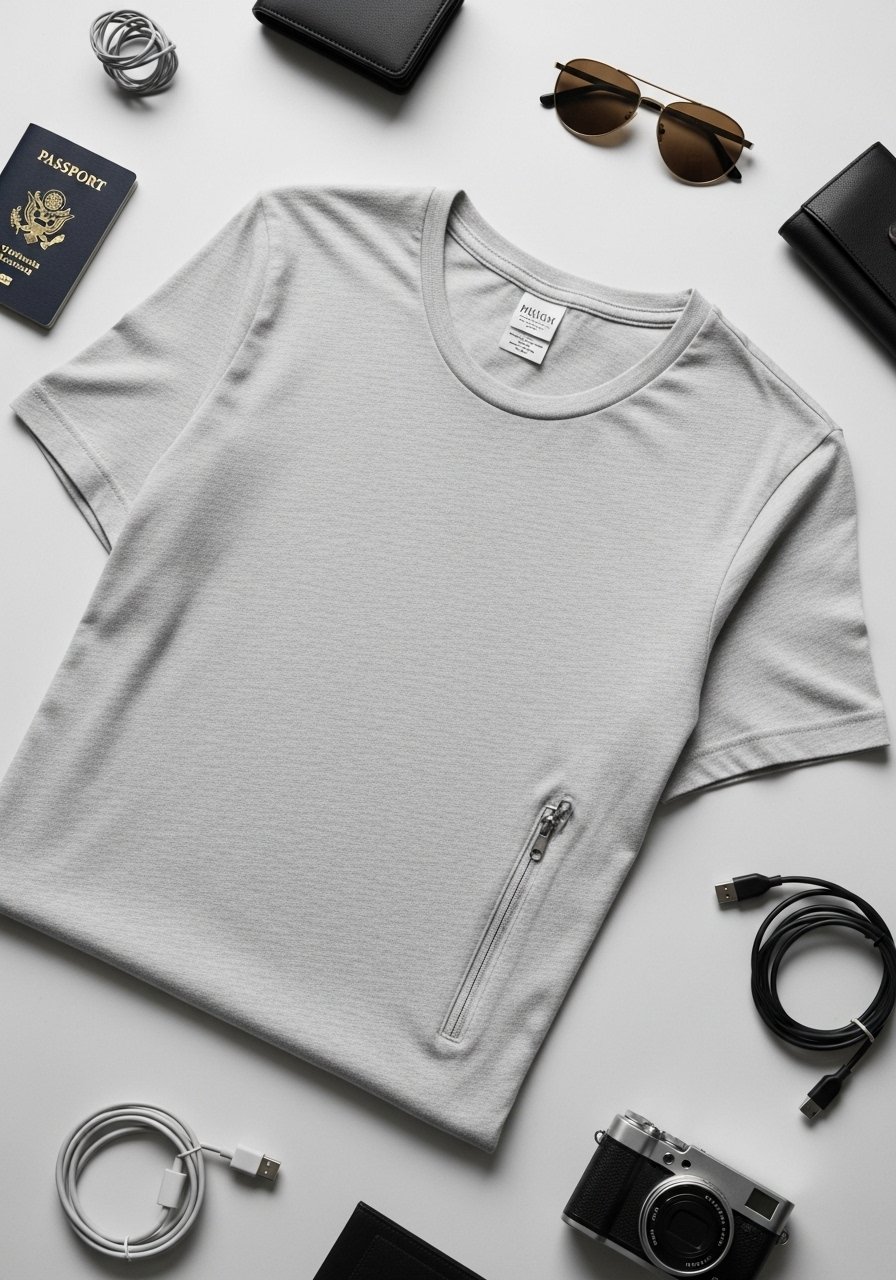
Add a zipper pocket in the side seam of a tee so it becomes a travel-friendly piece without changing the look. Use a 4-inch zipper, stitch it into the seam allowance, and reinforce the ends. This fixes the "no pockets" problem and costs $5 to $12. Try invisible-zipper-4-inch. People often sew the zipper too low which makes the pocket useless. Place it about 5 to 6 inches below the armpit for accessibility.
Your Decor Shopping List
- Honestly the best $35 I have spent. Chunky knit throw in cream 50×60 inches, perfect folded on a chair
- For sleeve and hem finishes you need a reliable thread. Gutermann thread spool in neutral gray and black
- For elastic waist flips use this. Dritz 1-inch elastic roll good for skirts and casings
- Found these while looking for something else. Brass picture ledges for displaying outfit inspiration or small accessories
- For neat hems and tiny curves get hand-sewing hem needles and tailor’s chalk
- A small machine that fits on a table is a keeper. Mini sewing machine portable for quick repairs
- For dye projects try this. Rit dye basic set in staple colors
- Keep a set for quick cutting. Heavy duty fabric scissors in your craft drawer
- For patching sweaters this is solid. Wool patch repair kit in neutral tones
- For elastic drawstrings and halters use nylon-drawstring-cord in black or white
Shopping Tips
White oak beats dark wood in 2026. Design feeds have shifted completely. These white oak floating shelves look current, not dated.
Grab gutermann-thread-spool for $6. Swap thread colors and the same repair will look intentional.
Curtains should puddle or kiss the floor, never hang halfway up. These 96-inch linen panels are right for standard 9-foot ceilings.
Found these while shopping for notions. Fabric clips set replace pins when you need to fit alone in a small space.
Everyone buys five small succulents. One single artificial-fiddle-leaf-fig-6ft has ten times the visual impact.
Frequently Asked Questions
Q: How do I avoid cutting a thrift score wrong
A: Always seam rip and lay the piece flat before any cut. Visualize the new silhouette on the table and pin first. A mock-up with safety pins solves most mistakes and stops that ruined thrift score feeling.
Q: My hems fray after one wash what do I do
A: Double roll every hem 0.5 inch then 0.5 inch, and stitch with a straight stitch. Zigzag raw edges before casings to stop fray. Most thrifters flip beginner cuts like hems first and this technique is why.
Q: Can elastic hold up after many washes
A: Yes if you zigzag the raw edge before making the casing and use good quality elastic. I pre-stretch elastic as I stitch and topstitch the casing. Average thrift flip costs under $20 including thread so a small investment in elastic pays off.
Q: I sew in a tiny apartment how do I fit garments
A: Use your thigh or a dining chair as a makeshift dress form and pin while wearing the piece. Small space sewers benefit from portable ironing mats and fabric clips so you can press and baste in one corner.
Q: Should I pre-wash thrift pieces before flipping
A: Yes pre-wash at least twice when you plan to dye or when the item might bleed on kids skin. I once skipped this step and lost a shirt to bleeding. Pre-washing avoids surprises.
Q: Can I mix boho puff sleeves with modern minimal jeans without it looking messy
A: Yes, balance is the key. Keep colors neutral and scale details. Pair a puff-sleeve top with straight-leg denim and one simple accessory. A single oversized item reads intentional rather than cluttered.
Q: Are no-sew options durable enough for regular wear
A: No-sew is fine for a quick change but stitched repairs last longer. For anything you will wear weekly I recommend at least a few reinforcing stitches. 55% prefer elastic over zippers for quick fits and elastic tends to handle daily use well when finished correctly.
Q: How do I stop elastic from rolling in my waistband
A: Zigzag the raw edge before you fold the casing. Pin the casing flat and stitch with a long straight stitch while gently stretching the elastic. Test the fit before closing the opening to make sure the waist sits where you want it.