
Spent $400 on a new desk once and still hated my office. Took me two weekends and one thrift run to realize the problem: everything sat at the same height. Once I staggered surfaces and added texture, the room finally felt like somewhere you could work without fidgeting. That moment is what these layouts are about, little swaps that change how a room behaves more than how much money you spend.
These ideas lean vintage and lived-in. Most builds use low to mid budgets, with a few pieces worth splurging on if you can. They work for a dedicated home office, a corner in your bedroom, or a compact apartment workspace.
Layered Vintage Desk Zone With Mixed Metals and Warm Wood
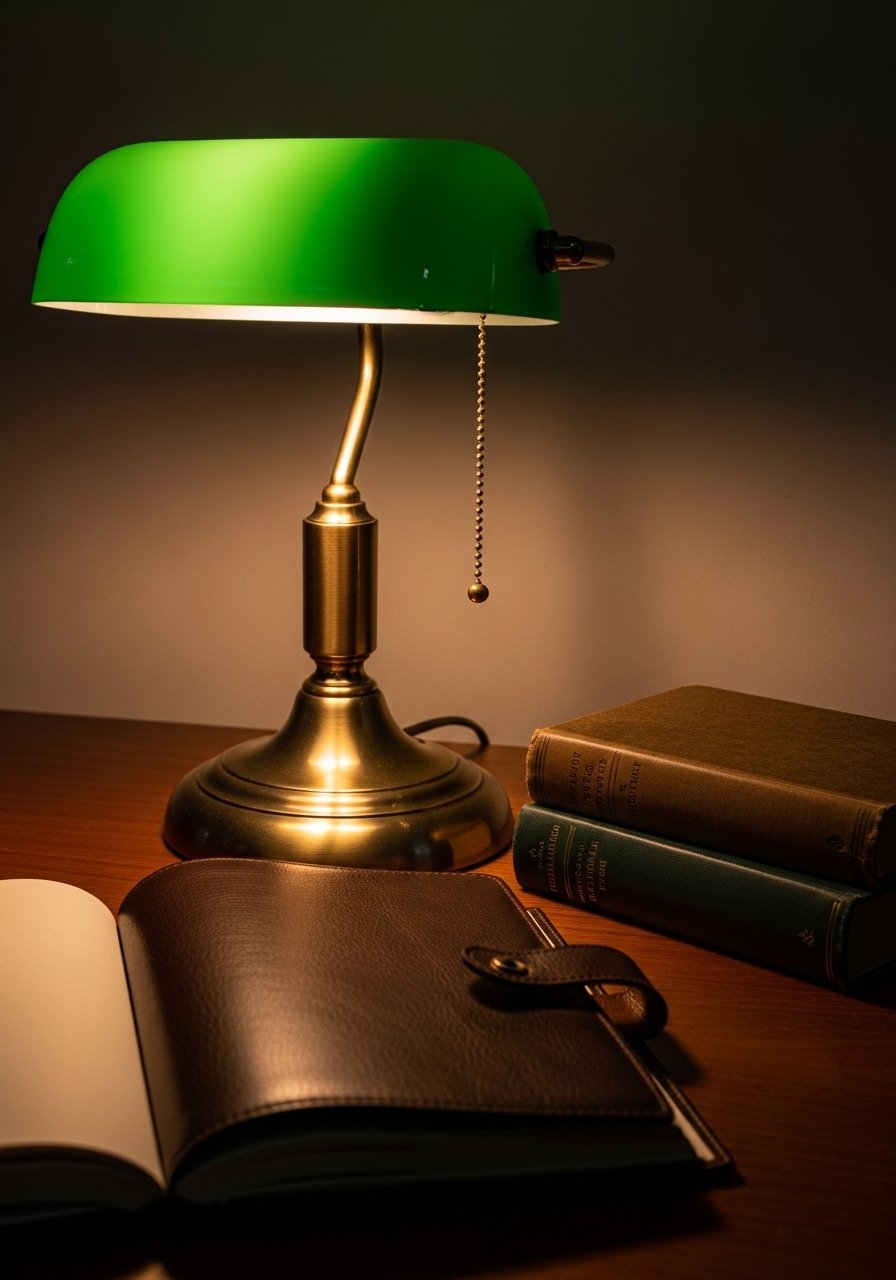
The moment I swapped a chrome lamp for a brass banker lamp, the desk stopped feeling sterile. Mixing metals gives a collected-over-time vibe for a vintage home office layout. Use a wooden desk with warm grain, a brass task lamp, and a darker leather chair to add depth. I like pairing a 48-inch desk with a 22-inch task surface to leave room for a lamp and a notepad. I bought a brass lamp that sits low and wide so it lights the whole work surface, not just a spot. Brass banker lamp and a vintage leather desk chair complete the look. A common mistake is matching every metal; mixing finishes looks more intentional. You get the same color 95 percent time pulling rival formulas. That little rule saved me when repainting trim to match an old desk.
Typewriter Focal Point With Shelf Gallery Above the Desk
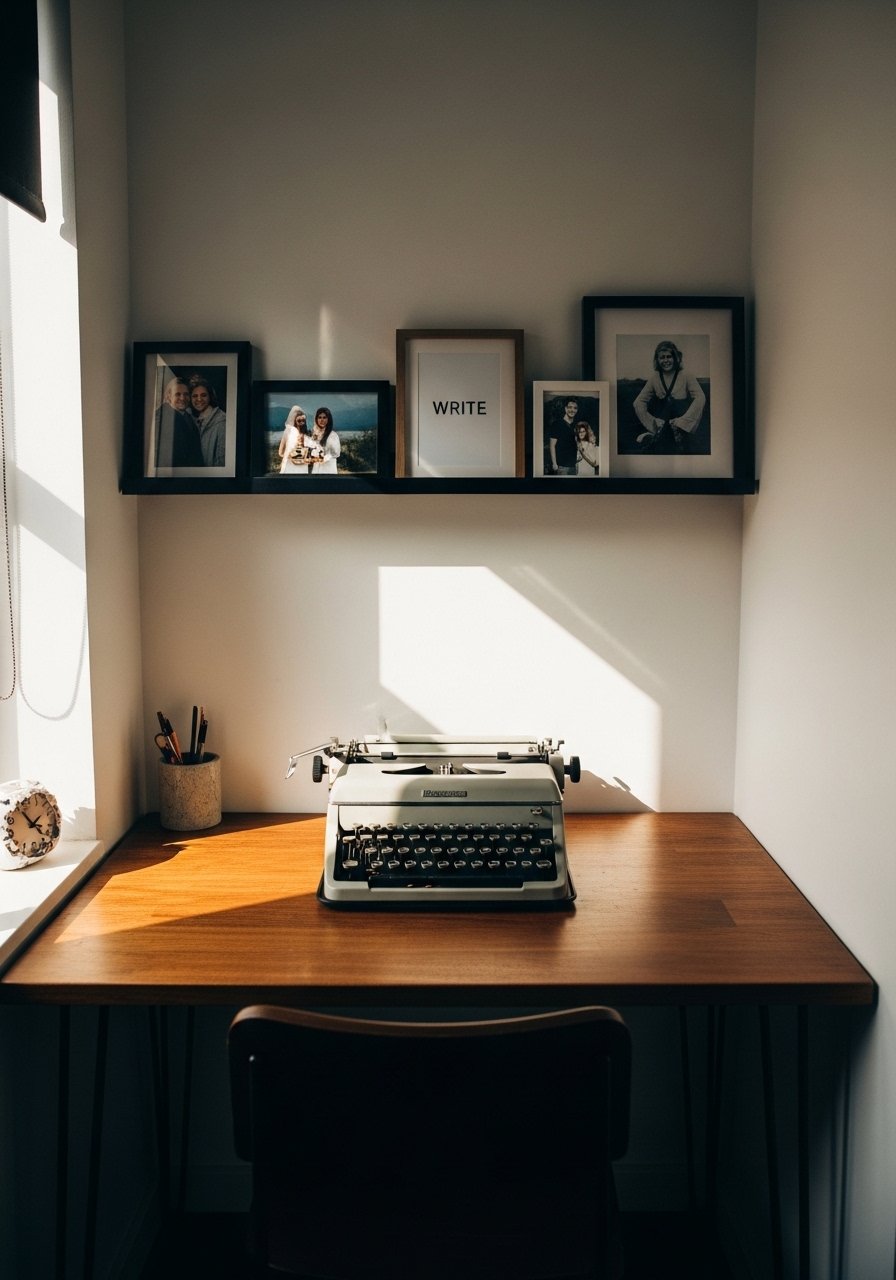
My thrifted typewriter became the conversation starter for this layout. Center a compact focal piece on the desk and add a slim picture ledge above. The ledge lets you swap art without new nail holes. I recommend a 36-inch ledge for a standard desk width so frames overlap slightly. Use mixed frame sizes and include one small shelf plant for softness. Found these brass picture ledges for under $25 and they solved my commitment phobia with art. Designers talk about balance, but a real mistake is overcrowding the ledge. Keep 20 percent of the shelf empty for air. Pair this with the layered lighting idea later for a cozy late-night working vibe.
Cozy Vintage Reading Nook With Velvet Accent Chair
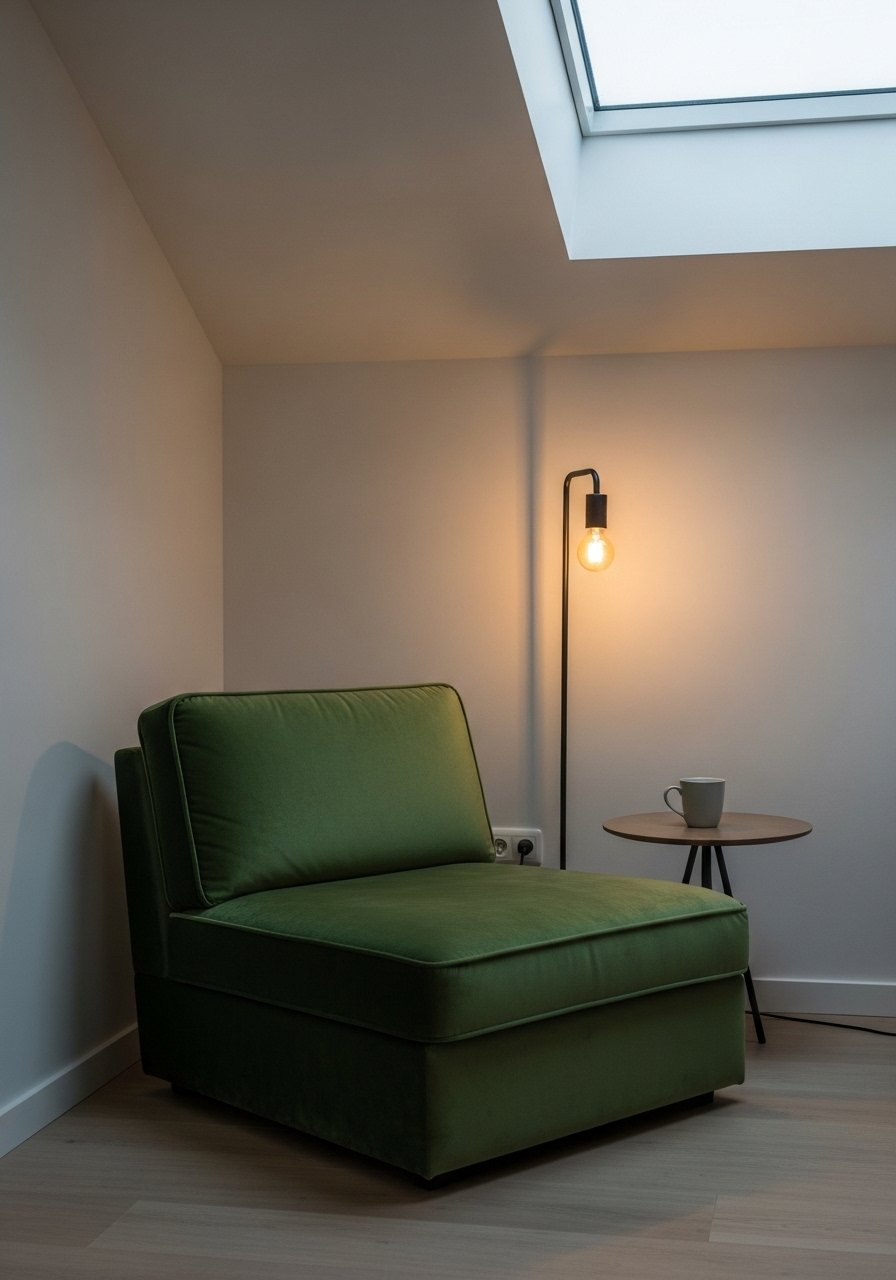
There is something about a reading nook with layered pillows that makes you want to cancel plans. Add a velvet accent chair and a task floor lamp to create a place for reference books and breaks. Use a 26-28 inch wide chair in a jewel tone for a vintage look, and place it 36 inches from the desk so you can swivel into work mode quickly. I snagged a deep green velvet chair that was under $250 and it immediately changed how often I used the space. The mistake people make is buying a chair that is too small for reading. Add a lumbar pillow in a 12×20 size and a throw that contrasts texture for instant warmth.
Fold Down Wall Desk For Small Vintage Spaces
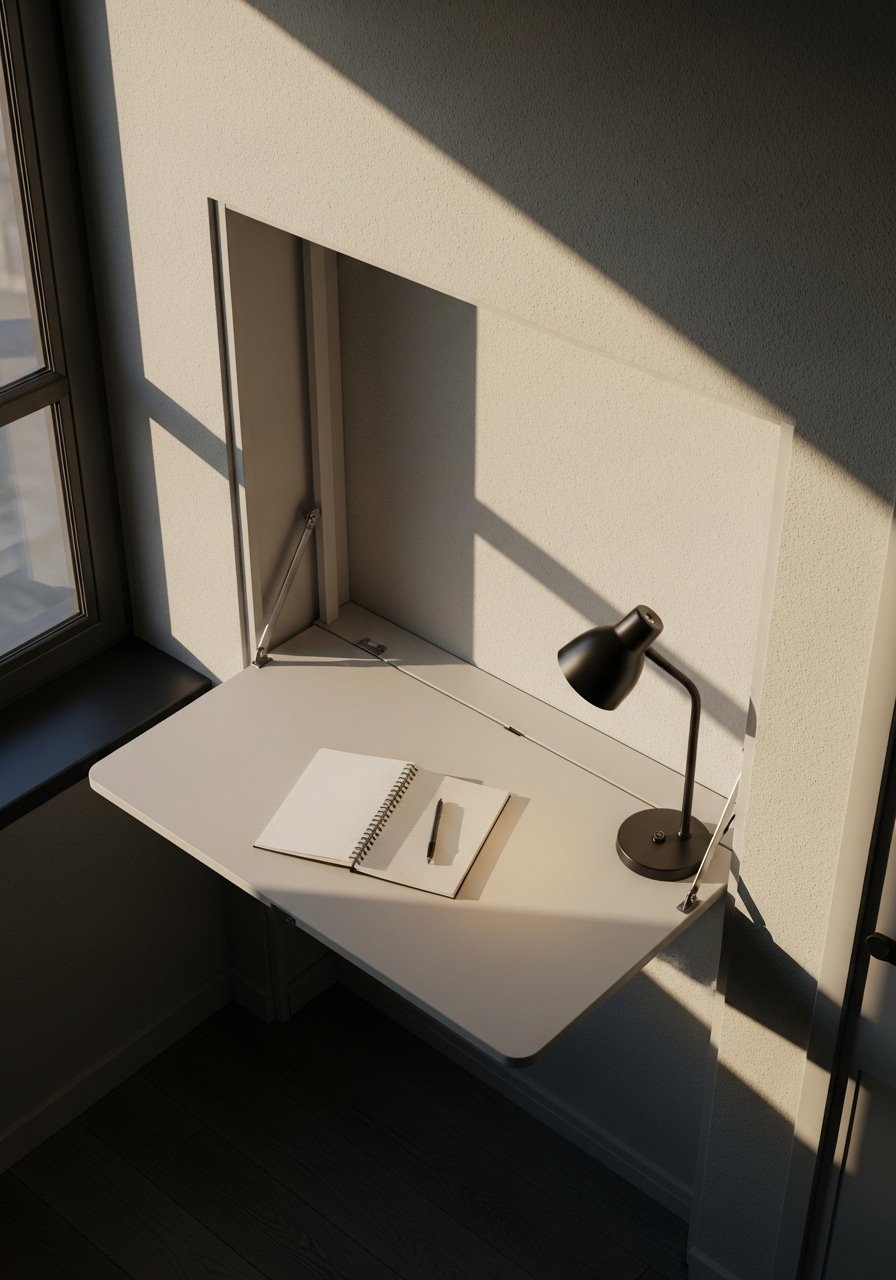
Most apartments need a solution that tucks away. A fold down wall desk gives you the functionality of a full desk without the footprint. Pick one at least 30 inches wide for a laptop and a cup of coffee. I installed one at 42 inches high on a plaster wall with toggle bolts and it feels sturdy. Fold-down wall desk options come with hidden charging holes which I recommend if you hate tangled cords. A common mistake is mounting too low. Measure knee clearance before you drill. For renters, use removable French cleats or a tabletop that rests on low brackets so you can take your work surface with you.
Patterned Wallpaper Accent Behind Desk for Vintage Flair
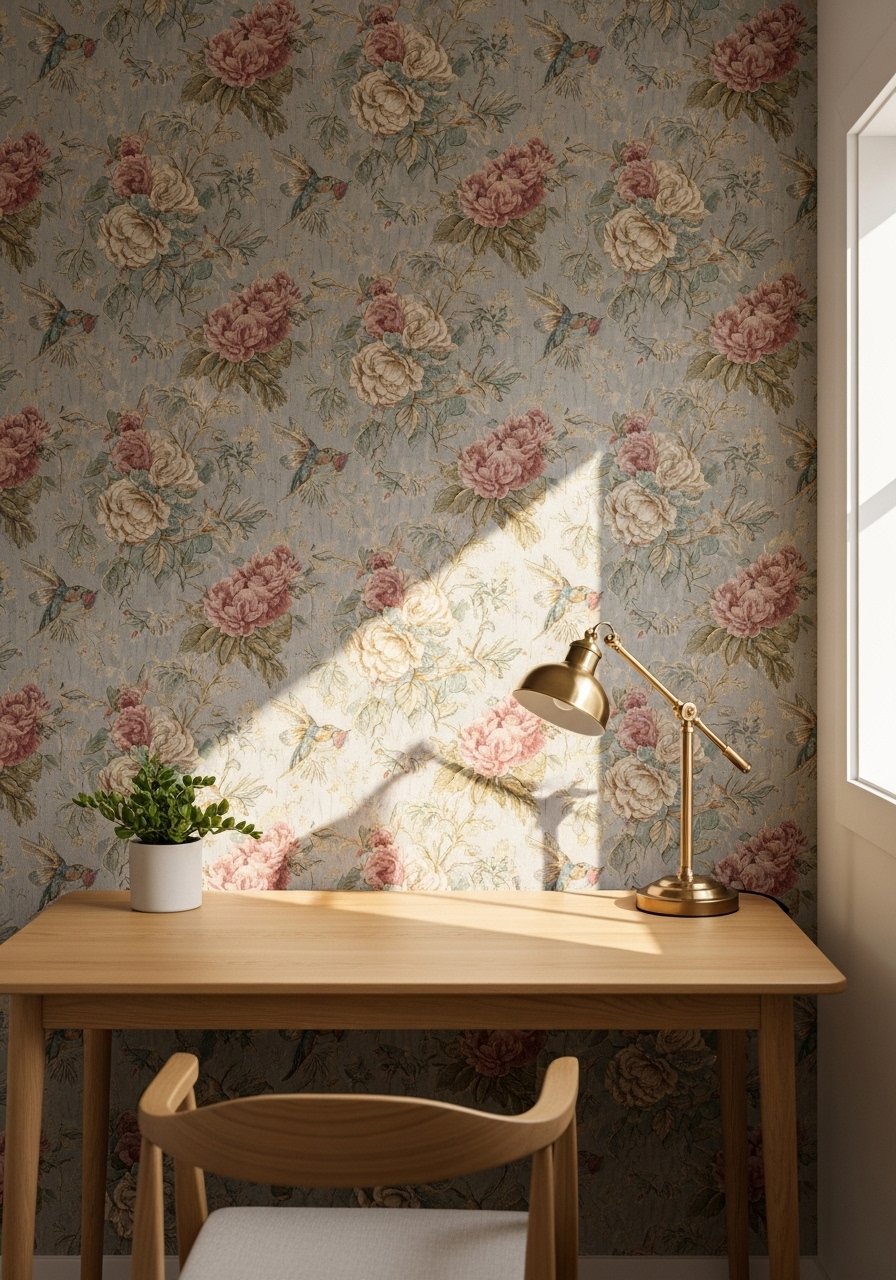
Wallpaper can do what paint cannot, especially in a vintage home office layout. Pick one patterned wall behind the desk to act like an accent rug on the wall. Order three 8×8 inch samples and tape them at different heights, then check them in the morning and evening light. Most matches hit exact with a scanner, no eyeball needed. If you are matching fabric from a thrifted chair, get a spectrophotometer scan at a hardware store to pull a paint color that complements the paper. A mistake I made once was choosing scale too large; for a 7-foot wide wall, keep pattern repeat under 12 inches so it reads as texture not chaos. Vintage floral wallpaper roll picks are great for small spaces.
Layered Lighting Trio for Task Mood and Ambient Glow
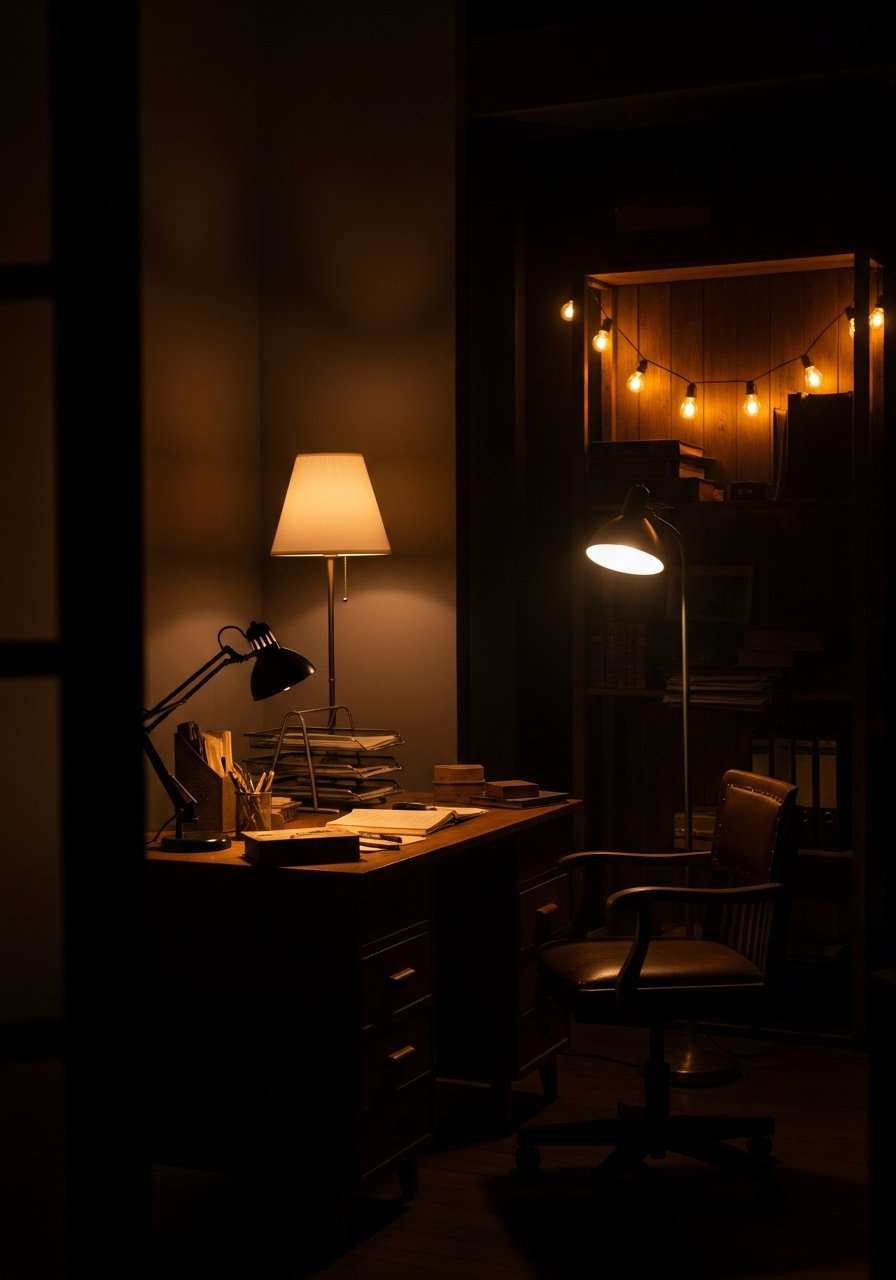
Eight out of ten bad matches blame the light, not you. That applies to decor as much as color. Use three layers of light in a vintage home office layout: a low task lamp, a warm floor lamp for reading, and a dimmable overhead or string lights for ambiance. I keep a desk lamp at 3000K for clear work light and a floor lamp at 2700K for warmth. Adjustable desk lamp and a dimmable floor lamp are lifesavers. People buy the prettiest lamp and forget glare. Make sure the task lamp is positioned to avoid screen reflection and use bulbs with a CRI over 90 for pleasing color. Pair this with the layered desk zone for the best functional vintage layout.
Bookcase Styling With Horizontal Stacks and Color Blocking
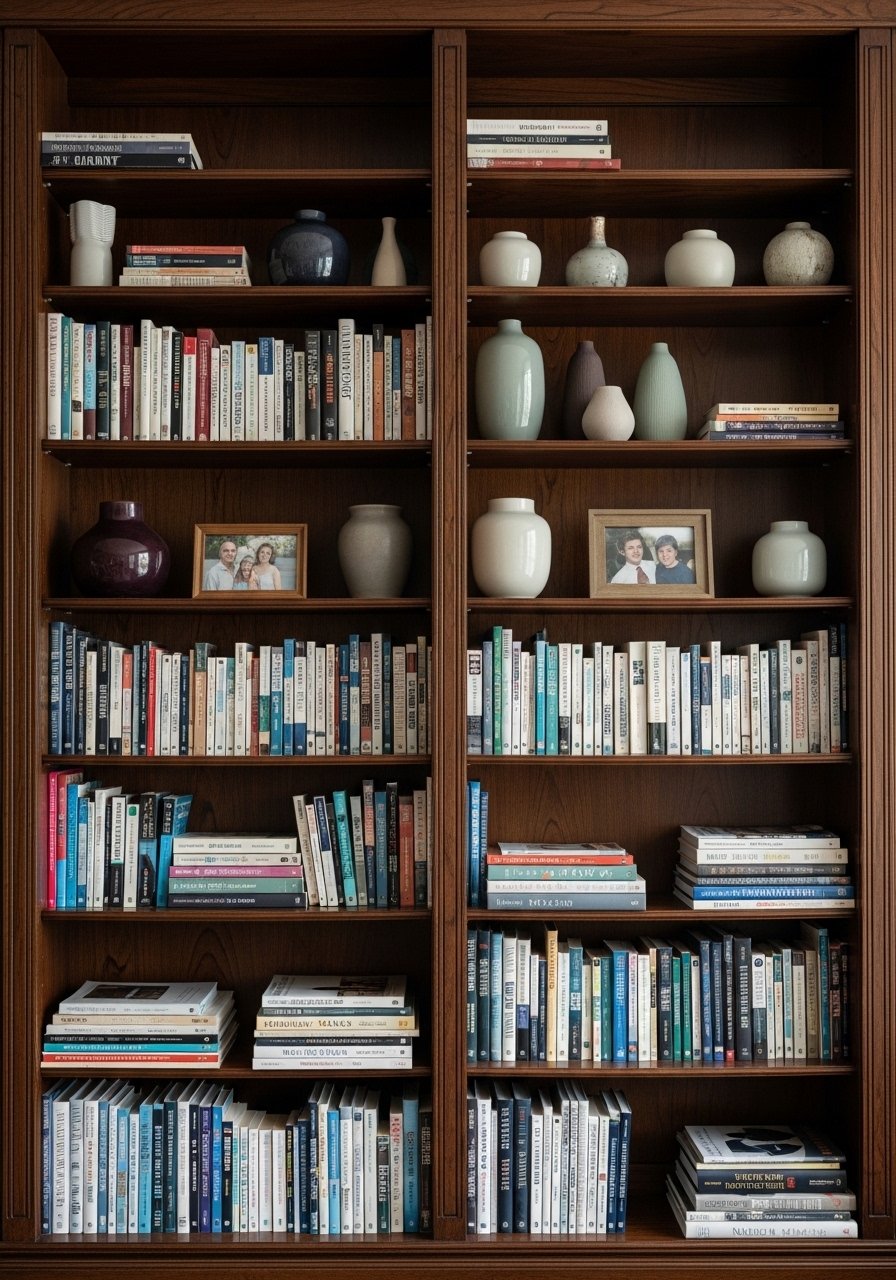
Bookshelves feel less like clutter when you vary how you stack books. I follow a rough 80/20 palette rule on the shelves, keeping 80 percent neutral or wood tones and 20 percent color accents to make vintage pieces pop. Try horizontal stacks every third shelf as a visual pause and anchor objects in groups of three. A common mistake is filling every shelf full of books. Leave negative space equal to one book height on at least two shelves. Set of ceramic vases and a small brass bookend are easy swaps. This idea pairs well with the typewriter shelf above to create a cohesive vintage office vignette.
Vintage Rug Anchoring and Chair Placement For Better Flow
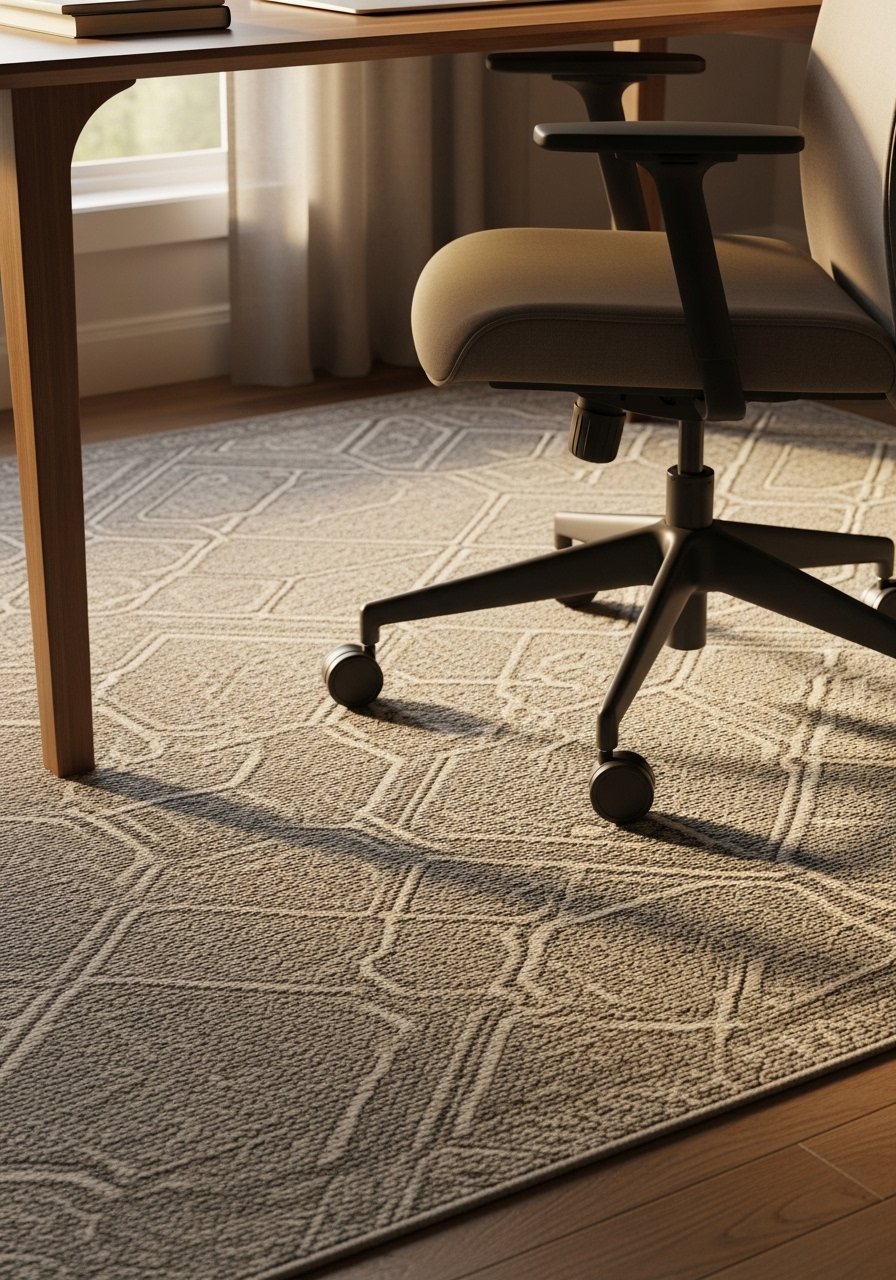
Anchoring the desk on a rug changes traffic and feel. I use an 8×10 rug under a standard desk so the chair sits firmly on the rug even when pulled back. If your space is smaller, a 6×9 can work, but aim for at least 24 inches of rug beyond the chair when it is pushed back. Layer a neutral jute under a patterned vintage rug to catch wear. 8×10 patterned rug and a jute rug pad keep things anchored and protect hardwood. People often place the desk entirely off the rug which makes the room feel disconnected. Pull the rug out from the wall slightly to create breathing room around the desk.
Tech Ready Vintage Layout With Cable Management and Hidden Power
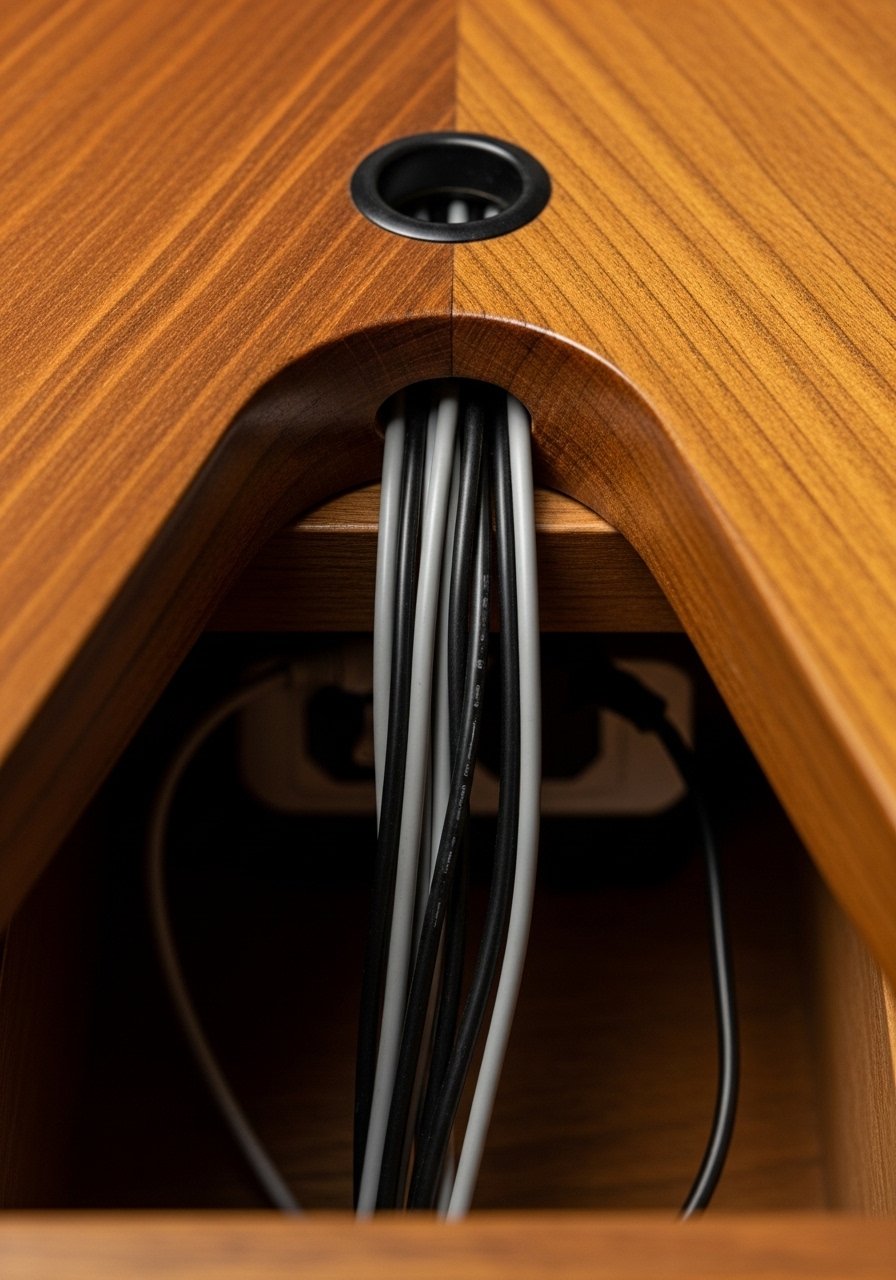
A vintage look does not mean living with a tangle of cords. I routed power through a grommet and hid a slim power strip in a desk drawer so chargers and hubs are out of sight. Use adhesive cable channels under the desk and label cords with fabric tags. Desk grommet kit and a slim power strip with surge protection fixed in a drawer solve the tech mess. The common mistake is putting a power strip on the floor where it becomes a dust magnet. This layout keeps vintage style while staying fully functional for video calls and multiple devices.
Your Decor Shopping List
Textiles
- Honestly the best $40 I have spent. Chunky knit throw in cream 50×60 inches, acrylic wool blend
- Velvet accent chair in deep green 26 inches wide, velvet upholstery, metal legs
Wall decor
- Found these while looking for something else. Brass picture ledges, 36-inch lets you swap art without new nail holes
- Vintage floral wallpaper roll 20.5-inch repeat, peel and stick option available
Lighting
- Brass banker lamp weighted base, 3000K bulb compatible
- Dimmable floor lamp 60-inch height, warm LED bulb included
Rugs and protection
- 8×10 patterned rug low pile, jute blend
- Jute rug pad 8×10 prevents slipping and protects hardwood
Note: Similar finds at HomeGoods and Target if you prefer to see items in person
Shopping Tips
White oak beats dark wood in 2026. Design feeds have shifted completely. White oak floating shelves look current, not dated.
Grab velvet pillow covers for $12 each. Swap them seasonally and the whole room feels different.
Curtains should kiss the floor or puddle slightly, never hang halfway up. 96-inch linen curtain panels are the right length for most 9-foot ceilings.
If you are matching a thrifted fabric to paint, scan the swatch at a paint counter and then tweak by eye. Spectrophotometer scan service tool kit helps you get the number and saves time.
Everyone buys five small succulents. One single 6-foot faux fiddle leaf fig has ten times the visual impact.
Frequently Asked Questions
Q: Can I mix vintage textiles with modern furniture without it looking messy?
A: Yes. Stick to the 80/20 palette rule where 80 percent is neutral wood or textile tones and 20 percent is a bolder vintage pattern. Keep scale consistent, for example one large pattern plus smaller solids. Avoid matching every pattern scale or every texture.
Q: What size desk rug do I actually need for a standard home office?
A: For a standard desk, an 8×10 rug works well so the chair sits on the rug when pulled back. If your room is narrow, a 6×9 can work but aim for at least 24 inches of rug beyond the chair.
Q: How do I stop wallpaper from looking too busy behind my desk?
A: Pick a pattern with a repeat under 12 inches for a 6 to 8 foot wide wall. Tape samples at eye level and step back from 8 feet to judge the scale. Also balance with neutral shelving or a single framed print to rest the eye.
Q: Is it worth hiding a power strip in a vintage desk drawer?
A: Absolutely. Hiding a slim surge protected strip in a drawer keeps cords dust free and maintains the look. Use a grommet to route cables and label each one for easy unplugging.
Q: My paint match looked fine in the store and wrong at home. What did I do?
A: Eight out of ten bad matches blame the light, not you. Always sample paint in the actual room with at least three swatches placed where you will use them. Wait 24 hours for the paint to dry before deciding.