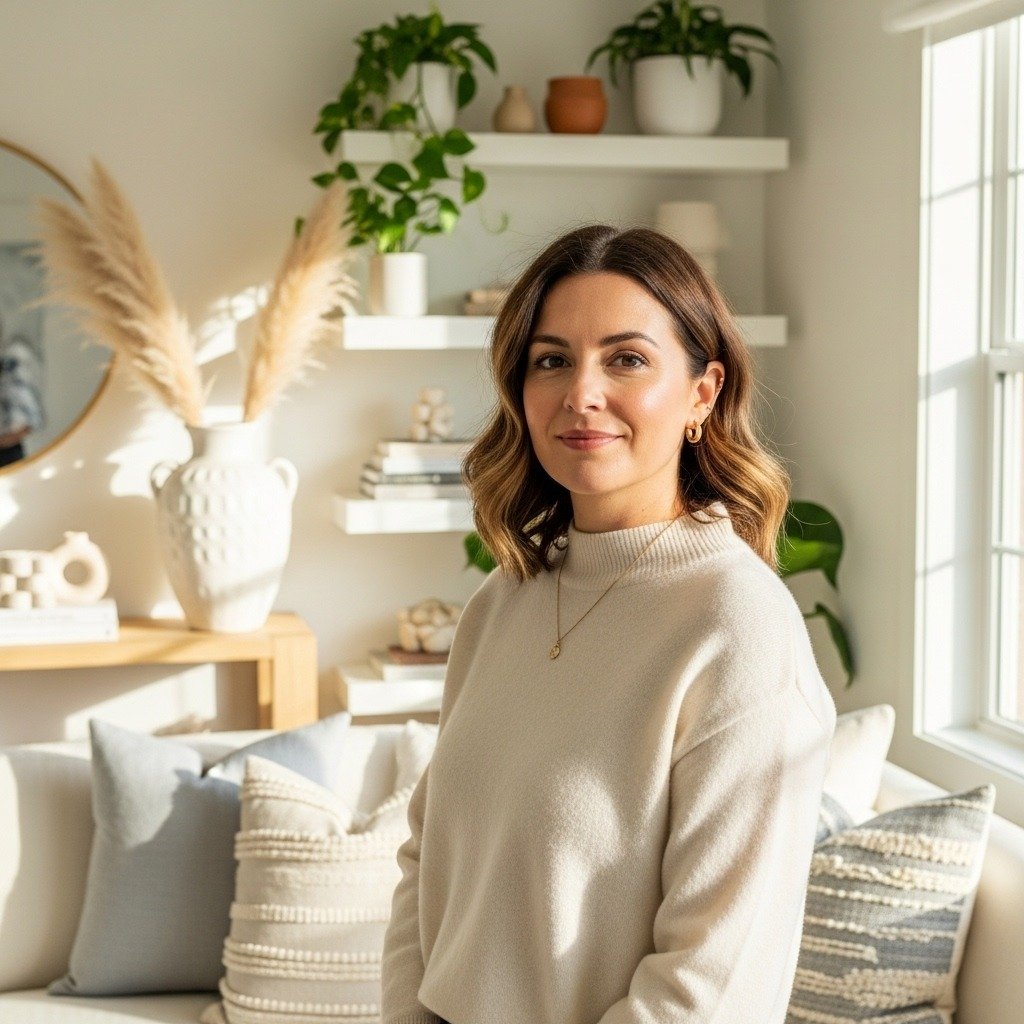
My living room had nice furniture and decent lighting but it still felt like a waiting room. Took me embarrassingly long to realize it was missing texture and small, intentional edits. I started with little DIYs I could finish in an afternoon and everything opened up. These are the easiest beginner diy home projects that actually change how a space feels without draining a weekend or the budget.
These ideas lean casual modern with a touch of vintage warmth. Most projects run $10 to $75, with one or two small splurges around $100. They work in living rooms, bedrooms, entryways, or any awkward corner that needs personality.
Layered Throw and Pillow Combo for a Softer Sofa
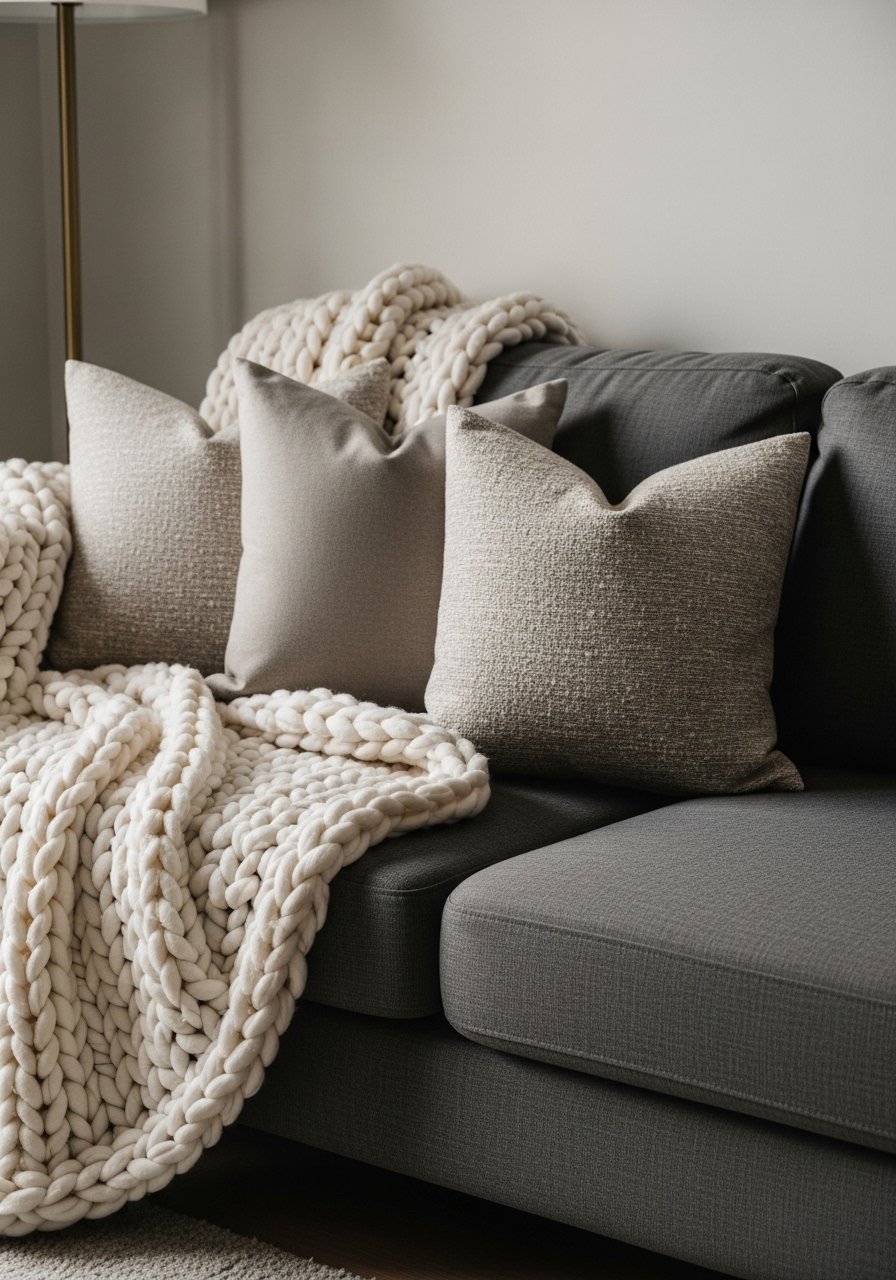
The moment I draped a chunky knit throw over the arm of my gray sofa, the whole room stopped looking flat. Layering one 22-inch linen pillow, one 20-inch velvet pillow, and a 14×22 lumbar creates a rule of three that reads intentional, not random. Budget: $15 to $60 for covers and $30 to $50 for a throw. I linked a soft chunky knit throw in cream and a set of velvet pillow covers, set of 2 I used. Mistake people make is matching pillow sizes exactly. Mix sizes and textures so one pillow disappears into the next. If your couch is small, keep the throw folded thirds across one arm rather than tossed across the center.
Gallery Wall Using Mismatched Frames for a Collected Look
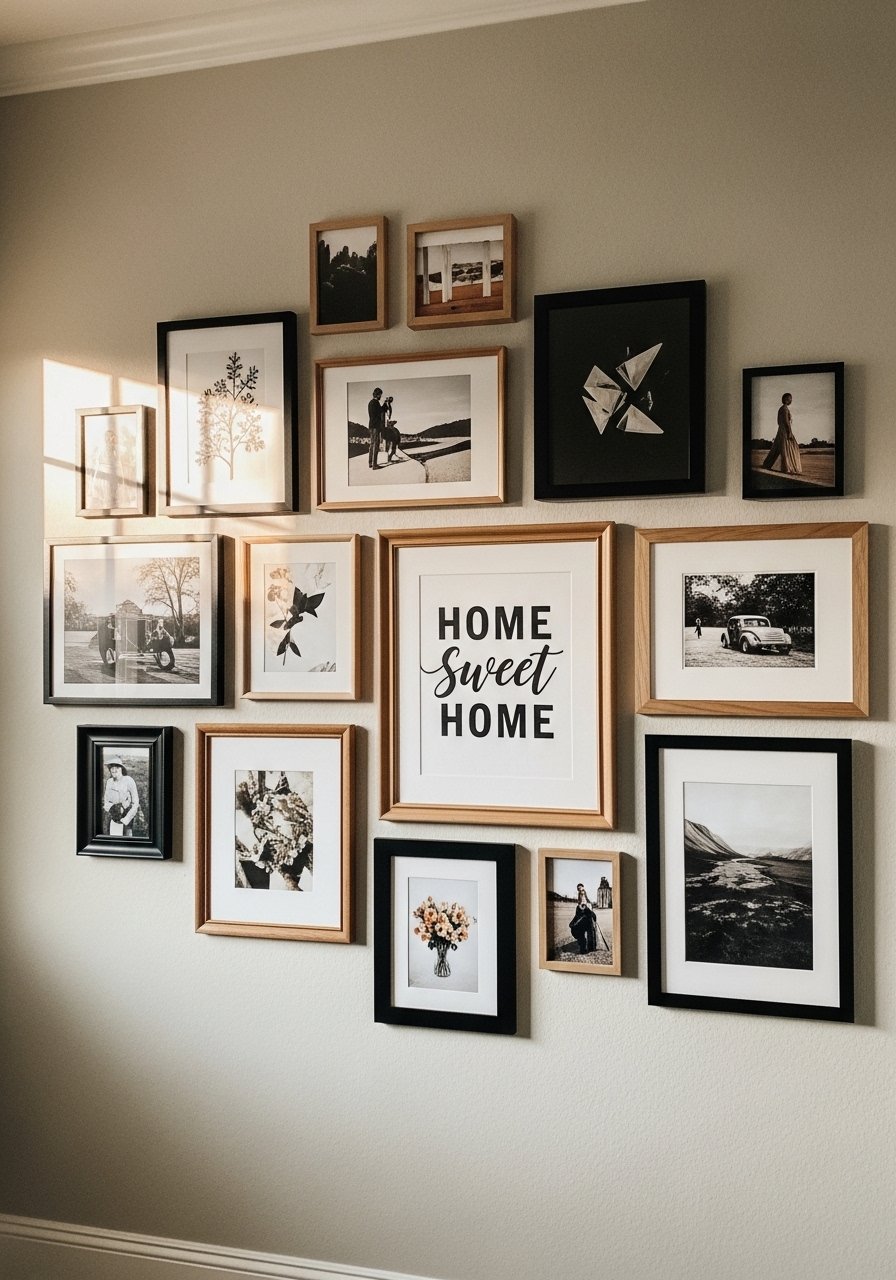
A friend texted me a photo of her blank hallway and I suggested a small gallery of different frame finishes instead of buying a kit. Start with one 16×20 anchor piece and build around it with smaller frames that follow a loose grid. Budget: $40 to $120 depending on prints and frames. I used mixed metal picture frames and swapped in thrifted prints. Common mistake is measuring exactly before laying pieces out. Instead, cut kraft paper templates and tape them to the wall to test spacing. Pro tip that others skip: keep the negative space roughly 2 to 3 inches between frames for gallery cohesion in narrow hallways.
Floating Shelves with Curated Styling for a Cozy Nook
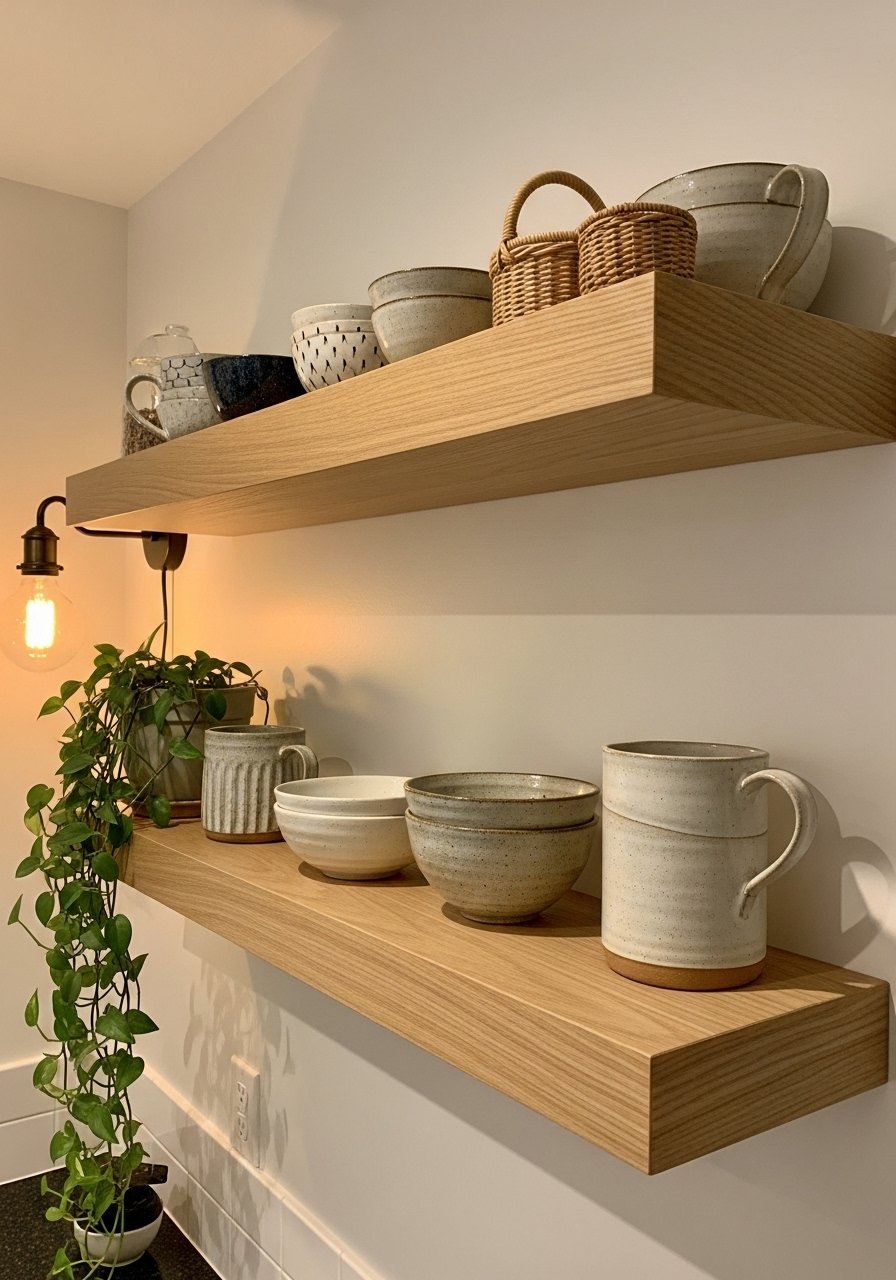
White oak floating shelves changed my kitchen wall from clutter to calm. Shelves look best when items are grouped in threes, and you leave 12 inches between the shelf and the range hood or cabinet above. Budget: $30 to $80 per shelf, depending on length. I installed white oak floating shelves and paired them with ceramic bowls. A common error is overloading with small trinkets. Instead, aim for one statement object per shelf, then add two smaller companions for balance. If you have kids, mount the lowest shelf at 48 inches from the floor so it is reachable but not a hazard.
Floor-to-Ceiling Curtains to Make Ceilings Feel Taller
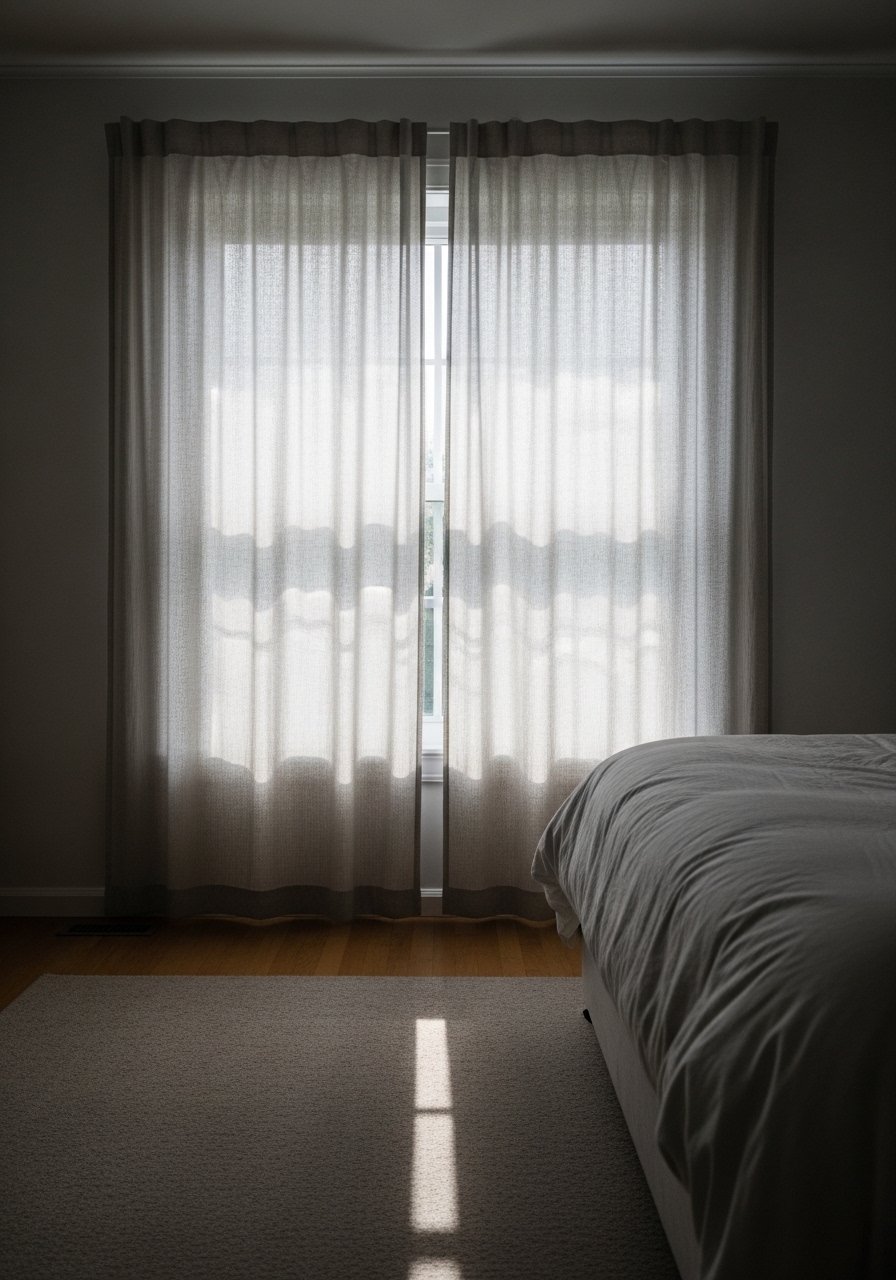
Most people hang curtains right at the window frame. That is why their rooms look shorter than they are. Move the rod 4 to 6 inches above the frame and choose 96- or 108-inch panels. Budget: $30 to $70 per panel. I used 96-inch linen curtain panels for my 9-foot ceilings. Mistake: buying panels that stop at the sill. They should puddle or just kiss the floor, not hover. Specific detail other guides skip: if you have a radiator under the window, leave one to two inches between fabric and radiator to prevent discoloration.
Painted Accent Wall with a DIY Geometric Stencil for Interest
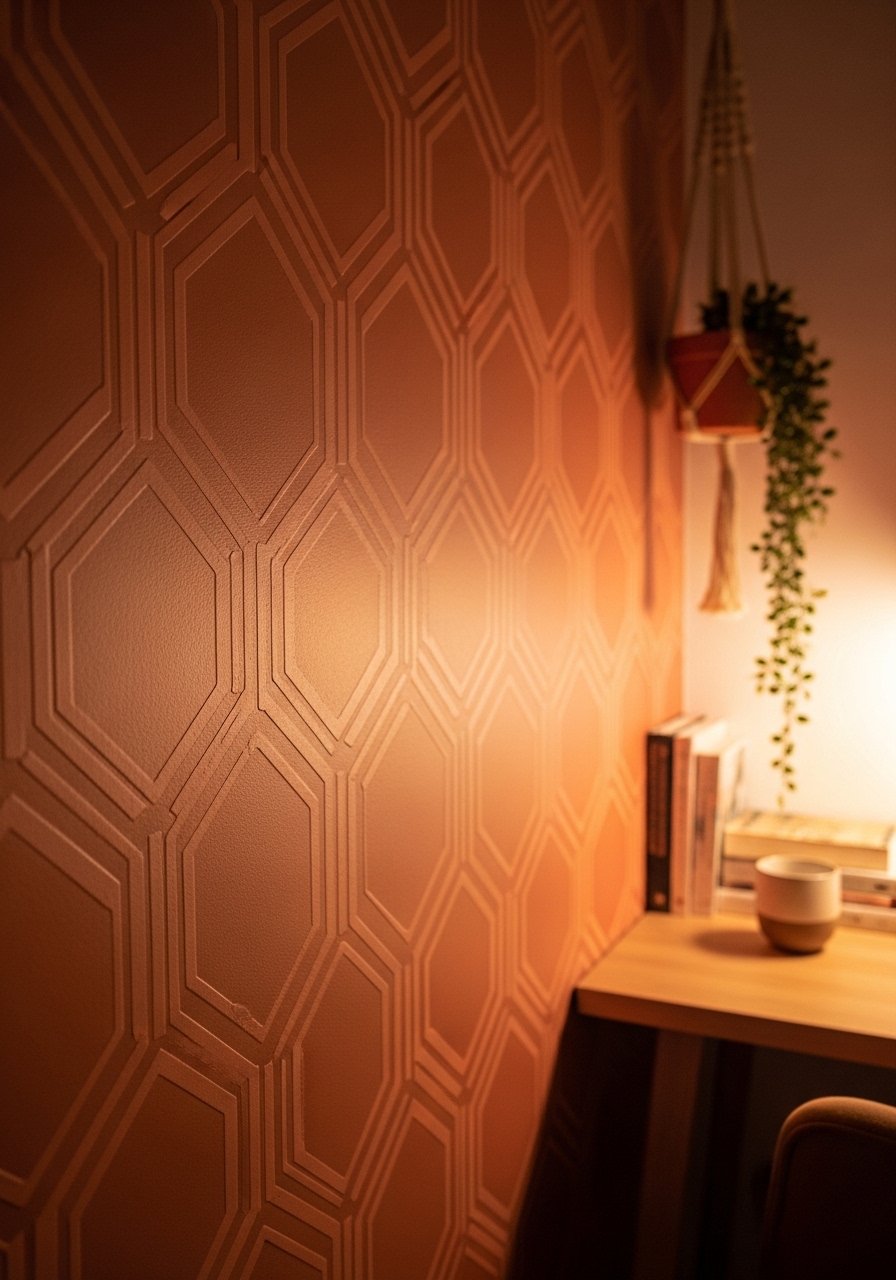
I avoided paint for years because I was worried about commitment. A small geometric stencil on a single accent wall solved that. Choose a muted color for longevity and stencil in a tone slightly darker or lighter than the base. Budget: $25 to $60 including a sample can and stencil. I bought a simple geometric wall stencil kit. Common mistake is tight, exact patterns that read busy. Loosen your spacing and test a 3×3 foot patch first. A handy rule: keep the stencil repeat to around 8 to 12 inches so it reads as texture from across the room.
Entryway Catch-All Tray and Mirror to Stop Morning Chaos
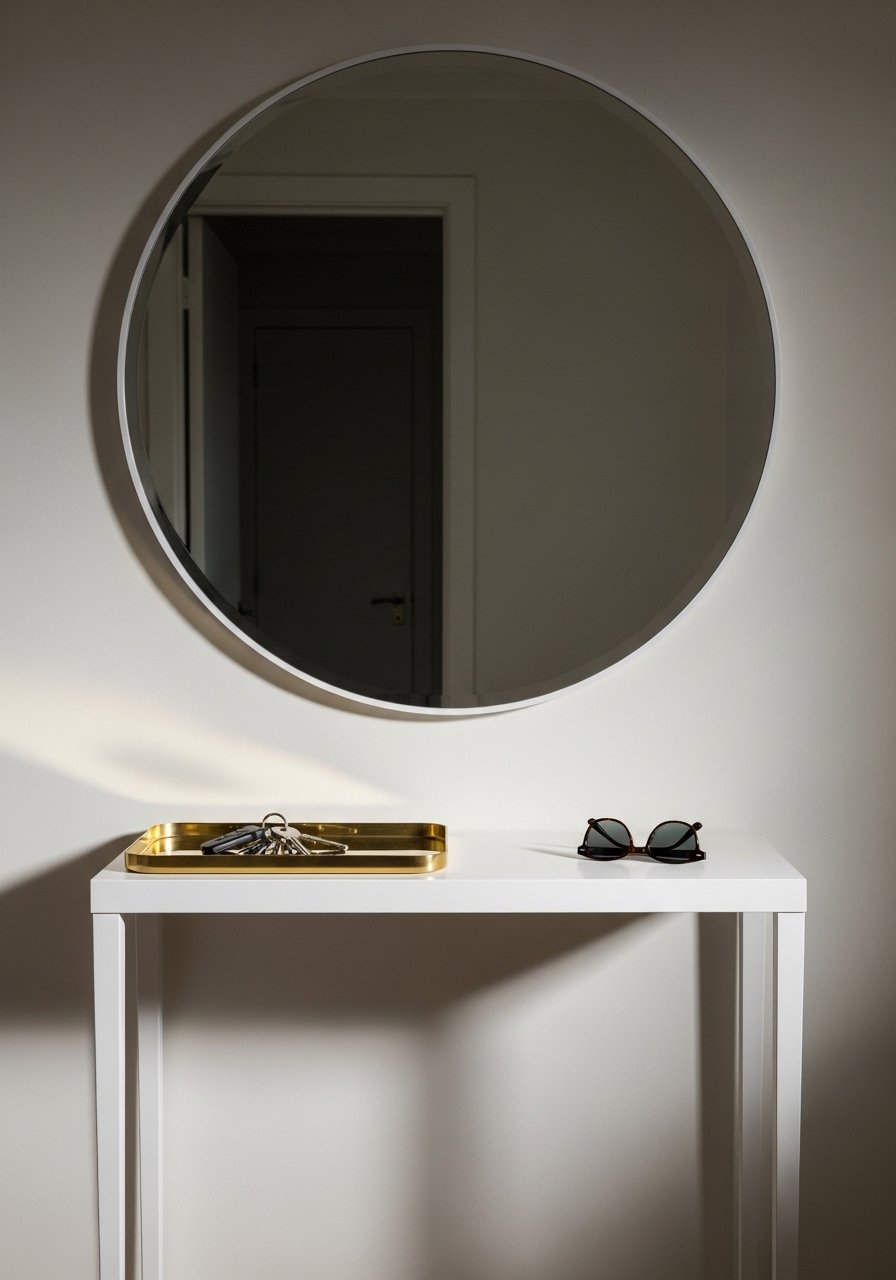
My entryway used to be a dumping ground for keys and mail. One round mirror at eye level and a shallow tray on the console made mornings smoother. Budget: $20 to $75. I recommend this round wall mirror and a shallow brass catch-all tray. Mistake: placing the tray too far back. Keep it close to the door so there is a natural drop point. Small detail many skip: use a second, smaller dish for loose change and one hook under the console for a daily bag.
Peel-and-Stick Tile Backsplash for Instant Kitchen Refresh
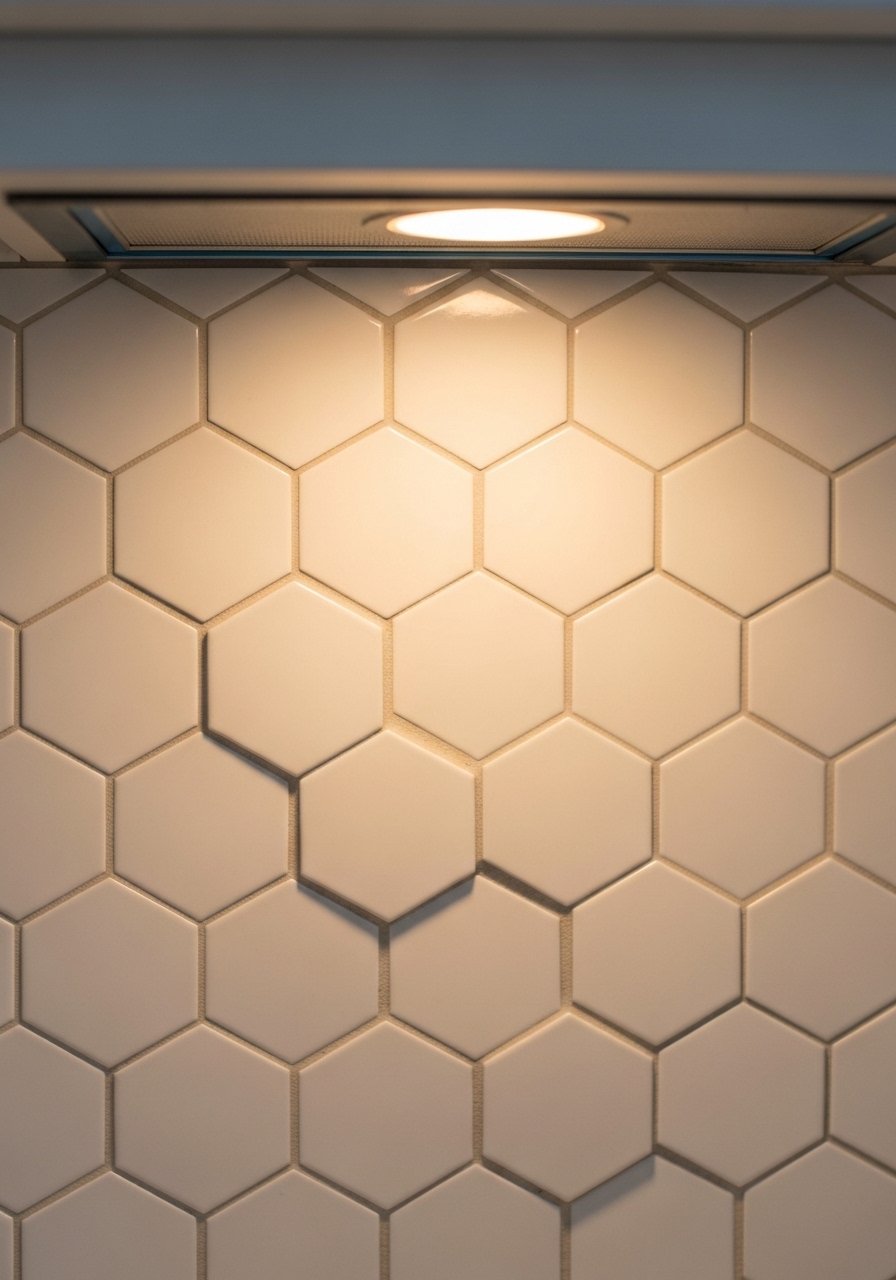
We rented for five years before finally doing a backsplash that would come with us. Peel-and-stick tiles give the look of a renovation without the contractor. Budget: $40 to $150 depending on coverage. I used white hexagon peel-and-stick tiles. The common error is starting in the middle of the wall. Start at a corner or edge and work outward for cleaner seams. Extra detail I always test: run a small level line as a guide. If you have grout lines, aim for 1/8 inch spacing mimicry so the removable tile looks realistic.
Update Lighting with Plug-In Wall Sconces for Ambiance
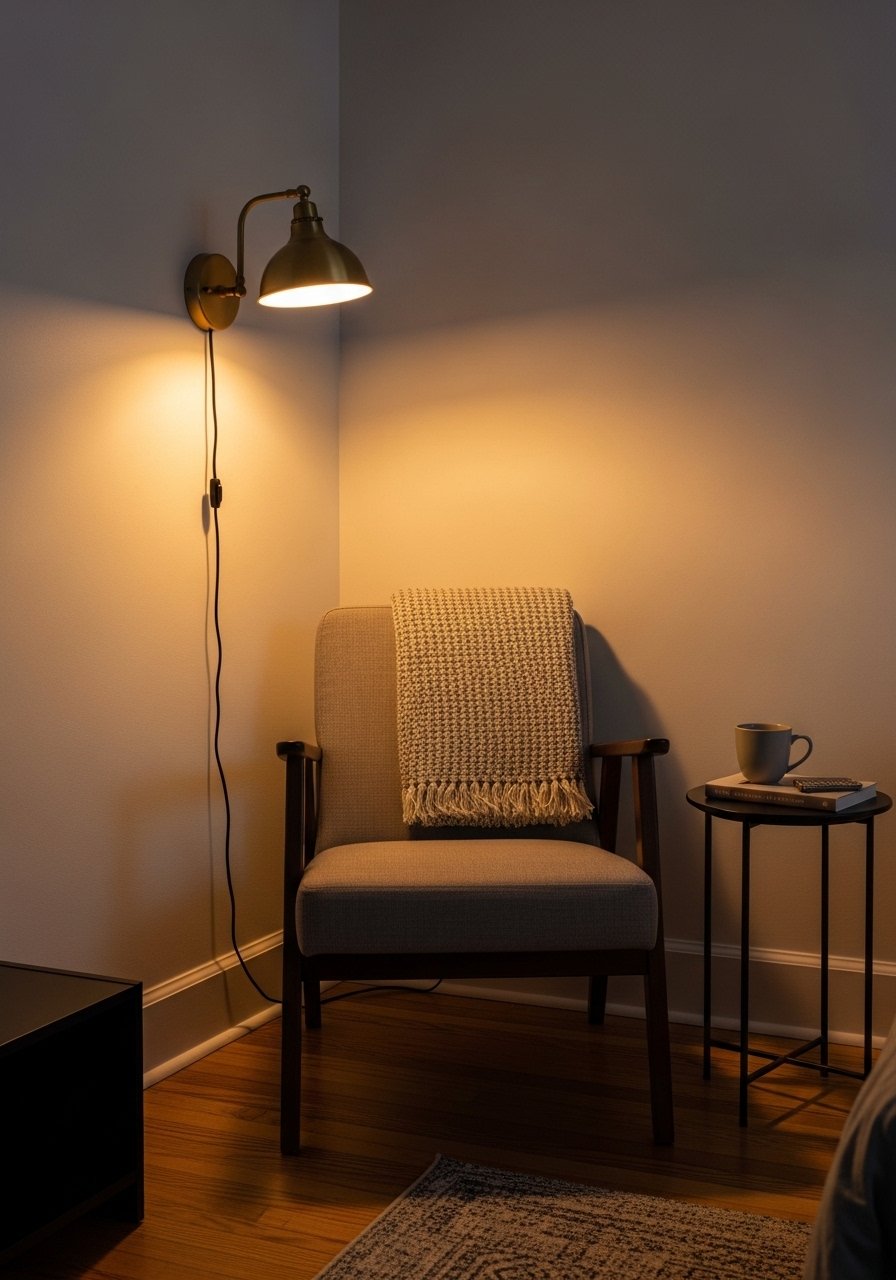
I wanted better reading light without rewiring, so I added plug-in sconces next to the bed. They sit higher than a bedside table lamp and free up surface space. Budget: $30 to $90 per sconce. I installed these plug-in brass wall sconces. Mistake: hanging them at eye level. For reading, mount 48 to 52 inches from the floor so the bulb does not glare when seated. A detail most articles skip: use a low-glare LED bulb around 2700K for warm light that does not wash out pillow colors.
Small Indoor Plant Corner to Add Life Without a Green Thumb
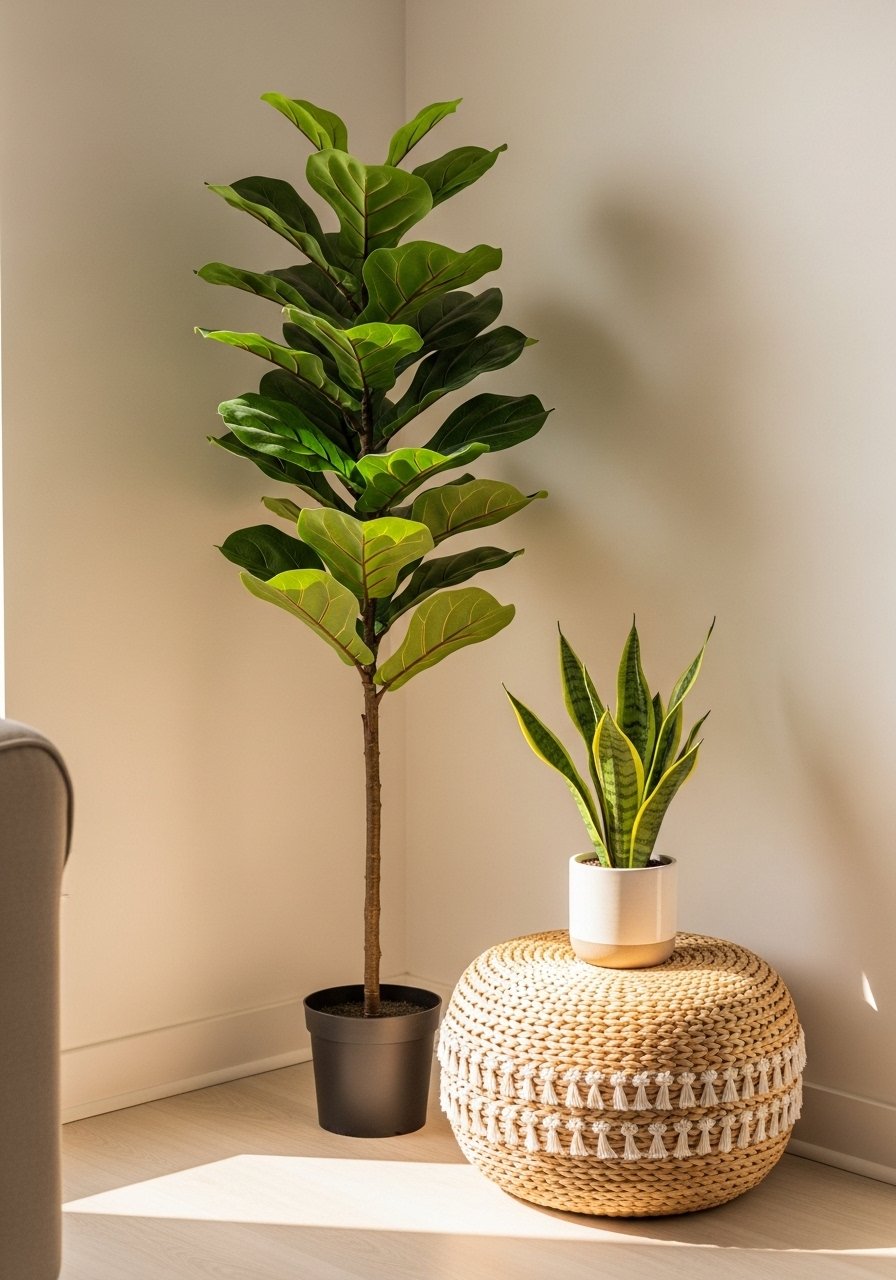
One single 6-foot faux fiddle leaf fig had ten times the visual impact of five tiny succulents. I mix one larger plant with a low-maintenance real plant like a snake plant. Budget: $25 to $120 depending on size and real or faux. I linked a lifelike artificial fiddle leaf fig 6ft and a small snake plant in a ceramic pot. Mistake: clustering plants with similar leaf shapes. Vary heights and leaf sizes for contrast. Real detail: if you choose a faux, put it by a window so it catches natural shadows and reads real in photos.
Budget-Friendly Accent Table Makeover with Peel-and-Paint
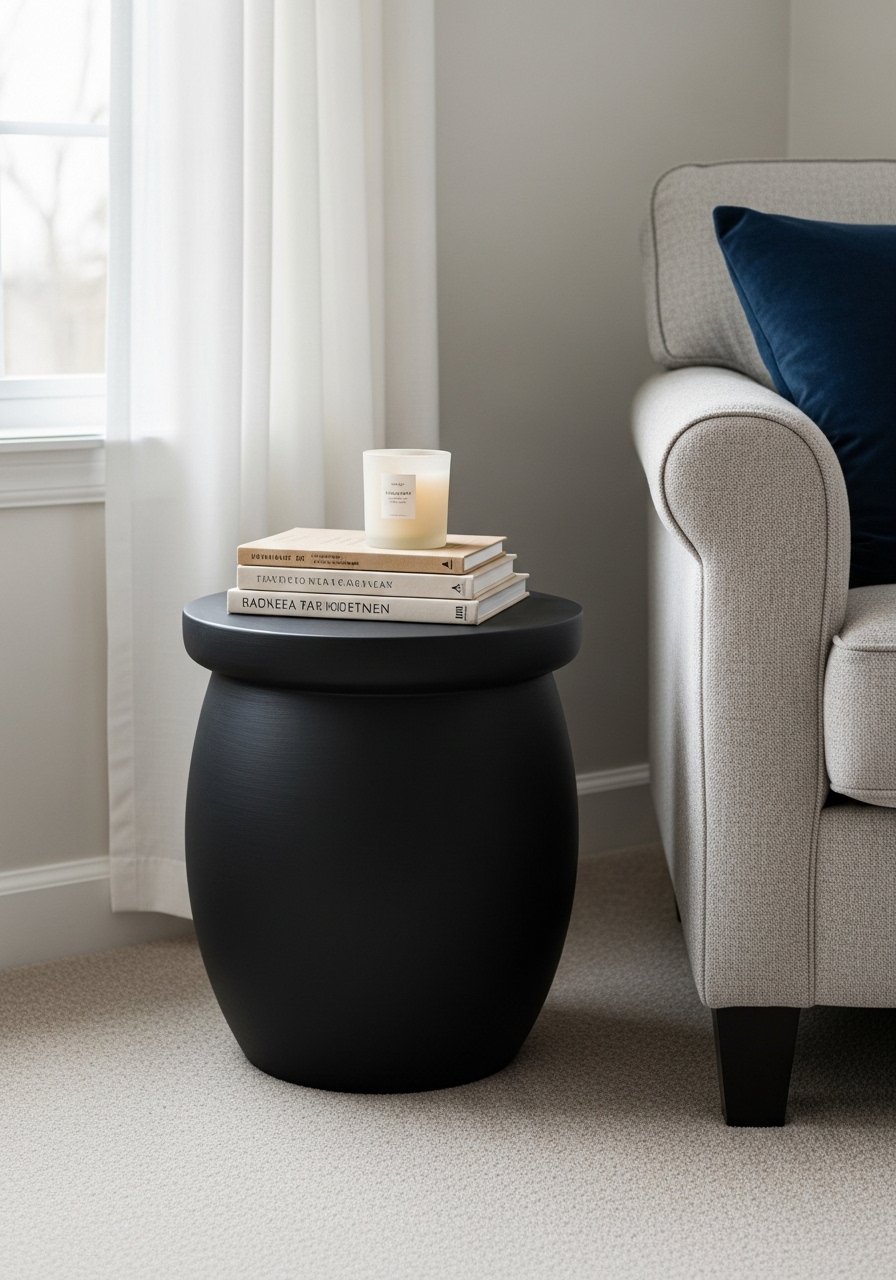
I paid $5 for a sad side table at a thrift store and $12 for paint. After sanding, a fresh coat made it feel intentional next to my sofa. Budget: $10 to $40 total. I used a durable matte black furniture paint. Common mistake: skipping primer on laminate. Use a bonding primer for longevity. Specific ratio I like: one coat of primer, two thin coats of paint, and a final wax or sealer for high-traffic tabletops. Pair this with the layered pillows idea for a fast, cohesive update.
Your Decor Shopping List
Textiles
- Honestly the best $35 I have spent. Chunky knit throw in cream, 50×60 inches, acrylic blend
- For overstuffed comfort, 22-inch linen pillow covers, set of 2, natural and charcoal
Wall Decor
- Found these while hunting for frames. Mixed metal picture frames, assorted sizes
- Round wall mirror 24-inch in brass, great for small entryways
Lighting
- Plug-in brass wall sconce, hardwire-free
- Warm 2700K LED bulbs, pack of 4
Plants
- Artificial fiddle leaf fig 6ft, silk leaves for photos
- Snake plant small live, low maintenance, terracotta pot included
Budget Finds
- Geometric wall stencil kit, reusable
- White hexagon peel-and-stick tiles, 12-pack
Shopping Tips
White oak beats dark wood in 2026. Design feeds have shifted completely. These white oak floating shelves look current, not dated.
Grab velvet pillow covers for $12 each. Swap them every season and the whole room feels different.
Curtains should puddle or kiss the floor, never hang halfway up. These 96-inch linen panels are right for standard 9-foot ceilings.
One single larger plant has more presence than five small pots. Try an artificial fiddle leaf fig 6ft where you want height without upkeep.
If you paint furniture, buy a bonding primer. This all-surface primer prevents chipping and keeps the finish smooth.
Frequently Asked Questions
Q: What size rug do I actually need for the layered rug look?
A: Bigger than you think. For a standard living room, go 8×10 minimum so the front legs of your sofa and chairs sit on the rug. If you want a layered look, place a larger neutral jute under a smaller patterned rug. This 8×10 jute rug is simple and durable.
Q: Can I mix metals or should they match?
A: Mix them. I like a base metal then one accent metal repeated in a couple of spots so it reads intentional. Use brass for warmth and black for contrast. Mixed metal picture frames are an easy start.
Q: How high should I hang wall art over a console or sofa?
A: Aim for the center of the art to be about 60 to 65 inches from the floor. Over a sofa, leave 6 to 12 inches between the top of the sofa and the bottom of the frame. If you have high ceilings, raise everything by 4 inches to keep proportion.
Q: Are fake plants obvious in photos?
A: Not if you choose quality. Place faux plants near light and mix them with a real low-care plant. The shadow and scale sell them. I linked a lifelike artificial fiddle leaf fig 6ft I used in my living room.
Q: How do I avoid a room looking flat after small DIYs?
A: Layer texture and vary heights. Use the 80/20 color ratio by choosing one strong accent color and keeping 80 percent neutral. Pair textiles with one or two statement objects like a plant or a lamp so the eye has places to land.